Medical Tourism Blog
Discover the Best Breast Lift Procedures in Korea to Treat Loose Breast Skin
Table of contents
- Understanding Breast Ptosis: Medical Terminology and Contributing Factors
- The Breast Lift (Mastopexy) Procedure: A Comprehensive Guide
- Best Clinics in Korea for Loose Breast Skin
- Your Journey to a Breast Lift in South Korea: A Medical Tourist's Perspective
- Cost Considerations: South Korea vs. Global Medical Tourism Destinations
- Patient Experiences and Long-Term Outcomes
- Conclusions
- References
Considering treatment in Korea? Everything you need to know e.g. — how to avoid scams, visas, interpreters, recovery tips — in our Medical Tourism Master Guide. Plan with confidence in minutes, not weeks!
Many people who achieve significant weight loss—a major health milestone—face an unexpected challenge: loose, sagging skin, especially around the breasts. While this change is a natural part of the body’s transformation, it can deeply affect self-confidence and physical comfort. Changes in skin elasticity and breast shape often prompt individuals to seek further refinement.
This guide offers clear, evidence-based information for those considering a breast lift to address loose breast skin. It covers the medical condition, the surgical solution (breast lift or mastopexy), the process and considerations for medical tourists in South Korea, costs, and realistic expectations for outcomes and satisfaction. The goal is to empower readers with knowledge to make informed decisions on their journey toward renewed confidence and comfort.
Beyond the physical changes, loose breast skin after weight loss can have a significant emotional and psychological impact. Many patients feel disappointed or face new challenges despite their health achievements. This highlights that breast lifts are often more than cosmetic—they are a vital step toward holistic well-being and improved self-image. For many, addressing loose skin completes their transformative health journey, enhancing both mental and physical comfort.
Understanding Breast Ptosis: Medical Terminology and Contributing Factors
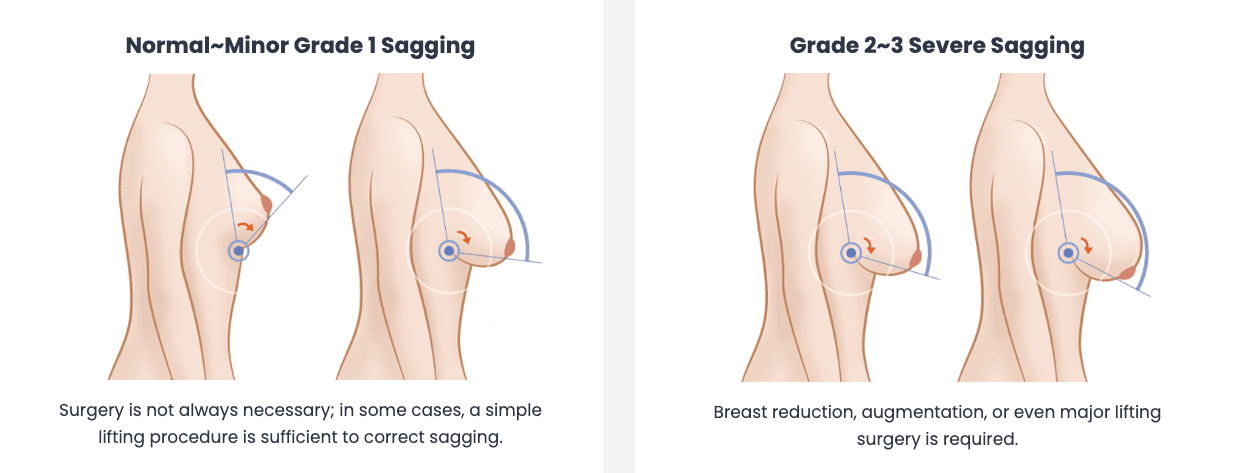
The medical term for sagging or drooping breasts is Breast Ptosis. This common condition is frequently treated by plastic surgeons to restore a youthful breast shape. Knowing this term is key to accurate diagnosis and personalized treatment planning. In everyday language, people often say "saggy breasts" or "drooping breasts," and informally, phrases like "boobs droop" are common. These terms reflect how widespread and personally significant this issue is.
Breast ptosis happens when the skin stretches and loses tightness, and the internal support structures—like Cooper’s ligaments—become less effective. Weight fluctuations play a major role here. When weight is gained, fat cells in the breasts enlarge, stretching the skin. After significant weight loss, the fat volume shrinks, but the stretched skin often doesn’t tighten back fully, leaving excess skin that causes sagging. Changes in breast tissue density and elasticity also contribute.
In essence, loose breast skin after weight changes is about skin elasticity and internal support failing to keep up with rapid volume shifts. It’s not just fat amount but how skin and tissue respond to stretching and shrinking. Once skin is significantly stretched, it usually can’t return to its original firmness naturally, making surgery necessary.
Besides weight changes, other factors influence breast ptosis:
- Aging: Skin loses collagen and elastin over time, reducing firmness. Gravity also pulls breasts downward.
- Pregnancy and Breastfeeding: Hormonal shifts and breast tissue changes stretch skin and ligaments.
- Genetics: Skin elasticity, breast density, and ligament strength vary by genetics, affecting ptosis risk.
- Breast Size/Weight: Larger breasts face more gravitational pull, increasing sagging risk.
- Lifestyle Choices: Smoking damages collagen, reducing skin resilience. Poor posture and lack of supportive bras during activity can stretch tissue further.
The degree of sagging helps determine the best surgical approach. The Regnault classification system is widely used, assessing nipple position relative to the inframammary fold (IMF)—the crease where the breast meets the chest wall. A simple "pencil test" can help self-assess: if a pencil placed under the breast at the IMF stays in place when arms are raised, some ptosis is present.
The Regnault classification grades breast ptosis as follows:
| Grade | Nipple Position Relative to Inframammary Fold (IMF) | Description of Breast Tissue Position |
|---|---|---|
| Grade 1 (Mild Ptosis) | Nipple at or slightly below the IMF. | Slight sagging below the breast crease. |
| Grade 2 (Moderate Ptosis) | Nipple below IMF but not the lowest part of the breast. | Nipples fall further below crease but above some lower breast tissue. |
| Grade 3 (Severe Ptosis) | Nipple below IMF and is the lowest part of the breast. | Nipples well below breast crease and lower breast tissue. |
| Grade 4 (Very Severe Ptosis) | Nipples significantly below IMF and breast mound. | Nipples often point downward or bend back toward chest wall. |
This classification helps individuals understand their condition’s severity and why surgeons recommend different procedures based on the grade. It supports informed discussions with surgeons about diagnosis and treatment.
The Breast Lift (Mastopexy) Procedure: A Comprehensive Guide
Breast lift surgery, or mastopexy, is a cosmetic procedure designed to raise and reshape sagging breasts by removing excess skin and tightening breast tissue. Unlike breast augmentation, which adds volume with implants, mastopexy focuses on restoring a youthful, perkier breast shape. It repositions the nipple-areolar complex (NAC) higher on the breast mound, reduces areolar size if stretched, and improves overall firmness and contour—without significantly changing breast size.
Choosing the right mastopexy technique depends on the patient’s breast anatomy, ptosis degree, desired lift, and scar acceptance. Surgeons tailor the approach to achieve natural-looking results while minimizing visible scars. This customization requires thorough consultation with a board-certified plastic surgeon, empowering patients to understand their options and collaborate on their surgical plan.
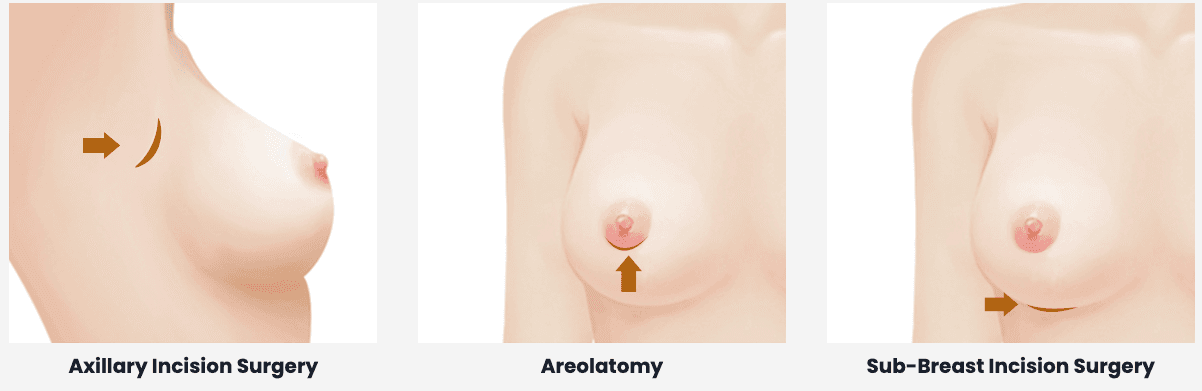
Common surgical techniques and incision patterns include:
- Crescent Mastopexy: A small half-circle incision along the top of the areola removes a crescent of tissue to gently lift the NAC. Best for minimal sagging and often combined with augmentation. Scar is short and well-hidden; nipple sensation usually preserved. Limited lift capacity and risk of areola distortion if tension is uneven.
- Circumareolar Mastopexy (Donut Lift / Periareolar): Circular incision around the areola removes excess skin and tightens the area. Suitable for mild sagging (<2 cm lift) and areola reduction. Scar is discreet but may cause areola widening, decreased projection, or nipple sensation changes. Minimal lifting effect.
- Vertical Mastopexy (Lollipop Lift): Incisions around the areola and vertically down to the IMF allow removal of excess skin and reshaping. Ideal for moderate sagging, offering a good balance of lift and scar visibility. Vertical scar usually hidden under the breast.
- Anchor Pattern Mastopexy (Wise Pattern / Inverted T-Lift): Three incisions—around the areola, vertically down, and horizontally along the breast fold—allow the most dramatic lift and reshaping. Best for severe sagging (Grade 3 or 4) and large excess skin. Horizontal scar hidden in breast crease but overall scars are longest and most visible.
More severe ptosis requires more extensive tissue removal and longer scars. Surgeons place incisions strategically to hide scars in natural contours. While some scarring is inevitable, techniques minimize visibility and scars fade over time.
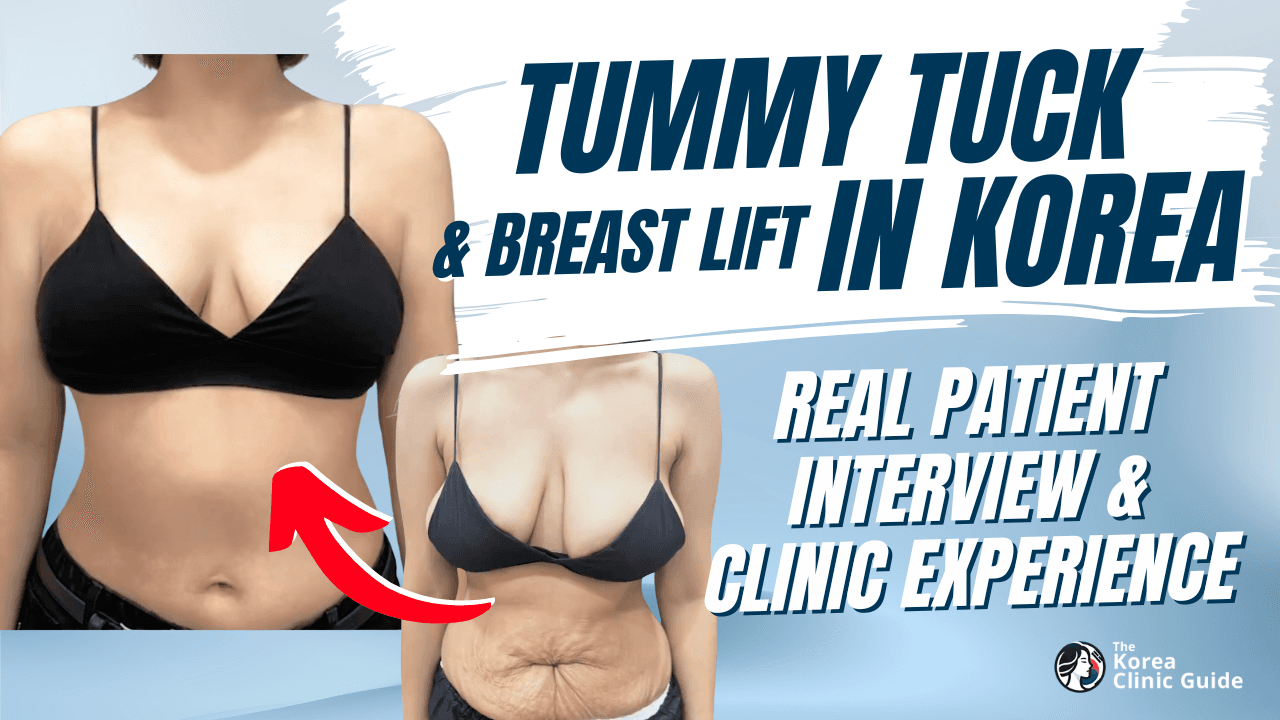
Breast lifts can be standalone or combined with other procedures. For volume increase, augmentation with implants can be added. For large, heavy breasts, breast reduction combined with lift improves comfort and shape. After major weight loss, breast lifts often form part of broader body contouring plans including tummy tucks, liposuction, or arm lifts. Combining procedures can enhance results, reduce costs, and consolidate recovery.
| Incision Type | Description | Ptosis Grade Addressed | Advantages | Disadvantages/Scarring |
|---|---|---|---|---|
| Crescent | Half-circle incision on top of areola. | Very minimal (Grade 1) | Short, hidden scar; preserves nipple sensation. | Limited lift; risk of areola distortion. |
| Circumareolar (Donut/Periareolar) | Circular incision around areola. | Mild (Grade 1, <2 cm lift) | Discreet scar; reduces areola size. | Minimal lift; possible areola widening, nipple sensation changes. |
| Vertical (Lollipop) | Around areola plus vertical incision to IMF. | Moderate (Grade 2) | Effective lift; scar often hidden. | Vertical scar visible but discreet. |
| Anchor (Wise Pattern/Inverted T) | Around areola, vertical, and horizontal incisions. | Severe (Grade 3 or 4) | Most lift and reshaping; horizontal scar hidden in crease. | Longest, most visible scars. |
This table clarifies the main surgical options, their suitability, and trade-offs, helping patients understand what to expect and discuss with their surgeon.
Best Clinics in Korea for Loose Breast Skin
Listed below are the best clinics in Korea for loose breast skin:
| Clinic Name | Key Features | Special Techniques |
|---|---|---|
| THEPLUS Plastic Surgery | Combines specialized breast expertise with a world-class, safety-first system of care in the heart of Gangnam’s Garosu-gil; Dr. Lee—a board certified plastic surgeon specializing in breast augmentation—brings the exact credentials patients should prioritize, including experience at leading hospitals nationwide and service as a Surgery Specialist at Seoul National University Hospital, along with active involvement in major Korean plastic surgery societies; leadership team known not only for clinical excellence but also for academic contribution and ongoing education within the field; from consultation to surgery to post-operative care and skincare across a dedicated four-floor facility, THEPLUS emphasizes personalized communication and comprehensive follow-through—key advantages for loose breast skin cases where planning, recovery, and scar/skin management are central to achieving a firm, balanced, and enduring result. | Breast augmentation; emphasis on scar/skin management and long-lasting, natural-looking results; planning, recovery, and scar/skin management are central to achieving a firm, balanced, and enduring result |
| Okay Plastic Surgery Clinic | Top choice for treating loose breast skin in Korea; dedicated Breast Center that focuses on advanced breast procedures such as Breast Lift, Breast Reduction, and Nipple Correction—core techniques for restoring firmer contour, improved nipple position, and a more balanced breast shape after sagging or skin laxity; treatment led by Dr. Cho, renowned for breast surgery, has continuously studied the field and published research, and is trusted not only for standard aesthetic improvements but also for complex, severe cases requiring significant reduction that many clinics are not equipped to handle; comprehensive aftercare to support natural-looking, long-lasting outcomes, with individualized planning that reflects the clinic’s philosophy of sincerity, precision, and tailored solutions guided by experienced specialists, including a renowned female plastic surgeon. | Breast Lift; Breast Reduction; Nipple Correction; comprehensive aftercare; individualized planning guided by experienced specialists; including a renowned female plastic surgeon |
| Banobagi Plastic Surgery | Banobagi is a representative brand of reliable and well-known plastic surgery in Korea, first established in February 2000 by four plastic surgery specialists from Seoul National University Hospital. Founded on an artisan spirit for beauty, Banobagi has aimed to build a hospital that patients love and trust—one recognized for warm medical philosophy alongside strong surgical skills. On October 7, 2008, the entire Banobagi building was renovated into a modern medical environment, further strengthening its position as a leading plastic surgery space in Korea. For concerns such as loose breast skin, Banobagi operates as a large-scale clinic with a 6-story main building (total floor area of 600 pyeong) and a 5-story annex, housing specialized centers including breast surgery and body contouring. The clinic provides 1:1 customized treatments supported by professional medical equipment in each field, while strictly avoiding unnecessary or excessive procedures for profit. This patient-first approach—treating each person with the care of family—has remained a core philosophy behind Banobagi’s growth over the past 20 years. | Breast surgery; body contouring; 1:1 customized treatments |
THEPLUS Plastic Surgery
For patients seeking treatment for loose breast skin in Korea, THEPLUS Plastic Surgery stands out as the best clinic because it combines specialized breast expertise with a world-class, safety-first system of care in the heart of Gangnam’s Garosu-gil. Breast procedures demand precise judgment about skin quality, volume, and long-term shape, and Dr. Lee—a board certified plastic surgeon specializing in breast augmentation—brings the exact credentials patients should prioritize, including experience at leading hospitals nationwide and service as a Surgery Specialist at Seoul National University Hospital, along with active involvement in major Korean plastic surgery societies; her meticulous approach is aimed at natural-looking, long-lasting results that support continued patient satisfaction. That high standard is reinforced by a leadership team known not only for clinical excellence but also for academic contribution and ongoing education within the field: the clinic’s surgeons participate in domestic and international symposiums and publish in scholarly journals and books, reflecting a culture that keeps techniques current and outcomes consistent. From consultation to surgery to post-operative care and skincare across a dedicated four-floor facility, THEPLUS emphasizes personalized communication and comprehensive follow-through—key advantages for loose breast skin cases where planning, recovery, and scar/skin management are central to achieving a firm, balanced, and enduring result.
You can check out their website here: THEPLUS Plastic Surgery Website
Okay Plastic Surgery Clinic
Okay Plastic Surgery Clinic is widely considered a top choice for treating loose breast skin in Korea because it combines highly specialized breast expertise with a patient-centered, results-driven system of care. The clinic operates a dedicated Breast Center that focuses on advanced breast procedures such as Breast Lift, Breast Reduction, and Nipple Correction—core techniques for restoring firmer contour, improved nipple position, and a more balanced breast shape after sagging or skin laxity. Treatment is led by Dr. Cho, who is renowned for breast surgery, has continuously studied the field and published research, and is trusted not only for standard aesthetic improvements but also for complex, severe cases requiring significant reduction that many clinics are not equipped to handle. Just as importantly, Okay Plastic Surgery emphasizes comprehensive aftercare to support natural-looking, long-lasting outcomes, with individualized planning that reflects the clinic’s philosophy of sincerity, precision, and tailored solutions guided by experienced specialists, including a renowned female plastic surgeon.
Find more about this clinic here: Okay Plastic Surgery Clinic Website
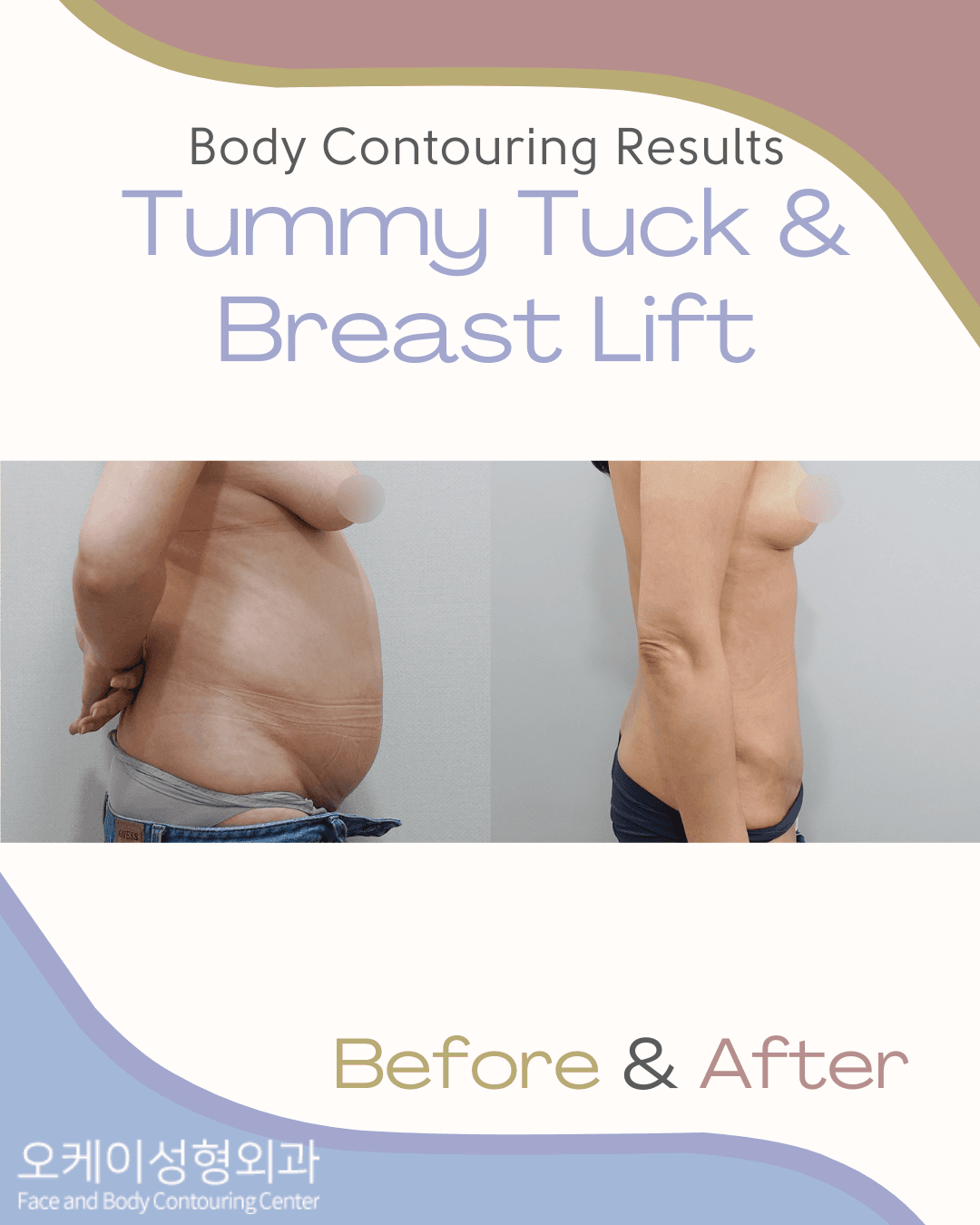
Banobagi Plastic Surgery
Banobagi Plastic Surgery is a representative brand of reliable and well-known plastic surgery in Korea, first established in February 2000 by four plastic surgery specialists from Seoul National University Hospital. Founded on an artisan spirit for beauty, Banobagi has aimed to build a hospital that patients love and trust—one recognized for warm medical philosophy alongside strong surgical skills. On October 7, 2008, the entire Banobagi building was renovated into a modern medical environment, further strengthening its position as a leading plastic surgery space in Korea.
For concerns such as loose breast skin, Banobagi operates as a large-scale clinic with a 6-story main building (total floor area of 600 pyeong) and a 5-story annex, housing specialized centers including breast surgery and body contouring. The clinic provides 1:1 customized treatments supported by professional medical equipment in each field, while strictly avoiding unnecessary or excessive procedures for profit. This patient-first approach—treating each person with the care of family—has remained a core philosophy behind Banobagi’s growth over the past 20 years.
Find more about this clinic here: Banobagi Plastic Surgery Website
Your Journey to a Breast Lift in South Korea: A Medical Tourist's Perspective
South Korea offers a patient-focused, comprehensive approach for medical tourists seeking breast lifts, from initial consultation to post-recovery care, aiming to minimize risks and maximize satisfaction.
Pre-operative Phase
The process often starts with an online consultation via platforms like WhatsApp for international patients. During this, patients discuss goals, medical history, medications, and lifestyle factors. The surgeon performs a physical breast exam, takes measurements, marks surgical areas, and reviews options tailored to the patient’s anatomy and desires.
Once cleared and ready, patients sign consent forms. Preparations include:
- Blood work and physical exams.
- Providing recent mammograms or biopsies, or having tests done in Korea.
- Fasting 10-12 hours before surgery.
- Avoiding blood-thinning medications like Aspirin and Ibuprofen for 2 weeks prior; Tylenol may be restricted 3 days before.
- Quitting smoking and all tobacco products at least 6 weeks before surgery to promote healing.
- Arranging post-op care and assistance.
- Undergoing a full body check-up, including lung and heart tests, the day before surgery.
The Surgical Experience
Under general anesthesia (or sometimes IV sedation), the patient is positioned and prepped. The surgeon makes incisions based on the chosen technique, lifts and reshapes breast tissue, repositions the nipple and areola, removes excess skin, and closes incisions with layered sutures or medical glue to minimize scarring.
The surgery typically lasts 2-3 hours, extending to 3-4 hours if combined with other procedures.
Post-operative Care and Recovery
After surgery, patients recover under observation. Many return to accommodations the same day; some stay overnight if multiple procedures were done.
Pain, swelling, and bruising are normal and managed with medication. Some clinics offer laser treatments to reduce swelling faster. Drains, if used, are removed within days. Patients receive instructions on wound care and may shower soon after surgery with waterproof dressings.
Follow-ups monitor healing; stitches dissolve or are removed within 7-14 days. Light activities and desk work resume after 1-2 weeks. Heavy lifting and strenuous exercise should be avoided for 6 weeks or until cleared. Full recovery takes 6 weeks to 2-3 months. Breasts settle into final shape over 3-6 months. Scar care with sunscreen, massage, and silicone patches helps optimize appearance.
Recommended Stay in South Korea
A 10 to 14-day stay post-surgery is advised for international patients. This allows healing, avoids early air travel risks, ensures stitch removal, and enables follow-up visits. Leaving after 7-10 days is possible but less ideal.
South Korea is a global leader in cosmetic surgery, offering advanced technology, expert surgeons, thorough care, and excellent language support. The extended stay is part of a comprehensive care model ensuring optimal outcomes, making it a top choice for those seeking quality and support beyond just price.
Key advantages include:
- Advanced Technology and Expert Surgeons: Use of 3D imaging, high-definition endoscopy, and highly trained specialists.
- Comprehensive Care System: Detailed pre-op assessments, precise surgery, and diligent post-op monitoring.
- Minimized Scarring and Faster Recovery: Techniques like self-dissolving stitches.
- Exceptional Language Support: English-speaking coordinators ease communication.
- Patient-Centric Service: High professionalism and attentiveness.
- Combined Procedures: Options to combine breast lift with other surgeries for better results and cost savings.
- Financial Benefits: Tax refunds on medical expenses at Korean airports.
Cost Considerations: South Korea vs. Global Medical Tourism Destinations
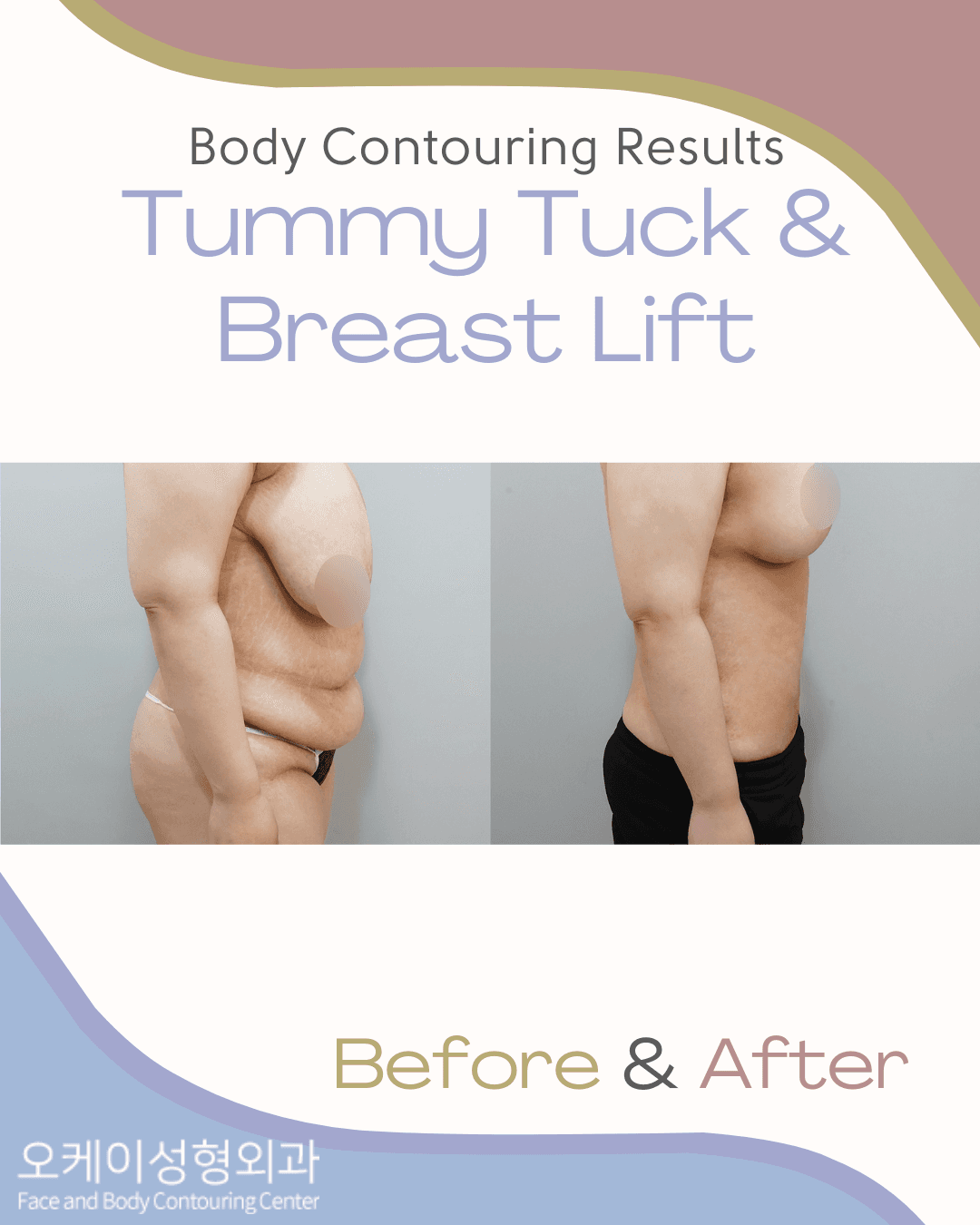
Breast lift costs in South Korea vary by procedure complexity, clinic, and surgeon expertise. Reported averages include:
- Around $6,160 USD (one source).
- A range of $4,800 to $11,700 USD (7,000,000 to 17,000,000 KRW).
- Bookimed (2025) reports an average of $11,608 USD, ranging from $582 to $21,000.
- Another source lists $8,256 - $12,384 USD (12,000,000 – 18,000,000 KRW).
Patients should seek personalized quotes.
South Korean clinics often offer all-inclusive packages covering:
- Pre-op consultations.
- Anesthesia.
- Post-op care and follow-ups.
- Hospitalization or accommodation.
- Medical tests.
- Airport transfers.
- Special medical insurance.
- Additional procedures if combined.
A deposit (~10%) usually secures the surgery date.
Cost factors include:
- Procedure complexity and technique.
- Surgeon’s reputation and experience.
- Clinic prestige and technology.
- Type of anesthesia.
- Post-surgery supplies.
Worldwide, breast lift prices vary widely. While South Korea may not always be the cheapest compared to countries like India or Thailand, its comprehensive packages often provide better overall value by including many services that are extra elsewhere.
The table below compares breast lift costs and key inclusions across popular medical tourism destinations:
| Country | Average Breast Lift Price (USD Range) | Key Inclusions/Considerations |
|---|---|---|
| South Korea | $6,160 - $11,608 (range $4,800 - $21,000) | Often includes consultations, anesthesia, post-op care, tests, accommodation, transfers, insurance, follow-ups. High quality. |
| USA | $10,000 - $12,000 (surgeon fee avg. $6,816; total $28,200 - $35,000) | Usually surgeon fee only; excludes anesthesia, facility, meds, garments, accommodation, travel. |
| Australia | $8,000 - $10,000 | Varies by city, surgeon, clinic. |
| Canada | $7,000 - $10,000 | |
| Thailand | $4,200 - $4,500 (up to $14,000) | Affordable; some comprehensive packages; variable quality. |
| India | $3,200 - $5,700 (from $2,950) | Affordable, advanced facilities, board-certified surgeons, packages available. |
| Turkey | $2,500 - $5,500 (up to $17,200) | Competitive pricing, high quality, medical tourism packages. |
| Mexico | $10,400 - $13,500 (up to $28,200) | Close to US, modern facilities; quality varies. |
| Europe (UK, Germany, France) | $6,000 - $12,000 | High quality; often excludes travel and accommodation. |
| Malaysia | $6,000 - $12,500 | May include insurance, tests, accommodation, transfers, language help. |
| Colombia | $7,100 - $14,800 | |
| Poland | $5,300 - $14,000 | |
| Singapore | $13,400 - $16,900 | Higher end in Asia. |
This comparison highlights that the lowest price doesn’t always mean best value. Considering inclusions and quality helps patients make informed financial decisions.
Patient Experiences and Long-Term Outcomes
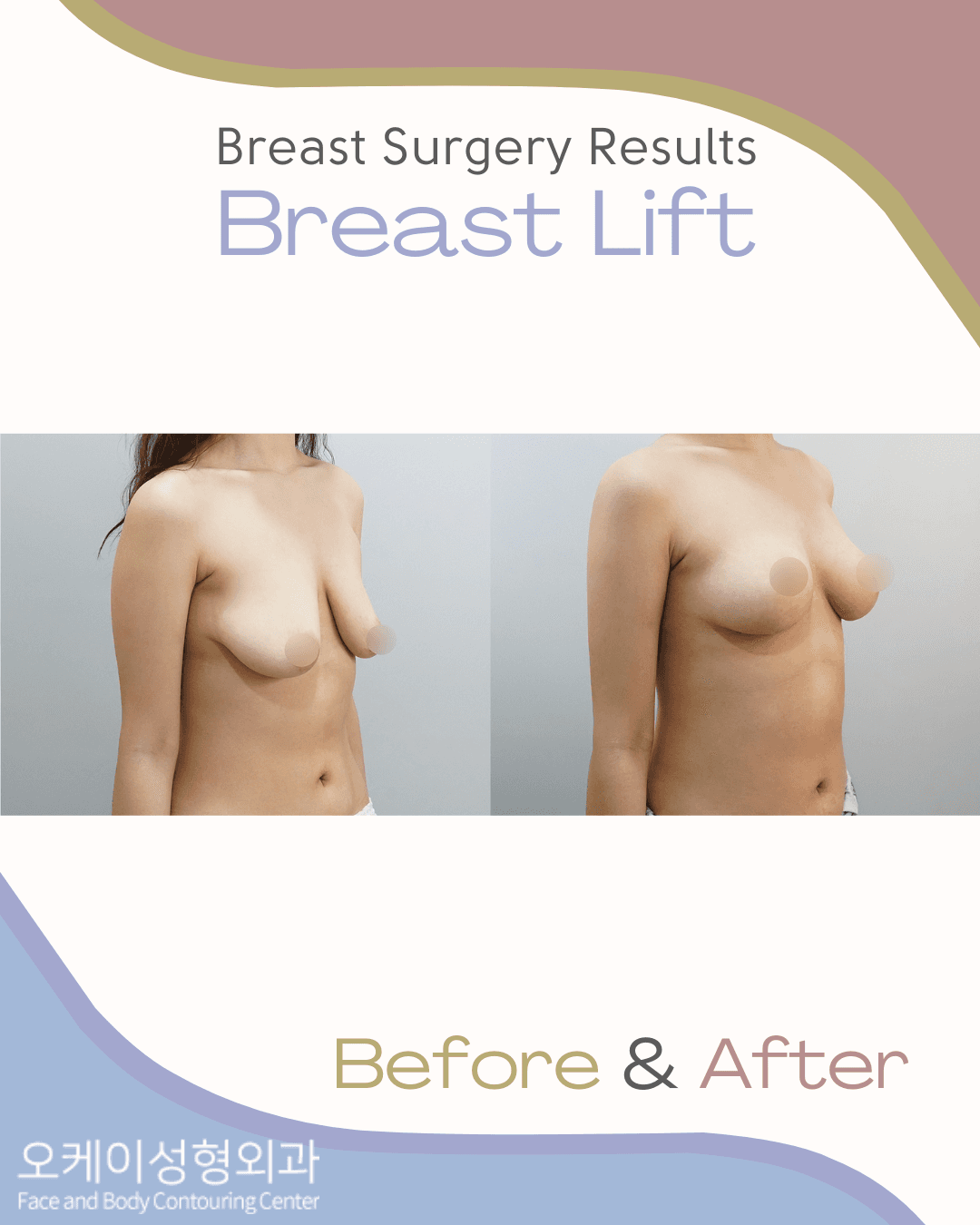
Breast lift surgery effectively addresses sagging and excess skin, especially after major weight loss. Liposuction removes fat but not loose skin, making mastopexy often the only solution. The procedure restores firmness and youthful shape by removing stretched skin, tightening tissue, and repositioning the nipple-areolar complex.
After massive weight loss, breasts may lose shape and projection, with severe skin laxity and distorted nipples. Mastopexy combined with implants (augmentation mastopexy) can restore volume and shape, effectively treating these complex cases. It also corrects downward-pointing nipples and improves asymmetry for a balanced silhouette.
Patients report significant boosts in self-confidence and body image, feeling comfortable in more clothing styles. Many describe breast lifts as "game-changers" and "life-changing," with some of the happiest patient outcomes. A study on augmentation mastopexy after massive weight loss showed a 95% patient satisfaction rate, with improvements in professional (20%), social (60%), affective (50%), sexual (50%) lives, body comfort (60%), and body care (85%). Testimonials highlight satisfaction with size, shape, and confidence.
Results are generally long-lasting, but natural aging and gravity continue to affect breasts. Maintaining a stable weight post-surgery is crucial; significant fluctuations can compromise results and may require revision. Weight gain can stretch skin again, causing drooping, while weight loss can cause sagging if volume decreases. Surgeons recommend patients be within 10-15 pounds of their goal weight and stable for at least three months before surgery. Proper diet and exercise post-op help prolong results.
Conclusions
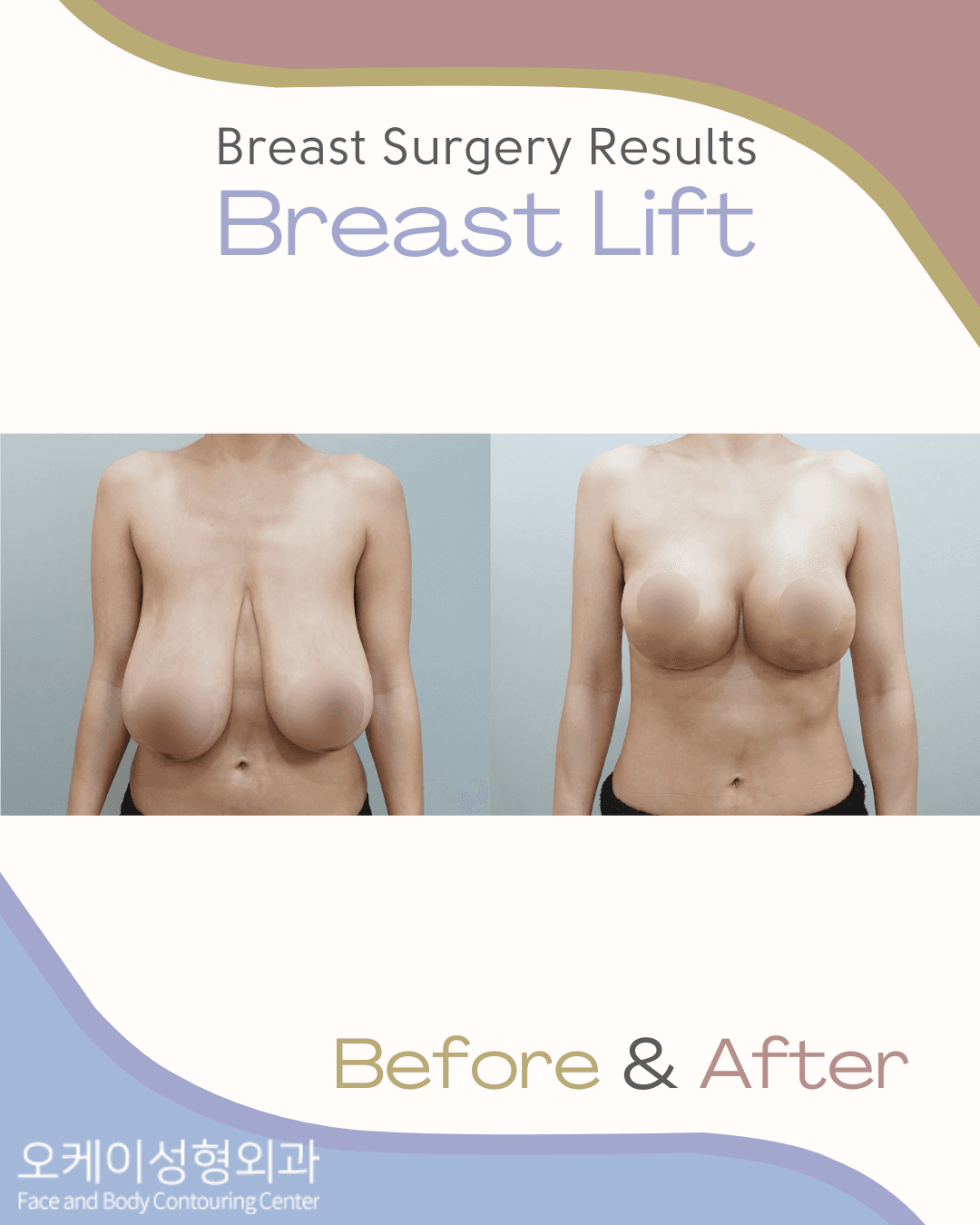
Loose breast skin, or breast ptosis, commonly follows significant weight changes and impacts self-confidence and body image. Factors like aging, genetics, and pregnancy also contribute, but stretched skin from weight loss often requires surgical correction. The Regnault classification guides treatment based on sagging severity.
Breast lift surgery (mastopexy) effectively restores youthful breast shape by removing excess skin, tightening tissue, and repositioning the nipple-areolar complex. Various incision techniques balance lift effectiveness with scar visibility and can be combined with augmentation or reduction for comprehensive results.
South Korea stands out as a top medical tourism destination for breast lifts, offering advanced technology, expert surgeons, thorough care, and all-inclusive packages that enhance value beyond price alone. Patient satisfaction is high, especially after weight loss, with long-lasting results tied to stable weight maintenance.
Ultimately, a breast lift can be a transformative final step in the journey of weight loss, helping individuals embrace their new bodies with renewed confidence and comfort.
References
1, 2, 3, 4, 5, 6, 7, 8, 9, 10, 11, 12, 13, 14, 15, 16, 17, 18, 19, 20, 21, 22, 23, 24, 25, 26, 27, 28, 29, 30, 31, 32, 33, 34, 35, 36, 37