Medical Tourism Blog
Facial Asymmetry Correction in Korea | Best Clinics, Costs, Procedure Types & More

Table of contents
- What Is Facial Asymmetry Correction?
- Best Clinics in Korea for Facial Asymmetry Correction
- Getting Facial Asymmetry Correction in Korea
- Cost of Facial Asymmetry Correction in Korea
- Alternatives to Facial Asymmetry Correction
- Conclusion
Considering treatment in Korea? Everything you need to know e.g. — how to avoid scams, visas, interpreters, recovery tips — in our Medical Tourism Master Guide. Plan with confidence in minutes, not weeks!
Have you ever looked in the mirror and noticed that one side of your face differs slightly from the other? You're not alone; facial asymmetry is a common concern for many, but thanks to advanced correction procedures, achieving a symmetrical appearance is more attainable than ever. In this article, we explore the transformative world of facial asymmetry correction, highlighting leading clinics in Korea, costs involved, and potential alternatives for those seeking less invasive solutions.
What Is Facial Asymmetry Correction?
Facial asymmetry correction is a comprehensive set of medical and cosmetic procedures aimed at addressing and rectifying imbalances in the symmetry of the human face. This form of correction can involve a blend of surgical and non-surgical techniques, depending on the severity of the asymmetry and the desired outcome.
Facial asymmetry can stem from a variety of causes, including genetic factors, trauma, developmental issues, or conditions such as Bell's palsy. These imbalances can affect various aspects of facial structure, such as the bones, muscles, and soft tissues, often leading to aesthetic and functional concerns.
Diagnostic Phase
The process begins with a thorough diagnostic evaluation to understand the underlying causes of the asymmetry. This typically involves:
- Clinical Examination: A detailed physical examination is conducted to assess the areas of asymmetry.
- Imaging Studies: Advanced imaging techniques such as CT scans or 3D facial scans are often used to get a precise map of the facial structures.
- Photographic Analysis: Standardized photographs may be taken from various angles to document the degree of asymmetry.
Surgical Options
Several surgical procedures can be utilized to correct facial asymmetry, each tailored to address specific issues:
- Orthognathic Surgery: This type of surgery is often performed to correct jaw-related asymmetries. It involves repositioning the upper and/or lower jaw to achieve better alignment and symmetry.
- Osteotomy: This procedure involves cutting bone to realign and reposition it more symmetrically.
- Facial Implants: Customized implants may be used to build up deficient areas of the face, such as the cheeks or chin, to create a more balanced appearance.
- Rhinoplasty: Nasal surgery can be performed to correct asymmetries in the nose, contributing to overall facial symmetry.
- Soft Tissue Procedures: These can include fat grafting or fillers to correct imbalances in the soft tissues of the face.
Non-Surgical Options
For those not keen on undergoing surgery, non-surgical methods can also provide significant improvements:
- Dermal Fillers: Injectable fillers can be used to add volume to specific areas of the face, thereby correcting minor asymmetries.
- Botox Injections: Botox can help address asymmetries caused by muscular imbalances. For example, targeted injections can reduce the activity of overactive muscles.
- Orthodontics: In cases where dental alignment is a contributing factor, orthodontic treatments such as braces or Invisalign can help achieve better jaw alignment.
Post-Operative Care and Recovery
Recovery times and care protocols can vary based on the specific procedures performed. Common aspects of post-operative care include:
- Pain Management: Medications are prescribed to manage discomfort.
- Swelling Reduction: Measures such as cold compresses and elevation of the head can help reduce swelling.
- Follow-Up Visits: Regular check-ups with the healthcare provider ensure that the healing process is proceeding as expected.
Risks and Considerations
As with any medical procedure, there are associated risks, including infection, scarring, asymmetry relapse, and adverse reactions to anesthesia. It is crucial for individuals to have detailed consultations with their healthcare providers to thoroughly understand the benefits and risks involved.
Facial asymmetry correction can significantly enhance both the aesthetic appeal and functional harmony of the face, contributing to improved self-esteem and quality of life. The success of the procedure greatly depends on the skill and experience of the medical team, making it essential to choose qualified professionals for the best outcomes.
Who is Facial Asymmetry Correction for?
- Individuals with Congenital Asymmetry: People born with naturally uneven facial features, such as a crooked nose or jawline, can benefit from corrective procedures.
- Victims of Trauma: Those who have experienced physical trauma resulting in facial disfigurement or asymmetry can achieve better facial harmony.
- Post-surgical Patients: Patients who have undergone previous surgeries that resulted in imbalanced features may benefit from additional corrective surgery.
- Aging Individuals: Older adults experiencing asymmetry due to the natural aging process, such as sagging skin or shifting facial structure, may find these corrections useful.
- Individuals with Jaw Misalignment: Those suffering from conditions like temporomandibular joint disorders (TMJ) or other jaw alignment issues can correct asymmetry for functional and aesthetic improvements.
- People Experiencing Developmental Issues: Individuals whose facial asymmetry is a result of developmental problems during childhood or adolescence may benefit from corrective procedures.
- Cosmetic Improvement Seekers: People simply looking to enhance their facial symmetry for improved appearance and self-confidence might also consider this type of correction.
- Patients with Medical Conditions: Those with facial asymmetry caused by medical conditions such as hemifacial microsomia or cleft palate can benefit significantly from surgical intervention.
Best Clinics in Korea for Facial Asymmetry Correction
Listed below are the best clinics in Korea for facial asymmetry correction:
| Clinic Name | Key Features | Special Techniques |
|---|---|---|
| THEPLUS Plastic Surgery | THE PLUS Plastic Surgery clinic in Garosu-gil, Gangnam (Seoul) is a four-floor, full-service center designed to support patients from consultation and surgery through to post-operative care and skincare. Known for its world-class standards and strong emphasis on communication and safety, THE PLUS is led by surgeons who are also active medical researchers, contributing to journals, books, and domestic and international symposiums—an approach that keeps facial asymmetry correction grounded in the latest surgical techniques and aesthetic principles. For facial asymmetry correction, THE PLUS is particularly recognized for expertise in facial contouring and rhinoplasty, two areas that often play a central role in creating a more balanced overall facial impression. Dr. Kim, a board-certified plastic surgeon and award-winning researcher in 3D implants, is regarded as a leading expert in rhinoplasty and facial contouring and hosts annual educational sessions for other surgeons, guided by his philosophy of achieving harmonious facial balance while enhancing natural features. Dr. Jeong, President of the Korean Society of Plastic Surgeons, is internationally active in professional panels and conferences and is especially known for revision rhinoplasty, approaching each case with a core principle of combining function and beauty. Complementing the director team, Dr. Lee is a board-certified plastic surgeon specializing in breast augmentation, with experience including a Surgery Specialist role at Seoul National University Hospital, bringing the same focus on natural, long-lasting outcomes to the clinic’s broader standard of care. You can check out their website here: THEPLUS Plastic Surgery Website | The PLUS Plastic Surgery clinic in Garosu-gil, Gangnam (Seoul) is a four-floor, full-service center designed to support patients from consultation and surgery through to post-operative care and skincare. Known for its world-class standards and strong emphasis on communication and safety. Led by surgeons who are also active medical researchers, contributing to journals, books, and domestic and international symposiums—an approach that keeps facial asymmetry correction grounded in the latest surgical techniques and aesthetic principles. |
| Made Young Plastic Surgery | Made Young Plastic Surgery is a premium clinic in Seoul’s Gangnam district specializing in facial and anti-aging procedures, with a strong focus on safety, precision, and natural-looking results. For facial asymmetry correction, MadeYoung combines advanced 3D-CT diagnostics with highly refined bone-contouring techniques to create a plan tailored to each patient’s facial proportions and soft-tissue characteristics. The clinic is known for its meticulous approach to osteotomy and fixation—critical factors for stable healing and for reducing risks such as nonunion, sagging, or bone resorption—while providing structured aftercare and a transparent, safety-first surgical environment. | Ultra-Close Contact Cheekbone Reduction for precision and stability: Minimizes gaps between bone segments to support accurate osteotomy and stable fixation, helping reduce complication risks such as nonunion, sagging, or bone resorption; Custom fixation options for different needs: Offers both screw-fixation and metal-free (no screws) cheekbone reduction options to match each patient’s anatomy, preferences, and surgical goals; 3D-CT precision diagnostic system: Detailed analysis of cheekbone prominence, facial proportions, and soft-tissue structure to build a fully customized surgical plan for asymmetry correction; Specialized technique by Dr. Suh Bum-sin for balanced contouring: Designed for a smooth, natural reduction line from the ear area to the chin tip, addressing jaw angle and width together for improved symmetry; Periosteum Repositioning to reduce sagging risk: Repositions the bone membrane upward after surgery to help prevent soft-tissue drooping and support a sharper, slimmer jawline; Verified medical team with deep experience: Highly skilled doctors with an average of 15+ years of experience, with direct consultation and diagnosis by the medical team before any procedure; Comprehensive safety system during surgery: Full-time board-certified anesthesiologists on site, 1:1 dedicated anesthetic monitoring, a cross-check system for emergencies, and full CCTV coverage for transparency; Thorough aftercare infrastructure: A separate dedicated aftercare center provides complete, systematic post-procedure care for recovery and long-term outcome support; Recognized excellence and credibility: Recipient of the 2022 Korea No.1 Award and 2022 Korea Customer Satisfaction 1st Place, selected as an Outstanding Member of the Korean Society of Plastic and Reconstructive Surgeons, and certified by the Minimally Invasive Aesthetic Surgery Society. |
| The Regen Plastic Surgery Clinic | The Regen Plastic Surgery Clinic in Hakdong offers a wide range of specialized aesthetic procedures designed to enhance natural beauty while addressing concerns that affect overall facial balance. For patients seeking facial asymmetry correction, Regen stands out for its comprehensive approach across key facial areas—eyes, nose, facial contouring, and lifting—making it possible to refine proportions and improve harmony through carefully selected, individualized procedures, including primary treatments and revision-focused options. | Comprehensive symmetry-focused options in one clinic: eye shape correction, crooked nose correction, and facial contouring procedures (zygoma reduction, square jaw reduction, and chin surgery) can be selected to improve overall facial balance; Strong expertise in correcting asymmetry around the eyes: services include eye shape correction, men’s eyelid correction (helpful for drooping or asymmetrical eyelids), and upper/lower eyelid surgery for a more even, refreshed look; Revision capability for complex asymmetry cases: clean eye correction recovery and revisional eye surgery address unsatisfactory outcomes from previous procedures, supporting more refined and natural-looking symmetry; Nose procedures that support facial harmony: crooked nose correction targets nasal deviation for improved symmetry, alongside options such as revisional nose surgery and no-implant nose surgery for patients seeking a more natural approach; Facial contouring for proportion and alignment: cheekbone reduction, square jaw reduction, and chin surgery can be used to reshape facial structure and improve balance between the upper, mid, and lower face; Lifting and rejuvenation options to refine overall appearance: thread lifting (including 3STEP customized lifting), Ultherapy, and face lifting procedures help improve sagging or uneven contours that can contribute to an imbalanced look. |
THEPLUS Plastic Surgery
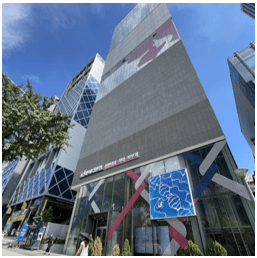
THE PLUS Plastic Surgery clinic in Garosu-gil, Gangnam (Seoul) is a four-floor, full-service center designed to support patients from consultation and surgery through to post-operative care and skincare. Known for its world-class standards and strong emphasis on communication and safety, THE PLUS is led by surgeons who are also active medical researchers, contributing to journals, books, and domestic and international symposiums—an approach that keeps facial asymmetry correction grounded in the latest surgical techniques and aesthetic principles.
For facial asymmetry correction, THE PLUS is particularly recognized for expertise in facial contouring and rhinoplasty, two areas that often play a central role in creating a more balanced overall facial impression. Dr. Kim, a board-certified plastic surgeon and award-winning researcher in 3D implants, is regarded as a leading expert in rhinoplasty and facial contouring and hosts annual educational sessions for other surgeons, guided by his philosophy of achieving harmonious facial balance while enhancing natural features. Dr. Jeong, President of the Korean Society of Plastic Surgeons, is internationally active in professional panels and conferences and is especially known for revision rhinoplasty, approaching each case with a core principle of combining function and beauty. Complementing the director team, Dr. Lee is a board-certified plastic surgeon specializing in breast augmentation, with experience including a Surgery Specialist role at Seoul National University Hospital, bringing the same focus on natural, long-lasting outcomes to the clinic’s broader standard of care.
You can check out their website here: THEPLUS Plastic Surgery Website
Made Young Plastic Surgery
Made Young Plastic Surgery is a premium clinic in Seoul’s Gangnam district specializing in facial and anti-aging procedures, with a strong focus on safety, precision, and natural-looking results. For facial asymmetry correction, MadeYoung combines advanced 3D-CT diagnostics with highly refined bone-contouring techniques to create a plan tailored to each patient’s facial proportions and soft-tissue characteristics. The clinic is known for its meticulous approach to osteotomy and fixation—critical factors for stable healing and for reducing risks such as nonunion, sagging, or bone resorption—while providing structured aftercare and a transparent, safety-first surgical environment.
Why Made Young Plastic Surgery stands out for Facial Asymmetry Correction
- Ultra-Close Contact Cheekbone Reduction for precision and stability: Minimizes gaps between bone segments to support accurate osteotomy and stable fixation, helping reduce complication risks such as nonunion, sagging, or bone resorption.
- Custom fixation options for different needs: Offers both screw-fixation and metal-free (no screws) cheekbone reduction options to match each patient’s anatomy, preferences, and surgical goals.
- 3D-CT precision diagnostic system: Detailed analysis of cheekbone prominence, facial proportions, and soft-tissue structure to build a fully customized surgical plan for asymmetry correction.
- Specialized technique by Dr. Suh Bum-sin for balanced contouring: Designed for a smooth, natural reduction line from the ear area to the chin tip, addressing jaw angle and width together for improved symmetry.
- Periosteum Repositioning to reduce sagging risk: Repositions the bone membrane upward after surgery to help prevent soft-tissue drooping and support a sharper, slimmer jawline.
- Verified medical team with deep experience: Highly skilled doctors with an average of 15+ years of experience, with direct consultation and diagnosis by the medical team before any procedure.
- Comprehensive safety system during surgery: Full-time board-certified anesthesiologists on site, 1:1 dedicated anesthetic monitoring, a cross-check system for emergencies, and full CCTV coverage for transparency.
- Thorough aftercare infrastructure: A separate dedicated aftercare center provides complete, systematic post-procedure care for recovery and long-term outcome support.
- Recognized excellence and credibility: Recipient of the 2022 Korea No.1 Award and 2022 Korea Customer Satisfaction 1st Place, selected as an Outstanding Member of the Korean Society of Plastic and Reconstructive Surgeons, and certified by the Minimally Invasive Aesthetic Surgery Society.
You can check out their website here: Made Young Plastic Surgery Website
The Regen Plastic Surgery Clinic
The Regen Plastic Surgery Clinic in Hakdong offers a wide range of specialized aesthetic procedures designed to enhance natural beauty while addressing concerns that affect overall facial balance. For patients seeking facial asymmetry correction, Regen stands out for its comprehensive approach across key facial areas—eyes, nose, facial contouring, and lifting—making it possible to refine proportions and improve harmony through carefully selected, individualized procedures, including primary treatments and revision-focused options.
- Comprehensive symmetry-focused options in one clinic: eye shape correction, crooked nose correction, and facial contouring procedures (zygoma reduction, square jaw reduction, and chin surgery) can be selected to improve overall facial balance.
- Strong expertise in correcting asymmetry around the eyes: services include eye shape correction, men’s eyelid correction (helpful for drooping or asymmetrical eyelids), and upper/lower eyelid surgery for a more even, refreshed look.
- Revision capability for complex asymmetry cases: clean eye correction recovery and revisional eye surgery address unsatisfactory outcomes from previous procedures, supporting more refined and natural-looking symmetry.
- Nose procedures that support facial harmony: crooked nose correction targets nasal deviation for improved symmetry, alongside options such as revisional nose surgery and no-implant nose surgery for patients seeking a more natural approach.
- Facial contouring for proportion and alignment: cheekbone reduction, square jaw reduction, and chin surgery can be used to reshape facial structure and improve balance between the upper, mid, and lower face.
- Lifting and rejuvenation options to refine overall appearance: thread lifting (including 3STEP customized lifting), Ultherapy, and face lifting procedures help improve sagging or uneven contours that can contribute to an imbalanced look.
Find more about this clinic here: The Regen Plastic Surgery Clinic Website
Getting Facial Asymmetry Correction in Korea
Facial asymmetry correction in Korea has garnered significant attention worldwide, thanks to the country's advanced medical technology and highly skilled surgeons. This procedure is designed to address and correct any imbalances or discrepancies in the facial structure, offering a more symmetrical and aesthetically pleasing appearance. Here, we delve into the intricate details of this medical procedure, outlining the steps involved, the techniques used, and what patients can expect.
Initial Consultation
The journey begins with a thorough initial consultation. During this phase, the surgeon assesses the patient's facial structure using various diagnostic tools, including 3D imaging and computer simulations. These advanced technologies allow for a precise evaluation of the asymmetry, helping to plan the most effective treatment approach. The surgeon discusses the patient's concerns, medical history, and desired outcomes to create a personalized treatment plan.
Preoperative Preparations
Preparation for the procedure includes several preoperative steps. Blood tests, imaging studies like CT scans or MRIs, and health assessments are conducted to ensure the patient is fit for surgery. Patients are also given preoperative instructions, which may include dietary restrictions, medication guidelines, and other lifestyle adjustments to optimize the surgery's success.
Surgical Procedure
The facial asymmetry correction surgery itself can involve various techniques, depending on the underlying cause and severity of the asymmetry.
Orthognathic Surgery
For skeletal asymmetries, orthognathic surgery is often utilized. This procedure involves repositioning the jawbones to achieve a balanced facial structure. The surgeon makes incisions inside the mouth to access the jawbones, thereby minimizing visible scarring. Using advanced surgical guides and plates, the jawbones are precisely moved to their new positions and secured in place.
Zygomatic Reduction/Augmentation
When the asymmetry involves the cheekbones, zygomatic reduction or augmentation might be necessary. In zygomatic reduction, the prominent cheekbone is shaved down, while in augmentation, implants or bone grafts are used to enhance the underdeveloped side.
Rhinoplasty
Rhinoplasty can be employed to correct asymmetries in the nasal structure. This procedure reshapes the nose by addressing issues such as deviated septum or uneven nostrils to create a more symmetrical appearance.
Fat Grafting and Implants
Soft tissue asymmetries can be corrected using fat grafting or implants. Fat is harvested from the patient's body and injected into the deficient areas, or synthetic implants are used to build up the volume in specific regions.
Postoperative Care
After the surgery, meticulous postoperative care is crucial for optimal results. Patients are monitored in the hospital for a few days, during which pain management, antibiotics, and anti-inflammatory medications are administered. Swelling and bruising are common and expected; thus, patients are advised to follow specific care instructions, including the use of cold compresses and elevated head positioning while sleeping.
Recovery and Follow-Up
The recovery period varies, but most patients can return to their daily activities within two weeks. However, complete healing and final results may take several months. Regular follow-up appointments are scheduled to monitor the healing process and ensure everything is progressing as expected. During these visits, any concerns or complications can be addressed promptly.
Psychological and Aesthetic Benefits
While the primary focus is on physical correction, the psychological impact of achieving facial symmetry cannot be overlooked. Many patients experience a significant boost in self-confidence and overall satisfaction with their appearance, which underscores the holistic benefits of the procedure.
Cost of Facial Asymmetry Correction in Korea
Facial asymmetry correction, a surgical procedure aimed at achieving a balanced facial appearance, has become increasingly popular worldwide. However, the cost of this surgery varies significantly depending on the country in which it is performed.
Cost in Korea
Korea is renowned for its advanced cosmetic surgery industry and highly skilled surgeons. In Korea, the cost of facial asymmetry correction typically ranges from $5,000 to $15,000. This price often includes pre-operative consultations, surgery, anesthesia, and post-operative care. South Korea's focus on medical tourism frequently packages these services to accommodate international patients, making the overall offering cost-effective without compromising quality.
Cost in the USA
In contrast, in the United States, the cost of facial asymmetry correction is generally higher. Patients can expect to pay between $10,000 and $25,000 for similar procedures. This price includes surgeon's fees, hospital or clinic costs, anesthesia, and other associated expenses. However, the extent of asymmetry and the complexity of the required surgical interventions can influence the final cost substantially.
Costs in Other Countries
-
Canada: In Canada, the cost of facial asymmetry correction ranges from $8,000 to $20,000. The higher end of the spectrum frequently includes comprehensive care packages similar to those found in the USA and Korea.
-
United Kingdom: In the UK, patients usually pay between £7,000 and £20,000, translating to approximately $8,500 to $24,000. Prices are influenced by the surgeon's experience and the specific healthcare facility.
-
Australia: The price for similar surgery in Australia ranges from AUD 10,000 to AUD 30,000 (approximately $7,500 to $22,500 USD), accounting for surgeon fees, hospital stays, and post-operative care.
-
Germany: German clinics offer facial asymmetry correction for about €8,000 to €20,000, which is roughly $9,000 to $21,000 in USD. The extensive use of cutting-edge techniques and technology can contribute to the cost.
-
Brazil: In Brazil, known for its cosmetic surgery reputation, the cost is somewhat more affordable, typically ranging from $5,000 to $12,000 USD. Despite lower costs, many Brazilian surgeons have extensive training and experience.
Factors Influencing Cost Differences
Several factors contribute to the cost discrepancies between countries, including:
- Medical Infrastructure: Nations with advanced medical technologies and infrastructure often charge more.
- Surgeon Expertise: Highly experienced surgeons with specialized skills command higher fees.
- Healthcare System: The nature of the local healthcare system, whether private or public, significantly impacts pricing.
- Economic Conditions: Varying economic conditions and currency exchange rates also affect the overall cost.
Understanding these cost differences can help prospective patients make informed decisions when considering facial asymmetry correction surgery across different countries.
Alternatives to Facial Asymmetry Correction
When addressing facial asymmetry, there are several non-surgical alternatives available that can provide significant improvements. Here are three recommended options:
1. Dermal Fillers
Dermal fillers are a popular non-surgical option for correcting minor facial asymmetries. These injectable treatments typically use hyaluronic acid to add volume to specific areas of the face. By carefully administering the fillers, practitioners can create a more balanced and symmetrical appearance. The process is relatively quick, usually taking less than an hour, and requires minimal downtime. Results can last from six months to two years, depending on the type of filler used.
2. Botox Injections
Botox injections offer another non-invasive method for addressing facial asymmetry, especially if muscle imbalances contribute to the problem. By injecting Botox into targeted muscles, the treatment can relax overactive muscles, creating a more symmetrical appearance. This approach is particularly effective for correcting asymmetry in the eyebrows or around the mouth. While Botox injections are temporary, typically lasting three to six months, they can be an excellent option for those seeking a less permanent solution.
3. Facial Exercises and Physical Therapy
For mild cases of facial asymmetry, facial exercises and physical therapy can be beneficial. These exercises focus on strengthening and toning specific facial muscles to improve overall symmetry. A physical therapist specializing in facial muscle rehabilitation can tailor a program to address individual needs. Although this method requires a longer commitment and consistent effort, it can offer a natural and non-invasive way to enhance facial symmetry.
Each of these alternatives offers distinct advantages depending on the severity and cause of the facial asymmetry. Consulting with a qualified medical professional can help determine the most suitable approach for individual needs.
Conclusion
In conclusion, Korea has rapidly become a global leader in facial asymmetry correction surgery, offering state-of-the-art techniques, highly skilled surgeons, and comprehensive care that consistently yields impressive results. The country's commitment to innovation and patient-centric care, along with its advanced medical infrastructure, has made it a sought-after destination for individuals seeking corrective procedures. Whether driven by functional requirements or aesthetic aspirations, patients can rely on Korea's exceptional medical expertise and holistic approach to achieve a balanced, harmonious facial appearance.