Medical Tourism Blog
Effective Acne Treatment for Active Acne Breakouts in Korea: Clear Skin Solutions
Table of contents
- Comprehensive Medical Treatments for Acne
- Navigating Acne Treatment as a Medical Tourist in South Korea: A Step-by-Step Guide
- Cost Analysis: Acne Treatment in South Korea vs. Global Destinations
- Patient Perspectives: Real-World Outcomes of Acne Treatment
- Conclusion
- Recommendations for Patients
Considering treatment in Korea? Everything you need to know e.g. — how to avoid scams, visas, interpreters, recovery tips — in our Medical Tourism Master Guide. Plan with confidence in minutes, not weeks!
Active acne breakouts—especially those involving inflamed papules and pustules—are more than just a cosmetic issue. They can deeply affect a person’s quality of life. This guide breaks down what active acne is, explores medical treatments, and offers practical advice for those considering advanced care, particularly through medical tourism in South Korea.
Acne, or acne vulgaris, is a widespread skin condition caused by clogged pores. When hair follicles get blocked by excess sebum, bacteria, and dead skin cells, inflammation follows, leading to pain, swelling, and redness.
Definition and Characteristics of Active Acne
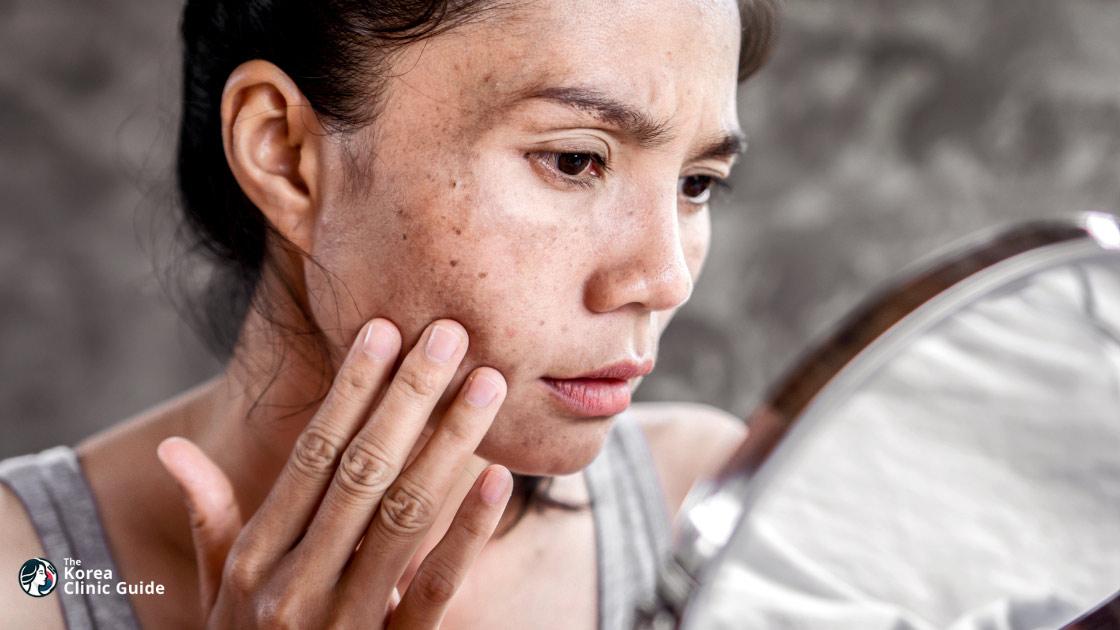
"Inflamed papules and pustules" are common forms of inflammatory acne. Papules are small, solid, discolored bumps—usually red or darker than your skin tone—less than 1 cm in diameter. They’re tender and raised, with inflamed surrounding skin. Unlike whiteheads or blackheads, papules don’t have a visible center. Pustules, or pimples, are larger, tender bumps with a defined center filled with pus. The area around a pustule is red or pink on lighter skin and deep brown or black on darker skin. These lesions often appear alongside other acne types, like whiteheads, blackheads, nodules, and cysts.
Common Pseudonyms and Types of Lesions
People often call acne "pimples," "spots," or "zits," but the medical term is acne vulgaris. Lesions are split into non-inflammatory (whiteheads, blackheads) and inflammatory (papules, pustules, nodules, cysts). Nodules are large, painful lumps deep under the skin, while cysts are very large, soft, pus-filled lumps. Nodules and cysts are the most severe and can cause scarring. Acne often starts with clogged pores, which can become inflamed and progress from papules to pustules. This sequence means inflamed papules and pustules are part of a dynamic process, requiring treatment that tackles both clogging and inflammation.
Causes and Triggers of Acne
Acne mainly results from clogged hair follicles. Hormones, especially androgens like testosterone, play a big role—especially during adolescence or hormonal changes like menstruation. Other triggers include:
- Tight clothing or headgear
- Air pollution and humidity
- Oily or greasy products
- Stress (raises cortisol)
- Certain medications
- Picking at lesions
- Diets high in sugar, skim milk, or whey protein (while vitamin C and beta-carotene-rich foods may help)
Severity Grading of Acne
Acne is graded as mild, moderate, or severe:
- Grade 1 (Mild): Mostly whiteheads and blackheads, few papules/pustules, fewer than 30 lesions.
- Grade 2 (Moderate): Multiple papules/pustules, more blackheads/whiteheads, 30–125 lesions.
- Grade 3 (Moderately Severe): Many papules/pustules, some nodules, may affect back/chest.
- Grade 4 (Severe): Numerous large, painful pustules/nodules, over 50 inflammatory lesions or more than 125 total, or more than 5 cysts—often leads to scarring.
Beyond physical symptoms, acne can cause emotional distress and psychological effects, especially due to scarring and post-inflammatory hyperpigmentation, which is a major concern for those with darker skin tones.
Comprehensive Medical Treatments for Acne
The goal of acne treatment is to clear current lesions, prevent new ones, and reduce scarring. There’s no one-size-fits-all solution—treatment is tailored to each person’s needs, severity, and skin type, often combining several approaches.
Topical Medications (Applied to the Skin)
- Topical Retinoids: (adapalene, tretinoin, tazarotene, trifarotene) Clear pores, prevent plugging, and promote cell turnover. They help with blackheads, whiteheads, and some pimples, and can lighten dark spots. Usually applied at night, they may cause dryness and sun sensitivity.
- Benzoyl Peroxide: Reduces acne-causing bacteria and oil. Works best with other treatments like retinoids or antibiotics to prevent resistance. Common in over-the-counter products.
- Topical Antibiotics: (clindamycin, erythromycin) Reduce inflammation and bacteria, often paired with benzoyl peroxide.
- Salicylic Acid: A beta hydroxy acid that exfoliates, unclogs pores, and reduces inflammation.
Oral Medications (Taken by Mouth)
- Oral Antibiotics: (tetracyclines, macrolides) For moderate to severe acne, reduce bacteria and inflammation. Used short-term and with topical agents to prevent resistance. Can cause sun sensitivity.
- Hormonal Treatments: For women/girls with hormone-driven acne, options include combined oral contraceptives or spironolactone (blocks androgen effects). Side effects can include weight gain, breast tenderness, and nausea.
- Isotretinoin: A powerful oral retinoid for severe nodular/cystic acne unresponsive to other treatments. It requires strict monitoring due to risks like birth defects and depression.
Medical Procedures (In-Office Treatments)
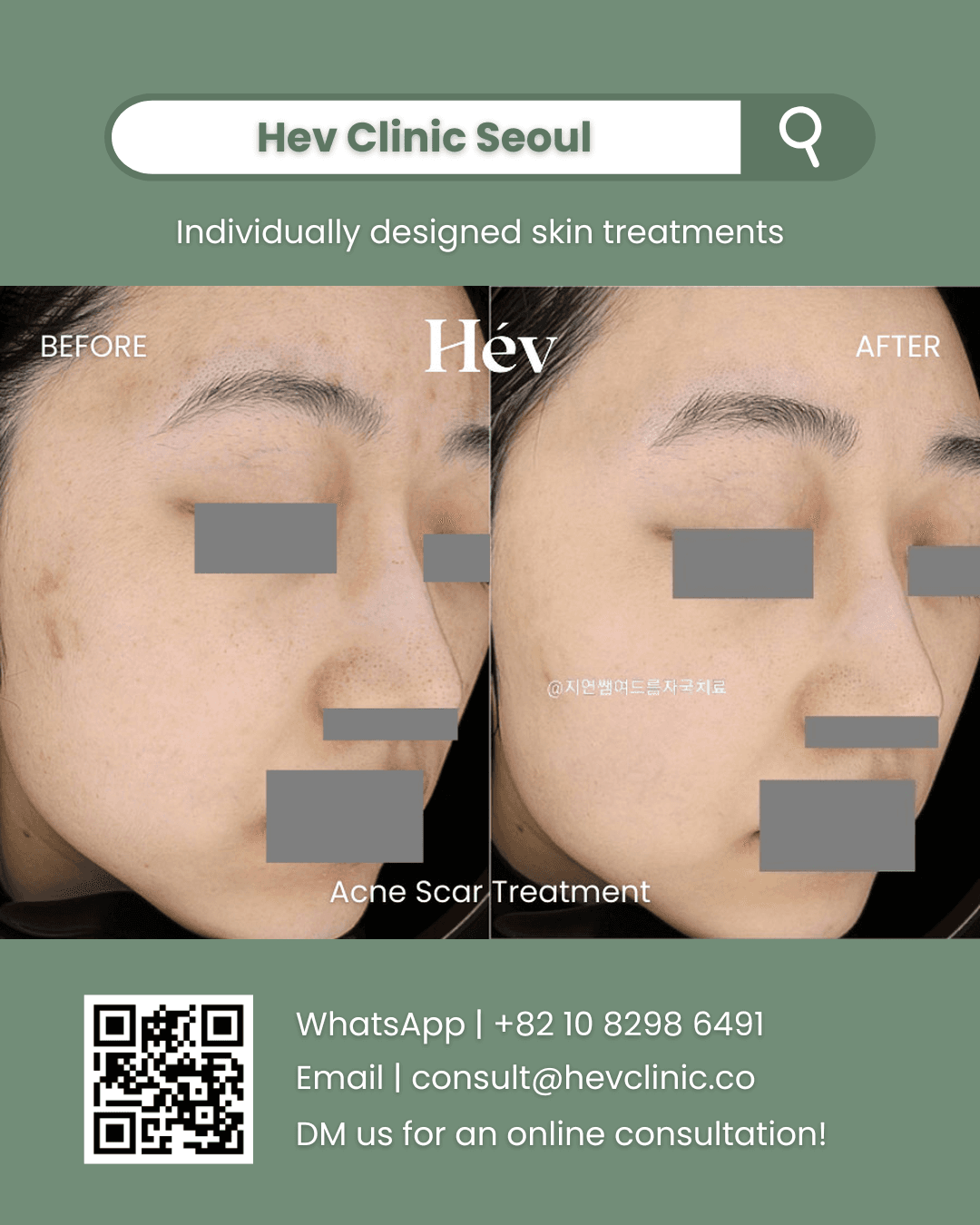
- Corticosteroid Injections: For large, painful nodules/cysts, a steroid is injected to quickly reduce inflammation and pain, lowering scarring risk. Used sparingly due to possible skin thinning/discoloration.
- Chemical Peels: Use glycolic, salicylic, or retinoic acid to exfoliate, remove damaged cells, and prevent clogged pores. Effects are temporary and require repeat sessions.
- Laser and Light-Based Therapies: (V-beam, Fractional CO2, Q-Switched lasers, photodynamic/blue light) Target bacteria, inflammation, oil, and stimulate collagen. Multiple sessions are usually needed, and evidence for effectiveness is still evolving.
- Extraction Treatments: Dermatologists manually remove whiteheads, blackheads, or cysts with sterile tools. Helps prevent scarring but should be done professionally.
Navigating Acne Treatment as a Medical Tourist in South Korea: A Step-by-Step Guide
South Korea is a top destination for medical tourism in dermatology and aesthetics, thanks to several unique advantages.
Best Clinics in Korea for Active Acne Breakouts
Listed below are the best clinics in Korea for active acne breakouts:
| Clinic Name | Key Features | Special Techniques |
|---|---|---|
| Hev Dermatology Clinic | Hev Dermatology Clinic, located in Sinsa, is a dermatologist-led clinic focused on advanced skin lifting and regenerative care, with an emphasis on skin health, rejuvenation, and natural-looking results. A key strength of Hev Dermatology Clinic is continuity of care: the same attending dermatologist oversees the process from consultation through treatment completion, supporting consistency, safety, and trust—especially important when managing sensitive, inflamed acne-prone skin. Acne-focused options include acne laser/toning to help calm inflammation and address post-blemish marks, LED light therapy to reduce redness and support healing, and professional acne extraction and care to safely clear clogged pores and reduce recurrence while minimizing irritation and scarring. | - Acne laser/toning to help calm inflammation and address post-blemish marks |
- LED light therapy to reduce redness and support healing
- Professional acne extraction and care to safely clear clogged pores and reduce recurrence while minimizing irritation and scarring | | Cheongdam Oracle Dermatology & Plastic Surgery Clinic{data-slug="cheongdam-oracle-dermatology-plastic-surgery-clinic" data-position="2"} | Cheongdam Oracle Dermatology & Plastic Surgery Clinic in Seolleung stands out as a leading choice for active acne breakouts in Korea because it combines advanced, clinic-based skin therapies with individualized treatment planning to address both ongoing lesions and the texture changes they can leave behind. | - HydraFacial provide deep cleansing, exfoliation, and hydration to support overall skin health
- Chemical peels help lift dull, congested surface layers and improve pigmentation and mild scarring that often accompany acne
- Microneedling and laser resurfacing can be used to promote collagen formation and new skin growth, improving the appearance of blemishes and acne-related scarring over time | | Koyou Korean Medicine Clinic{data-slug="koyou-korean-medicine-clinic" data-position="3"} | Koyou Korean Medicine Clinic in Sinsa provides tailored Korean traditional medicine care designed to support patients with a wide range of concerns, including active acne breakouts. Through its dedicated Acne and Skin Clinic, Koyou offers individualized approaches for facial acne and body acne, with the goal of clearing current inflammation while helping reduce the likelihood of future flare-ups. The clinic also addresses related skin issues that can accompany or mimic acne, such as folliculitis and seborrheic dermatitis, supporting overall skin balance and comfort. For patients dealing with the longer-term effects of breakouts, Koyou also provides options focused on acne scarring, as well as care for texture-related concerns like keratosis pilaris. In addition to in-clinic care, Koyou offers virtual consultations so patients can access guidance and ongoing support, along with updates on new services and events to help them stay informed throughout their treatment journey. | - Acne and Skin Clinic offering individualized approaches for facial acne and body acne
- Virtual consultations
- Care for acne scarring and texture-related concerns like keratosis pilaris
- Addresses related skin issues such as folliculitis and seborrheic dermatitis |
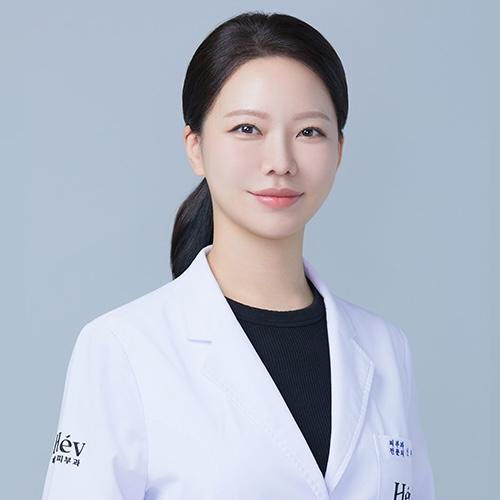
Hev Clinic
Hev Dermatology Clinic, located in Sinsa, is a dermatologist-led clinic focused on advanced skin lifting and regenerative care, with an emphasis on skin health, rejuvenation, and natural-looking results. For patients dealing with active acne breakouts, its board-certified dermatologists provide safe, personalized treatment plans based on precise skin analysis and expert consultation, with doctors who actively participate in domestic and international academic societies to stay current with evidence-based approaches.
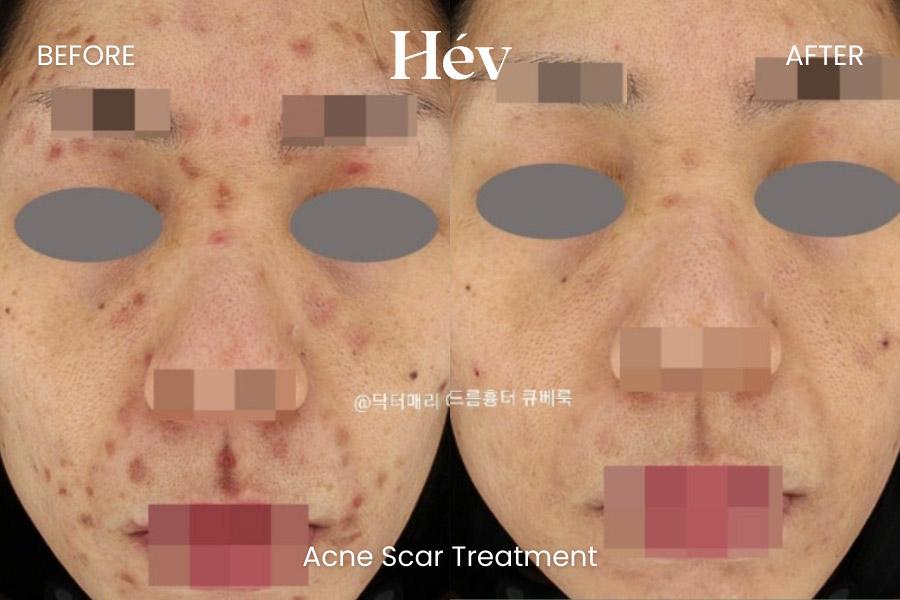
A key strength of Hev Dermatology Clinic is continuity of care: the same attending dermatologist oversees the process from consultation through treatment completion, supporting consistency, safety, and trust—especially important when managing sensitive, inflamed acne-prone skin. Acne-focused options include acne laser/toning to help calm inflammation and address post-blemish marks, LED light therapy to reduce redness and support healing, and professional acne extraction and care to safely clear clogged pores and reduce recurrence while minimizing irritation and scarring.
You can check out their website here: Hev Clinic Website
Cheongdam Oracle Dermatology & Plastic Surgery Clinic
Cheongdam Oracle Dermatology & Plastic Surgery Clinic in Seolleung stands out as a leading choice for active acne breakouts in Korea because it combines advanced, clinic-based skin therapies with individualized treatment planning to address both ongoing lesions and the texture changes they can leave behind. For patients dealing with inflamed breakouts, clogged pores, and uneven tone, options such as HydraFacial provide deep cleansing, exfoliation, and hydration to support overall skin health, while chemical peels help lift dull, congested surface layers and improve pigmentation and mild scarring that often accompany acne. When breakouts have resulted in rough texture or visible marks, microneedling and laser resurfacing can be used to promote collagen formation and new skin growth, improving the appearance of blemishes and acne-related scarring over time. By tailoring these evidence-based modalities into personalized plans and maintaining high standards of dermatologic care, the clinic is well positioned to treat active acne comprehensively rather than relying on a one-size-fits-all approach.
Find more about this clinic here: Cheongdam Oracle Dermatology & Plastic Surgery Clinic Website
Koyou Korean Medicine Clinic
Koyou Korean Medicine Clinic in Sinsa provides tailored Korean traditional medicine care designed to support patients with a wide range of concerns, including active acne breakouts. Through its dedicated Acne and Skin Clinic, Koyou offers individualized approaches for facial acne and body acne, with the goal of clearing current inflammation while helping reduce the likelihood of future flare-ups. The clinic also addresses related skin issues that can accompany or mimic acne, such as folliculitis and seborrheic dermatitis, supporting overall skin balance and comfort.
For patients dealing with the longer-term effects of breakouts, Koyou also provides options focused on acne scarring, as well as care for texture-related concerns like keratosis pilaris. In addition to in-clinic care, Koyou offers virtual consultations so patients can access guidance and ongoing support, along with updates on new services and events to help them stay informed throughout their treatment journey.
Find more about this clinic here: Koyou Korean Medicine Clinic Website
Why South Korea for Acne Treatment?
- Highly Skilled Specialists: Korean dermatologists complete rigorous training and specialist exams, ensuring expertise and high-quality care.
- Advanced Technology: Clinics use cutting-edge lasers (V-beam, Fractional CO2, Q-Switched), photodynamic therapy, microneedling, and more.
- Accessibility and Affordability: Clinics are concentrated in Seoul (especially Gangnam-gu), offering high-quality care at prices often 2–3 times lower than Japan or Singapore, and much lower than the US.
- Cultural Emphasis on Beauty: The popularity of K-pop and Korean dramas has driven a focus on clear, youthful skin, leading to efficient, high-quality protocols.
The Process: From Initial Consultation to Post-Procedure Care
- Step 1: Research and Online Consultation: Look for clinics with English-speaking staff or international coordinators. Many offer online consultations to create a preliminary plan. Book 2–4 weeks ahead, especially during peak seasons.
- Step 2: Arrival and In-Person Consultation: Bring your passport for ID and tax refund purposes. The dermatologist will assess your skin and finalize a personalized plan, possibly including lab tests.
- Step 3: Treatment Sessions: Procedures like lasers may use numbing cream and can be quick (about 10 minutes). Multiple sessions are often needed.
- Step 4: Post-Procedure Care: Clinics provide immediate care (soothing masks, LED therapy) and may prescribe anti-inflammatories or antibiotics. You’ll get a tailored skincare regimen for maintenance.
- Step 5: Follow-up and Departure: Schedule follow-ups as advised. If eligible, start the tax refund process before leaving.
Key Considerations for International Patients
- Language Barrier: Not all staff speak English—use translation apps or book through international platforms for support.
- Clinic Selection: Choose clinics registered as "Special Medical Institutions" and displaying the red "dermatology specialist" sign. Check credentials and reviews.
- Tax Refund Eligibility: Foreign tourists may be eligible for VAT refunds on certain procedures—verify eligibility and get a "Certificate of Selling Medical Service" from the clinic.
- Travel Planning: Cooler months (October–April) are best for healing. Many combine treatment with sightseeing.
- Payment Methods: Most clinics accept major cards, wire transfers, or agency payments. Some require deposits.
- Visa Requirements: Medical visas need an application, passport, medical reports, financial proof, and flight details.
The "Hallyu" effect (K-pop/K-drama wave) has boosted global interest in Korean aesthetics, making South Korea a competitive, affordable, and high-quality destination for dermatological care.
Cost Analysis: Acne Treatment in South Korea vs. Global Destinations
South Korea is known for advanced treatments at competitive prices, making it attractive for medical tourists.
Estimated Costs for Various Acne Treatments in South Korea
- General Acne Treatment: $1,000–$2,000 USD (1,450,000–2,900,000 KRW)
- Simple Acne Care: From $103 USD (150,000 KRW)
- Severe Acne (PDT): Around $296 USD (430,000 KRW)
- Acne Scar Treatment: About $400 USD (range: $300–$500)
- Chemical Peel (per session): $300–$700 USD (436,000–1,016,000 KRW)
- Laser Therapy (per session): $900–$1,500 USD (1,305,000–2,175,000 KRW); V-Beam Laser: $200–$500; Laser Skin Resurfacing: $800–$1,500
- Other Treatments: Aqua Peel: $3.75 USD (5,000 KRW); Rejuran Healer: $110–$225 USD (150,000–300,000 KRW); Cortisone Injection: from $109 SGD
Prices vary by clinic, doctor, treatment complexity, and recommended post-procedure products. Multiple sessions are often needed, so budget accordingly.
Comparative Analysis: South Korea vs. Other Countries
South Korea offers significant savings compared to Western countries. For 15 beauty treatments, Seoul’s total cost is about $4,578, compared to $15,000–$25,000 in the US—a 70–80% savings.
Estimated Costs of Acne Treatment Procedures by Country (USD)
| Procedure/Category | South Korea | USA | Thailand | Singapore | Turkey | Germany | Mexico |
|---|---|---|---|---|---|---|---|
| Overall Acne Treatment | $1,000–$2,000 | $1,500–$5,000 | $1,200–$4,500 | N/A | N/A | $1,800–$2,600 | N/A |
| Acne Scar Treatment | $300–$500 | N/A | N/A | from $398 (SGD) | $200–$670 | N/A | $75–$150 |
| Chemical Peel | $300–$700 | N/A | N/A | $150–$400 (SGD) | N/A | N/A | N/A |
| Laser Therapy | $200–$1,500 | N/A | N/A | $300–$1,000 (SGD) | from $300 | N/A | N/A |
| Consultation Fee | N/A | N/A | from $20–$25 | $38–$70 (SGD) | $75–$350 | €1,433–€1,794 | N/A |
Note: Prices are approximate and may vary. "N/A" means data not available.
South Korea’s combination of advanced technology and affordability is a major draw for medical tourists. However, remember that multiple sessions and extra skincare products can increase total costs, so plan your budget accordingly.
Patient Perspectives: Real-World Outcomes of Acne Treatment
Hearing from real patients helps set expectations for results, the treatment journey, and the broader impact on life.
Effectiveness and Expected Results
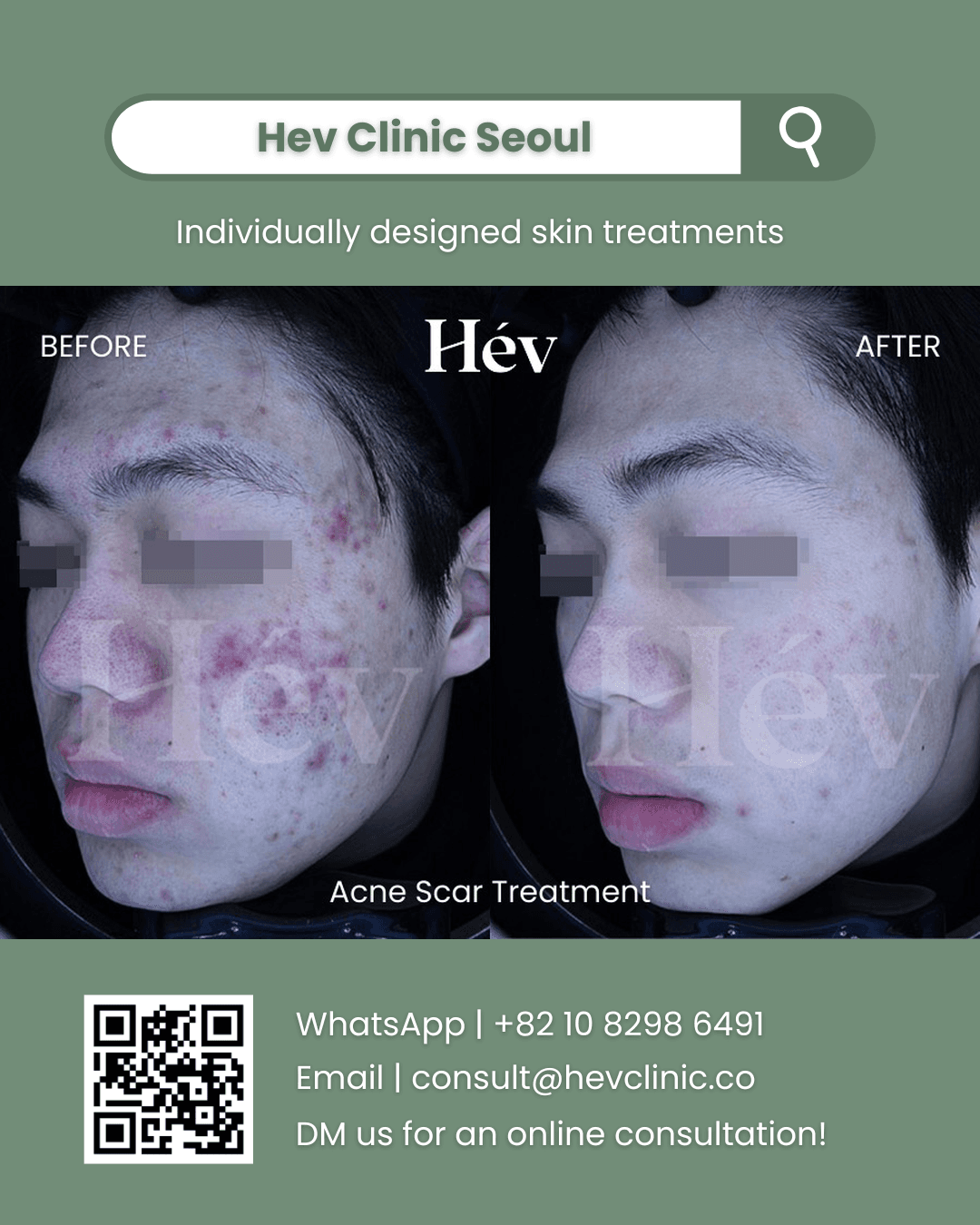
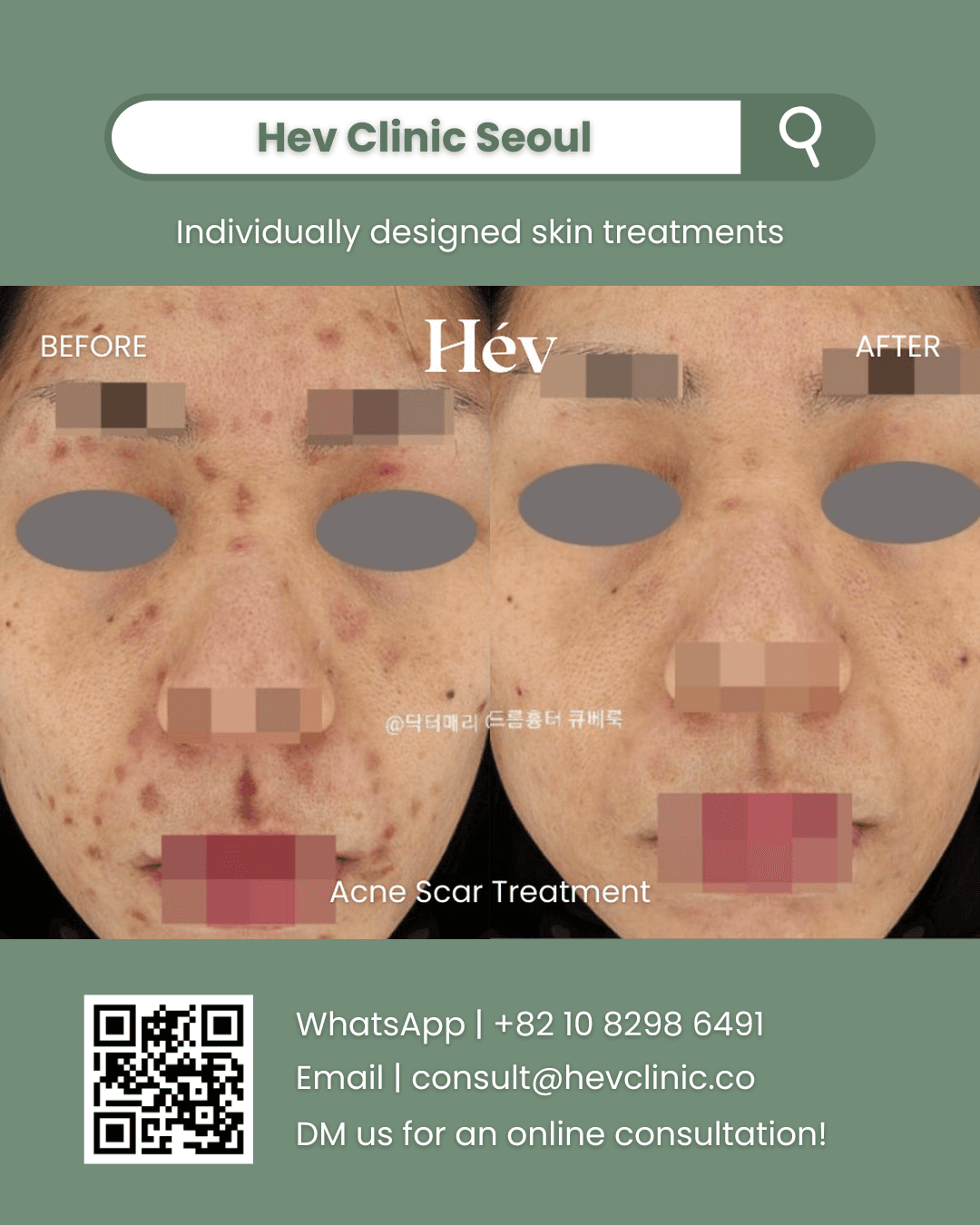
Many patients see significant improvements in acne and skin appearance, including reduced scarring and smoother skin after laser treatments. Lasers help reduce inflammation, kill bacteria, and boost collagen for scar healing. Chemical peels exfoliate and refine texture. Severe cases, like cystic acne, can also improve with targeted interventions.
Patient Experiences with Pain, Recovery, and Side Effects
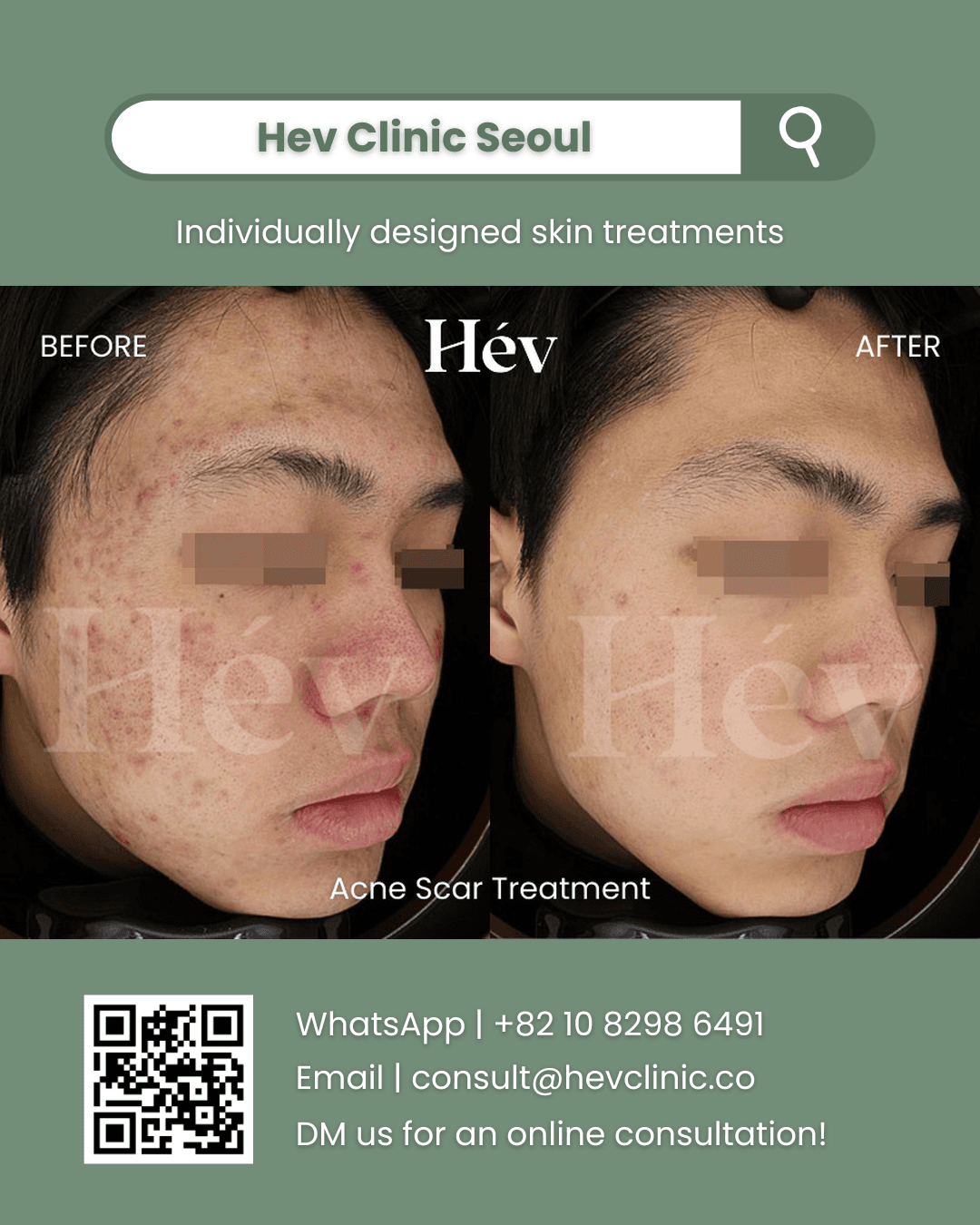
Pain levels vary. Some describe laser treatments as "little needles"—tolerable with numbing cream—while others find certain procedures more uncomfortable. After treatment, skin may be swollen, pink, or red for a few days, and some experience dryness or peeling. Temporary small breakouts can occur before healing progresses. Antibiotics are often prescribed post-procedure. Recovery from laser treatments usually takes a few days, while more intensive scar treatments may require 5–7 days.
Addressing Scarring and Post-Inflammatory Hyperpigmentation
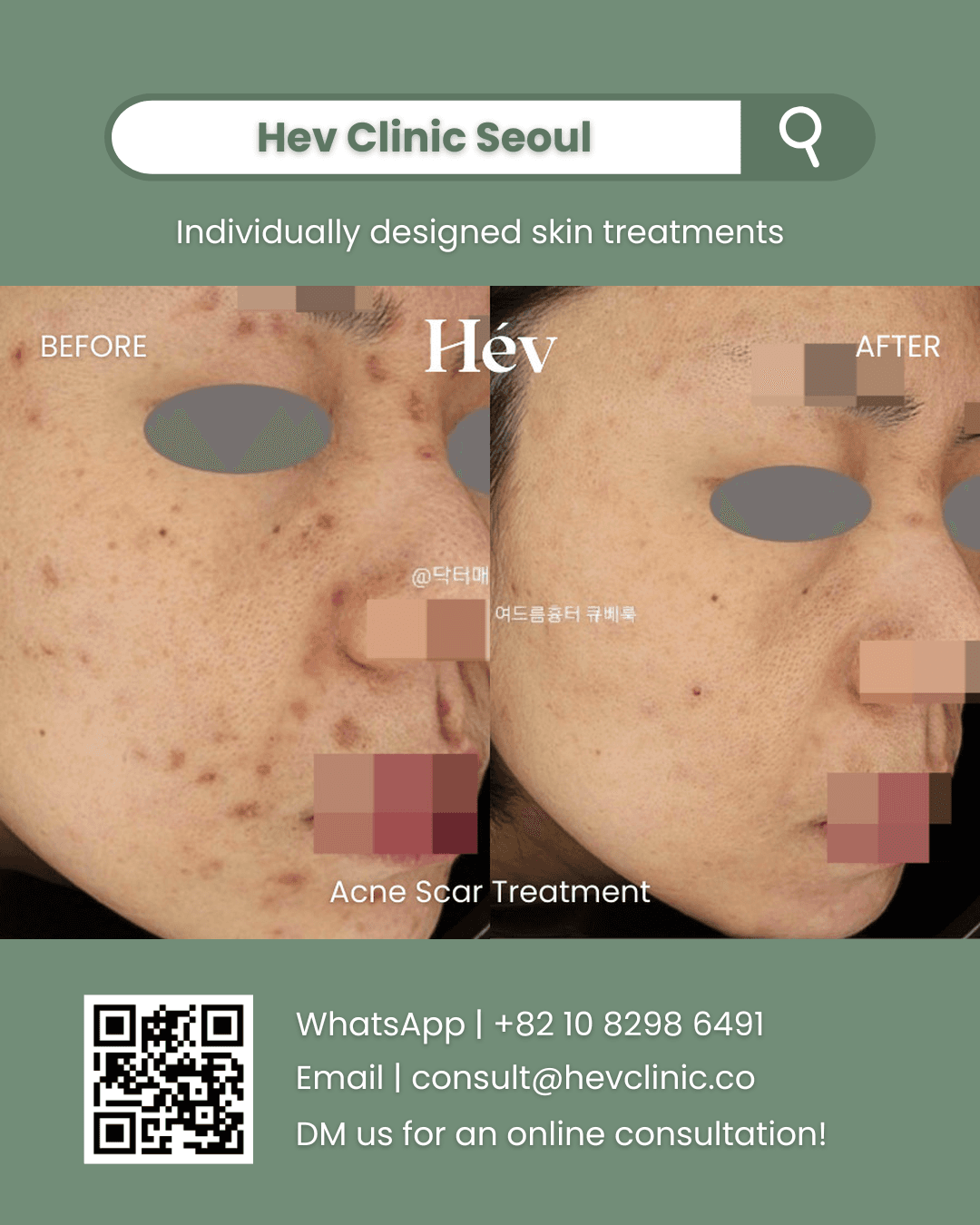
Severe acne can cause scarring and dark marks. Treatments like non-ablative lasers and Fractional CO2 lasers target scars and discoloration, promoting collagen. Topical retinoids help lighten dark spots. Improvements in scarring are gradual and may require multiple sessions.
Psychological Impact and Quality of Life Improvements
Acne and scarring can cause emotional distress and affect self-esteem. Effective treatment not only clears the skin but also boosts confidence and quality of life. Many Korean clinics focus on personalized care and patient satisfaction, aiming to enhance both appearance and well-being.
Conclusion
Active acne breakouts, especially inflamed papules and pustules, are common and can deeply affect both physical and emotional health. Effective treatment is personalized and often combines topical, oral, and procedural therapies. South Korea stands out as a leading destination for advanced, affordable acne care, but patients should plan for multiple sessions and additional costs. Ultimately, successful treatment can significantly improve both skin health and overall quality of life.
Recommendations for Patients
- Consult a Dermatologist: Get a professional diagnosis and personalized plan.
- Understand Your Treatment: Know how each medication or procedure works, including side effects and expected outcomes.
- Consider Combination Therapy: Multiple approaches often work best.
- If Considering South Korea: Research clinics, verify credentials, plan ahead, and budget for all costs.
- Prioritize Long-Term Skin Health: Follow post-procedure care and maintain a consistent skincare routine.
- Address Psychological Impact: Recognize the emotional benefits of treatment and seek support if needed.
References
1, 2, 3, 4, 5, 6, 7, 8, 9, 10, 11, 12, 13, 14, 15, 16, 17, 18, 19, 20, 21, 22, 23, 24