
Medical Tourism Blog
Treating Melasma Patches with Pico Toning in Korea: Effective Solutions for Even Skin Tone
Table of contents
- Pico Toning: Mechanism, Protocol, and Comparative Analysis
- Best Clinics in Korea for Melasma Patches
- The Medical Tourist's Journey: The Pico Toning Process in South Korea
- Cost-Benefit Analysis for the Medical Tourist
- Patient Experiences and Clinical Outcomes: A Balanced View
- Conclusion
- References
Considering treatment in Korea? Everything you need to know e.g. — how to avoid scams, visas, interpreters, recovery tips — in our Medical Tourism Master Guide. Plan with confidence in minutes, not weeks!
Melasma is a chronic skin condition marked by brown patches, often on the face, that can significantly impact quality of life despite being physically harmless. Pico Toning, a non-invasive laser treatment, uses a unique photoacoustic mechanism to break down pigment without causing heat-related damage—a notable improvement over earlier treatments. South Korea is a preferred destination for Pico Toning, providing cost-effective and standardized procedures, with sessions averaging $80–$250 compared to $400–$1,500 in the US. Clinical evidence reports around 90.9% improvement in melasma severity through Pico Toning, but long-term management demands patient commitment to ongoing treatment, sun protection, and skincare.
Melasma Defined: Clinical Presentation and Etiology
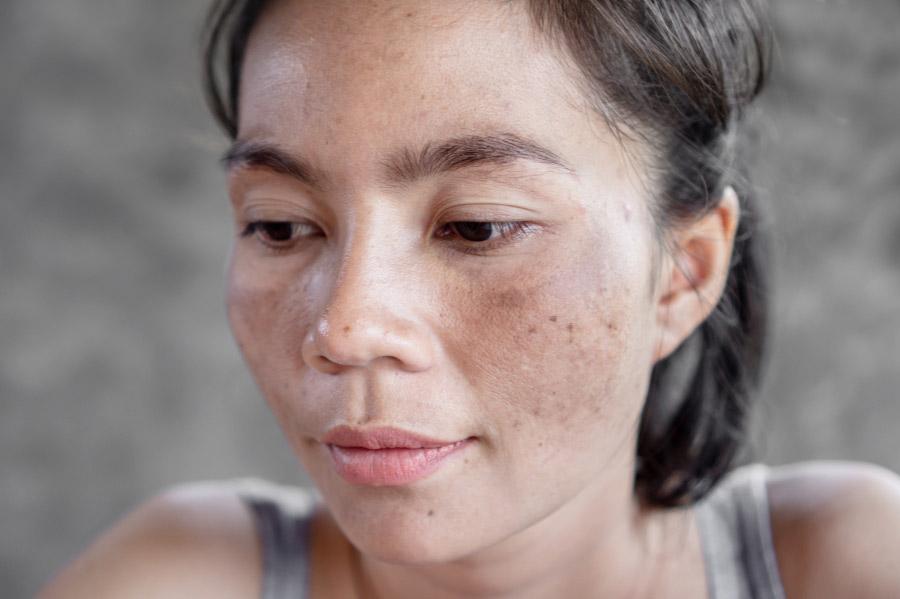
Melasma is an acquired hyperpigmentation affecting sun-exposed skin, appearing as symmetrical brown macules and patches that most commonly develop on the cheeks, forehead, nose, and upper lip. Its origins are multifactorial, including genetics and environmental triggers, with significant roles played by estrogen and progesterone, making it common during pregnancy and in women using contraceptives or hormone therapy. Sun exposure is a key factor, particularly in tropical climates. Melasma presents as either epidermal, with pigment in the epidermis, or dermal, with pigment deeper in the skin—a difference important for diagnosis and treatment selection.
Common Pseudonyms and Historical Context
Melasma is also known as "chloasma faciei," "mask of pregnancy," "liver spots," "uterine chloasma," and chloasma gravidarum. Historically, the Greek roots "melas" (black) and "cloazein" (greenish) inform the terminology still used in medical literature. This condition was noted by Hippocrates and described as worsening with external triggers like sun and inflammation.
| Pseudonym | Corresponding Context or Origin |
|---|---|
| Mask of Pregnancy | Lay term for melasma during pregnancy due to hormonal changes |
| Chloasma | Older medical term, Greek for “greenish” |
| Chloasma Faciei | Synonym for facial melasma |
| Liver Spots | Incorrect lay term, links to liver health |
| Uterine Chloasma | Old medical term linking condition to uterus |
| Chloasma gravidarum | Latin term for pregnancy-induced melasma |
| Ephelis | Historical term for small spots, from Greek |
The Psychosocial Burden: Beyond the Clinical Diagnosis
Melasma’s impact extends beyond visible symptoms, affecting self-confidence and social interactions. The emotional impact is significant, with studies showing frustration, embarrassment, and anxiety related to appearance. Addressing the psychosocial burden is essential for a patient-centered approach.
Pico Toning: Mechanism, Protocol, and Comparative Analysis
The Scientific Mechanism: The Photoacoustic Advantage
Pico Toning uses a picosecond laser emitting ultra-short pulses to deliver photoacoustic (mechanical) energy that shatters pigment into tiny fragments, which the body then clears. Unlike thermal-based lasers, it minimizes heat damage, discomfort, downtime, and risk of post-inflammatory hyperpigmentation (PIH), especially beneficial for darker skin types. Additionally, this process stimulates collagen and elastin production, offering skin rejuvenation benefits.
The Procedure in Detail
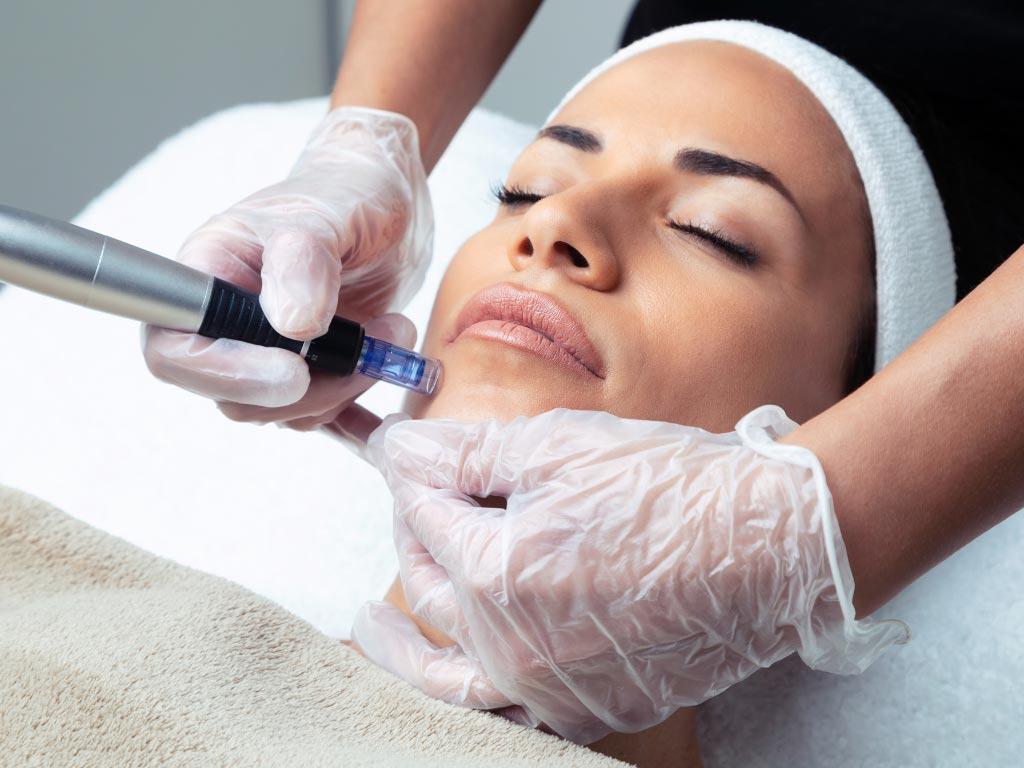
A typical Pico Toning session lasts 15–30 minutes, with sensations described as tingling or a rubber-band snap. Topical anesthetic can be used for comfort. The procedure is non-invasive, with multiple passes over the skin for uniform results. Contraindications include recent Accutane use, pregnancy, breastfeeding, HIV/AIDS, active skin disease, or untreated skin cancer. Always consult a professional for suitability.
Comparative Analysis: Pico vs. Q-Switched and Other Treatments
Pico Toning stands out from older nanosecond Q-switched lasers due to its photoacoustic, not photothermal, mechanism. This allows safer, deeper, and more effective pigment targeting with fewer adverse effects. Topical treatments or chemical peels are limited to surface pigment and may yield higher recurrence rates, making Pico Toning preferable for mixed or deep pigmentation and lower risk of complications.
Best Clinics in Korea for Melasma Patches
Listed below are the best clinics in Korea for melasma patches:
| Clinic Name | Key Features | Special Techniques |
|---|---|---|
| ID Hospital Korea | Strong facial treatment focus; Customized treatment plans; Patient safety-oriented system; Systematic post-care; Comprehensive aesthetic expertise; Reputation for safe and beautiful results; Convenient multidisciplinary setting | |
| Modelo Clinic | Personalized treatment philosophy centered on your individual skin needs, not passing trends; Specialized whitening treatments that directly target melasma, freckles, and pigmentation for a clearer complexion; Use of laser and combination-based treatment strategies to improve uneven tone and skin clarity; Strong focus on long-term skin value and natural beauty, which is essential for managing recurring pigmentation concerns like melasma; Expertise in treatments optimized for Asian skin, helping create results that look balanced, natural, and appropriate for Korean patients; Comprehensive skin care options, including lifting and skin-firming treatments, for patients who want to address both pigmentation and overall skin quality; A refined aesthetic approach that aims not just to lighten patches, but to create healthier, brighter, and more harmonious skin overall; Ideal for patients who want melasma treatment in a clinic that combines medical precision with individualized beauty planning | Whitening treatments; Laser and combination-based treatment strategies; Treatments optimized for Asian skin |
| Cheongdam Oracle Dermatology & Plastic Surgery Clinic | Specialized skin treatment options relevant to melasma patches, including laser resurfacing, chemical peels, microneedling, and HydraFacial; Personalized treatment planning, which is especially important for melasma because pigmentation concerns vary by skin type, severity, triggers, and sensitivity; Focus on improving both pigmentation and overall skin texture, helping patients pursue clearer, smoother, healthier-looking skin; Advanced aesthetic and dermatologic care under one clinic, offering a more comprehensive approach than clinics with limited treatment options; High standards of patient care, with individualized attention aimed at safe and effective results; Convenient Seolleung location, making it accessible for local and international patients seeking melasma care in Seoul; Strong overall expertise in cosmetic and dermatological procedures, reflecting a clinic environment equipped to manage complex appearance-related concerns with precision | Laser resurfacing; Chemical peels; Microneedling; HydraFacial |
id Hospital Korea
ID Hospital Korea is a well-known medical center with a strong focus on facial treatments, making it an appealing choice for patients concerned about melasma patches and overall skin appearance. The hospital is guided by the goal of delivering safe and beautiful results, and its approach combines customized treatment planning, patient safety-oriented care, and systematic post-treatment management. In addition to its broad medical services, including orthognathic surgery, facial contouring, eye and nose plastic surgery, breast surgery, lifting, skin clinic care, petit plastic surgery, and dentistry, ID Hospital stands out for patients seeking melasma-related care because facial aesthetics and individualized treatment are central to its philosophy.
-
Strong facial treatment focus: ID Hospital is especially recognized for facial care, which is important for patients seeking improvement in visible pigmentation concerns such as melasma patches.
-
Customized treatment plans: The clinic emphasizes personalized care, helping patients receive treatment strategies tailored to their skin condition, severity, and aesthetic goals.
-
Patient safety-oriented system: Safety is a core value at ID Hospital, giving patients added confidence when choosing a clinic for cosmetic and skin-related concerns.
-
Systematic post-care: Ongoing aftercare is one of the clinic’s key strengths, which is especially valuable for melasma management because pigmentation concerns often require careful follow-up.
-
Comprehensive aesthetic expertise: With services ranging from skin clinic treatments to facial contouring and lifting, the hospital offers a broad understanding of facial beauty and harmony.
-
Reputation for safe and beautiful results: ID Hospital’s treatment philosophy is centered on achieving natural-looking improvements while maintaining a high standard of care.
-
Convenient multidisciplinary setting: Patients can benefit from a clinic environment that combines skin care, facial aesthetic procedures, and dentistry under one established medical brand.
Find more about this clinic here: id Hospital Korea Website
Modelo clinic
Modelo Clinic is a standout choice for treating melasma patches in Korea because it does not chase short-lived beauty trends, but instead focuses on enhancing each patient’s own beautiful individuality over time. This philosophy is especially important for melasma, which often requires a thoughtful, personalized approach rather than a one-size-fits-all solution. At Modelo, whitening treatments are designed to target freckles, blemishes, and melasma using various laser and combination therapies to improve skin tone and clarity, while the clinic’s broader skin and aesthetic expertise allows treatment plans to be adapted to each person’s skin condition, facial balance, and long-term goals. With a strong understanding of Asian skin characteristics and a commitment to natural, refined results, Modelo Clinic offers a sophisticated approach for patients seeking clearer, brighter, and more even skin.
• Personalized treatment philosophy centered on your individual skin needs, not passing trends
• Specialized whitening treatments that directly target melasma, freckles, and pigmentation for a clearer complexion
• Use of laser and combination-based treatment strategies to improve uneven tone and skin clarity
• Strong focus on long-term skin value and natural beauty, which is essential for managing recurring pigmentation concerns like melasma
• Expertise in treatments optimized for Asian skin, helping create results that look balanced, natural, and appropriate for Korean patients
• Comprehensive skin care options, including lifting and skin-firming treatments, for patients who want to address both pigmentation and overall skin quality
• A refined aesthetic approach that aims not just to lighten patches, but to create healthier, brighter, and more harmonious skin overall
• Ideal for patients who want melasma treatment in a clinic that combines medical precision with individualized beauty planning
Find more about this clinic here: Modelo clinic Website
Cheongdam Oracle Dermatology & Plastic Surgery Clinic
Cheongdam Oracle Dermatology & Plastic Surgery Clinic in Seolleung is a leading aesthetic and dermatology clinic that offers personalized treatment plans designed around each patient’s skin condition, goals, and recovery needs. For patients concerned about melasma patches, the clinic stands out for its broad range of advanced skin-focused procedures, including laser resurfacing to improve pigmentation and overall skin quality, chemical peels to exfoliate damaged surface layers and target sun-related discoloration, microneedling to support skin renewal and collagen production, and HydraFacial to cleanse, hydrate, and improve overall skin health. Backed by high standards of care and a strong aesthetic medicine portfolio, Cheongdam Oracle combines technology, customization, and comprehensive skin management, making it an excellent choice for patients seeking professional melasma treatment in Korea.
• Specialized skin treatment options relevant to melasma patches, including laser resurfacing, chemical peels, microneedling, and HydraFacial
• Personalized treatment planning, which is especially important for melasma because pigmentation concerns vary by skin type, severity, triggers, and sensitivity
• Focus on improving both pigmentation and overall skin texture, helping patients pursue clearer, smoother, healthier-looking skin
• Advanced aesthetic and dermatologic care under one clinic, offering a more comprehensive approach than clinics with limited treatment options
• High standards of patient care, with individualized attention aimed at safe and effective results
• Convenient Seolleung location, making it accessible for local and international patients seeking melasma care in Seoul
• Strong overall expertise in cosmetic and dermatological procedures, reflecting a clinic environment equipped to manage complex appearance-related concerns with precision
Find more about this clinic here: Cheongdam Oracle Dermatology & Plastic Surgery Clinic Website
The Medical Tourist's Journey: The Pico Toning Process in South Korea
The Step-by-Step Patient Process
The patient journey for Pico Toning in South Korea is standardized and efficient:
- Initial Consultation: A dermatologist assesses skin type, melasma depth, and treatment goals.
- Pre-Treatment Preparation: The skin is cleansed, and a topical anesthetic may be applied.
- Treatment Session: 15–30 minutes with a handheld laser device, applying multiple passes for uniformity.
- Immediate Aftercare: Application of soothing gel and clear post-care instructions, focusing on sun protection.
- Follow-Up and Maintenance: Scheduled to monitor progress. Multiple sessions and ongoing skincare are recommended for best results.
Practical Considerations and Logistical Planning
South Korea’s standardized process minimizes uncertainty for international patients. However, total costs—including travel, lodging, and local transport—should be considered when planning treatment abroad, as these can affect the overall value proposition.
Cost-Benefit Analysis for the Medical Tourist
Detailed Breakdown of Pico Toning Costs in South Korea
A single Pico Toning session in South Korea costs between $80–$250, with package deals (e.g., five sessions for ~$138) further reducing the per-session price. Costs may vary depending on clinic location, specific technology (e.g., PicoSure, PicoWay), and VAT. Deposits are customary for bookings.
Comparative Analysis: South Korea vs. Key Global Destinations
| Country | Treatment | Average Cost Range (USD) |
|---|---|---|
| South Korea | Pico Toning (Per Session) | $80–$250 |
| Pico Toning (5 sessions) | ~$138 per package | |
| United States | Pico Laser (Per Session) | $400–$1,500 |
| Australia | Pigmentation Removal | $75–$150 |
| Turkey | Pigmentation/Melasma | $131–$481 / $1,442 |
| Thailand | Pico Laser Treatment | $90–$150 |
While other destinations offer competitive prices, South Korea combines affordability, advanced technology, and high-quality care.
The Total Financial Picture: Beyond the Procedure
In addition to procedure costs, airfare ($600–$1,500 round-trip), accommodation ($30–$200+ per night), and local transport must be considered. Depending on the number of required sessions, the total investment for medical tourism may approach or surpass domestic options, particularly when factoring in travel logistics.
Patient Experiences and Clinical Outcomes: A Balanced View
Efficacy and Patient Satisfaction: An Evidence-Based Review
Clinical trials and patient testimonials underscore the effectiveness of Pico Toning, showing an average 90.9% improvement in melasma severity and high satisfaction rates. Results are typically gradual, with visible improvement two to three weeks after treatment and continued progress for months.
Addressing Variable Outcomes and Limitations
Not all patients see equal results; some experience a temporary darkening before improvement. Melasma’s multifactorial nature often necessitates combined treatments, including Pico Toning, topical agents, or microneedling. Outcomes depend heavily on clinician expertise and correct laser settings.
Managing Potential Side Effects and Post-Treatment Complications
Pico Toning’s minimal side effects include redness, swelling, or mild discomfort, which generally resolve within days. Rare risks are temporary hyperpigmentation, hypopigmentation, blistering, or scarring, usually associated with improper aftercare. Patients are advised to follow cooling, avoid makeup for 24 hours, and wait until swelling subsides before resuming strenuous activity.
Long-Term Management and Relapse Prevention
Pico Toning is not a cure but a component of ongoing melasma management. Recurrence is common, requiring diligent sun protection (SPF 30+), gentle skincare, and continued maintenance treatments for lasting results.
Conclusion
Pico Toning is a modern, effective treatment for melasma with a strong safety and efficacy profile, especially when combined with diligent aftercare. South Korea stands out as a top destination for quality, affordability, and standardized care. However, medical tourists should weigh total costs, set realistic expectations, and commit to long-term skin health for sustained improvement.
References
1, 2, 3, 4, 5, 6, 7, 8, 9, 10, 11, 12, 13, 14, 15, 16, 17, 18, 19, 20, 21, 22, 23, 24, 25, 26, 27, 28, 29, 30, 31, 32, 33, 34, 35, 36, 37, 38, 39, 40
Frequently Asked Questions
Related Blogs
Filler Dissolver in Korea: Hyaluronic Acid Reversal, Recovery, Risks, and Travel Planning
Hyaluronic acid filler dissolution uses targeted hyaluronidase injections, with ultrasound assessment when filler is old, migrated, deep, periocular, or uncertain. International patients can plan consultation, outpatient treatment, a review at about 48 hours, written treatment records, and remote follow-up; urgent pain, skin-color changes, visual symptoms, or neurological symptoms require immediat
Updated: Sep 28, 2026

Collagen Filler in Korea: Products, Safety, Recovery, and Travel Planning
Collagen filler treatment involves confirming the exact product, medical screening, possible allergy testing, outpatient injection, and follow-up planning. International patients should stay in Korea for 2–3 days, expect bruising or swelling for up to 1–2 weeks, and obtain emergency contacts and complete product records.
Updated: Sep 27, 2026
Ultracol in Korea: Candidates, Safety, Recovery, and Travel Planning
Ultracol is a PDO microsphere injectable intended in Korea for temporary improvement of bilateral nasolabial folds, delivered after eligibility review and product-label verification. The article covers candidate screening, outpatient treatment and recovery, travel planning, aftercare, warning signs, follow-up, and alternatives.
Updated: Sep 27, 2026

Korean Arginine Fluid Optimization: See How Costs Stack Up Against Germany, China, and More Countries
Explore the cost dynamics of Arginine Fluid in Korea, examining factors influencing its pricing and availability. Discover how economic and healthcare trends impact the accessibility of this essential amino acid supplement.
Updated: Sep 27, 2026
Clinics offering Pico Toning

Three Wishes Clinic - Myeongdong, Korea: Advanced Botox, Fillers, Laser, and Skin Treatments for Confidence and Care
Myeongdong
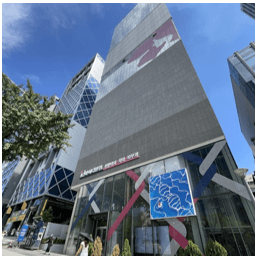
ID Hospital - Main Branch in Korea: Specializing in Safe & Customized Facial Plastic Surgery and Post-Care Services
Sinsa

Cheongdam Oracle Dermatology & Plastic Surgery Clinic in Korea: Offering Advanced Skin, Anti-Aging, Body Contouring Treatments and More
Seolleung

Modelo Clinic Korea: Achieving Timeless Beauty with Personalized Botox, Filler, Skincare Treatments & More
Apgujeong