
Medical Tourism Blog
Vaginal Tightening Laser in Korea: Methods, Safety, Recovery, and Travel Planning

Table of contents
- Vaginal Tightening Laser at a Glance
- What Is Vaginal Tightening Laser?
- Who Is a Good Candidate for Vaginal Tightening Laser?
- How Is Vaginal Tightening Laser Performed?
- Why Visit Korea for Vaginal Tightening Laser?
- Key Information for International Patients
- Which Are the Best Clinics in Korea for Vaginal Tightening Laser?
- Vaginal Tightening Laser From Start to Finish
- Alternatives to Vaginal Tightening Laser
- How Can I Prepare for Vaginal Tightening Laser?
- Aftercare Advice
Considering treatment in Korea? Everything you need to know e.g. — how to avoid scams, visas, interpreters, recovery tips — in our Medical Tourism Master Guide. Plan with confidence in minutes, not weeks!
Last updated: September 2026
Vaginal Tightening Laser at a Glance
- What it is — An office-based intravaginal procedure in which a clinician moves a fractional CO₂ or Er:YAG laser handpiece through the vaginal canal to deliver controlled thermal energy; it is marketed for laxity, menopausal symptoms, sexual concerns, and sometimes urinary leakage.
- Evidence limitation — “Vaginal tightening” is not a standardized diagnosis, and current studies have not proven a clinically meaningful, durable anatomical tightening effect, an optimal laser protocol, or a validated maintenance interval; sham-controlled results are less favorable than uncontrolled studies.
- Typical treatment course — A single session is completed the same day, but commonly studied courses use 2–3 sessions spaced 4–6 weeks apart; early response and completion of the series take about 2–3 months.
- Recovery — Mild warmth, swelling, cramping, spotting, watery or blood-tinged discharge, and local discomfort may last 24–72 hours; penetrative vaginal sex is commonly restricted for 3–7 days, sometimes up to 10 days.
- Travel planning — Allow 1–3 days in Korea for in-person assessment, one session, and short availability for review; a full three-session course requires roughly 8–12 weeks in Korea or coordinated follow-up at home, and an immediate long-haul departure is not advisable.
- Who needs assessment first — Treatment should be deferred for pregnancy or possible pregnancy, active genital or urinary infection, unexplained bleeding, suspicious lesions, unresolved cervical pathology, or pelvic malignancy; prior radiation, mesh or sling, prolapse, severe pelvic pain, or recent pelvic surgery requires specialist review.
- Korea-specific point — Korean studies have used three fractional CO₂ sessions four weeks apart and reported symptom-score improvements, but the studies were small and non-comparative, so they do not show that treatment in Korea is safer or more effective than elsewhere.
What Is Vaginal Tightening Laser?
Vaginal tightening laser is an intravaginal treatment that delivers controlled laser energy to vaginal tissue. It is marketed for concerns such as perceived laxity, menopausal dryness, pain with sex, and urinary leakage, though durable anatomical tightening has not been established. It is a non-surgical, office-based energy procedure.
Who Is a Good Candidate for Vaginal Tightening Laser?

- Symptom-focused candidates — Adults seeking assessment for a specific concern, such as menopausal dryness, pain with sex, perceived postpartum vaginal change, or stress-predominant urine leakage, rather than a promised measurable degree of “tightness.”
- Cleared for gynecologic treatment — People with a normal pelvic assessment or an appropriately investigated cause of symptoms, no active genital or urinary infection, and no suspicious lesion or unexplained bleeding.
- Realistic expectations — People who understand that fractional CO₂ and Er:YAG laser protocols have not established a clinically meaningful, durable anatomical tightening effect, an optimal treatment protocol, or a proven maintenance interval.
- Able to complete follow-up — Travelers who can remain reachable after treatment and coordinate later sessions locally if they choose a commonly marketed two- or three-session course.
“Vaginal laxity” is a heterogeneous symptom complaint, not a standardized diagnosis or a universally measurable anatomical condition; a recent review found inconsistent definitions and outcome measures. Pelvic-floor muscle training is recommended as first-line management for laxity concerns. Do not proceed during pregnancy or possible pregnancy, with active vaginal, vulvar, cervical, urinary, or other genital infection, current pelvic malignancy, unexplained vaginal bleeding, suspicious lesions, or unresolved cervical pathology. A gynecologist or urogynecologist must assess previous pelvic radiation, mesh or midurethral sling, recent pelvic surgery, major prolapse, substantial scarring, vulvodynia, severe pelvic pain, or recurrent genital herpes. Laser is not a substitute for diagnosis of persistent painful sex, postcoital bleeding, recurrent urinary infections, prolapse, or urinary leakage.
How Is Vaginal Tightening Laser Performed?
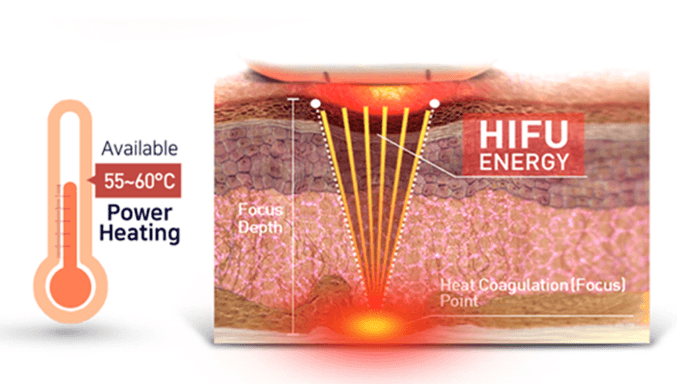
Intravaginal laser is delivered through a vaginal handpiece, usually in an office setting. Device type changes the thermal effect, but current evidence does not establish a superior laser, setting, depth, number of passes, or maintenance schedule.
- Fractional CO₂ laser — This microablative approach creates fractionated thermal injury intended to stimulate tissue remodeling. It is the most frequently studied laser method for genitourinary syndrome of menopause (GSM), but sham-controlled findings are less favorable than uncontrolled studies and do not prove durable tightening.
- Non-ablative Er:YAG laser — This approach generally uses repeated heating pulses without the same intended ablative effect. It is marketed for dryness, laxity, sexual-function concerns, and urinary symptoms, but comparator-based evidence for Er:YAG outcomes is especially uncertain. A 2025 systematic review found limited or uncertain benefit against sham treatment or vaginal estrogen.
- Treatment area and protocol — The clinician moves the handpiece through the vaginal canal and sometimes treats near the opening. Research protocols often use two or three sessions at four- to six-week intervals; this is a study pattern, not a validated universal regimen. “360-degree” modes and brand-specific claims do not establish superior outcomes.
Why Visit Korea for Vaginal Tightening Laser?
South Korea has local clinical research experience with fractional CO₂ vaginal laser, but this does not show that outcomes in Korea are superior to those elsewhere. Select care based on a proper gynecologic assessment, transparent device documentation, and a realistic follow-up plan—not on “tightening” marketing. The evidence limitations of vaginal energy-based devices apply in Korea as they do internationally.
- Locally studied protocols — A 2023 Korean single-arm study of 30 women with GSM used three fractional CO₂ laser sessions four weeks apart and reported improved symptom and vaginal-health scores. Because it had no sham control or international comparator, it cannot establish treatment superiority or durable effectiveness.
- Relevant specialist assessment — Vaginal symptoms can arise from GSM, infection, pelvic-floor dysfunction, prolapse, dermatologic disease, urinary conditions, or structural perineal change. A clinic should offer or arrange gynecology, urogynecology, and pelvic-floor physiotherapy assessment when the symptoms require it.
- Transparent treatment records — Request the manufacturer and model, laser type, handpiece, treatment areas, settings where available, consent form, medicines or anesthetic used, aftercare instructions, and an emergency contact. Standardized preparation, aftercare, and retreatment rules do not exist.
- Evidence-aware consent — Small Korean research in breast-cancer survivors has also reported post-treatment improvement, but it was non-comparative. The study cannot answer long-term safety or comparative-effectiveness questions.
Key Information for International Patients
- Minimum stay — Allow one to three days for an in-person pelvic assessment, a single session, and short clinical availability afterward when pre-travel screening is complete.
- Series planning — A conventional course often involves two or three sessions separated by four to six weeks. Completing three sessions requires roughly eight to 12 weeks in Korea, or an agreed plan to continue follow-up treatment at home.
- Flight timing — No evidence-based rule specifies when to fly after an uncomplicated session. Do not schedule an immediate long-haul departure; remain available for review and postpone travel for pain, bleeding, fever, urinary difficulty, or suspected infection.
- Recovery and itinerary — Warmth, mild swelling, cramping, spotting, watery or blood-tinged discharge, and local discomfort can last 24 to 72 hours. Keep the first two to three days low-key and avoid planning activities that require prolonged sitting if pelvic discomfort develops.
- Sex and physical restrictions — Published protocols commonly restrict penetrative vaginal sex for three to seven days, with some extending this to 10 days. Restrictions on tampons, swimming, hot tubs, and strenuous exercise vary by device and treatment intensity.
- Remote follow-up — Arrange a secure contact method before leaving Korea. Track the symptom being treated—for example, a bladder diary for leakage—rather than relying only on a subjective sense of tightness.
Travel note: A one-week trip can accommodate assessment and one treatment, but not a standard three-session course spaced weeks apart.
Which Are the Best Clinics in Korea for Vaginal Tightening Laser?
Listed below are some of the best clinics in Korea for vaginal tightening laser.
1. SH Clinic
You may consider SH Clinic for a non-surgical vaginal-tightening consultation because its gynecology service offers Viveve, a radiofrequency-based treatment intended to promote collagen remodeling in vaginal tissue, alongside other vaginal-rejuvenation options. Your procedure is performed directly by the clinic’s board-certified gynecologist, who has received a commendation from the Minister of Health and Welfare; note that Viveve uses radiofrequency rather than laser energy.
- URL: SH Clinic Website
- Location: Seocho-gu, Seoul
- Procedure details:
- Viveve delivers radiofrequency thermal energy to vaginal tissue with the aim of stimulating collagen production and improving tissue firmness.
- The clinic states that one treatment may produce noticeable improvement over time, with results developing over several months and varying by individual.
- Gynecology care:
- The clinic provides general gynecologic care as well as vaginal rejuvenation services.
- Other listed vaginal options include HIFU treatment, vaginal fillers, stem-cell injections, vaginal tightening, and implant surgery.
- Clinician:
- All surgeries and procedures are stated to be performed directly by a highly experienced, board-certified gynecologist.
- The gynecologist is described as having received a commendation from the Minister of Health and Welfare.
2. BongBong Plastic Surgery Dermatology
You may consider BongBong Plastic Surgery Dermatology if you are exploring laser vaginal tightening for concerns about vaginal laxity or tissue quality. The clinic specifically lists laser energy treatment for vaginal tissue and also offers related vaginal-rejuvenation services, allowing your concerns to be considered alongside other available options.
- URL: BongBong Plastic Surgery Dermatology Website
- Location: Gangnam-gu, Seoul
- Procedure details:
- Laser vaginal tightening is listed as a treatment that uses laser energy on vaginal tissue.
- The service is offered for concerns related to vaginal laxity and tissue quality.
- Related services:
- Labiaplasty is available for reshaping or reducing the labia minora or majora when discomfort, asymmetry, or aesthetic concerns are factors.
- Vaginal whitening is also listed for external genital pigmentation, with treatment selection based on your skin condition and concerns.
- Broader surgical support:
- The clinic also provides body-contouring, breast, and buttock procedures.
- Lymphatic drainage massage, oxygen therapy, and IV therapy are listed among its supportive wellness and recovery services.
3. Okay Plastic Surgery Clinic
The available clinic information does not specifically list vaginal tightening laser among Okay Plastic Surgery Clinic’s services, so you would need to confirm whether it offers this treatment and whether it is appropriate for your goals. The clinic describes individualized aesthetic planning and a team that includes a female plastic surgeon with extensive experience.
- URL: Okay Plastic Surgery Clinic Website
- Location: Gangnam-gu, Seoul
Vaginal Tightening Laser From Start to Finish
- Remote inquiry and consultation — Send a clear symptom history, childbirth and menopause history, pelvic surgery or mesh/sling details, cancer or radiation history, medication list, allergies, recent cervical-screening information, and records of prior treatment. Ask whether English consultation and remote follow-up are available.
- Pre-travel clinical screening — Clarify the main problem. For urinary leakage, record whether it occurs with coughing or exercise, urgency, or both; a bladder diary helps distinguish stress-predominant from urgency symptoms.
- In-person gynecologic assessment — The clinician evaluates for infection, GSM, prolapse, lesions, dermatologic conditions, pelvic pain, and urinary diagnoses. Depending on symptoms, assessment can include pelvic examination, pregnancy testing, urinalysis or culture, vaginal or STI testing, and review of cervical screening.
- Consent and treatment plan — Confirm the laser type, device model, treatment area, intended session number, expected restrictions, costs for follow-up sessions, and the uncertainty of long-term results. Discuss first-line or established options when the diagnosis is GSM, incontinence, or structural pelvic-floor change.
- Treatment-day preparation — Change into a gown and empty the bladder. Most sessions use no anesthetic or topical anesthetic; sedation is uncommon for a standard intravaginal session and changes fasting, transport, and companion requirements.
- Laser treatment — A clinician inserts the vaginal handpiece and systematically delivers energy according to the device-specific protocol. A single office-based session is usually completed the same day.
- Discharge and observation — Review expected warmth, swelling, spotting, discharge, or discomfort and receive written aftercare instructions. Obtain the device and protocol record before leaving.
- Short recovery in Korea — Avoid penetrative vaginal sex for the period specified by the treating clinician, commonly three to seven days. Contact the clinic promptly for heavy bleeding, fever, worsening pain, foul-smelling discharge, blistering, inability to urinate, or severe new urinary symptoms.
- Overseas follow-up — Send the clinic any requested symptom update after returning home. Coordinate further sessions with the Korean clinician or a local qualified clinician; do not assume another device or protocol is interchangeable.
Alternatives to Vaginal Tightening Laser
The appropriate alternative depends on the diagnosed problem. Non-surgical treatments avoid operative recovery but can require continued use or repeated therapy; surgery addresses defined structural problems but has longer recovery, greater risk, and future reproductive implications.
Pelvic-Floor Muscle Training
- Best fit — First-line treatment for perceived laxity, stress-predominant leakage, and pelvic-floor coordination problems.
- Tradeoff — It requires consistent practice and trained assessment, but has stronger clinical support for these concerns than vaginal energy devices. Learn more about pelvic muscle restoration surgery only when a structural diagnosis warrants surgical discussion.
Menopausal GSM Treatment
- Best fit — Dryness, burning, irritation, recurrent urinary discomfort, or pain with sex related to genitourinary syndrome of menopause.
- Options — Low-dose vaginal estrogen when medically appropriate, vaginal DHEA, ospemifene, lubricants, moisturizers, or selected systemic menopausal hormone therapy after medical assessment. Vaginal dryness treatment should address the cause of symptoms rather than presume laxity.
Incontinence Assessment and Treatment
- Best fit — Leakage with exertion, urgency, or mixed symptoms requiring a defined urinary diagnosis.
- Options — Pelvic-floor therapy, bladder training, pessaries or continence devices, urethral bulking, and established anti-incontinence procedures. See female incontinence treatment for diagnosis-led options.
Perineoplasty or Vaginoplasty
- Best fit — Significant symptoms from defined perineal widening, scar-related distortion, or structural vaginal change after specialist examination.
- Tradeoff — Perineoplasty and vaginoplasty are operations, not laser equivalents. They require downtime, wound care, and discussion of sexual function and future pregnancy plans.
How Can I Prepare for Vaginal Tightening Laser?
- Disclose medical history early — Provide full obstetric, gynecologic, cancer, radiation, infection, urinary, pelvic-pain, prolapse, surgery, mesh, and sling history. Send recent cervical-screening results and relevant urine or vaginal test results when available.
- Report every medicine and supplement — List anticoagulants, antiplatelet medicines, anti-inflammatory medicines, diabetes medicines, immunosuppressants, hormone therapy, antivirals, herbal products, fish oil, and vitamins. Do not stop prescription medicine independently; the clinician who manages that medicine and the treating doctor must direct any change.
- Exclude pregnancy and infection — Tell the clinic about a late period, possible pregnancy, unusual discharge, genital sores, urinary burning, fever, or new pelvic pain before travel. Defer treatment until infection and unexplained symptoms are assessed.
- Follow fasting instructions only when relevant — Fasting is generally unnecessary without sedation. Follow the clinic’s exact instructions if sedation is planned.
- Plan transport and accommodation — Arrange a nearby hotel and flexible onward travel. Bring a companion and do not drive when sedation is used.
- Avoid scheduling around uncertainty — Keep the first 72 hours and departure date flexible. Do not arrange treatment immediately before a long-haul flight or an itinerary involving swimming, hot tubs, strenuous exercise, or sexual activity.
Travel note: Ask for the precise device model and written restrictions before booking flights; protocols differ and there are no universally validated vaginal-laser preparation rules.
Confirm all clinic-specific requirements with the treating doctor, whose individualized instructions take precedence over this general guidance.
Aftercare Advice
Protect healing tissue, follow the exact device-specific restrictions, and treat new or worsening symptoms as a reason to contact the clinic—not as a normal part of recovery.
- Expect short-lived local effects — Mild warmth, swelling, cramping, watery or blood-tinged discharge, spotting, and local discomfort usually settle within 24 to 72 hours. Use only pain relief approved by the treating clinician.
- Pause vaginal penetration — Avoid penetrative vaginal sex for the prescribed period, commonly three to seven days and sometimes up to 10 days. Follow the same clinic guidance for tampons, menstrual cups, douching, and intravaginal products.
- Limit heat and friction — Avoid hot tubs, swimming, and strenuous exercise when instructed, particularly while spotting, discharge, or discomfort continues. Wear breathable underwear and avoid irritating genital products.
- Watch for complications — Seek urgent assessment for fever, heavy bleeding, worsening pelvic or vaginal pain, foul-smelling discharge, visible blistering or burn, inability to urinate, spreading rash, severe urinary symptoms, or persistent or worsening pain with sex.
- Document the result carefully — Keep the treatment record and monitor the original symptom over the following weeks. Early response and completion of a two- or three-session series take roughly two to three months; durable results and a proven maintenance interval are not established.
Follow the treating doctor’s instructions over general advice and contact the clinic promptly when something appears wrong.
Frequently Asked Questions
Related Blogs
Discovering the Costs: Premarital Check-Up Prices in Korea vs. Global Alternatives
Discover the costs and benefits of premarital check-ups in Korea, an essential step for couples planning to tie the knot. Understand what tests are typically included and how these screenings can support a healthy start to married life.
Updated: Oct 21, 2026
Adenomyosis in Korea: Diagnosis, Fertility Decisions, and Treatment Options
Adenomyosis care begins with gynecologic assessment, ultrasound or MRI, and treatment selection based on symptoms, anatomy, anemia, and fertility goals. Options include medication, LNG-IUS, HIFU, UAE, adenomyomectomy, or hysterectomy, with travel-stay guidance, recovery planning, warning signs, and follow-up information for international patients.
Updated: Oct 21, 2026
Uterine Fibroids Treatment in Korea: Options, Recovery, Fertility, and Travel Planning
Uterine fibroid treatment includes medication, myomectomy, uterine artery embolization, focused ultrasound or radiofrequency ablation, and hysterectomy based on symptoms, fibroid mapping, and fertility goals. The article outlines candidacy, imaging and travel planning in Korea, recovery timelines, preparation, follow-up, and urgent warning signs.
Updated: Oct 21, 2026
Premarital Check-up in Korea: Tests, Fertility Screening, Travel Planning, and Results
A premarital check-up in Korea is a tailored outpatient consultation with selected preconception, STI, reproductive, and genetic tests based on each partner’s history and plans. Listed at KRW 1,600,000 (about USD 1,200), it typically requires one full day, with translated reports and remote results review to confirm before booking.
Updated: Oct 21, 2026
Clinics offering Vaginal Tightening Laser
BongBong Plastic Surgery Dermatology Korea | Body, Breast & Aesthetic Treatments
Nonhyeon

SH Clinic: Comprehensive Women's, Men's & Couples' Health Services in Korea
Sinsa

Okay Plastic Surgery Clinic in Korea: Comprehensive Aesthetic Procedures with Sincerity and Care
Cheongdam

Trinity Women's Clinic in Korea: Offering Comprehensive Gynecologic Care and Advanced Aesthetic Treatments
Sinsa