
Medical Tourism Blog
Sun Damage Face Sag Solutions: Face Lift Procedures in Korea for Rejuvenation
Table of contents
- The Facelift Procedure: A Comprehensive Medical Overview
- What is a Facelift (Rhytidectomy)? Goals and Benefits
- Detailed Description of Facelift Techniques
- The Surgical Process: From Anesthesia to Incision Closure
- What a Facelift Can and Cannot Address for Sun-Damaged Skin
- Potential Risks and Recovery Expectations
- Table 2: Overview of Facelift Techniques and Their Primary Applications
- Navigating a Facelift in South Korea: A Medical Tourist's Step-by-Step Guide
- Cost Considerations for Facelift Surgery: South Korea vs. Global Destinations
- Patient Experiences: Addressing Sun Damage and Sagging with a Facelift
- Conclusions
- References
Considering treatment in Korea? Everything you need to know e.g. — how to avoid scams, visas, interpreters, recovery tips — in our Medical Tourism Master Guide. Plan with confidence in minutes, not weeks!
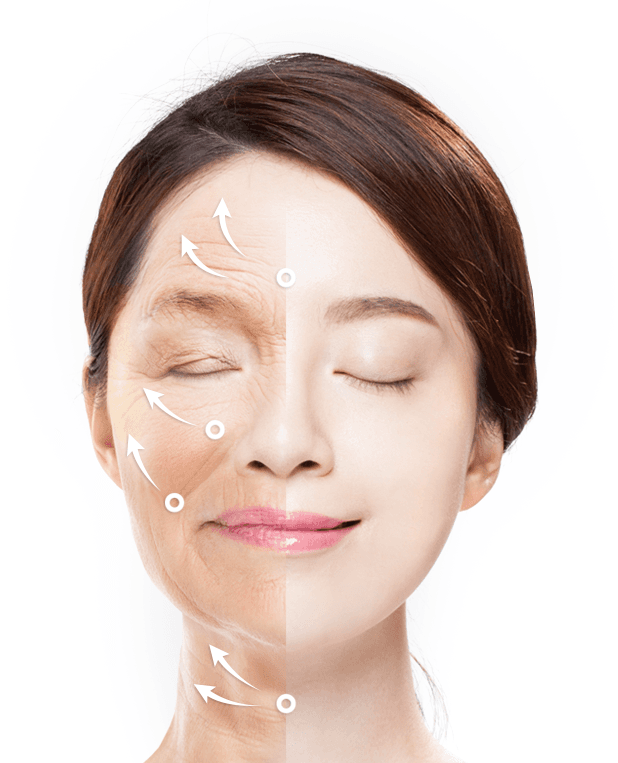
Chronic sun exposure is a major factor behind visible facial aging, especially skin laxity and sagging—often referred to as "sun damage face sag." This guide breaks down the science behind sun-damaged skin, explores facelift procedures, and offers practical advice for those considering treatment, particularly in the context of medical tourism.
Prolonged sun exposure leads to more than just surface changes; it causes deep alterations in skin structure.
Definition and Common Pseudonyms
Medically, "sun damage face sag" is known as photoaging—premature skin aging caused mainly by ultraviolet (UV) radiation. Other terms like "premature aging" and "sun-damaged skin" are commonly used, but "photoaging" is the precise descriptor. Understanding these terms helps bridge the gap between everyday language and medical terminology, ensuring patients can find the right information and care.
Visible Signs of Photoaging on the Face
Photoaging shows up in several ways:
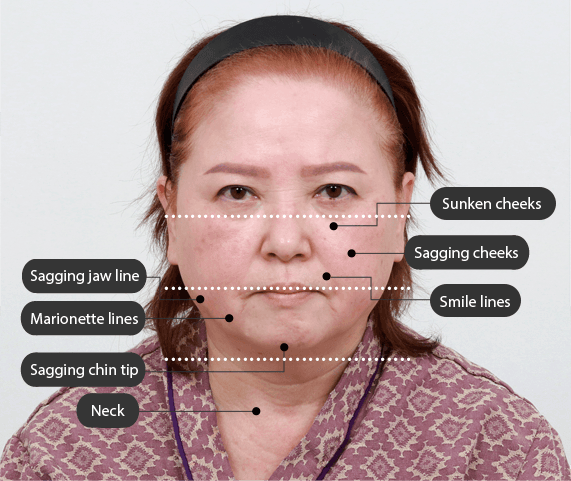
- Skin laxity and sagging: Loss of tone and elasticity, especially in sun-exposed areas.
- Wrinkles and lines: Ranging from fine lines to deep creases, especially around the eyes, mouth, and forehead.
- Pigmentation changes: Discoloration such as melasma, freckles, liver spots, and age spots. White spots (idiopathic guttate hypomelanosis) may also appear.
- Texture irregularities: Uneven color or texture, rough patches, and a leathery feel.
- Vascular changes: Spider veins (telangiectasia) on the nose, cheeks, and neck.
- Precancerous and other lesions: Red, rough scaly spots (actinic keratosis), actinic cheilitis on the lips.
- Thinning of the skin: Subtle but significant.
These signs highlight that sun damage is more than cosmetic—it affects the skin’s structure and function. While a facelift can address sagging, other aspects of sun damage may require additional treatments.
The Science Behind Sun-Induced Skin Laxity
UV radiation, especially UVA and UVB, damages skin at the cellular level, leading to DNA changes and increasing skin cancer risk. The main culprits in sagging are the breakdown of collagen and elastin—proteins that keep skin firm. UVA rays penetrate deep, damaging these fibers, while UV exposure triggers enzymes like matrix metalloproteinases (MMPs) that further degrade skin structure.
The basement membrane (BM), crucial for skin health, is repeatedly damaged by sun, leading to cumulative structural problems. The repair process is imperfect, resulting in "solar scars" and the classic signs of photoaged, sagging skin. Elastosis—the buildup of abnormal elastin—adds to the leathery, loose appearance.
UV exposure also increases vascular endothelial growth factor (VEGF), promoting new blood vessel formation and further damaging elastic fibers. This deep, ongoing damage explains why topical treatments often fall short for severe laxity, making surgical options like facelifts necessary for significant improvement.
Associated Health Risks of Chronic Sun Exposure
Chronic sun exposure isn’t just about looks—it raises serious health risks:
- Increased risk of melanoma: The most dangerous skin cancer.
- More precancerous growths: Actinic keratosis can progress to squamous cell carcinoma.
- Worsening of rosacea and benign lesions: Such as seborrheic keratosis, actinic lentigines, and telangiectasia.
Because a facelift only addresses sagging, ongoing dermatological checkups remain essential for monitoring skin health.
Table 1: Common Pseudonyms and Visible Signs of Photoaging
| Category | Terms/Signs |
|---|---|
| Common Pseudonyms | Photoaging, Premature Aging, Sun-Damaged Skin |
The Facelift Procedure: A Comprehensive Medical Overview
For those with significant sun-induced sagging, a facelift (rhytidectomy) is a proven surgical solution.
What is a Facelift (Rhytidectomy)? Goals and Benefits
A facelift tightens facial tissues and muscles, removes excess fat, and trims loose skin—mainly improving the lower and mid-face and neck. It’s especially effective for:
- Mid-face sagging
- Deep creases (under eyes, nasolabial folds)
- Jowls (sagging jawline)
- Loose skin/fat under chin and jaw
Benefits include a more youthful contour, reduced wrinkles, and natural-looking results that preserve individual features.
Detailed Description of Facelift Techniques
Modern facelifts are highly customizable:
- Traditional Rhytidectomy (SMAS Technique): Comprehensive lift, addresses deep tissues for lasting results.
- Limited-Incision Rhytidectomy: Shorter incisions, focuses on eyes and mouth.
- Deep Plane Facelift: Targets deeper layers for natural, durable results.
- Mini Facelift: Less invasive, ideal for early signs of aging, faster recovery.
- Endoscopic Facelift: Minimally invasive, uses a camera for precise lifting, smaller scars.
- AccuTite Facelift: Uses radiofrequency for targeted tightening, quick recovery.
Choosing the right technique depends on individual needs and the extent of sun damage.
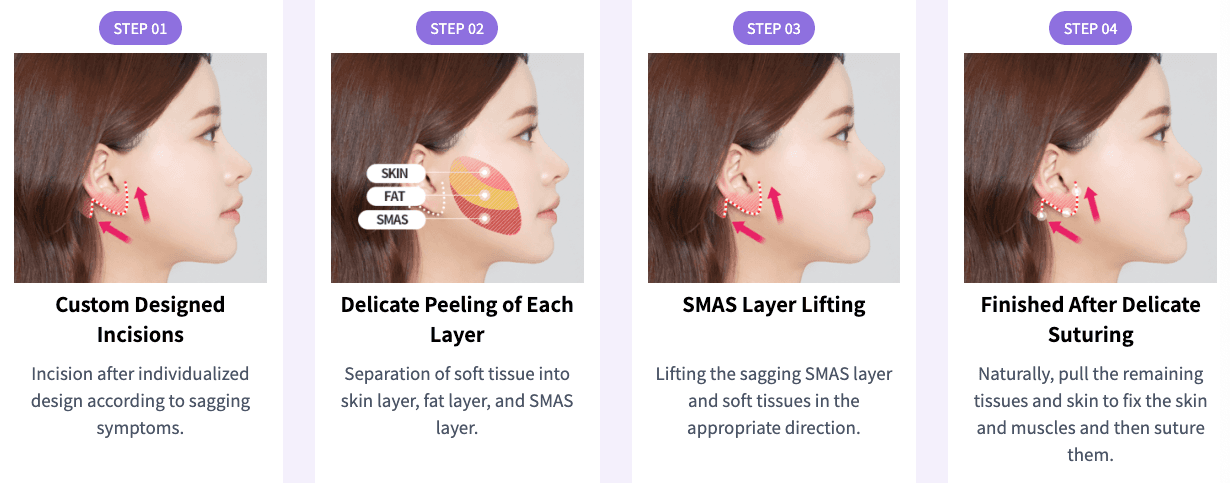
The Surgical Process: From Anesthesia to Incision Closure
Facelifts are usually outpatient procedures, performed under IV sedation or general anesthesia. Steps include:
- Anesthesia administration
- Strategic incisions (hidden in hairline/natural contours)
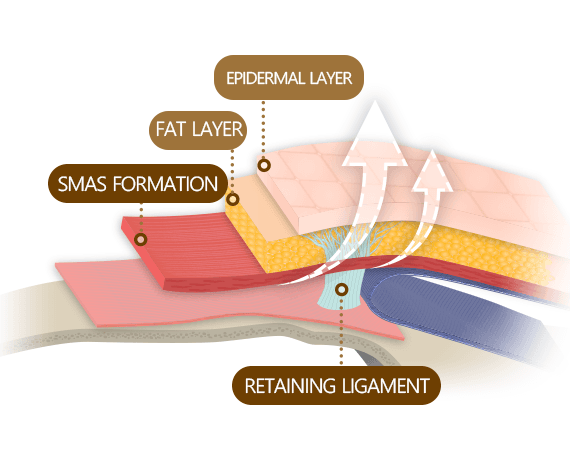
- Lifting and tightening tissues (including SMAS layer)
- Trimming excess skin
- Fat repositioning
- Meticulous closure (stitches or tissue glue)
Modern techniques focus on minimizing visible scars and achieving natural results.
What a Facelift Can and Cannot Address for Sun-Damaged Skin
A facelift can:
- Eliminate sagging skin
- Soften deep wrinkles/folds
- Minimize jowls
- Enhance jawline
- Smooth neck skin
- Restore facial volume
- Improve skin elasticity
A facelift cannot:
- Treat dry skin, hyperpigmentation, uneven texture/tone, fine lines, spider veins, or precancerous lesions
- Stop the aging process
Comprehensive rejuvenation often requires combining a facelift with other treatments for surface-level concerns.
Potential Risks and Recovery Expectations
Risks: Bleeding, infection, bruising, swelling, anesthesia reactions, skin blistering (especially in smokers), nerve injury, temporary unevenness.
Recovery:
- Days 1-7: Swelling, bruising, tightness; avoid exercise and sun.
- Weeks 3-6: Most swelling resolves; many return to work.
- Months: Sensation normalizes, scars fade.
Strict sun protection post-surgery is crucial for healing and optimal results.
Table 2: Overview of Facelift Techniques and Their Primary Applications
| Technique | Primary Application/Focus Area | Key Characteristics |
|---|---|---|
| Traditional/Full Rhytidectomy | Full face, jowls, neck | Most invasive, longest recovery, dramatic results |
| Limited-Incision Rhytidectomy | Eyes, mouth, nasolabial folds | Shorter incisions, less invasive |
| Deep Plane Facelift | Deep facial layers, cheeks, jowls | Natural, durable results, addresses structural damage |
| Mini Facelift | Early aging, mild sagging (jowls) | Less invasive, faster recovery, lasts 3-5 years |
| Endoscopic Facelift | Forehead, cheeks, midface (ages 35-50) | Minimally invasive, smaller scars, reduced nerve risk |
| AccuTite Facelift | Small areas (eyelids, jowls) | Minimally invasive, quick recovery, up to 30% tightening |
Navigating a Facelift in South Korea: A Medical Tourist's Step-by-Step Guide
South Korea is a top destination for cosmetic surgery, offering advanced techniques and affordability.
Why South Korea for Cosmetic Surgery?
South Korea is renowned for skilled surgeons, cutting-edge procedures, and competitive prices—often 30-70% less than in North America or Europe. High procedure volume and market competition keep quality high and costs low.
The Journey: From Initial Planning to Post-Operative Care
Pre-Trip Preparations
- Documents: Passport, visa (if needed), travel insurance, medical records.
- Travel/Accommodation: Book in advance; rest before consultation.
- Clinic Selection: Look for global accreditation, patient references, and digital consultation tools.
- Cultural Awareness: Discuss aesthetic goals, especially if not of East Asian descent.
- Timing: Avoid major holidays; spring or fall is ideal for surgery and recovery.
Consultation and Pre-Surgery Assessments
- Consultation: Discuss goals, bring photo references, consider additional procedures.
- Medical Evaluation: Pre-op tests and health checks.
- Language Support: Ensure access to interpreters and international patient managers.
- Health Optimization: Anti-inflammatory diet, supplements (with surgeon’s approval).
- Mental Health: Consider pre-surgery counseling for emotional readiness.
The Surgical Day
Confirm surgery details, follow pre-op instructions, and expect the procedure to last 1-3 hours depending on technique.
Post-Operative Recovery and Follow-Up in Korea
- Initial Recovery: Bandages, drainage tubes, swelling, and tightness are normal.
- Follow-Up: Stitches removed after about a week; avoid strenuous activity and sun.
- Recovery Location: Stay near the clinic for easy follow-up and support.
Returning Home and Continued Care
- Extended Stay: Allow time for recovery and follow-up before returning home.
- Ongoing Support: Agencies assist with prescriptions and post-op care.
- Long-Term Maintenance: Sun protection and healthy habits are key for lasting results.
The Role of Medical Tourism Agencies
Agencies like Seoul Cosmetic Surgery streamline the process by:
- Partnering with reputable clinics
- Providing interpreters
- Helping select the right clinic and prepare for consultations
- Offering logistical and emotional support throughout the journey
Their comprehensive services make surgery abroad safer and less stressful.
Which Are the Best Clinics in Korea for Sun Damage Face Sag?
Listed below are some of the best clinics in Korea for sun damage face sag.
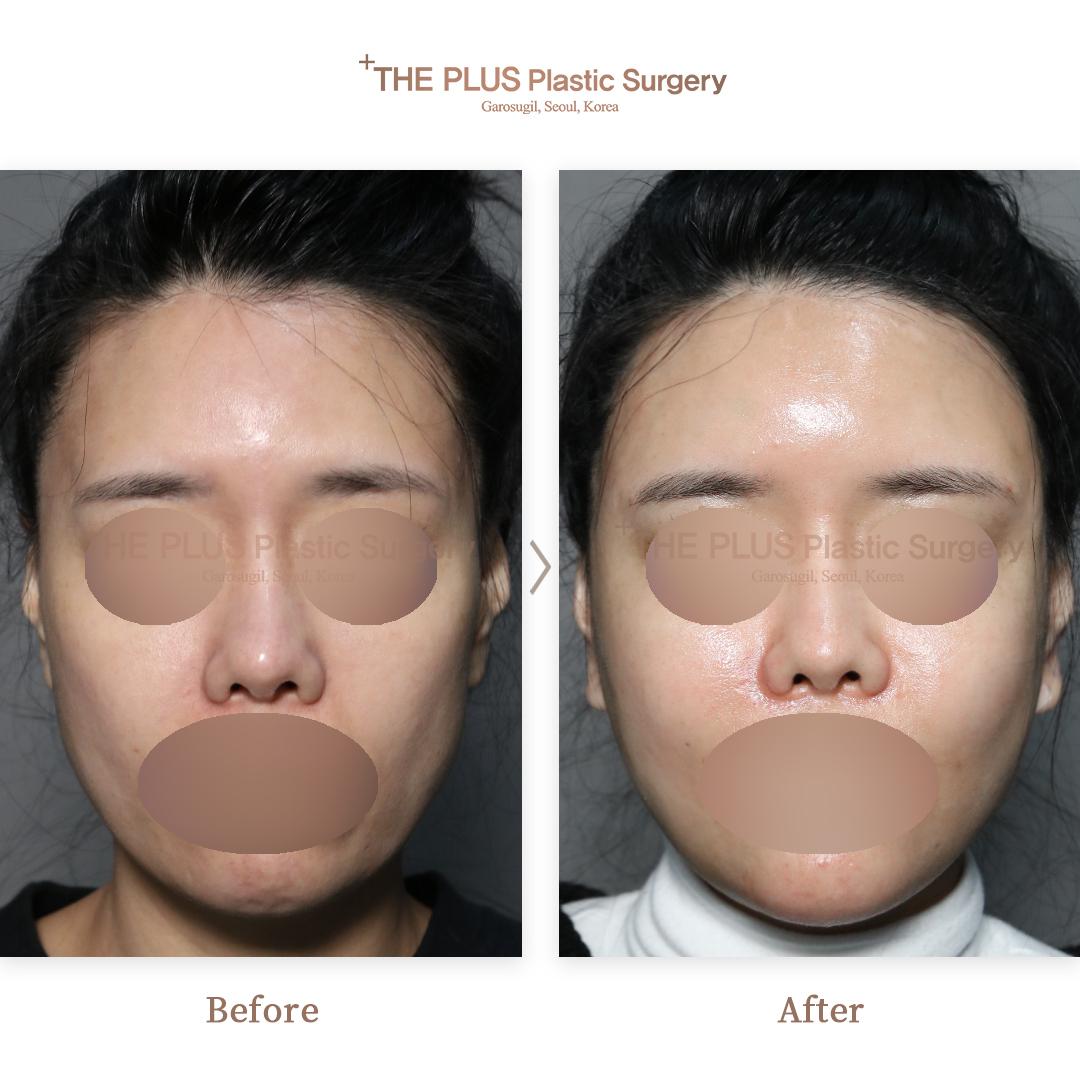
1. THEPLUS Plastic Surgery
If sun-related aging has contributed to facial laxity or loss of contour, you may consider THEPLUS Plastic Surgery for surgical facelift, thread lift, or facial fat grafting options. Its facelift approach is described as lifting and repositioning sagging facial tissue while aiming to preserve natural expression, with thread lifting available for milder sagging and fat grafting for hollow or flattened areas.
- URL: THEPLUS Plastic Surgery Website
- Location: Gangnam-gu, Seoul
- Lifting and volume options:
- Facelift repositions sagging facial tissue to improve facial contours.
- Thread lift uses dissolvable threads as a less invasive option for mild facial sagging.
- Facial fat grafting uses your own fat to restore fullness in areas with volume loss or flattening.
- Relevant surgical expertise:
- Dr. Kim is a board-certified plastic surgeon with stated expertise in facial contouring and an approach centered on balanced facial features.
- The clinic describes personalized aesthetic care with an emphasis on safety, research, and specialized surgical expertise.
2. Made Young Plastic Surgery
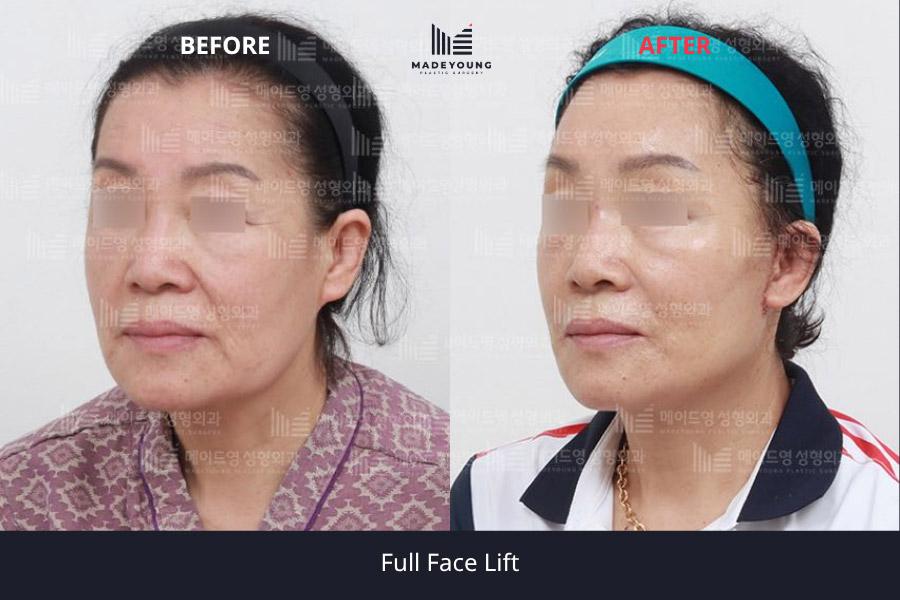
You may consider Made Young Plastic Surgery when sun-related facial aging has left you with more substantial sagging and you are looking for a structural facelift approach: the clinic describes releasing stretched supporting tissues beneath the SMAS, then lifting the skin, fat, and SMAS together and securing them vertically to address downward descent without emphasizing the cheekbones unnaturally.
- URL: Made Young Plastic Surgery Website
- Location: Seocho-gu, Seoul
- Facelift technique:
- The clinic describes dissection beneath the SMAS layer to release stretched supporting tissues.
- Skin, fat, and SMAS are lifted together for comprehensive tightening.
- Lifted tissues are secured vertically, opposite the direction of sagging, with the stated aim of natural-looking, long-lasting results.
- Non-surgical lifting:
- Dr. Soo-Yeon Park is a board-certified plastic surgeon who performs the clinic's signature Silhouette Soft thread lift.
- The clinic states that Dr. Park has performed more than 10,000 lifting procedures and recorded the highest Silhouette Soft usage in Korea in 2022.
- Other non-surgical lifting options listed include ultrasound-based Shurink and Ultherapy, thread lifting, and skin boosters.
- Care systems:
- The clinic states that medical-team consultation and diagnosis are provided before treatment.
- It lists full-time board-certified anesthesiologists, one-to-one anesthesia monitoring, and a dedicated aftercare center.
3. LABOM Plastic Surgery
You may consider LABOM Plastic Surgery for facial sagging associated with sun-related aging if you want a deep-plane-oriented face and neck lift that addresses more than surface skin laxity. Its Triple Face Lift repositions the skin, SMAS, and deep malar fat layer together, targeting sagging through the midface, jawline, under-chin area, and neck while seeking to maintain natural facial expression.
- URL: LABOM Plastic Surgery Website
- Location: Gangnam-gu, Seoul
- Triple Face Lift:
- The procedure lifts the skin, SMAS layer, and deep fat layer together using a deep-plane-based approach.
- It is intended to address nasolabial folds, marionette lines, sagging around the mouth, jawline laxity, double chin, neck wrinkles, and descended deep facial fat.
- Planning is customized to your facial structure and degree of aging, with attention to retaining ligaments and overall facial balance.
- The clinic states that it avoids excessive skin pulling to preserve natural expression.
- Customizable surgical planning:
- Potential combination procedures include SMAS grafting, deep fat pad removal, and platysma muscle sling surgery.
- The clinic also offers facial fat grafting for volume-deficient areas, including deep nasolabial folds, and facial liposuction for excess cheek or chin fat.
- Clinical care and recovery support:
- Plastic surgery specialists directly perform procedures, with the clinic reporting more than 30 years of clinical experience in facial and hand anti-aging procedures.
- The clinic describes individualized pre-operative diagnosis, anesthesia and continuous monitoring, and structured programs for swelling, bruising, scar management, and follow-up.
- A dedicated aftercare system is described for international patients.
Cost Considerations for Facelift Surgery: South Korea vs. Global Destinations
Cost is a major factor for medical tourists, and South Korea offers excellent value.
Average Facelift Costs in South Korea
- Mini Facelift: $3,000–$5,000 USD
- Mid Facelift: $4,500–$6,500 USD
- Full Facelift: $8,000–$10,000 USD
- Deep Plane Facelift: $8,000–$13,000 USD
- Endoscopic Facelift: From $5,000 USD
- AccuTite Facelift: From $3,500 USD
Prices vary by technique and clinic. Most include pre- and post-op care, but medications may be extra.
Comparative Analysis: South Korea vs. Other Destinations
| Country | Average Cost Range (USD) | Potential Savings vs. US/UK |
|---|---|---|
| South Korea | $5,000 - $13,000 | 30-70% |
| United States | $10,000 - $48,000 | N/A |
| United Kingdom | $7,500 - $18,000 | N/A |
| Australia | $6,500 - $8,000 | N/A |
| Thailand | $1,500 - $12,000 | Up to 75% |
| Turkey | $1,500 - $14,000 | Up to 80% |
| Mexico | $1,700 - $13,000 | Up to 70% |
Always check what’s included in the quoted price and request an itemized estimate.
Factors Influencing Facelift Costs
- Type of facelift
- Surgeon’s experience
- Clinic location
- Additional procedures
- Pre- and post-op inclusions
Additional Expenses for Medical Tourists
- Flights and accommodation
- Meals and daily expenses
- Pre-op tests
- Recovery care
- Visa fees
- Travel insurance
- Currency exchange and emergency funds
- Deposits
Financing options are available to help cover these costs.
Patient Experiences: Addressing Sun Damage and Sagging with a Facelift
For those with "sun damage face sag," a facelift offers significant, lasting rejuvenation.
Effectiveness of Facelift for Sun-Induced Skin Laxity and Jowls
A facelift is the gold standard for correcting sagging and restoring a youthful jawline and neck. Results from a full facelift can last ten years or more; mini facelifts typically last five to seven years.
Real-World Outcomes: What Patients Can Expect
Patients often report looking refreshed and natural, with improved jawline, smoother neck, and restored volume. The psychological boost and renewed confidence are as valuable as the physical changes.
The Importance of Complementary Treatments
A facelift addresses sagging but not surface texture or pigmentation. For full rejuvenation, consider:
- Laser resurfacing: For fine lines and texture
- Chemical peels: For pigmentation
- Microneedling: For collagen boost
- Medical-grade skincare: For ongoing improvement
Combining these treatments ensures all aspects of sun damage are addressed.
Maintaining Results and Long-Term Skin Health Post-Facelift
To keep results looking fresh:
- Consistent sun protection: Essential for preventing new damage
- Good skincare regimen: Supports skin health
- Healthy lifestyle: Avoid smoking and maintain a stable weight
Long-term success depends on both surgical skill and patient commitment to aftercare.
Table 4: Facelift Effectiveness for Sun-Damaged Skin
| Category | Facelift Addresses for Sun Damage | Facelift Does NOT Directly Address for Sun Damage | Recommended Complementary Treatments |
|---|---|---|---|
| Skin Laxity & Sagging | Sagging skin, jowls, neck, submental fullness | N/A | N/A |
| Wrinkles & Folds | Deep wrinkles/folds | Fine lines | Laser Resurfacing, Chemical Peels, Skincare |
| Facial Contour & Volume | Jawline, volume, youthful contour | N/A | N/A |
| Skin Quality | Improved elasticity | Dry skin, uneven texture/tone | Laser, Peels, Microneedling, Skincare |
| Pigmentation | N/A | Hyperpigmentation, spots, melasma, freckles | Laser, Peels, Lightening Agents |
| Vascular Issues | N/A | Spider veins (telangiectasia) | Vascular lasers |
| Precancerous Lesions | N/A | Actinic keratosis, actinic cheilitis | Dermatological treatments |
| Overall Aging Process | Turns back the clock | Does not stop aging | Skincare, lifestyle, sun protection |
Conclusions
Chronic sun exposure leads to photoaging, causing both cosmetic and health concerns. A facelift (rhytidectomy) is the most effective solution for significant sagging, especially when performed by skilled surgeons in destinations like South Korea. However, for complete rejuvenation, combining a facelift with treatments for texture and pigmentation is often necessary. Long-term results depend on ongoing sun protection and healthy habits, making patient commitment as important as surgical expertise.
References
1, 2, 3, 4, 5, 6, 7, 8, 9, 10, 11, 12, 13, 14, 15, 16, 17, 18, 19, 20, 21, 22, 23, 24, 25, 26, 27, 28, 29
Frequently Asked Questions
Related Blogs
Renuvion in Korea: Methods, Recovery, Risks, and Travel Planning
Renuvion uses helium-plasma radiofrequency energy beneath the skin, alone or after liposuction, to address mild-to-moderate localized laxity; Dermal resurfacing treats surface wrinkles with an external ablative handpiece. The article covers candidacy, alternatives, preparation, recovery, risks, Korea travel planning, and the need for surgeon clearance before flying.
Updated: Oct 13, 2026
Temporal Lift in Korea: Methods, Recovery, Risks and Travel Planning
A temporal lift elevates the outer brow through temporal scalp incisions, using open, subcutaneous, endoscopic, or combined techniques chosen for brow position, hairline, and eyelid anatomy. The article covers candidate screening, Korea facility and surgeon verification, a 10–14-day stay, recovery restrictions, aftercare, warning signs, and alternatives such as forehead lift, blepharoplasty, and p
Updated: Oct 13, 2026
Premature aging face treatment in Korea: Face Lift options for younger-looking skin
Early onset facial laxity and wrinkles are rising among 30s–40s. Our Korea medical tourism guide explains rhytids and how a rhytidectomy (face lift) can refresh the lower face and neck. Explore options: Deep Plane Facelift, SMAS Facelift, Mini Facelift, Lower Facelift and Neck Lift, plus non-surgical adjuncts. Learn candidacy, recovery timelines, costs, certifications, and tips for planning surger
Updated: Oct 12, 2026
Brow Ptosis in Korea: Forehead Lift and Subbrow Lift Treatment Options
Thinking about Brow Ptosis surgery in Korea? This expert guide explains diagnosis, functional vs cosmetic concerns, and compares a Forehead Lift with a Subbrow Lift—indications, scars, recovery, and costs. It maps the South Korea medical tourism journey (planning, visas, surgery day, follow-ups), highlights surgeon credentials and safety, and shares real outcomes, risks, and patient stories so you
Updated: Oct 12, 2026
Clinics offering Face Lift
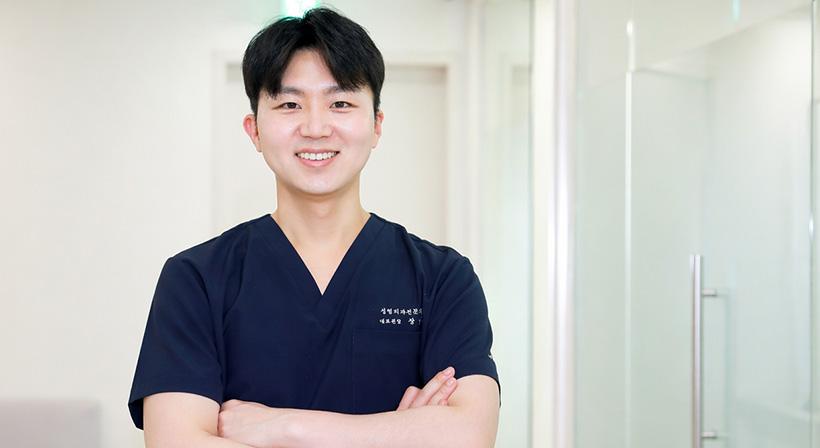
RINE Plastic Surgery Clinic | Facelift and Eye Rejuvenation Surgery
Nonhyeon

SH Clinic: Comprehensive Women's, Men's & Couples' Health Services in Korea
Sinsa

THEPLUS Plastic Surgery Korea | Eye, Nose, Face & Body Surgery
Sinsa

Made Young Plastic Surgery: Rejuvenating Aesthetic Excellence in Korea for Face Lifts, Contouring and More
Gangnam Station