
Medical Tourism Blog
Dark Circle Injection in Korea: Methods, Safety, Recovery and Travel Planning
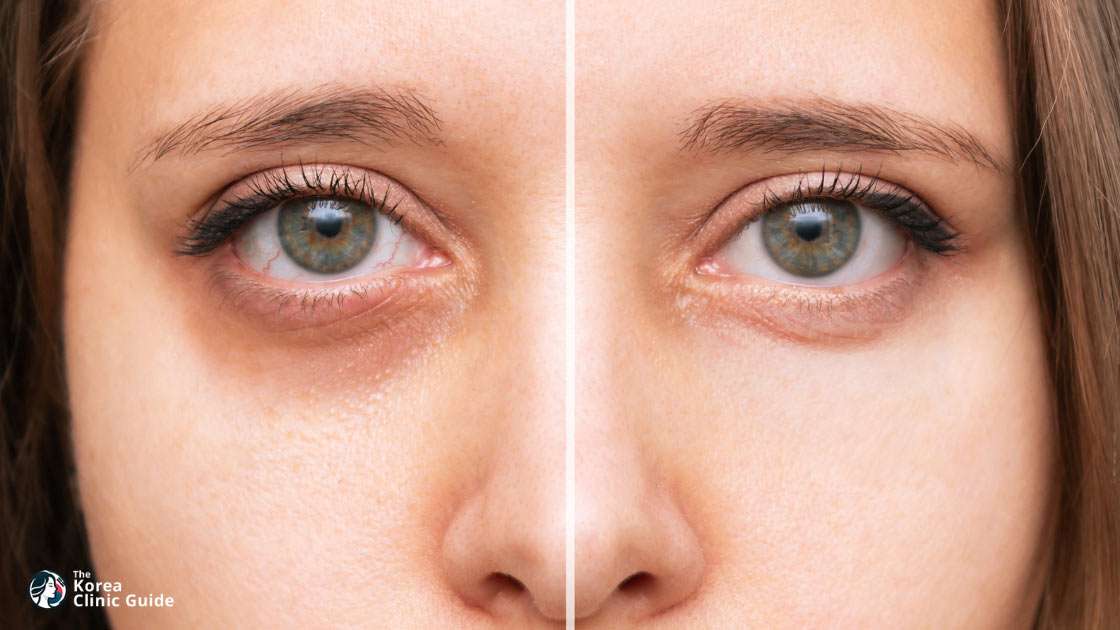
Table of contents
- Dark Circle Injection at a Glance
- What Is a Dark Circle Injection?
- Who Is a Good Candidate for a Dark Circle Injection?
- How Is a Dark Circle Injection Performed?
- Why Visit Korea for a Dark Circle Injection?
- Key Information for International Patients
- Which Are the Best Clinics in Korea for Dark Circle Injection?
- Dark Circle Injection From Start to Finish
- Alternatives to a Dark Circle Injection
- How Can I Prepare for a Dark Circle Injection?
- Aftercare Advice
Considering treatment in Korea? Everything you need to know e.g. — how to avoid scams, visas, interpreters, recovery tips — in our Medical Tourism Master Guide. Plan with confidence in minutes, not weeks!
Last updated: September 2026
Dark Circle Injection at a Glance
- What it treats — “Dark circle injection” is an umbrella term: HA filler treats a shadow from an infraorbital hollow, while PN, PRP, or PRF are used for gradual skin-quality concerns such as thin-looking skin and fine lines.
- Best candidate — HA filler is best suited to mild-to-moderate, stable tear-trough or mid-cheek volume loss with good lower-lid skin and little eye-bag protrusion, festooning, edema, or laxity.
- Evidence for HA filler — In a 333-participant trial of selected infraorbital hollows, 87.4% of HA-filler patients met the blinded improvement endpoint at 3 months, compared with 17.7% of untreated participants.
- Recovery and results — Swelling, tenderness, and bruising may settle within days but can occasionally last 1–2 weeks; assess HA filler results at a 2–4 week review. Many selected patients maintained correction through 12 months.
- Travel planning — Allow 2–4 days in Korea after a single HA treatment for early access to the clinic; PN, PRP, and PRF commonly need repeat sessions every 2–3 weeks, so a three-session course takes about 5–8 weeks.
- Key safety risk — Under-eye injections can cause persistent swelling, irregularity, or blue-gray discoloration, and rare vascular blockage can threaten skin or vision; severe pain, skin color changes, or visual symptoms require immediate emergency assessment.
- Korea distinction — Korea is particularly familiar with PN periorbital treatments, but it has no proven outcome advantage over other countries; verify an international-patient registered clinic and obtain the exact product, dose, batch record, and emergency plan.
What Is a Dark Circle Injection?
A dark circle injection is a non-surgical treatment using selected injectable products around the under-eye area to address specific causes of dark circles. It can improve shadowing from hollows or support skin quality, but it does not reliably correct pigment, prominent eye bags, or every form of under-eye discoloration. It is non-surgical and typically performed with injections in a clinic setting.
Who Is a Good Candidate for a Dark Circle Injection?
- Structural-shadow candidate — Adults with a mild-to-moderate, stable infraorbital hollow or mid-cheek volume loss that creates a dark shadow, good lower-lid skin quality, and little eye-bag protrusion are the most suitable candidates for conservative hyaluronic-acid (HA) filler.
- Skin-quality candidate — People whose concern is thin-looking under-eye skin, fine lines, or modest vascular show-through can discuss polynucleotide (PN), platelet-rich plasma (PRP), or platelet-rich fibrin (PRF). These approaches are gradual and do not replace volume lost from a deep tear trough.
- Realistic-expectation candidate — Good candidates understand that an under-eye dark circle injection treats a defined cause, not the label “dark circles.” HA filler can improve shadowing from a hollow but does not reliably remove brown pigment, prominent eye bags, or vascular blue-purple coloration.
This treatment is not appropriate during an active infection, dermatitis, herpes outbreak, acne or rosacea flare, or with an unhealed lesion near the injection area. Defer elective cosmetic injections during pregnancy and breastfeeding because safety data are inadequate, and postpone treatment with uncontrolled autoimmune or inflammatory disease, significant bleeding risk, or acute systemic illness until the relevant clinicians agree. Prominent fat herniation, festoons, chronic malar edema, marked lower-lid laxity, and prior permanent filler require specialist assessment; adding HA filler can worsen swelling or obscure already altered anatomy. Do not accept an unspecified or non-reversible volumizing material in this area: vision-threatening events have been reported with several filler types, including HA, fat, collagen, calcium hydroxyapatite, and lactic-acid products in the published literature.
How Is a Dark Circle Injection Performed?
“Dark circle injection” does not identify one product or technique. The injector must first determine whether darkness is predominantly a structural shadow, thin-skin show-through, pigment, edema, eye bags, or a combination.
- HA filler for a tear-trough shadow — The injector places a small, conservative amount of HA filler in an anatomy-appropriate deep plane at the lid-cheek junction and/or upper cheek. Supporting the mid-cheek rather than filling directly beneath the eye is often preferable. In a 333-participant randomized trial of selected infraorbital hollows, 87.4% of treated participants met the month-3 blinded improvement endpoint, versus 17.7% of untreated controls; needle and cannula techniques had similar efficacy in this study.
- PN skin-quality injection — PN, often marketed in Korea for the eye area, targets fine lines and thin-looking skin rather than immediate structural volume. A 61-person uncontrolled PN-HPT cohort used three sessions spaced 2–3 weeks apart and found improvement in mixed dark-circle subtypes, but its design, short follow-up, mixed diagnoses, and reported industry relationships mean it does not prove treatment of pigment-only circles or replace filler for a deep hollow as the study reports.
- PRP or PRF — A blood sample is centrifuged to prepare an autologous platelet product for superficial injection or, in some plans, microneedling-assisted application. It avoids a commercial implanted filler but still causes bruising, swelling, discomfort, and infection risk. Differences in preparation systems, platelet concentration, technique, session schedules, and the causes of dark circles make results difficult to predict.
- Needle or cannula planning — Either may be used according to anatomy and injector judgment. Neither technique, ultrasound guidance, nor injector experience removes vascular risk; published vision-loss reports do not provide a denominator-based individual risk estimate according to an ophthalmology review.
Why Visit Korea for a Dark Circle Injection?
Korea can be practical for international patients seeking an in-person diagnosis and discussion of HA filler, PN, PRP, or PRF options. It is not established that receiving the same appropriately selected under-eye injection in Korea produces better biological outcomes or eliminates serious risk. Product transparency, anatomical assessment, injector competence, and an emergency plan matter more than destination.
- PN familiarity — PN-based periorbital treatments are widely discussed in the Korean aesthetic market, giving travelers a practical setting to ask whether a skin-quality approach fits thin skin and fine lines rather than a structural hollow. The directly relevant clinical evidence remains limited and does not support PN as a universal dark-circle treatment as demonstrated by the available cohort evidence.
- International-patient verification — Use Korea’s official registered medical institution system to check whether a provider is registered to serve international patients. Registration and international-patient infrastructure are useful safeguards, but they do not demonstrate the expertise of a particular injector.
- Documentation standards to request — Obtain translated consent, the diagnosis, exact material and brand, concentration, dose per side, injection plane, product batch or lot record, possible adverse effects, emergency contact details, and overseas follow-up terms. For HA filler, confirm that hyaluronidase is immediately available and that the clinic has a written vascular-compromise protocol.
- Evidence-based treatment selection — HA filler has the strongest direct evidence for a selected infraorbital hollow, not every appearance described as a dark circle in the randomized trial. A clinic should be prepared to recommend a non-injectable or surgical alternative when assessment shows pigment, eye bags, edema, or laxity.
Key Information for International Patients
- Minimum stay — Plan 2–4 days for a single uncomplicated HA tear-trough or infraorbital treatment. This allows an in-person assessment, treatment, and access to the clinic during the early period when urgent symptoms need prompt review.
- Touch-up planning — A formal HA review is commonly held after swelling resolves, around 2–4 weeks. Stay 1–2 weeks when the clinician expects an in-person touch-up assessment; otherwise, arrange remote review and qualified care at home before traveling.
- Series treatments — PN, PRP, and PRF commonly require repeat sessions roughly 2–3 weeks apart. A planned three-session course generally requires about 5–8 weeks in Korea, or a clearly documented handover to an appropriately qualified clinician at home.
- Flights — Do not book a same-day long-haul departure. No high-quality guideline establishes one universal flying interval after under-eye injections; plan travel around early access to urgent assessment rather than an arbitrary clearance period.
- Itinerary impact — Bruising, tenderness, swelling, and pinpoint bleeding are common after HA filler. Some people recover within hours, but visible swelling or bruising can take several days and occasionally 1–2 weeks to settle in the infraorbital-hollow trial. Avoid scheduling important photographs or non-refundable activities immediately afterward.
- Remote follow-up — Leave with an English emergency contact, written aftercare, photographs of the treatment record, the product and lot number, and instructions for urgent care after returning home.
Travel note: Severe or escalating pain, white, gray, blue, mottled, cool, or blistering skin, rapidly worsening swelling, blurred or double vision, vision loss, severe headache, facial weakness, or speech difficulty requires immediate emergency assessment—not a message after a flight.
Which Are the Best Clinics in Korea for Dark Circle Injection?
Listed below are some of the best clinics in Korea for dark circle injection.
1. PangPang Clinic
At PangPang Clinic, you can discuss under-eye volume concerns through its PIM Injection approach and volume-thread options, which are described as addressing delicate eye-area wrinkles, supporting collagen production, and adding volume to under-eye and eye-bag areas. The clinic’s main clinical focus is thread lifting, so your plan can be tailored around whether hollowing, fine lines, or skin elasticity are contributing to the appearance of dark circles.
- URL: PangPang Clinic Website
- Location: Gangnam-gu, Seoul
- Under-eye options:
- PIM Injection combines Ultra Cell, thread lifting, and Botox; it is described as smoothing delicate wrinkles around the eyes while improving elasticity and complexion.
- Volume threads are intended to add volume in under-eye, cheek, and eye-bag areas.
- PIM Injection is listed as taking about 30 minutes with local anesthesia, minimal pain, and no recovery period; stated results range from 6 months to 2 years.
- The clinic recommends a monthly PIM series of 3–5 treatments for optimal effect.
- Treatment planning:
- Personalized doctor consultation, ultrasonic visual checks, and pre-operative design are part of its thread-lifting system.
- The clinic reports using 31 specialized functional threads and offers customized thread selection.
- Its Thread Lifting Consultation Center is intended to tailor treatment planning to your needs.
- Clinic focus:
- PangPang concentrates its research and practice on thread lifting and reports operating a Thread Lifting Research Institute.
- Its medical team participates in international beauty conferences through invited lectures and presentations.
- Additional listed services include customized fillers, Botox, laser treatments, and scar removal.
2. Haru Clinic
At Haru Clinic, your dark-circle plan can be customized to the factors visible in your under-eye area—hollowness, pigmentation, or fine lines—using tear-trough filler, laser treatment, or PRP. Dr. Jeong’s filler research role with Merz and teaching of other doctors in current filler techniques are particularly relevant if restoring tear-trough volume is part of your treatment plan.
- URL: Haru Clinic Website
- Location: Gangnam-gu, Seoul
- Dark-circle treatment approach:
- Customized dark-circle care is described as using tear-trough filler, laser, or PRP according to hollowness, pigmentation, and fine lines.
- The intended outcome is a brighter, smoother under-eye area with more even tone.
- Tear-trough fillers may be hyaluronic acid or biostimulatory fillers; filler results are described as immediate and adjustable for a natural-looking contour.
- Physician expertise:
- Dr. Jeong is an official research physician for Merz, the company behind Belotero Filler.
- He teaches other doctors the latest filler techniques.
- His approach emphasizes facial harmony and balance through non-invasive techniques tailored to your features.
- Related services:
- PRP is available as an option within the clinic’s dark-circle care.
- Collagen-tightening treatments use radiofrequency or ultrasound to promote firmer, more elastic skin without incisions.
- The clinic also offers Botox, fillers, thread lifts, and surgical facial procedures.
3. Hev Clinic
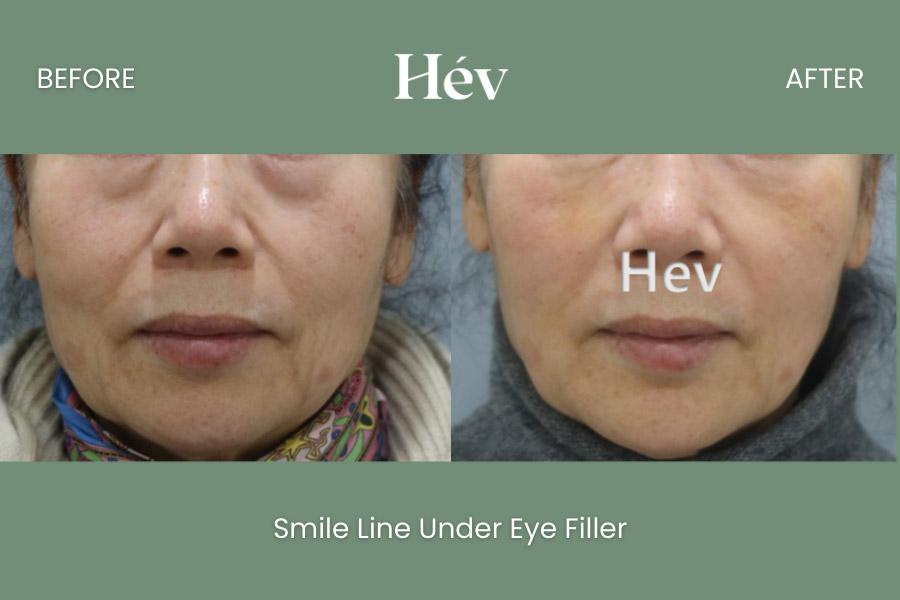
You may consider Hev Clinic for dark-circle injection when you want dermatologist-led assessment of the under-eye area, including correction of dark circles and treatment planning informed by skin thickness, aging, and pigment depth. Its stated options include under-eye dark-circle correction, hyaluronic-acid fillers, PRP, and regenerative skin boosters, with the same attending board-certified dermatologist overseeing consultation, treatment, and aftercare.
- URL: Hev Clinic Website
- Location: Gangnam-gu, Seoul
- Under-eye assessment and treatment:
- Under-eye dark-circle correction is listed among the clinic’s wrinkle treatments.
- AI skin analysis is used to assess skin thickness, aging, and pigment depth before creating an individualized plan.
- Hyaluronic-acid fillers can restore volume and contour; the clinic states results are immediate and adjustable, with typical duration of 6–18 months depending on area and product.
- PRP can be injected or used with microneedling to support healing and collagen, with a low risk of reaction because it uses your own plasma.
- Profhilo is described as improving hydration, elasticity, and crepiness through two sessions one month apart.
- Dermatologist-led care:
- Dr. Shin Ji-yeon is a board-certified dermatologist with stated specialization in well-aging, dermal structure restoration, and customized non-surgical facial contouring.
- Her academic roles include the Academic Committee of the Association of Korean Dermatologists and the Education Committee of the Korean Society for Anti-Aging Dermatology.
- The clinic states that the same attending dermatologist performs care from consultation through completion and aftercare.
- Injection comfort and aftercare:
- Hev uses a non-sedation, pain-controlled anesthesia system that allows you to communicate during treatment.
- The clinic describes using delicate cannula and needle techniques to reduce injectable discomfort.
- A self-developed Repair Barrier Cream is included in its basic protocol to help calm and regenerate skin after treatment.
- Maintenance planning may be based on a skin-cell regeneration cycle of approximately 3–4 weeks.
- Additional skin options:
- Skin Botox is offered for fine lines, pores, and sebum control without freezing expression.
- Re2O is a regenerative booster described as replenishing structural components of the dermis to improve firmness, texture, and pores.
- Laser and resurfacing services include Fraxel, CO2 laser, chemical peels, microneedling, and RF microneedling.
Dark Circle Injection From Start to Finish
- Remote screening — Send unfiltered daylight and oblique-light photographs, a full medical history, medicines and supplements, allergy history, and details of all previous filler, surgery, laser, or thread procedures. Ask whether English or virtual consultation is available and request a preliminary explanation of the suspected cause: hollow, pigment, vascular color, bags, or mixed concerns.
- Treatment proposal and travel coordination — Confirm the proposed material, brand, concentration, target, dose per side, injection plane, needle-versus-cannula plan, expected visit schedule, and emergency arrangements. For HA filler, ask whether hyaluronidase is on site. Book flexible flights and accommodation that permits a prompt return visit.
- In-person assessment — The clinician examines lower-lid laxity, fat herniation or eye bags, festoons, edema tendency, pigment, skin quality, and prior filler. Standardized photographs in different lighting help distinguish a shadow from true color change. The plan should change or stop if examination does not support an injectable treatment.
- Consent and preparation — Review material-specific risks, including prolonged edema, contour irregularity, Tyndall blue-gray discoloration, vascular occlusion, skin injury, and rare visual complications. The area is cleansed and antiseptic is applied; topical or local anesthesia is optional. PRP or PRF also requires a blood draw and centrifugation.
- Injection — The injector uses a needle and/or cannula to place the selected product conservatively. HA treatment is commonly staged rather than overfilled in one session. The appointment length depends on the method and whether blood preparation is required.
- Discharge and early recovery — Receive written aftercare, product and batch documentation, emergency contact details, and explicit instructions not to rub or massage the area unless the injector directs it. Leave enough time in Korea to report concerning symptoms promptly.
- Review and overseas follow-up — HA filler is commonly reviewed at 2–4 weeks, once swelling has settled. PN, PRP, or PRF plans can involve further sessions every 2–3 weeks. Send requested photographs to the clinic after returning home and seek local emergency care immediately for warning signs rather than waiting for remote advice.
Alternatives to a Dark Circle Injection
The right alternative depends on the cause of darkness. Non-surgical options can address pigment, redness, or mild skin-quality concerns but do not correct major fat herniation or laxity; surgical options can address structural eye bags more definitively but involve longer recovery and operative risk.
Pigment treatment
- Best suited to — Brown periorbital hyperpigmentation or post-inflammatory discoloration rather than a hollow shadow.
- Tradeoff — Dermatologist-directed pigment care, peels, or device treatment can target color but requires careful selection around the thin eyelid area and does not fill a tear trough. Explore pigmentation treatment, laser toning, or pico toning.
Vascular laser treatment
- Best suited to — Red, purple, or vascular-looking under-eye color after a clinician confirms the diagnosis.
- Tradeoff — Filler does not reliably treat vascular color. A vascular-targeted approach such as V-Beam laser addresses a different problem and may require several sessions.
HA under-eye filler
- Best suited to — A selected structural infraorbital hollow with little edema, festooning, or eye-bag protrusion.
- Tradeoff — This is the most evidence-supported injectable route for shadowing from a hollow, but it carries meaningful under-eye risks and is not a pigment treatment. Read about under-eye filler.
Under-eye fat grafting
- Best suited to — People seeking surgical volume restoration when assessment supports it.
- Tradeoff — Fat grafting can be more durable than HA filler but has operative recovery, variable fat survival, irregularity, and revision risks. See under-eye fat grafting.
Lower-eyelid fat repositioning or removal
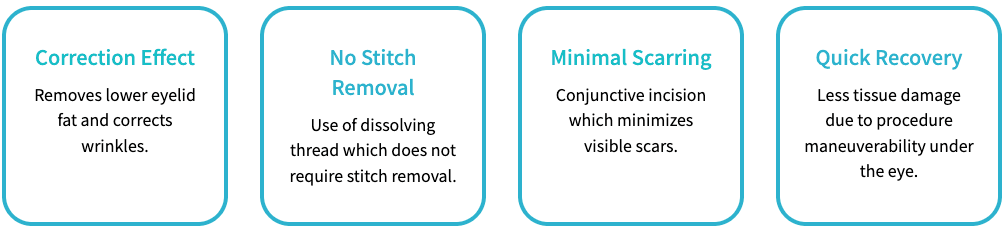
- Best suited to — Significant eye bags, fat herniation, laxity, or an advanced lid-cheek deformity.
- Tradeoff — Surgery addresses protruding fat more directly than an injection, but requires surgical evaluation, downtime, and a reliable follow-up plan. See under-eye fat removal or repositioning.
How Can I Prepare for a Dark Circle Injection?
- Disclose medicines and supplements — Provide a complete list of prescribed and nonprescription medicines, especially anticoagulants, antiplatelet drugs, NSAIDs, corticosteroids, isotretinoin, and immunosuppressants, plus supplements associated with bruising. Do not stop prescribed anticoagulant or antiplatelet medication unless the clinician who prescribed it approves the change.
- Share prior procedures — Report every prior under-eye filler, permanent filler, biostimulator, fat graft, eyelid surgery, laser treatment, thread procedure, and prior hyaluronidase treatment. Bring records when available.
- Postpone for skin or systemic illness — Contact the clinic before travel for a rash, wound, cold sore, eye infection, fever, acne or rosacea flare, or other acute illness. Do not inject through inflamed or infected skin.
- Fasting and anesthesia — Fasting is usually unnecessary for a local injectable. Follow fasting instructions exactly if sedation is planned or the clinic specifically requests it.
- Protect the area — Avoid intentional tanning and sunburn, particularly when pigment is part of the concern. Arrive without eye makeup when requested and avoid recent aggressive facial treatments unless the clinician has cleared them.
- Plan recovery logistics — Avoid alcohol and arrange a flexible itinerary, accessible accommodation, and transport that allow a prompt clinic return. Do not schedule a same-day long-haul flight.
Travel note: Bring your passport, translated medical records where possible, allergy details, and a way to contact the clinic after hours.
Confirm the treating doctor’s clinic-specific medicine, alcohol, skincare, fasting, and travel requirements before treatment; individualized instructions take precedence over general guidance.
Aftercare Advice
Treat any unexpected pain, color change, or visual symptom after an under-eye injection as urgent until a qualified clinician rules out a serious complication.
- First 24–48 hours — Use cool compresses and sleep with the head elevated only as directed. Expect mild tenderness, redness, swelling, pinpoint bleeding, or bruising; avoid judging the final HA result while swelling remains.
- Hands and contact — Do not rub, press, massage, or manipulate the under-eye area. Avoid eye makeup over injection points until the injector clears it, and do not seek elective filler dissolution elsewhere without assessment by the original injector unless emergency clinicians direct otherwise.
- Activity and heat — Avoid strenuous exercise, heavy lifting, alcohol, sauna, steam rooms, hot yoga, intense heat, facial massage, and additional facial procedures until the injector permits them.
- Skincare and sun — Use a gentle cleanser, bland moisturizer, and broad-spectrum SPF 50 sunscreen. Pause irritating topical actives around injection points when instructed.
- Urgent warning signs — Seek immediate emergency assessment for severe or escalating pain; white, gray, blue, mottled, cool, or blistering skin; rapidly worsening swelling; blurred or double vision; vision loss; severe headache; weakness, numbness, facial droop, speech difficulty; fever; spreading redness; pus; or signs of a serious allergic reaction. Filler-associated visual loss is rare but potentially catastrophic, and published case reports cannot establish an individual incidence rate according to a review of reported cases.
- Review and final result — Attend or arrange the 2–4 week HA review after swelling settles. HA correction persisted through 12 months for many selected participants in one trial, but duration depends on product, dose, anatomy, and previous filler; PN, PRP, and PRF changes are more gradual and often need a series as reported in the available studies.
Follow the treating doctor’s instructions over general advice and contact the clinic promptly when anything appears wrong.
Frequently Asked Questions
Related Blogs
Comparing Global Costs of Pico Fraxel: Why Korea is a Top Choice for Skin Rejuvenation Without Compromise
Discover the affordability of Pico Fraxel laser treatments in Korea, where cutting-edge technology meets competitive pricing. Explore why many are choosing Korea for their skincare journey and how it compares to global costs.
Updated: Oct 21, 2026
Optimize Your Wellness: See Why Vitamin Injections in Korea Offer Value Beyond Costs Compared to the USA & More
Discover the latest trends in the cost of vitamin injections in Korea, exploring factors affecting pricing and popular clinics. Learn how these wellness treatments can boost your energy and overall health.
Updated: Oct 21, 2026
Laser Tattoo Removal Costs: Is Korea Your Best Option Compared to the USA, Turkey, and Beyond?
Discover the factors influencing the cost of laser tattoo removal in Korea, from technology and expertise to session frequency. Explore why Korea is becoming a popular destination for this effective and advanced cosmetic procedure.
Updated: Oct 21, 2026
Unlock Radiant Skin: Comprehensive Cost Analysis of Steroid Injections for Scars in Korea vs USA, Turkey & More
Explore the cost of steroid injections for scars in Korea, a popular cosmetic procedure aimed at minimizing the appearance of scar tissue. This article breaks down the pricing, factors influencing cost, and potential savings compared to other countries.
Updated: Oct 21, 2026
Clinics offering Dark Circle Injection

Hev Clinic Korea | Premium Sinsa Clinic for Skin, Laser & Injectables
Sinsa

PangPang Clinic: Korea's Premier Thread Lifting and Skin Rejuvenation Specialist in Gangnam, Seoul
Sinsa

B.V Clinic Korea: Advanced Aesthetic Treatments for Natural Beauty Enhancement & Rejuvenation
Sinnonhyeon Station

D.A Plastic Surgery Clinic in Korea: Advanced Cosmetic Procedures for Natural Beauty Enhancement
Gangnam Station