
Medical Tourism Blog
Rolling Acne Scars Treatment in Korea: How Thread Lift Procedures Offer Effective Solutions
Table of contents
- The Thread Lift Procedure: An Overview
- Having a Thread Lift in South Korea: What to Expect
- Which Are the Best Clinics in Korea for Acne Scars Rolling?
- Cost of Thread Lifts in South Korea: A Medical Tourist’s Guide
- Thread Lifts for Rolling Acne Scars: Outcomes and Insights
- Conclusion
- References
Considering treatment in Korea? Everything you need to know e.g. — how to avoid scams, visas, interpreters, recovery tips — in our Medical Tourism Master Guide. Plan with confidence in minutes, not weeks!
Patients who struggle with acne scarring often hear the term "gently depressed [rolling acne scars](/blog/rolling-acne-scars-korea) on cheeks." This description is both accurate and common for a challenging type of skin indentation. In this guide, we’ll break down what rolling acne scars are, take a closer look at the Thread Lift procedure, explore the logistics and costs of having this treatment in South Korea, and evaluate its effectiveness for rolling acne scars.
Rolling scars are a frequent type of scarring that appears after acne lesions heal. These scars show up as gentle indentations, a few millimeters wide, with sloping edges that give the skin an uneven or "rolling" texture. The scar’s size doesn’t necessarily match the size of the original acne spot—it’s often more about how your skin heals. Rolling scars often develop on thicker-skinned facial areas, especially the lower cheeks and jawline.
Common Pseudonyms and Classifications
Rolling acne scars are a subset of atrophic acne scar. Atrophic scars, in general, are depressions that develop when the skin heals with too little collagen. Collagen is the protein that gives the skin its shape, strength, and bounce. When there isn’t enough of it during healing, you end up with indented scars—this helps explain why rolling scars aren’t just a superficial issue but the result of a deeper structural change.
You’ll often hear rolling scars talked about alongside other atrophic scars, like boxcar scars and icepick scars. Knowing which type you have helps clarify your treatment options.
Differentiation from Other Acne Scar Types
Let’s clarify the differences:
- Rolling Scars: The shallowest atrophic scars, with wavy skin and sloping, ill-defined borders. They’re caused by fibrous bands pulling the skin down from below, creating that rippled appearance.
- Boxcar Scars: Round or oval indentations with sharply defined vertical edges, much like chickenpox scars. They’re wider than icepick scars.
- Icepick Scars: Deep, narrow, V-shaped scars that look like punctures. They’re generally resistant to peels or lasers.
- Hypertrophic Scars: Unlike atrophic scars, these are raised and occur when there’s too much collagen production. Keloid scars are the most severe, expanding beyond the original wound and sometimes recurring even after removal. Treatments for these scars focus on reducing excess collagen, while atrophic scars (like rolling scars) require collagen stimulation.
Factors Contributing to Their Formation
Rolling scars are largely tied to how your skin heals after acne. The key reason is the insufficient production of collagen during healing, creating surface dips. The deeper the acne-induced inflammation, the higher the risk of scarring. Rolling scars are also unique because of fibrous bands that tether the skin downwards.
Further, picking or squeezing acne increases scarring risks by driving blockages deeper or intensifying inflammation—even leading to worse inflammatory acne or cysts. It’s important for patients to recognize that rolling acne scars are permanent; they won’t fade on their own, which is why medical intervention is necessary.
The Thread Lift Procedure: An Overview
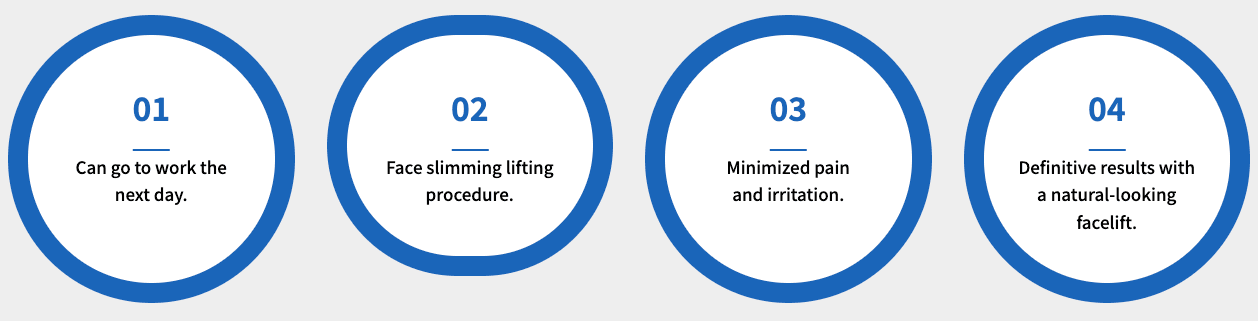
A thread lift is a non-surgical, minimally invasive cosmetic treatment where dissolvable, medical-grade sutures ("threads") are used to lift and tighten sagging skin. The goal is to offer a refreshed appearance and stimulate your skin’s collagen production. Nicknamed the "lunchtime facelift," it’s quick, low on downtime, and used for areas like cheeks, jawline, neck, and eyebrows.
How Thread Lifts Work
Thread lifts use two main mechanisms:
- Mechanical Lifting: Threads are inserted beneath the skin, physically lifting and repositioning sagging tissue. Many threads have tiny barbs to help grip and hold the skin in its new position.
- Collagen Stimulation (Neo-collagenesis): The threads trigger your body’s healing response, prompting fibroblasts to produce new collagen and elastin. This boosts skin firmness and elasticity over several months—even after the threads dissolve, the newly formed collagen remains for ongoing support.
This dual effect—lift plus collagen boost—is at the heart of why thread lifts make sense for treating atrophic acne scars like rolling scars. The collagen stimulation addresses the deficiency causing the scars, and the lift counters the downward pull of fibrous bands.
Types of Threads Used
Most threads are made from biocompatible, biodegradable materials, such as:
- Polydioxanone (PDO) threads: The most common, dissolving over 6-12 months, both lifting and stimulating collagen. PDO monofilament threads have been specifically researched for atrophic acne scars.
- Polylactic acid (PLA) threads: Also absorbable, with shared benefits.
- Polycaprolactone (PCA) threads: Biodegradable and good for skin tightening.
Choosing the right thread type and design (smooth or barbed) depends on your skin’s needs and where you’re being treated.
Ideal Candidates and Results
Thread lifts are best for people in their late 30s to early 50s showing early to moderate aging who want a non-surgical, subtle improvement. It’s also a safe option for those with health conditions that prohibit surgery. Results last about one to three years before the threads dissolve. Longevity depends on age, skin quality, and habits like smoking or sun exposure, so healthy habits are important for maintaining results.
Thread lifts offer subtle, natural-seeming enhancement rather than dramatic surgical changes and can help maintain results of earlier surgical procedures. They’re perfect for patients wanting noticeable but not extreme improvements, fitting into the modern trend toward minimally invasive treatments.
General Procedure Steps
- Preparation: The area is cleansed and numbed with local anesthesia. You’ll usually stop using harsh skincare and avoid alcohol for 24-48 hours before.
- Thread Placement: The provider uses a fine needle or cannula to insert the threads into targeted areas.
- Completion: Once satisfied with the lift, they trim any excess thread. The appointment usually wraps up within an hour.
- Anesthesia: Local anesthesia is standard. Some advanced clinics even offer special cooling anesthesia (like "Chill-Lifting") for added comfort.
Benefits and Minor Risks
Benefits:
- Minimally invasive—just small entry points, not large incisions.
- Immediate lifting effect, with gradual improvement as collagen builds.
- Quick recovery; most people return to their normal routine soon after.
- Suits a broad range of adults—including those who may not qualify for surgery.
- Threads can be removed if needed.
Minor Complications:
Temporary bruising, swelling, tenderness, or redness may last up to a week. Studies have reported minor incident rates: bruising (62%), redness (40%), small bleeds (25%), temporary numbness (6%), mild swelling (40%), and rare asymmetry (6%). Most can be managed by following aftercare instructions, like avoiding strenuous activity and direct facial pressure.
Having a Thread Lift in South Korea: What to Expect
South Korea is globally recognized for its leadership and innovation in cosmetic procedures, making it a much sought-after destination for medical tourists looking for both quality and affordability.
Pre-Procedure Preparation
Your visit starts with a detailed consultation to discuss your expectations, skin status, and the right number and types of threads. Leading clinics—like SH Clinic, Haru Clinic, B.V Clinic, and Pang Pang Clinic—offer personalized care, often customizing packages based on your needs. Medical history is reviewed to check for contraindications, and pre-procedure instructions cover avoiding alcohol and harsh skincare. Comfortable, loose clothing is recommended for easy recovery.
The Procedure Day
Arriving at your clinic (many are located in areas like Gangnam, which is known for aesthetics), you’ll have your face cleansed and marked, then numbed with local (or cooling) anesthesia. The surgeon inserts threads using fine tools, makes adjustments for optimal contour, and you’re done in roughly an hour.
Recovery and Aftercare
Most patients go home the same day. Expect some swelling, bruising, or soreness that normally dissipates within a week. You should avoid washing your face for 24 hours and refrain from vigorous activity or facial pressure for two weeks. Sun protection is strongly advised. Collagen stimulation from the threads keeps improving your skin for several months. Adhering carefully to aftercare is key for ideal results.
Notable Clinics and Local Innovations
- SH Clinic: Known for full-service, comprehensive care.
- Haru Clinic: Renowned for individualized, patient-focused treatments.
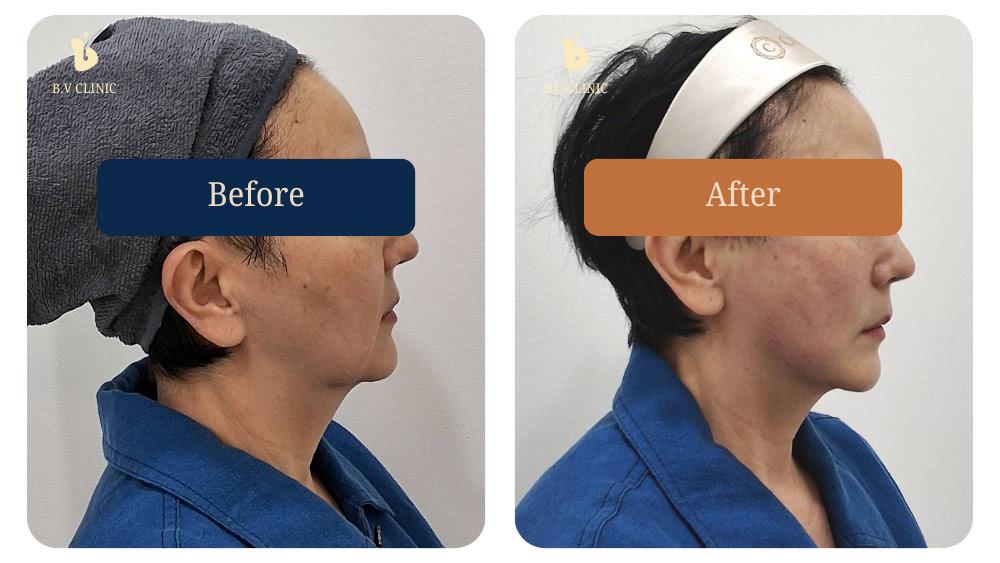
- B.V Clinic: Specializes in thread lifting, especially with Dr. Suh’s behind-the-ear approach for added stability.
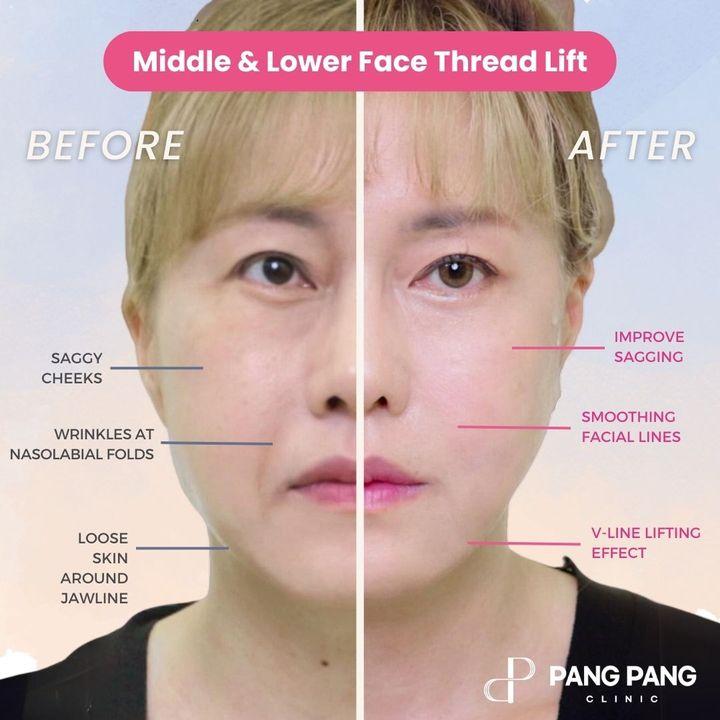
- Pang Pang Clinic: Stands out for customized packages (like the "Taut" or "Idol" packages) and innovations:
- Pink Lift: A proprietary thread with exceptional hold and proven safety.
- Chill-Lifting: Advanced contact-free cooling anesthesia for less pain, swelling, and quicker recovery.
- Collaborations with Seoul National University ensure research-backed approaches focusing on collagen regeneration.
Which Are the Best Clinics in Korea for Acne Scars Rolling?
Listed below are some of the best clinics in Korea for acne scars rolling.
1. PangPang Clinic
For rolling acne scars, PangPang Clinic’s provided information identifies doctor-performed laser treatments and scar-removal services, although it does not specify a rolling-scar protocol or device. You can also discuss skin-quality goals in the context of its collagen-focused treatment approach and personalized planning.
- URL: PangPang Clinic Website
- Location: Gangnam-gu, Seoul
- Scar and skin services:
- The clinic lists advanced laser treatments and scar-removal procedures among its skin-enhancing services.
- Its thread-lifting research includes collagen regeneration and overall skin-quality improvement, but this is presented as a lifting-related approach rather than a stated acne-scar treatment.
- Planning and comfort:
- A consultation center is described as listening to your needs to tailor treatment planning.
- Chill-Lifting uses contact-free cooling anesthesia for thread-lifting procedures; this should not be assumed to apply to scar treatment.
2. Haru Clinic
For rolling acne scars, Haru Clinic’s supplied information does not describe a dedicated scar-treatment protocol. Its listed non-invasive options focus on facial lifting, volume restoration, collagen tightening, and individualized facial design, so you would need to confirm whether it evaluates and treats rolling scars specifically.
- URL: Haru Clinic Website
- Location: Gangnam-gu, Seoul
- Related skin-quality options:
- Collagen tightening uses radiofrequency or ultrasound to heat the dermis and stimulate collagen without incisions.
- Fillers are listed for restoring facial volume and contour; the information does not state that they are used for acne scars.
- Clinical approach:
- Dr. Jeong is described as an official research physician at Merz and as teaching other doctors current filler techniques.
- Treatment planning is described as individualized, with attention to facial harmony and balance through non-invasive techniques.

3. B.V Clinic
For rolling acne scars, B.V Clinic offers Potenza lifting, a radiofrequency treatment the clinic states can improve scars and refine pore texture. Your plan can be tailored to your skin needs, with aftercare that includes regeneration-focused management and ultrasound-based collagen support.
- URL: B.V Clinic Website
- Location: Seoul
- Scar-focused treatment:
- Potenza lifting uses radiofrequency technology and is described as improving scars, refining pore texture, and supporting collagen and elasticity.
- Treatment is tailored to individual skin needs.
- Aftercare:
- The comprehensive aftercare program includes skin-regeneration management intended to minimize swelling and improve elasticity.
- Aftercare may include nutritional skincare products and high-tech ultrasound treatments to support collagen.
- Other collagen-focused options:
- Shurink lifting uses high-intensity focused ultrasound to target deeper skin layers for tightening and elasticity support.
- Thread-lifting treatments use PDO barbed threads that the clinic says stimulate collagen, though they are presented for lifting rather than acne-scar treatment.
Cost of Thread Lifts in South Korea: A Medical Tourist’s Guide
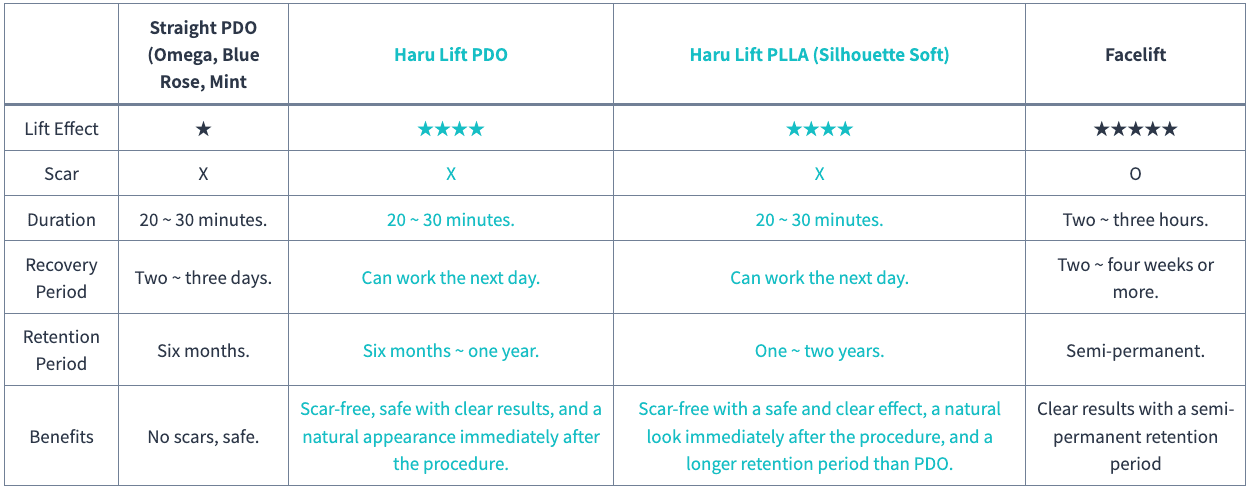
South Korea presents a unique mix of quality and value, often delivering cutting-edge techniques at competitive prices.
Typical Costs
Thread lifts in South Korea usually range from $1,000 to $4,000 USD, with an average of about $1,800 USD at leading clinics. Combined or more extensive procedures (like Lifestyle Lift) can reach about $4,550–$6,820 USD.
Factors Influencing Price
- Procedure complexity: More threads or areas treated mean higher costs.
- Clinic reputation and location: Prestigious clinics in central neighborhoods charge more.
- Surgeon’s expertise: Experienced surgeons come at a premium.
- Package inclusions: Some fees may or may not include anesthesia, pre-op tests, or aftercare.
- Add-ons: Combining thread lifts with fillers, Botox, or other procedures increases the overall cost.
Table: Thread Lift Cost Comparison—South Korea vs. Key Destinations
| Procedure | Country | Price (USD) |
|---|---|---|
| Thread Lift | South Korea | $1,000 - $4,000 |
| Thread Lift | South Korea (Average/Specific Clinic) | $1,800 |
| Thread Lift | Indonesia | $964 |
| Thread Lift | Philippines | $1,089 |
| Thread Lift | Malaysia | $1,517 |
| Thread Lift | Thailand | $1,627 |
| Thread Lift | China | $1,789 |
| Thread Lift | Singapore | $2,905 |
| Thread Lift | Mexico | $450 - $2,200 |
| Thread Lift | Turkey | $750 |
| Thread Lift | Egypt | $1,500 |
| Thread Lift | USA | $6,000 |
| Lifestyle Lift | Germany | $10,000 - $15,000 |
| Lifestyle Lift | United Kingdom | $9,000 - $14,000 |
| Lifestyle Lift | France | $8,500 - $13,000 |
| Lifestyle Lift | Italy | $8,000 - $13,500 |
| Lifestyle Lift | Spain | $7,500 - $12,000 |
Note: Prices are approximate and may vary by clinic, surgeon, and specific procedure.
Why Choose South Korea?
- Affordability: Cost is well below many Western nations, for the same or higher standard of care.
- Quality: Treatments are highly specialized, using advanced techniques and proprietary innovations.
- Efficiency: Minimal downtime and streamlined processes make it easy for international patients.
- Support: Many clinics provide translation and concierge services, smoothing out any language or logistical barriers.
Additional Expenses to Consider
Factor in travel, accommodation, daily living expenses, pre/post-procedure care, and contingency funds. Consider logistical elements like language barriers (though most clinics offer English-speaking staff) and ongoing follow-up after returning home.
Thread Lifts for Rolling Acne Scars: Outcomes and Insights
Research is increasingly highlighting the potential of thread lifts—especially Polydioxanone (PDO) threads—for treating atrophic post-acne scars, including rolling scars. These threads not only provide a mechanical lift but also stimulate neo-collagenesis, tackling both the physical indentation and collagen deficiency.
For example, a clinical study evaluating PDO threads for atrophic post-acne scars found the treatment—with or without subcision—was safe, efficient, and had tolerable pain levels. Histological analysis confirmed increased epidermal thickness and the growth of new collagen and elastic fibers, which are crucial for scar improvement.
Clinical Results
A key study tracked improvement after three months:
| Outcome | PDO Threads Alone (%) | Subcision (%) |
|---|---|---|
| Excellent | 10 | 30 |
| Good | 70 | 60 |
| Poor | 20 | 10 |
| Good–Excellent Total | 80 | 90 |
Note: The difference was statistically insignificant, suggesting both methods work well, or even better together.
These stats empower patients to move beyond marketing hype and understand their realistic odds of achieving "good to excellent" results.
Safety Profile
The safety record for thread lifts on acne scars is positive: no serious side effects, low risk of complications, and only mild, short-lived bruising, redness, or swelling. Any minor asymmetry (about 6%) can typically be adjusted with ease.
Comparing Treatments
- Subcision: A gold-standard office surgical method, subcision breaks the fibrous bands beneath rolling scars. Outcomes are similar to PDO thread lifts, and both can be combined for added benefit.
- Other Treatments: Options include microneedling (collagen induction therapy), chemical peels, punch elevation, dermal fillers, Ultherapy, and RF Microneedling.
It’s essential for patients to know that thread lifts offer subtle, not dramatic, permanent changes. Combination treatments often yield the best results, making thread lifts an ideal part of a larger care plan.
Conclusion
Rolling acne scars—defined by their gently depressed, wavy look—require specialized treatment since they’re permanent and caused by collagen deficiency. The Thread Lift procedure, especially when performed in South Korea, is a minimally invasive option that offers both immediate lift and long-term collagen stimulation. Research confirms its safety and efficacy, especially when combined with other treatments like subcision. For the best outcome, thread lifts should be considered part of a comprehensive, personalized treatment plan.
References
Frequently Asked Questions
Related Blogs
Abdominal Thread Lift in Korea: Candidacy, Evidence, Recovery, and Travel Planning
Abdominal thread lifts place absorbable threads in superficial abdominal tissue for subtle tightening, but methods, durability, and outcomes are not standardized. The article covers candidate screening, procedure planning, Korea travel and follow-up, preparation, aftercare warning signs, and alternatives for fat, excess skin, diastasis, or hernia.
Updated: Oct 13, 2026
Breast Thread Lift in Korea: Candidacy, Safety, Recovery, and Travel Planning
Breast thread lift uses absorbable threads placed through small entry points for modest contour improvement, but techniques, durability, and complication rates are not standardized. The article covers candidacy, preparation, travel planning for Korea, aftercare, warning signs, follow-up, and surgical alternatives for significant sagging.
Updated: Oct 13, 2026
Lip Thread Lift in Korea: Methods, Recovery, Risks and Travel Planning
Lip thread lifts use absorbable smooth or barbed threads to soften upper-lip lines or provide subtle traction, with suitability based on tissue quality, goals, and medical assessment. The article covers treatment planning, recovery, aftercare, risks, alternatives, and travel guidance for international patients in South Korea.
Updated: Oct 13, 2026
Filling Threads in Korea: Types, Recovery, Risks and Travel Planning
Filling threads are absorbable volumizing thread configurations placed under local anesthesia to soften minor static lines and localized hollows in appropriately assessed patients. The article covers candidate screening, device documentation, Korea travel planning, recovery, aftercare, complications, and alternatives such as filler, fat grafting, thread lifts, and facelift surgery.
Updated: Oct 12, 2026
Clinics offering Thread Lift
RINE Plastic Surgery Clinic | Facelift and Eye Rejuvenation Surgery
Nonhyeon

SH Clinic: Comprehensive Women's, Men's & Couples' Health Services in Korea
Sinsa

THEPLUS Plastic Surgery Korea | Eye, Nose, Face & Body Surgery
Sinsa

Haru Clinic Korea | Fully-Customized Full-Face Non-Surgical Rejuvenation With Threads, Botox & Fillers
Sinsa