Medical Tourism Blog
Lip Thread Lift in Korea | Best Clinics, Costs, Procedure Types & More

Table of contents
- What Is Lip Thread Lift?
- Best Clinics in Korea for Lip Thread Lift
- Getting Lip Thread Lift in Korea
- Cost of Lip Thread Lift in Korea
- Alternatives to Lip Thread Lift
- Conclusion
Considering treatment in Korea? Everything you need to know e.g. — how to avoid scams, visas, interpreters, recovery tips — in our Medical Tourism Master Guide. Plan with confidence in minutes, not weeks!
Have you ever wanted fuller, more defined lips without committing to surgery or an overly filled look? In Korea, where subtle, precision-based cosmetic treatments are in high demand, lip thread lift has emerged as a popular option for refining lip shape, lifting the corners of the mouth, and enhancing contour with minimal downtime. This article explores how the procedure works, who it may be right for, and what kind of results patients can realistically expect. It also breaks down the cost of lip thread lift in Korea and compares it with alternatives such as fillers, surgical lip lifts, and other non-surgical enhancements.
Lip Thread Lift in Korea has become an increasingly popular option for people seeking a fuller, more defined lip shape without undergoing surgery, and this article will explain what the procedure involves, how it works, and what kind of results patients can typically expect. It will also cover what it is like to get a lip thread lift in Korea, including who may be a good candidate for the treatment and the factors that should be considered before booking a procedure. In addition, the article will outline the typical cost of lip thread lift in Korea and compare it with other cosmetic options, before exploring common alternatives for those who may be better suited to treatments such as fillers, surgical lip procedures, or other non-surgical enhancements.
What Is Lip Thread Lift?
A lip thread lift is a minimally invasive cosmetic procedure that uses very fine, absorbable medical threads to subtly improve the shape, support, and position of the lips or the area around them. Rather than adding volume with filler or removing skin with surgery, this treatment works by mechanically repositioning soft tissue and stimulating a limited amount of collagen production as the threads dissolve over time.
Depending on the technique used, a lip thread lift may be performed to:
- create a slight lifting effect at the corners of the mouth
- improve the definition of the lip border, especially the Cupid’s bow
- enhance the appearance of the upper lip
- support the tissue around the lips when there is mild sagging
- reduce the look of perioral lines in select cases
- provide a more structured or refined lip contour without traditional surgery
In Korea and other aesthetic markets where subtle, natural-looking enhancement is often preferred, lip thread lift techniques are sometimes chosen by patients who want definition and lift rather than obvious volume.
How the Procedure Works
The treatment involves inserting dissolvable sutures beneath the skin using a fine needle or cannula. These threads are usually made from biocompatible materials commonly used in medicine, such as:
- PDO (polydioxanone)
- PLLA (poly-L-lactic acid)
- PCL (polycaprolactone)
The exact thread type depends on the practitioner’s preference, the patient’s anatomy, and the desired result.
Once placed, the threads can produce two main effects:
1. Mechanical Support and Lift
Some threads are positioned to gently pull or support tissue. In the lip area, this may help:
- slightly elevate the upper lip
- improve the projection of the vermilion border
- lift downturned mouth corners
- create a more balanced lip outline
The lifting effect is generally subtle, because the lips are mobile, delicate structures and cannot be dramatically repositioned without surgery.
2. Collagen Stimulation
As the threads dissolve, they trigger a mild healing response in the surrounding tissue. This can encourage the body to produce new collagen around the treated area. Over time, this may improve:
- skin texture
- firmness
- support around the lips
- the crispness of the lip border
This collagen-building effect is one reason thread-based treatments are sometimes described as offering both immediate and delayed benefits.
What Areas Can Be Treated in a Lip Thread Lift
The name “lip thread lift” can refer to slightly different techniques, depending on the clinic and the treatment goals. Common target areas include:
Upper Lip
Threads may be used to:
- define the Cupid’s bow
- create a slight outward roll of the upper lip
- support a mildly flattened upper lip
- improve upper-lip show in some patients
Lip Border
Threads can be placed along or near the border of the lip to sharpen definition, especially when the edges of the lips appear blurred with age.
Corners of the Mouth
For people with naturally downturned mouth corners or age-related descent, threads may be placed to create a small upward lift, helping the mouth look less tired or sad.
Perioral Area
In some cases, threads are used not only in the lips themselves but also around the mouth to support skin affected by:
- early laxity
- smoker’s lines
- mild wrinkling
- tissue drooping
What a Lip Thread Lift Is Not
Understanding what this procedure does also means understanding what it does not do.
A lip thread lift is not the same as:
Lip Filler
Lip fillers use injectable hyaluronic acid to add volume, shape, and hydration. A thread lift does not primarily increase volume in the same way filler does. If a patient wants noticeably fuller lips, filler is usually more effective.
Surgical Lip Lift
A surgical lip lift removes a strip of skin beneath the nose to permanently shorten the philtrum and increase upper-tooth show. This creates a much more significant and lasting change than threads.
Corner Lip Lift Surgery
Surgical corner lip lift procedures physically excise skin to elevate the mouth corners. Thread lifting can only produce a milder effect.
Because of these differences, lip thread lift is often best viewed as a subtle contouring and support procedure rather than a true replacement for filler or surgery.
Who May Consider a Lip Thread Lift
A lip thread lift may be considered by adults who want:
- a more defined lip outline
- a mild lift without surgery
- improvement in downturned lip corners
- subtle enhancement rather than dramatic enlargement
- reduced signs of early aging around the mouth
- an option with less downtime than surgery
Some patients choose it because they do not want the look of volumizing filler, while others use it in combination with filler for a more balanced result.
Common Reasons People Seek It
Patients often request lip thread lifting for one or more of the following concerns:
- lips that appear flat rather than full
- a poorly defined Cupid’s bow
- blurred lip borders from aging
- upper lip elongation with age
- corners of the mouth that droop at rest
- early skin laxity around the mouth
- desire for subtle enhancement for photographs or facial balance
In many cases, the goal is refinement, not transformation.
Pre-Procedure Assessment
Before a lip thread lift, a qualified practitioner typically evaluates:
- the shape and symmetry of the lips
- lip movement during speech and smiling
- thickness of the skin and soft tissue
- the direction of tissue descent
- perioral wrinkles and skin quality
- dental show and upper-lip length
- overall facial proportions
This assessment is important because not every lip concern is caused by tissue laxity. For example:
- lack of volume may respond better to filler
- a long philtrum may respond better to a surgical lip lift
- dynamic wrinkles may respond better to neuromodulators
- advanced sagging may require a different lifting strategy
Types of Threads Used
Different thread designs can be used depending on the treatment plan.
Smooth Threads
These are straight, fine threads used mainly for:
- collagen stimulation
- mild support
- improving skin texture
- refining the lip border
Smooth threads are less focused on physically lifting tissue and more on subtle tissue quality improvement.
Barbed or Cog Threads
These threads have tiny barbs or cogs that grip tissue. They are more likely to be used when the goal is:
- lifting the mouth corners
- creating stronger support
- repositioning slightly descended tissue
Because the lip region is highly dynamic and delicate, thread placement in this area requires careful technique.
How the Procedure Is Performed
Although techniques vary, the procedure usually follows a sequence like this:
1. Consultation and Marking
The practitioner examines the face and marks the planned entry points and thread paths. They determine where the tissue needs support and how much lift is realistic.
2. Cleansing and Numbing
The skin is disinfected. A topical anesthetic, local anesthetic injection, or both are commonly used to reduce discomfort.
3. Thread Insertion
Using a needle or cannula, the practitioner inserts the thread beneath the skin or within the superficial soft tissue planes. The thread is guided into the intended position.
4. Adjustment and Positioning
Once the thread is in place, the practitioner may gently adjust it to create:
- border definition
- mild tissue elevation
- subtle corner lift
- improved contour
5. Trimming and Final Check
Any external portion of the thread is trimmed, and the area is checked for symmetry and appropriate tension.
The procedure is typically performed in an outpatient aesthetic clinic setting and usually does not require general anesthesia.
How Long the Procedure Takes
A lip thread lift is generally relatively quick. The exact treatment time depends on:
- the number of threads used
- whether both lips and mouth corners are treated
- whether it is combined with other procedures
- the complexity of the anatomy
Many sessions take roughly 30 to 60 minutes, though this varies by provider and technique.
What the Procedure Feels Like
Patients may feel:
- pressure
- pulling
- mild pinching
- temporary tightness
With local anesthesia, the treatment is usually tolerable, but the lips are a sensitive area, so some discomfort can still occur.
What Results Are Typically Expected
The result of a lip thread lift is usually modest and refined. Patients may notice:
- a better-defined lip outline
- slight elevation of the upper lip or mouth corners
- improved structure around the lips
- a more rested or polished appearance
- smoother perioral skin in some cases
The amount of visible change depends on:
- the original anatomy
- the degree of sagging
- the type of threads used
- the skill of the practitioner
- whether additional treatments are combined
A thread lift generally does not create the kind of volume or dramatic plumpness that injectable fillers can produce.
When Results Appear
Some improvement may be visible immediately because the threads physically reposition tissue. However, the final appearance often evolves over several weeks as:
- swelling decreases
- tissue settles
- collagen remodeling begins
The immediate post-treatment appearance may not reflect the final result.
How Long Results Last
The longevity of a lip thread lift varies. In general, results are temporary, because the threads gradually dissolve and the lifting effect softens over time.
Duration depends on factors such as:
- thread material
- treatment technique
- facial movement
- metabolism
- skin quality
- age
- lifestyle factors such as smoking
Because the mouth is an area of frequent movement, lip thread results may not last as long as thread lifts in less mobile areas of the face. Maintenance treatments are sometimes recommended.
Recovery and Downtime
Recovery tends to be shorter than with surgery, but it is still important. Common short-term effects include:
- swelling
- tenderness
- bruising
- tightness
- mild asymmetry during settling
- sensitivity when smiling, eating, or speaking
Patients are often advised to be cautious with:
- exaggerated facial expressions
- vigorous rubbing or massaging of the lips
- dental work immediately after treatment
- very hot foods
- strenuous exercise for a short period
- sleeping face-down
The exact aftercare instructions vary by clinic and thread type.
Possible Side Effects and Risks
As with any medical aesthetic procedure, a lip thread lift carries potential risks. These may include:
- bruising
- swelling
- pain or tenderness
- infection
- asymmetry
- irregular contour
- dimpling or puckering
- thread visibility or palpability
- thread migration
- inadequate correction
- overcorrection
- prolonged tightness
- inflammatory reaction
- extrusion of the thread through the skin or mucosa
Because the lips are highly visible and constantly moving, even small irregularities can be noticeable. This is one reason the procedure should be performed by an experienced medical professional familiar with the anatomy of the lips and perioral region.
Why Technique Matters So Much in the Lip Area
The lip region is more technically demanding than many people assume. It contains:
- delicate soft tissue
- rich blood supply
- visible borders and landmarks
- constant motion from talking, eating, and smiling
For this reason, even minor differences in thread depth, direction, or tension can affect the final result. Overly aggressive placement can lead to:
- unnatural stiffness
- distortion during smiling
- visible pulling
- lumpiness
- discomfort
A conservative, anatomy-based approach is usually preferred.
How Lip Thread Lift Differs From Filler in Terms of Aesthetic Outcome
This is one of the most important distinctions for patients.
Lip Filler Typically Provides:
- more volume
- more hydration
- improved fullness
- stronger projection
- easy shaping of the vermilion body
Lip Thread Lift Typically Provides:
- more support
- more contour definition
- mild lifting
- subtle border enhancement
- slight tissue repositioning
In some cases, the two are combined: threads create support and structure, while filler adds softness or volume.
How It Differs From a Surgical Lip Lift
A surgical lip lift is more invasive but much more effective for patients with:
- a long philtrum
- limited upper tooth show
- age-related elongation of the upper lip
- need for a larger and longer-lasting change
By contrast, lip thread lift:
- does not remove skin
- is temporary
- produces milder changes
- involves less downtime
- does not create the same level of elevation as surgery
This makes it more appropriate for patients seeking subtle adjustment rather than structural surgical correction.
Combination Treatments
A lip thread lift may be performed together with other aesthetic treatments, depending on the patient’s needs. These can include:
- hyaluronic acid lip filler for added volume
- botulinum toxin for dynamic lines or to adjust lip movement in select cases
- skin boosters for hydration
- laser treatments for perioral texture and pigmentation
- microneedling or RF microneedling for fine lines
- surgical procedures when more significant lifting is needed
Combination treatment planning is common because aging around the mouth is usually caused by multiple factors, including:
- volume loss
- skin thinning
- muscle activity
- tissue descent
- changes in dental and skeletal support
Who May Not Be a Good Candidate
A lip thread lift may be less suitable for people who have:
- significant lip asymmetry requiring another approach
- severe sagging or advanced aging changes
- unrealistic expectations for dramatic lip enlargement
- active infection near the mouth
- poor wound healing
- certain autoimmune or inflammatory conditions
- bleeding disorders
- uncontrolled medical conditions
- a history of problematic scarring or reactions to implanted materials
A proper consultation is necessary to determine whether the procedure matches the patient’s anatomy and goals.
Why Expectations Should Be Realistic
The phrase “lip thread lift” can sound more dramatic than the actual result. In most cases, it is a fine-tuning procedure. The best candidates are those looking for:
- subtle definition
- mild lifting
- gentle rejuvenation
- a natural-looking enhancement
It is not usually the best standalone option for someone who wants:
- much fuller lips
- a major increase in upper-lip show
- permanent change
- correction of significant age-related lip elongation
What Makes Lip Thread Lift Popular in Some Korean Aesthetic Settings
In Korea, aesthetic treatments often emphasize:
- refined facial balance
- delicate contour changes
- minimal downtime
- natural-looking results
- layered, combination-based treatment plans
Because of this, lip thread lift may be offered as part of a more customized approach to perioral rejuvenation, especially for patients who want definition and lift without obvious volume gain. Korean aesthetic practices may also place particular focus on:
- Cupid’s bow shaping
- mouth-corner lifting
- symmetry refinement
- youthful softness with preserved natural movement
The exact terminology, however, may vary from clinic to clinic, and what one provider calls a “lip thread lift” may involve a somewhat different technique from another.
Key Clinical Points to Understand About the Procedure
From a medical and aesthetic standpoint, a lip thread lift is best understood as a procedure that:
- uses absorbable threads placed under the skin
- provides subtle support and repositioning of lip-area tissues
- may stimulate collagen over time
- is temporary rather than permanent
- is less invasive than surgery
- is more structural than volumizing
- requires careful anatomical planning
- works best for mild to moderate concerns rather than major correction
For patients researching the treatment, the most important question is not only “What is a lip thread lift?” but also “Is thread lifting the right tool for my specific lip concern?” Different lip issues require different solutions, and the best results usually come from choosing the procedure that matches the underlying anatomy rather than following the name of the treatment alone.
Best Clinics in Korea for Lip Thread Lift
Listed below are the best clinics in Korea for lip thread lift:
| Clinic Name | Key Features | Special Techniques |
|---|---|---|
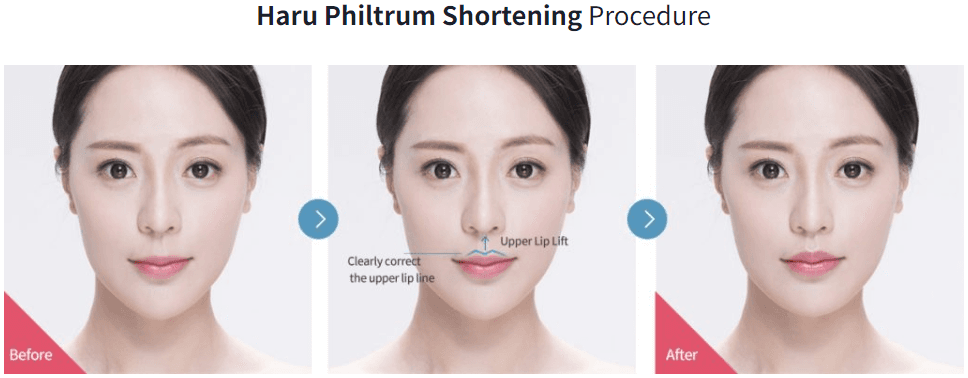
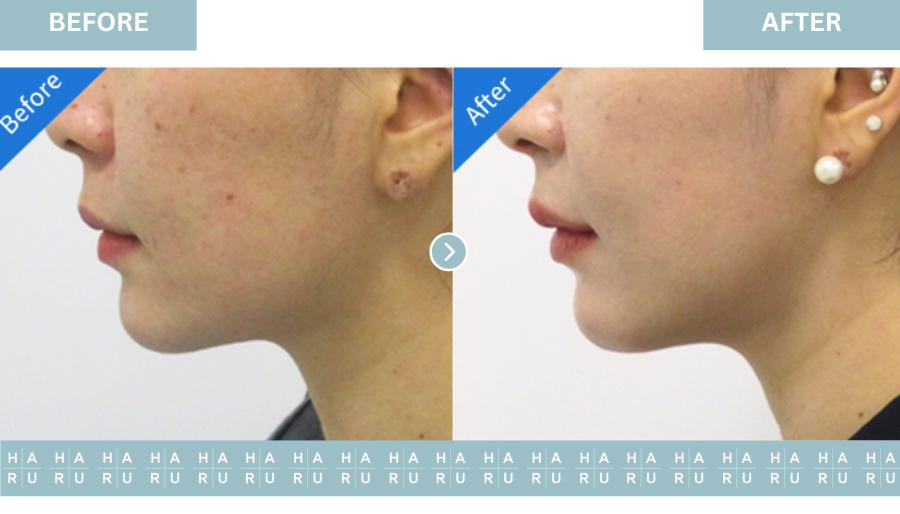
| Haru Clinic | Haru Clinic in Sinsa, Seoul is a leading destination for patients seeking refined, minimally invasive lip enhancement, including Lip Thread Lift treatments designed to improve shape, definition, and overall facial harmony. The clinic is known for personalized aesthetic care for the face and body, combining advanced non-surgical techniques with surgical expertise when needed. At Haru, each treatment plan is tailored to the individual, with a strong focus on achieving natural, balanced results that enhance the lips without creating an overdone appearance. | Lip Thread Lift treatments designed to improve shape, definition, and overall facial harmony; Dr. Jeong, an official Merz research physician at Merz behind Belotero Filler, who also trains other doctors in the latest filler techniques; His approach centers on carefully designing each patient’s features to create harmony and proportion through non-invasive methods; Haru offers advanced techniques that can deliver transformative, long-lasting improvement with minimal downtime, making it an appealing choice for those who want results comparable to more invasive procedures without traditional surgery; The clinic combines advanced non-surgical techniques with surgical expertise when needed; treatment plans are tailored to the individual to achieve natural, balanced results that enhance the lips without creating an overdone appearance |
Haru Clinic
Haru Clinic in Sinsa, Seoul is a leading destination for patients seeking refined, minimally invasive lip enhancement, including Lip Thread Lift treatments designed to improve shape, definition, and overall facial harmony. The clinic is known for personalized aesthetic care for the face and body, combining advanced non-surgical techniques with surgical expertise when needed. At Haru, each treatment plan is tailored to the individual, with a strong focus on achieving natural, balanced results that enhance the lips without creating an overdone appearance.
A key strength of Haru Clinic is the expertise of Dr. Jeong, an official research physician at Merz, the company behind Belotero Filler, who also trains other doctors in the latest filler techniques. His approach centers on carefully designing each patient’s features to create harmony and proportion through non-invasive methods. For patients considering Lip Thread Lift in Korea, Haru offers advanced techniques that can deliver transformative, long-lasting improvement with minimal downtime, making it an appealing choice for those who want results comparable to more invasive procedures without traditional surgery.
You can check out their website here: Haru Clinic Website

Getting Lip Thread Lift in Korea

A lip thread lift is a minimally invasive cosmetic procedure designed to enhance the shape, definition, and subtle projection of the lips using absorbable medical threads. In Korea, where non-surgical facial refinement procedures are highly developed and widely requested, lip thread lifting is typically offered as a short outpatient treatment for patients who want more lip contour without the volume increase associated with dermal fillers.
Rather than “filling” the lips, the procedure primarily works by mechanically supporting or everting specific parts of the lip border and, depending on thread type, stimulating some collagen formation as the threads gradually dissolve. This can create a more defined Cupid’s bow, slightly lifted oral commissures, improved vermilion show, and a more polished lip outline.
What a lip thread lift is
A lip thread lift uses very fine absorbable sutures placed in or around the lip area to reposition soft tissue and subtly change lip shape. In most cases, the threads are made from materials already used in medical suturing, such as:
- PDO (polydioxanone)
- PCL (polycaprolactone)
- PLLA (poly-L-lactic acid), less commonly depending on clinic preference
For the lips, clinics often use very fine smooth threads or small barbed/cog threads depending on the intended effect. The aim is usually not dramatic enlargement. Instead, the procedure is commonly used to:
- Define the lip border
- Slightly evert the upper or lower lip
- Improve symmetry
- Lift downturned mouth corners
- Create a clearer Cupid’s bow
- Enhance lip projection modestly
- Reduce the appearance of a flat or inward-rolled lip
In Korea, the procedure may be marketed under broader categories such as non-surgical lip shaping, lip contour thread lift, philtrum-lip balancing, or mouth corner lifting with threads.
Why patients in Korea choose lip thread lift
Korean aesthetic medicine often emphasizes natural-looking refinement, facial balance, and detailed contouring rather than obvious volume changes. For this reason, lip thread lifting appeals to patients who want:
- A more defined lip shape without a “filled” look
- Better lip framing for makeup or bare-face appearance
- Correction of subtle asymmetry
- Improvement in age-related lip flattening
- Support for corners of the mouth that appear downturned
- A smaller amount of volumization than filler would typically provide
Some patients choose a thread lift because they feel fillers can make the lips look too puffy, too round, or too heavy for their facial proportions. Others use thread lifting together with a very small amount of filler to combine contour improvement with selective volume.
Common aesthetic goals addressed by the procedure
1. Lip border definition
The vermilion border can lose sharpness with age or may be naturally faint. Threads can help support this border, making the lip margin appear cleaner and more structured.
2. Cupid’s bow enhancement
If the central upper lip lacks definition, thread placement can accentuate the peaks of the Cupid’s bow and create a more sculpted upper lip.
3. Lip eversion
Some lips tend to roll inward, so even when there is enough lip tissue, less red lip is visible. A thread lift may slightly evert the lip so more vermilion is shown.
4. Mouth corner lift
Aging or natural anatomy can cause oral commissures to point downward, contributing to a tired or stern expression. Specialized thread placement can help elevate the corners.
5. Perioral support
In some patients, a thread lift around the mouth is performed not purely for the lips themselves but also for nearby soft tissue support, which can improve the overall appearance of the mouth area.
Who may be a good candidate
Good candidates typically include adults who:
- Want subtle lip enhancement rather than large volume expansion
- Have mild lip asymmetry
- Have a poorly defined lip border
- Notice flattening or inward rolling of the lips
- Have downturned corners of the mouth
- Prefer a minimally invasive procedure with little downtime
- Understand that results are modest and temporary
The best candidates usually have realistic expectations. A lip thread lift is a contouring and support procedure, not a replacement for surgical lip lift surgery and not equivalent to dramatic lip augmentation with filler.
Who may not be a good candidate
A lip thread lift may be less suitable for patients who:
- Want significantly larger lips
- Have very thin lips with minimal tissue support
- Expect permanent results
- Have active cold sores, infection, or inflammation around the mouth
- Have uncontrolled medical conditions affecting healing
- Have a bleeding disorder or take medications that increase bleeding risk without proper medical guidance
- Are prone to poor wound healing or problematic scarring
- Have severe lip asymmetry requiring surgical correction
- Are pregnant or breastfeeding, depending on clinic policy and physician judgment
In Korea, reputable clinics generally require a consultation to evaluate lip anatomy, skin thickness, oral function, existing dental/jaw relationships, and whether threads, filler, botulinum toxin, surgery, or a combination approach is most appropriate.
Initial consultation in a Korean clinic
The consultation is a key step, especially for lip procedures, because small anatomical differences have a large effect on outcome. During evaluation, the physician may assess:
- Upper-to-lower lip proportion
- Vermilion show at rest and when smiling
- Cupid’s bow shape
- Philtrum length
- Oral commissure position
- Lip competence, meaning how the lips close at rest
- Perioral lines and skin quality
- Symmetry of the lips and surrounding muscles
- Previous filler or thread procedures
- History of herpes simplex outbreaks
- Smoking history
- Current medications and allergies
Many Korean aesthetic clinics use standardized pre-procedure photos from multiple angles. The physician may also discuss whether the patient’s goals are better achieved with:
- Lip filler
- Thread lift alone
- Thread lift plus a small amount of filler
- Corner lip botulinum toxin
- Surgical lip lift
- Energy-based skin tightening around the mouth
Types of threads used in the lip area
Because the lip is mobile, delicate, and highly vascular, thread choice matters.
Smooth threads
Smooth monofilament threads are often used when the goal is subtle support and collagen stimulation rather than strong traction. These may be selected for:
- Fine lip border definition
- Mild tissue support
- Minimal textural irregularity risk
Screw or twisted threads
These may provide a little more structure than plain smooth threads, though use in the lips depends on anatomy and injector preference.
Cog or barbed threads
Barbed threads grip tissue more effectively and may be used for stronger lifting effects, particularly at the mouth corners or adjacent perioral tissue. In the lips themselves, very aggressive barbed threads may be used cautiously because the area is sensitive and highly visible.
Thread material considerations
- PDO tends to dissolve relatively sooner and is very commonly used.
- PCL may last longer and stimulate collagen over an extended period.
- PLLA-based threads may also be used in some settings, though availability differs by clinic.
Korean clinics vary significantly in technique. Some prefer micro-threads in the vermilion border, while others focus more on oral commissure lifting or support of the skin just above and below the lips.
How the procedure is performed
Although individual methods differ, a typical lip thread lift in Korea often follows these steps:
1. Cleansing and preparation
The lip and perioral area are cleaned thoroughly, and makeup is removed. The physician marks the planned entry points and vector directions while the patient is sitting upright.
2. Numbing
Topical anesthetic may be applied first, followed by local anesthetic injections. Because the lips are sensitive, local numbing is common. Some clinics also use cooling methods to improve comfort.
3. Small entry point creation
A very small puncture may be made with a needle to allow the thread cannula or needle to enter.
4. Thread insertion
Using a fine needle or blunt cannula, the physician inserts the absorbable thread into the planned tissue plane. Depending on the goal, the thread may be placed:
- Along the vermilion border
- Within tissue to support eversion
- Near the mouth corners to create lift
- Around the perioral area to improve support
5. Adjustment and shaping
Once the threads are in place, the physician adjusts tension to produce the desired contour. Excess thread is trimmed.
6. Final inspection
The physician checks symmetry, lip movement, and the immediate visible effect. Slight swelling is expected and can temporarily exaggerate results.
How long the procedure takes
A straightforward lip thread lift usually takes about 20 to 45 minutes, though this varies depending on:
- The number of threads used
- Whether both lips are treated
- Whether mouth corner lifting is added
- Whether filler or botulinum toxin is also performed in the same session
Many Korean clinics perform it as a same-day outpatient procedure with no hospital admission.
Anesthesia and comfort level
Most lip thread lifts are performed under topical and local anesthesia. Patients typically feel:
- Brief stinging from anesthetic injection
- Pressure during insertion
- Tugging or pulling sensations
- Mild to moderate soreness afterward
The lip area is more sensitive than some other facial thread-lift sites, so a few days of tenderness are common.
What results can and cannot do
A lip thread lift can produce:
- Sharper lip definition
- Slightly more visible red lip
- Better contour of the upper lip
- Mild enhancement of shape and projection
- Improved mouth corner position
- Subtle rejuvenation around the mouth
It usually cannot produce:
- Major increase in lip size
- Dramatic poutiness
- Permanent shape change
- Surgical-level shortening of the philtrum
- Correction of severe asymmetry or structural dental/jaw causes of lip imbalance
This distinction is especially important because online photos may not always separate immediate swelling from true long-term results.
Immediate appearance after treatment
Right after the procedure, the lips may look:
- Swollen
- Slightly uneven
- Tighter than expected
- More elevated than the final settled result
- Bruised at entry points
- Mildly puckered or irregular for a short period
These early changes are common and often improve as swelling decreases and the tissues settle.
Recovery and downtime
Downtime is usually shorter than for surgery, but the lips are constantly moving, so recovery requires care. Common short-term effects include:
- Swelling for several days
- Tenderness
- Bruising
- Tightness
- Mild asymmetry during the settling period
- Sensitivity when speaking, smiling, or eating
Many patients can return to desk work quickly, often within 1 to 3 days, but social downtime may be longer if bruising or swelling is noticeable.
Typical aftercare instructions
Aftercare protocols vary, but Korean clinics often advise patients to:
- Apply cold compresses as instructed during the first 24 to 48 hours
- Avoid excessive mouth opening for several days
- Avoid vigorous lip massage unless specifically told otherwise
- Sleep with the head elevated
- Limit strenuous exercise for several days
- Avoid very hot foods, alcohol, and smoking for a short period
- Eat softer foods initially if the lips are sore
- Avoid dental procedures right after treatment if possible
- Keep the area clean
- Take prescribed medications exactly as directed
If the patient has a history of recurrent cold sores, some physicians may prescribe antiviral prophylaxis before or after the procedure because lip manipulation can trigger herpes simplex reactivation.
How long it takes to see final results
The early shape is not the final result. Swelling and tissue stiffness can temporarily distort the appearance. In general:
- Immediate change is visible on the same day
- Swelling is often most pronounced in the first few days
- Initial settling occurs over 1 to 2 weeks
- More natural integration may continue over several weeks
Any collagen-related benefit from absorbable threads develops gradually and is typically more subtle than the mechanical lifting effect.
How long results may last
Longevity depends on the thread material, the number of threads used, lip mobility, the patient’s metabolism, and whether combination treatments were performed. In general, results may last several months to around a year, sometimes longer in selected cases, but this varies widely.
Factors that can affect duration include:
- Frequent, high lip movement
- Smoking
- Tissue quality
- Age-related collagen loss
- Product type
- Technical approach
- Whether filler is also used
Because the lips are one of the most mobile facial regions, durability may be somewhat less predictable than in less mobile areas.
Combination treatments commonly offered in Korea
Korean aesthetic clinics often combine procedures for more balanced results.
Lip filler
A small amount of hyaluronic acid filler may be added to improve hydration, volume, or specific contour points. Threads shape; filler volumizes. Used together, they can sometimes create a more refined outcome than either alone.
Botulinum toxin
Tiny doses may be used around the mouth in selected patients to reduce excessive downward pull at the corners or to soften dynamic lines. This must be done carefully to avoid affecting speech or oral function.
Skin boosters or regenerative injectables
Some clinics combine lip thread lifting with skin-quality treatments around the perioral area to improve texture and fine lines.
Energy-based tightening
Radiofrequency or ultrasound-based procedures may be used in neighboring areas to support overall lower-face rejuvenation.
Potential benefits
Possible advantages of lip thread lifting include:
- Non-surgical treatment
- Short procedure time
- Minimal incisions
- Subtle, natural-looking contour enhancement
- Less bulk than traditional lip augmentation
- Ability to refine shape rather than only add volume
- Useful option for mouth corner lifting
- Temporary effect, which some patients prefer
Risks and side effects
As with any aesthetic medical procedure, lip thread lifting has risks. These should be discussed clearly before treatment.
Common and usually temporary effects:
- Swelling
- Bruising
- Tenderness
- Minor bleeding
- Tightness
- Temporary irregularity
- Mild asymmetry during healing
More significant or less common risks:
- Infection
- Thread visibility or palpability
- Lumps or nodules
- Surface puckering or dimpling
- Persistent asymmetry
- Unsatisfactory cosmetic outcome
- Overcorrection or undercorrection
- Thread migration
- Local inflammation
- Delayed healing
- Reactivation of cold sores
- Nerve irritation or altered sensation
- Vascular injury with bruising or hematoma
In the lip area specifically, over-tightening can look unnatural because normal speaking and smiling place tension on the tissue. Because the lips are central to facial expression, even small irregularities may be noticeable.
Important difference between thread lift risks and filler risks
A lip thread lift and lip filler have different risk profiles.
Lip filler concerns more often include:
- Overfilling
- Migration
- Tyndall effect in superficial placement
- Vascular occlusion, a rare but serious complication
Lip thread lift concerns more often include:
- Palpable threads
- Puckering
- Mechanical irregularity
- Tightness with movement
- Thread extrusion or visibility
Patients deciding between the two should understand that thread lifting is not “risk-free” just because it is not filler.
Special anatomical considerations in the lip area
The lips are medically significant because they contain:
- A dense blood supply
- Important sensory nerves
- Highly mobile muscle structures
- Thin soft tissue
- A visible border where irregularity can show easily
This means operator experience matters. Precise placement depth and vector planning are crucial to reduce the chance of contour problems or functional discomfort.
Mouth corner thread lift versus direct lip thread lift
Some clinics use the phrase “lip thread lift” broadly even when much of the effect comes from lifting the mouth corners or the tissue around the lips rather than the lip body itself.
Direct lip thread lift
Focuses on the vermilion border, upper or lower lip contour, and mild eversion.
Mouth corner lift with threads
Focuses on the oral commissures and adjacent tissue to make the corners appear less downturned.
Perioral support lift
Targets the skin and soft tissue around the mouth to improve the overall frame of the lips.
Patients in Korea should ask which of these is actually being recommended, since expected results differ.
How Korean clinics approach aesthetic proportions
Korean cosmetic practice often takes a whole-face approach. Rather than treating the lips in isolation, physicians may evaluate:
- Facial width and lower-face shape
- Nose-to-lip relationship
- Philtrum length
- Chin projection
- Smile line dynamics
- Jawline balance
This can influence whether the physician recommends only a modest lip thread lift or suggests that the patient’s goal would be better reached with chin contouring, philtrum reduction surgery, filler, or smile-adjusting botulinum toxin.
Price range in Korea
Costs vary widely based on clinic reputation, physician experience, thread type, number of threads, and whether combination treatments are included. In Korea, pricing may be lower than in some other countries due to the highly competitive aesthetic market, but lower cost does not necessarily indicate equivalent technique or safety.
The total cost may depend on:
- Number and type of threads
- Whether both lips are treated
- Whether mouth corner lifting is included
- Whether filler or botulinum toxin is added
- Consultation and follow-up policy
- Interpreter service for international patients
International patients should verify whether quoted prices include taxes, medications, follow-up visits, and treatment of minor touch-ups if needed.
What international patients should know when seeking treatment in Korea
Korea is a major destination for aesthetic procedures, including subtle minimally invasive treatments. For international patients, practical considerations include:
- Confirming the physician’s credentials and experience with lip-specific thread procedures
- Asking whether the consultation will be with the treating doctor, not only a coordinator
- Requesting a clear explanation of the planned thread type and placement area
- Understanding how long to stay in Korea for swelling monitoring and follow-up
- Asking how complications are handled if they arise after returning home
- Checking whether pre-existing lip filler affects candidacy
- Disclosing any history of cold sores, allergies, or medication use
- Being cautious about clinic marketing that promises dramatic “surgery-like” results
Language support can be excellent in some clinics, especially in Seoul, but communication quality still varies. Because lip procedures involve nuanced aesthetic planning, precise communication about goals is especially important.
Questions to ask during consultation
Patients considering a lip thread lift in Korea may want to ask:
- What specific lip concern are the threads meant to correct?
- Will the threads be placed in the lip itself, the mouth corners, or around the lips?
- What type of thread will be used?
- How much swelling should I expect?
- How long do your typical results last in this area?
- What if I do not like the result?
- What signs of complications should prompt immediate contact?
- How many lip thread lift procedures do you perform regularly?
- Would filler, botulinum toxin, or surgery be more suitable for my goals?
- If I have had prior filler, should it be dissolved first?
- How soon can I fly home or return to work?
Preparation before the procedure
Pre-procedure instructions vary by clinic and medical history, but preparation may include:
- Avoiding blood-thinning supplements or medications when medically appropriate and approved by the prescribing doctor
- Avoiding alcohol before treatment
- Arriving without lipstick or heavy makeup
- Informing the clinic about any recent dental work or oral infection
- Reporting any history of herpes labialis
- Avoiding treatment if actively ill or if there is an active cold sore outbreak
- Reviewing prior lip filler history, including product type and timing
Patients should not stop prescription medications without approval from their own physician.
Prior lip filler and thread lift planning
Previous filler can affect the plan. If filler is:
- Recent, the tissue may already be altered by swelling or product placement
- Excessive, threads may not produce a clean contour
- Migrated, the lip border may look irregular and may need correction first
Some doctors may recommend dissolving older hyaluronic acid filler before a thread-based contour correction, depending on anatomy and goals.
Recovery timeline overview
First 24 hours
- Swelling and tenderness begin
- Small puncture marks may be visible
- Ice or cold packs may be advised
Days 2 to 5
- Swelling may peak
- Bruising may become more noticeable
- Tightness with smiling or speaking may be present
End of week 1
- Most acute soreness usually improves
- Shape begins to settle
- Small irregularities may soften
Weeks 2 to 4
- More natural movement returns
- Residual swelling decreases
- The final contour becomes easier to judge
Warning signs after treatment
Patients should contact the clinic promptly if they experience:
- Increasing redness or warmth
- Fever
- Pus or unusual discharge
- Severe or worsening pain
- Marked asymmetry that appears to be getting worse
- Visible thread extrusion
- Persistent numbness
- Skin discoloration that is concerning
- Rapidly expanding swelling or significant bleeding
- Signs of a cold sore outbreak if antiviral medication was not started
Lip thread lift versus surgical lip lift
These procedures are very different.
Lip thread lift
- Minimally invasive
- Temporary
- Mild contour and support effect
- Little downtime compared with surgery
- No major skin excision
Surgical lip lift
- Involves removing skin, usually under the nose
- Permanently shortens the philtrum
- Increases upper tooth show and visible upper lip
- Has a longer recovery period
- Leaves a scar, although often placed discreetly
Patients with a long philtrum and severe upper lip lengthening from aging may ultimately be better served by surgery than by threads alone.
Lip thread lift versus filler
Thread lift is often better for:
- Border definition
- Shape refinement
- Mouth corner support
- Patients who dislike filler bulk
Filler is often better for:
- True volume replacement
- Hydration and softness
- Building projection
- Correcting tissue deflation
A common reason Korean clinics combine the two is that lips usually need both contour and volume in different amounts depending on the patient.
Clinical limitations and realistic expectations
The most important expectation setting point is that lip thread lifting is a subtle treatment. It is often best for “refinement” rather than “transformation.” The results depend heavily on anatomy:
- A lip with decent existing structure may respond well to edge definition
- A severely thin or elongated upper lip may not gain enough visible change from threads alone
- Strong asymmetry caused by skeletal or dental alignment will not be fully corrected
- Some patients may need repeat treatments to maintain the effect
For this reason, medically sound consultation and individualized planning are especially important in Korea’s fast-moving aesthetic market, where social media images can create unrealistic expectations about what threads alone can accomplish.
Who is Lip Thread Lift for?
- People who want a subtle lip enhancement without adding volume through fillers.
- Those with downturned lip corners who would like a more lifted, brighter expression.
- Individuals who feel their upper lip looks thin or less defined and want improved shape.
- Patients seeking better lip contour and border definition, especially around the cupid’s bow.
- People who want a more balanced lip appearance when smiling or at rest.
- Those interested in a minimally invasive option with little downtime compared with surgery.
- Individuals who prefer a temporary, adjustable aesthetic treatment rather than a permanent procedure.
- Patients who want mild correction of early age-related changes, such as lip drooping or reduced support.
- People who are not ideal candidates for lip fillers or who do not want the fuller look fillers can create.
- Individuals looking to enhance facial harmony by refining the lips as part of an overall rejuvenation plan.
- Those with realistic expectations who understand that a lip thread lift is designed for lift and definition rather than dramatic volume increase.
- Adults in generally good health who can follow aftercare instructions and have no active infection or significant inflammation around the mouth.
Cost of Lip Thread Lift in Korea
The price of a Lip Thread Lift in Korea is not always listed as a clear standalone low-to-high range, because many clinics bundle it with other lip contouring or anti-aging procedures. Based on the available pricing format requested, the Korean low and high price range is listed as N/A / N/A.
Even so, patients often compare Korea with other countries because Korean aesthetic clinics are known for competitive pricing, high procedure volume, and a wide range of minimally invasive cosmetic options.
Price comparison: Korea vs other countries
| Country | Typical Price Range | Notes |
|---|---|---|
| Korea | N/A / N/A | Standalone lip thread lift pricing may not always be publicly separated from filler, lifting, or contouring packages. |
| USA | $800 to $2,500+ | Usually among the more expensive markets due to provider fees, clinic overhead, and consultation costs. |
| Japan | $700 to $2,000 | Often priced at a premium in major urban cosmetic clinics. |
| Singapore | $900 to $2,200 | Higher operating costs can push prices upward. |
| Thailand | $400 to $1,200 | Often more affordable, especially in medical tourism-focused clinics. |
| United Kingdom | $900 to $2,300 | Prices vary by city and practitioner reputation. |
| Australia | $900 to $2,400 | Cosmetic procedure costs are typically higher in major metropolitan areas. |
How Korea typically compares on value
Although the Korean low/high range is marked N/A / N/A, Korea is often seen as a cost-efficient option compared with the USA, UK, Singapore, and Australia, especially for patients already traveling for cosmetic treatment. In many cases, Korean clinics also offer:
- personalized treatment plans
- combination packages with filler or skin treatments
- competitive pricing for repeat or multi-area procedures
- access to practitioners experienced in subtle lip shaping techniques
Why prices differ so much by country
The cost of a lip thread lift can vary widely depending on:
- the type of thread used
- the number of threads required
- whether the treatment is done alone or combined with lip filler
- the experience of the doctor
- the location and reputation of the clinic
- whether aftercare, follow-up, or anesthesia is included
Important note when comparing prices
When comparing Korea with the USA or other countries, patients should check whether the quoted fee includes:
- consultation
- local anesthesia or numbing cream
- follow-up visits
- thread removal or adjustment if needed
- VAT or tax
- additional lip enhancement treatments
A lower advertised price may not always reflect the full final cost, especially if the clinic charges separately for consultation, design, or post-procedure care.
Alternatives to Lip Thread Lift
If a lip thread lift is not the best fit for a patient’s goals, several other treatments can improve lip shape, definition, and overall facial balance. The most suitable alternative depends on whether the priority is added volume, contour enhancement, or a more permanent surgical result.
1. Hyaluronic Acid Lip Fillers
Hyaluronic acid (HA) fillers are one of the most common alternatives to a lip thread lift. They are used to add volume, improve lip symmetry, define the vermilion border, and subtly lift the cupid’s bow.
This option is often recommended for patients who want:
- Fuller lips
- Better hydration and softness
- Adjustable, customizable results
- A non-surgical treatment with little downtime
Unlike threads, which mainly create structural support and a mild lifting effect, HA fillers directly increase volume. This makes them a better choice for patients with naturally thin lips or age-related volume loss. Another advantage is that the results can be refined over time, and hyaluronic acid fillers can also be dissolved if needed.
In Korea, lip fillers are often chosen for patients seeking a natural-looking enhancement rather than an overly dramatic result. Depending on the product used and individual metabolism, results typically last around 6 to 12 months.
2. Surgical Lip Lift
A surgical lip lift is a more permanent alternative for patients who want to shorten the space between the nose and upper lip and create greater upper tooth show. It is especially useful for individuals whose concern is not lack of lip volume, but rather a long philtrum or a drooping upper lip.
This procedure is often recommended for patients who want:
- A permanent enhancement
- A more defined upper lip shape
- Improved facial proportions
- Greater upper lip eversion without relying on repeated injectable treatments
During the procedure, a small strip of skin is removed beneath the nose, which lifts the upper lip into a higher position. Compared with a lip thread lift, the surgical lip lift generally produces a stronger and longer-lasting elevation. However, it is more invasive, requires recovery time, and leaves a scar that must be carefully managed.
This alternative may be particularly appropriate for mature patients or those who have limited improvement from non-surgical lifting methods.
3. Lip Flip With Botulinum Toxin
A lip flip uses small amounts of botulinum toxin to relax the muscles around the upper lip, allowing the lip to roll slightly outward. This creates the appearance of a subtly fuller upper lip without adding actual volume.
It is often recommended for patients who want:
- A very subtle enhancement
- Improvement in upper lip visibility when smiling
- A less expensive option than fillers or threads
- A non-surgical treatment with minimal downtime
A lip flip differs from a lip thread lift because it does not physically lift tissue with threads or add structure. Instead, it changes muscle activity to reveal more of the pink part of the upper lip. This makes it a good option for patients who already have some lip volume but want a softer, more delicate enhancement.
The main limitation is that the results are temporary and usually last about 6 to 10 weeks. It also does not provide the definition or support that can be achieved with fillers or thread-based techniques.
Conclusion
In conclusion, a lip thread lift in Korea can be an appealing option for people who want a subtle, minimally invasive way to enhance lip shape, definition, and lift without committing to surgery, especially given Korea’s experienced aesthetic clinics and competitive pricing. However, the best results typically come for suitable candidates with realistic expectations, since outcomes are temporary and vary depending on anatomy, thread type, and practitioner skill. Cost should be weighed alongside factors such as clinic reputation, consultation quality, and aftercare, and it is also worth comparing the procedure with alternatives like fillers, surgical lip lift, or other non-surgical treatments to find the approach that best matches your goals. Ultimately, choosing a qualified medical professional in Korea and understanding both the benefits and limitations of lip thread lift are key to making a safe and informed decision.