Breast surgery options include augmentation, lift, reduction, revision, reconstruction, and gender-affirming procedures, selected by anatomy, health, and treatment goals. International patients can review candidacy, preparation, recovery restrictions, follow-up, travel timing, implant monitoring, and urgent warning signs.
Updated: Oct 15, 2026
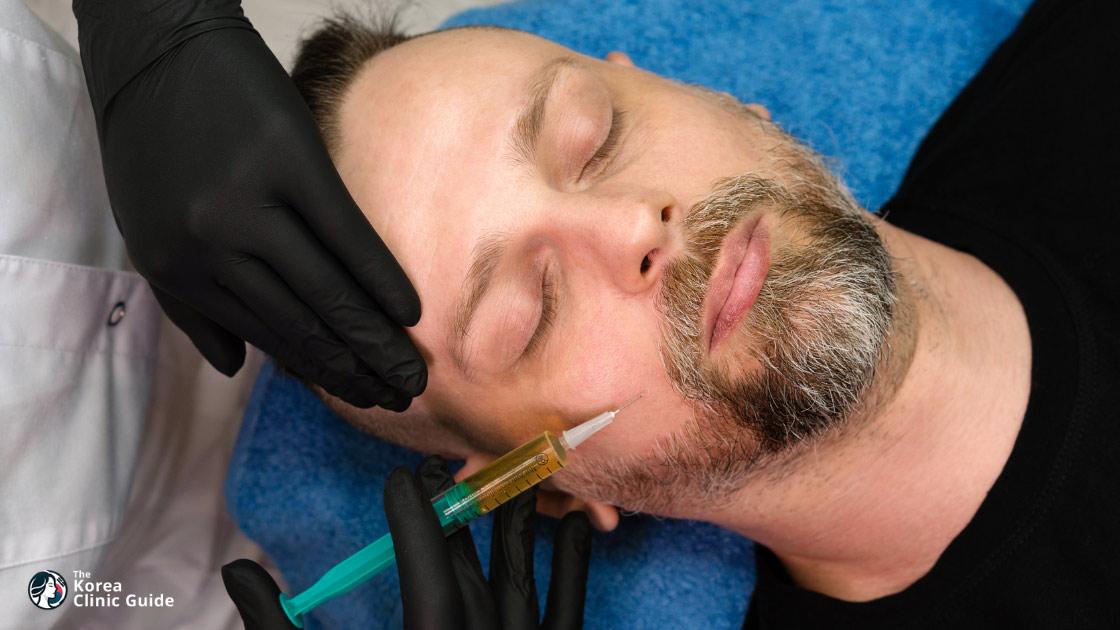
PRP facial treatment uses processed blood platelets through injections, microneedling, or alongside laser, with variable and usually subtle results for early photoaging and texture concerns. The article covers candidacy, preparation, recovery, Korea travel planning, follow-up, risks, and alternatives.
Breast filler injections are not recommended in Korea; the article outlines assessment and treatment pathways for prior injections and established alternatives such as implants, fat grafting, or breast lift surgery. It covers records to bring, imaging, complication warning signs, travel planning, aftercare, and follow-up needs.
Buttocks implants use solid silicone devices placed in an intramuscular, submuscular, or subfascial pocket under general anesthesia, with recovery restrictions on sitting, activity, and travel. In Korea, surgery is quoted at ₩10,000,000–₩13,000,000 (about US$7,400–$9,600), and international patients should plan a 14- to 21-day stay for follow-up and travel clearance.
Full-body liposuction in Korea uses tumescent fluid and cannula-based fat removal across selected areas, with candidates needing stable weight, adequate skin recoil, and recovery planning. The article covers ₩27,000,000–₩31,000,000 pricing, a 10–14-day minimum stay, surgeon verification, aftercare, travel records, and warning signs.
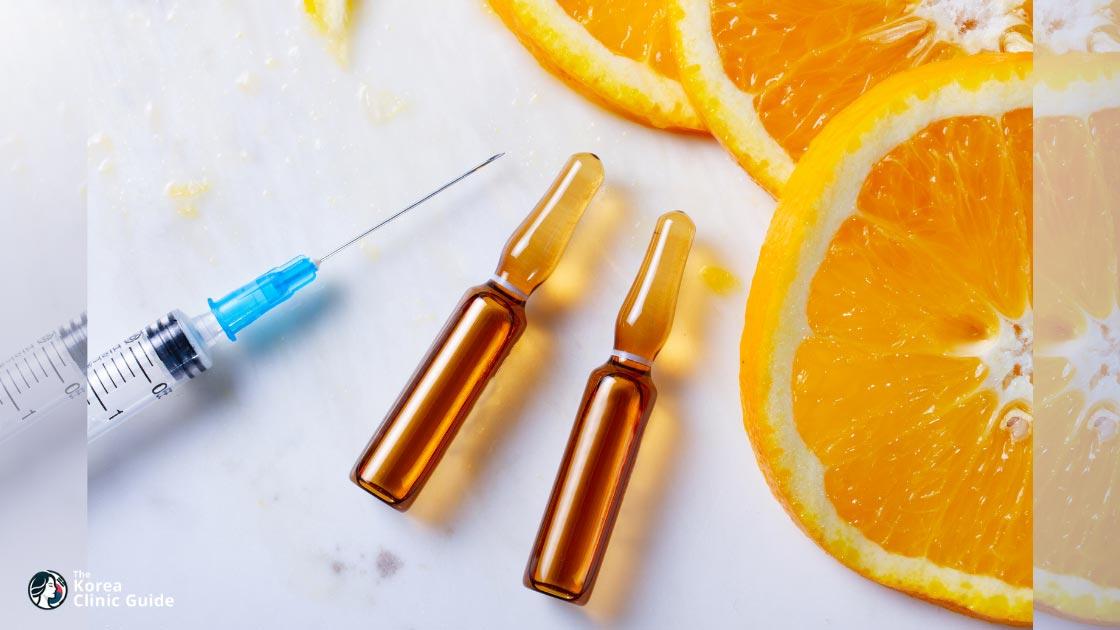
Vitamin injections range from targeted IM B12 replacement to IV vitamin C or multivitamin infusions, with assessment, formula verification, monitoring, and written discharge records advised. International patients should allow 1–2 days, review testing and travel plans with the clinic, and arrange follow-up for confirmed deficiencies or complex conditions.
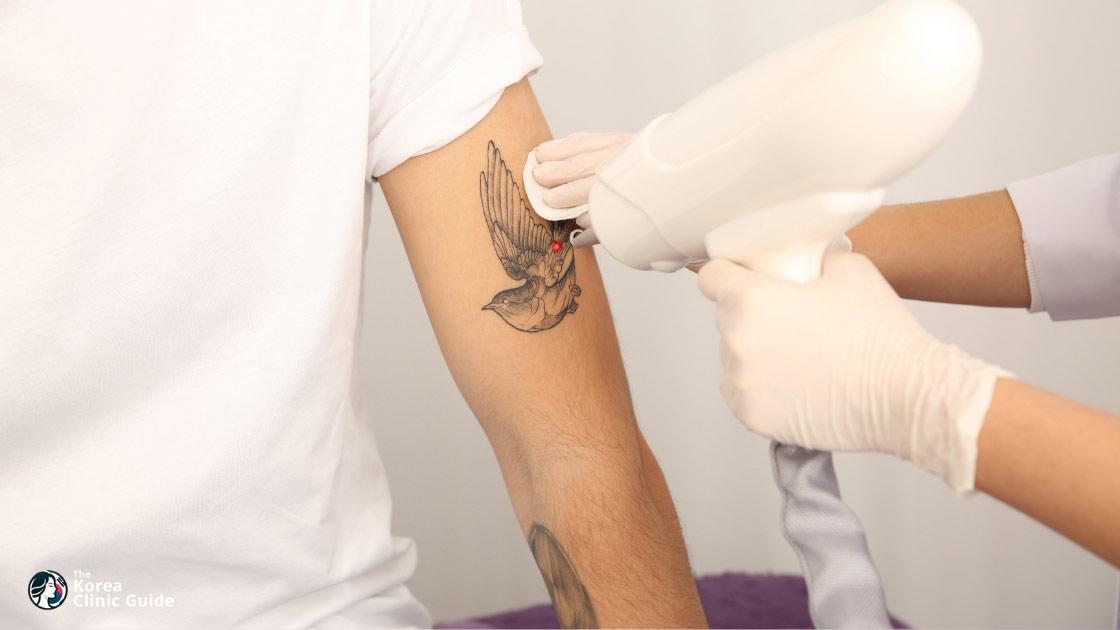
Laser tattoo removal uses pigment-selective laser pulses over multiple sessions, typically at least 6–8 weeks apart, with treatment chosen by ink color, skin type, and tattoo characteristics. The article covers candidate screening, test spots for cosmetic or uncertain pigments, Korea travel planning, aftercare, warning signs, and alternatives such as cover-up fading or surgical excision.
Body laser hair removal uses laser or IPL pulses and cooling to reduce dark, coarse body hair over sessions typically spaced 4–6 weeks apart, with treated hairs shedding in 1–3 weeks. The article covers candidate screening, device and test-spot selection, Korea travel planning, preparation, aftercare, and warning signs requiring medical review.
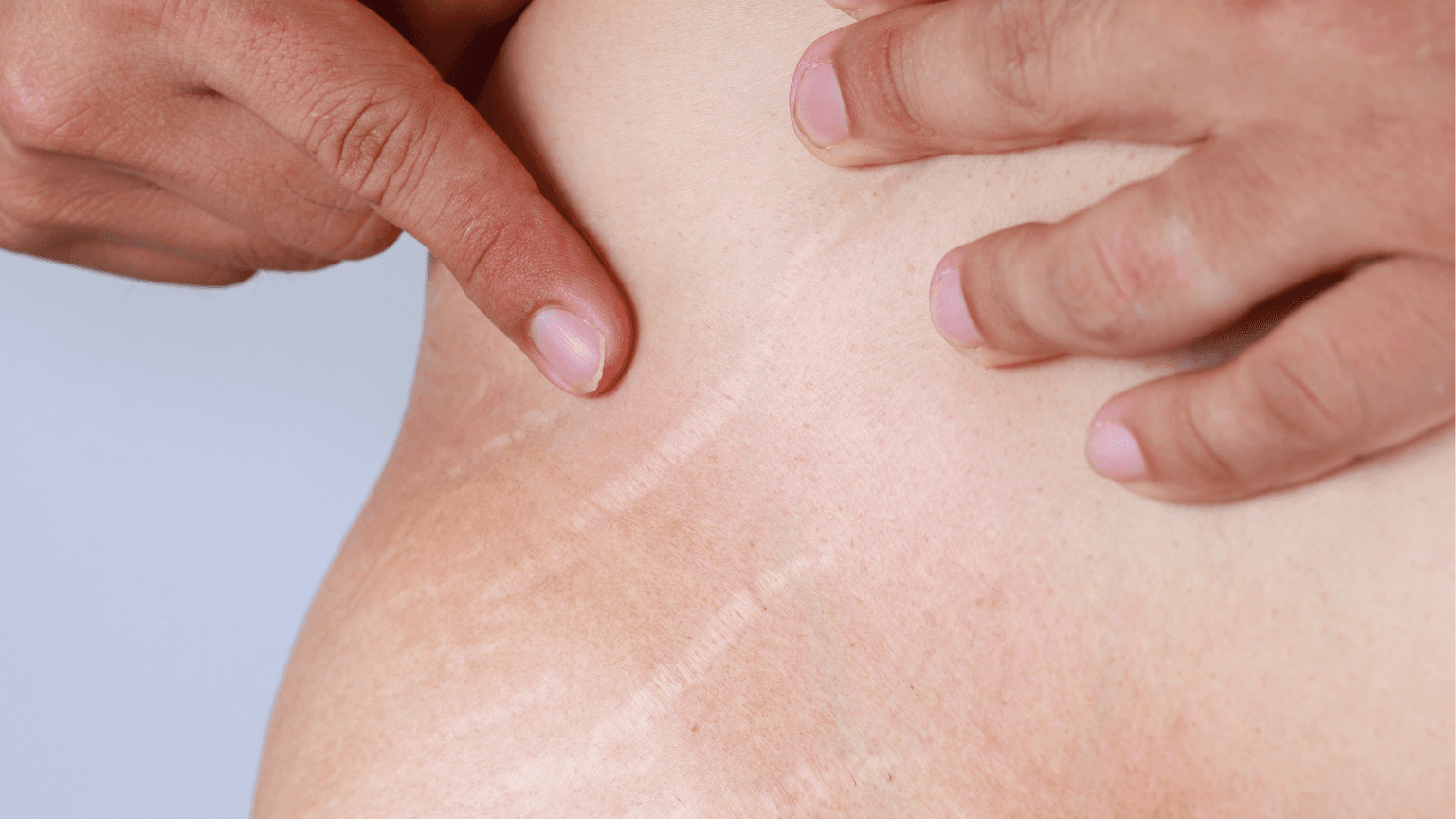
Stretch mark treatment may use tretinoin, microneedling, RF microneedling, non-ablative fractional laser, or fractional CO2 laser, selected by mark stage, skin type, body area, and downtime tolerance. The article covers candidacy, contraindications, typical three-to-five-session courses, travel planning, preparation, aftercare, and follow-up for international patients.
Join our trusted platform to effortlessly enhance your online visibility among those seeking top-quality medical care in Korea from abroad.