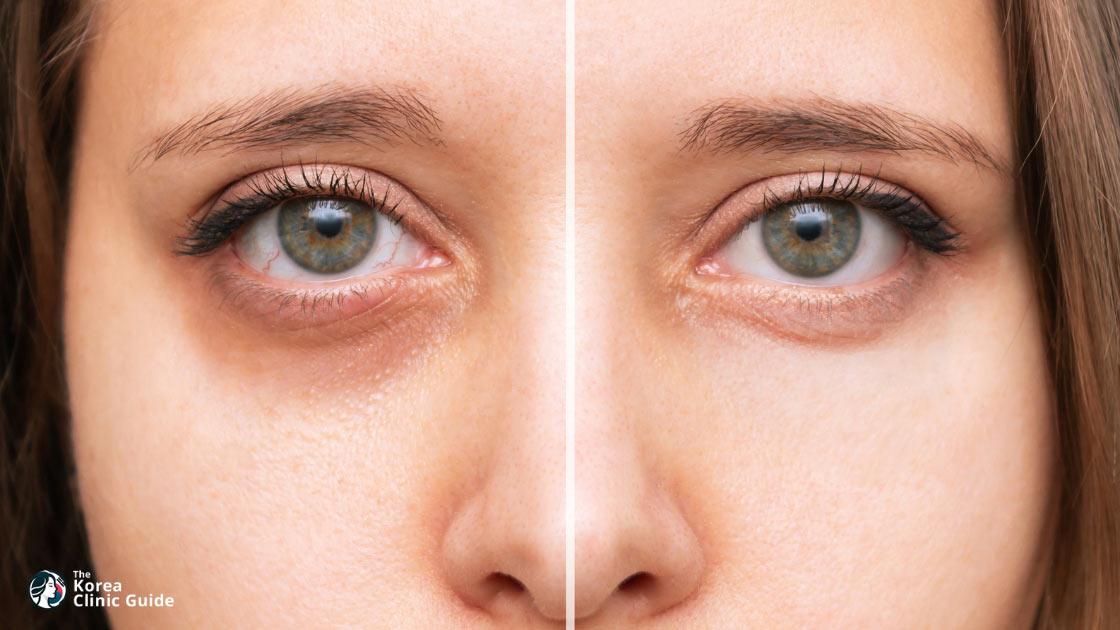
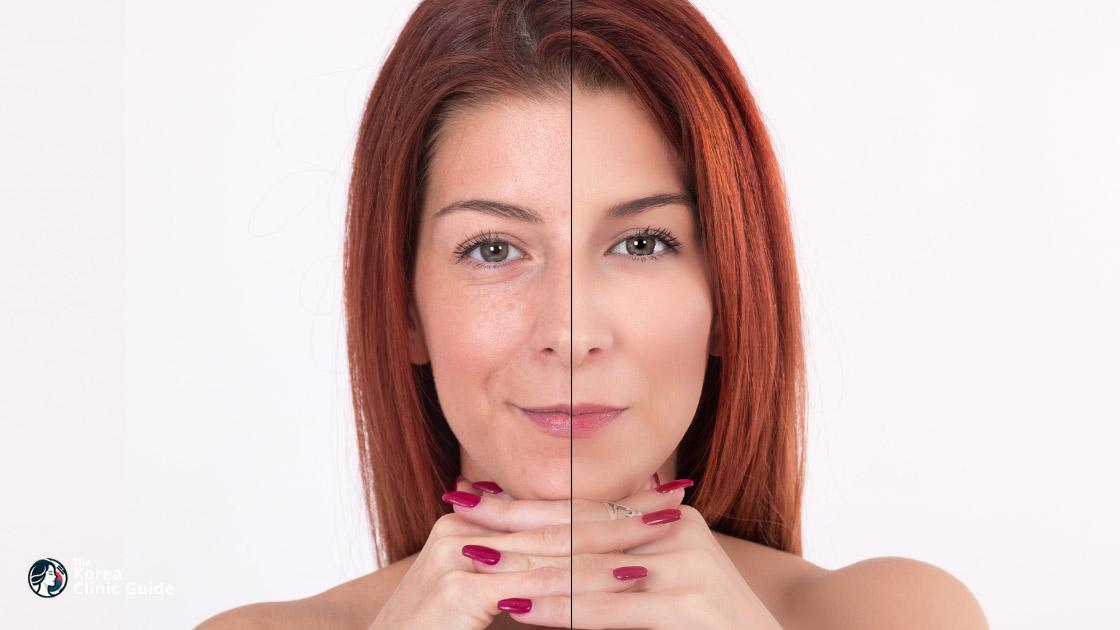
Dark circle injections are selected by cause: HA filler can address tear-trough shadowing, while PN, PRP, and PRF target skin quality and do not replace lost volume. The article covers candidacy, treatment steps, Korea travel and follow-up planning, recovery, alternatives, and urgent warning signs.
Updated: Sep 14, 2026
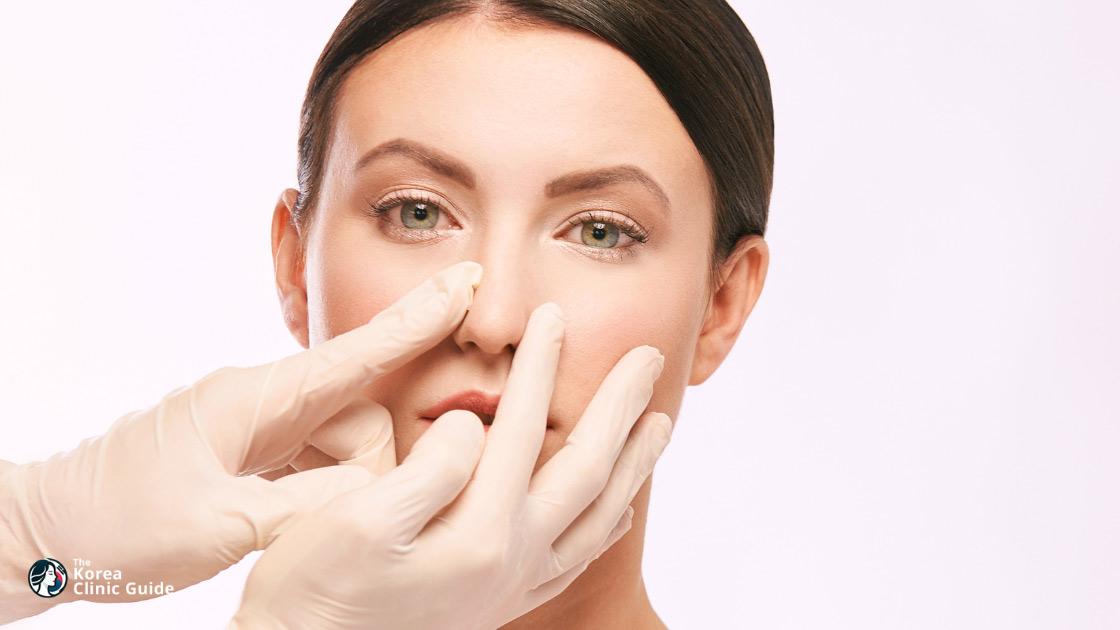
Nose osteotomy uses controlled nasal-bone cuts during rhinoplasty or septorhinoplasty to narrow, straighten, or close an open bony bridge. In Korea, it is listed at ₩1,600,000–₩2,000,000 (about US$1,200–$1,500); international patients should plan at least 14 nights for follow-up and travel clearance.
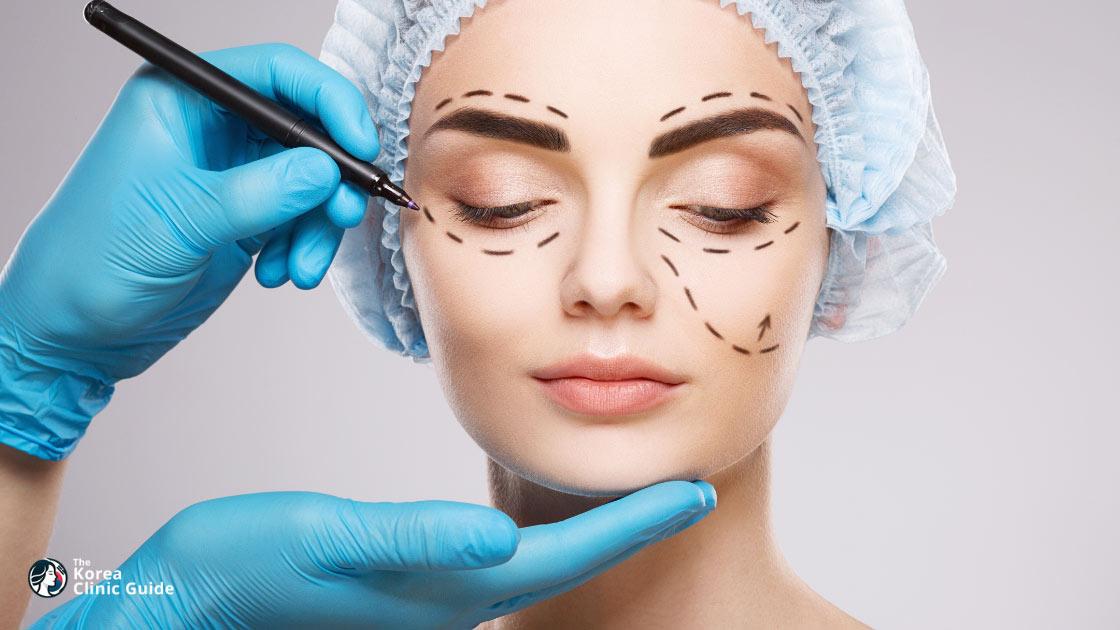
Under-eye fat removal or repositioning treats lower-eye bags and selected tear-trough hollows through internal or external lower-eyelid surgery, with recovery, travel, aftercare, and risk guidance. In Korea, listed costs are ₩2,200,000–₩2,800,000 (about US$1,600–US$2,100), with at least 7 days recommended for postoperative review.
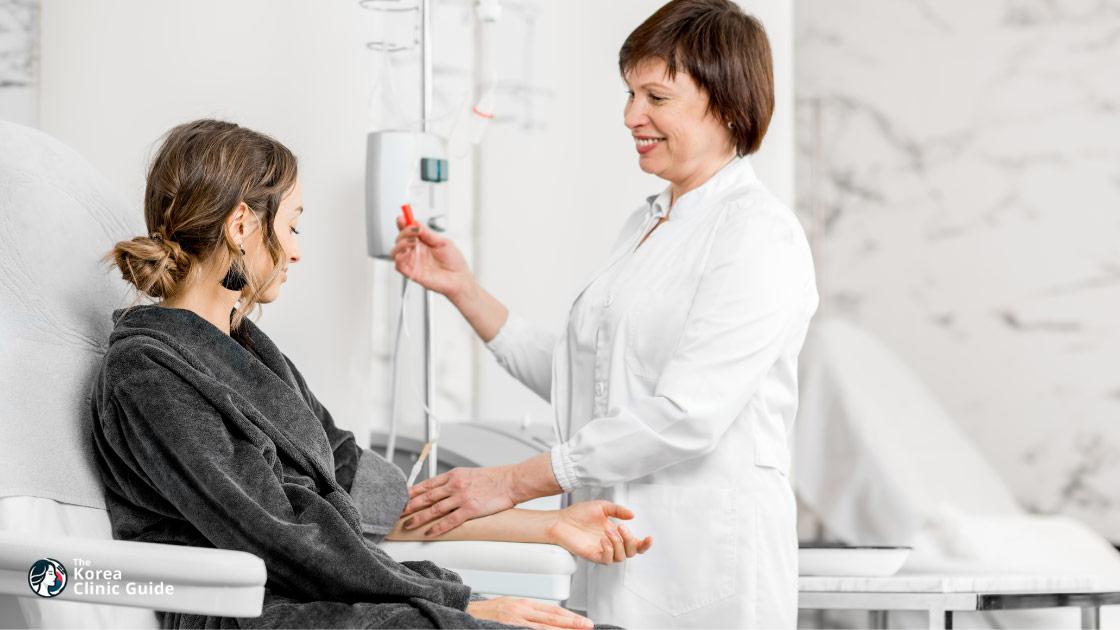
Blood purification uses diagnosis-specific extracorporeal treatments such as plasma exchange, with specialist review, vascular access, monitoring, and follow-up required. International patients can find guidance on travel timing, records, preparation, aftercare, risks, and alternatives.
Stem cell scalp therapy is an investigational option for adults with confirmed nonscarring pattern hair loss and remaining miniaturized follicles, using approaches such as topical conditioned medium, microneedling, scalp injections, or fat-derived SVF injection. The article covers candidate screening, product and regulatory verification in Korea, travel planning, aftercare, risks, follow-up, and e
Stem cell hair treatment includes topical, injection, SVF, micrograft, and exosome-related approaches for dermatologist-confirmed patterned hair loss, with product details, safety, and evidence varying substantially. The article covers candidate screening, Korea travel planning, procedure steps, preparation, aftercare, warning signs, follow-up, and established alternatives.
Stem cell disease therapy includes autologous and allogeneic HSCT, defined cell products, and clinical trials, with eligibility determined by diagnosis, organ function, donor options, and protocol requirements. International patients need documented treatment and regulatory details, several weeks to about 100 days of local follow-up for transplant, and coordinated aftercare with a home clinician.
Updated: Sep 13, 2026
Stem cell fat grafting uses liposuction-harvested fat that is purified or combined with SVF/ADSC processing and injected in small parcels for facial, breast, or body contour restoration. The article covers candidate screening, Korea travel planning, protocol and regulatory documentation, recovery precautions, follow-up, and alternatives such as standard fat grafting, fillers, and implants.
Stem Cell Facial treatments may involve fat harvest, processing, and facial injection; confirm the exact material, method, risks, and follow-up plan in writing. In Korea, allow 7–10 postoperative days for review; listed cost is ₩869,000 (about US$600).
Join our trusted platform to effortlessly enhance your online visibility among those seeking top-quality medical care in Korea from abroad.