Keloid removal uses excision or tissue-sparing surgery with recurrence prevention such as steroid injections, silicone, compression, or selected postoperative radiotherapy. The article covers candidacy, preparation, recovery, travel planning, aftercare, warning signs, and follow-up for 12–24 months.
Updated: Sep 17, 2026
UroLift uses permanent implants placed through the urethra to retract obstructing BPH tissue without removing or thermally destroying the prostate. The article covers eligibility assessment, anesthesia and recovery planning, Korea travel considerations, aftercare, warning signs, follow-up records, and alternatives.
Penis fat transfer uses liposuction-harvested fat, commonly from the lower abdomen, injected in small layers around the shaft to pursue modest girth enhancement rather than length gain. The article covers candidacy, Korea travel planning, recovery restrictions, follow-up, risks, and alternatives including hyaluronic-acid filler and traction.
Hypertrophic scar treatment uses silicone, pressure therapy, injections, vascular or fractional laser, and surgery based on scar thickness, redness, symptoms, and movement restriction. The article covers candidate screening, staged treatment, Korea travel timing, aftercare, warning signs, and follow-up planning.
Updated: Sep 16, 2026
Scar revision may use excision, layered closure, Z- or W-plasty, grafts, flaps, or adjunctive treatment to improve widened, tethered, raised, or function-limiting scars. The article covers candidacy, recovery and aftercare, alternatives, and travel planning for international patients seeking treatment in Korea.
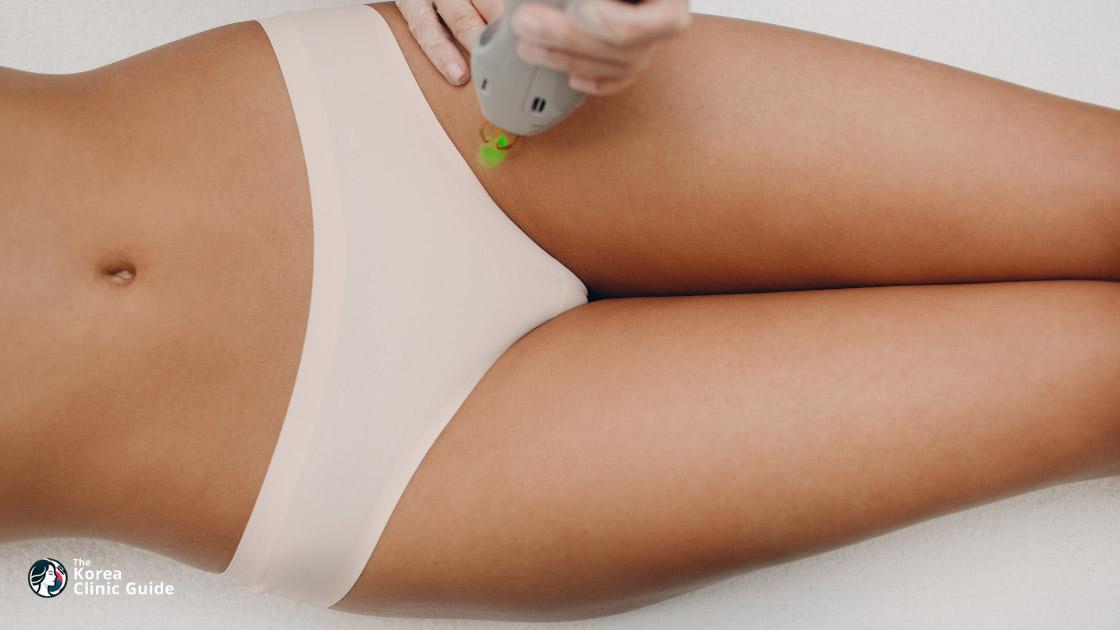
Brazilian laser hair removal treats mapped external pubic skin with laser pulses, typically requiring 4–8 sessions several weeks apart for long-term hair reduction. The article covers candidate screening, device selection by skin tone, preparation, aftercare, international travel planning in Korea, and alternatives such as electrolysis.
Misko uses absorbable nasal threads under local anesthesia to provide temporary, subtle tip projection, rotation, columellar support, or limited contour refinement; it does not replace surgery for major reshaping or airway concerns. The article covers candidate screening, treatment steps, Korea travel planning, recovery and aftercare, warning signs, and alternatives including filler, rhinoplasty,
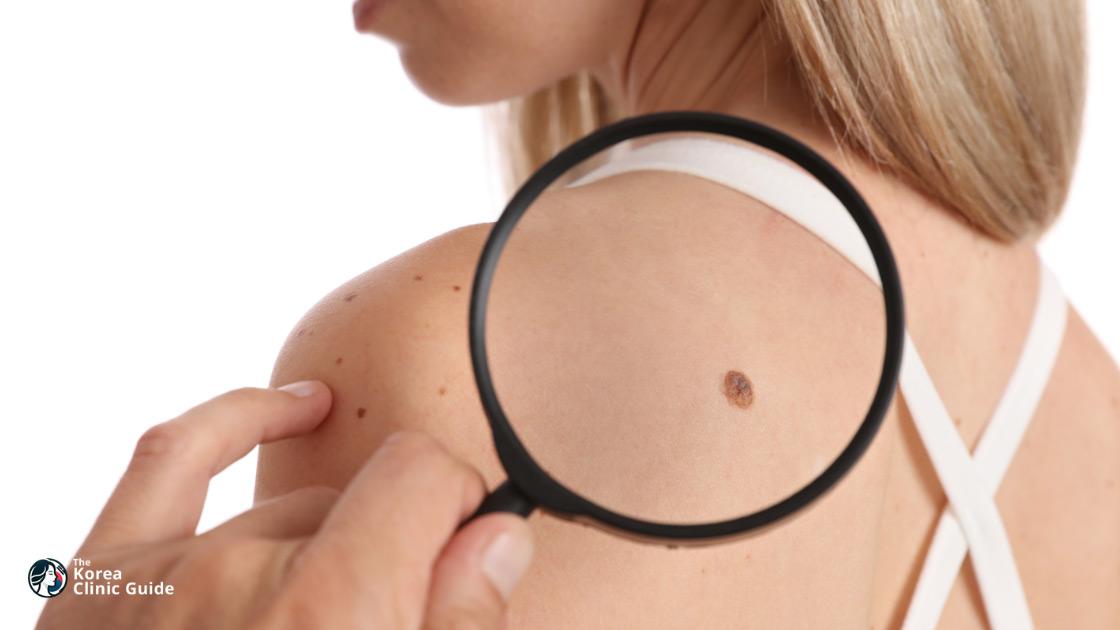
Skin tag removal involves in-person assessment followed by snip or shave excision, electrosurgery, cryotherapy, ligation, or selected laser treatment based on diagnosis, location, tissue needs, and pigment or scar risk. The article covers Korea travel planning, pathology and follow-up, preparation, recovery timelines, wound care, and warning signs requiring prompt review.
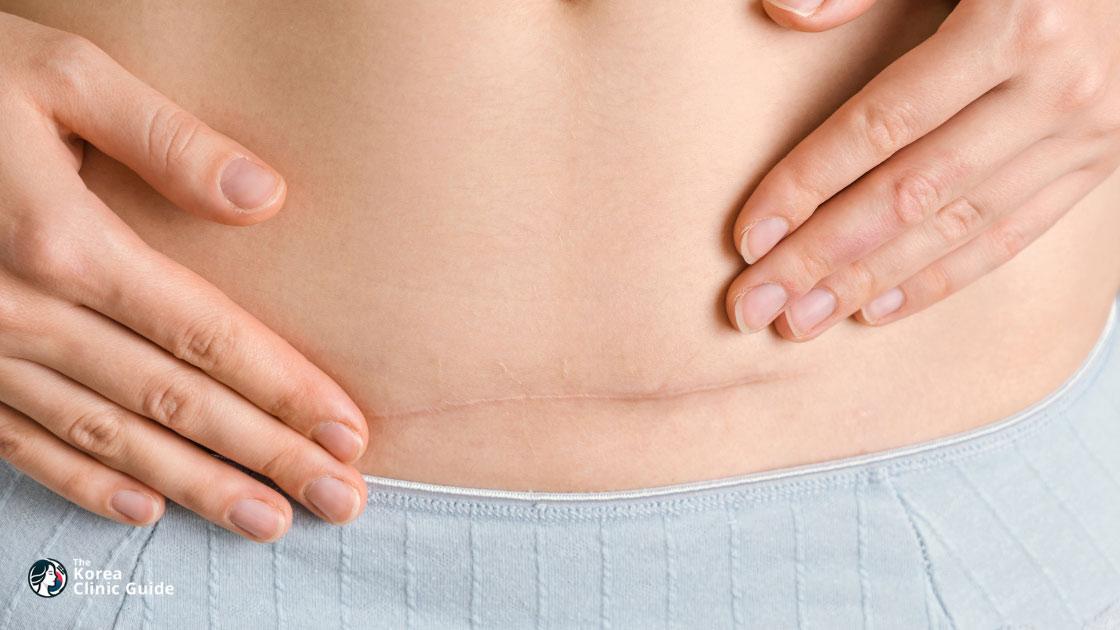
Scar removal surgery may use excision, layered closure, Z-plasty, flaps, grafts, or staged procedures to improve scar width, tension, contour, mobility, or contracture rather than erase a scar completely. The article covers candidacy, recovery, aftercare, alternatives, and travel planning for international patients, including wound checks, suture removal, flexible flights, and remote follow-up.
Join our trusted platform to effortlessly enhance your online visibility among those seeking top-quality medical care in Korea from abroad.