
Medical Tourism Blog
Say Goodbye to Worry Lines with Eyebrow Lift Procedures in Korea
Table of contents
-
- The Eyebrow Lift Procedure: A Detailed Medical Overview
- The Journey to an Eyebrow Lift in South Korea: A Medical Tourist's Process
- Which Are the Best Clinics in Korea for Worry Lines?
- Costs and Value: A Comparative Analysis for Medical Tourists
- Patient Experiences and Outcomes: Addressing "Worry Lines" with an Eyebrow Lift
- Conclusion
Considering treatment in Korea? Everything you need to know e.g. — how to avoid scams, visas, interpreters, recovery tips — in our Medical Tourism Master Guide. Plan with confidence in minutes, not weeks!
Facial lines and wrinkles naturally develop with age, but they can sometimes make us look worried, angry, or tired—even when we feel fine. One common concern is the vertical lines that appear between the eyebrows, often called "worry lines." Many patients seek ways to refresh their appearance and regain a youthful look. This guide offers clear, evidence-based information about these "worry lines" and the eyebrow lift procedure. It covers medical options, the process for medical tourists—especially in South Korea—and typical costs and outcomes. The goal is to help you make informed choices and confidently pursue your aesthetic goals.
Patients often call the vertical lines between their eyebrows "worry lines." Medically, these are known as frown lines or glabellar lines. While "worry lines" can sometimes refer to horizontal forehead lines, this guide focuses on the vertical lines between the eyebrows, which are the main concern for many patients.
What are "Worry Lines" and Their Causes?
Frown lines form mainly because of repeated contractions of muscles between the eyebrows, especially the corrugator supercilii and procerus muscles. These muscles activate when frowning, squinting, or concentrating. At first, these lines appear only during facial movements (dynamic wrinkles), but over time, they can become permanent (static wrinkles), visible even when the face is relaxed.
Aging plays a big role in making these lines more noticeable. As skin loses elasticity and moisture, wrinkles deepen. Environmental factors like prolonged UV exposure speed up this process. Understanding the correct medical terms—frown lines or glabellar lines—helps ensure clear communication between patients and doctors, leading to better treatment plans and expectations.
Common Pseudonyms and Distinctions
The vertical lines between the eyebrows go by several names:
- Frown Lines: The most common and medically accurate term for vertical creases caused by frowning or squinting, often resembling the number "11."
- Glabellar Lines: A formal anatomical term for lines in the glabellar region—the smooth skin between the eyebrows and above the nose.
- "Number 11s": A popular informal term describing the two parallel vertical lines.
- Forehead Furrows / Vertical Forehead Creases / Rhytids / Wrinkles: Broader terms that may include vertical and horizontal lines on the forehead.
The Eyebrow Lift Procedure: A Detailed Medical Overview
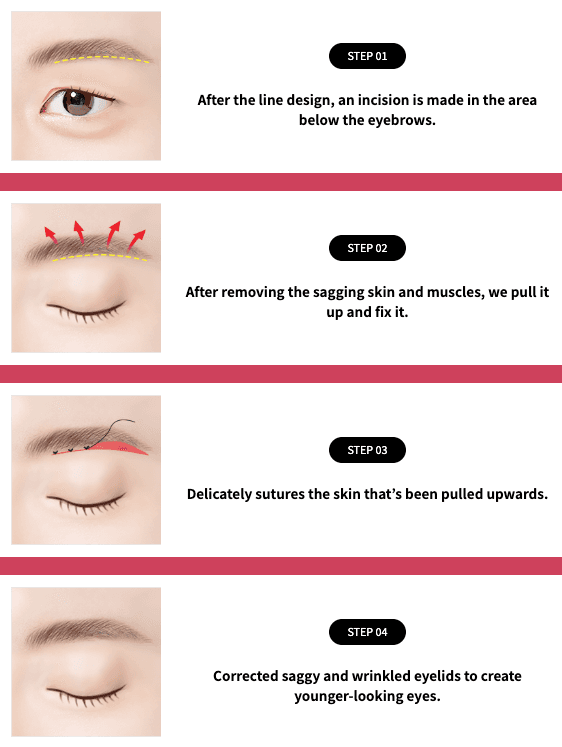
An eyebrow lift—also called a brow lift or forehead lift—is a cosmetic surgery that raises the eyebrows to improve the look of the forehead, brow, and surrounding eye area.
What is an Eyebrow Lift? (Goals, Benefits, and Who is a Candidate)
The eyebrow lift aims to smooth horizontal forehead wrinkles, lift sagging brows, and reduce vertical frown lines between the eyebrows. It often involves adjusting or removing parts of the muscles that cause these lines. The procedure also corrects deep furrows and sagging that can make someone look tired, sad, or angry. By lifting the brow away from the upper eyelid, it reduces the "hooding" effect, making the eyes appear more open and youthful.
This surgery rejuvenates the upper third of the face, addressing not only "worry lines" but also horizontal wrinkles and drooping brows for a refreshed, alert appearance.
Ideal candidates are usually between 40 and 60 years old with visible aging signs in the upper face. Younger patients with naturally low brows or sagging that affects vision may also benefit. Candidates typically have sagging brows, deep frown lines, prominent forehead wrinkles, or excess eyelid skin.
Detailed Description of Surgical Techniques
Choosing the right brow lift technique depends on factors like desired results, skin type, elasticity, ethnicity, healing ability, age, and facial anatomy.
- Endoscopic Brow Lift: Minimally invasive, with small incisions behind the hairline. An endoscope guides the surgeon to lift and secure forehead tissues. Benefits include hidden scars, less bruising, and faster recovery. Possible temporary numbness or a "surprised look" if overdone.
- Temporal Brow Lift (Lateral Brow Lift): Small incisions near the temples lift only the outer brow. Less invasive, often done under local anesthesia with quick recovery. It doesn’t address central brow sagging or deep forehead lines.
- Direct Brow Lift: Removes skin directly above the eyebrows, with incisions hidden in eyebrow hair or along the brow’s upper edge. Quick and effective for prominent drooping or bushy brows but leaves a visible scar.
- Coronal/Classic Brow Lift (Open Brow Lift): A long incision from ear to ear behind the hairline lifts the entire forehead and brow. It’s comprehensive but more invasive, with longer recovery and possible hairline changes. Not ideal for high hairlines or thin hair.
- Hairline Brow Lift: Incisions are placed between the forehead and hairline, removing skin from the forehead’s top. Good for high or receding hairlines, but scars may be visible depending on healing and hairstyle.
- Limited Incision / Transblepharoplasty Brow Lift: Smaller incisions often combined with upper eyelid surgery. Less invasive but limited to outer brow or specific areas.
Non-Surgical Alternatives
For mild concerns or those avoiding surgery, non-surgical options offer temporary improvements:
- Botox Injections: Relax muscles causing wrinkles, smoothing frown lines and subtly lifting brows. Effects last 3 to 6 months.
- PDO Thread Lift: Dissolvable threads lift drooping tissue immediately and stimulate collagen production over months. Results last 6 months to 2 years with minimal downtime but subtler effects than surgery.
What to Expect: The Pre-Operative Consultation, Anesthesia, and Surgical Process
The process starts with a detailed consultation covering medical history, medications, allergies, and aesthetic goals. The surgeon explains benefits, risks, and realistic outcomes.
Anesthesia varies by technique: sedation or general anesthesia for most, local anesthesia with sedation for some minimally invasive lifts.
During surgery, hair near incisions is managed carefully to minimize visible scars. The surgeon lifts skin, removes excess tissue, and adjusts muscles to smooth lines and lift brows. Procedures last 1 to 3 hours. Incisions are closed with stitches or clips, and sometimes a drainage tube is placed temporarily.
Immediate Post-Operative Care and Recovery Guidelines
After surgery, patients should rest with their head elevated and apply cold compresses to reduce swelling. Pain medication is provided as needed. Bandages are removed within 1 to 3 days, and drainage tubes usually come out within 1 or 2 days.
Strenuous activities should be avoided for several weeks, but light movement is encouraged after 1 to 2 days. Bruising and swelling around the eyes and cheeks are normal and fade within a week. Temporary numbness may occur but improves over time.
Patients can usually shower and shampoo about 2 days after surgery once bandages are off. Stitches are removed within 7 to 10 days, and most can return to work or school then. Full healing and final results may take up to six months. Surgeons provide detailed care instructions to minimize scarring, which is often hidden in natural creases or hair. While results last many years, aging continues, so future touch-ups might be needed.
Key Table 1: Comparative Overview of Eyebrow Lift Surgical Techniques
| Technique Name | Incision Location | Primary Area Addressed | Invasiveness | Typical Recovery Time (Initial) | Key Benefits | Key Considerations/Drawbacks |
|---|---|---|---|---|---|---|
| Endoscopic Brow Lift | Several small incisions behind hairline | Entire brow/forehead | Minimally invasive | Faster (minimal bruising) | Hidden scars, less bruising, quicker recovery | Temporary numbness, potential "surprised look" |
| Temporal Brow Lift | Small incisions near temples | Outer brow | Minimally invasive | Faster (minimal downtime) | Local anesthesia possible, fast recovery | Doesn't lift central brow, limited scope |
| Direct Brow Lift | Directly above eyebrows | Specific drooping above eyebrow | Less invasive | Quick procedure | Quick surgery, effective for drooping/bushy brows | Visible scar above eyebrow |
| Coronal/Classic Brow Lift | Long incision behind hairline, ear-to-ear | Overall forehead and brow | More invasive | Longer | Comprehensive lift for severe sagging/wrinkles | Longer recovery, possible hairline changes |
| Hairline Brow Lift | Between forehead and hairline | Brows and high/receding hairline | Moderately invasive | Moderate | Corrects high/receding hairline while lifting brows | Scar may be visible along hairline |
| Limited Incision / Transblepharoplasty Brow Lift | Smaller incisions, often with eyelid surgery | Outer brow, specific areas | Less invasive | Moderate | Less invasive than full coronal | Limited in scope |
The Journey to an Eyebrow Lift in South Korea: A Medical Tourist's Process
South Korea is a global leader in cosmetic surgery, known for advanced techniques and competitive pricing. Its well-organized, patient-friendly system caters especially to international visitors, offering cutting-edge facilities and highly skilled surgeons.
Why Consider South Korea for Cosmetic Surgery?
South Korea’s appeal goes beyond cost savings. It combines affordability with high standards of care, advanced technology, and experienced professionals. Medical tourism agencies help streamline the process, building trust and confidence for international patients. This comprehensive approach ensures quality and a smooth experience.
Step-by-Step Process for International Patients
- Initial Consultation and Evaluation: Surgeons assess facial structure, skin elasticity, and goals, reviewing medical history to plan the best procedure. Medical tourism agencies assist with clinic selection and logistics.
- Pre-operative Instructions: Patients receive guidance on medications, diet, and avoiding smoking or alcohol before surgery.
- Anesthesia Administration: Depending on technique and preference, local with sedation or general anesthesia is used.
- Surgical Procedure and Tissue Adjustment: Incisions are carefully placed to minimize scars. Skin and muscles are lifted or trimmed to achieve the desired look. Surgery lasts 1 to 3 hours.
- Immediate Post-Operative Care and Recovery: Patients recover in a monitored area, receiving wound care and activity guidelines. Swelling and bruising are normal. Overnight hospital stays are usually unnecessary.
- Stitch Removal and Recommended Departure Timeline: Bandages come off within 1 to 3 days; stitches within 7 to 10 days. Patients should stay in South Korea for at least 7 to 10 days for follow-up and healing.
Which Are the Best Clinics in Korea for Worry Lines?
Listed below are some of the best clinics in Korea for worry lines.
1. THEPLUS Plastic Surgery
For worry lines associated with facial aging and loss of contour, you can discuss a facelift, thread lift, or facial fat grafting at THE PLUS Plastic Surgery. These options range from dissolvable-thread lifting for mild sagging to surgical lifting and volume restoration, with an emphasis on maintaining natural facial expression and balanced proportions.
- URL: THEPLUS Plastic Surgery Website
- Location: Gangnam-gu, Seoul
- Lifting options:
- Facelift repositions sagging facial tissue to improve firmness and facial contours while preserving natural expression.
- Thread lift uses dissolvable threads as a less invasive option for mild facial sagging and contour definition.
- Face fat grafting uses your own fat to restore fullness in hollow or flattened facial areas.
- Surgical expertise:
- Dr. Kim is a board-certified plastic surgeon with expertise in facial contouring and research recognition for 3D implants.
- Dr. Jeong is President of the Korean Society of Plastic Surgeons and emphasizes combining function with aesthetic balance.
2. Made Young Plastic Surgery
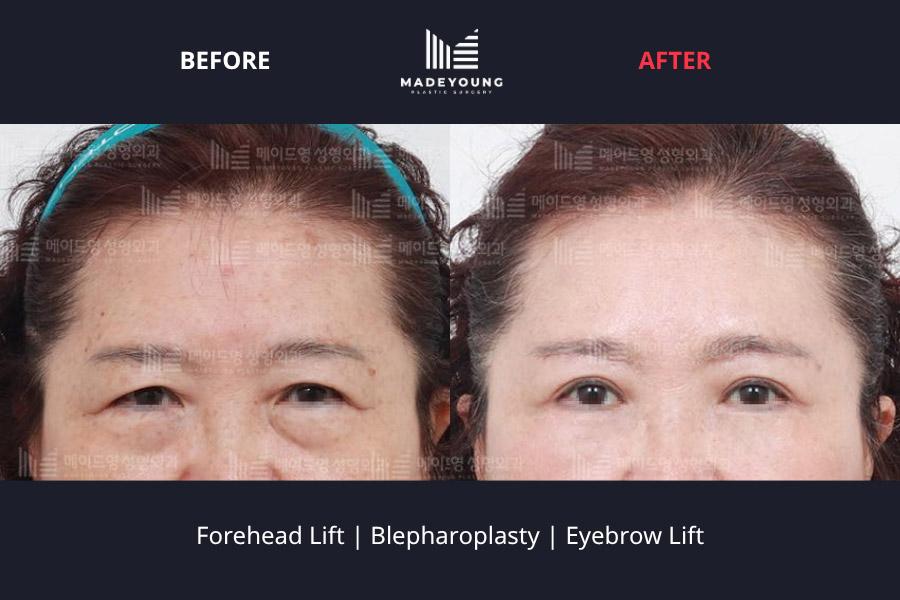
You may consider Made Young Plastic Surgery for worry lines if forehead wrinkles or brow descent are contributing to a tired expression: its forehead lift raises the brows while addressing forehead wrinkles and sagging skin, and it also offers non-surgical forehead lifting, thread lifts, ultrasound-based lifting, and skin boosters. The clinic reports direct medical-team consultations, on-site board-certified anesthesiologists, individual anesthesiologist monitoring, and a dedicated aftercare center.
- URL: Made Young Plastic Surgery Website
- Location: Seocho-gu, Seoul
- Forehead-focused options:
- Forehead lift, also called a brow lift, raises the brows and reduces wrinkles and sagging skin on the forehead.
- Non-surgical forehead lifting is offered alongside thread lift, Shurink focused-ultrasound treatment, Ultherapy, and skin boosters.
- A sub-brow lift can target the area above the eyebrow to elevate and smooth the upper eyelid.
- Safety and aftercare:
- The clinic states that full-time board-certified anesthesiologists are on site, with one anesthesiologist assigned to continuous monitoring for each procedure.
- It describes a cross-check emergency system, CCTV coverage of procedures, and a separate dedicated aftercare center.
3. SH Clinic
You may consider SH Clinic for worry lines when repeated frowning is the main concern, as it offers Botox to relax selected facial muscles and soften frown lines; results are described as appearing within about a week and lasting approximately three to four months. Depending on your skin quality and facial support needs, skin boosters, laser lifting, fillers, or a thread lift may also be relevant options.
- URL: SH Clinic Website
- Location: Seocho-gu, Seoul
- Worry-line treatment:
- Botox relaxes selected facial muscles to soften frown lines and crow’s-feet.
- The clinic describes results as appearing within a week and lasting about three to four months.
- Complementary facial treatments:
- Skin booster injections use hyaluronic-acid micro-droplets to hydrate the skin and smooth fine lines with minimal downtime.
- Laser lifting uses dermal heating to support collagen remodeling and improve sagging facial contours over time.
- Dermal fillers can restore volume and contour, while biodegradable thread lifts elevate sagging tissue and stimulate collagen.
Costs and Value: A Comparative Analysis for Medical Tourists
Understanding costs is key when considering medical tourism. South Korea offers advanced expertise at competitive prices, attracting many international patients.
Typical Costs of an Eyebrow Lift in South Korea
Eyebrow lifts in South Korea typically cost between $2,727 and $3,636 USD. A 10% deposit (about $273 to $364) is usually required upfront to secure the appointment.
What is Usually Included in the Cost?
Costs generally cover:
- Pre- and post-surgery consultations
- Pre-operative tests
- Anesthesia and operating room fees
- Initial post-operative care (sometimes including overnight stays)
Patients should request detailed quotes to avoid hidden fees.
Factors Influencing the Cost
Costs vary based on:
- Surgeon’s experience and reputation
- Technique used (endoscopic, classic, limited incision)
- Clinic location and prestige
- Combination with other procedures
- Potential extra charges
Cost Comparison: South Korea vs. Other Countries (Medical Tourism Perspective)
| Country | Approximate Cost Range (USD) |
|---|---|
| United States of America | $6,000 - $9,000 (Average: $7,000) |
| South Korea | $2,727 - $3,636 |
| United Kingdom | $4,500 - $7,200 |
| Italy | $3,500 - $5,500 |
| Poland | $3,500 - $5,000 |
| Czech Republic | $2,500 - $4,500 |
| Mexico | $2,200 - $5,500 |
| Thailand | $1,500 |
| Philippines | $1,100 |
| Turkey | $1,200 - $4,000 |
Significant savings are possible abroad, sometimes up to 80%. Countries like Turkey offer all-inclusive packages with quality care, showing that lower costs often reflect economic differences rather than quality compromises.
Patient Experiences and Outcomes: Addressing "Worry Lines" with an Eyebrow Lift
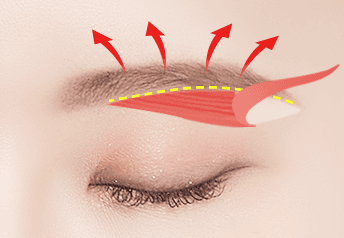
Eyebrow lifts effectively smooth frown lines and lift sagging brows, leading to a youthful, refreshed look. Patients often report a more relaxed facial expression and a "fresh, youthful glow."
Effectiveness in Addressing Frown Lines and Overall Appearance
Surgical eyebrow lifts target the muscles causing vertical frown lines, smoothing the brow and lifting sagging skin. Non-surgical options like Botox and PDO thread lifts also soften lines and lift brows subtly, offering natural-looking improvements.
Impact on Self-Confidence and Quality of Life
Many patients experience a boost in self-confidence, feeling more vibrant and self-assured. The natural results help them look like themselves—but better—positively affecting personal and professional life.
Realism and Longevity of Results
Results last for years but are not permanent due to ongoing aging. Surgical lifts provide long-lasting effects, while PDO thread lifts last 6 months to 2 years. Full results develop over weeks to months. Maintenance treatments may be needed.
Recovery Experience and Scarring
Recovery varies by technique, with minimally invasive methods offering quicker healing. Scars are usually well-hidden. Mild swelling, bruising, and numbness are normal and fade with time. Following post-op care instructions is key to a smooth recovery and high satisfaction.
Conclusion
"Worry lines," or vertical lines between the eyebrows, are a common sign of aging caused by muscle activity and skin changes. Eyebrow lifts—through various surgical and non-surgical methods—offer effective ways to smooth these lines and rejuvenate the upper face, enhancing overall appearance and confidence. South Korea stands out as a top medical tourism destination, combining advanced care with competitive pricing and a patient-friendly system. Understanding costs, procedures, and recovery helps patients make informed decisions and achieve satisfying, lasting results.
References
Frequently Asked Questions
Related Blogs
Uneven Eyelids: Canthoplasty, Laser Canthoplasty, and Revision Eye Surgery Solutions in Korea
Discover how Korea leads in eyelid asymmetry correction with advanced procedures like canthoplasty, laser canthoplasty, and revision eye surgery. This comprehensive guide explores causes, emotional impacts, and how Korea's expert surgeons deliver natural-looking results. Learn about the surgical techniques, costs, and benefits of choosing Korea for your eyelid correction, emphasizing safety, affor
Updated: Oct 10, 2026
Sunken Eyes Solutions in Korea: Under Eye Fat Grafting and Eyelid Fat Grafting Procedures Explained
Discover how Korea leads in treating sunken eyes with advanced procedures like autologous fat grafting and eyelid fat transfer. This comprehensive guide highlights causes, symptoms, and the benefits of Korea’s top clinics, offering natural, long-lasting results. Perfect for medical tourists, learn why Korea is the ideal destination for under-eye rejuvenation, combining cutting-edge technology, exp
Updated: Oct 10, 2026
Injury to Eyelid: Ptosis Correction Procedures in Korea for Effective Eyelid Injury Treatment
Discover expert eyelid injury and ptosis correction procedures in Korea. This blog covers eyelid laceration treatments, approaches to traumatic and congenital ptosis, and advanced surgery options like external levator advancement and frontalis sling techniques. Learn why Korea is a top destination for affordable, high-quality eyelid surgeries, offering rapid recovery, aesthetic improvements, and f
Updated: Oct 9, 2026
Bulging Eyes Solutions: Canthoplasty, Laser Canthoplasty & Eyelid Fat Grafting in Korea
Discover how Korea leads in treating bulging eyes (exophthalmos) with advanced procedures like orbital decompression, Canthoplasty, and Eyelid Fat Grafting. Whether caused by Thyroid Eye Disease or trauma, these expert surgeries in Korea improve vision, reduce discomfort, and enhance appearance. Benefit from Korea’s renowned medical expertise, affordable pricing, and comprehensive care. If you’re
Updated: Oct 9, 2026
Clinics offering Eyebrow Lift

SH Clinic: Comprehensive Women's, Men's & Couples' Health Services in Korea
Sinsa

THEPLUS Plastic Surgery Korea | Eye, Nose, Face & Body Surgery
Sinsa

Made Young Plastic Surgery: Rejuvenating Aesthetic Excellence in Korea for Face Lifts, Contouring and More
Gangnam Station

LABOM Plastic Surgery: Expertise in Non-Surgical Nose, Facial Lifting & Anti-Aging Surgeries in Korea
Apgujeong