
Medical Tourism Blog
Trapezius Hypertrophy Solutions: Trapezius Botox Procedures in Korea for Muscle Slimming and Relief
Table of contents
- Trapezius Botox: A Detailed Medical Procedure
- Which Are the Best Clinics in Korea for Trapezius Hypertrophy?
- Trapezius Botox in South Korea: A Medical Tourism Perspective
- Patient Experiences and Outcomes
- Conclusion
- References
Considering treatment in Korea? Everything you need to know e.g. — how to avoid scams, visas, interpreters, recovery tips — in our Medical Tourism Master Guide. Plan with confidence in minutes, not weeks!
The trapezius muscle is a key structure in the upper back and neck, playing an essential role in moving and shaping the shoulders. If you’re concerned about “bulky shoulders,” getting to know the anatomy and reasons behind trapezius enlargement can help guide your next steps.
The trapezius muscle is a large, triangular muscle stretching from the base of your neck, across your shoulders, and down to the middle of your back. It attaches to the scapula (shoulder blade) and clavicle (collarbone), forming a substantial part of the upper back’s appearance. Functionally, the trapezius allows for a broad range of head, neck, and shoulder movements. It helps retract and adduct the scapula, depress it, and facilitate its outward rotation, all while working to support good posture.
Causes of Trapezius Enlargement (Hypertrophy in Common Usage)
When people mention “trapezius hypertrophy,” they’re usually talking about visibly enlarged trapezius muscles leading to “bulky shoulders.” In medical terms, “hypertrophy” means the muscle tissue is actually growing in size, while “pseudohypertrophy” is when a muscle appears bigger because of fat or connective tissue infiltration—usually a result of diseases like Duchenne muscular dystrophy, with the muscle being weak and “doughy.” If you’re searching online and come across this medical distinction, don’t panic; most people looking for relief from thick shoulders are dealing with true muscular growth, not a disease.
Some key contributors to trapezius enlargement include:
- Poor Posture: Bad habits like slouching, hunching, or constantly shrugging shoulders over time can overstress the trapezius, making it bigger and more pronounced.
- Muscle Overuse or Improper Usage: Frequently lifting heavy objects or compensating for weak arm muscles can overwork the traps. Repetitive strain from sports or daily tasks also contributes.
- Stress and Fatigue: Chronic stress can result in muscle tightness and knots in the neck and shoulders. Over time, this can bulk up the trapezius.
- Weakness in Other Muscles: If surrounding neck or back muscles are weak, the trapezius takes on extra work and grows to compensate.
Symptoms and Aesthetic Concerns
Trapezius hypertrophy brings both cosmetic and physical issues, prompting many to seek treatment. Improving body comfort often goes hand-in-hand with wanting a sleeker profile.
Aesthetic Impact: Overbuilt trapezius muscles create thick, rounded shoulders, sometimes with a “sloped shoulder” look, which can visually shorten the neck and broaden the upper body. In fuller body types, this can amplify perceived size.
Physical Symptoms: Many experience ongoing neck and shoulder pain, muscle tightness, stiff movement, headaches, and palpable “knots” in the muscle. Severe cases may lead to nerve compression—with tingling, numbness, or weakness in the arms.
Self-Examination: To check for overdevelopment, stand with hands on hips, roll shoulders back, and feel the muscle; hard knots suggest overdeveloped trapezius muscles.
Common Pseudonyms and Related Conditions
Various terms describe trapezius enlargement and its treatments. Knowing these can help you navigate both online research and conversations with your provider. It’s important to distinguish these from unrelated medical conditions that need different care.
| Term | Description and Context |
|---|---|
| Trapezius Hypertrophy | Enlarged trapezius muscles creating bulky shoulders, usually from overuse or poor posture. |
| Bulky Shoulders | Common phrase describing the aesthetic effect of overdeveloped trapezius muscles. |
| Sloped Shoulders | Visual appearance of downward-sloping shoulders, often from prominent trapezius muscles. |
| Thick Shoulders | Highlights increased shoulder size from muscle growth. |
| Overdeveloped Trapezius Muscles | Indicates disproportionate muscular growth beyond normal. |
| Shoulder Slimming | Refers to the desired reduction of trapezius muscle bulk for a slimmer look. |
| Trap Tox | Slang for Trapezius Botox, merging “trapezius” and “Botox.” |
| Barbie Botox | Social media-driven term for Trapezius Botox, inspired by a slim, elongated neck like a doll. |
| Swan Neck | The desired effect of a graceful, elongated neck after Trapezius Botox. |
| Pseudohypertrophy | Not real muscle growth—muscle appears big due to other tissue, typically denoting disease. |
| Trapezitis | Inflammation of the trapezius, leading to pain and spasms, often from stress or bad posture. |
Recognizing these terms can help you separate aesthetic issues from true underlying diseases. It’s worth noting: pseudohypertrophy is not what most people with “bulky shoulders” are experiencing. Trapezitis, while sometimes relieved by Trapezius Botox, refers to muscle inflammation, distinct from enlargement.
Trapezius Botox: A Detailed Medical Procedure
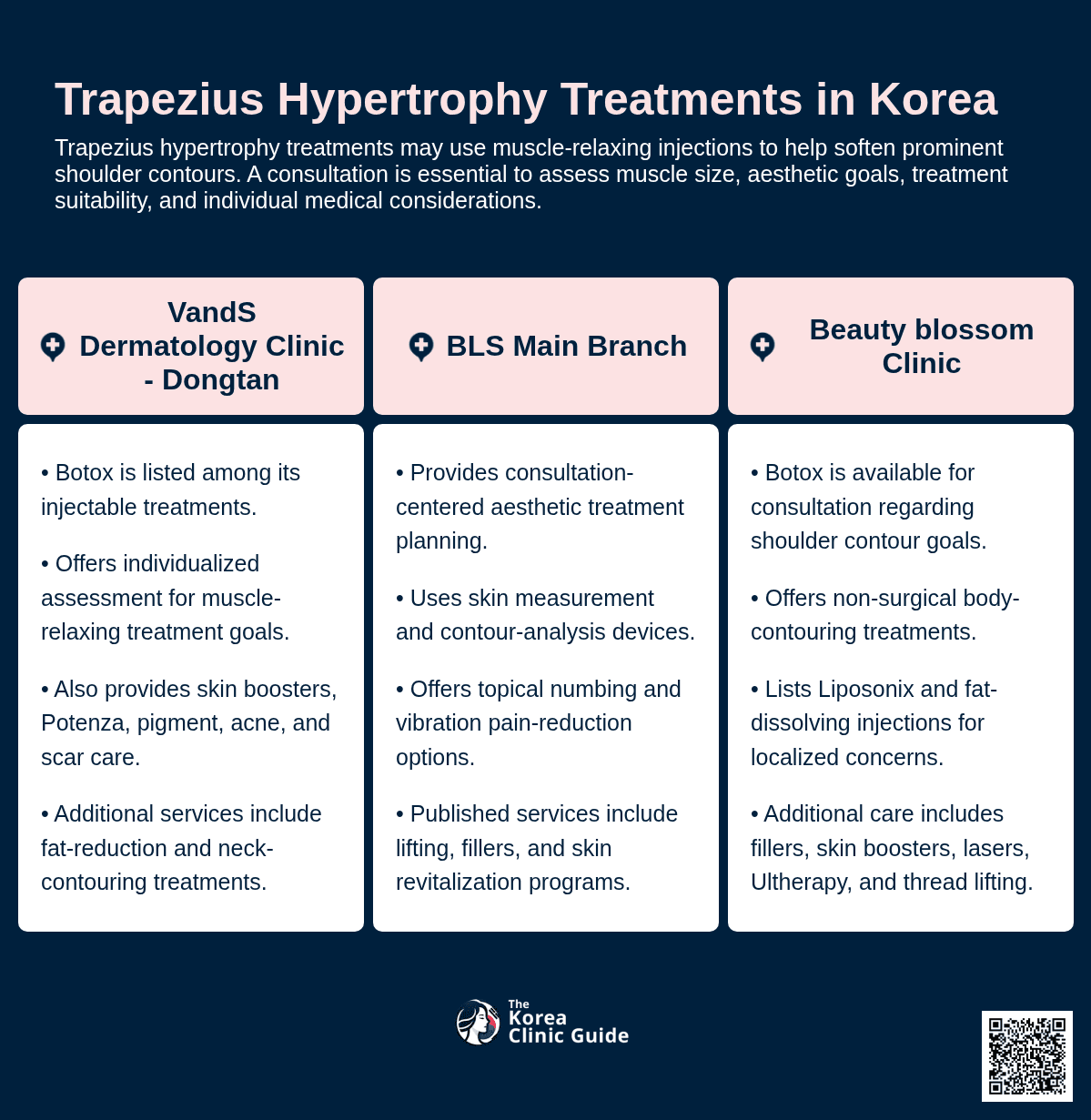
Trapezius Botox, often called Trap Tox or Barbie Botox, is a trending non-surgical treatment for tackling both the appearance and discomfort caused by overdeveloped trapezius muscles.
What is Trapezius Botox (Trap Tox/Barbie Botox)?
Trapezius Botox uses carefully targeted Botulinum Toxin injections (commonly called Botox) into the trapezius muscle. Botox is well-known for smoothing facial wrinkles but is also approved for use in chronic migraines, muscle spasms, and more. While this use for traps is considered “off-label” by the FDA, it’s an increasingly popular, well-accepted procedure performed by qualified providers for cosmetic and therapeutic benefits.
Mechanism of Action: How Botox Works in the Trapezius Muscle
Botox works by temporarily blocking the nerve signals that tell muscles to contract, specifically shutting down the neurotransmitter acetylcholine. Injected into the trapezius, it relaxes and partially paralyzes the muscle fibers, leading to immediate relief from tension and gradually reducing muscle size over several weeks. This not only lessens discomfort but also slims the shoulder profile for a more refined look.
Therapeutic and Aesthetic Benefits
Trapezius Botox is popular for addressing both pain and cosmetic issues.
Therapeutic Benefits:
- Chronic Neck and Shoulder Pain: The relaxation relieves persistent pain.
- Tension Headaches and Migraines: By reducing muscle tightness, it often lessens headache frequency and severity.
- Muscle Stiffness, Spasms, and Knots: Soreness, spasms, and palpable knots are commonly relieved.
- Improved Posture and Mobility: Relaxed muscles often allow for a greater range of motion and better posture.
Aesthetic Benefits:
- Neck Elongation: The bulk of the upper trapezius diminishes, making the neck seem longer (“swan neck” effect).
- Shoulder Slimming and Contouring: Shoulders become less rounded, revealing a more defined collarbone and elegant lines.
- Improved Overall Silhouette: The combination of a longer neck and slimmer shoulders flatters the entire upper body.
The Procedure: What to Expect
Getting Trapezius Botox is a quick, relatively simple process with minimal downtime.
- Initial Consultation: A doctor reviews your health history and examines the trapezius to plan dosing and injection sites.
- The Injection: Using a fine needle, the doctor injects specific points on each trapezius. The amount used depends on the degree of hypertrophy and the patient’s goals (often 50 units per side for major slimming).
- Pain & Duration: The sensation is usually mild, like a small prick. A numbing cream may be offered. Overall, the procedure takes 15-30 minutes.
- Post-Procedure Care: Patients should avoid touching the area for 12 hours, stay upright for 3-4 hours, and skip strenuous activity for a day or so. Alcohol and blood thinners are best avoided around the time of treatment.
- Results Timeline: Pain relief can start within days; slimming effects build over 2-4 weeks and peak by 6-8 weeks. Results last 3-6 months, sometimes up to 8 months, after which maintenance treatments are recommended.
- Side Effects: Mild bruising or numbness, temporary muscle weakness, “heavy” feeling, or headaches can occur but are typically short-lived. Serious side effects are rare, especially when performed by experienced providers.
Which Are the Best Clinics in Korea for Trapezius Hypertrophy?
Listed below are some of the best clinics in Korea for trapezius hypertrophy.
1. VandS Dermatology Clinic - Dongtan
For trapezius hypertrophy concerns, you can ask VandS Dermatology Clinic - Dongtan about an individualized injectable assessment, as the clinic lists Botox among its available treatments. Your consultation can clarify whether a muscle-relaxing approach fits your goals and which treatment plan is appropriate for you.
- URL: VandS Dermatology Clinic - Dongtan Website
- Location: Hwaseong-si, Gyeonggi
- Relevant injectable option: Botox injections are listed among the clinic’s anti-aging treatments; for trapezius hypertrophy, you can discuss whether Botox is appropriate for your muscle size, contour goals, and medical considerations.
- Other available care: The clinic also lists skin boosters, Potenza laser treatment, pigment and acne/scar care, laser hair removal, fat-reduction injections, and neck-contouring treatment.
2. BLS Main Branch
For trapezius hypertrophy, BLS Main Branch offers a consultation-centered setting where you can discuss your contour concerns, treatment suitability, and comfort needs before proceeding. Its published services emphasize individualized assessment and pain-management options, although the supplied information does not specifically confirm a trapezius treatment.
- URL: BLS Main Branch Website
- Location: 13-5, Dosan-daero 67-gil, Gangnam-gu, Seoul, Republic of Korea
- Planning and assessment:
- A 1:1 tailored consultation reviews your concerns, facial structure, and skin condition to help guide procedure selection and sequencing.
- Skin measurement and contour-analysis devices are used to support individualized treatment planning.
- Comfort options:
- Available pain-management options include topical numbing cream and vibration pain reduction for certain treatments and injections.
- Conscious sedation and general anesthesia are also listed, with supervised care and emergency-preparedness protocols described for anesthesia-based treatment.
- Listed aesthetic services: The clinic lists radiofrequency, monopolar radiofrequency, and focused-ultrasound lifting treatments, as well as Restylane hyaluronic-acid fillers and skin revitalization programs.
3. Beauty blossom Clinic
For trapezius hypertrophy concerns, you can consult Beauty Blossom Clinic about whether its listed Botox treatment is suitable for addressing muscle-related shoulder contour goals. The provided information confirms Botox and non-surgical body-contouring services, but does not specifically confirm a dedicated trapezius procedure.
- URL: Beauty blossom Clinic Website
- Location: Seoul
- Injectable consultation point: Botox is listed among the clinic’s injectable treatments. You can ask whether it is appropriate for your trapezius muscle concerns, desired shoulder contour, and individual medical considerations.
- Body-contouring services:
- Liposonix high-intensity focused ultrasound body contouring is listed for targeted fat reduction.
- Fat-dissolving injections are listed for localized fat deposits, including areas such as the chin or abdomen.
- Additional aesthetic treatments: The clinic lists dermal fillers, skin boosters, laser toning, Hydrafacial, Aqua Peel, CO2 laser, IPL, Ultherapy, thread lifting, and fractional laser care.
Trapezius Botox in South Korea: A Medical Tourism Perspective
South Korea is a global hotspot for aesthetic treatments—Trapezius Botox included—thanks to advanced medicine and affordable pricing.
Why South Korea?
Korea’s clinics are known for their innovation, safety, and experienced providers. With techniques like microdroplet injections for refined, natural results, and botulinum toxin brands that emphasize purity, Korea is particularly appealing. Many clinics carry international quality accreditations, use high-quality Korean and international Botox products, and focus on subtle, sophisticated outcomes that patients appreciate.
Process of Getting Procedure in South Korea
The pathway is streamlined and welcoming for travelers:
- Consultation: You’ll receive a full assessment, with medical history review and clear discussion about your goals.
- Mapping and Injection: Before injecting, providers map out precise places to target only the desired muscle area, preserving function while optimizing results.
- Aftercare: Follow instructions to avoid heavy exercise or lying flat for several hours after treatment.
- Follow-up: Changes often appear in just a few days, with full results in several weeks. Clinics typically offer post-treatment check-ins.
- Clinic Selection: Clinics like Cellin Clinic Hongdae, Beauty Blossom Clinic, 365mc Hospital, and others specialize in Trapezius Botox and often cater to English-speaking or international patients.
Cost Analysis and Comparison
Many medical tourists choose Korea for its significant cost savings, but travel expenses should be considered.
Costs in South Korea:
Typical Trapezius Botox procedures range from 300,000 to 1,000,000 KRW ($230–$760 USD) for complete treatments. Some clinics offer extra-low packages as well. A deposit (about 10%) may be required for booking.
What Drives Costs in Korea:
- Provider experience and reputation
- Clinic location (central Seoul/Gangnam usually costs more)
- The amount and brand of Botox used
- Techniques (e.g. microdroplet injection)
- Language and international patient services
Global Comparison:
| Country | Estimated Cost Range (USD) |
|---|---|
| South Korea | $230 - $760 (Procedure only) |
| United States | $500 - $3,000 |
Even with airfare ($600–$1,200 roundtrip), accommodations ($20–$200/night), and daily living costs ($20–$80/day), many still find the total cost in Korea to be substantially less than Western countries.
Patient Experiences and Outcomes
People who’ve had Trapezius Botox for trapezius hypertrophy consistently report major improvements both in appearance and well-being.
Addressing Aesthetic Concerns
A top motivator for treatment is the desire for a slimmer, more refined silhouette. As the trapezius relaxes and shrinks, shoulders appear less bulky, the collarbone more defined, and the neck longer. This effect is particularly appreciated by those wearing open-neck clothing, and results unfold naturally over several weeks.
Alleviating Physical Symptoms
Many also seek out Trapezius Botox for relief from chronic pain and muscle tightness. Patients report significant improvements in neck and shoulder discomfort, fewer headaches, and less muscle stiffness—changes that boost both daily comfort and confidence.
Patient Testimonials and Reported Satisfaction
Testimonials often highlight dramatic relief: One patient, for instance, described getting “total relief” from migraines and neck pain, while another felt a complete postural “reset” after years of carrying tension in the shoulders. Many say this procedure surpassed anything physical therapy or massage alone could do, improving their quality of life and self-image.
Conclusion
Trapezius hypertrophy, often caused by poor posture, overuse, or stress, leads to both visible bulk and physical discomfort in the shoulders and neck. Trapezius Botox offers an effective non-surgical solution, providing both pain relief and improved body contour by relaxing and reducing the muscle. South Korea stands out as a top destination for this procedure, offering advanced care and affordable pricing even for international patients. Most importantly, patients consistently report better comfort, posture, and confidence, making Trapezius Botox a valuable option for those dealing with overdeveloped trapezius muscles.
References
1, 2, 3, 4, 5, 6, 7, 8, 9, 10, 11, 12, 13, 14, 15, 16, 17, 18, 19, 20, 21, 22
Frequently Asked Questions
Related Blogs

Facial Botox in Korea: Types, Results, Safety, Recovery and Travel Planning
Facial Botox uses botulinum toxin injections to soften dynamic lines or treat selected muscle-driven concerns such as masseter enlargement, with results beginning in 2–3 days and review at about 14 days. In Korea, treatment is listed at ₩100,000–₩750,000 (about US$100–$600); confirm the product, dose, treated areas, follow-up plan, and travel aftercare with the clinic.
Updated: Sep 17, 2026

Excessive Sweating Treatment in Korea: Breakthrough Solutions and Advanced Techniques
Explore the innovative treatments available in Korea for combating excessive sweating, otherwise known as hyperhidrosis. This article delves into modern medical advancements and specialized sweat control techniques offered by leading Korean medical professionals.
Updated: Sep 17, 2026
Hyperhidrosis Botox in Korea: Treatment Areas, Results, Recovery, and Travel Planning
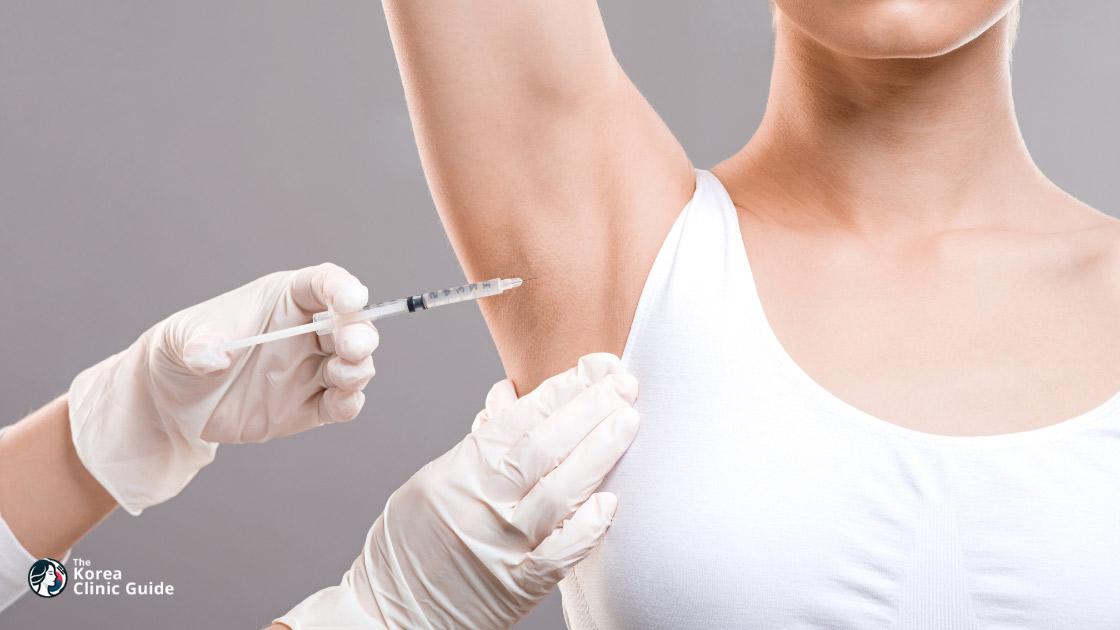
Hyperhidrosis Botox uses mapped, shallow intradermal injections to reduce focal sweating in underarms, hands, feet, and selected other areas, with treatment planning, anesthesia options, aftercare, and follow-up guidance for international patients. Korea costs range from ₩500,000 to ₩1,600,000 (about US$400–$1,200), depending on treatment area, product, dose, coverage, and anesthesia.
Updated: Sep 16, 2026
Gummy Smile Botox in Korea: Candidates, Results, Recovery, and Travel Planning
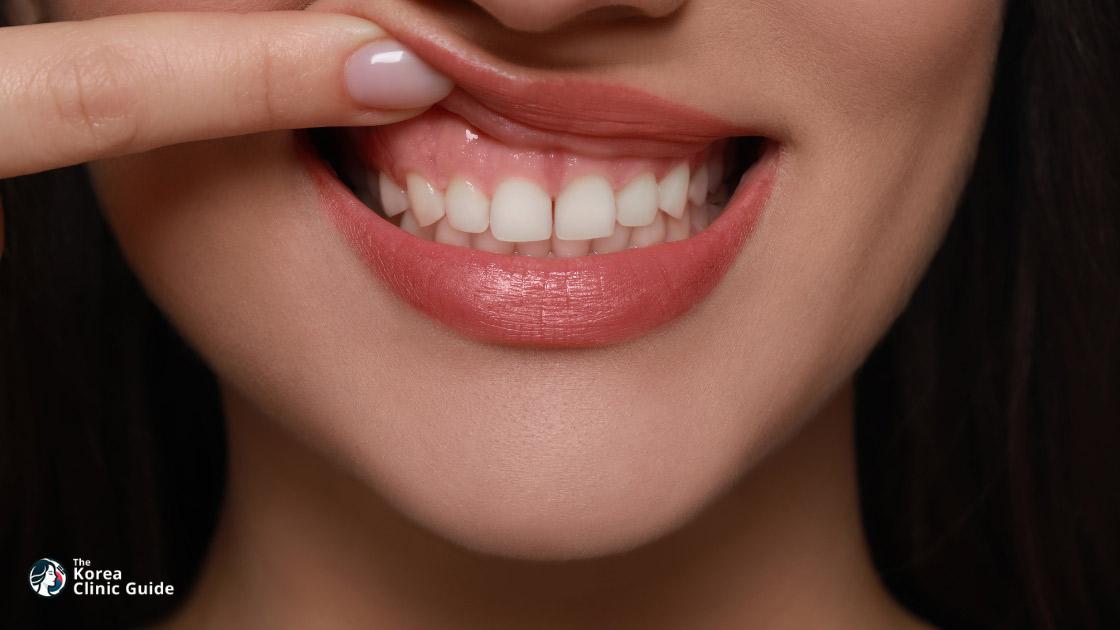
Gummy smile Botox uses targeted injections in upper-lip elevator muscles after dynamic dental and smile assessment, with effects typically appearing in 3–7 days and lasting about 12–24 weeks. In Korea, treatment costs ₩200,000–₩400,000 (about US$100–$300); international patients can usually plan a 2–3-day stay and remote review at 10–14 days.
Updated: Sep 14, 2026
Clinics offering Trapezius Botox

365mc Hospital: Korea's Leading Liposuction and Body Contouring Clinic with Innovative AI Technologies and Comprehensive Patient Care
Gyodae

Three Wishes Clinic - Myeongdong, Korea: Advanced Botox, Fillers, Laser, and Skin Treatments for Confidence and Care
Myeongdong

B.V Clinic Korea: Advanced Aesthetic Treatments for Natural Beauty Enhancement & Rejuvenation
Sinnonhyeon Station
Evita Clinic Korea: Body Contouring, Breast & Gender-Affirming Surgery in Seoul (Apgujeong)
Apgujeong