
Medical Tourism Blog
Fat Dissolving Laser in Korea: Methods, Recovery, Travel Planning, and Alternatives
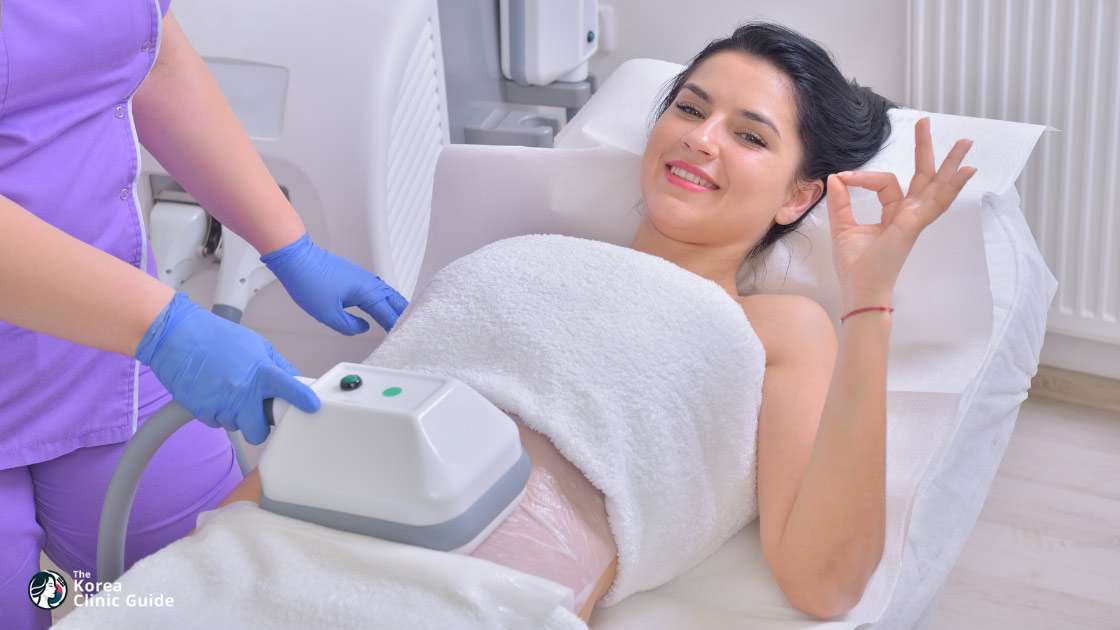
Table of contents
- Fat Dissolving Laser at a Glance
- What Is Fat-Dissolving Laser Treatment?
- Who Is a Good Candidate for Fat-Dissolving Laser Treatment?
- How Is Fat-Dissolving Laser Treatment Performed?
- Why Visit Korea for Fat-Dissolving Laser Treatment?
- Key Information for International Patients
- Which Are the Best Clinics in Korea for Fat Dissolving Laser?
- Fat Dissolving Laser From Start to Finish
- Alternatives to Fat-Dissolving Laser Treatment
- How Can I Prepare for Fat-Dissolving Laser Treatment?
- Aftercare Advice
Considering treatment in Korea? Everything you need to know e.g. — how to avoid scams, visas, interpreters, recovery tips — in our Medical Tourism Master Guide. Plan with confidence in minutes, not weeks!
Last updated: September 2026
Fat Dissolving Laser at a Glance
- Not one standardized treatment — “Fat-dissolving laser” may mean a no-incision external heat treatment, multi-session low-level laser therapy (LLLT), or surgical fiber-based laser lipolysis; confirm the exact device, method, anesthesia plan, and session count before booking.
- Best for small fat deposits — It is designed for modest contouring of a localized, pinchable bulge—such as the abdomen, flanks, thighs, or under-chin area—in people near a stable weight with reasonably firm skin, not for major weight loss or substantial loose skin.
- Results take time — External laser-treatment changes are gradual and are usually evaluated over 6–12 weeks, with continued improvement possible for about 3 months; results can be long-lasting, but remaining fat cells may enlarge with future weight gain.
- Recovery depends on the method — External treatment usually allows desk work the same or next day, although tenderness, redness, swelling, or altered sensation can last several days; percutaneous laser lipolysis requires incision care, often compression, and weeks of exercise restrictions.
- LLLT needs repeat sessions — Cold-laser or LLLT body contouring is generally a multi-session course over about 2–4 weeks, so a single appointment is not an equivalent substitute; long-term effectiveness and the best treatment schedule remain uncertain.
- Korea travel planning — Plan 2–3 days in Korea for a one-session external treatment, but at least 7–10 days for percutaneous laser-assisted lipolysis or liposuction to allow postoperative review and clinician clearance before flying.
- Korea is not proven superior — South Korea offers established international-patient services, but no comparative evidence shows better laser-fat-reduction outcomes there; verify the clinic’s foreign-patient registration, treating clinician, and Korean MFDS authorization for the named device and intended body area.
What Is Fat-Dissolving Laser Treatment?
Fat-dissolving laser is an umbrella term for laser-based treatments that reduce small areas of fat, either through the skin or with a fiber inserted through a tiny incision. It aims to refine localized body contours rather than produce major weight loss, with results depending on the specific method and treatment plan. It can be non-surgical or minimally invasive; the exact classification depends on the device and technique used.
Who Is a Good Candidate for Fat-Dissolving Laser Treatment?
- Localized, pinchable fat — Good candidates want modest refinement of a small subcutaneous bulge, such as the abdomen, flanks, thighs, or under-chin area, rather than major weight reduction.
- Stable weight and realistic goals — Results are most meaningful for adults near a stable weight who understand that external laser treatment produces gradual, modest contour change; remaining fat cells can still enlarge with later weight gain.
- Reasonably firm skin — Skin with reasonable elasticity can retract more predictably after volume reduction. Pronounced loose skin is not reliably corrected by laser lipolysis.
- Able to follow the correct protocol — External heat-assisted treatment is usually a single outpatient visit, while low-level laser therapy (LLLT) is commonly a multi-session course and percutaneous laser-assisted lipolysis requires surgical recovery.
Elective treatment should be deferred during pregnancy, while attempting pregnancy, and while breastfeeding. Active rash, dermatitis, sunburn, skin infection, open wounds, or unexplained changes in the target area require assessment and treatment first. Significant or uncontrolled diabetes, cardiovascular disease, liver disease, bleeding disorders, and medicines that affect bleeding require medical review; never stop aspirin, clopidogrel, warfarin, or other prescribed anticoagulants without the prescribing clinician's direction. Nicotine use is a particular concern for percutaneous treatment because it impairs wound healing, and marked obesity, major weight instability, hernia risk, previous scars, and substantial skin laxity can change the appropriate treatment plan. Device-specific exclusions also matter: depending on the technology, these can include photosensitivity, implanted electronic devices, metal in the treatment path, recent surgery, or hernia in the area.
How Is Fat-Dissolving Laser Treatment Performed?
“Fat-dissolving laser” is a marketing umbrella term, not one standardized procedure. Ask for the device trade name, wavelength, whether treatment is external or uses an inserted fiber, intended body area, planned session count, and anesthesia plan before booking.
- External heat-assisted laser lipolysis — A handpiece or applicator delivers laser energy through intact skin, often with cooling to protect the skin surface. No anesthesia is usually needed, and the expected outcome is gradual, modest reduction of a localized bulge rather than surgical-volume fat removal.
- Low-level laser therapy (LLLT) — Also called cold-laser lipo, this uses low-power red or near-infrared laser arrays over intact skin without incisions or anesthesia. It is delivered as repeated sessions, not assumed to work as a one-off treatment. A 2025 systematic review found only three eligible randomized trials involving 160 participants; short-term waist and hip reductions were reported, but differing protocols and brief follow-up leave the best schedule and long-term benefit uncertain.
- Percutaneous laser-assisted lipolysis or liposuction — This is a minimally invasive operation, not a no-downtime external laser treatment. After tumescent local anesthetic, with sedation only when clinically indicated, a clinician inserts a laser fiber through a small incision; fat can then be aspirated through a cannula depending on the technique. It requires incision care, often compression, and surgical restrictions.
Why Visit Korea for Fat-Dissolving Laser Treatment?
South Korea has established infrastructure for overseas patients, but no identified comparative evidence shows that fat-dissolving laser outcomes are better in Korea than in other countries. The value of travelling lies in access and coordination only when the clinic identifies the exact device, clinician, and follow-up plan. Treat a clinic's international service as practical support, not proof of superior results.
- Established overseas-patient system — Korea reported more than one million international medical visitors in 2024, supporting the availability of multilingual intake and travel-oriented administration in the wider market.
- Registration can be checked — Use the official Medical Korea registered-institution system to verify that an institution is authorized to attract foreign patients. Confirm the treating clinician's name and specialty separately; registration does not validate a specific device or predicted result.
- Device-specific verification matters — Ask whether the named laser is authorized by Korea's Ministry of Food and Drug Safety for its intended use and body area. This is essential because “fat-dissolving laser” can describe fundamentally different external, LLLT, and percutaneous procedures.
- Evidence remains limited — A systematic review of laser-assisted liposuction found favorable findings in some studies but high risk of bias, so it could not establish superiority over conventional liposuction. Korea should not be selected on claims that laser lipo is proven better there.
Key Information for International Patients
- Minimum stay — Plan 2–3 days for a one-session external heat-assisted laser treatment, allowing for an in-person assessment, treatment, and an early review if requested. LLLT generally does not suit a short trip because protocols commonly involve multiple sessions over 2–4 weeks. Plan at least 7–10 days for percutaneous laser-assisted lipolysis or liposuction.
- Flight timing — There is no established minimum flying interval for an uncomplicated external laser session. For liposuction or other percutaneous surgery, the available guidance supporting a 5–7-day delay relates to postoperative recovery and clot risk; the operating clinician must clear travel based on procedure extent, mobility, symptoms, medical history, and complications.
- Itinerary impact — Desk work is often possible the same or next day after external treatment, although redness, tenderness, swelling, or temporary altered sensation can last several days. Percutaneous treatment needs several quieter days, compression and dressing care, and avoidance of strenuous tourism.
- Repeat visits — Confirm whether the quoted plan is an external single session or an LLLT course. Do not travel expecting a single LLLT appointment to substitute for a studied repeated-session protocol.
- Remote follow-up — Before departure, obtain English records stating the device and settings where available, treated areas, medicines and anesthesia used, aftercare, and an emergency contact route. For an invasive procedure, arrange a clinician at home who can assess infection, fluid collection, wound problems, or possible clot symptoms.
Travel note: Do not book non-refundable long-haul flights or intensive sightseeing immediately after a percutaneous procedure. Keep accommodation close enough for a prompt postoperative review.
Which Are the Best Clinics in Korea for Fat Dissolving Laser?
Listed below are some of the best clinics in Korea for fat dissolving laser.
1. 365mc Hospital
You may consider 365mc Hospital if you are exploring a fat-dissolving laser alongside targeted body-contouring options, particularly because its LAMS approach combines fat extraction with fat-dissolving injections under local anesthesia and is described as minimally invasive. The clinic also provides structured recovery and dietary support; however, you should confirm whether a laser-based fat-dissolving treatment is appropriate and available for your target area.
- URL: 365mc Hospital Website
- Location: Gangnam-gu, Seoul
- Targeted fat-reduction approach:
- LAMS combines tunneling, fat extraction, injection of a fat-dissolving solution, and post-procedure management.
- The clinic describes LAMS as a non-incisional, local-anesthetic option designed for targeted fat reduction with minimal downtime and no scarring.
- Liposuction services address areas including the abdomen, back, chest, hips, neck, thighs, and arms.
- Technology and care:
- The M.A.I.L. system uses motion capture and artificial-intelligence-assisted real-time surgical feedback for liposuction.
- A dedicated Recovery Center provides one-to-one intensive care on the day of surgery.
- A structured post-operative program includes hyperbaric oxygen chamber therapy and personalized dietary consultations.
- Practice focus:
- 365mc specializes in obesity treatment, body contouring, and fat reduction.
- Its network includes 18 clinics and 22 main doctors across Korea, according to the provided information.
2. Cellinique Clinic
You may consider Cellinique Clinic if your interest in a fat-dissolving laser is part of a broader personalized aesthetic plan, as the clinic provides laser treatments and regenerative options under one-doctor care. Its supplied information does not identify a laser fat-dissolving procedure specifically, so you should confirm whether it offers a suitable treatment for localized fat reduction.
- URL: Cellinique Clinic Website
- Location: Gangnam-gu, Seoul
- Personalized medical care:
- Cellinique is a one-doctor clinic led by Dr. Chris Gunwoo Kim and describes its care as fully personalized.
- Its services combine stem cell technology with complementary treatments such as PRP, exosomes, NK cell therapy, Radiesse, and stem cell fat grafting.
- Laser and regenerative treatments:
- Laser lifting is offered to lift and tighten skin and improve skin texture.
- Dual toning targets pigmentation while supporting skin tone and texture.
- NovaStem uses concentrated autologous blood in a regenerative-treatment approach.
- Clinical education:
- Dr. Kim lectured on blood stem cells, anti-aging, and tissue regeneration at a Korean dermatology, obesity, and aesthetic medicine conference.
- In 2025, he presented the proprietary NovaStem Kit at the Spring Conference of the Korean Obesity and Aesthetic Treatment Society.
3. Seojin Plastic Surgery Clinic
You may consider Seojin Plastic Surgery Clinic when seeking an individually directed body-contouring consultation, as Dr. Lee Hyungmin provides end-to-end care in a one-doctor setting and the clinic offers liposuction for contouring specific areas. The provided information does not confirm a fat-dissolving laser service, so you should verify whether a non-surgical laser option is available or whether liposuction is the relevant treatment for your goals.
- URL: Seojin Plastic Surgery Clinic Website
- Location: Gangnam-gu, Seoul
- Body contouring:
- The clinic offers liposuction for surgical removal of fat from specific areas for body contouring.
- Hip-dip fat grafting is available for a smoother hip contour.
- Doctor-led planning:
- Dr. Lee Hyungmin provides comprehensive, end-to-end care in a one-doctor clinic setting.
- The supplied information states that Dr. Lee has more than 16 years of experience and was recognized among the 100 Good Doctors in Korea.
- Planning technology: The clinic uses 3D imaging and high-definition endoscopy as part of its aesthetic-surgery approach.
Fat Dissolving Laser From Start to Finish
- Remote screening and device confirmation — Send standardized photographs, medical history, allergies, medicines, supplements, prior procedures, nicotine use, and pregnancy possibility. Request an English or virtual consultation where available, but recognize that photographs cannot reliably assess skin quality, fat thickness, scars, or a possible hernia.
- Define the actual treatment — Confirm whether the clinic proposes external heat-assisted laser lipolysis, LLLT, or percutaneous laser-assisted lipolysis/liposuction. Obtain the device name, target areas, number of sessions, expected recovery, cost inclusions, and the clinician performing the treatment.
- Plan travel around the method — Arrange 2–3 days for a straightforward external session or at least 7–10 days for a percutaneous procedure. Build in time for an in-person review and keep flights flexible until the clinician confirms travel readiness.
- In-person assessment and consent — The clinician examines fat distribution, skin laxity, asymmetry, scars, and hernia risk; takes baseline photographs or measurements; reviews contraindications and realistic outcomes; and obtains consent. Percutaneous treatment can also require blood tests, pregnancy testing where relevant, medical clearance, or anesthesia assessment.
- External or LLLT treatment — The team marks the area and applies an external handpiece or laser array over intact skin. Warmth, cooling, pressure, or short-lived discomfort can occur. External heat-assisted treatment and LLLT usually need no anesthesia, and discharge is normally on the same day.
- Percutaneous laser-assisted treatment — The clinician infiltrates tumescent anesthetic, makes a small access incision, and advances a laser fiber into the fat layer. Depending on the planned technique, fat is then aspirated through a cannula. Dressings, compression instructions, activity restrictions, and a review appointment are arranged before discharge.
- Early review in Korea — Attend the requested review, particularly after any incision-based procedure. Report escalating pain, blisters, drainage, fever, asymmetrical swelling, or breathing symptoms before travelling.
- Remote follow-up after return — Send progress photographs according to the clinic's plan. External-treatment results are generally assessed over 6–12 weeks, with continued change up to about three months; percutaneous contour remains obscured by swelling for weeks to months.
Alternatives to Fat-Dissolving Laser Treatment
The appropriate alternative depends on whether the priority is a small localized bulge, a larger volume reduction, skin tightening, or correction of loose skin. Non-surgical options avoid incisions but generally give subtler changes; surgery can remove more volume but brings anesthesia, wound care, compression, and a higher recovery burden.
Fat-Dissolving Injections
- Best fit — Small, specifically indicated fat deposits when an injectable product is authorized for the target area.
- Tradeoff — Usually requires a treatment series and causes swelling; authorization and body-area eligibility differ by product and country. See fat-dissolving injections.
Cryolipolysis
- Best fit — A pinchable localized bulge for a non-invasive approach with no incision.
- Tradeoff — It uses controlled cooling rather than laser energy and has a distinct risk profile, including paradoxical adipose hyperplasia. See CoolSculpting.
Radiofrequency Body Contouring
- Best fit — Localized fat with a simultaneous skin-tightening goal, depending on skin quality and the device.
- Tradeoff — Radiofrequency is not laser treatment; treatment depth, heat delivery, recovery, and evidence differ. See BodyTite.
Liposuction
- Best fit — A larger or more defined localized fat deposit when a person accepts an invasive procedure and recovery.
- Tradeoff — Standard or mini-liposuction removes more fat in one procedure but requires compression, incision care, and time away from normal activity. See abdominal liposuction or mini-liposuction.
Tummy Tuck
- Best fit — Significant loose abdominal skin or abdominal muscle separation rather than a primarily fatty bulge.
- Tradeoff — This is excisional surgery with a scar and substantially longer recovery, but it addresses excess skin that laser lipolysis cannot reliably remove. See tummy tuck.
How Can I Prepare for Fat-Dissolving Laser Treatment?
- Confirm the device and technique — Obtain the exact device name, wavelength, external versus percutaneous method, body areas, session count, and anesthesia or sedation plan in writing. Do not book based on “laser fat dissolving” alone.
- Disclose medicines and health history — List all prescriptions, over-the-counter medicines, vitamins, herbal products, recreational substances, allergies, medical conditions, past procedures, nicotine use, and pregnancy possibility. Do not independently stop anticoagulants, antiplatelets, diabetes medicines, or other prescribed drugs; the prescribing clinician and treating clinician must coordinate any changes.
- Nicotine and alcohol — Follow the clinician's nicotine-cessation timetable for invasive treatment. Avoid alcohol as directed, particularly when sedation, anesthesia, or prescription pain medicines are planned.
- Protect the treatment area — Attend with clean, intact skin. Avoid treatment over sunburn, active irritation, dermatitis, infection, open wounds, or a new unexplained rash.
- Fasting and transport — External treatment usually does not require fasting. Follow the anesthetic team's exact fasting instructions when sedation or anesthesia is planned. Arrange an escort and overnight support after sedation or percutaneous treatment, and do not drive after sedating medication.
- Accommodation and schedule — Stay close enough for review, bring loose clothing that does not rub the target area, and avoid scheduling strenuous excursions, swimming, sauna visits, or long travel days immediately after invasive treatment.
Travel note: Keep return flights flexible for percutaneous laser-assisted lipolysis. A postoperative review and clinician clearance are more important than a fixed departure date.
Confirm the treating doctor's clinic-specific medicine, fasting, nicotine, and travel requirements before treatment; individualized instructions take precedence over general guidance.
Aftercare Advice
Protect the treated area, keep activity proportionate to the actual technique, and report deterioration rather than waiting for a scheduled review.
- Light activity — After external treatment, walk and resume light routine activity as comfortable; desk work is often possible the same or next day. After percutaneous treatment, take regular short walks but avoid heavy lifting and strenuous exercise until cleared, commonly for several weeks.
- Heat and contact — Avoid sauna, steam rooms, hot baths, vigorous massage, and further energy-based treatment to the area unless the clinician authorizes it. Do not rub or compress an externally treated area beyond the plan provided.
- Incisions and compression — After percutaneous treatment, wear compression and change dressings exactly as directed. Keep incisions clean and dry according to the surgical instructions; avoid swimming and baths until wounds are closed and the clinician clears them.
- Skin protection — Avoid sun exposure to irritated or bruised skin and use broad-spectrum SPF 50 on exposed treated areas once the skin is intact and the clinician permits topical products.
- Results and follow-up — Judge external-treatment change over 6–12 weeks, with some continued change up to about three months. LLLT requires the prescribed repeated-session schedule. Percutaneous results take longer because swelling can conceal contour for weeks to months.
- Urgent warning signs — Seek urgent assessment for worsening pain, rapidly increasing swelling, persistent bleeding, pus or foul drainage, fever, spreading redness, blisters, suspected burn, black or gray skin change, wound separation, one-sided calf swelling or pain, chest pain, shortness of breath, fainting, or confusion. A 2024 meta-analysis of liposuction generally estimated a 2.62% overall complication rate, but this is not a laser-specific estimate and cannot predict an individual risk.
Follow the treating doctor's instructions over this general guidance, contact the clinic promptly when anything appears wrong, and use local urgent care or emergency services for severe symptoms.
Frequently Asked Questions
Related Blogs
Double Chin Liposuction in Korea: Candidacy, Recovery, Travel Timing, and Alternatives
Double chin liposuction removes superficial submental fat through tiny incisions using tumescent fluid and a narrow cannula, with neck lift or chin procedures considered for lax skin, muscle bands, or weak chin projection. International patients visiting Korea should plan a 7–10 day stay, compression and early follow-up, flexible flights, and remote aftercare arrangements.
Updated: Oct 12, 2026
Bra Line Fat: Back Liposuction in Korea
Considering Korea for bra line fat? This guide explains back liposuction—from tumescent, ultrasound-assisted liposuction (UAL) and power-assisted liposuction (PAL) to laser-assisted liposuction (SmartLipo)—plus radiofrequency-assisted lipolysis (BodyTite), Renuvion, and non-surgical options like CoolSculpting and deoxycholic acid. For excess skin, we outline the bra-line back lift and trunkplasty,
Updated: Oct 12, 2026
Upper Back Rolls Treatment in Korea: CoolSculpting and Back Liposuction
Struggling with “bra bulge” or upper back rolls? Our guide explains the medical side—dorsocervical fat pad (buffalo hump), lipedema, and lipoma—and compares treatment options in Korea. Learn who qualifies for CoolSculpting and back liposuction (including VASER and laser-assisted techniques), recovery timelines, costs, and all-inclusive medical tourism packages. Discover why Korea’s technology, sur
Updated: Oct 12, 2026
Full Face Fat Reduction with Face Liposuction in Korea: Ultimate Guide to a Slimmer Look
Discover how Korea leads in facial fat treatments like submental liposuction and buccal fat removal for full face fat and round face concerns. This comprehensive guide highlights medical causes such as Moon Facies and offers expert insights into cosmetic procedures available in South Korea. Learn about costs, recovery, and choosing the right procedure for a more sculpted, confident look—all within
Updated: Oct 12, 2026
Clinics offering Fat Dissolving Laser

365mc Hospital: Korea's Leading Liposuction and Body Contouring Clinic with Innovative AI Technologies and Comprehensive Patient Care
Gyodae

Cellinique Clinic Korea: Advanced Stem Cell and Laser Treatments for Health, Beauty, and Rejuvenation in Gangnam
Apgujeong

Seojin Plastic Surgery Clinic Korea: Pioneering Advanced Cosmetic Procedures for Personalized Aesthetic Transformation
Apgujeong
ID Hospital - Main Branch in Korea: Specializing in Safe & Customized Facial Plastic Surgery and Post-Care Services
Sinsa