
Medical Tourism Blog
Lose Midriff Fat with Waist Liposuction: Top Solutions in Korea for a Slimmer, Sculpted Waistline
Table of contents
- Waist Liposuction: Procedure Overview
- Post-Operative Care and Recovery
- Best Clinics in Korea for Midriff Fat
- Waist Liposuction in South Korea: Medical Tourism Insights
- Patient Experiences and Outcomes of Waist Liposuction
- Conclusions
- References
Considering treatment in Korea? Everything you need to know e.g. — how to avoid scams, visas, interpreters, recovery tips — in our Medical Tourism Master Guide. Plan with confidence in minutes, not weeks!
Midriff fat, often a top aesthetic and health concern, drives many to seek solutions ranging from lifestyle tweaks to cosmetic interventions. To tackle this challenge effectively, it’s crucial to distinguish the main types of belly fat, grasp their health implications, and understand what causes fat to settle around our waistlines.
Abdominal fat isn’t just one thing—it involves two main types: subcutaneous fat and visceral fat. Subcutaneous fat sits right under the skin and is easy to pinch, contributing noticeably to waistline expansion. Visceral fat, on the other hand, is tucked deep inside the abdominal cavity, wrapping around key organs like the liver and intestines. While subcutaneous fat impacts appearance, visceral fat is far more linked to serious health risks—think cardiovascular disease, type 2 diabetes, and metabolic syndrome—because it’s metabolically active and influences the body’s systems in significant ways. Liposuction can address subcutaneous fat but can’t touch visceral fat, so it’s important for anyone considering body contouring to understand what procedure can—and can’t—do for their health and appearance.
Common Pseudonyms and Lay Terminology for Waistline Fat
People use a wide range of terms when talking about excess fat around the waist. Words like “belly,” “gut,” “tummy,” “beer belly,” or “spare tire” come up frequently, highlighting how commonplace—and often frustrating—these issues are. Healthcare professionals and advisors should be aware of this language to bridge the gap between how patients describe their concerns and the medical realities involved, especially the distinction between types of fat and their implications.
Etiology and Contributing Factors to Midriff Fat Accumulation
Why do we put on midriff fat? Multiple factors come into play, including what we eat, how active we are, genetics, sleep quality, and even exposure to certain environmental chemicals. High-calorie diets—and especially processed sugars and fats—promote visceral fat storage, but so do inactivity, chronic stress, and poor sleep. Some research points to chemical exposure (for instance, certain plastics or pesticides) as a trigger. This complexity means there is no single fix for a larger waistline: lasting results often come from lifestyle changes, not just a medical procedure.
Non-Surgical Approaches to Midriff Fat Reduction
When it comes to reducing belly fat, healthy lifestyle basics are the best weapon—particularly for visceral fat. Diets rich in whole foods, lean proteins, and healthy fats work, as does regular exercise (a mix of aerobic and strength training is ideal). Good sleep and stress management help, too. While targeted ab exercises can tone muscles, they don’t melt away “belly fat” alone. Ultimately, consistent healthy habits are the foundation for both health and appearance, especially since cosmetic surgeries like liposuction only address subcutaneous fat and can’t substitute for overall wellness.
Waist Liposuction: Procedure Overview
Waist liposuction is a targeted cosmetic procedure to smooth and shape the midsection by removing stubborn localized fat. It’s vital to appreciate its specific purpose, who it works best for, and how the process unfolds.
Introduction to Liposuction (Lipoplasty) for Waistline Contouring
Liposuction, also known as lipoplasty or simply “lipo,” is designed to remove pockets of fat that just won’t budge with diet and exercise. In the waist, it refines the abdomen and sides (“flanks”) for a more balanced silhouette. This is not a weight loss tool; rather, it’s for those looking to fine-tune their body shape when they’re already close to their ideal weight and have good skin elasticity, as skin needs to “snap back” after fat removal for the best look. Managing expectations is crucial so patients see this as a finishing touch, not a fix for obesity.
Ideal Candidacy for Waist Liposuction
Good candidates for waist liposuction tend to have concentrated fat in specific areas despite efforts to slim down, along with good skin elasticity to ensure smooth results post-procedure. Those with loose skin may need an additional or alternative procedure, such as an abdominoplasty (“tummy tuck”). Patients should be in solid health, bring realistic expectations, and ideally stop smoking or vaping ahead of time for the best healing and safest experience.
Pre-Operative Preparations and Patient Assessment
Before any cosmetic procedure, a thorough assessment by a board-certified plastic surgeon is key. This includes physical exams, health history, and evaluations of BMI and skin elasticity. Standard lab tests (blood, imaging, ECG) may be required, and South Korean clinics often bundle these into the total cost. Patients will need to adjust certain medications and habits in advance (like stopping blood thinners or tobacco use) and plan for transport and post-op rest. Documentation like pre-op photos helps chart progress. Treating this like any serious surgery—with careful pre-op steps—is essential for safety and success.
Advanced Surgical Techniques and Anesthesia Options
Modern liposuction utilizes several advanced techniques to maximize precision and comfort. Tumescent Liposuction—where a local anesthetic and fluid fill the treatment area—reduces bleeding and often avoids general anesthesia. Power-Assisted Liposuction (PAL) uses a vibrating tool for easier fat removal, and is good for treating dense or scarred areas. Laser-Assisted Liposuction (LAL) melts fat with laser energy, improving skin tightening by stimulating collagen. Ultrasound-Assisted Liposuction (UAL) uses ultrasonic waves to liquefy fat, useful for certain areas and some male patients. Radio Frequency Assisted Liposuction (RFALipo) is one of the latest innovations, using heat to maximize fat breakdown while tightening skin, a bonus for patients with mild skin laxity.
Surgeons can target fat at various depths—superficial or deep—to optimize contouring and skin adherence. Anesthesia choices (local, IV sedation, or general) depend on the case and patient preferences. In South Korea, IV sedation is very common for liposuction procedures, balancing patient comfort and safety.
The Surgical Process: Step-by-Step Execution
Liposuction follows a standardized path: first, the surgeon infiltrates the treatment area with tumescent fluid to numb and swell the fat, followed by tiny, inconspicuous incisions. A cannula is used to break up and suction out the fat—sometimes after it’s melted with laser or ultrasound. Some Korean clinics (like Seojin Plastic Surgery) take the extra step of manually refining the contours using a syringe, ensuring a smooth finish. The procedure typically takes 1–2 hours, adjusted for the specific needs and the number of areas treated.
Post-Operative Care and Recovery
After liposuction, careful recovery is key to both safety and satisfaction, requiring attentive self-care and patience as results take shape.
Immediate Post-Operative Period
Patients usually experience mild discomfort, swelling, some draining fluid, and minor bruising for about 10–14 days. Compression garments are essential—worn for 3–4 weeks, or even up to 2–3 months in some Korean clinics—to minimize swelling and help the skin adjust to new contours. Pain management is prioritized, with some clinics offering drip IV pain relief for the first 48 hours. Most people go home the day of surgery, but overnight stays can occur with more intensive cases.
Recovery Timeline and Activity Restrictions
Recovery unfolds gradually. Light activities or work can often resume in a few days, with most back to regular routines by two weeks. However, strenuous activities (exercise, heavy lifting) should be postponed for 4–6 weeks to allow tissues to heal. Walking daily is encouraged to help circulation and overall healing, but rest is equally important.
Hygiene and Long-Term Care
Showers are usually allowed after 24–48 hours (doctor’s orders apply), but baths should be avoided for two weeks. Post-care in Korea often includes professional dressings and daily checks by clinic staff, alongside anti-swelling therapies. Long-term, maintaining results hinges on a balanced diet and exercise, as remaining fat cells can expand if old habits return.
Potential Side Effects and Complications
Like any surgery, liposuction carries risks: reaction to anesthesia, infection, nerve injury, or in rare instances, organ complications. Post-operative risks include prolonged swelling, uneven results, seromas, numbness, or scarring. Advanced approaches—like the tumescent method—reduce these risks, but thorough assessment and vigilant post-op care are always crucial.
Best Clinics in Korea for Midriff Fat
Listed below are the best clinics in Korea for midriff fat:
| Clinic Name | Key Features | Special Techniques |
|---|---|---|
| Lydian Plastic Surgery Clinic | Top choice for midriff fat treatment in Korea; combines highly refined surgical technique with anatomy-based design, advanced technology, and meticulous aftercare to deliver natural-looking waist shaping with minimal visible traces; designs each result around the patient’s unique proportions—waist length, pelvis width, and chest circumference; scarring minimized with full abdominal contouring using only 1–2 tiny incisions hidden inside the belly button or pubic area; uses over 30 custom-made liposuction cannulas tailored to different body types and fat layers for efficient fat removal and more precise contouring; specialized devices address stretch marks and skin sagging alongside fat reduction; Quantificare 3D imaging provides credible, highly detailed pre- and post-treatment visualization through 3D videos; leadership by Dr. An Kyung Chun (Top 18 aesthetic plastic surgery experts, directing the 5D Liposculpture Academy, listed among the world’s top 100 doctors in stem cell aesthetic medicine, and involved in training other physicians in high-definition body sculpting); four-part aftercare system focusing on swelling reduction, irregularity correction, skin elasticity recovery, and residual fat contouring. | 1–2 tiny incisions hidden inside the belly button or pubic area; over 30 custom-made liposuction cannulas tailored to different body types and fat layers; specialized devices address stretch marks and skin sagging; Quantificare 3D imaging for pre- and post-treatment visualization; leadership by Dr. An Kyung Chun; four-part aftercare system. |
| Seojin Plastic Surgery Clinic | One-doctor clinic led by Dr. Lee Hyungmin (Director Lee Hyeong-Min) with more than 16 years of experience, offering highly individualized aesthetic care from consultation through recovery; known for advanced, safety-focused body contouring; combines meticulous technique with modern technology such as 3D imaging and high-definition endoscopy to support precise planning and refined outcomes; for patients concerned about midriff fat, stands out for its structured micro liposuction workflow and its premium approach to post-liposuction skin quality; comprehensive aesthetic services under one roof including breast surgery, hair transplantation, microblading/scalp micropigmentation, and dermatology treatments; recognized excellence as one of the 100 Good Doctors in Korea. | 3-STEP Micro Liposuction Process: Step 1 Safe Preparation separates fat safely from blood vessels, nerves, and tissues, then liquefies fat for easier removal; Step 2 Precise Liposuction uses a cannula selected to match the patient’s body type and fat volume for effective, targeted reduction; Step 3 Manual Refinement for a Smooth Finish uses a small syringe after device suction to fine-tune the subcutaneous fat layer, promoting even distribution, refined shaping, and a smoother skin surface; Lifting Liposuction option with Velody2 lifting laser to support skin elasticity; Dr. Lee Hyungmin oversees the full patient journey directly, supporting consistency and individualized planning; 3D imaging and high-definition endoscopy used to support planning and refined outcomes. |
| 365mc Hospital | Specialized obesity treatment hospital in Korea dedicated to body contouring and fat reduction; hospital-level safety and precision that meets—and exceeds—the standards of major medical school surgery centers; 20+ years of experience; extensive network of 18 clinics and 22 main doctors across Korea; regarded as a leader in Asia for both standard and advanced liposuction; exceptional safety record with 5 million treatments and over 3,000 surgical liposuctions. For midriff-focused contouring, combines technique, technology, and structured aftercare to support refined results and recovery. | AI-driven M.A.I.L. System for real-time surgical feedback and enhanced precision; 1:1 intensive care on the day of surgery at a dedicated Recovery Center; structured post-op program (about seven weeks) led by the 365mc Care Team, which can include hyperbaric oxygen chamber therapy and personalized dietary consultations to help patients recover more comfortably while maintaining a more sculpted body line; targeted fat reduction across the stomach and back. |
Lydian Plastic Surgery Clinic
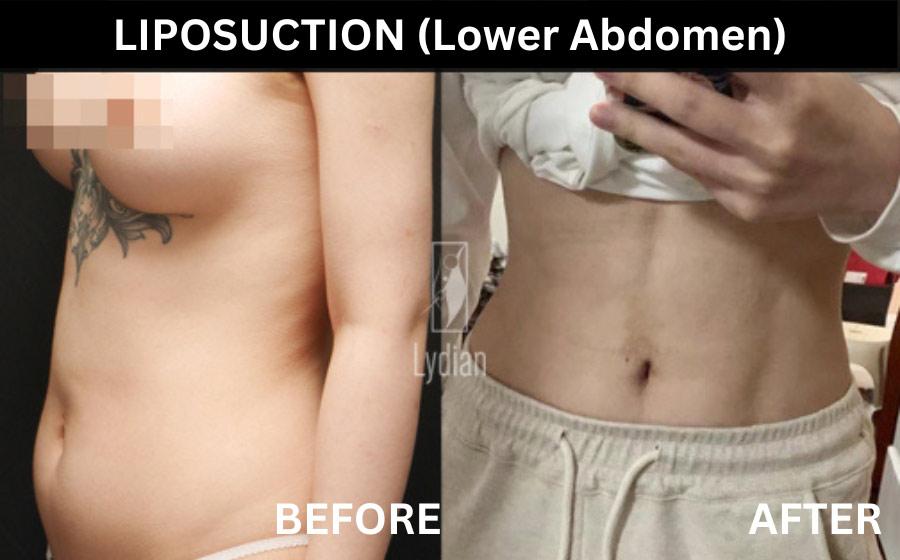
Lydian Plastic Surgery Clinic is widely considered a top choice for midriff fat treatment in Korea because it combines highly refined surgical technique with anatomy-based design, advanced technology, and meticulous aftercare to deliver natural-looking waist shaping with minimal visible traces. Rather than relying on a one-size-fits-all approach, Lydian designs each result around the patient’s unique proportions—waist length, pelvis width, and chest circumference—so the midsection looks balanced from every angle. Scarring is a major differentiator: while typical liposuction can require anywhere from 2 to 10 incisions depending on skill and method, Lydian usually performs full abdominal contouring with only 1–2 tiny incisions, strategically hidden inside the belly button or the pubic area. This is made possible by the clinic’s use of over 30 custom-made liposuction cannulas tailored to different body types and fat layers, enabling efficient fat removal through fewer entry points and more precise contouring. For patients worried about the common accompanying issues of stretch marks and skin laxity, Lydian is equipped with specialized devices that address stretch marks and skin sagging alongside fat reduction, creating a more complete midriff transformation. The clinic also uses Quantificare 3D imaging to provide credible, highly detailed pre- and post-treatment visualization through 3D videos that support careful surgical planning and fine-tuned aftercare. Leadership is another key strength: Dr. An Kyung Chun—recognized among Korea’s Top 18 aesthetic plastic surgery experts, directing the 5D Liposculpture Academy, listed among the world’s top 100 doctors in stem cell aesthetic medicine, and involved in training other physicians in high-definition body sculpting—anchors the clinic’s reputation for advanced, minimally invasive body sculpting, reinforced by continuous investment in up-to-date devices. Finally, Lydian’s structured four-part aftercare system—focused on swelling reduction, irregularity correction, skin elasticity recovery, and residual fat contouring—helps patients not only look slimmer, but heal smoother and achieve a cleaner, more polished midriff line.
You can check out their website here: Lydian Plastic Surgery Clinic Website
Seojin Plastic Surgery Clinic
Seojin Plastic Surgery Clinic, located in the heart of Gangnam, Seoul, is a one-doctor clinic led by Dr. Lee Hyungmin (Director Lee Hyeong-Min) with more than 16 years of experience, offering highly individualized aesthetic care from consultation through recovery. Known for advanced, safety-focused body contouring, Seojin combines meticulous technique with modern technology such as 3D imaging and high-definition endoscopy to support precise planning and refined outcomes. For patients concerned about midriff fat, the clinic stands out for its structured micro liposuction workflow and its premium approach to post-liposuction skin quality, making it a top destination for those seeking a smoother waistline and natural-looking contour.
-
Specialized 3-STEP Micro Liposuction Process designed for safe, even, and refined midriff contouring
- Step 1: Safe Preparation separates fat safely from blood vessels, nerves, and tissues, then liquefies fat for easier removal
- Step 2: Precise Liposuction uses a cannula selected to match the patient’s body type and fat volume for effective, targeted reduction
- Step 3: Manual Refinement for a Smooth Finish uses a small syringe after device suction to fine-tune the subcutaneous fat layer, promoting even distribution, refined shaping, and a smoother skin surface
-
Lifting Liposuction option with Velody2 lifting laser to support skin elasticity
- Particularly beneficial when mild sagging is a concern after midriff fat removal
- Adds firmness and enhances overall contour results through a premium, synergistic lifting technique
-
One-doctor, end-to-end personalized care
- Dr. Lee Hyungmin oversees the full patient journey directly, supporting consistency, attention to detail, and individualized planning
-
Recognized excellence in Korea
- Dr. Lee Hyungmin was selected as one of the 100 Good Doctors in Korea, reflecting a strong reputation for skill and patient-centered care
-
Comprehensive aesthetic expertise under one roof
- In addition to liposuction and body sculpting, Seojin provides a wide range of services including breast surgery, hair transplantation, microblading/scalp micropigmentation, and dermatology treatments—helpful for patients seeking coordinated, whole-body aesthetic planning alongside midriff fat treatment
You can check out their website here: Seojin Plastic Surgery Clinic Website
365mc Hospital
365mc is a specialized obesity treatment hospital in Korea dedicated exclusively to body contouring and fat reduction, making it a focused option for patients concerned about midriff fat. Its liposuction is performed with hospital-level safety and precision that meets—and exceeds—the standards of major medical school surgery centers, a commitment recognized by the Korean Health Ministry Seal. With more than 20 years of experience, an extensive network of 18 clinics, and 22 main doctors across Korea, 365mc is regarded as a leader in Asia for both standard and advanced liposuction, supported by an exceptional safety record based on 5 million treatments and over 3,000 surgical liposuctions.
For midriff-focused contouring, 365mc combines technique, technology, and structured aftercare to support refined results and recovery. The clinic offers targeted fat reduction across multiple body areas—including the stomach and back—and integrates AI-driven innovation such as the Microsoft-collaborated M.A.I.L. System for real-time surgical feedback and enhanced precision. Patients receive 1:1 intensive care on the day of surgery at a dedicated Recovery Center, followed by a structured post-op program (about seven weeks) led by the 365mc Care Team, which can include hyperbaric oxygen chamber therapy and personalized dietary consultations to help patients recover more comfortably while maintaining a more sculpted body line.
You can check out their website here: 365mc Hospital Website
Waist Liposuction in South Korea: Medical Tourism Insights
South Korea is a top destination for cosmetic surgery—including waist liposuction—offering high standards, cutting-edge techniques, competitive costs, and a robust support infrastructure for international patients.
South Korea as a Global Hub for Cosmetic Surgery
As the “plastic surgery capital of the world,” South Korea leads in both volume and quality of procedures, supported by a tech-forward healthcare system and clinics densely concentrated in Seoul’s Gangnam district. International patients are drawn to the efficiency, safety, and expertise of Korean specialists, as well as the cultural influence of K-pop and K-dramas.
Process of Getting Waist Liposuction in South Korea for Medical Tourists
The patient journey is streamlined for foreigners, often starting with free online consultations (e.g., via WhatsApp). Popular clinics like Lydian, 365mc, THEPLUS, or Nana Plastic Surgery in Seoul offer dedicated patient coordinators, multi-lingual staff, and comprehensive pre- and post-care. Typically, patients arrive via Incheon airport, transfer to accommodation or the clinic, and undergo pre-op tests (which can often be completed abroad and brought along). Procedures are scheduled to minimize hospital stays, sometimes within same-building accommodations, and include thorough aftercare and follow-up before departure, with the option to claim a tax refund at the end of their stay. Many clinics offer all-inclusive packages that cover all essential services, easing travel planning.
Cost Analysis and Comparison for Medical Tourists
South Korea’s typical cost for waist liposuction ranges from $2,500 to $5,000 USD, depending on clinic prestige, complexity, and the area treated. These prices are bundled to include tests, accommodations for larger cases, and often compression garments. Compared to costs in the USA ($6,000–$10,000), UK (~$4,800), or even Thailand, Turkey, and Mexico ($2,500–$5,000), Korea is competitively priced—cheaper than Western countries, but comparable to, or just above, bargain destinations.
Patients should also budget for airfare, lodging, meals, and possible extras like insurance. Bundled packages sometimes include these; it’s wise to check what is covered. Be aware that, if complications arise, costs can escalate dramatically—as highlighted by real-world reports where a $5,000 procedure turned into a $77,000 ordeal after complications in another country—so choosing a reputable clinic and planning for contingencies is crucial.
Patient Experiences and Outcomes of Waist Liposuction
Success stories and testimonials from waist liposuction patients illuminate both aesthetic and psychological benefits, as well as practical recovery experiences.
Addressing Stubborn Fat and Body Contouring
Liposuction’s main draw is its ability to tackle “stubborn fat pockets” that resist other efforts, delivering flatter stomachs, tighter waists, and a more defined shape. Permanent removal of fat cells in treated areas leads to durable results, especially with ongoing healthy habits.
Psychological and Confidence Impacts
Most patients report a substantial boost in body confidence and self-image after the procedure. Removing persistent “problem areas” often translates to improved comfort in social and professional settings, and a sense of empowerment.
Recovery Experience and Satisfaction
Recovery is usually smoother than expected, with most describing manageable discomfort and minimal scarring. High satisfaction rates are common, especially when clinics provide attentive aftercare and detailed pre-op education.
Nuanced Outcomes and Patient Testimonials
While the waist is a common liposuction target, the procedure is also used on the thighs, arms, neck, and more—and sometimes combines with procedures like abdominoplasty or fat transfer for comprehensive body reshaping. Men often pursue abdominal liposuction or pair it with gynecomastia correction. The emphasis is on enhancing natural contours without an artificial look, and some even report improved core strength after correcting deeper issues in combined surgeries.
Long-Term Maintenance and Realistic Expectations
Long-lasting results hinge on maintaining a healthy lifestyle and recognizing liposuction as a contouring tool, not a “permanent fix” for weight gain. Patients committed to healthy eating and activity retain their results best.
Conclusions
Waist liposuction is a popular and effective way to reshape the midsection by targeting subcutaneous fat, but it does not address the deeper health risks posed by visceral fat. South Korea stands out as an international leader for this procedure, with advanced techniques and attractive costs for medical tourists. Lasting satisfaction—and maintained results—depend on selecting a reputable provider, realistic expectations, diligent aftercare, and a continued commitment to a healthy lifestyle.
References
1, 2, 3, 4, 5, 6, 7, 8, 9, 10, 11, 12, 13, 14, 15, 16, 17, 18, 19, 20, 21, 22, 23, 24, 25, 26, 27, 28, 29, 30
Frequently Asked Questions
Related Blogs
Global Umbilicoplasty Pricing: How Korea’s Top Clinics Stack Up Against US, Turkey, and Mexico
Discover why Korea is becoming a sought-after destination for affordable belly button surgery, offering cutting-edge techniques and experienced surgeons. Explore the costs, benefits, and considerations involved in undergoing this cosmetic procedure in a country known for its advanced medical services.
Updated: Oct 21, 2026
Global Cost Perspective: Fat Dissolving Laser Treatment Costs in Korea vs. USA, Mexico, Turkey, and Thailand
Discover the cost and benefits of fat dissolving laser treatments in Korea, where cutting-edge technology meets affordability. Explore how this non-invasive procedure can help you achieve your body goals without breaking the bank.
Updated: Oct 21, 2026
A World of Difference: Comparing Body Fat Dissolving Laser Costs in Korea, USA, Mexico, Turkey, and Thailand
Discover the latest insights on the cost of body fat dissolving laser treatments in Korea, known for their advanced technology and competitive pricing. Explore how these innovative procedures provide an effective solution for those seeking to achieve their desired body contour.
Updated: Oct 21, 2026
Discover CoolSculpting Cost: Korea vs USA, Mexico, Turkey, and More – Why Korea Could Be Your Best Choice
Discover the latest insights on the cost of CoolSculpting in Korea, where advanced cosmetic treatments offer competitive prices. Explore factors influencing pricing and why Korea is becoming a popular destination for non-invasive fat reduction procedures.
Updated: Oct 21, 2026
Clinics offering Waist Liposuction
BongBong Plastic Surgery Dermatology Korea | Body, Breast & Aesthetic Treatments
Nonhyeon

365mc Hospital: Korea's Leading Liposuction and Body Contouring Clinic with Innovative AI Technologies and Comprehensive Patient Care
Gyodae

THEPLUS Plastic Surgery Korea | Eye, Nose, Face & Body Surgery
Sinsa

Lydian Plastic Surgery Clinic in Korea: Superior Cosmetic Procedures by World-Renowned Expert Dr. An Kyung Chun
Apgujeong