
Medical Tourism Blog
Fat Dissolving Injection in Korea: Products, Recovery, Risks and Travel Planning
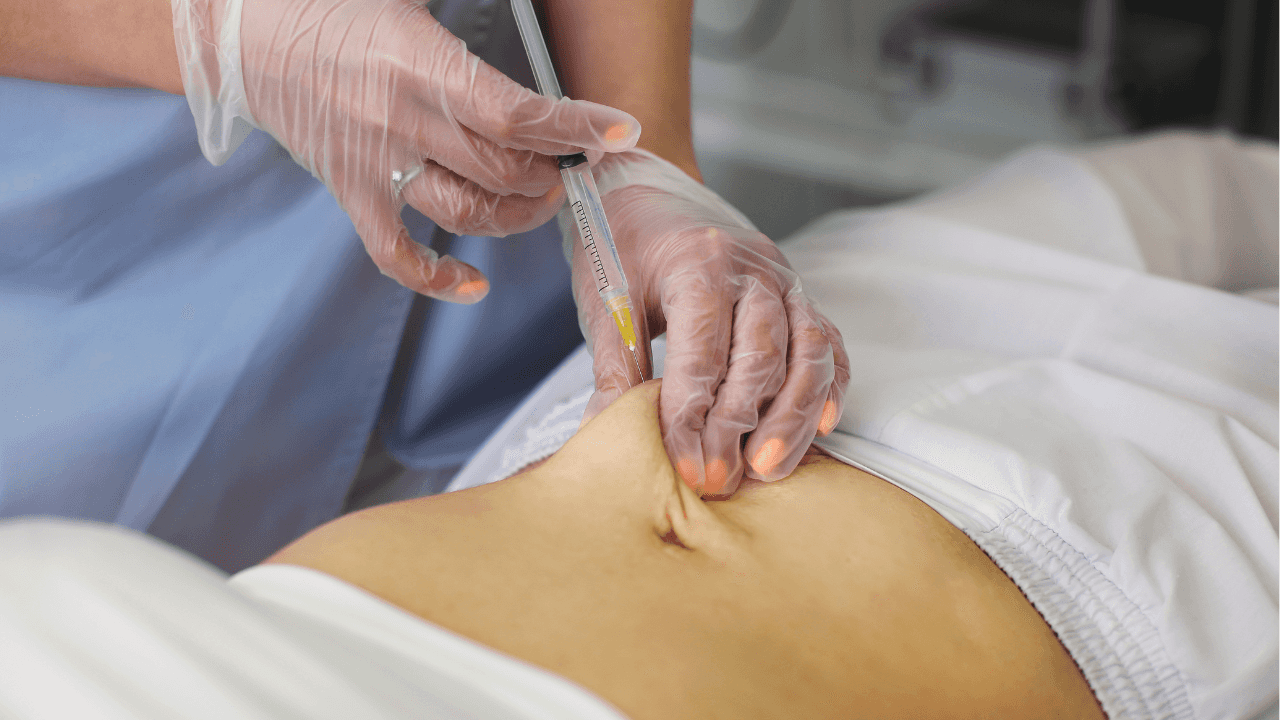
Table of contents
- Fat Dissolving Injection at a Glance
- What Is a Fat-Dissolving Injection?
- Who Is a Good Candidate for a Fat-Dissolving Injection?
- What Are the Different Types of Fat Dissolving Injection?
- Why Visit Korea for a Fat-Dissolving Injection?
- Key Information for International Patients
- Which Are the Best Clinics in Korea for Fat Dissolving Injections In?
- Fat Dissolving Injection From Start to Finish
- Alternatives to a Fat-Dissolving Injection
- How Can I Prepare for a Fat-Dissolving Injection?
- Aftercare Advice
Considering treatment in Korea? Everything you need to know e.g. — how to avoid scams, visas, interpreters, recovery tips — in our Medical Tourism Master Guide. Plan with confidence in minutes, not weeks!
Last updated: August 2026
Fat Dissolving Injection at a Glance
- What it treats — A fat-dissolving injection uses small injections to reduce a localized pocket of superficial fat, with the strongest evidence and Korean labeling for moderate-to-severe fat beneath the chin rather than body slimming or weight loss.
- Ideal candidate — Best suited to adults at a stable weight with pinchable preplatysmal double-chin fat who accept gradual contour refinement; loose skin, platysmal bands, salivary-gland fullness, or a neck mass will not be corrected.
- Treatment series — Korean labeled protocols may use up to 50 injections of 0.2 mL, with a maximum of 10 mL per session; treatments can be repeated no sooner than one month apart for up to six sessions.
- Recovery and results — Visible swelling commonly lasts about 7–10 days, while firmness, numbness, and lumps can persist for 2–4 weeks or longer; assess the result around 12 weeks after the final session.
- Travel planning — International patients should plan 2–3 nights in Korea for a first treatment and avoid departure-day injections; there is no evidence-based fixed no-fly interval, so travel requires clinician clearance and no concerning swelling or swallowing symptoms.
- Korea distinction — V-OLET (deoxycholic acid 10 mg/mL) and NUVIJU (cholic acid 15 mg/mL) are Korean prescription products labeled specifically for adult submental fat, with anatomy-specific 1-cm-grid, preplatysmal injection protocols.
- Key safety limit — Incorrect or overly superficial placement can cause skin ulceration, necrosis, infection, swallowing problems, or lower-lip weakness from nerve injury; off-label face and body injections are not equivalent to the labeled double-chin protocol.
What Is a Fat-Dissolving Injection?
A fat-dissolving injection uses medication placed into a small area of superficial fat to reduce it gradually, most commonly beneath the chin. It is intended to refine the contour of a double chin in adults with a defined fat pocket, rather than produce weight loss or correct loose neck skin. It is a minimally invasive injectable procedure, usually performed in a series of outpatient treatments.
Who Is a Good Candidate for a Fat-Dissolving Injection?
- Defined submental fat — Good candidates are adults with a pinchable pocket of fat below the chin that creates a moderate-to-severe double chin.
- Gradual contour goal — This treatment suits people who accept swelling and a possible treatment series for incremental neck-contour refinement rather than a large one-session change.
- Stable weight and realistic anatomy — Results are most relevant when weight is relatively stable and the main concern is superficial preplatysmal fat, not generalized weight gain.
- Able to manage recovery abroad — Candidates need time for visible swelling, access to the clinic during the first days, and a plan for remote follow-up after returning home.
Adults under 18 should not receive the Korean labeled products, and pregnancy is a reason to postpone this elective treatment; breastfeeding requires an individualized prescribing discussion because human-milk data are unavailable. Do not treat active skin infection at the injection site or known hypersensitivity to the proposed product or ingredients. Current or previous swallowing difficulty, a bleeding disorder, anticoagulant or antiplatelet treatment, and prior neck surgery, liposuction, threads, energy treatment, or scarring require careful assessment. Loose neck skin, platysmal bands, enlarged salivary glands, thyroid enlargement, lymph nodes, a neck mass, or a low hyoid can cause fullness that injection lipolysis will not correct; Korean product labeling requires assessment of alternative causes of submental fullness.
What Are the Different Types of Fat Dissolving Injection?
“Fat-dissolving injection” is a marketing umbrella term, not one standardized procedure. Ask for the exact product, active ingredient, concentration, target area, injection plane, total volume, number of sessions, and whether the proposed use is on-label.
- Deoxycholic-acid submental injection — V-OLET contains deoxycholic acid 10 mg/mL and is labeled in Korea for adult moderate-to-severe submental fat. Its protocol is 2 mg/cm², using a 1-cm grid with up to 50 injections of 0.2 mL and 10 mL per session; sessions are at least one month apart, for up to six sessions. Review the labeled V-OLET protocol.
- Cholic-acid submental injection — NUVIJU is a Korean prescription cholic-acid 15 mg/mL product, also labeled for adult moderate-to-severe submental fat. Its labeled dose is 3 mg/cm², with the same maximum of 50 injections, 10 mL per session, and up to six sessions separated by at least one month; its label also recommends liver-function monitoring during administration. See NUVIJU’s Korean product information.
- Multi-ingredient “cocktail” injections — Phosphatidylcholine/deoxycholate and other mixtures differ in composition, concentration, technique, and evidence. They should not be presented as equivalent to a regulated, labeled submental protocol.
- Off-label facial or body injection — Jowls, cheeks, jawline, abdomen, arms, thighs, calves, and other body areas are materially different from the studied submental area. NUVIJU specifically states that safety and effectiveness outside submental fat have not been established or recommended; do not extrapolate a double-chin protocol to another area.
Why Visit Korea for a Fat-Dissolving Injection?
Korea has regulated prescription options specifically labeled for adult submental fat, including V-OLET and NUVIJU. That distinction matters because many treatments marketed as “fat dissolvers” have variable formulations and unproven body-area protocols. A responsible visit begins with confirmation that the facility is registered to treat overseas patients and that the proposed product is appropriate for the target anatomy.
- Korean labeled products — V-OLET and NUVIJU both specify adult moderate-to-severe submental fat, a 1-cm injection grid, preplatysmal placement, a maximum of 10 mL per session, and at least one month between sessions. Their labeling provides anatomy-specific dosing and administration limits.
- Anatomy-specific safety instructions — The Korean labels direct clinicians to inject preplatysmal fat only and avoid the marginal mandibular nerve, salivary glands and ducts, thyroid, vessels, lymph nodes, muscle, and overly superficial dermis. Incorrect depth can cause ulceration, necrosis, or infection.
- International-patient verification — Check whether the institution is formally registered under Korea’s foreign-patient attraction system through the official registered-institution information. This is an administrative safeguard, not proof that a particular injector or outcome is superior.
- Evidence limit — No strong head-to-head evidence establishes that Korean deoxycholic-acid or cholic-acid products outperform Kybella/ATX-101, liposuction, cryolipolysis, or energy-based treatments in long-term results, complication rates, or satisfaction.
Key Information for International Patients
- Minimum stay — Plan 2–3 nights for a first submental treatment: consultation and injection on day 1, with time for an optional review as swelling develops. This is a prudent travel plan, not a formal medical requirement.
- Flight timing — No high-quality evidence defines an exact no-fly interval. Do not schedule treatment on departure day; fly only after the treating clinician clears travel and there is no concerning swelling, swallowing problem, skin injury, or infection.
- Visible recovery — Pain is often brief, with a median duration of one day in a phase III study, but swelling commonly remains conspicuous for about 7–10 days. Firmness, numbness, and induration can last 2–4 weeks or longer. See the reported phase III recovery timeline.
- Repeat visits — A series requires at least one month between sessions, so most international visitors complete only one treatment per trip. Formal study assessments are commonly performed 12 weeks after the final session.
- Remote follow-up — Obtain an English clinical summary, product name and concentration, injection map, total volume, consent form, aftercare instructions, and an urgent-contact route before leaving Korea. Arrange photo-based follow-up and identify a clinician at home who can assess complications if necessary.
Travel note: Avoid booking major photographs, events, or strenuous sightseeing during the first 7–10 days. Swelling can make the double-chin area look temporarily fuller before it improves.
Which Are the Best Clinics in Korea for Fat Dissolving Injections In?
Listed below are some of the best clinics in Korea for fat dissolving injections in.
1. 365mc Hospital
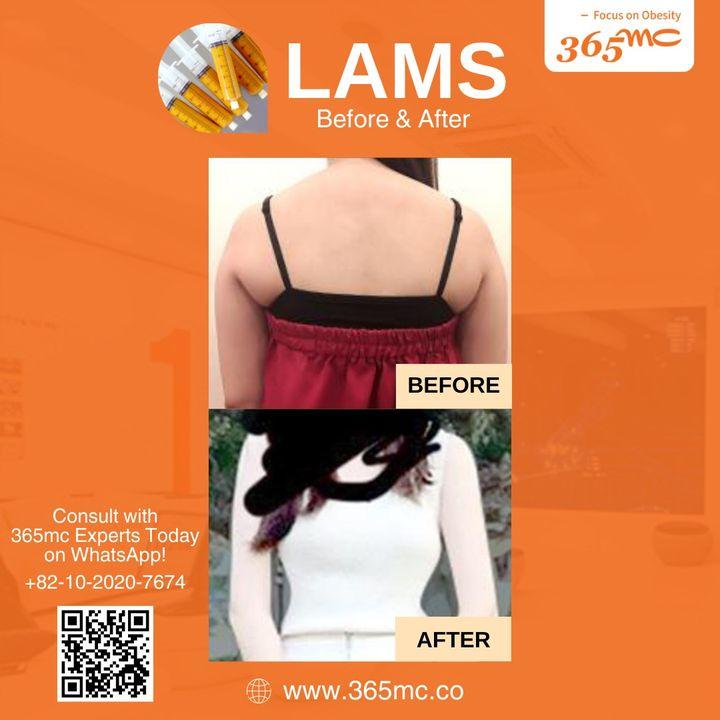
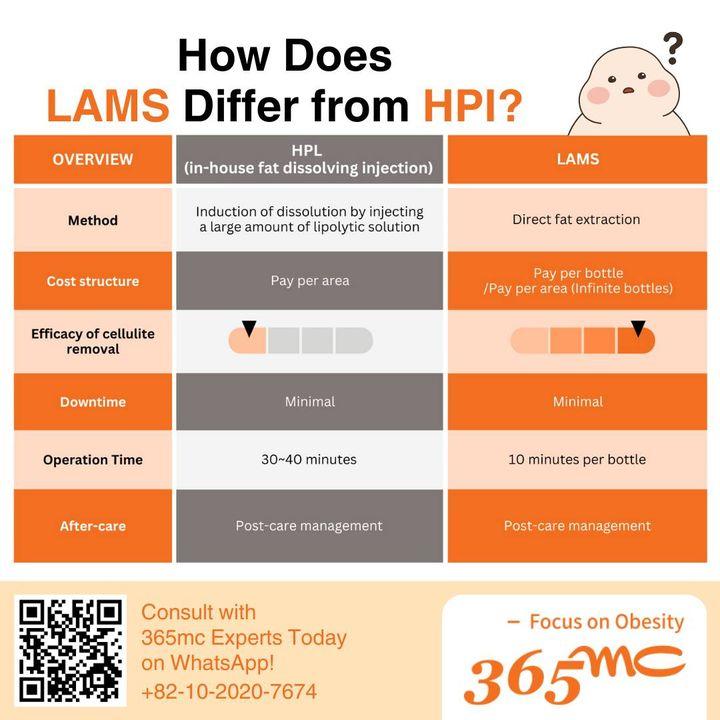
At 365mc Hospital, you can consider LAMS (Local Anesthetic Minimal-Invasive Liposuction), a non-incisional approach that combines targeted fat extraction with fat-dissolving solution injections. The clinic describes visible changes after one session for some people, with minimal discomfort, virtually no downtime, and an approach intended to address localized fat and cellulite.
- URL: 365mc Hospital Website
- Location: Gangnam-gu, Seoul
- LAMS procedure details:
- LAMS uses four steps: tunneling, fat extraction, injection of a fat-dissolving solution, and post-procedure management.
- The treatment is designed to directly remove fat cells while also targeting stubborn cellulite.
- Clinical-study figures provided for LAMS report that over 70% of participants noticed cellulite improvement and more than 60% had a reduction in cellulite grade.
- Body-contouring experience:
- The practice focuses solely on obesity treatment, body contouring, and fat reduction.
- Its services include contouring of the abdomen, back, chest, hips, neck, thighs, and arms.
- The clinic reports more than 20 years in the field, 18 clinics in Korea, 22 main doctors, over 3,000 surgical liposuction cases, and 5 million treatments.
- Technology and follow-up support:
- The M.A.I.L. system uses motion capture and AI-assisted real-time surgical feedback for liposuction procedures.
- You can receive individualized dietary and nutrition consultations, including practical diet prescriptions and meal-diary app monitoring.
- For surgical liposuction, the clinic describes a dedicated Recovery Center and a structured post-operative program of about six to seven weeks, which may include hyperbaric oxygen therapy and dietary consultations.
2. Seojin Plastic Surgery Clinic
At Seojin Plastic Surgery Clinic, you can discuss body contouring in a one-doctor setting with Dr. Lee Hyungmin, who provides consultation and care throughout your treatment. Although the supplied information lists liposuction rather than a specific fat-dissolving injection program, the clinic’s body-contouring offering may be relevant if you are comparing options for localized fat reduction.
- URL: Seojin Plastic Surgery Clinic Website
- Location: Gangnam-gu, Seoul
- Your physician:
- Dr. Lee Hyungmin provides end-to-end care in the clinic’s one-doctor model.
- The clinic states that Dr. Lee has more than 16 years of experience and was named among the 100 Good Doctors in Korea.
- Body-contouring options:
- Liposuction is available for surgical removal of localized fat to contour specific areas.
- Hip-dip fat grafting is offered to create a smoother hip contour.
- Related aesthetic services:
- The clinic also offers breast surgery, hair transplantation, scalp micropigmentation, Rejuran, fillers, Botox, skin boosters, and temporal lift procedures.
- 3D imaging and high-definition endoscopy are listed among the technologies used for individualized treatment planning.
3. Haru Clinic
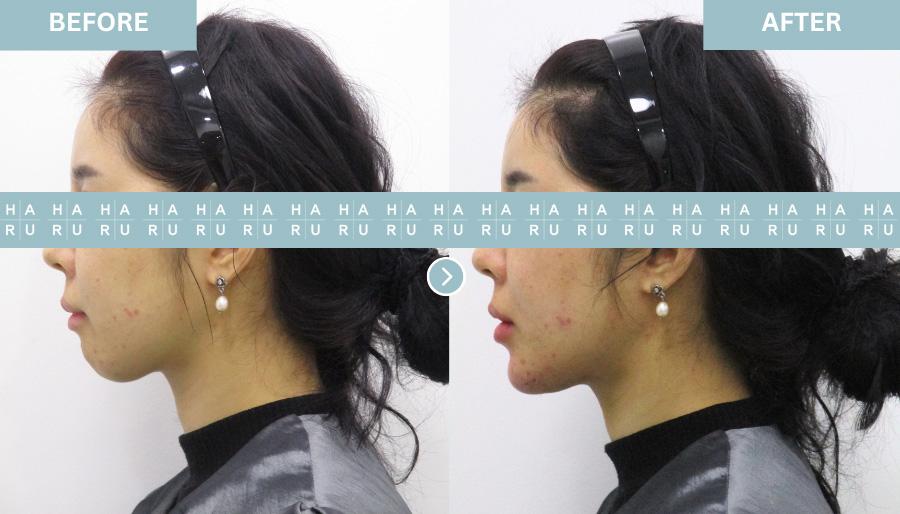
At Haru Clinic, you can consider facial fat-dissolving injections formulated with Botox to reduce unwanted facial fat, support lymphatic circulation, and help create a slimmer, more defined contour. The clinic also offers double-chin treatment using fat-dissolving injections or thread-based contouring when your goal is to refine the jawline and neck angle with minimal incisions.
- URL: Haru Clinic Website
- Location: Gangnam-gu, Seoul
- Injection approach:
- Haru describes using a customized fat-dissolving formula mixed with Botox.
- The stated goals are to melt unnecessary facial fat, promote lymphatic circulation, and help flush out waste for a more defined facial contour.
- Double-chin care may use fat-dissolving injections or thread-based contouring.
- Physician and treatment planning:
- Dr. Jeong is an official research physician for Merz, the company behind Belotero Filler, and teaches other doctors current filler techniques.
- Treatment planning focuses on facial harmony and balance through non-invasive techniques tailored to your individual features.
- Complementary contouring services:
- Thread lifts can elevate the cheeks and jawline using dissolvable barbed threads under local anesthesia.
- Botox and fillers are available for facial contouring, including the chin and jawline.
- Collagen-tightening treatments use radiofrequency or ultrasound to firm skin without incisions.
Fat Dissolving Injection From Start to Finish
- Remote consultation — Send unfiltered front, oblique, and profile photos in neutral lighting. State the exact area of concern and disclose prior face or neck procedures, swallowing symptoms, allergies, pregnancy possibility, medical conditions, and all medicines and supplements. Request English or virtual consultation options.
- Treatment-plan confirmation — Ask for the product name, active ingredient, concentration, intended anatomical indication, planned injection map, estimated volume, and likely number of sessions. Confirm whether the proposal is a labeled submental protocol or an off-label treatment.
- Arrival assessment — The clinician examines skin quality, fat distribution, platysmal bands, scars, and the amount of pinchable preplatysmal fat. Unexplained neck fullness requires diagnosis rather than cosmetic injection.
- Selective testing and medication review — Healthy patients having a routine local injection do not necessarily need laboratory tests. Testing or medical clearance is determined by bleeding risk, anticoagulant use, pregnancy possibility, unexplained neck findings, and the chosen product; ask whether NUVIJU-related liver-function monitoring applies.
- Marking and comfort measures — The clinician cleans the skin and marks a 1-cm grid. Treatment is generally performed while awake; ice, topical anesthetic, or local anesthetic can be used. Fasting is normally unnecessary without sedation.
- Injection treatment — Small aliquots are placed perpendicular to the skin in preplatysmal subcutaneous fat. For labeled Korean protocols, treatment can involve up to 50 injections of 0.2 mL, to a maximum total of 10 mL per session. Correct depth is essential because superficial or misplaced injection can injure skin or nearby structures.
- Discharge and early review — This is usually an outpatient procedure. Receive written aftercare, urgent-contact information, and copies of the treatment record; an in-person next-day review is useful for travelers when swelling is significant.
- Recovery and remote follow-up — Send scheduled photographs after returning home and reassess no sooner than one month before another session. Judge the final effect around 12 weeks after the last treatment, not during the early swollen and firm phase.
Alternatives to a Fat-Dissolving Injection
Non-surgical alternatives avoid injections or surgery but usually create a smaller, slower, or anatomy-dependent change. Surgical options are more invasive and involve longer recovery, but can remove more fat and address structural neck concerns in selected patients.
Double-Chin Liposuction
Submental liposuction can provide a larger and more immediate reduction of submental fat than injection lipolysis.
- Best tradeoff — Consider it for a larger fat pocket, a preference for one treatment, or a desire for more predictable fat removal.
- Key limitation — It is surgery, with incisions, compression, anesthesia considerations, bruising, and travel restrictions that are more substantial than an injection.
Cryolipolysis
CoolSculpting is a noninvasive fat-cooling option for selected localized bulges.
- Best tradeoff — It avoids needles and operative incisions.
- Key limitation — Applicator fit, anatomy, treatment area, and device-specific risks determine suitability; it is not interchangeable with a submental injection protocol.
HIFU or Energy-Based Tightening
HIFU and laser lifting can be considered when mild skin laxity accompanies a small fat deposit.
- Best tradeoff — Energy-based treatment focuses more on tissue tightening than direct chemical adipocytolysis.
- Key limitation — It does not reliably replace fat removal when the main issue is a substantial submental fat pocket.
Neck Lift
A neck lift is often more appropriate for significant loose skin, platysmal banding, or structural neck aging.
- Best tradeoff — It can address skin and muscle causes of poor neck contour that injections cannot correct.
- Key limitation — Surgery requires anesthesia planning, incision care, longer recovery, and a more conservative international travel schedule.
How Can I Prepare for a Fat-Dissolving Injection?
- Confirm the exact product — Obtain the branded product name, active ingredient, concentration, target area, planned volume, and whether treatment is on-label before paying a deposit or traveling.
- Disclose medicines and supplements early — Provide a complete list, especially aspirin, NSAIDs, anticoagulants, antiplatelets, corticosteroids, diabetes medicines, fish oil, vitamin E, garlic, ginkgo, ginseng, and turmeric/curcumin. Do not stop prescribed anticoagulants, antiplatelets, or other prescription medicines unless the original prescriber directs it; NUVIJU labeling specifically cautions about bruising and bleeding risk.
- Report relevant medical history — Tell the clinic about allergies, prior submental surgery or devices, neck scars, swallowing problems, bleeding disorders, pregnancy, breastfeeding, liver disease, and unexplained neck swelling.
- Arrive with calm, clean skin — Postpone treatment for an active rash, wound, acne infection, herpes-type lesion, or other infection in the injection field. Do not use aggressive exfoliants or irritating treatments on the area immediately beforehand unless the clinic instructs otherwise.
- Plan recovery logistics — Keep the first 2–3 nights flexible, arrange easy transport after treatment, and avoid departure-day injections. Bring a way to use wrapped cold packs at your accommodation if the clinic advises them.
- Food, alcohol, and smoking — Fasting is not normally required for an awake local injection without sedation. Avoid alcohol before treatment if it increases bruising risk, and ask the clinic for a product- and health-specific smoking or alcohol plan; no high-quality procedure-specific evidence establishes one universal interval.
Travel note: Book flights and accommodation that can be changed. Significant swelling, new swallowing difficulty, or skin complications require assessment before a long-haul flight.
Confirm the treating doctor’s clinic-specific medication, testing, fasting, and travel requirements; those individualized instructions take precedence over general guidance.
Aftercare Advice
Expect temporary swelling and tenderness, but treat breathing, swallowing, skin-color, and infection symptoms as urgent—not as routine recovery.
- Control swelling safely — Use wrapped cold packs only as directed and never place ice directly on bare skin. Swelling commonly lasts about 7–10 days, while firmness, lumps, numbness, and altered sensation can persist for several weeks.
- Protect the injection area — Do not massage, use gua sha, perform lymphatic drainage, wear compression, apply topical anesthetics, or use aggressive skincare unless the injector specifically instructs it. These measures do not have a universal evidence-based protocol for fat-dissolving injections.
- Limit aggravating activity — Avoid strenuous exercise, high heat, saunas, hot baths, and alcohol for the first 24–48 hours when these worsen swelling or bruising. Resume normal activity according to comfort and the clinic’s instructions.
- Avoid sun irritation — Keep the area protected from direct sun while it is inflamed; use broad-spectrum SPF 50 on intact exposed skin once the clinic permits skincare products.
- Know the emergency signs — Seek urgent assessment for trouble breathing, progressive swallowing difficulty, inability to handle saliva, rapidly worsening neck swelling, fever, spreading redness, drainage, severe escalating pain, blistering, gray or black skin, ulceration, or a new asymmetric smile/lower-lip weakness. Product labeling warns that superficial injection can cause ulceration, necrosis, and infection.
- Follow results over time — Send requested photographs to the clinic, reassess treatment need after at least one month, and wait about 12 weeks after the final session to judge the formal result.
Follow the treating doctor’s instructions over general advice, and contact the clinic promptly when swelling, pain, skin changes, or swallowing symptoms appear abnormal.
Frequently Asked Questions
Related Blogs
Discover What You'll Spend on an Arm Lift in Korea vs. Other Countries: A Comprehensive Cost Analysis
Discover the affordability and advanced techniques of arm lift surgery in Korea, a leading destination for cosmetic procedures. Explore the factors influencing the cost and what to expect during your transformative journey to more toned and youthful arms.
Updated: Sep 25, 2026
Explore Global Costs: Why a Thigh Lift in Korea Offers Unique Value Compared to the USA, Mexico, and More
Discover the cost of a thigh lift in Korea, where high-quality surgical procedures are offered at competitive prices. Learn why many are choosing Korea for affordable and effective cosmetic solutions.
Updated: Sep 25, 2026
Discover the Global Pricing Landscape: Knee Liposuction Costs in Korea vs. Major Medical Tourism Destinations
Discover the latest insights on knee liposuction in Korea, exploring the cost-effective options and high-quality services available. Learn how Korea has become a top destination for this cosmetic procedure, combining advanced technology with competitive pricing.
Updated: Sep 25, 2026
Exploring Buccal Fat Removal Costs: Korea vs Global Destinations
Discover the latest trends and costs of buccal fat removal in Korea, a popular cosmetic procedure for achieving a leaner facial appearance. Learn about the factors influencing the price and what to expect when considering this transformative treatment.
Updated: Sep 25, 2026
Clinics offering Fat Dissolving Injection

365mc Hospital: Korea's Leading Liposuction and Body Contouring Clinic with Innovative AI Technologies and Comprehensive Patient Care
Gyodae

Haru Clinic Korea | Seoul Facelift, Threads, Botox & Fillers
Sinsa

Three Wishes Clinic - Myeongdong, Korea: Advanced Botox, Fillers, Laser, and Skin Treatments for Confidence and Care
Myeongdong

Seojin Plastic Surgery Clinic Korea: Pioneering Advanced Cosmetic Procedures for Personalized Aesthetic Transformation
Apgujeong