
Medical Tourism Blog
Skin Tightening Everywhere: Inmode Body Laser Lifting & BodyTite Procedures in Korea
Table of contents
- Inmode Body Laser Lifting: How It Works
- BodyTite: Minimally Invasive Skin Tightening
- The Patient Journey in South Korea: A Medical Tourism Overview
- Which Are the Best Clinics in Korea for Skin Tightening Everywhere?
- Patient Experiences and Outcomes for Global Laxity
- Conclusion
- References
Considering treatment in Korea? Everything you need to know e.g. — how to avoid scams, visas, interpreters, recovery tips — in our Medical Tourism Master Guide. Plan with confidence in minutes, not weeks!
Widespread skin laxity—what many refer to as "skin tightening everywhere" or "global laxity"—is a common aesthetic concern affecting people worldwide. This guide breaks down what widespread skin laxity is, the factors behind it, and walks you through highly advanced treatments like Inmode Body Laser Lifting and BodyTite. We’ll outline the patient experience in South Korea, compare costs for international visitors, and share what patients can expect from these procedures.
Skin laxity, medically known as skin mobility lax, means the skin has lost its firmness, bounce, and resilience, making it look less youthful. In this state, skin feels loose and doesn’t snap back after stretching, though it can still stretch out.
Definition and Underlying Causes
Global skin laxity stems from a mix of causes working together to weaken your skin’s support structure.
Aging is the main culprit. Once we hit our thirties, our bodies naturally produce less collagen and elastin—proteins that act as scaffolding and stretchiness for our skin. Collagen declines about 1% each year, setting the stage for thinner, sagging skin. Hormonal changes, especially during menopause, intensify this process.
Too much sun, also known as photoaging, speeds up the breakdown of collagen and elastin, causing skin to lose its ability to spring back—a process called solar elastosis.
Our habits matter too. Smoking, bad diets, dehydration, poor sleep, and chronic stress all take a toll, slowing the skin’s natural repair. Drinking too much alcohol also harms skin elasticity.
Significant weight loss, often after bariatric surgery or pregnancy, stretches the skin so much it can’t bounce back, leaving behind sagging areas.
Genetics play their part as well. Some people are simply more prone to develop laxity early or more severely, depending on their natural collagen levels and skin thickness.
All these causes blend together and speed up the breakdown of collagen and elastin. Managing skin laxity isn’t about a single solution—it’s about a holistic approach, often starting with lifestyle changes.
Microscopically, these factors thin the epidermis (the skin’s outer layer) and flatten its junction with the dermis below, weakening their bond. The dermis itself shrinks, especially with sun exposure, losing blood supply, collagen, and elasticity. The end result: skin that just doesn’t bounce back the way it used to.
Common Terms and Visible Signs of Global Skin Sagging
While "global laxity" is often used by patients and professionals, you might also hear "sagging skin" or regional nicknames, like "turkey neck" or "man-boobs."
Visible signs often include:
- Crepey Complexion: Thin, wrinkled, loose skin on arms, neck, chest, legs, hands, and eyelids.
- Volume Loss: Flattened cheeks and hollowness under the eyes.
- Facial Fold Aging: Deepened wrinkles from relaxed skin.
- Jowl Appearance: Loss of jawline and mouth corners dropping.
- Early Drooping: Jawline or cheek droop that’s just starting.
- Fine Lines: Wrinkles that don’t relax when the face does.
- Poor Recoil: Slow skin snap-back when pinched, showing lost elasticity.
- Horizontal Neck Lines: Creases or loose skin under the chin.
- Diminished Contour: Facial tightness and shape start fading.
It's important to set common skin laxity apart from rare disorders like Cutis Laxa, which includes very loose, inelastic skin and can affect organs. Cosmetic surgery for Cutis Laxa often isn’t permanent.
Detecting skin laxity early—such as first signs of loose skin, persistent lines, or crepey patches—means you might benefit from non-surgical treatments like radiofrequency (RF) therapy or High-Intensity Focused Ultrasound (HIFU), possibly avoiding surgery later.
Inmode Body Laser Lifting: How It Works
Inmode Body Laser Lifting is a non-invasive procedure focused on tightening skin and contouring the body, using a combination of laser and radiofrequency (RF) energy.
How It Tightens Skin and Reduces Fat
A handheld device delivers laser and RF energy underneath the skin, heating up targeted tissues and fat. This heat results in:
- Collagen Stimulation & Tissue Tightening: Immediate contraction of collagen, plus long-term production of new collagen and elastin.
- Fat Reduction: The heat breaks down fat cells, which are then cleared naturally. Devices like MiniFX and Body Inmode also use high-voltage energy to remodel fat and collagen further.
“Inmode Body Laser Lifting” describes a suite of technologies. Some of the key InMode tools for body contouring include:
- Forma: RF to stimulate collagen and elastin production.
- BodyFX: RF energy, heating, and suction to melt fat and tighten skin.
- Morpheus8 Body: RF plus microneedling for deep skin tightening, fat reduction, and improved texture.
- EvolveX: Hands-free RF and EMS platform for skin tightening and muscle toning.
By combining different energies, InMode technologies can treat both fat and lax skin, making them particularly useful for people dealing with widespread laxity.
Safety is prioritized, with devices monitoring skin temperature up to 1,000 times per second to avoid burns.
Areas Treated and Results
InMode can target numerous body sites, including the:
- Abdomen, hips, thighs, flanks, and back
- Upper arms, chin, and neck
- Bra lines, knees, and buttocks
You can expect:
- Smoother, firmer, more elastic skin
- Reduced fat and refined contours
- A tighter, lifted appearance
- Noticeable reduction in cellulite—studies show up to 68% with BodyFX
- Permanent fat loss if you maintain your results with healthy habits
Results appear gradually, usually over 3–6 months, though you may notice some improvement right away.
For severe sagging, surgery might be more effective, but InMode is excellent for mild to moderate cases.
Side Effects and Who Should Avoid It
Most people experience warmth, temporary redness, or swelling. Minor bruising or "hickey-like" suction marks can also occur; rare side effects include blisters and nerve pain.
You should not undergo InMode treatments if you’re pregnant, breastfeeding, have infections in the area, neurological disorders, heart disease, uncontrolled diabetes, or certain other health conditions. Those with metal implants or pacemakers need to be cautious.
Aftercare
Care is simple:
- Avoid sun exposure
- Stick to gentle cleansers
- Use soothing creams and sunblock
- Keep up with clinic-recommended aftercare and avoid strenuous activities, alcohol, and certain skincare products for about a week
BodyTite: Minimally Invasive Skin Tightening
BodyTite is another cutting-edge treatment—a minimally invasive approach that tackles fat and loose skin using radiofrequency-assisted liposuction (RFAL).
How It Works
A tiny incision lets an internal electrode slip under the skin, connecting with an external electrode. High-frequency RF energy heats and liquefies fat, which is then gently suctioned away. This process:
- Melts fat for easy removal and less trauma
- Shrinks existing collagen and kickstarts new production, tightening the skin
- Cauterizes blood vessels to reduce bruising and swelling A built-in safety system monitors skin temperature, minimizing the risk of burns or uneven treatment.
Areas Treated and Results
BodyTite is FDA-approved for the abdomen, arms, chest, thighs, hips, and knees.
The treatment can:
- Remove stubborn fat and tighten skin simultaneously
- Deliver surgery-like body contouring with small incisions (less scarring)
- Yield gradual improvements, with final results visible between 3–12 months
BodyTite is best for people near their ideal weight who have mild to moderate skin laxity, especially after weight loss or pregnancy.
Side Effects and Who Should Avoid It
Discomfort, swelling, and bruising are common but usually temporary. Some may notice tightness or tingling for up to three months.
Those who are pregnant, have uncontrolled diabetes, epilepsy, autoimmune diseases, certain infections, pacemakers, or specific skin conditions should avoid BodyTite.
Aftercare
- Rest and wear a compression garment for a few days
- Avoid strenuous activities for several weeks
- Protect your skin from the sun
- Use gentle skin products and follow any specific instructions, especially for the face or neck
The Patient Journey in South Korea: A Medical Tourism Overview
South Korea leads the way in global cosmetic procedures and is especially popular for medical tourists. The country supports international patients with multilingual staff, advanced technology, and efficient treatment pathways.
What to Expect: Step-by-Step
- Consultation: Many patients begin with online consultations and photo evaluations. You’ll discuss your concerns and goals, with 3D scans or simulations sometimes included.
- Prep: On procedure day, you’ll be medically assessed and anesthetized as needed. Anesthetics vary—topical for InMode, local for BodyTite.
- The Procedure: InMode sessions take 20–60 minutes, using RF (sometimes with microneedling). BodyTite takes 1.5–3 hours, melting and removing fat by RFAL.
- Recovery: Mild redness, swelling, or tenderness is common. InMode offers minimal downtime; BodyTite may require several days off and compression garments.
- Logistics: South Korean clinics assist with travel, accommodations, and language barriers. Plan to stay at least one to two weeks post-procedure for follow-up care.
Cost Comparison: South Korea vs. Other Countries
Here’s how costs for popular procedures compare:
| Procedure | South Korea | USA | Mexico | Turkey | Canada/Malaysia |
|---|---|---|---|---|---|
| Full Body Lift | $8,000-$10,000 | $10,000-$20,000 | $5,000-$9,810 | $820 | N/A |
| Buttock Lift | $19,500 | $4,000 | $3,200 | $1,250 | N/A |
| BodyTite | $2,425-$5,200 | $4,000-$8,000 | N/A | N/A | N/A |
| Inmode Lifting Laser | $52–$216+ | $2,500–$6,000 | N/A | N/A | $52–$900 (CA); $88–$216 (MY) |
| Small area laser lifting | $240–$480 | Varies | N/A | N/A | N/A |
| Morpheus8 Body | $1,200 | Varies | N/A | N/A | N/A |
Don’t forget travel costs—flights to South Korea can range from $600–$1,500, and lodging is $20–$250+ per night. South Korea remains an affordable, high-quality option relative to the USA, with excellent safety and post-op support.
Which Are the Best Clinics in Korea for Skin Tightening Everywhere?
Listed below are some of the best clinics in Korea for skin tightening everywhere.
1. 4seasons Clinic
You may consider 4seasons Clinic for skin tightening across facial and body concerns because its options include minimally invasive thread lifts for sagging skin, LDM ultrasound therapy to support elasticity and firmness, and body-contouring approaches that combine targeted fat reduction with skin tightening.
- URL: 4seasons Clinic Website
- Location: Gangnam-gu, Seoul
- Tightening approaches:
- Thread-lift procedures are designed to lift and tighten sagging skin with minimal downtime.
- LDM uses ultrasound waves to support collagen production, skin texture, elasticity, and firmness.
- Body-contouring treatments use targeted fat reduction and skin-tightening techniques to refine body shape.
- Related skin treatments:
- PRP uses your own platelets to support skin healing and improve fine lines, wrinkles, and scars.
- Laser treatments address pigmentation, fine lines, and texture with precise skin rejuvenation.
- Scar revision may include laser therapy, surgical excision, or resurfacing, depending on the scar.
2. Maylin Clinic - Cheonho
You can expect Maylin Clinic - Cheonho to offer non-surgical options for localized laxity and texture concerns, including thread lifting for sagging cheeks and facial skin and collagen rejuvenation that combines microneedles with high-frequency energy. Its neck-focused treatment also addresses neck wrinkles, deep scars, and stretch marks.
- URL: Maylin Clinic - Cheonho Website
- Location: Gangdong-gu, Seoul
- Lifting and collagen care:
- Maylin Thread Lifting is intended to lift sagging cheeks and facial skin for a more contoured appearance.
- Maylin Dermal Collagen Rejuvenation uses microneedles and high-frequency energy to stimulate collagen beneath the skin.
- The collagen-focused treatment is described for sagging skin, fine lines, enlarged pores, scars, and acne scars.
- Neck and scar concerns: Maylin Neck Wrinkle Eraser targets neck wrinkles, deep scars, and stretch marks while supporting skin healing and rejuvenation.
3. Maylin Clinic - Apgujeong
You may consider Maylin Clinic - Apgujeong if your tightening goals center on the lower face, jawline, double chin, or nasolabial folds. Its Maylin Titanium Lifting uses a triple-wavelength laser for lifting and tightening with minimal reported downtime and pain, while Maylin Easy Lifting uses barbed threads for a non-surgical lift and ongoing collagen stimulation.
- URL: Maylin Clinic - Apgujeong Website
- Location: Gangnam-gu, Seoul
- Laser tightening:
- Maylin Titanium Lifting uses a triple-wavelength laser intended to lift, tighten, and brighten the skin.
- It is described for sagging at the double chin, nasolabial folds, and jawline, with improvements in elasticity and radiance.
- The treatment is presented as having minimal downtime and pain.
- Thread lifting:
- Maylin Easy Lifting places barbed threads under the skin to lift sagging areas and stimulate collagen production.
- It is described as providing immediate lifting and volume improvement with minimal bruising and swelling.
- Facial contouring:
- Maylin Sculpture Injection is customized for areas including the cheeks, nasolabial folds, zygomatic bones, double chin, nose tip, and chin.
- It is intended to break down fat cells and support blood and lymphatic circulation for a smoother facial contour.
Patient Experiences and Outcomes for Global Laxity
Inmode Body Laser Lifting Technologies (BodyFX, Forma, Morpheus8 Body)
- BodyFX: Praised for body contouring and “tightening as you melt” fat. Most say it feels warm—like a massage. Results: 68% less cellulite and 3.6 cm average reduction after several sessions. Some experience brief pain or redness.
- Forma: Comfortable, "like a hot stone massage." Immediate tightening with lasting improvement as new collagen forms, especially on the face, neck, and arms. Maintenance is key for lasting results.
- Morpheus8 Body: Famed for tightening and rejuvenating skin with minimal downtime. Results are seen in 3–12 weeks, with optimal improvements after several sessions. Great for acne scarring, cellulite, and texture. Mild discomfort is possible.
Patients love the natural, gradual results and minimal downtime, but several treatments are often needed for the best, sustained improvement.
BodyTite
BodyTite delivers substantial fat removal and skin tightening, achieving average circumferential reductions of 3.75 cm in studies. Most patients return to work within a week; satisfaction scores are high, especially for arms and areas with moderate excess.
Some report their skin looks “crepey” or loose for the first few weeks, with full tightening taking several months. It's crucial to have realistic expectations—BodyTite isn’t a replacement for surgery when excess skin is severe, but it’s a powerful option for those with mild to moderate laxity.
Conclusion
Widespread skin laxity is a complex issue rooted in aging, sun exposure, genetics, lifestyle, and major weight shifts. Early detection allows non-surgical treatments like Inmode Body Laser Lifting and BodyTite to be more effective, especially for mild to moderate laxity. South Korea provides top-quality, competitively priced care, making it an excellent choice for international patients. Ultimately, setting realistic goals and choosing the right procedure with professional guidance is key to achieving the best outcomes.
References
1, 2, 3, 4, 5, 6, 7, 8, 9, 10, 11, 12, 13, 14, 15, 16, 17, 18, 19, 20, 21, 22, 23, 24, 25, 26, 27, 28, 29, 30, 31, 32, 33, 34, 35, 36, 37, 38, 39, 40, 41, 42, 43, 44, 45, 46, 47, 48, 49, 50, 51, 52, 53, 54, 55, 56, 57, 58, 59, 60, 61, 62, 63, 64
Frequently Asked Questions
Related Blogs

partial abdominoplasty desire in Korea | Best Clinics, Costs, Procedure Types & More
{"@context":"https://schema.org","@type":"FAQPage","mainEntity":[{"@type":"Question","name":"Mini Abdominoplasty vs Full Abdominoplasty — which is right for me?","acceptedAnswer":{"@type":"Answer","text":"Choosing between a Mini (partial) and Full Abdominoplasty depends on your anatomy—not your preference—and this guide explains key differences in technique, candidacy (skin tone, diastasis, umbili
Updated: Nov 26, 2026
Achieve an Hourglass Silhouette in Korea: Brazilian Butt Lift & 5D Liposculpture
Chasing the hourglass silhouette? Our expert guide to Korea explains how Brazilian Butt Lift (BBL) and 5D Liposculpture combine to contour a narrow waist and fuller hips. Learn surgical techniques, safety (ultrasound-guided fat transfer), realistic recovery, timelines, and transparent costs in Korea, plus what patient advisors should know about clinic accreditation, packages, and aftercare. From 3
Updated: Nov 26, 2026
Weak Abdominal Muscles: Emsculpt in Korea for Effective Core Strengthening
Struggling with weak abdominal muscles or Diastasis Recti Abdominis? Discover how Emsculpt and Emsculpt NEO in Korea use HIFEM technology to trigger supramaximal contractions that build muscle and reduce fat—without surgery. Our guide covers the science, session experience, safety, results, costs, and medical tourism planning in South Korea, plus real-world outcomes and maintenance tips.
Updated: Nov 26, 2026
Neuroma Pain Abdomen Treatment in Korea: Nerve Block Procedure Explained
Chronic abdominal neuroma pain after surgery? Our Korea medical tourism guide explains how a diagnostic nerve block confirms the source and maps next steps—cryoablation, radiofrequency ablation (RFA), chemical neurolysis, neurectomy, and Targeted Muscle Reinnervation (TMR)—with clear costs, logistics, and outcomes in South Korea.
Updated: Nov 25, 2026
Clinics offering BodyTite
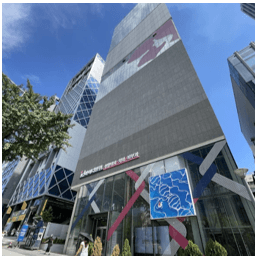
ID Hospital - Main Branch in Korea: Specializing in Safe & Customized Facial Plastic Surgery and Post-Care Services
Sinsa

D.A Plastic Surgery Clinic in Korea: Advanced Cosmetic Procedures for Natural Beauty Enhancement
Gangnam Station

Gangnam VS Line Clinic in Korea: Championing a Natural, Personalized Approach to Beauty Enhancements and Aesthetic Treatments
Gangnam Station

Personal Beauty GU Clinic Ilsan, Korea - Unveiling Hidden Beauty with Tailored Treatments and Advanced Cosmetic Procedures
Ilsan