
Medical Tourism Blog
Axillary Liposuction in Korea: Methods, Recovery, Travel Planning and Alternatives
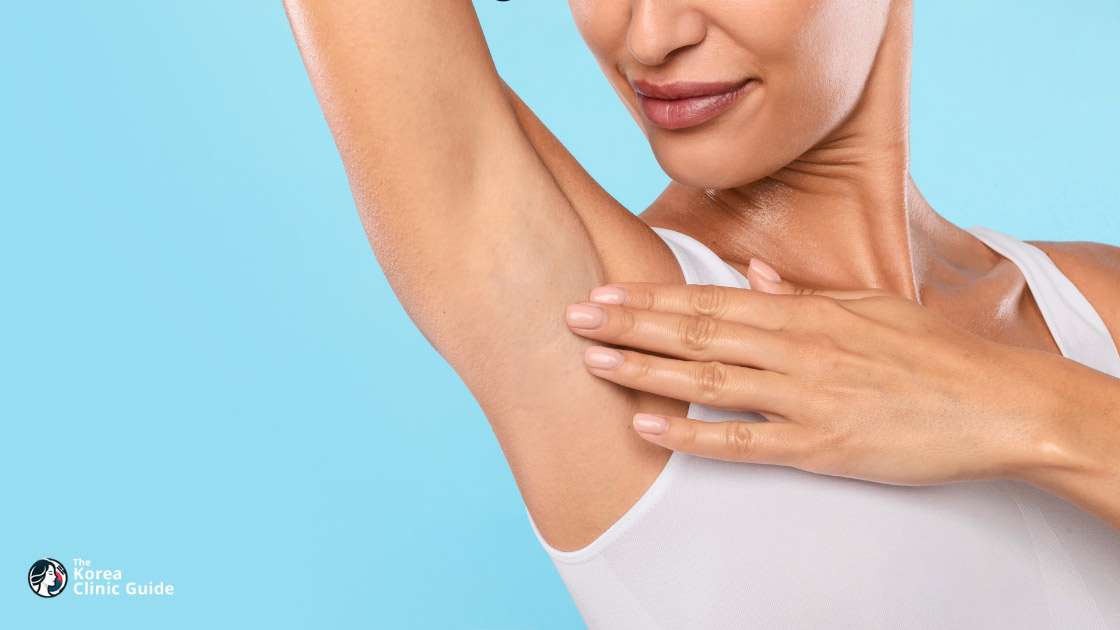
Table of contents
- Axillary Liposuction at a Glance
- What Is Axillary Liposuction?
- Who Is a Good Candidate for Axillary Liposuction?
- How Is Axillary Liposuction Performed?
- Why Visit Korea for Axillary Liposuction?
- Key Information for International Patients
- Which Are the Best Clinics in Korea for Axillary Liposuction?
- Axillary Liposuction From Start to Finish
- Alternatives to Axillary Liposuction
- How Can I Prepare for Axillary Liposuction?
- Aftercare Advice
Considering treatment in Korea? Everything you need to know e.g. — how to avoid scams, visas, interpreters, recovery tips — in our Medical Tourism Master Guide. Plan with confidence in minutes, not weeks!
Last updated: September 2026
Axillary Liposuction at a Glance
- What it treats — Axillary liposuction uses small incisions and a cannula to remove localized subcutaneous fat at the armpit, anterior axillary fold, or lateral bra-line area; it contours rather than causes overall weight loss.
- Best candidates — The best fit is pinchable fatty fullness with reasonably elastic skin in someone at a stable weight and medically suitable for elective surgery; an in-person exam must confirm fat rather than a discrete mass or glandular accessory breast tissue.
- When liposuction is not enough — Glandular accessory breast tissue, an accessory nipple, a projected mound, or loose skin may require limited excision or axillaplasty because suction alone cannot reliably remove these tissues or tighten substantial excess skin.
- Recovery and results — Soreness, bruising, swelling, firmness, and limited comfortable arm reach are common for days to weeks; compression is often used for 1–4 weeks, and contour assessment is more meaningful at 6–12 weeks while skin adaptation continues for months.
- Korea travel plan — International patients should conservatively plan 10–14 days in Korea for examination, surgery, and an early wound or seroma check, with long-haul flights kept flexible until the surgeon provides individualized clearance.
- Korea-specific evidence — A Seoul retrospective series of 967 female patients documented experience with minimal-incision excision plus liposuction for accessory axillary breast tissue, but its 11.27% seroma rate does not predict outcomes for suction-only fat removal.
- Important safety check — An enlarging, one-sided, hard, fixed, painful, or otherwise suspicious armpit lump needs breast or axillary assessment, and possibly imaging or tissue diagnosis, before any cosmetic contouring procedure.
What Is Axillary Liposuction?
Axillary liposuction is a body-contouring procedure that removes localized fat from the armpit and nearby bra-line area through small incisions. It aims to create a smoother, less bulky underarm contour when fullness is caused mainly by fat rather than glandular tissue or loose skin. It is a surgical procedure, although it is generally performed through minimally invasive access points.
Who Is a Good Candidate for Axillary Liposuction?
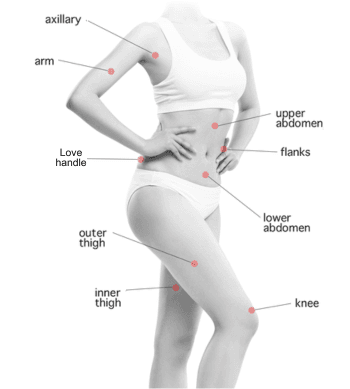
- Localized fatty fullness — Good candidates want to reduce a pinchable fat pad at the armpit, anterior axillary fold, or lateral bra-line transition rather than lose overall body weight.
- Skin with useful recoil — Suction-only contouring suits reasonably elastic skin. Loose skin, a projected mound, or an accessory nipple often requires excision or a combined approach for a proportionate result.
- Stable health and weight — Candidates should be medically fit for elective surgery, at a stable weight, able to wear compression and follow wound-care restrictions, and able to remain in Korea for early review.
- Confirmed cosmetic concern — Examination with the arms down and raised should confirm diffuse subcutaneous fat rather than a discrete lesion or predominantly glandular accessory breast tissue.
Do not treat an enlarging, one-sided, hard or fixed, painful, or otherwise suspicious axillary lump as a cosmetic concern; it needs breast/axillary assessment and, when indicated, imaging or tissue diagnosis first. Active infection, hidradenitis flare, open wounds, pregnancy, significant uncontrolled medical disease, bleeding disorders, untreated anaemia, and unsafe anaesthetic risk rule out or delay elective surgery. Elective treatment is also ordinarily deferred during lactation or when postpartum breast and axillary tissue is still changing. Nicotine exposure—including cigarettes, vaping, and nicotine-replacement products—can impair healing and must meet the surgeon’s cessation protocol. There is no axillary-liposuction outcome evidence specifically in transgender patients, and published male evidence is sparse; assessment should focus on the individual tissue pattern and surgical goal.
How Is Axillary Liposuction Performed?
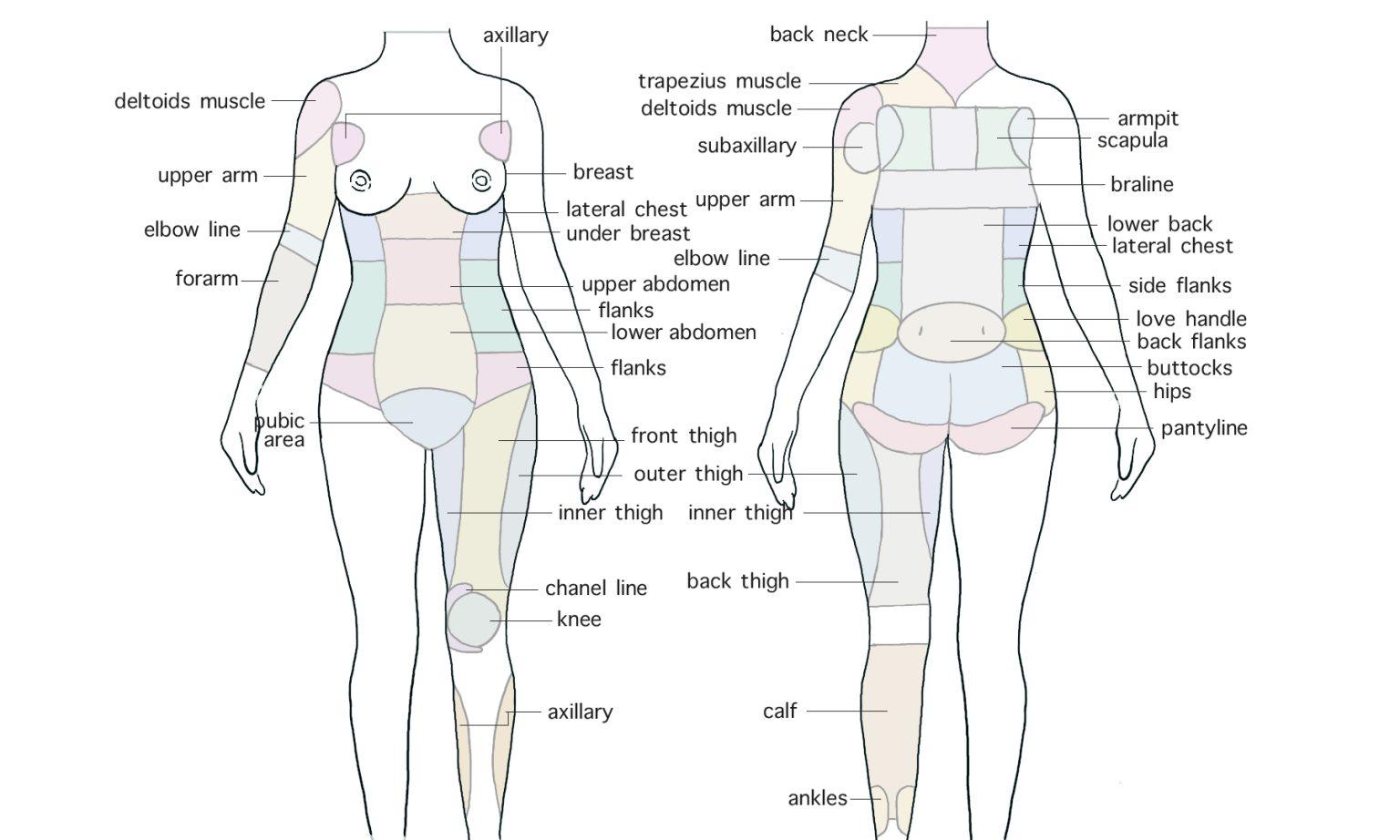
The method should match what is actually creating the axillary mound: fat, fibroglandular accessory breast tissue, excess skin, or a combination. An in-person examination, not photographs alone, determines whether suction alone is appropriate.
- Tumescent suction-assisted liposuction — The surgeon infiltrates tumescent fluid through small access incisions, then removes subcutaneous fat using a cannula. This is the usual approach for predominantly fatty fullness with good skin recoil.
- Power-assisted liposuction — A reciprocating cannula can help work through fibrous fat. It is a technical variation and does not itself prove a better outcome.
- Energy-assisted liposuction — Ultrasound-, laser-, or radiofrequency-assisted devices are sometimes used when limited skin contraction is sought. These techniques add device-specific thermal-injury risk, and skin tightening cannot be assumed.
- Liposuction with limited excision — This approach can address a mound containing glandular accessory breast tissue, an accessory nipple, or limited skin recoil. In a retrospective Seoul series of 967 female patients treated with minimal-incision excision plus liposuction, mean operating time was 58 minutes and seroma was the most commonly reported complication, occurring in 11.27%; these findings apply to combined accessory-tissue treatment, not suction-only fat removal.Documented Seoul series
- Direct excision (axillaplasty) — Excision more reliably removes glandular tissue and excess skin, but leaves a longer scar and can create more dead space, increasing the need for wound or seroma monitoring.
Why Visit Korea for Axillary Liposuction?
South Korea has published directly relevant experience in treating accessory axillary breast tissue with combined excision and liposuction. That is useful when axillary fullness is not simple fat, but it does not prove that outcomes in Korea are superior to those elsewhere. Choose a facility based on its clinician credentials, anaesthesia plan, examination process, and postoperative support rather than marketing claims.
- Published local experience — A Seoul hospital reported outcomes from 967 female patients undergoing minimal-incision excision combined with liposuction for accessory axillary breast tissue.Study details and outcomes
- Tissue-specific treatment planning — A more recent retrospective series selected nonsurgical treatment, liposuction, energy-assisted liposuction, combined treatment, or excision according to tissue composition, skin laxity, and accessory-nipple presence rather than using one method for every axillary mound.Treatment-selection study
- Foreign-patient verification — Korea’s official Medical Korea system provides a route to check institutions registered to serve international patients.Registered medical-institution system
- Evidence limitation — Axillary evidence is mainly retrospective series and technique reports, not randomized comparisons of suction-only, excision, combined, and energy-assisted techniques. The large Seoul study was single-center, female-only, and did not compare suction-only treatment, so its complication and satisfaction findings cannot predict an individual result.
Key Information for International Patients
- Minimum stay — Plan conservatively for 10–14 days in Korea for in-person assessment, surgery, early wound or seroma review, and an individualized fitness-to-fly decision. A small uncomplicated suction-only procedure can need less local care, but do not assume this before examination.
- Flights and onward travel — Do not book an immediate long-haul return flight or non-refundable onward itinerary. Departure timing depends on the treatment extent, anaesthesia, whether excision was added, mobility, wound status, complications, and personal venous-thromboembolism risk.
- Repeat visits — Expect at least an in-person consultation and early postoperative check. Excision can require more wound reviews, drain management, or pathology discussion than suction-only treatment.
- Itinerary impact — Plan quiet days after surgery. Soreness, bruising, swelling, drainage from access sites, and restricted comfortable arm reach can make luggage handling, overhead bins, shopping, and crowded public transport impractical.
- Remote follow-up — Before leaving, obtain English operative, anaesthetic, medication, and discharge records; a pathology result if tissue was submitted; written aftercare; and a direct postoperative contact route. Medical-tourism guidance emphasizes planning for continuity of care and complications after returning home.CDC medical-tourism guidance
Travel note: Verify the operating clinician’s credentials and the facility’s foreign-patient registration before paying a deposit, and keep flight dates flexible until the surgeon clears travel.
Which Are the Best Clinics in Korea for Axillary Liposuction?
Listed below are some of the best clinics in Korea for axillary liposuction.
1. Lydian Plastic Surgery Clinic
For axillary liposuction, you may consider Lydian Plastic Surgery Clinic if you want body contouring planned around your individual anatomy rather than a uniform fat-removal approach. The clinic describes using a broad selection of cannulas and a structured aftercare program to support detailed contouring and recovery.
- URL: Lydian Plastic Surgery Clinic Website
- Location: Gangnam-gu, Seoul
- Contour planning and technique:
- Uses anatomy-based body design that considers factors such as your proportions, curves, pelvis size, waist length, and chest circumference.
- Uses more than 30 custom-designed liposuction cannulas intended to accommodate differing body shapes and treatment areas.
- Describes using 1–2 strategically placed minimal incisions for its broader liposuction approach; the incision plan for the axillary area should be discussed during your consultation.
- Imaging and aftercare:
- Uses Quantificare 3D imaging for pre-surgical design and before-and-after assessment.
- Aftercare addresses swelling reduction, irregularity correction, skin-elasticity recovery, and residual-fat contouring.
- Offers equipment intended to address stretch marks and skin sagging alongside liposuction.
- Surgeon experience:
- Dr. An is identified as the director of the 5D Liposculpture Academy and as a provider involved in physician training for high-definition body sculpting and liposuction devices.
- The clinic describes Dr. An as having more than two decades of body-sculpting experience.
- Related services: Services described include liposuction, 5D liposculpture, tummy tuck surgery, fat grafting, Brazilian butt lift, face lifting, and stem-cell-related treatments.
2. Seojin Plastic Surgery Clinic
For axillary liposuction, Seojin Plastic Surgery Clinic may appeal to you if you value a three-stage approach that pairs cannula-based fat removal with manual syringe refinement intended to create an even subcutaneous layer and smooth surface. Its one-doctor model means Dr. Lee Hyungmin provides end-to-end care.
- URL: Seojin Plastic Surgery Clinic Website
- Location: Gangnam-gu, Seoul
- Micro-liposuction process:
- Preparation is described as separating fat from blood vessels, nerves, and surrounding tissue, then liquefying it to facilitate removal.
- Cannula selection is tailored to your body type and fat volume.
- Following device-assisted suction, a small syringe is used for manual refinement of the subcutaneous fat layer to support even distribution and shaping.
- Skin-firmness option: Velody2 lifting laser may be added when mild sagging is a concern after liposuction, with the aim of improving skin elasticity and firmness.
- Doctor-led care:
- Dr. Lee Hyungmin provides consultation-to-follow-up care as the clinic's sole doctor.
- The clinic states that Dr. Lee has more than 16 years of experience and was named among the 100 Good Doctors in Korea.
- Related body-contouring service: The clinic also lists liposuction and hip-dip fat grafting among its body-contouring services.
3. 365mc Hospital
For axillary liposuction, 365mc Hospital offers a body-contouring-focused setting with hospital-level surgical care, a dedicated Recovery Center on the day of surgery, and a structured seven-week postoperative program. The clinic specifically lists arm liposuction among the body areas it treats, which may be relevant when discussing contouring near the underarm area.
- URL: 365mc Hospital Website
- Location: Gangnam-gu, Seoul
- Procedure approach:
- 365mc focuses exclusively on obesity treatment, body contouring, and fat reduction.
- Its liposuction services include treatment of the arms, as well as the abdomen, back, chest, hips, neck, and thighs.
- The clinic describes using a Motion-Capture and Artificial-Intelligence Assisted Liposuction System (M.A.I.L.) that provides real-time surgical feedback.
- Recovery and follow-up:
- You receive one-to-one intensive care at a dedicated Recovery Center on the day of surgery.
- A 365mc Care Team guides a structured seven-week postoperative program.
- Postoperative support may include hyperbaric oxygen chamber therapy and personalized dietary consultations.
- Less-invasive option:
- LAMS, or Local Anesthetic Minimal-Invasive Liposuction, combines fat extraction with fat-dissolving injections for targeted fat reduction.
- The clinic describes LAMS as a non-incisional option with minimal downtime; suitability for the axillary area requires an individual assessment.
- Nutrition support:
- Personalized nutrition and dietary consultations are available to support weight management after treatment.
- Diet recommendations are described as being based on your lifestyle, eating habits, and nutritional needs, with meal-diary app support.
Axillary Liposuction From Start to Finish
- Remote inquiry and preliminary review — Send clear photographs only if the clinic requests them, alongside medical history, medication and supplement lists, allergies, nicotine exposure, prior breast or axillary surgery, pregnancy or lactation status, and prior clotting events. Ask whether English consultation or interpretation is available. Photographs cannot determine whether fullness is fat, glandular tissue, or a lesion.
- In-person consultation and examination — The surgeon examines the axillae with the arms down and raised, assesses skin elasticity and asymmetry, and checks for an accessory nipple, palpable glandular tissue, or a discrete mass. Atypical findings can require imaging or specialist assessment before cosmetic surgery.
- Surgical and anaesthetic planning — The team confirms whether suction-only liposuction, combined liposuction and excision, or direct excision fits the tissue pattern. Medical and anaesthetic review, consent, and indicated tests follow; local anaesthesia with sedation or general anaesthesia is selected according to treatment extent and whether excision is planned.
- Marking and preparation — The surgeon marks the standing contour zones before positioning. The area is cleaned, sterile drapes are applied, and tumescent fluid is infiltrated for suction-assisted treatment.
- Fat removal or excision — Small access incisions allow cannula aspiration of subcutaneous fat. When glandular tissue, an accessory nipple, or excess skin is present, the surgeon adds limited or direct excision; submitted tissue can be sent for pathology. Combined accessory-tissue treatment averaged 58 minutes in one Seoul retrospective series, though individual operating time depends on the extent and technique.Seoul combined-treatment data
- Dressings and discharge — Dressings and a compression garment are applied. Small suction-only treatment is commonly outpatient surgery; excision can require drains or additional wound checks. Do not drive after sedation or while taking sedating pain medicine.
- Early local recovery review — Attend the scheduled wound, drainage, swelling, and possible seroma review before travel. The surgeon decides whether compression continues and when flying, upper-body activity, and bathing are safe.
- Overseas follow-up — Share requested photographs and symptom updates with the operating team after returning home. Arrange local medical assessment promptly for concerning symptoms rather than relying solely on remote messaging.
Alternatives to Axillary Liposuction
The main tradeoff is between the direct, immediate removal possible with surgery and less invasive options that produce slower or more limited change. Neither non-surgical fat reduction nor liposuction removes glandular accessory tissue, an accessory nipple, or substantial loose skin as reliably as excision.
Combined Excision or Axillaplasty
- Best fit — Predominantly fibroglandular accessory breast tissue, an accessory nipple, excess skin, or a projected axillary mound poorly suited to suction alone.
- Tradeoff — More complete tissue and skin removal, balanced against a longer scar, greater wound-care needs, and possible seroma or drain management. Combined treatment selection evidence
Arm or Back Liposuction
- Best fit — Fullness extends beyond the armpit into the upper arm, posterior axillary fold, or back rather than being an isolated axillary pad.
- Tradeoff — Treats adjacent contour zones but increases the treatment area and recovery burden. See arm liposuction and back liposuction.
Cryolipolysis
- Best fit — A small, clearly fatty mound in someone avoiding surgery.
- Tradeoff — Results are gradual and it cannot remove glandular tissue, excess skin, or an accessory nipple. See CoolSculpting.
Lipoma Removal or Diagnostic Assessment
- Best fit — A discrete lump rather than broad, pinchable subcutaneous fullness.
- Tradeoff — The priority is diagnosis and lesion-specific treatment, not body contouring. See lipoma removal.
Revision Liposuction
- Best fit — Persistent localized fullness or contour irregularity after prior liposuction, once swelling has resolved and tissue has stabilized.
- Tradeoff — Revision is technically less predictable because of scar tissue and altered anatomy. See revision liposuction.
How Can I Prepare for Axillary Liposuction?
- Medical disclosure — Provide the surgeon and anaesthesia clinician with full details of medical conditions, prior surgery, allergies, clotting history, pregnancy or lactation status, and all prescription medicines, over-the-counter drugs, vitamins, herbal products, and injections.
- Medication plan — Do not independently stop anticoagulants, antiplatelets, diabetes medicines, hormone therapy, or GLP-1 medicines. The operating surgeon, anaesthesia clinician, and original prescriber must agree on a medication plan.
- Nicotine cessation — Stop smoking, vaping, and nicotine-replacement products according to the surgeon’s testing and cessation protocol. Nicotine is a recognized surgical risk because it impairs healing.Smoking-risk guidance
- Fasting and alcohol — Follow the clinic’s exact fasting instructions when sedation or general anaesthesia is planned. Avoid alcohol for the period specified by the surgical team, particularly around anaesthesia and prescription pain medicine.
- Skin preparation — Report rashes, shaving cuts, infected follicles, hidradenitis activity, fever, or any open wound near the axilla before surgery. Do not apply deodorant, lotions, or other products on the day of surgery unless the clinic instructs otherwise.
- Travel logistics — Book accommodation close enough for early reviews, arrange a responsible adult for discharge after sedation or general anaesthesia, and pack loose front-opening clothing that avoids axillary friction.
- Flexible itinerary — Keep flights and onward travel changeable until the surgeon confirms that the wounds, swelling, mobility, and personal clot-risk profile permit departure.
Travel note: Carry compression garments, discharge documents, and medication in hand luggage; do not plan to lift heavy suitcases or repeatedly reach into overhead compartments after surgery.
Confirm the treating clinic’s specific fasting, medication, nicotine, garment, companion, and travel requirements, as individualized instructions take precedence over general guidance.
Aftercare Advice
Protect the incisions and developing contour during the first weeks; early swelling and firmness are not the final result.
- Compression and dressings — Wear the prescribed garment and change dressings exactly as directed. Compression is commonly used for about 1–4 weeks, but the garment and duration depend on suction-only treatment versus excision.
- Movement and lifting — Walk regularly as instructed, but avoid lifting, strenuous exercise, repetitive overhead movement, upper-body training, and friction at incision sites until surgical clearance. Desk work can be feasible within a few days when pain and arm movement permit.
- Water, heat, and contact — Keep incisions clean and dry as instructed. Avoid soaking, swimming pools, hot baths, and saunas until wounds are closed and the surgeon permits them. Do not start aggressive massage, heat devices, ultrasound treatment, or lymphatic massage unless the operating surgeon specifies the timing and technique.
- Pain medicine and driving — Take prescribed medicine only as directed. Do not drive while taking sedating pain medication or while arm movement is too limited for safe control of a vehicle.
- Warning signs — Seek urgent care for chest pain, shortness of breath, coughing blood, fainting, one-sided calf pain or swelling, uncontrolled bleeding, rapidly expanding swelling, severe worsening pain, dusky skin, fever, spreading redness, foul drainage, or wound opening. Contact the surgical team promptly for fluid-like swelling, worsening asymmetry, persistent weakness, or an enlarging new axillary mass.
- Result timeline — Bruising often improves over weeks, while swelling can obscure the contour. Reassessment is generally more meaningful at 6–12 weeks; skin adaptation and scar maturation continue for several months.
Follow the treating doctor’s instructions over general advice and contact the clinic promptly when anything appears wrong.
Frequently Asked Questions
Related Blogs
Buccal Fat Hypertrophy Solutions: Buccal Fat Removal Procedure in Korea for Facial Contouring
Discover the essentials of buccal fat hypertrophy and how Korea's renowned buccal fat removal procedures can help you achieve a sculpted, mature facial look. This guide covers the condition’s causes, surgical options like buccal lipectomy, and key tips for medical tourists seeking safe, high-quality Korea-based treatment. Learn about costs, recovery, and patient satisfaction to make an informed de
Updated: Oct 2, 2026
Round Face Slimming with Buccal Fat Removal: Effective Solutions in Korea
Discover the benefits of buccal fat removal in Korea, a popular facial contouring procedure to achieve a slim, V-line look. This minimally invasive surgery reduces chubby cheeks by removing buccal fat pads, offering permanent results for a more defined face. Korea's advanced clinics and expert surgeons make it the top destination for medical tourism in facial slimming. Learn about the procedure, r
Updated: Oct 2, 2026

Discover Thigh Lift Procedures in Korea to Treat Thigh Laxity and Achieve Tighter, Firmer Legs
Discover the transformative power of thigh lift surgery in Korea for thigh laxity caused by weight loss, aging, or genetics. This advanced procedure, often combined with liposuction, removes excess skin for a firmer, contoured look. Korea’s top clinics and expert surgeons ensure safe, effective treatment with minimal scarring. As a leading medical tourism destination, Korea offers unbeatable quali
Updated: Oct 1, 2026
Effective Back Liposuction Solutions for Mid Back Fat in Korea
Discover effective back liposuction in Korea, a leading destination for medical tourism. This procedure targets "adipose at mid-thoracic region" (back rolls or bra bulges), utilizing advanced techniques like ultrasound-assisted liposuction (UAL) and radiofrequency-assisted liposuction (RFAL) for precise fat removal and skin tightening. Korea’s renowned surgeons offer personalized treatments that r
Updated: Oct 1, 2026
Clinics offering Axillary Liposuction
BongBong Plastic Surgery | Premium Breast and Body Shaping with Innovative Autologous Fat Grafting and Hybrid Techniques
Nonhyeon

365mc Hospital: Korea's Leading Liposuction and Body Contouring Clinic with Innovative AI Technologies and Comprehensive Patient Care
Gyodae

THEPLUS Plastic Surgery Korea | Eye, Nose, Face & Body Surgery
Sinsa

Lydian Plastic Surgery Clinic in Korea: Superior Cosmetic Procedures by World-Renowned Expert Dr. An Kyung Chun
Apgujeong