
Medical Tourism Blog
Discover Almond Eye Shaping in Korea: Canthoplasty & Laser Canthoplasty Procedures
Table of contents
- Defining the Almond Eye Shape
- Detailed Description of Surgical Procedures
- Best Clinics in Korea for Almond Eye Shape
- The Process of Getting the Procedures in South Korea
- Benefits of Getting the Procedures in South Korea
- Patient Experiences and How Issues Have Been Addressed
- Conclusion
- References
Considering treatment in Korea? Everything you need to know e.g. — how to avoid scams, visas, interpreters, recovery tips — in our Medical Tourism Master Guide. Plan with confidence in minutes, not weeks!
The almond eye shape is often admired for its elegant, elongated form that many find attractive. This report is designed to help patients considering surgical options to achieve this look by explaining the key procedures available. We’ll focus on two main surgical techniques: [Laser Canthoplasty](/blog/laser-canthoplasty-korea) and traditional Canthoplasty. You’ll find clear definitions of the almond eye shape, detailed descriptions of both surgeries, insights into having these procedures done in South Korea, and patient experiences. This overview aims to provide objective, research-based information to help you make informed decisions about cosmetic surgery.
Defining the Almond Eye Shape

Almond eyes are recognized by their distinctive, elongated shape that resembles an almond nut. They taper gently at both the inner and outer corners, giving a slightly pointed look. Typically, almond eyes are wider horizontally than they are tall vertically. A key feature is the slight upward tilt at the outer corner, which creates a natural "cat-eye" effect that many find appealing. In a true almond shape, the iris touches both the upper and lower eyelids without any visible white of the eye (sclera) above or below it. Often, a visible crease appears on the upper eyelid as well.
This eye shape goes by several other names. "Cat-eyes" is a popular term, especially when the outer corner tilt is more pronounced, resembling a feline’s eyes. The phrase "siren eyes" has also emerged to describe a similar elongated, upturned look associated with allure. Medically, it’s called an "almond-shaped palpebral fissure," referring to the eyelid opening. Other related terms include "doe eye," which describes a rounder, upturned shape, and "fox eye," often used for a surgically enhanced, more dramatic upturned almond shape.
Almond eyes are widely considered attractive because of their balanced proportions and natural symmetry, which harmonize well with other facial features. This shape is versatile, complementing many makeup styles, and is linked to elegance, youthfulness, and allure. Its universal appeal comes from a blend of visual balance and cultural associations with sophistication.
It’s important to note that while "almond eyes" is a common term in beauty contexts, it has historically been associated with East Asian features, which can sometimes cause misunderstandings. Here, the term is used purely to describe the anatomical shape and desired aesthetic outcome, regardless of ethnicity.
Detailed Description of Surgical Procedures
Laser Canthoplasty
Laser Canthoplasty is a specialized form of Canthoplasty that uses laser technology to reshape the outer corners of the eyes, known as the canthi. The procedure involves making precise laser incisions at the eye’s outer corners. The laser’s heat not only cuts but also cauterizes tissue, reducing bleeding and inflammation compared to traditional scalpel methods. This precision helps minimize damage to surrounding tissues, often resulting in quicker recovery and less visible scarring.
A common variation is Lateral Canthoplasty, which targets the outer eye corners to lift and reposition the lateral canthus. This is especially helpful for those with downturned eyes, creating a more open and youthful look. The procedure is usually done under local anesthesia in an outpatient setting, lasting 30 minutes to an hour depending on complexity. During surgery, the surgeon adjusts the eye corner’s angle and position to achieve the desired almond shape. Small incisions are closed with fine sutures to promote healing and reduce scarring. The minimally invasive nature of Laser Canthoplasty makes it appealing for subtle yet effective eye shape enhancements.
Canthoplasty (Traditional Surgical Procedure)
Traditional Canthoplasty focuses on reconstructing or reshaping the lateral canthus, the outer corner of the eye. Depending on the case, anesthesia may be local with sedation or general. The surgeon makes a small incision at the outer eye corner to access underlying structures. The lateral canthal tendon, which influences eye shape, is cut and either repositioned or tightened. This may involve shortening the tendon or reattaching it to the orbital rim to lift and reshape the eye corner. The incision is then closed with sutures.
There are different types of Canthoplasty: Lateral Canthoplasty is most common for achieving an almond shape by adjusting the outer eye corner’s tilt and length. Medial Canthoplasty targets the inner eye corner and is less often used for almond shaping. Reconstructive Canthoplasty addresses trauma or congenital eyelid issues.
It’s important to distinguish Canthoplasty from Canthopexy. Canthoplasty is more invasive, involving cutting and repositioning the tendon for significant shape changes. Canthopexy is less invasive, tightening the existing tendon with sutures without cutting, often used for subtle improvements or support during other eyelid surgeries.
Choosing between Laser Canthoplasty and traditional Canthoplasty depends on the desired extent of change, individual needs, and surgeon advice. Laser Canthoplasty offers less invasiveness and faster healing, while traditional Canthoplasty allows for more dramatic structural changes.
Best Clinics in Korea for Almond Eye Shape
Listed below are the best clinics in Korea for almond eye shape:
| Clinic Name | Key Features | Special Techniques |
|---|---|---|
| Mate Plastic Surgery Clinic | Refined Almond Eye Shape in Korea; combines specialized eyelid expertise with a deep understanding of overall facial balance; offers both incisional and non-incisional double eyelid surgery; tailors approach to each patient’s eye structure, desired definition, and recovery preferences; aims to create a more elongated, elegant, and naturally attractive eye line; Almond Eye Shape enhancement integrated with facial contouring, rhinoplasty, fat grafting, anti-aging treatments, and reconstructive care; experienced surgeons focused on safety, precision, and optimal aesthetic outcomes; located near Sinnonhyeon Station | Incisional and non-incisional double eyelid surgery; Almond Eye Shape enhancement designed to harmonize with facial contouring, rhinoplasty, fat grafting, anti-aging treatments, and reconstructive care |
| Braun Plastic Surgery Clinic | Specialized eyelid surgery expertise, including canthoplasty, double eyelid surgery, ptosis correction, and revision eyelid surgery; Personal consultation and one-on-one planning; Strong focus on natural-looking yet defined results and ongoing innovation; Trusted reputation with substantial clinical experience; Broad expertise in eyelid surgery, facial contouring, anti-aging, and revision procedures; Suitable for first-time eyelid surgery patients and those seeking correction of previous eye procedures | Eyelid surgery techniques including canthoplasty, canthoplasty, double eyelid surgery, ptosis correction, and revision eyelid surgery; anti-aging eyelid surgery; revision procedures |
Mate Plastic Surgery Clinic
For patients seeking a refined Almond Eye Shape in Korea, Mate Plastic Surgery Clinic stands out as an excellent choice because it combines specialized eyelid expertise with a deep understanding of overall facial balance. Conveniently located near Sinnonhyeon Station, the clinic offers both incisional and non-incisional double eyelid surgery, allowing surgeons to tailor the approach to each patient’s eye structure, desired definition, and recovery preferences while creating a more elongated, elegant, and naturally attractive eye line. What makes Mate especially compelling is that Almond Eye Shape enhancement is never treated as an isolated procedure; the clinic’s broad experience in facial contouring, rhinoplasty, fat grafting, anti-aging treatments, and reconstructive care helps its surgeons design results that harmonize beautifully with the entire face. With experienced surgeons who meticulously perform every procedure with a strong focus on safety, precision, and optimal aesthetic outcomes, Mate Plastic Surgery Clinic offers the kind of customized, confidence-boosting care that patients look for when choosing a leading clinic for Almond Eye Shape in Korea.
Find more about this clinic here: Mate Plastic Surgery Clinic Website
Braun Plastic Surgery Clinic
Braun Plastic Surgery Clinic is widely recognized in Korea for its self-developed techniques, personal consultation system, and personal surgery approach, making it a leading choice for patients seeking a refined almond eye shape. The clinic’s medical staff continuously research better methods to achieve more satisfactory results while prioritizing safe and effective surgical outcomes. For almond eye shape enhancement, Braun is especially strong because of its expertise in eyelid surgery, including canthoplasty, double eyelid surgery, ptosis correction, anti-aging eyelid surgery, and revision procedures, allowing surgeons to create a balanced, elegant eye line tailored to each patient’s facial features. Backed by a distinguished team known for clinical experience, academic presentations, and ongoing innovation in plastic surgery, Braun has built a reputation for combining natural-looking results with advanced surgical precision.
Why Braun Plastic Surgery Clinic stands out for Almond Eye Shape:
• Specialized eyelid surgery expertise, including canthoplasty, double eyelid surgery, ptosis correction, and revision eyelid surgery
• Personalized planning through one-on-one consultation, helping each patient achieve an almond eye shape that suits their individual facial balance
• Personal surgery system, meaning the surgeon who consults with the patient is deeply involved in creating a customized surgical plan
• Strong focus on natural-looking yet defined results, which is essential for elegant almond-shaped eyes
• Continuous research and refinement of surgical techniques to improve patient satisfaction and safety
• Trusted reputation built on secure, reliable surgical methods and substantial clinical experience
• Skilled medical team that actively contributes to global academic conferences and plastic surgery research
• Advanced understanding of facial harmony, supported by Braun’s broad expertise in eyelid surgery, facial contouring, anti-aging, and revision procedures
• Excellent choice for both first-time eyelid surgery patients and those seeking correction of previous eye procedures
• Commitment to safe and effective outcomes, helping patients pursue beauty improvements with greater confidence
Find more about this clinic here: Braun Plastic Surgery Clinic Website
The Process of Getting the Procedures in South Korea
South Korea is a popular destination for Laser Canthoplasty and traditional Canthoplasty due to its expertise in cosmetic surgery. The process usually starts with online research to find reputable clinics and experienced oculoplastic surgeons. Patients review credentials, before-and-after photos, and testimonials to assess skill and results.
Next, patients often have a virtual consultation, sharing photos and discussing goals with the clinic or surgeon. Based on this, the surgeon evaluates candidacy and recommends the best procedure.
If the patient proceeds, they arrange travel and accommodation. Clinics provide pre-operative instructions, including medication guidelines. Some offer in-person consultations upon arrival for final assessments.
The surgery is performed under appropriate anesthesia at the chosen clinic. Afterward, patients receive post-operative care instructions. They typically stay in South Korea during the initial recovery, attending follow-up appointments to monitor healing.
Once cleared by the surgeon, patients return home with detailed aftercare guidance. Many clinics also offer virtual follow-ups to support recovery remotely. This blend of remote and in-person care highlights South Korea’s commitment to patient satisfaction and optimal outcomes.
Benefits of Getting the Procedures in South Korea
South Korea offers several advantages for those seeking Laser Canthoplasty or traditional Canthoplasty. The country is internationally recognized for advanced cosmetic surgery techniques and high industry standards. It has many skilled oculoplastic surgeons specializing in eyelid procedures, with deep knowledge of the anatomy and aesthetics involved.
Many clinics use cutting-edge laser technology, enhancing precision and minimizing tissue damage during Laser Canthoplasty. This can lead to better results and faster recovery.
Cost is another factor attracting international patients, as cosmetic surgery in South Korea is often more affordable than in other countries, making these procedures accessible to more people.
Korean beauty standards highly value eye shapes like the almond shape, fostering surgeons’ expertise in achieving these looks with meticulous attention to detail.
Additionally, clinics often provide comprehensive aftercare tailored for international patients, including detailed instructions, follow-ups, and logistical support, ensuring a smooth experience. South Korea’s reputation as a global cosmetic surgery hub offers access to specialized skills, advanced technology, and competitive pricing, making it an appealing choice for Canthoplasty.
Patient Experiences and How Issues Have Been Addressed
People choose Laser Canthoplasty or traditional Canthoplasty for various reasons, primarily to enhance their eye shape for a more attractive, defined look. Many want the "cat-eye" or upturned appearance characteristic of almond eyes.
Beyond aesthetics, some seek these surgeries to fix functional problems or unwanted looks. Canthoplasty can correct drooping or sagging lower eyelids (ectropion), which may result from aging or other causes. It also addresses lower eyelid retraction or "scleral show," where too much white eye is visible below the iris, detracting from the almond shape. Many patients aim for overall eye rejuvenation, seeking a youthful, refreshed appearance. In some cases, Canthoplasty improves vision by lifting drooping eyelids that obstruct sight.
Both Laser and traditional Canthoplasty reshape the outer eye corner to create a longer, often upward-tilted almond shape. These procedures may be combined with others, like lower eyelid retraction repair, to enhance the effect. Surgery often involves tightening muscles and tendons to correct sagging, contributing to a youthful look. The goal is to improve facial harmony and create a pleasing, youthful eye appearance.
While effective, it’s crucial for patients to have realistic expectations. Results vary based on anatomy, procedure extent, and surgeon skill. Consulting a qualified oculoplastic surgeon is essential to understand potential outcomes and ensure the chosen procedure fits individual goals.
Conclusion
The almond eye shape is a highly desired aesthetic feature defined by its elongated, tapered form where the iris meets both eyelids. Laser Canthoplasty and traditional Canthoplasty offer surgical ways to achieve this look by reshaping the eye’s outer corner. South Korea stands out as a leading destination for these procedures, with advanced techniques and expert surgeons. However, anyone considering surgery should research thoroughly, understand the risks and benefits, and consult experienced professionals to make informed decisions and maintain realistic expectations.
References
1, 2, 3, 4, 5, 6, 7, 8, 9, 10, 11, 12, 13, 14, 15, 16, 17, 18, 19, 20, 21, 22, 23, 24, 25, 26, 27, 28, 29, 30
Frequently Asked Questions
Related Blogs
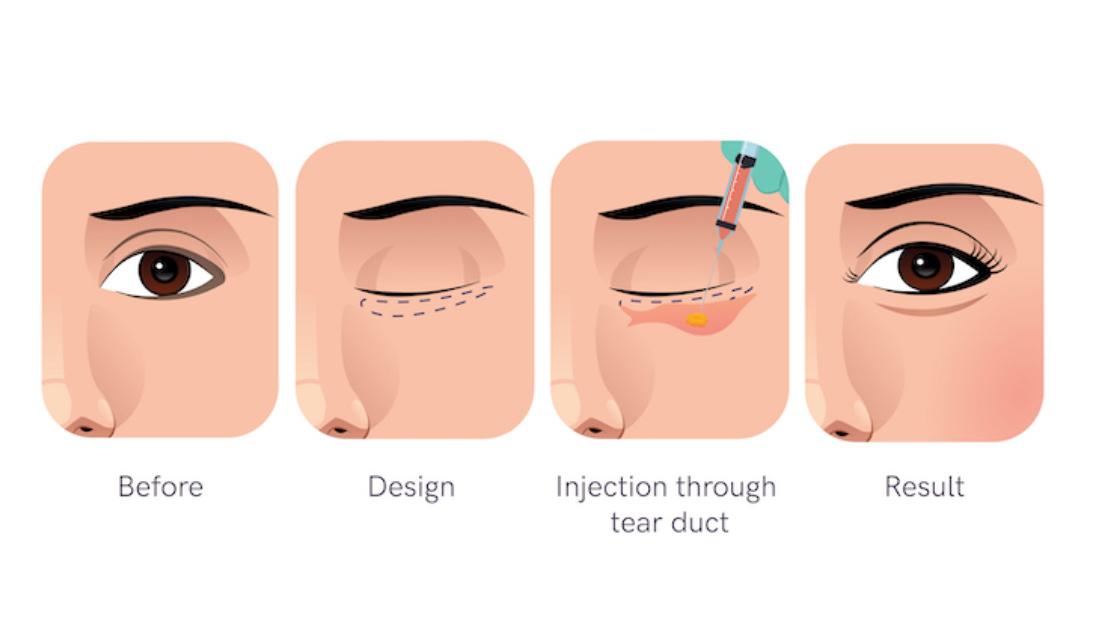
Love Band Surgery in Korea: Methods, Recovery, Risks and Travel Planning
Love band surgery augments the narrow pretarsal aegyo-sal roll beneath the lower lashes using HA filler, fat, grafts, implants, or tissue plication, with method-specific reversibility, recovery, and revision considerations. The article covers candidate screening, Korea travel planning, treatment steps, aftercare, emergency warning signs, follow-up, and alternatives for eye bags, tear troughs, laxi
Updated: Sep 15, 2026
Revision Eye Surgery in Korea: Methods, Recovery, Risks and Travel Planning
Revision eye surgery addresses healed concerns after prior eyelid procedures through scar release, crease or ptosis correction, volume restoration, or lower-lid support while protecting blink and corneal function. In Korea, plan at least 10–14 days for early review and possible suture removal; prices are ₩2,600,000–₩7,500,000 (about US$1,900–$5,600).
Updated: Sep 15, 2026

Under Eye Fat Grafting in Korea: Candidacy, Recovery, Risks, and Travel Planning
Under-eye fat grafting uses harvested, processed fat placed in small parcels to restore tear-trough and lid-cheek volume; Korea pricing is ₩1,000,000–₩2,000,000 (about US$700–$1,500). International patients should plan 8–10 days for assessment, outpatient treatment, early review and pre-flight clearance, with swelling and bruising often visible for 1–2 weeks.
Updated: Sep 14, 2026
Eyelid Fat Removal or Repositioning in Korea: Methods, Recovery, Risks and Travel Planning
Lower blepharoplasty uses an internal or external incision to conservatively remove or reposition under-eye fat, with skin removal or lid support added when anatomy requires it. The article covers candidacy, Korea travel planning, procedure steps, recovery, aftercare, alternatives, and urgent warning signs.
Updated: Sep 14, 2026
Clinics offering Laser Canthoplasty
RINE Plastic Surgery Clinic | Facelift and Eye Rejuvenation Surgery
Nonhyeon

THEPLUS Plastic Surgery Korea | Eye, Nose, Face & Body Surgery
Sinsa

Made Young Plastic Surgery: Rejuvenating Aesthetic Excellence in Korea for Face Lifts, Contouring and More
Gangnam Station

LABOM Plastic Surgery: Expertise in Non-Surgical Nose, Facial Lifting & Anti-Aging Surgeries in Korea
Apgujeong