ICL Lens Implant
Description
Implantable Collamer Lens (ICL) surgery is a type of refractive surgery designed to improve vision by implanting a specialized lens into the eye. The procedure typically begins with a comprehensive eye examination to determine the patient's suitability for the ICL and to take precise measurements of the eye. On the day of surgery, the patient is given a local anesthetic to numb the eye. The surgeon then creates a small incision at the edge of the cornea. Through this incision, the ICL, which is a soft, flexible lens, is folded and inserted into the eye and placed behind the iris, in front of the natural lens. The incision usually heals on its own without the need for sutures. Post-surgery, the patient is monitored for a short time before being allowed to go home. Follow-up appointments are scheduled to ensure proper healing and to check that the ICL is correctly positioned. Most patients experience improved vision within a day, though it may take some time for the vision to fully stabilize. The ICL can be removed or replaced if necessary, but it is designed to be a permanent solution for vision correction. Following the surgeon's advice on post-operative care, such as using prescribed eye drops and avoiding certain activities, is critical to a successful recovery. This minimally invasive procedure often offers a swift recovery and significant improvements in vision quality, particularly for those with high degrees of nearsightedness who may not be ideal candidates for LASIK surgery.
Ailments treated by this procedure: Myopia, Presbyopia, and Progressive Nearsightedness
Search
Categories
Related Posts

Top ICL Lens Implant Clinics
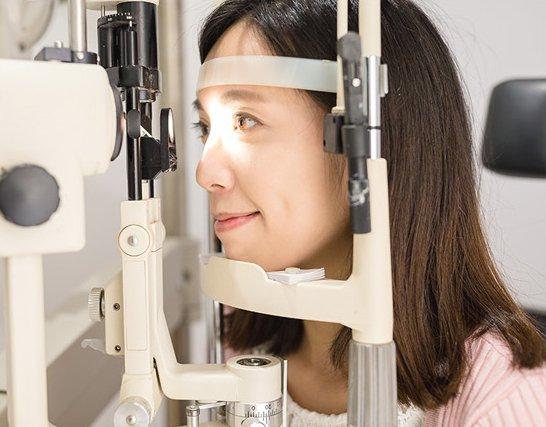
Eye Plus Eye Clinic
Gangnam, Sinnonhyeon Station
Free consultation from the clinic
Eye Plus Eye Clinic, located in Gangnam Station, offers a range of specialized eye care services tailored to enhance your vision with high satisfaction rates and advanced medical technologies. Vision Correction Center Super SMILE LASIK: This minimally invasive procedure corrects refractive errors to achieve clearer vision. It boasts a 99% rate of achieving 1.0 vision or better based on recent statistics. Super LASEK: A surface ablation procedure that reshapes the cornea to correct vision, providing a safer option for those with thin corneas. It requires a longer recovery time compared to LASIK but offers excellent results. Super LASIK: This advanced LASIK surgery provides quicker recovery and reduced discomfort compared to traditional LASIK procedures. It is ideal for those seeking fast visual recovery and enhanced precision. Implantable Collamer Lens (ICL): This procedure involves the insertion of a lens implant in front of the natural lens to correct myopia, hyperopia, and astigmatism. It is a great alternative for individuals who are not candidates for LASIK due to high prescriptions or thin corneas. Corneal Cross-Linking (CXL): This treatment strengthens a weakened cornea by increasing collagen cross-links within the corneal tissue. It is often used to halt the progression of keratoconus and other corneal disorders. Revision Surgery Center Revision Surgery: For patients who need correction after initial refractive surgery, specialized treatments are provided to enhance or fully restore vision. It involves a thorough evaluation to determine the best appropriate revision technique. Presbyopia Correction Center Presbyopia & Cataract Surgery: This center offers comprehensive treatments for presbyopia and cataracts, aiming to restore vision clarity and reduce dependency on reading glasses. Surgical options include advanced lens implant techniques and laser-assisted procedures. Multifocal Intraocular Lens (IOL) Implantation: This procedure involves implanting multifocal lenses to replace the eye's natural lens, providing a solution for both presbyopia and cataracts. It allows for clear vision at multiple distances. Presby-LASIK: A laser correction option designed to treat presbyopia by reshaping the cornea to improve near vision while maintaining distance vision. It is suitable for older patients who want to reduce reliance on reading glasses. General Treatment Center Glaucoma: Specialized care and treatments are provided for managing and controlling glaucoma to prevent vision loss. This includes medical, laser, and surgical options tailored to the patient's condition. Retinal Diseases: Comprehensive care for various retinal conditions such as macular degeneration, diabetic retinopathy, and retinal detachment. Advanced diagnostic tools and treatment protocols are used to ensure optimal outcomes. Dry Eye Syndrome: A variety of treatments are available to alleviate symptoms of dry eye, including medication, lifestyle adjustments, and advanced therapies such as LipiFlow. This aims to increase tear production and improve the quality of tears. The clinic ensures that each patient receives personalized care supervised by experienced medical professionals.
learn more
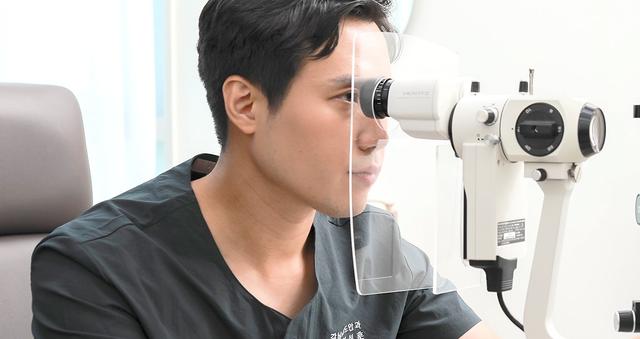
Gangnam Brand Eye Clinic - Gangnam
Nonhyeon, Sinnonhyeon, Sinsa, Gangnam Station
Free consultation from the clinic
Welcome to 'Gangnam Brand Eye Clinic', a luxury clinic for healthy eyes. We have a system that does not allow even 0.1% error. Ophthalmologists who convey principles and sincerity gather to protect your eye health.
learn more