
Medical Tourism Blog
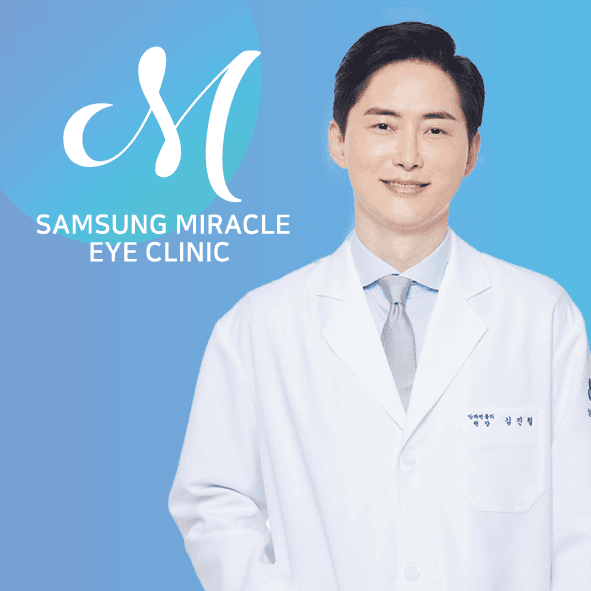
An eye doctor waring glasses? Let's talk to doctor Joon
Table of contents
- A Bigger Question Behind the Glasses
- Why I Refuse to Rush Patient Care
- The Case I Still Remember Most
- Listening Is Part of the Treatment
- How My Grandmother Led Me to Ophthalmology
- What Patients Should Know Before Eye Surgery
- Building a Clinic Patients Recommend for Generations
- A Final Reflection on Vision and Trust
- More about Samsung Miracle Eye Clinic
Considering treatment in Korea? Everything you need to know e.g. — how to avoid scams, visas, interpreters, recovery tips — in our Medical Tourism Master Guide. Plan with confidence in minutes, not weeks!
Disclaimer: The following is a guest post. The information and opinions expressed are not of koreaclinicguide.com but of Samsung Miracle Eye Clinic
A Bigger Question Behind the Glasses
People are often curious when they see an eye doctor wearing glasses. It seems like a simple question, but in reality it opens the door to something much more important: how a specialist thinks about vision, surgery, and patient care. From my perspective at Samsung Miracle Eye Clinic’s Gangnam branch, the real issue is not whether a doctor looks a certain way, but whether that doctor can guide patients with honesty, skill, and warmth.
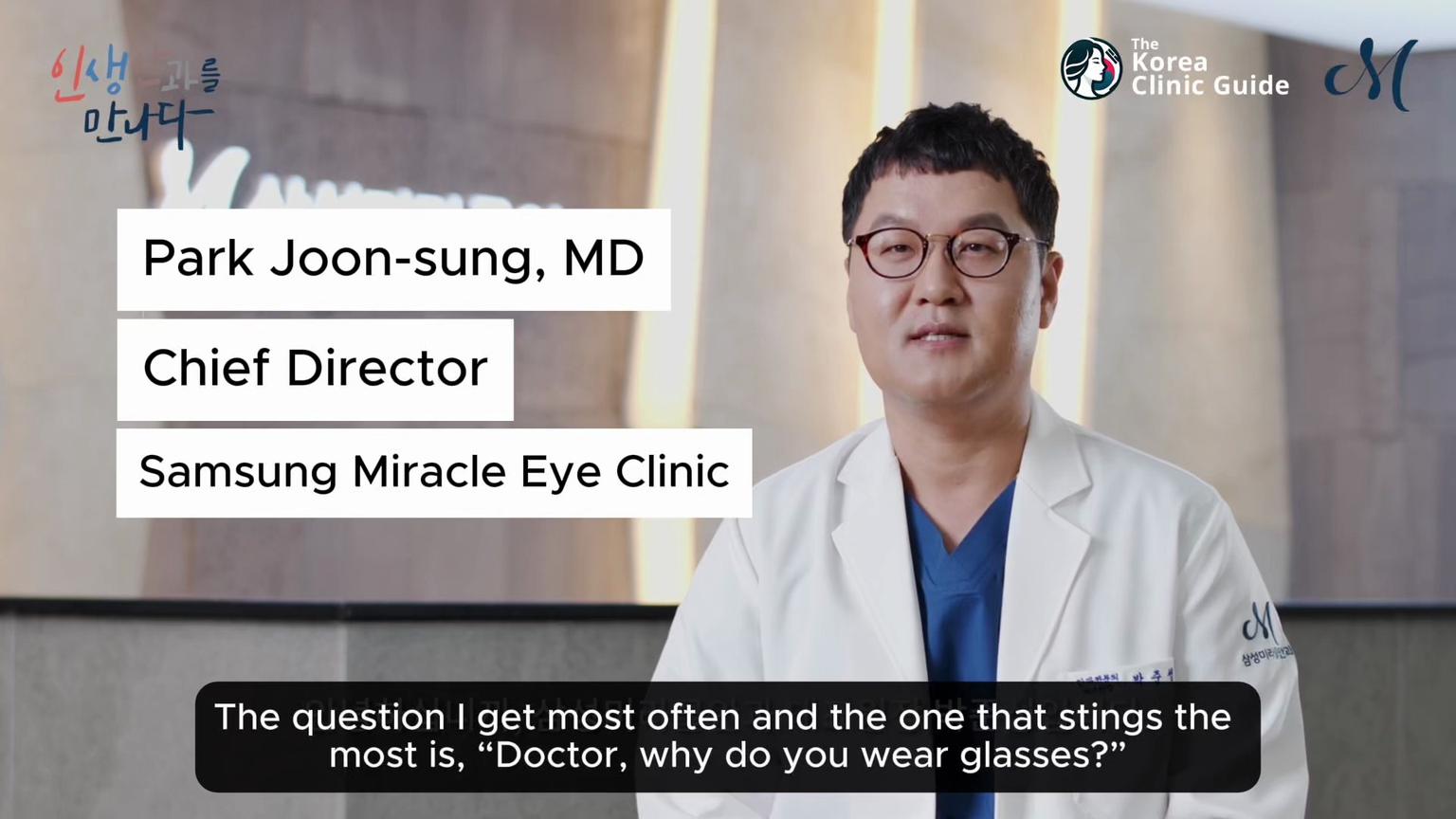
That is why I never think of eye care as a numbers game. I do not want to move through surgeries in a rushed, back-to-back rhythm just to fit more procedures into a day. I believe every patient deserves focused attention, careful judgment, and a treatment plan shaped around their condition. Good outcomes should be expected, of course, but I also believe kindness matters just as much. Patients remember how they were treated, how carefully they were heard, and whether they felt safe in the hands of their doctor.
Why I Refuse to Rush Patient Care
In ophthalmology, small differences can change everything. A tiny detail in an exam, a subtle sign in a patient’s history, or a slight change in timing can affect the final result in a major way. That is why I prefer to practice in a way that allows me to stay fully present with each patient instead of trying to handle too many surgeries in one uninterrupted stretch.
For me, being a truly kind doctor is not a slogan. It means approaching people warmly, speaking to them in a friendly way, and giving them the feeling that they are not just another case on a schedule. In eye care, patients often arrive anxious. They may be worried about losing vision, nervous about surgery, or frustrated because they have already been seen somewhere else without getting clear answers. In those moments, technical skill matters, but human connection matters too. A patient who feels respected and understood is much more able to move forward with confidence.
The Case I Still Remember Most
There is one patient I still think about often. He had extremely severe diabetic retinopathy, and by the time he came to us, his retina had already been badly damaged. Other hospitals had more or less turned him away, and the delay had made the situation much more dangerous. If treatment had been postponed any longer, he could have gone blind.
In a case like that, the order of treatment is critical. We first focused on stabilizing the diabetic retinopathy. Only after that condition was under control did we proceed with cataract surgery. Afterward, his vision improved significantly. Medically, it was an important case. Emotionally, it was even more powerful.
What stayed with me most was what he said afterward. He asked why no one had recognized how serious it was sooner and how it had been allowed to progress that far. Even though I had not caused that delay, I found myself apologizing. Sometimes that is what happens in medicine. You stand in front of a patient who has suffered, and your role is not only to treat the disease but also to acknowledge the pain, confusion, and disappointment they carry with them.
Listening Is Part of the Treatment
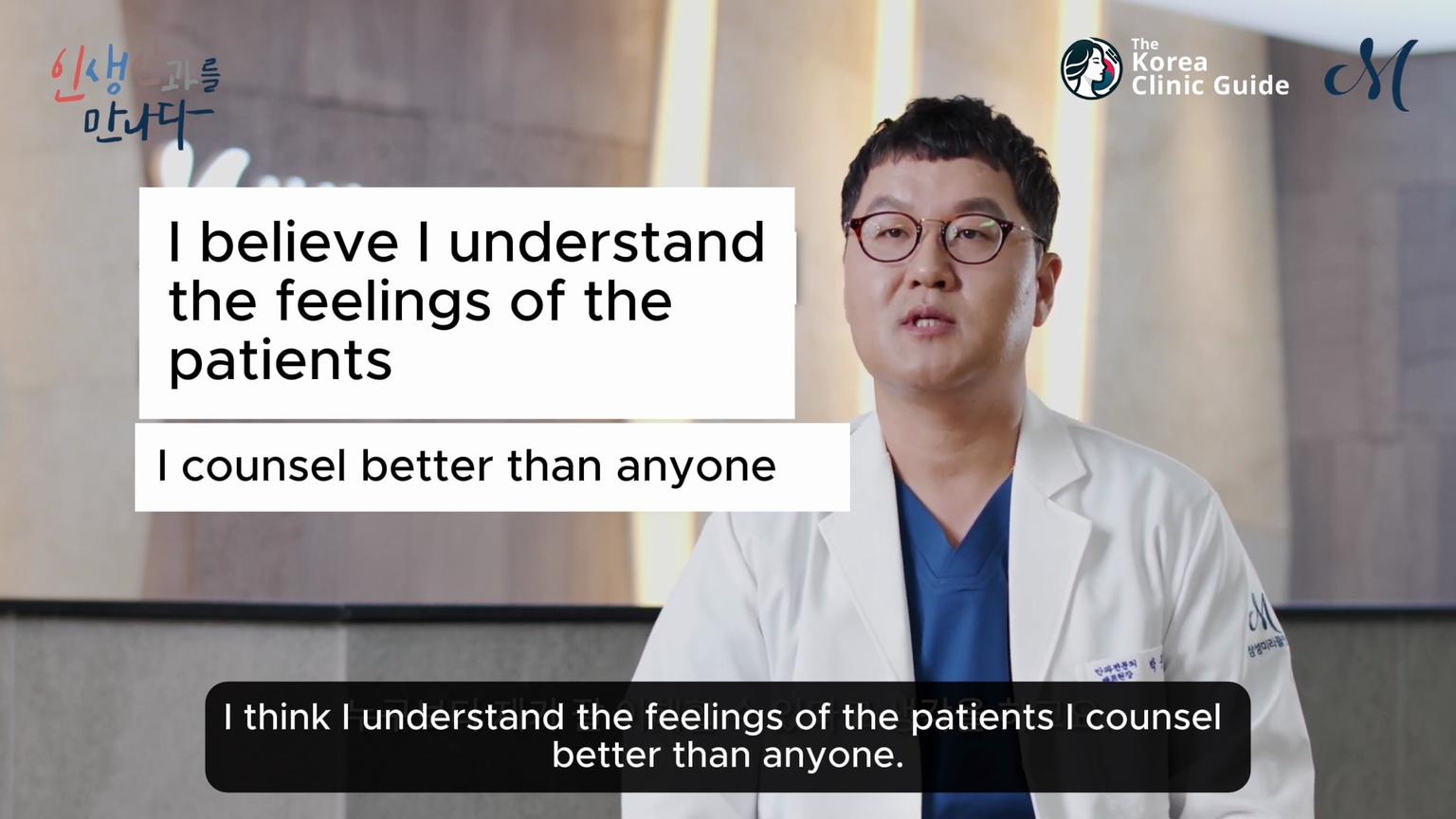
One of the habits I value most as a doctor is listening all the way to the end. I do not like cutting patients off while they are talking. Even if the schedule is running late, I try to let them finish what they need to say. In my experience, once patients have fully expressed themselves, they settle down. Their anxiety lowers, and the conversation becomes much more productive.
This matters especially in ophthalmology, where symptoms can feel vague or hard to explain. A patient may not know the right medical words, but their story still contains clues. The way their vision changed, when the discomfort began, what they noticed first, and what they fear most can all help shape the right diagnosis and plan.
I also believe that difficult patients should not be avoided. If someone is upset or demanding, I do not pull back from them. I greet them first. I try to meet tension with steadiness rather than distance. Often, what looks like a difficult personality is really fear, fatigue, or a long history of not feeling heard.
How My Grandmother Led Me to Ophthalmology
My path into ophthalmology began much earlier than my formal training. When I was in medical school, my grandmother on my mother’s side had very severe diabetes. Her vision deteriorated quickly, and I took her to eye clinics countless times. When she was admitted to a university hospital and eventually had surgery, I stayed with her and helped care for her.
At that time, I became deeply interested in the field, though I did not yet imagine I would choose it as my specialty. Later, during clinical rotations, I learned more about eye disease and eye surgery and found the work fascinating. Ophthalmology suited me. It combined precision, concentration, and the chance to make a dramatic difference in a patient’s daily life.
Eye surgery is exciting, but it is also uniquely intense because the patient is awake during the procedure. That made me nervous at first. On top of that, ophthalmic surgery is microscopic and highly delicate. Even the slightest slip can lead to a completely different outcome. Because of that, I learned to become extremely focused. That level of concentration is not optional in this field; it is part of the responsibility.
What Patients Should Know Before Eye Surgery
Whether someone is considering LASIK, SMILE, ICL surgery, cataract treatment, or long-term retinal care, one truth applies across the board: patients should look not only at the procedure, but at the philosophy behind the care. Technology matters. Experience matters. But the doctor’s habits matter too. Does that doctor rush? Does that doctor listen? Does that doctor stay consistent from one patient to the next?
At Samsung Miracle Eye Clinic, one of the things emphasized from the beginning of my training was standardization. No matter which exam room a patient enters, the setup should be the same so that patients receive the same level of care. I trained extensively to meet Director Park’s standards, and that applies not only to examinations but also to treatment plans, prescriptions, and surgery.
The goal is simple: patients should be able to expect similar quality no matter which doctor they see. The same is true across branches, including Gangnam and Cheonan. Consistency builds trust. In medicine, that trust is incredibly important because patients are placing one of their most precious senses in our hands.
Building a Clinic Patients Recommend for Generations
What I hope for most is that our clinic becomes what I think of as a life eye clinic, a place people recommend to the people they love and return to over many years. Sometimes it starts with one family member. A mother has cataract surgery and feels satisfied with the result. Then the grandfather comes. Then the husband comes. Later, the family even brings the grandchildren for Ortho-K lenses.
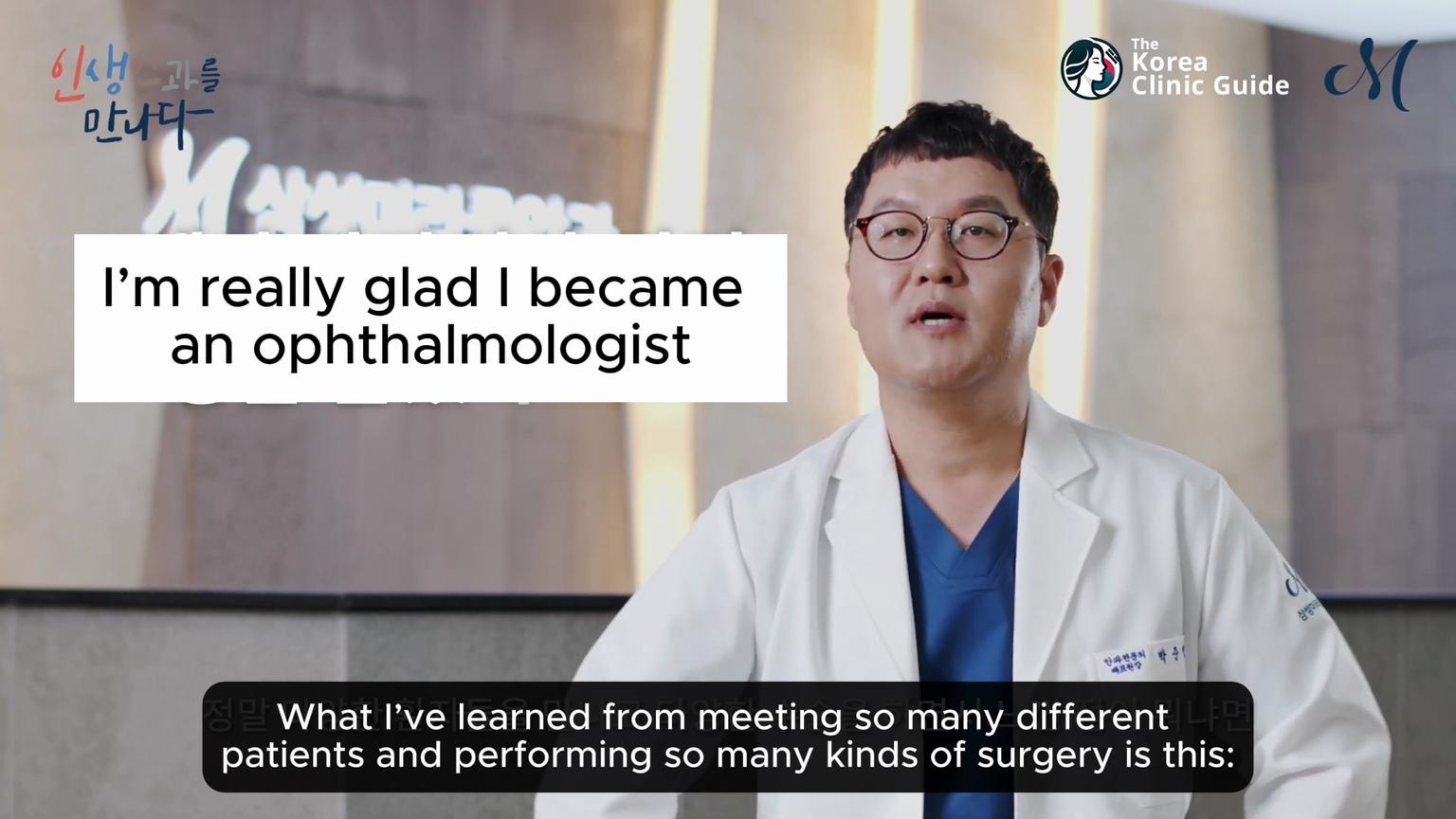
That kind of trust means more to me than volume ever could. It means the care did not end with a successful procedure. It continued as a relationship. It became something strong enough to be passed from one generation to the next.
A Final Reflection on Vision and Trust
If there is one thing I want patients to take away, it is this: the best eye care is never only about the surgery itself. It is about focus, honesty, consistency, and compassion working together. Patients deserve a doctor who pays attention, who does not rush, who listens carefully, and who treats them with warmth from the first conversation to the final follow-up.
That, to me, is the deeper meaning behind questions about eye doctors, glasses, and surgery. People are really asking whom they can trust with their vision. My answer is that trust is earned patient by patient, conversation by conversation, and outcome by outcome. That is the kind of doctor I continue striving to be.
More about Samsung Miracle Eye Clinic
For patients considering eye surgery in Korea, Samsung Miracle Eye Clinic stands out as a trusted choice by combining advanced technology with a highly accountable, patient-centered approach: every patient receives 1:1 personalized care, with the same doctor handling the initial examination, performing the surgery, and guiding the full recovery process for greater consistency and confidence. Located at Gangnam Station, the clinic also offers a convenient one-day system in which diagnosis and surgery can often be completed on the same day through its in-house diagnostic platform and patented Miracle Formula for precise lens power calculation, helping patients save time without sacrificing accuracy. Another key differentiator is that all surgeons are ambidextrous, enabling equally precise treatment in both eyes, improved symmetry, and reduced contact with the nasal bridge for added safety and comfort. Backed by a dedicated International Patient Team, Samsung Miracle Eye Clinic delivers the same high standard of care to overseas visitors seeking procedures such as SMILE LASIK, LASIK, LASEK, presbyopia and cataract treatment, intraocular lens insertion, Dream Lens, and re-calibration surgery, making it a reassuring destination for both excellent outcomes and strong patient trust.
Find more about this clinic here: Samsung Miracle Eye Clinic
Frequently Asked Questions
Related Blogs

Corneal Cross-linking (CXL) in Korea | Best Clinics, Costs, Procedure Types & More
Updated: Jul 2, 2026
SMILE Eye Surgery Benefits — What Doctors at Samsung Miracle Won't Stop Talking About
Updated: Jun 8, 2026

Why is LASIK So Expensive? With Dr. Jo from Samsung Miracle Eye Clinic
Updated: Apr 3, 2026

Vision Correction in Korea | Best Clinics, Costs, Procedure Types & More
Updated: Mar 21, 2026
Clinics offering LASIK
Samsung Miracle Eye Clinic Korea: Comprehensive Eye Care Services and Advanced Vision Correction Procedures
Gangnam Station

BGN Eye Clinic Jamsil: Premier Vision Correction Procedures and Eye Care in Korea
Jamsil

BnVIIT Eye Clinic: Premier Ophthalmology Services and Innovative Vision Correction Procedures in Gangnam, Korea
Gangnam Station

Bright Eye Clinic Korea: Leading Vision Correction & Cataract Surgery Provider in Gangnam
Sinnonhyeon Station