Medical Tourism Blog
Corneal Cross-linking (CXL) in Korea | Best Clinics, Costs, Procedure Types & More

Table of contents
- What Is Corneal Cross-linking (CXL)?
- Types of Corneal Cross-linking Procedures
- Combined Procedures Related to CXL
- What Happens Before the Procedure?
- Step-by-Step: How the CXL Procedure Is Performed
- How Long Does the Procedure Take?
- Is Corneal Cross-linking Painful?
- Recovery After Corneal Cross-linking
- Benefits of Corneal Cross-linking
- Risks and Possible Complications
- How Effective Is CXL?
- At What Stage Should CXL Be Considered?
- Corneal Thickness and Safety Considerations
- Follow-Up After the Procedure
- Corneal Cross-linking for Children and Teenagers
- How CXL Differs From Other Keratoconus Treatments
- Best Clinics in Korea for Corneal Cross Linking (Cxl)
- Corneal Cross-linking in Korea
- Questions Patients Commonly Ask About CXL
- Important Points to Discuss With a Specialist
- Medical Disclaimer
- Corneal Cross-linking (CXL) in Korea
- Cost of Corneal Cross-linking (CXL) in Korea
- Alternatives to Corneal Cross-linking (CXL)
- Conclusion
Considering treatment in Korea? Everything you need to know e.g. â how to avoid scams, visas, interpreters, recovery tips â in our Medical Tourism Master Guide. Plan with confidence in minutes, not weeks!
Could strengthening your cornea today help protect your vision for years to come? For people with progressive keratoconus and related corneal disorders, Corneal Cross-linking (CXL) has become one of the most important treatments for slowing further damage before more invasive surgery is needed. In Korea, patients can access CXL through advanced eye clinics and specialist centers that offer detailed diagnostic testing and modern treatment protocols. This guide explains how CXL works, who may benefit, what treatment in Korea is like, and what costs and alternatives you should consider.
Corneal Cross-linking (CXL) is an important treatment option for people with progressive corneal conditions such as keratoconus, and this article will provide a practical overview of what patients should know when considering the procedure in Korea. We will explain what CXL is, how it works to strengthen the cornea, and who may be a suitable candidate, then look at how Corneal Cross-linking (CXL) is offered in Korea, including what patients can generally expect from clinics, technology, and care standards. The article will also review the typical cost of Corneal Cross-linking (CXL) in Korea and the factors that can affect pricing, before outlining possible alternatives to CXL for those exploring other treatment paths or combination approaches.
What Is Corneal Cross-linking (CXL)?
Corneal Cross-linking (CXL), also called corneal collagen cross-linking or ê°ë§ê”ì°šêȰí©ì in Korea, is a minimally invasive ophthalmic procedure used to strengthen the cornea and slow or stop the progression of certain corneal disorders. The treatment is most commonly used for keratoconus, but it may also be recommended for post-LASIK ectasia, pellucid marginal degeneration, and selected cases of corneal thinning or biomechanical instability.
The cornea is the clear, dome-shaped front surface of the eye. It plays a major role in focusing light. In conditions such as keratoconus, the cornea becomes progressively thinner and weaker, causing it to bulge outward into an irregular cone-like shape. This can lead to:
- Blurred or distorted vision
- Increasing astigmatism
- Frequent prescription changes
- Glare and halos
- Reduced tolerance for glasses or contact lenses
CXL is designed to address the underlying structural weakness of the cornea rather than simply correcting vision. It does this by creating additional chemical bonds, or âcross-links,â between collagen fibers within the corneal tissue. These extra bonds make the cornea stiffer and more stable, helping prevent further deformation.
How Corneal Cross-linking Works
The standard CXL procedure uses two key components:
- Riboflavin (vitamin B2) eye drops
- Ultraviolet A (UVA) light
Riboflavin is applied to the cornea so that it penetrates the tissue. The cornea is then exposed to a controlled dose of UVA light. This combination triggers a photochemical reaction that strengthens the collagen network in the corneal stroma.
The main goal of treatment is not to âcureâ keratoconus or fully reverse existing distortion, but to halt progression. In many patients, stabilizing the cornea early can reduce the likelihood of needing more invasive procedures later, such as a corneal transplant.
Who Is Corneal Cross-linking For?
CXL is generally intended for patients with progressive corneal ectatic disease, especially when testing shows that the cornea is continuing to change over time.
Common candidates include:
Patients with Progressive Keratoconus
This is the most common reason for CXL. It is often recommended when there is evidence that keratoconus is getting worse, such as:
- Increasing corneal steepness on topography or tomography
- Worsening astigmatism
- Declining visual acuity
- Progressive corneal thinning
- Frequent changes in glasses or contact lens prescription
Patients with Post-Refractive Surgery Ectasia
In rare cases, the cornea can become unstable after procedures such as LASIK or SMILE. CXL may help strengthen the cornea and slow further bulging.
Some Patients with Pellucid Marginal Degeneration
This is another corneal thinning disorder that can lead to irregular astigmatism and visual distortion. CXL may be considered in selected progressive cases.
Younger Patients at Higher Risk of Progression
Keratoconus often progresses faster in teenagers and young adults. Because of this, ophthalmologists may recommend CXL relatively early in younger patients once progression is documented, or in some cases when the risk of progression is considered particularly high.
Who May Not Be a Good Candidate?
Not every patient with keratoconus or irregular corneal shape is automatically suitable for CXL. Eligibility depends on corneal thickness, disease stage, overall eye health, and whether progression is present.
CXL may not be appropriate or may require special modifications in patients with:
- Very thin corneas
- Significant corneal scarring
- Active eye infection
- Severe dry eye or poor epithelial healing
- Autoimmune disease or impaired wound healing in some cases
- Pregnancy or breastfeeding, depending on the physicianâs recommendations and local protocols
- History of herpes simplex eye disease, because light exposure and epithelial disruption may carry risk in some patients
A detailed corneal evaluation is necessary before treatment.
Conditions Commonly Treated With CXL
Keratoconus
Keratoconus causes progressive thinning and protrusion of the cornea, creating irregular astigmatism and distorted vision. CXL is one of the most important treatment options because it directly targets disease progression.
Post-LASIK or Post-Refractive Ectasia
This occurs when the cornea weakens after laser vision correction. CXL may help stabilize the cornea and may be combined with other visual rehabilitation strategies.
Pellucid Marginal Degeneration
This is a less common thinning disorder, usually affecting the lower peripheral cornea. CXL may be considered if progression is demonstrated.
Infectious Keratitis in Selected Cases
A specialized variation sometimes called photoactivated chromophore for keratitis-corneal cross-linking (PACK-CXL) has been explored as an adjunct treatment in certain corneal infections. This is not the same as standard ectasia treatment and is usually reserved for highly specific situations under specialist care.
Main Goals of Corneal Cross-linking
The goals of CXL typically include:
- Stopping or slowing disease progression
- Strengthening the corneal structure
- Reducing the risk of severe corneal distortion
- Lowering the chance of needing corneal transplantation
- In some patients, achieving modest flattening of the cornea
- In some patients, providing a more stable surface for glasses, soft lenses, scleral lenses, or rigid gas permeable lenses
It is important to understand that CXL is primarily a stabilizing treatment, not a refractive procedure. Some patients notice vision improvement after healing, while others mainly benefit from preventing further deterioration.
Types of Corneal Cross-linking Procedures
There are several CXL techniques. The main differences involve whether the corneal epithelium is removed and how the UVA energy is delivered.
1. Standard Epithelium-Off CXL (Epi-Off CXL)
This is the classic and most widely studied version, often referred to as the Dresden protocol or a modified form of it.
How it works
- The thin outer layer of the cornea, called the epithelium, is removed.
- Riboflavin drops are applied for a period of time so the medication can penetrate the corneal stroma.
- UVA light is then applied under controlled settings.
- Riboflavin continues to be used during treatment to maintain saturation and protect deeper structures.
Advantages
- Strongest long-term evidence base
- Good riboflavin penetration
- Often considered the benchmark for effectiveness in progressive keratoconus
Disadvantages
- More postoperative discomfort
- Slower healing than epithelium-on approaches
- Risk of infection, haze, delayed epithelial healing, and corneal scarring, though these are uncommon when properly managed
2. Accelerated Epithelium-Off CXL
Accelerated CXL uses higher-intensity UVA light for a shorter treatment time while aiming to deliver a similar total energy dose.
How it differs
- Epithelium is still removed
- UVA exposure is shorter
- Overall chair time may be reduced
Potential benefits
- Shorter procedure duration
- Greater convenience for patients and clinics
Considerations
- It is widely used, but specific protocols vary by device and surgeon
- Outcomes are generally favorable, though the exact equivalence to conventional protocols can depend on treatment settings and patient selection
3. Transepithelial CXL (Epi-On CXL)
In this method, the corneal epithelium is left in place.
Why it is considered
- Less discomfort
- Faster recovery
- Lower risk of infection or delayed epithelial healing
- Potentially appealing in selected patients with thin corneas or healing concerns
Limitations
The epithelium acts as a barrier, making it harder for riboflavin to penetrate the cornea effectively. Because of this, standard epi-on techniques have historically shown more variable effectiveness than epi-off CXL.
Current role
Some centers use enhanced transepithelial methods, iontophoresis-assisted delivery, or other modifications to improve riboflavin penetration. These approaches may be appropriate in selected cases, but efficacy can vary.
4. Customized or Specialized CXL Approaches
Some eye centers offer customized protocols based on corneal shape, thickness, disease severity, or combined treatment plans.
Examples include:
- Topography-guided or customized CXL
- Contact lens-assisted CXL (CACXL) for thin corneas
- Iontophoresis-assisted CXL
- Combined CXL with refractive or corneal regularization procedures
These are more specialized techniques and are usually considered on a case-by-case basis.
Combined Procedures Related to CXL
In some patients, CXL may be performed together with other corneal procedures to improve both stability and visual quality.
CXL with Photorefractive Keratectomy (PRK)
Sometimes called the âAthens Protocolâ or similar combined approaches, this involves limited surface laser treatment to reduce irregularity, followed by CXL to stabilize the cornea.
Potential goals:
- Improve corneal regularity
- Reduce irregular astigmatism
- Improve corrected visual acuity
- Stabilize the disease
This approach is only suitable for selected patients and depends heavily on corneal thickness and disease stage.
CXL with Intracorneal Ring Segments (ICRS)
Intracorneal ring segments can reshape the cornea to some degree, while CXL can improve structural stability.
Potential goals:
- Flatten the cone
- Improve contact lens fit
- Reduce irregularity
- Slow further progression
CXL Before or After Specialty Contact Lens Fitting
Many keratoconus patients continue to rely on:
- Rigid gas permeable lenses
- Hybrid lenses
- Scleral lenses
CXL can help stabilize the cornea so that lens fitting becomes more predictable over time.
What Happens Before the Procedure?
A thorough preoperative evaluation is essential. In Korea, as in other countries, this is usually performed by a cornea specialist or an ophthalmologist experienced in ectatic corneal disorders.
Typical Preoperative Tests
These may include:
- Refraction and visual acuity testing
- Corneal topography
- Corneal tomography
- Pachymetry to measure corneal thickness
- Slit-lamp examination
- Assessment for corneal scarring
- Evaluation of tear film and ocular surface
- In some cases, endothelial cell assessment
Why These Tests Matter
The doctor needs to determine:
- Whether the disease is truly progressing
- Whether the cornea is thick enough for the chosen protocol
- Whether scarring is already advanced
- Whether there are contraindications such as infection or poor ocular surface health
- Which technique is most appropriate
Contact Lens Discontinuation
Patients who wear contact lenses are often asked to stop using them before measurements, especially rigid or scleral lenses, because lenses can temporarily alter corneal shape.
The exact time varies by lens type and clinic protocol.
Step-by-Step: How the CXL Procedure Is Performed
The exact protocol varies, but a standard epithelium-off procedure generally follows these steps.
1. Preparation
- The eye is numbed with anesthetic drops.
- The eyelids and surrounding area are cleaned.
- A lid speculum is placed to keep the eye open.
2. Removal of the Corneal Epithelium
In epi-off CXL, the surface epithelial layer is gently removed from the central cornea. This allows riboflavin to penetrate more deeply.
3. Riboflavin Application
Riboflavin drops are placed on the cornea repeatedly for a set time, often around 20 to 30 minutes, depending on the protocol.
The surgeon confirms adequate corneal saturation before moving to UVA treatment.
4. UVA Light Exposure
The cornea is exposed to UVA light for a controlled period. During this phase:
- Riboflavin drops may continue to be applied
- The cornea is monitored
- The patient is asked to maintain steady fixation
5. Protective Contact Lens Placement
At the end of epi-off treatment, a bandage contact lens is often placed to protect the cornea while the epithelium heals.
6. Postoperative Medications
The patient is usually prescribed:
- Antibiotic eye drops
- Anti-inflammatory drops, depending on protocol
- Lubricating drops
- Pain-relief measures if needed
How Long Does the Procedure Take?
The total visit may take about 1 to 2 hours, depending on the protocol and clinic workflow.
The active UVA treatment itself is much shorter than the entire appointment. Time is also needed for:
- Preparation
- Riboflavin soaking
- Intraoperative monitoring
- Immediate postoperative care
Is Corneal Cross-linking Painful?
During the procedure, discomfort is usually minimal because of anesthetic drops.
After epi-off CXL, it is common to experience:
- Eye pain or burning
- Light sensitivity
- Foreign body sensation
- Tearing
- Blurred vision for several days
Discomfort is usually most noticeable in the first few days while the epithelium heals.
After epi-on CXL, postoperative discomfort is typically milder.
Recovery After Corneal Cross-linking
Recovery varies depending on the technique used.
Early Recovery
For epi-off CXL:
- Surface healing often takes several days
- Vision may be blurry or fluctuate initially
- Light sensitivity can be significant for a short period
- The bandage contact lens is usually removed after epithelial healing
For epi-on CXL:
- Recovery is often faster
- Pain is usually less severe
- Vision may recover more quickly, although this depends on the specific protocol
Visual Recovery Timeline
Vision often does not improve immediately. In fact, it may get temporarily worse before stabilizing.
Patients may notice:
- Fluctuating vision for weeks or months
- Delayed visual stabilization
- Gradual changes in topography over several months
Long-term follow-up is important because the purpose of CXL is to assess stability over time, not just short-term comfort.
Activity Restrictions
Doctors commonly advise patients to:
- Avoid rubbing the eye
- Keep water, soap, and contaminants out of the eye during the early healing period
- Avoid swimming for a period of time
- Follow instructions regarding exercise, makeup, and screen use as advised by the surgeon
- Use medications exactly as prescribed
Benefits of Corneal Cross-linking
The main benefit of CXL is that it can stop or significantly slow progression of corneal ectasia.
Additional potential benefits include:
- Better long-term corneal stability
- Reduced risk of severe corneal distortion
- Reduced chance of eventually needing corneal transplantation
- Mild corneal flattening in some patients
- Potential improvement in corrected vision in selected cases
- Greater stability for future contact lens fitting or other visual rehabilitation
For many patients, the most important success measure is simply that the cornea stops getting worse.
Risks and Possible Complications
Corneal Cross-linking is generally considered safe when performed by experienced specialists, but like any medical procedure, it carries potential risks.
Common Temporary Effects
- Eye pain or discomfort
- Redness
- Light sensitivity
- Tearing
- Temporary blurred vision
- Fluctuating vision during recovery
Less Common Complications
- Delayed epithelial healing
- Corneal haze
- Sterile infiltrates
- Infection
- Scarring
- Persistent dry eye symptoms
- Temporary or prolonged decrease in vision
- Corneal edema
- Reactivation of herpetic eye disease in susceptible individuals
Rare but Serious Concerns
- Significant corneal scarring
- Endothelial damage if safety parameters are not met
- Persistent visual quality issues
- Need for additional procedures if progression continues
Careful screening, proper technique, and close follow-up help reduce these risks.
How Effective Is CXL?
CXL has become a major standard treatment for progressive keratoconus because multiple studies have shown that it can reduce the likelihood of continued corneal steepening and thinning.
What Patients Can Generally Expect
- In many cases, progression stops
- In some cases, corneal shape becomes slightly flatter
- Some patients notice better vision with glasses or contact lenses
- Others mainly benefit from stabilization rather than visible vision improvement
Effectiveness can depend on:
- Age
- Severity of disease
- Whether progression was rapid before treatment
- Corneal thickness
- Procedure type used
- Surgeon experience
- Adherence to follow-up care
Does CXL Permanently Cure Keratoconus?
No. CXL does not eliminate keratoconus, and it does not restore a normal cornea. Its main role is to strengthen and stabilize the cornea.
Some patients may still need:
- Glasses
- Specialty contact lenses
- Further procedures for visual rehabilitation
- Repeat monitoring over time
At What Stage Should CXL Be Considered?
CXL is often most valuable when performed before advanced scarring and severe distortion develop.
Early Intervention
Doctors often consider CXL when there is:
- Confirmed progression
- A younger patient with worsening topography
- Increasing irregular astigmatism
- Concern that waiting could allow avoidable corneal damage
Advanced Disease
CXL may still be considered in more advanced keratoconus if the cornea remains suitable, but the visual benefit may be limited if significant scarring is already present.
In advanced cases, patients may also need:
- Scleral lenses
- Intracorneal ring segments
- Corneal transplantation if the cornea becomes too scarred or irregular
Corneal Thickness and Safety Considerations
One of the most important issues in CXL planning is corneal thickness.
The UVA light used in treatment must not damage deeper eye structures, especially the corneal endothelium. Because of this, most protocols require a minimum corneal thickness, particularly for standard epi-off treatment.
If the cornea is thinner than recommended, surgeons may consider:
- Hypo-osmolar riboflavin swelling techniques
- Contact lens-assisted CXL
- Modified protocols
- Transepithelial approaches in selected cases
The exact strategy depends on the clinical setting and available technology.
Follow-Up After the Procedure
Follow-up visits are essential to monitor healing and determine whether the cornea has stabilized.
Typical Follow-Up May Include
- Surface healing checks in the first days
- Bandage contact lens removal
- Vision assessment
- Slit-lamp examination
- Repeat topography or tomography over time
- Monitoring for haze, scarring, or progression
Because keratoconus changes occur gradually, meaningful assessment often requires months to years of observation.
Corneal Cross-linking for Children and Teenagers
Keratoconus can progress especially quickly in children and adolescents. For this reason, CXL is often discussed relatively early in younger patients.
Why Pediatric Cases Matter
- Progression can be faster than in adults
- Delays may lead to more severe corneal distortion
- Early stabilization may reduce long-term vision loss
However, pediatric CXL still requires individualized evaluation, including:
- Disease severity
- Documented progression
- Corneal thickness
- Ability to cooperate with treatment and follow-up
Parents should discuss timing, expected benefits, and recovery needs in detail with the specialist.
How CXL Differs From Other Keratoconus Treatments
Many patients confuse CXL with treatments that improve vision. It is important to distinguish them.
Glasses and Contact Lenses
These help correct vision but do not stop keratoconus from worsening.
Intracorneal Ring Segments
These may reshape the cornea and improve vision quality in selected patients, but they do not strengthen the corneal collagen the way CXL does.
PRK or Other Laser Procedures
These are generally aimed at vision correction or corneal regularization, not primary stabilization. In keratoconus, they may sometimes be combined with CXL in carefully selected cases.
Corneal Transplant
A transplant may be required in advanced disease with severe scarring or contact lens intolerance. CXL is often used earlier in the disease course to reduce the chance that a transplant will become necessary.
Best Clinics in Korea for Corneal Cross Linking (Cxl)
Listed below are the best clinics in Korea for corneal cross linking (cxl):
| Clinic Name | Key Features | Special Techniques |
|---|---|---|
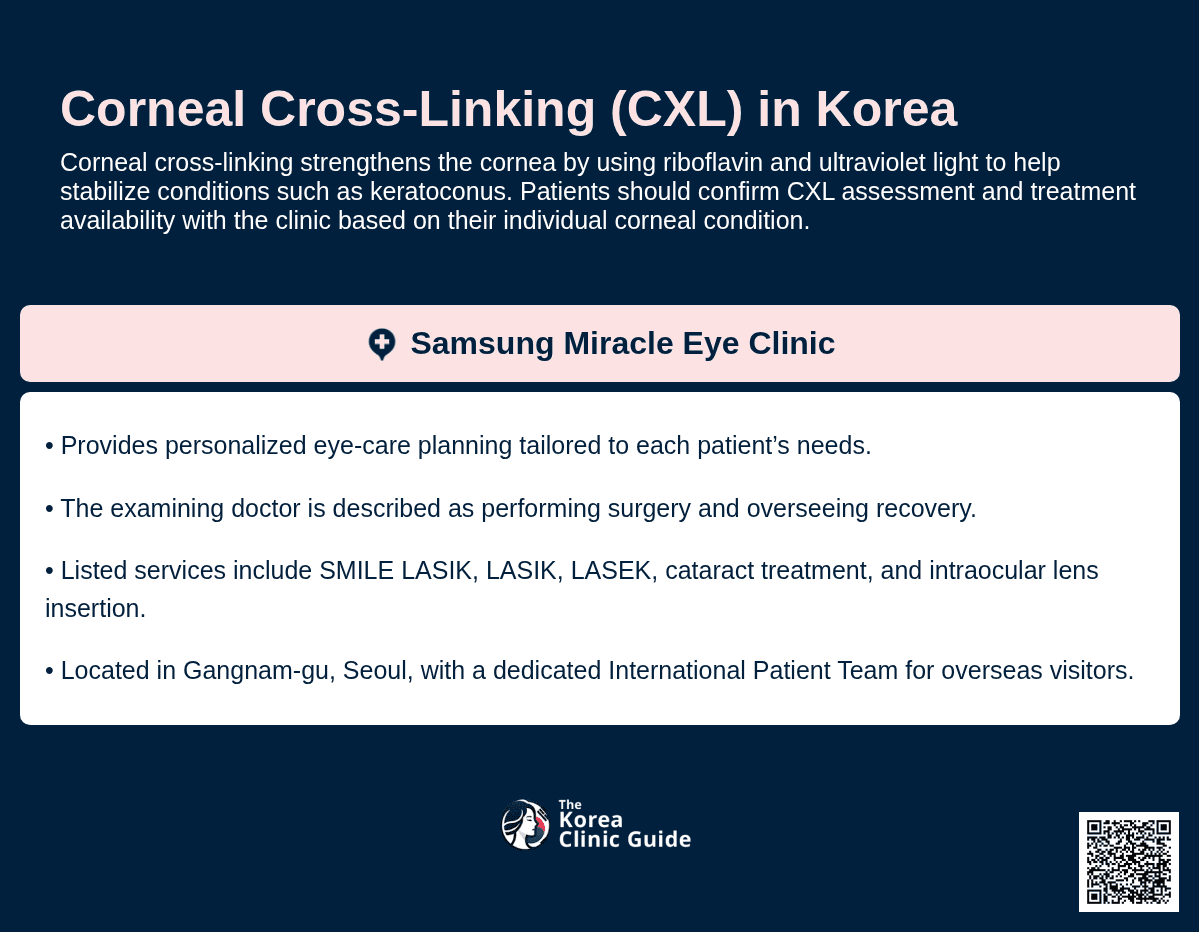
| Samsung Miracle Eye Clinic Website | Patient-centered approach built on precision, continuity, and convenience; 1:1 personalized care with tailored consultation and customized treatment plan; the same ophthalmologist who performs the initial eye examination also carries out the procedure and manages the full recovery process, ensuring consistency, accountability, and close follow-up throughout treatment; advanced one-day system supported by in-house diagnostics and its patented Miracle Formula for precise lens power calculation, allowing diagnosis and surgery to be completed on the same day when appropriate; all surgeons are ambidextrous, a distinctive advantage that supports balanced precision in both eyes while minimizing contact with the nasal bridge for added comfort and safety; dedicated International Patient Team helps deliver the same high standard of care and convenience for overseas visitors. | Ambidextrous surgeons; Miracle Formula for precise lens power calculation; One-day system enabling same-day diagnosis and surgery when appropriate; International Patient Team assisting overseas visitors |
Samsung Miracle Eye Clinic
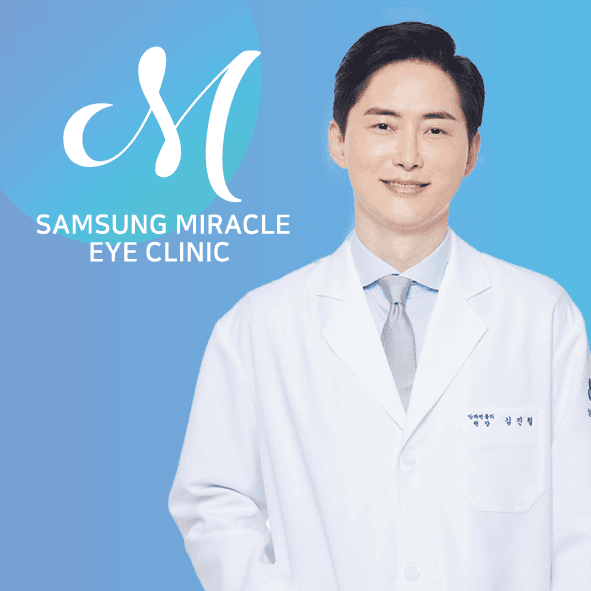
For patients exploring Corneal Cross Linking (CXL) in Korea, Samsung Miracle Eye Clinic in Gangnam offers a patient-centered approach built on precision, continuity, and convenience. The clinic provides 1:1 personalized care, with each patient receiving a tailored consultation and customized treatment plan. Unlike many clinics where care may be split between different doctors, the same ophthalmologist who performs the initial eye examination also carries out the procedure and manages the full recovery process, helping ensure consistency, accountability, and close follow-up throughout treatment.
Samsung Miracle Eye Clinic is also known for its advanced one-day system, supported by in-house diagnostics and its patented Miracle Formula for precise lens power calculation, allowing diagnosis and surgery to be completed on the same day when appropriate. All surgeons at the clinic are ambidextrous, a distinctive advantage that supports balanced precision in both eyes while minimizing contact with the nasal bridge for added comfort and safety. For overseas visitors, a dedicated International Patient Team helps deliver the same high standard of care and convenience, making the clinic a strong option for international patients seeking advanced eye treatment in Korea.
You can check out their website here: Samsung Miracle Eye Clinic Website
Corneal Cross-linking in Korea
In Korea, CXL is available at many specialized ophthalmology centers and university hospitals, especially those with cornea and refractive surgery services. Patients seeking CXL in Korea are commonly evaluated using advanced corneal imaging technologies such as:
- Corneal topography
- Scheimpflug tomography
- Pachymetry mapping
- Anterior segment imaging
What Patients in Korea Should Expect
Depending on the clinic, patients may find differences in:
- Available CXL protocols
- Device technology
- Whether epi-off or epi-on approaches are preferred
- Whether the center also offers combined treatments
- Follow-up schedules
- Pricing and insurance handling
Because practices can vary, patients in Korea should ask:
- Which CXL protocol is being recommended
- Why that protocol is appropriate for their cornea
- Whether progression has been documented
- Whether the cornea is thick enough for standard treatment
- What the expected recovery timeline is
- Whether further visual correction, such as scleral lenses, may still be needed afterward
Questions Patients Commonly Ask About CXL
Will my vision improve after CXL?
Possibly, but improvement is not guaranteed. The main purpose is to stop worsening. Some patients notice modest visual improvement over time, while others simply maintain their current level.
Will I still need glasses or contact lenses?
Many patients do. CXL strengthens the cornea, but it does not always eliminate irregular astigmatism or restore normal optics.
Can keratoconus come back after CXL?
Keratoconus is a chronic condition, and progression can occasionally continue or recur. Long-term follow-up remains important.
Can both eyes be treated?
Yes, if both eyes need treatment, but timing depends on disease severity, recovery needs, and physician preference. Some surgeons treat one eye at a time.
Is repeat CXL ever necessary?
In uncommon cases, if progression continues after the initial procedure, repeat treatment may be considered.
Important Points to Discuss With a Specialist
Before choosing Corneal Cross-linking, patients should discuss:
- Whether their corneal disease is truly progressing
- Which CXL technique is most suitable
- Whether the procedure is expected to stabilize, improve, or mainly preserve vision
- What the risks are based on their corneal thickness and eye health
- Whether they may benefit from future contact lens fitting or additional corneal procedures
- How often they will need follow-up imaging after treatment
Medical Disclaimer
Corneal Cross-linking is a specialized eye procedure that requires individualized assessment by a qualified ophthalmologist. The information above is for educational purposes and should not replace medical advice, diagnosis, or treatment recommendations from a licensed eye specialist.
Corneal Cross-linking (CXL) in Korea

Corneal Cross-linking (CXL) in Korea is typically a highly structured, outpatient experience centered around careful diagnostic testing, modern ophthalmology equipment, and close follow-up. The procedure is used primarily to slow or stop progressive corneal weakening conditions such as keratoconus and post-LASIK ectasia. It does not usually âcureâ these conditions or fully reverse existing corneal distortion, but it can help stabilize the cornea and reduce the chance that vision will continue to worsen.
For many patients, getting CXL in Korea feels less like a major operation and more like a specialized corneal treatment day, followed by a recovery period that can range from mildly inconvenient to fairly uncomfortable, depending on the technique used.
What Corneal Cross-linking (CXL) actually does
The cornea is the clear front surface of the eye. In conditions like keratoconus, the cornea gradually becomes thinner and weaker, causing it to bulge into an irregular shape. This can lead to blurred vision, ghosting, glare, and increasing dependence on glasses or rigid contact lenses.
CXL works by strengthening the corneal collagen fibers. In the standard approach, the eye is treated with riboflavin drops, which are then activated by ultraviolet-A (UVA) light. This creates additional cross-links between collagen fibers, making the cornea more biomechanically stable.
In practical terms, the goal is usually:
- to halt or slow progression
- to preserve vision
- to reduce the chance of needing a corneal transplant later
- to make future vision correction strategies, such as specialty contact lenses, more effective
Why patients choose Korea for CXL
Korea is known for advanced eye care infrastructure, especially in major cities such as Seoul, Busan, Daegu, and Daejeon. Patients often choose Korea because clinics may offer:
- high-resolution corneal imaging
- experienced cornea specialists
- efficient scheduling and testing
- access to both standard and accelerated CXL protocols
- integrated care if additional procedures are being considered later, such as intracorneal ring segments or specialized lens fitting
For local residents, the process may feel streamlined and familiar within a tertiary hospital or private eye center. For international patients, the experience often depends heavily on whether the clinic has English-speaking staff or a formal international patient program.
Who may be offered CXL in Korea
Korean ophthalmologists generally recommend CXL when there is evidence that the cornea is getting worse over time. This may include:
- progressive keratoconus
- post-refractive surgery ectasia
- progressive corneal thinning disorders
- selected pediatric or young adult cases, where progression risk can be higher
A doctor may look for progression using:
- increasing corneal steepness on topography or tomography
- increasing astigmatism
- worsening best-corrected vision
- thinning of the cornea over time
- changes in contact lens fit or tolerance
Patients who are younger are often treated earlier because keratoconus can progress faster in adolescence and early adulthood.
The first appointment: what the consultation is like
The evaluation for CXL in Korea is usually more extensive than a standard eye exam. A typical visit may include several tests before you even meet the surgeon.
Common tests include:
- visual acuity testing
- refraction
- corneal topography
- corneal tomography
- pachymetry, which measures corneal thickness
- slit-lamp examination
- intraocular pressure measurement
- dilated eye examination in some cases
Many Korean eye clinics are organized efficiently, so patients often move through several machines in sequence before seeing the ophthalmologist. The clinic staff may take photos and scans of both eyes, even if only one eye is the main concern.
During the consultation, the specialist may explain:
- whether the cornea is progressing
- whether you are a good candidate for CXL
- whether the treatment should be done in one eye or both
- which technique is recommended
- what visual recovery is likely to be like
- whether you might need contact lenses or glasses after stabilization
One important point many patients learn at this visit is that CXL is usually meant to stabilize the eye, not to immediately improve vision. Some people do notice modest vision improvement over time, but that is not the primary promise of the procedure.
Techniques you may hear about in Korea
Clinics in Korea may offer one or more forms of CXL. The terminology can be confusing, so patients are often briefed on the differences.
Epi-off CXL
This is the traditional and most established technique. The outer layer of the cornea, called the epithelium, is removed so the riboflavin drops can penetrate more effectively.
What this means for the patient:
- stronger evidence base for effectiveness
- more discomfort during recovery
- longer healing time
- temporary light sensitivity and foreign body sensation are common
Epi-on CXL
In this version, the epithelium is left in place. This can reduce pain and speed recovery, but penetration of riboflavin may be less reliable depending on the protocol used.
What this means for the patient:
- usually less postoperative discomfort
- faster return to routine activities
- may not be recommended in all cases
- some specialists prefer epi-off if progression risk is high
Accelerated CXL
Some clinics use higher-intensity UVA light for a shorter treatment time. This may shorten the procedure but is still aimed at producing the same biological effect.
Patients often experience this simply as âa shorter session,â though the exact protocol depends on the clinic and the doctorâs preference.
Preparing for the procedure
Before CXL, patients in Korea are often asked to stop wearing contact lenses for a certain period so corneal measurements are accurate.
Typical instructions may include:
- stop soft contact lenses for several days before testing or treatment
- stop rigid gas permeable lenses for a longer period, sometimes weeks, depending on the case
- avoid eye makeup on the day of the procedure
- arrange transportation home if vision will be blurry afterward
- bring sunglasses, since the eyes may be light-sensitive
Some clinics also review:
- history of herpes eye infection
- corneal scarring
- severe dry eye
- autoimmune disease
- pregnancy or breastfeeding status
- current medications
The doctor will also check whether the cornea is thick enough for safe treatment. If the cornea is too thin, specialized protocols may be needed, or treatment may be deferred.
What the day of CXL feels like
In Korea, CXL is usually done as a day procedure in a laser treatment room or minor procedure suite within the eye clinic or hospital. The atmosphere is generally clinical but calm. Patients often spend much more time on preparation and recovery instructions than on the actual treatment itself.
Before the procedure starts
On arrival, staff may:
- confirm your identity and consent forms
- review the treatment eye
- check your vision and vital signs in some settings
- place anesthetic eye drops
- clean the area around the eye
- position you under the treatment device
Most patients remain awake the entire time. Sedation is uncommon, though mild oral medication may occasionally be offered depending on the clinic and patient anxiety level.
Step-by-step: what happens during CXL
The exact sequence depends on the technique, but for standard epi-off CXL, the experience usually goes something like this:
1. Numbing the eye
Anesthetic drops are placed in the eye so that you do not feel sharp pain during the procedure. You may still notice pressure, cool liquid, or mild irritation.
2. Keeping the eye open
A small eyelid holder, called a speculum, is used to keep the eye open. This often feels strange but not painful. Many patients say this is one of the most awkward parts of the procedure.
3. Removing the epithelium, if doing epi-off CXL
The surgeon gently removes the corneal surface layer. Because of the numbing drops, this is usually not painful during the procedure, but it is the main reason recovery can be uncomfortable later.
4. Riboflavin drops
Vitamin B2, or riboflavin, drops are placed on the cornea repeatedly for a period of time. In some clinics, this stage can take 10 to 30 minutes or longer depending on the protocol.
Patients usually lie still and look upward at a fixation light. During this time, the staff may check that the riboflavin has penetrated properly.
5. UVA light treatment
Once the eye is ready, the UVA light is applied for a set period. Riboflavin drops may continue during this phase.
What patients commonly feel:
- bright light
- a need to concentrate on keeping the eye still
- occasional dryness or awareness of the eyelid holder
- minimal pain during treatment if the eye remains well numbed
6. Bandage contact lens placement
If epi-off CXL was performed, a soft bandage contact lens is usually placed on the eye to protect the surface while it heals.
7. Medication and discharge instructions
Afterward, the clinic will generally prescribe or dispense:
- antibiotic drops
- anti-inflammatory drops
- lubricating artificial tears
- pain medication if needed
Many Korean clinics provide printed aftercare instructions, and larger centers may also give bilingual instructions if they serve international patients regularly.
How long the procedure takes
The total time in clinic can range from about 1.5 to 3 hours or sometimes longer, depending on:
- the protocol used
- whether both eyes are treated
- how much pre-procedure testing is done the same day
- clinic workflow
The actual light treatment is only part of the appointment. The preparation phases can take a substantial amount of time.
What it feels like immediately after
This is often the part patients remember most clearly. Once the numbing drops wear off, discomfort can increase significantly, especially with epi-off CXL.
Common sensations in the first several hours include:
- burning
- tearing
- foreign body sensation
- light sensitivity
- blurred vision
- difficulty keeping the eye open comfortably
Some patients describe it as feeling like a scratched eye. Others compare it to having a grain of sand trapped under the eyelid that will not wash out. The level of discomfort varies, but the first 24 to 72 hours are usually the hardest.
If both eyes are treated at once, this can be more challenging, since both eyes may be blurry and light-sensitive at the same time. Some surgeons prefer one eye at a time for this reason, though practices differ.
The first few days of recovery in Korea
Recovery after CXL can feel surprisingly intense for a procedure that is relatively short. Most patients need to rest, avoid bright environments, and use drops frequently.
Typical first 1 to 3 days
You may experience:
- moderate to significant discomfort
- watery eyes
- blurred or hazy vision
- sensitivity to screens and overhead lights
- eyelid swelling in some cases
Many patients stay indoors, use sunglasses even inside if needed, and limit reading or computer work. Korean clinics usually schedule an early follow-up visit to check epithelial healing and remove the bandage contact lens when appropriate.
When the bandage lens is removed
This is often done once the surface has healed sufficiently, commonly within several days, though timing varies. After removal, the eye often feels noticeably better, but vision may still remain blurry for some time.
The longer recovery timeline
Visual recovery after CXL is not always linear. Patients are often told to expect fluctuations.
In the first few weeks
It is common to have:
- variable vision from day to day
- dry eye symptoms
- glare or halos
- residual light sensitivity
- mild corneal haze
Some people can return to desk work within a few days if discomfort is manageable. Others need closer to a week, particularly after epi-off treatment.
Over 1 to 3 months
Vision may remain unstable while the cornea remodels. This can be frustrating if you are hoping for a quick return to baseline. Follow-up imaging is often more important than how your vision feels on any single day.
Over 3 to 12 months
The cornea continues to stabilize gradually. Some patients notice improvement in quality of vision, while others mainly notice that their prescription stops changing as quickly.
Follow-up appointments in Korea
Postoperative follow-up is a major part of the experience. Korean eye clinics tend to monitor carefully, especially if the patient had progressive keratoconus before treatment.
A typical follow-up schedule may include visits:
- within the first few days
- around 1 week
- around 1 month
- at 3 to 6 months
- at 12 months, with repeat imaging
At these visits, the clinic may assess:
- epithelial healing
- signs of infection or inflammation
- corneal haze
- visual acuity
- corneal topography or tomography changes
- whether progression appears to have stopped
What patients usually want to know about pain
This is one of the most common practical questions.
During the procedure
Most patients have little to no sharp pain because of anesthetic drops.
After the procedure
For epi-off CXL, discomfort can range from mild to strong for a few days. The pain is usually temporary but can be significant enough to disrupt sleep, screen use, and normal activities. Epi-on procedures are generally more comfortable.
Pain control may include:
- chilled artificial tears
- prescribed drops
- oral pain relievers
- rest in a dark room
Vision after CXL: what changes and what does not
A common misconception is that CXL is mainly a vision correction procedure. In reality, its main job is to stabilize the cornea.
After CXL:
- you may still need glasses
- you may still need rigid or scleral contact lenses
- your prescription may not immediately improve
- vision may be worse before it gets better during healing
Some patients later pursue additional management such as:
- updated glasses
- specialty contact lens fitting
- intracorneal ring segments in selected cases
- topography-guided procedures in specific circumstances, if appropriate and recommended by a specialist
Safety and risks
CXL is generally considered safe when performed in the right candidate, but like any eye procedure, it has potential risks.
Possible side effects and complications include:
- pain during healing
- delayed epithelial healing
- infection
- corneal haze
- sterile infiltrates
- worsening dry eye symptoms
- temporary reduction in vision
- scarring
- treatment failure or continued progression in some cases
A careful Korean cornea specialist will usually balance these risks against the risk of doing nothing, especially if progression is clearly documented.
Pediatric and young adult CXL in Korea
Keratoconus in children and teenagers can be more aggressive. In Korea, doctors may recommend closer observation or earlier intervention for younger patients with documented progression.
What families may notice about the process:
- more frequent scans over time
- strong emphasis on stopping eye rubbing
- discussion of allergies and atopic disease
- more urgency if progression is rapid
Parents are often advised that the goal is long-term corneal preservation, even if the child still needs glasses or specialty lenses afterward.
Cost and payment considerations in Korea
The cost of CXL in Korea can vary based on:
- hospital vs. private eye clinic
- surgeon experience
- city and clinic reputation
- whether one or both eyes are treated
- standard vs. accelerated protocol
- extent of preoperative testing and follow-up included
Patients may encounter pricing quoted per eye. In private settings, the fee can include the procedure, medications, bandage lens, and some follow-up visits, but this is not always the case.
For residents enrolled in Korean health insurance, coverage may depend on diagnosis, documentation of medical necessity, and the institution. For international or self-pay patients, out-of-pocket payment is common. It is worth asking for a written breakdown covering:
- consultation fee
- imaging and testing fees
- procedure fee per eye
- medication costs
- follow-up visit costs
- emergency or after-hours care policies
International patient experience in Korea
For foreign patients, the experience can be excellent in the right center, but logistics matter.
Things that can affect the experience:
- whether the clinic has English-speaking coordinators
- whether medical records can be provided in English
- whether imaging files can be shared with your home ophthalmologist
- how many follow-up visits are required before you can travel again
Because CXL requires monitoring during the healing period, it is not always ideal as a quick âmedical tourismâ procedure unless the patient can stay in Korea long enough for early follow-up. If you plan to return home soon after treatment, you should confirm:
- when the bandage contact lens will be removed
- how complications would be handled
- whether your local eye doctor is prepared to take over follow-up
- which medications you must continue and for how long
Practical details that shape the day-to-day experience
Patients often appreciate knowing the smaller details that are not always emphasized in a medical explanation.
Transport home
After the procedure, especially epi-off CXL, vision can be too blurry and light-sensitive for comfortable independent travel. Having a companion is ideal.
Screens and work
Computer use may be difficult for a few days. People with office jobs often need at least some downtime, even if the procedure itself is brief.
Sunglasses
These are very useful immediately afterward and during the first week.
Makeup and face washing
Eye makeup is usually restricted for a period after the procedure. Patients also need to be careful not to rub the eye while washing the face or showering.
Exercise
Strenuous exercise, swimming, and environments with dust or sweat exposure may be restricted temporarily.
Questions commonly asked at Korean clinics
Can both eyes be done on the same day?
Sometimes yes, sometimes no. This depends on the clinic, the severity, the patientâs tolerance, and how disabling temporary bilateral blur would be.
How soon can I go back to school or work?
This depends on the technique used and your comfort level. Some return within a few days, while others need about a week or more.
Will I need new glasses afterward?
Possibly. Because the cornea can change as it stabilizes, your prescription may need to be updated later.
Can CXL be combined with other treatments?
In some cases, yes, but timing and eligibility vary. Your doctor may recommend staging treatments rather than doing everything at once.
Is it permanent?
The strengthening effect is intended to be long-lasting, but some eyes can still progress. Ongoing monitoring is important.
Signs that need urgent medical attention after CXL
Patients are usually told to contact the clinic promptly if they experience:
- severe worsening pain after initial improvement
- sudden drop in vision
- increasing redness
- discharge
- fever
- bandage contact lens displacement if instructed to report it
- any concern that the eye may be infected
Because CXL involves the corneal surface, early treatment of complications matters.
What makes the Korean CXL experience distinctive
Compared with some settings elsewhere, patients in Korea often notice:
- very detailed diagnostic imaging
- fast clinic flow with multiple tests in one visit
- a strong emphasis on data from topography and tomography
- access to subspecialty cornea care in urban centers
- variable but improving support for international patients
The overall experience tends to feel technologically advanced and highly protocol-driven. At the same time, the physical recovery is still very personal: even in a sophisticated clinic, the first few postoperative days can be uncomfortable, vision can fluctuate, and patience is usually required while the cornea heals and stabilizes.
Cost of Corneal Cross-linking (CXL) in Korea
The cost of Corneal Cross-linking (CXL) in Korea can vary by clinic, surgeon experience, technology used, and whether the treatment is performed on one eye or both eyes. In many cases, clinics provide pricing only after an eye examination, so a single verified national price range is not always publicly available.
Korean price range
- Low price range: N/A
- High price range: N/A
Because of this, patients should expect to request a personalized quote directly from the hospital or eye clinic.
What may be included in the CXL price
A quoted CXL package in Korea may include some or all of the following:
- Initial ophthalmology consultation
- Corneal topography and diagnostic imaging
- Surgeon fee
- Operating room or procedure room charges
- Riboflavin eye drops
- UV light treatment
- Post-procedure medications
- Follow-up visits
Some clinics quote only the procedure fee, while others bundle diagnostics and aftercare. It is important to ask whether the price is per eye or for both eyes.
Factors that affect the total cost
Several factors can change the final amount:
- Type of CXL used: Standard epithelium-off CXL, accelerated CXL, or customized approaches
- Severity of keratoconus or corneal ectasia
- Clinic location: Seoul clinics may charge more than smaller city centers
- Doctor reputation and hospital brand
- Need for additional tests or follow-up care
- Whether combined treatments are recommended, such as intracorneal ring segments or other corneal procedures
Other medical costs to consider
Even if the base procedure price seems manageable, the total treatment budget may be higher once related medical expenses are added:
- Preoperative eye tests
- Prescription eye drops
- Protective contact lens after treatment
- Extra follow-up visits
- Translation or international patient coordination fees
- Emergency review if healing is delayed
Cost of flying to Korea
Flight costs depend heavily on season, departure city, and how early tickets are booked. Approximate round-trip airfare to Korea may look like this:
| Departure region | Estimated round-trip flight cost |
|---|---|
| Japan / China / nearby Asia | $150â$500 |
| Southeast Asia | $200â$700 |
| Australia | $500â$1,200 |
| Middle East | $500â$1,100 |
| Europe | $700â$1,500 |
| United States / Canada | $800â$1,800 |
Peak travel seasons, last-minute booking, and direct flights can push prices higher.
Travel and accommodation expenses in Korea
Patients traveling for CXL should also budget for daily travel and stay costs.
Hotel or accommodation
- Budget guesthouse: $30â$70 per night
- Mid-range hotel: $80â$150 per night
- Higher-end hotel: $180+ per night
Food
- Budget meals: $10â$20 per day
- Moderate spending: $25â$50 per day
Local transportation
- Subway and bus: $2â$10 per day
- Taxi or airport transfer: $20â$80+, depending on distance
SIM card / pocket Wi-Fi
- $5â$15 per day, depending on plan
How long you may need to stay
CXL is usually not a long-stay procedure, but international patients may still need to remain in Korea for:
- Initial consultation and testing
- Procedure day
- Early follow-up visit within a few days
- Possible extra review depending on healing
A typical stay may be around 3 to 7 days, though some clinics may advise longer depending on the case.
Sample total travel budget outside the procedure fee
Here is a rough estimate of non-medical expenses for a short Korea trip:
| Expense category | Estimated cost |
|---|---|
| Round-trip flight | $150â$1,800 |
| 3â7 nights accommodation | $90â$1,050+ |
| Food | $30â$350 |
| Local transport | $10â$100 |
| Miscellaneous travel costs | $20â$150 |
Questions to ask the clinic before booking
Before traveling, patients should confirm:
- Is the CXL price quoted per eye or for both eyes?
- Are pre-op tests included?
- Are medicines included?
- How many follow-up visits are included?
- Will I need to return to Korea later for another review?
- Is there an additional charge for English-language coordination?
- What is the cancellation or rescheduling policy?
Budget planning tip
Since the published low and high Korean price range is listed as N/A, the safest approach is to budget in two parts:
- Medical cost: Ask the clinic for a written itemized quote
- Travel cost: Add flights, hotel, meals, transport, and contingency funds
This helps avoid underestimating the real out-of-pocket cost of getting Corneal Cross-linking (CXL) in Korea.
Alternatives to Corneal Cross-linking (CXL)
While Corneal Cross-linking (CXL) is widely used to slow or stop the progression of keratoconus and other corneal ectatic disorders, it is not the only option considered in clinical practice. In Korea, ophthalmologists may recommend alternative treatments depending on the stage of the disease, the shape and thickness of the cornea, and the patientâs visual needs.
1. Specialty Contact Lenses
Specialty contact lenses are often recommended for patients whose main concern is blurred or distorted vision rather than rapid disease progression. These lenses do not strengthen the cornea, but they can significantly improve visual quality by creating a smoother refractive surface.
Common types include:
- Rigid gas permeable (RGP) lenses
- Scleral lenses
- Hybrid lenses
Scleral lenses are especially helpful for patients with irregular corneas because they vault over the cornea and rest on the sclera, which can improve comfort and provide more stable vision. In many cases, specialty lenses are a practical non-surgical alternative for patients with mild to moderate keratoconus who are not yet candidates for more invasive treatment.
2. Intracorneal Ring Segments (ICRS)
Intracorneal Ring Segments, sometimes referred to by brand names such as Intacs, are small curved implants inserted into the cornea to reshape its contour. This option may be recommended for patients with keratoconus who have irregular astigmatism and poor vision that cannot be adequately corrected with glasses.
ICRS can help by:
- Flattening the central cornea
- Reducing irregular astigmatism
- Improving contact lens tolerance
- Enhancing overall visual function
This treatment does not replace the biomechanical effect of CXL, but it may improve corneal shape and vision in selected patients. In some cases, Korean eye clinics may use ICRS together with other treatments as part of a customized management plan.
3. Corneal Transplant Surgery
For advanced keratoconus or severe corneal scarring, corneal transplant surgery may be recommended when other treatments no longer provide useful vision. This is typically reserved for patients with significant corneal thinning, extreme irregularity, or contact lens intolerance.
The two main types are:
- Deep Anterior Lamellar Keratoplasty (DALK): replaces the front layers of the cornea while preserving the inner endothelial layer
- Penetrating Keratoplasty (PK): replaces the full thickness of the cornea
DALK is often preferred when possible because it preserves more of the patientâs natural tissue and may reduce the risk of certain complications. A corneal transplant is generally considered a later-stage option, but it can offer meaningful visual improvement for patients with severe disease.
Conclusion
In conclusion, corneal cross-linking (CXL) is an important treatment for slowing or stopping the progression of keratoconus and other corneal weakening disorders, and Korea offers patients access to modern ophthalmology clinics, experienced specialists, and advanced diagnostic technology for this procedure. While the cost of CXL in Korea can vary depending on the clinic, technique, and whether additional tests or treatments are needed, many patients find it to be a worthwhile investment in preserving long-term vision. At the same time, it is important to understand that CXL is not the only option, and alternatives such as specialty contact lenses, intracorneal ring segments, or, in advanced cases, corneal transplantation may also be considered depending on the severity of the condition. Ultimately, the best approach is to seek a thorough evaluation from a qualified eye specialist in Korea to determine the most appropriate treatment plan for your individual needs.