Medical Tourism Blog
Korea Abdominal Liposuction: Effective Solution for Stubborn Belly Fat
Table of contents
- Abdominal Liposuction: Medical Overview
- Best Clinics in Korea for Stubborn Belly Fat
- Abdominal Liposuction in South Korea: A Guide for Medical Tourists
- Patient Experiences and Outcomes
- Conclusions
- References
Considering treatment in Korea? Everything you need to know e.g. — how to avoid scams, visas, interpreters, recovery tips — in our Medical Tourism Master Guide. Plan with confidence in minutes, not weeks!
This comprehensive report examines the problem of stubborn belly fat, the physiological causes behind its resistance to traditional fat-loss efforts, and evaluates abdominal liposuction as a clinical solution. You'll find clear comparisons between major liposuction techniques, detailed insights into the procedure journey for international medical tourists in South Korea, extensive cost breakdowns, and real-world patient outcomes. The aim is to provide patients and advisors with up-to-date, practical information supporting informed decisions around addressing localized abdominal fat with abdominal liposuction.
Defining Localized Abdominal Fat Deposits
Stubborn belly fat is mainly subcutaneous fat, which is located just under the skin and can be physically pinched—unlike visceral fat, which sits deep within the abdomen, surrounding vital organs. While both influence overall abdominal size, abdominal liposuction chiefly targets subcutaneous fat. Adipose tissue, or body fat, is distributed throughout the body in different forms: subcutaneous, visceral, marrow, and ectopic fat. The common term "belly fat" refers to both visceral and subcutaneous fat in the abdomen.
A high level of visceral fat—also called abdominal obesity, central obesity, or truncal obesity—carries significant health risks and is directly associated with heart disease, Alzheimer's, hypertension, diabetes, blood lipid disorders, inflammation, cancer, stroke, fatty liver, and early mortality. For women, a waist size above 35 inches (89 cm) is a strong warning sign of increased health risk. Importantly, intra-abdominal or visceral fat is generally seen as posing the greatest health threat.
Terms like "central obesity," "truncal obesity," "pot belly," "beer belly," and "panniculus" are often used to describe localized abdominal and visceral fat. Severely overweight individuals may experience excess tissue hanging from the abdomen—a panniculus—that can complicate surgery or remain as an "apron of skin" after significant weight loss.
The Physiology of Stubborn Fat
What makes stubborn belly fat unique? It's related to differences in adrenergic receptors on fat cells: alpha-2 receptors inhibit fat burning, while beta-2 receptors promote it. Stubborn fat—especially in the abdomen—contains more alpha-2 receptors, making it resistant to breakdown even during calorie deficits. Hormonal influences are also important: estrogen promotes lower-body fat storage in women, while high cortisol can increase "hormonal belly fat." Aging and genetics affect where people tend to store fat and can make abdominal areas particularly stubborn.
Women naturally have more body fat than men (25% vs. 15%) and a higher concentration of alpha-2 receptors in fat deposits, making fat loss from these areas especially challenging. Fat reduction tends to occur unevenly across the body, explaining why belly fat often persists despite healthy efforts.
This biological design means persistent fat deposits are not simply a matter of lifestyle failure. Understanding this helps patients avoid self-blame, and highlights why targeted interventions, such as abdominal liposuction, may be appropriate. Liposuction is suitable for subcutaneous, visible fat—not deep visceral fat, which requires lifestyle or medical management. This is especially relevant for women, who are physiologically predisposed to store more fat in the abdomen and lower body.
Health Implications of Excess Abdominal Fat
Abdominal obesity is a hallmark of metabolic syndrome, which includes blood lipid disorders, inflammation, insulin resistance, and type 2 diabetes. Central obesity increases risk for cardiovascular disease, stroke, high blood pressure, sleep apnea, fatty liver, and even certain cancers. It is hormonally active and alters glucose tolerance and insulin sensitivity. Reducing abdominal fat can positively affect markers like serum resistin, linked to insulin resistance.
Why Stubborn Fat Persists Despite Diet and Exercise
Contrary to popular belief, it's not possible to "spot-reduce" fat: ab workouts will not selectively slim belly fat. Fat loss requires an overall body calorie deficit, and stubborn areas usually require much lower total body fat before they diminish. The high concentration of alpha-2 receptors in stubborn fat areas makes them even more resistant. For many patients, the only way to address these areas is through targeted medical procedures like non-surgical CoolSculpting or EMSCULPT, or surgical options such as abdominal liposuction and abdominoplasty.
Abdominal Liposuction: Medical Overview
What is Abdominal Liposuction?
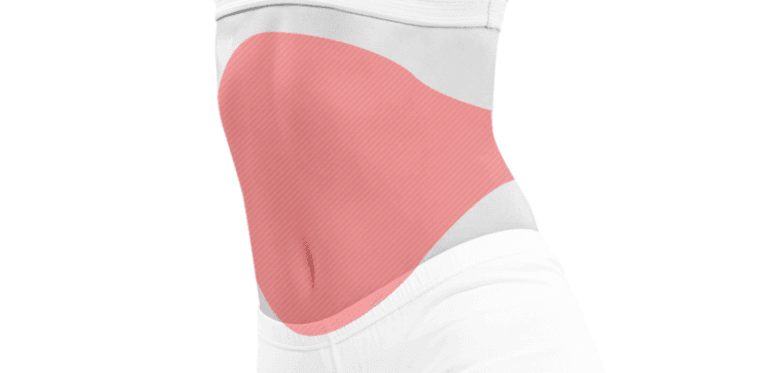
Abdominal liposuction is a surgical body contouring procedure to remove stubborn, localized subcutaneous fat from the abdomen. Its goal is not weight loss but precise aesthetic shaping. Fat is removed via a thin cannula, through small, hidden incisions.
Liposuction is best for adults within 30% of their ideal body weight, with good skin elasticity, overall good health, and realistic expectations. It’s not suitable for individuals with loose skin (where abdominoplasty is preferred) or unmanaged chronic illnesses. Non-smokers are ideal candidates as smoking impairs healing.
Techniques and Technologies in Abdominal Liposuction
Modern liposuction offers multiple methods:
- Tumescent Liposuction: The most common method, using large volumes of anesthetic tumescent solution to minimize pain, reduce bleeding, and loosen fat for removal. Average skin contraction: 8–10%.
- Super-Wet Technique: Uses less fluid; surgery time is shorter but often needs deeper anesthesia.
- Ultrasound-Assisted Liposuction (UAL/VASER): Uses sound waves to liquefy fat, especially effective for dense areas. Often combined with tumescent technique. Average skin contraction: 15%.
- Laser-Assisted Liposuction (LAL/SmartLipo/Slimlipo): Melts fat cells using laser energy, stimulating collagen for skin tightening. Average skin contraction: 15%.
- Power-Assisted Liposuction (PAL): Cannula vibrates to break up fat, easing extraction for the surgeon.
- Radio Frequency Assisted Liposuction (RFALipo): Uses radio waves for fat removal and superior skin tightening (average contraction: 35%).
- Suction-Assisted Liposuction (SAL): The traditional technique, involving direct vacuum suction of fat.
The move toward energy-based techniques like RFALipo and LAL reflects modern priorities: less downtime, more skin tightening, and greater refinement. Tumescent solution remains central to many techniques, improving safety and comfort across approaches.
Table 1: Comparison of Key Liposuction Techniques
| Technique | Method of Fat Removal | Anesthesia Considerations | Recovery Time | Swelling/Bruising | Skin Tightening (Avg %) | Invasiveness | Unique Advantages |
|---|---|---|---|---|---|---|---|
| Tumescent Liposuction | Solution & cannula suction | Local/sedation/general | Longer | More extensive | 8-10% | More | Great control, less bleeding/discomfort |
| Super-Wet Technique | Less fluid, cannula suction | Often sedation/general | Shorter | Similar | ~8-10% | Moderate | Faster than tumescent |
| Ultrasound-Assisted (UAL/VASER) | Ultrasonic liquefaction then suction | With tumescent; sedation/gen | Varies | Varies | 15% | Moderate | Good for fibrous, dense tissue; large volume removal |
| Laser-Assisted (LAL/SmartLipo) | Laser melts fat, suction or drains | Local/sedation/general | Shorter | Less extensive | 15% | Less | Stimulates collagen; less bruising/sag |
| Power-Assisted Liposuction (PAL) | Vibrating cannula suction | Sedation/general | Varies | Varies | ~8-10% | Moderate | Less physical effort required |
| Radio Frequency Assisted (RFALipo) | Radio wave energy fat removal and skin tightening | Sedation/general | Varies | Varies | 35% | Less | Max skin tightening, good for delicate areas |
| Suction-Assisted Liposuction (SAL) | Direct cannula vacuum | Sedation/general | Varies | Varies | ~8-10% | More | Traditional approach |
The Abdominal Liposuction Procedure: Step-by-Step
- Pre-operative Consultation: Comprehensive discussions on goals, health review, and customized planning, often started via video calls for international patients.
- Anesthesia: Local, sedation, or general anesthesia is used for comfort, determined by procedure extent and patient profile.
- Tumescent Solution Infiltration: The solution numbs, reduces bleeding, and helps loosen fat, easing removal.
- Incisions and Cannula Insertion: Very small incisions hide scars; the cannula is carefully placed in target areas.
- Fat Removal: Fat is dislodged and suctioned out, with additional energy (ultrasound or laser) sometimes applied for emulsification.
- Sculpting and Closure: Meticulous contouring ensures smooth, natural results; incisions closed, and—when sought—removed fat may be transferred to other areas.
Post-Operative Care and Recovery
A successful liposuction journey includes diligent aftercare:
- Immediate Management: Compression garments and bandages limit swelling and support new contours, with drainage tubes occasionally placed. Some swelling, bruising, and pain are to be expected but are manageable.
- Compression Garments: Worn for several weeks (sometimes 2–3 months) to enhance healing and support tissues.
- Activity: Rest initially, but light walking is encouraged after suture removal. Normal activity resumes as advised—usually after 6–8 weeks.
- Diet: Light, nutritious meals and plenty of water. Soft, anti-inflammatory foods (such as pumpkin in Korean culture) help reduce swelling.
- Prohibited Activities: Smoking and alcohol are disallowed for a month, and heat (hot tubs, saunas) is avoided for 6–8 weeks due to burn risk from reduced skin sensation in treated areas.
Best Clinics in Korea for Stubborn Belly Fat
Listed below are the best clinics in Korea for stubborn belly fat:
| Clinic Name | Key Features | Special Techniques |
|---|---|---|
| Lydian Plastic Surgery Clinic Website | Elite surgeon-led technique, precise planning, and comprehensive recovery care to deliver natural-looking abdominal contouring with minimal visible evidence of surgery; minimized scarring by using only 1–2 tiny incisions—often hidden inside the belly button or along the pubic region; Quantificare 3D imaging to create trusted, research-recognized 3D videos that support detailed pre-surgical design and meticulous aftercare contour refinement; anatomy-based body design accounts for each patient’s waist length, pelvis size, and chest circumference to create balanced proportions; over 30 types of custom-made liposuction cannulas designed for different body shapes and volumes, enabling efficient, controlled fat removal across the full abdomen (and beyond) while still keeping incision numbers low; 4-step aftercare system focused on swelling reduction, irregularity correction, skin elasticity recovery, and residual fat contouring | 1–2 tiny incisions (often hidden inside belly button or along pubic region); Quantificare 3D imaging for pre-surgical design and aftercare contour refinement; anatomy-based body design; devices for stretch marks and skin sagging; 4-step aftercare system focusing on swelling reduction, irregularity correction, skin elasticity recovery, and residual fat contouring; continuous investment in up-to-date medical equipment |
| Seojin Plastic Surgery Clinic Website | Targeted approach for stubborn belly fat through its 3-STEP Micro Liposuction Process, designed to prioritize safety, precision, and a smooth finish; includes safe preparation to carefully separate fat from surrounding blood vessels, nerves, and tissues while liquefying it for easier removal; precise liposuction using a cannula matched to each patient’s body type and fat volume; final stage focuses on manual refinement of the subcutaneous fat layer with a small syringe to help achieve even fat distribution, refined shaping, and a smoother skin surface; Lifting Liposuction using the Velody2 lifting laser to support skin elasticity and improve firmness for mild laxity after fat removal; one-doctor clinic with end-to-end care from consultation to follow-up by Dr. Lee Hyungmin | 3-STEP Micro Liposuction Process: safe preparation to separate fat from vessels, nerves, and tissues while liquefying it for easier removal; precise liposuction using a cannula matched to body type and fat volume; manual refinement of the subcutaneous fat layer with a small syringe for even distribution and smoother skin; Velody2 lifting laser for Lifting Liposuction to support skin elasticity and firmness; one-doctor clinic with end-to-end care from consultation to follow-up by Dr. Lee Hyungmin |
| 365mc Hospital Website | Specialized obesity treatment hospital dedicated solely to body contouring and fat reduction; hospital-level liposuction standards that meet—and exceed—those of major medical school surgery centers; more than 20 years of leadership, network of 18 clinics, 22 main doctors, over 3,000 surgical liposuctions, and safety know-how refined through 5 million treatments; cutting-edge technology including AI-driven optimization and the Microsoft-collaborated M.A.I.L. System for real-time surgical feedback for enhanced precision; less invasive options like LAMS for targeted fat reduction with minimal downtime; 1:1 intensive care in a dedicated Recovery Center on surgery day, followed by a structured 7-week post-op program with treatments such as hyperbaric oxygen therapy and personalized dietary consultations | AI-driven optimization and the Microsoft-collaborated M.A.I.L. System for real-time surgical feedback; LAMS for targeted fat reduction with minimal downtime; Recovery Center with 1:1 intensive care on surgery day; 7-week post-op program including hyperbaric oxygen therapy and dietary consultations |
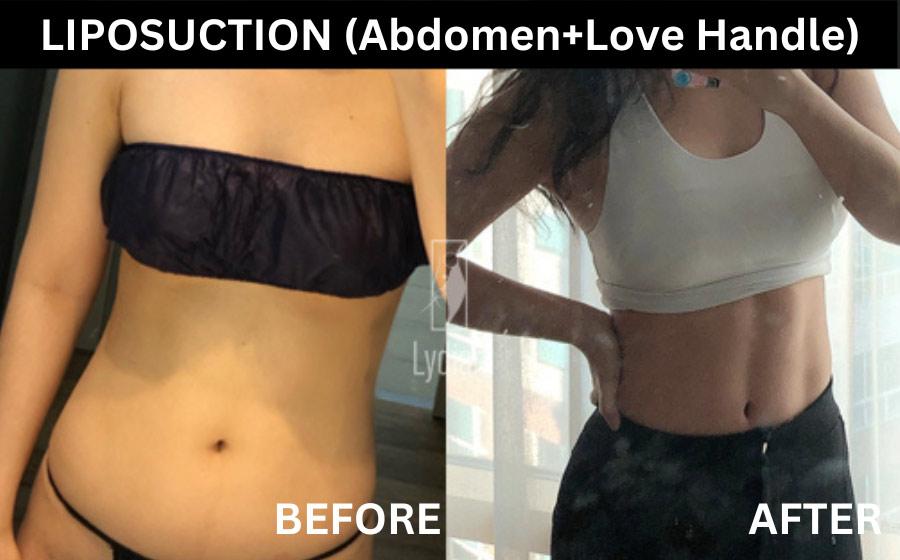
Lydian Plastic Surgery Clinic
Lydian Plastic Surgery Clinic is widely regarded as a top choice for stubborn belly fat treatment in Korea because it combines elite surgeon-led technique, precise planning, and comprehensive recovery care to deliver natural-looking abdominal contouring with minimal visible evidence of surgery. Located in Cheongdam, Gangnam, Lydian is led by Dr. An Kyung Chun, a globally recognized body-sculpting specialist with over two decades of experience, selected among Korea’s top aesthetic plastic surgery experts and entrusted with physician training in high-definition body sculpting and liposuction devices. For patients concerned about scars, Lydian prioritizes minimized scarring by using only 1–2 tiny incisions—often hidden inside the belly button or along the pubic region—whereas incision counts can vary widely depending on a surgeon’s skill. The clinic’s results are strengthened by over 30 types of custom-made liposuction cannulas designed for different body shapes and volumes, enabling efficient, controlled fat removal across the full abdomen (and beyond) while still keeping incision numbers low. Rather than relying on easily edited photos, Lydian uses Quantificare 3D imaging to create trusted, research-recognized 3D videos that support detailed pre-surgical design and meticulous aftercare contour refinement. Importantly, Lydian does not treat belly fat with a one-size-fits-all approach; its anatomy-based body design accounts for each patient’s waist length, pelvis size, and chest circumference to create balanced proportions and smoother curves. Finally, for patients who worry that fat removal alone won’t address the “stubborn” look caused by skin quality, Lydian is equipped with specialized devices for stretch marks and skin sagging, and it supports outcomes with a structured 4-step aftercare system focused on swelling reduction, irregularity correction, skin elasticity recovery, and residual fat contouring—reinforced by continuous investment in up-to-date medical equipment rather than outdated devices.
You can check out their website here: Lydian Plastic Surgery Clinic Website
Seojin Plastic Surgery Clinic
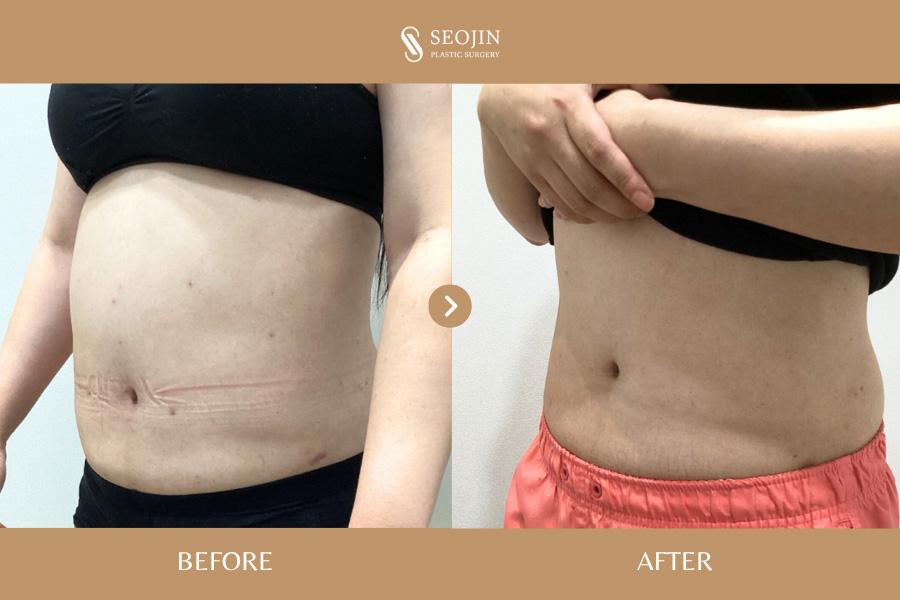
Seojin Plastic Surgery Clinic in Gangnam, Seoul offers a targeted approach for stubborn belly fat through its 3-STEP Micro Liposuction Process, designed to prioritize safety, precision, and a smooth finish. The process begins with safe preparation to carefully separate fat from surrounding blood vessels, nerves, and tissues while liquefying it for easier removal, followed by precise liposuction using a cannula selected to match each patient’s body type and fat volume. The final stage focuses on manual refinement of the subcutaneous fat layer with a small syringe to help achieve even fat distribution, refined shaping, and a smoother skin surface.
For patients concerned about mild laxity after fat removal, Seojin also provides Lifting Liposuction using the Velody2 lifting laser to support skin elasticity and improve firmness, creating synergy with liposuction for more balanced contouring. As a one-doctor clinic, Dr. Lee Hyungmin delivers end-to-end care from consultation to follow-up, emphasizing a highly personalized experience backed by more than 16 years of experience and recognition as one of the 100 Good Doctors in Korea.
You can check out their website here: Seojin Plastic Surgery Clinic Website
365mc Hospital
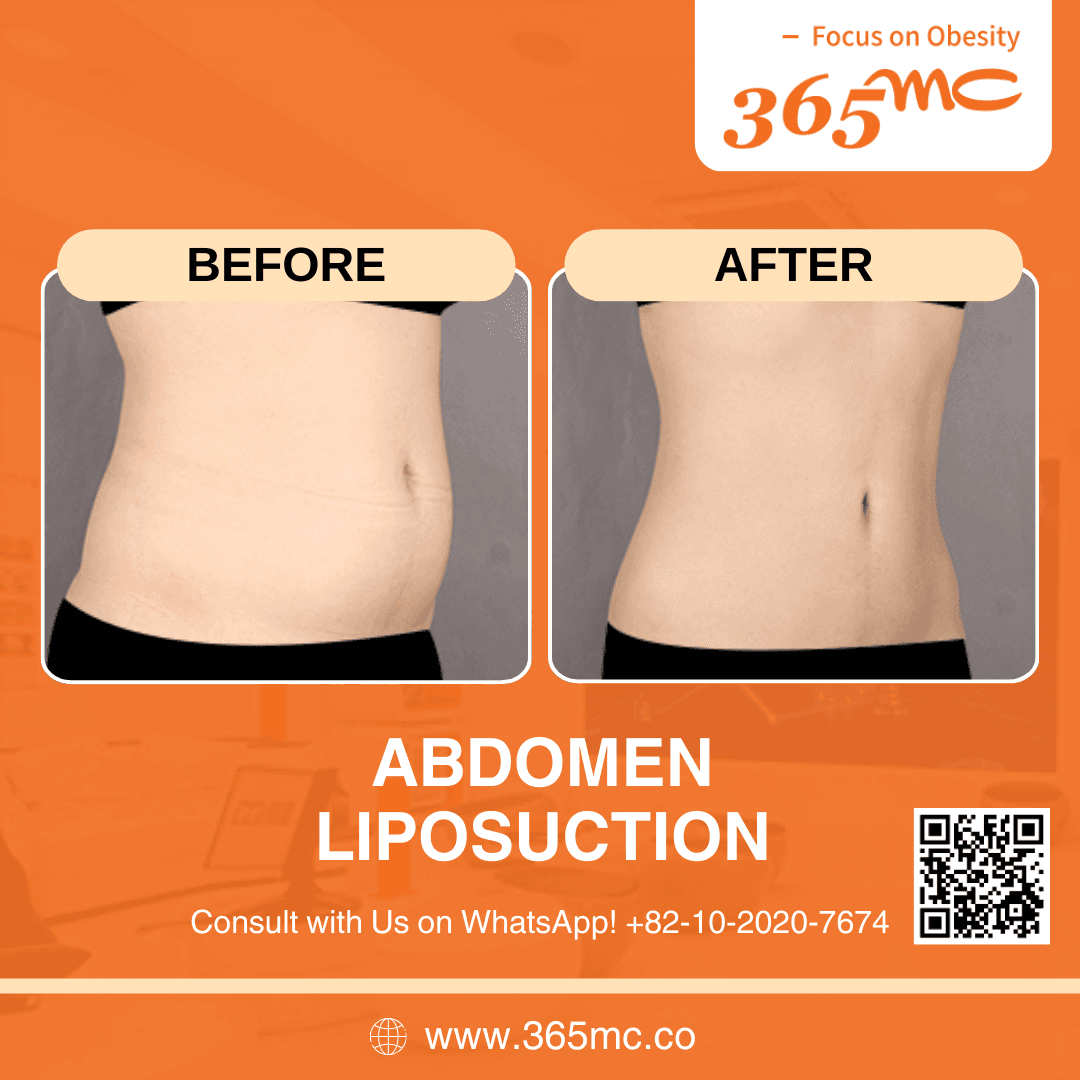
For stubborn belly fat in Korea, 365mc Hospital stands out as the top choice because it is a specialized obesity treatment hospital dedicated solely to body contouring and fat reduction, combining surgical-level expertise with a system built around safety, precision, and long-term results. Its liposuction is performed with hospital-level standards that meet—and exceed—those of major medical school surgery centers, a commitment recognized by the Korean Health Ministry Seal. Backed by more than 20 years of leadership, an extensive network of 18 clinics, 22 main doctors, over 3,000 surgical liposuctions, and safety know-how refined through 5 million treatments, 365mc is widely regarded as a leader in Asia for both standard and advanced liposuction. Patients benefit from cutting-edge technology, including AI-driven optimization and the Microsoft-collaborated M.A.I.L. System that provides real-time surgical feedback for enhanced precision, as well as less invasive options like LAMS for targeted fat reduction with minimal downtime. Just as importantly, 365mc supports outcomes beyond the procedure itself: each patient receives 1:1 intensive care in a dedicated Recovery Center on surgery day, followed by a structured 7-week post-op program with treatments such as hyperbaric oxygen therapy and personalized dietary consultations, helping recovery feel smoother while refining the final body line and supporting lasting change.
You can check out their website here: 365mc Hospital Website
Abdominal Liposuction in South Korea: A Guide for Medical Tourists
Why Choose South Korea?
South Korea is renowned for its advanced cosmetic surgery sector. Patients are attracted by:
- Advanced Facilities & Top Surgeons: Clinics are government-regulated and feature cutting-edge technologies, with highly skilled, experienced practitioners.
- Comprehensive Aftercare: Aftercare includes daily dressing changes, advanced treatments (LED, hyperbaric oxygen), and even healthy meals in premium packages.
- Pricing: South Korean clinics offer competitive prices thanks to lower operating costs, yet maintain outstanding quality.
- Medical Concierge Services: English-speaking coordinators, translation, travel, and recovery logistics make the process seamless and less stressful.
- Recovery Environment: Modern facilities create a comfortable environment for healing.
Journey for Abdominal Liposuction in South Korea
- Virtual Consultation: Share goals and medical history, get a free estimate, and arrange logistics with a dedicated case manager.
- Travel Prep: Bookings for flights and accommodation, visa support, and travel checklists (like packing comfortable clothes and compression garments) are handled.
- Arrival & Assessments: Coordinated transfers, hotel check-in, pre-op tests, and direct surgeon consultation finalize details.
- Surgery and Recovery: Procedure typically takes 1–2 hours. Most patients don't require hospitalization.
- Post-Surgical Care: Wear bandages and compression garments, get wound care, and attend regular check-ups—light walking encouraged after a week. Many clinics supply full aftercare kits and facilitate sightseeing if recovery allows.
- Departure: After final check-up and stitch removal (usually 7–14 days post-op), airport transfers arranged; follow-up support continues online.
Costs in South Korea
- Average Cost: Standard abdominal liposuction ranges from $700 to $1,000, but may reach $2,500–$8,000 (larger areas cost more; full body ranges $10,000–$20,000).
- Influencing Factors: Surgeon reputation, complexity, chosen technique, anesthesia, facility quality, bundled services, and length of stay.
- Sample Clinic Pricing: Inner thigh: $1,000; facial liposuction: $2,200; larger treatments from $1,350 to $12,800.
- Technique-specific Costs: For example, Tumescent liposuction from $2,600; Vaser liposuction from $3,410.
International Cost Comparison
Liposcution in South Korea is affordable compared to Western countries:
| Procedure Type | South Korea (USD) | Turkey | Mexico | USA | UK |
|---|---|---|---|---|---|
| Overall Liposuction Range | $3,000 - $8,000 | $2,000–$3,500 | $2,000–$4,000 | $6,100–$12,650 | $4,500–$8,000 |
| Suction-Assisted Liposuction | $3,000 - $8,000 | $2,000–$4,000 | $2,800–$5,750 | $6,100–$12,650 | $3,600–$10,500 |
| Ultrasound-Assisted Liposuction | $3,000 - $6,500 | $3,000–$5,000 | $3,000–$5,000 | $3,500–$8,000 | $4,800–$9,000 |
| Laser-Assisted Liposuction | $3,000 - $7,000 | $2,400–$7,900 | $2,500–$5,500 | $4,500–$9,000 | $4,800–$9,600 |
| Vaser Liposuction | $3,500 - $8,000 | $1,500–$4,000 | $2,800–$5,500 | $3,000–$7,500 | $6,000–$14,400 |
| Power-Assisted Liposuction | $3,000 - $6,500 | $2,400–$5,000 | $2,500–$5,000 | $4,000–$8,500 | $5,400–$10,800 |
- Compared to USA: South Korea offers substantial savings (up to $9,650).
- Compared to Turkey/Mexico: Turkey and Mexico may offer lower prices, but South Korea’s comprehensive quality, expertise, and aftercare set it apart.
- Compared to UK: Prices can be similar or slightly better in South Korea.
- Compared to Thailand: Comparable or slightly higher in Korea, depending on specifics.
Korea stands out for its advanced technology, skilled surgeons, and outstanding aftercare, providing significant value to international patients.
Patient Experiences and Outcomes
Addressing Stubborn Fat
Abdominal liposuction remains an effective solution for those battling stubborn fat. Patients consistently report significant improvement in body contour, particularly in the abdomen, flanks, hips, and thighs—places most resistant to change with diet and exercise alone. Many express increased confidence and satisfaction, and the procedure has provided a solution when non-surgical options did not fully work.
Satisfaction and Quality of Life
Surveys suggest more than 85% satisfaction among liposuction patients. In a study of 360 patients, 86% noticed improved self-esteem, and about 70% experienced a better quality of life. The highest satisfaction (exceeding 99%) was in those undergoing both liposuction and abdominoplasty, with the vast majority recommending the procedure to others and indicating willingness to repeat it. Recovery is often rapid, with many returning to daily life or work within 1–2 weeks.
Real-World Testimonials
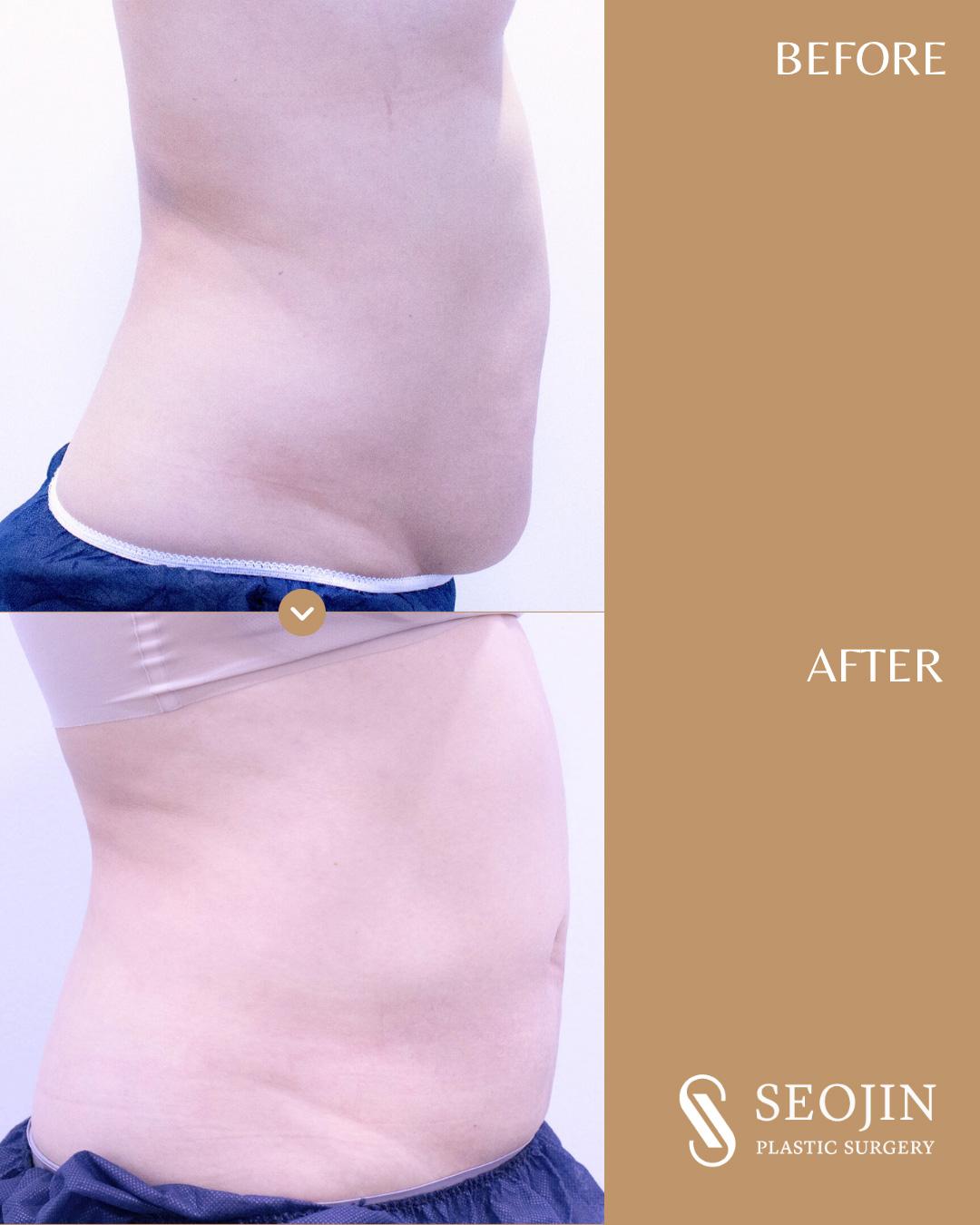
Patient stories highlight the procedure’s transformative impact. From those who achieved better abdominal contours after failed diets, to others combining abdominal liposuction with abdominoplasty to correct past surgeries—even older patients report excellent aesthetic results and boosted confidence. The support of skilled surgeons and aftercare teams has been crucial to most patients' positive experiences.
Conclusions
Stubborn belly fat is primarily a biological challenge, not just a lifestyle issue. Abdominal liposuction presents a targeted, effective solution for visually improving body contours, especially for patients near their ideal weight. Modern energy-based techniques further enhance results and promote skin tightening, while thorough pre-and post-operative care maximizes safety and satisfaction. South Korea combines advanced medical infrastructure and highly skilled surgeons with competitive pricing and robust support for medical tourists, resulting in high satisfaction rates and quality outcomes.
References
1, 2, 3, 4, 5, 6, 7, 8, 9, 10, 11, 12, 13, 14, 15, 16, 17, 18, 19, 20, 21, 22, 23, 24, 25, 26, 27, 28, 29, 30