
Medical Tourism Blog
LAMS Liposuction is the Future of Fat Reduction: Costs, Clinics & Benefits
Table of contents
- A New Era of Fat Reduction
- What Exactly Is LAMS Liposuction?
- Why LAMS Is Considered a Game-Changer
- Why South Korea Became the LAMS Hotspot
- Spotlight on 365mc: A Clinic Known for LAMS
- LAMS Cost: Korea vs. the USA
- What the LAMS Experience Can Feel Like
- Who LAMS Is Best For (and What It’s Not)
- Final Thoughts: Why LAMS Keeps Rising
- More about 365mc Hospital
Considering treatment in Korea? Everything you need to know e.g. — how to avoid scams, visas, interpreters, recovery tips — in our Medical Tourism Master Guide. Plan with confidence in minutes, not weeks!
Disclaimer: The following is a guest post. The information and opinions expressed are not of koreaclinicguide.com but of 365mc Hospital
A New Era of Fat Reduction
If you’ve been curious about body contouring but hesitant about traditional liposuction—general anesthesia, downtime, and the “big surgery” feel—LAMS is the option that tends to change the whole conversation. LAMS stands for Local Anesthetic Minimal-Invasive Liposuction, and it’s quickly becoming one of the most talked-about fat-reduction procedures in South Korea. What stands out most is how it bridges a gap that many people feel: it’s more decisive than “slow-burn” treatments, yet typically less intense and disruptive than conventional liposuction.
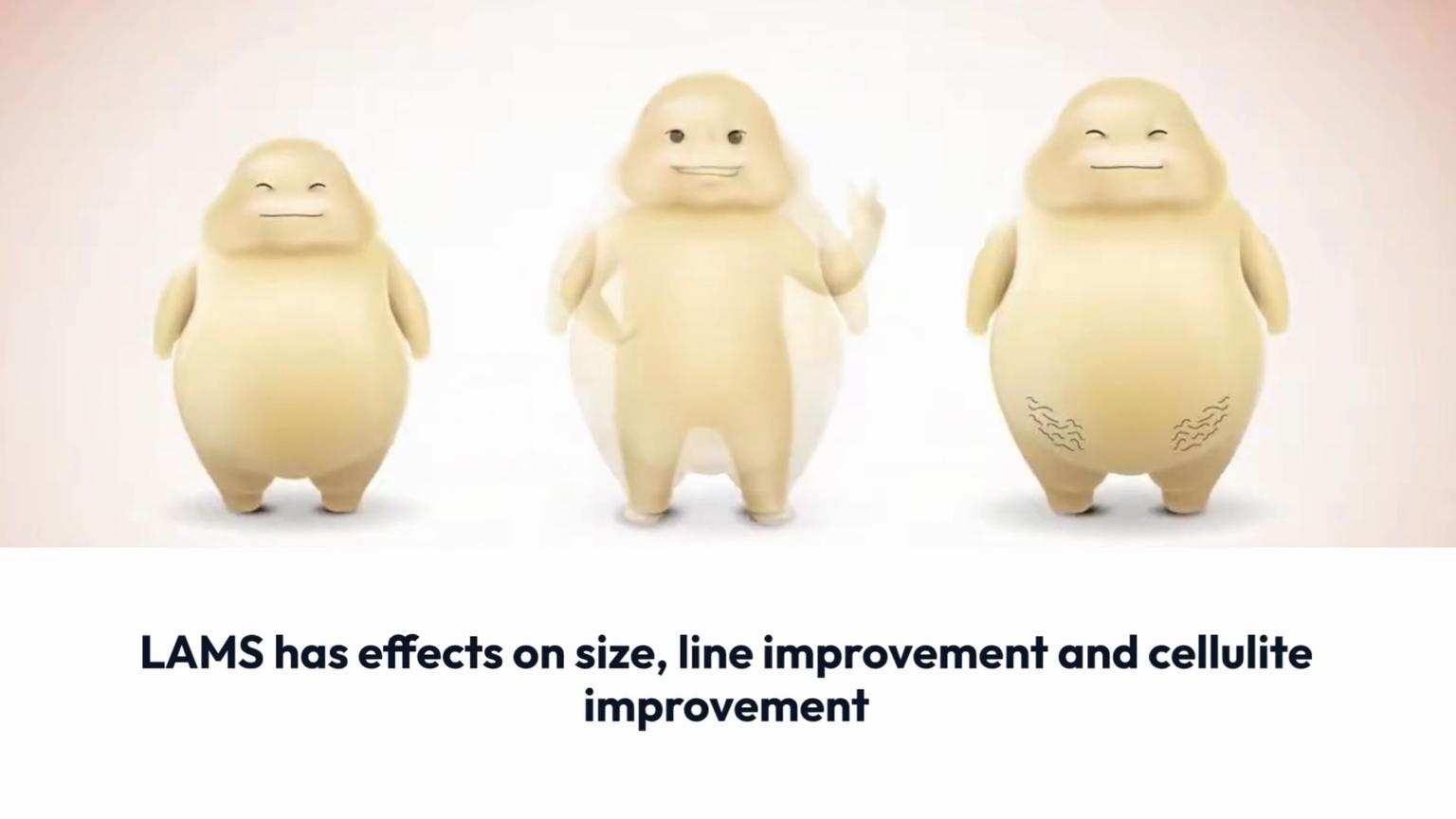
In this article, I’ll walk through what LAMS actually is, why Korea has become a hub for it, what to know about well-known clinics like 365mc, and how costs can compare internationally—especially versus the United States.
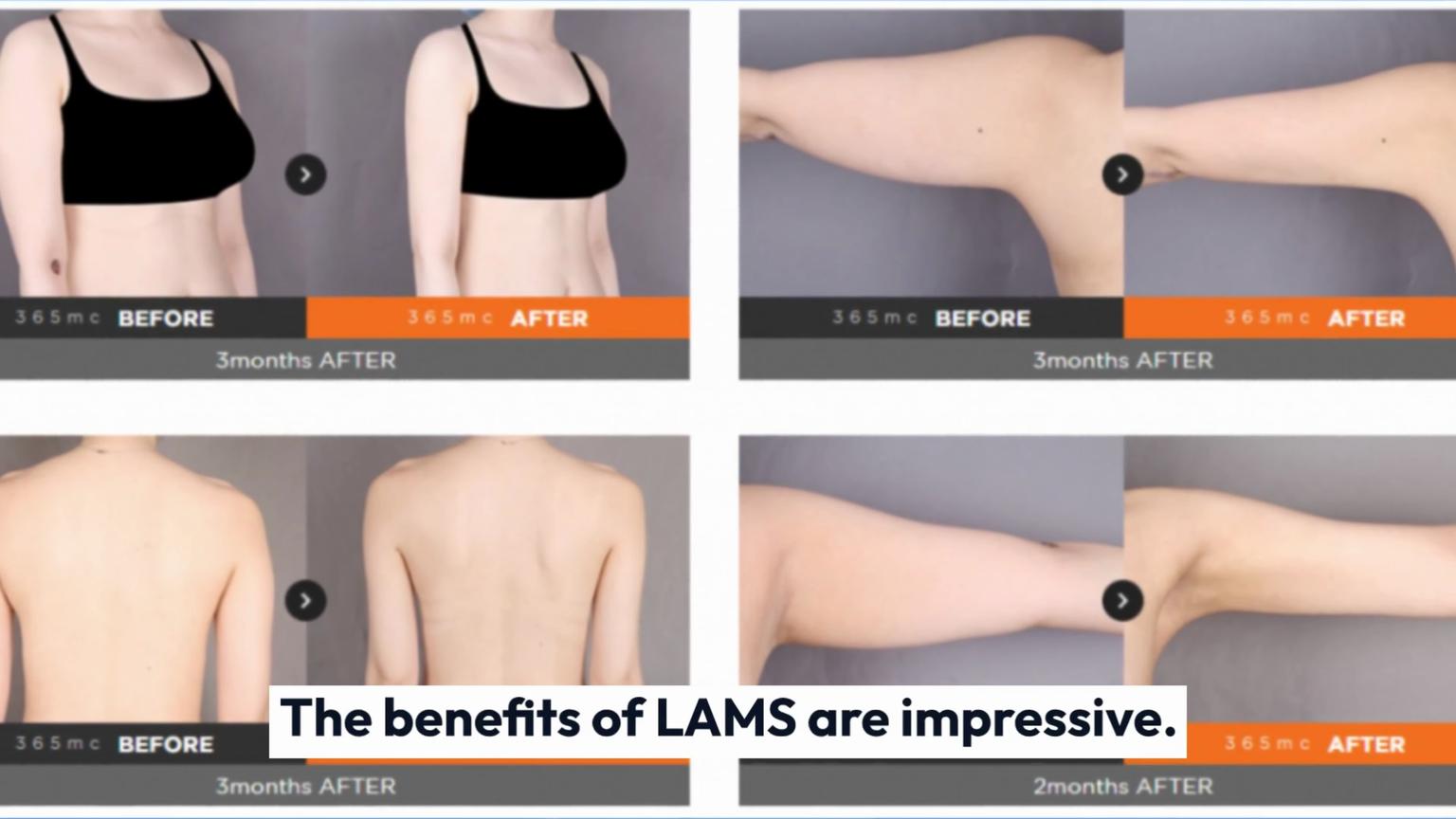
What Exactly Is LAMS Liposuction?
LAMS is best understood as a minimally invasive liposuction technique performed under local anesthesia. Instead of putting you to sleep, the procedure numbs targeted areas so fat can be removed while you remain awake and comfortable. That detail alone is a big reason people consider it: many patients like the idea of avoiding general anesthesia and the broader recovery experience that can come with it.

The “minimal-invasive” aspect generally points to a more targeted approach. LAMS is commonly positioned as a way to treat stubborn pockets of fat—the areas that don’t respond the way you want them to, even with consistent diet and exercise. The appeal is also practical: because it’s designed around smaller or more precise contouring goals, many people find the overall experience feels more streamlined.
It’s also worth noting why LAMS gets compared to fat-dissolving injections. Injections can be helpful for certain candidates, but they often require multiple sessions and a longer timeline to appreciate changes. LAMS, by contrast, is sought out by people who prefer a more immediate, procedure-based reduction rather than waiting through rounds of treatment.
Why LAMS Is Considered a Game-Changer
LAMS has gained momentum because it hits three priorities that come up again and again in cosmetic decision-making: invasiveness, comfort, and speed of visible contouring.
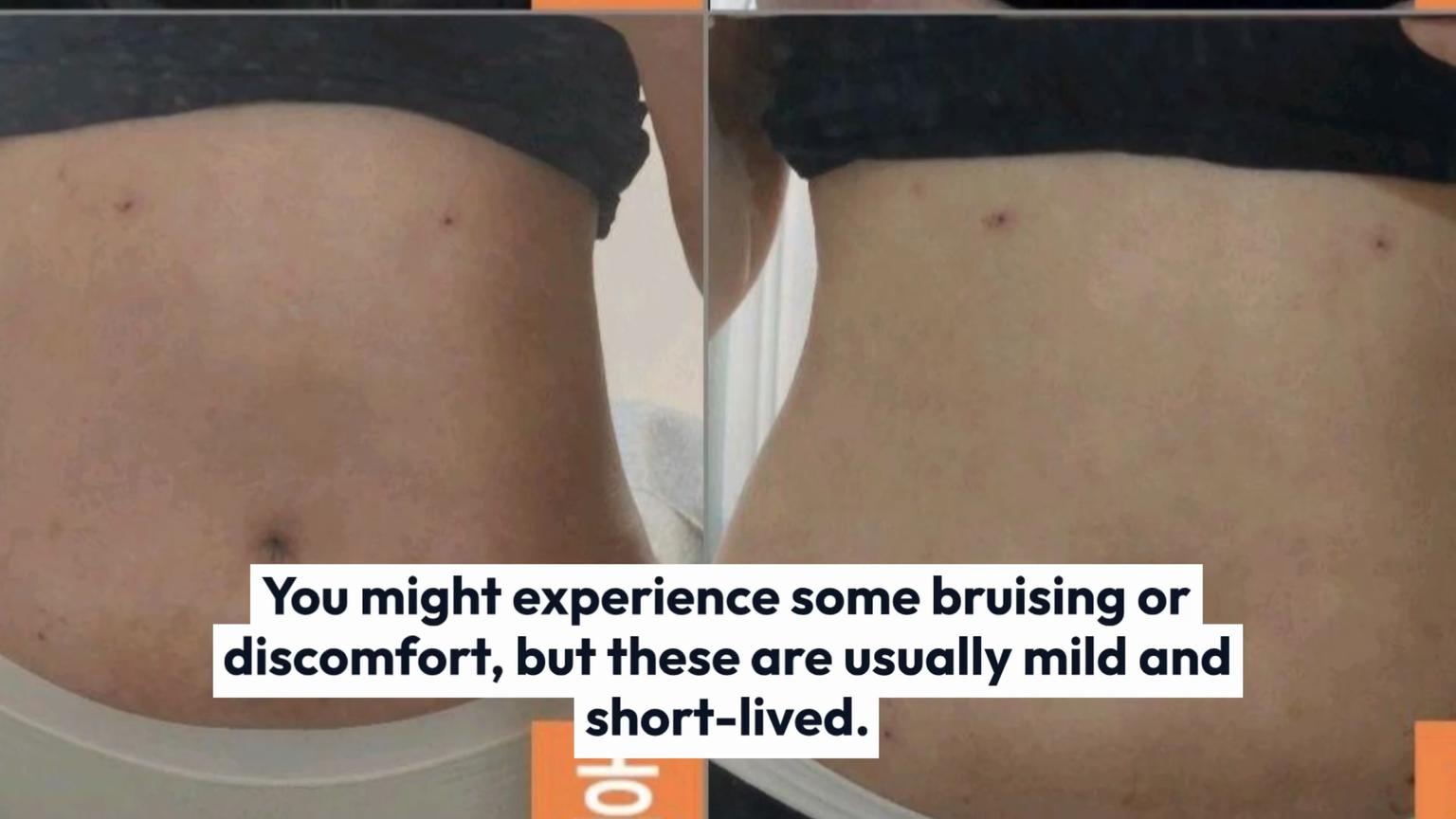
First, the procedure is widely recognized for being less disruptive than traditional liposuction. While every body and treatment plan is different, the overall concept is built around minimizing the “major surgery” vibe—something that matters to people juggling work, travel, family responsibilities, or simply wanting a more approachable entry point into body contouring.
Second, local anesthesia is a meaningful differentiator. Some people feel more at ease staying awake and avoiding deeper sedation, and they like the idea of a procedure that’s designed around comfort without a full operating-room experience.
Third, there’s the draw of quicker satisfaction. LAMS is often pursued by patients who want a clearer contour improvement without committing to the longer timelines associated with certain non-surgical approaches. Results still vary by individual and treatment area, but the expectation is typically a more direct route to a refined silhouette.
Why South Korea Became the LAMS Hotspot
South Korea has built a global reputation for aesthetic medicine—not only because of the sheer number of clinics, but because of an ecosystem that strongly supports procedural refinement, patient experience, and specialized care. In the context of LAMS, Korea’s popularity tends to come down to three things: established know-how, high patient volume, and a competitive market that pushes clinics to develop efficient systems.
For international patients, Korea can feel especially accessible because many clinics are accustomed to seeing visitors who are combining treatment with travel. That often translates into more structured scheduling, clearer pre- and post-procedure guidance, and service models designed to help patients navigate time-sensitive plans.
Just as importantly, Korea’s aesthetic market is highly segmented—meaning it’s common to find clinics that focus deeply on specific procedures and develop signature techniques around them. That kind of specialization is one reason LAMS has been able to stand out so clearly in Korea.
Spotlight on 365mc: A Clinic Known for LAMS
When people research LAMS in Korea, 365mc tends to appear frequently. The clinic is widely associated with body contouring, and it’s often discussed as a major player in making LAMS more recognizable and more standardized as a service.
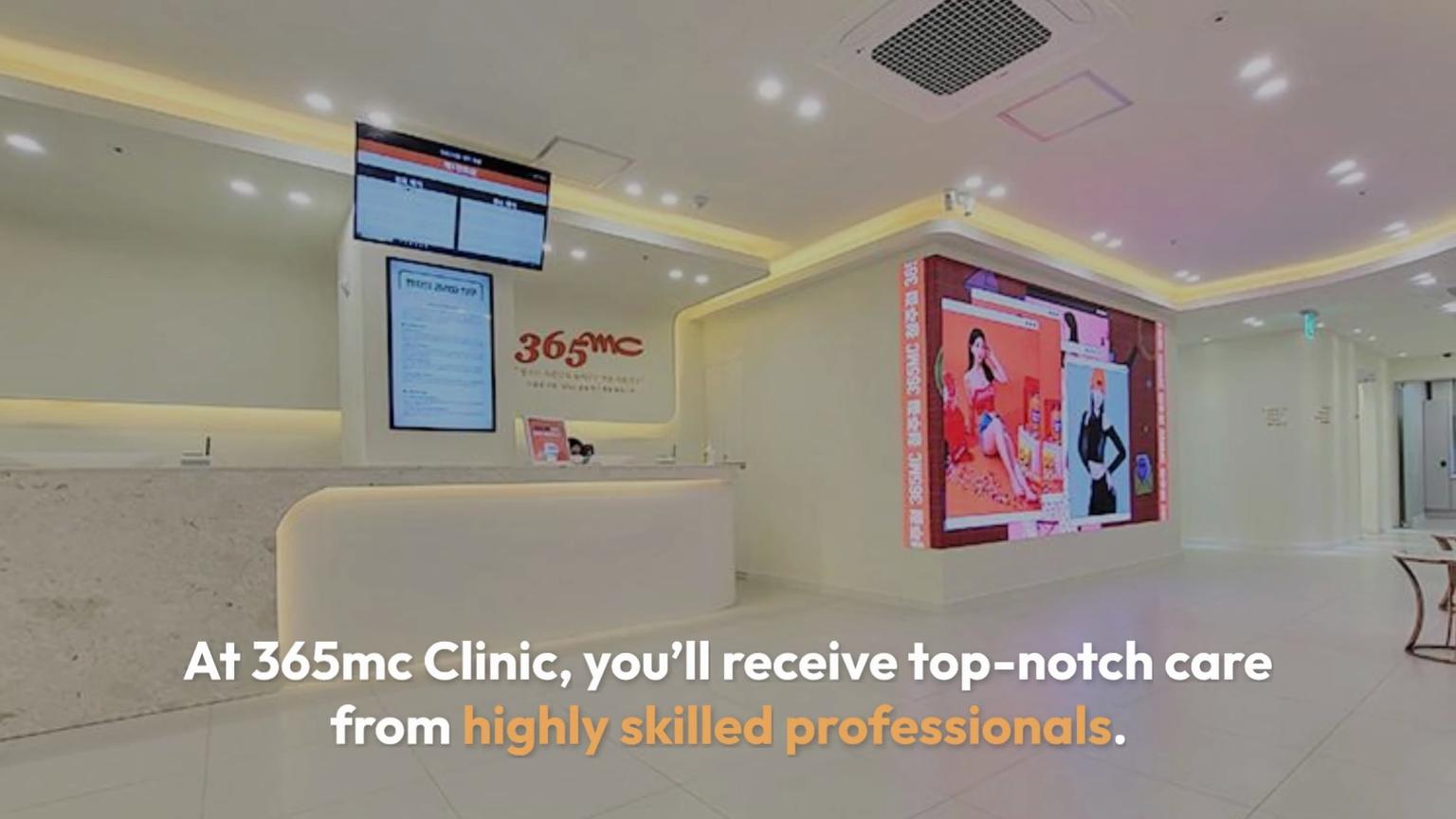
What typically draws attention is the idea of a clinic network that has performed a high volume of fat-reduction procedures, with internal systems built around consultation flow, procedure planning, and follow-up. For many patients, a high-volume clinic can feel reassuring—not because volume alone guarantees outcomes, but because repetition often drives consistency in how a clinic evaluates candidacy, maps treatment areas, and manages patient expectations.
When evaluating any clinic—365mc included—most people benefit from focusing on specifics: the clarity of the consultation, the plan for contour symmetry, how the clinic explains realistic outcomes, and how aftercare is supported (especially if you’re traveling).
LAMS Cost: Korea vs. the USA
Cost is one of the biggest reasons people look at Korea for LAMS. In broad terms, many patients report that Korea can be more competitively priced than the United States for comparable cosmetic procedures, especially when clinics are highly specialized and the market is dense.
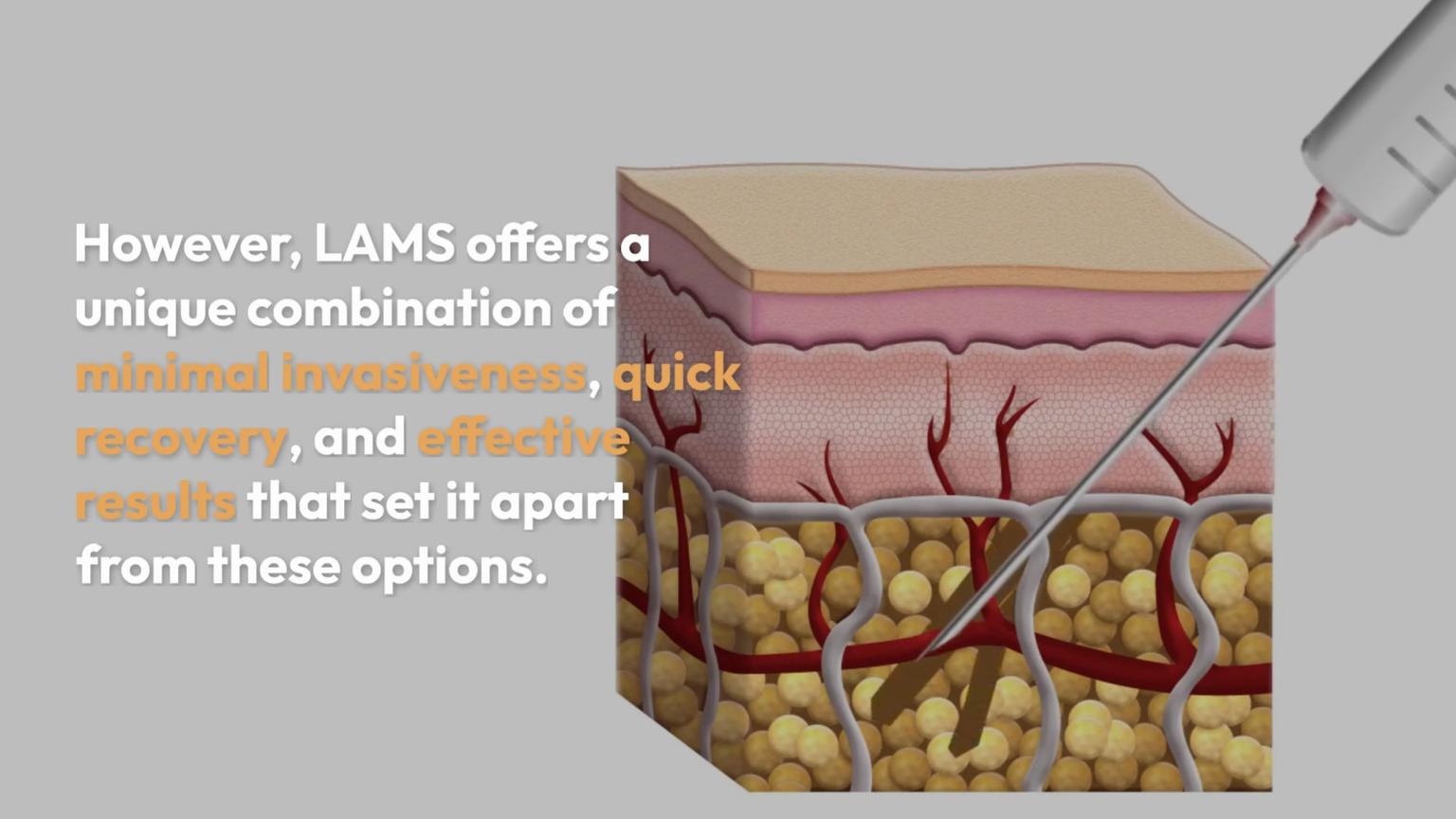
In the U.S., procedure pricing can rise quickly due to a combination of facility fees, anesthesia-related expenses, and the general cost structure of healthcare services. Since LAMS emphasizes local anesthesia, that can already shift part of the cost profile—but the overall pricing still varies widely depending on the provider, city, and the extent of treatment.
In Korea, LAMS is often discussed as a value-forward option, particularly for localized contouring. That doesn’t necessarily mean “cheap,” but it can mean more predictable pricing for certain areas and more packaged planning around consultation, procedure time, and follow-up. For international patients comparing options, the more realistic calculation often includes travel expenses and time abroad, not just the clinic fee.
What the LAMS Experience Can Feel Like
A lot of the anxiety around liposuction comes from imagining a dramatic surgical day. LAMS tends to feel different for many patients because it’s framed as a focused, local-anesthetic procedure with a shorter “event horizon.”
Typically, the experience starts with a detailed consultation where the provider evaluates your goals, identifies where fat reduction will create the best contour, and explains what’s realistically achievable. The best plans are usually specific: where the reduction will happen, what the new shape should look like, and what the recovery period will require from you.
During the procedure, local anesthesia is used to numb the area so fat can be removed with minimal discomfort. Afterward, many patients focus on aftercare routines that support contouring and healing—often including compression guidance and follow-up check-ins.
Who LAMS Is Best For (and What It’s Not)
LAMS is generally sought by people who are close to their goal weight but want to address stubborn fat deposits that don’t respond to lifestyle changes. It’s typically more about shaping and refinement than large-scale weight loss.
It’s also important to go in with the right expectation: LAMS is designed for targeted fat reduction and contour improvement, not as a substitute for long-term health habits or a universal solution for every body concern. The strongest outcomes usually come from aligning the procedure with the right treatment areas and a realistic vision of what “contoured” will look like on your frame.
Final Thoughts: Why LAMS Keeps Rising
LAMS liposuction has become a standout because it matches what many modern patients are asking for: a procedure that feels less intimidating, avoids general anesthesia, and delivers a more direct contouring change than slower, multi-session options. Korea’s role in the rise of LAMS makes sense too—an environment where specialized clinics, high procedural focus, and competitive pricing models can accelerate both innovation and accessibility.
For anyone considering LAMS, the most valuable next step is usually a high-quality consultation—one that emphasizes personalized planning, clear expectations, and a thorough discussion of your target areas and timeline. When those pieces line up, it becomes easier to see why LAMS is being called the future of fat reduction.
More about 365mc Hospital
365mc Hospital is a Korea-based obesity treatment hospital dedicated solely to body contouring and fat reduction, offering LAMS (Local Anesthetic Minimal-Invasive Liposuction) for patients who want targeted fat reduction with minimal discomfort, virtually no downtime, and no scarring. Differentiating itself through hospital-level safety and precision that meets—and exceeds—the standards of large medical school surgery centers, 365mc has earned recognition including the Korean Health Ministry Seal and backs its outcomes with more than 20 years of specialization, an 18-clinic network, 22 main doctors, over 3,000 surgical liposuctions, and an exceptional safety record drawn from 5 million treatments. Its approach combines innovation and personalization, including AI-driven precision and real-time surgical feedback via the Microsoft-collaborated M.A.I.L. System, while also emphasizing end-to-end patient support: on the day of treatment, patients receive 1:1 intensive care in a dedicated Recovery Center, followed by a structured 7-week post-op program led by the 365mc Care Team that may include hyperbaric oxygen chamber therapy and personalized dietary consultations—designed to promote faster, more comfortable recovery and a more refined, sculpted body line.
Find more about this clinic here: 365mc Hospital
Frequently Asked Questions
Related Blogs

Transform Your Hip Dips with Korea's Butt Lift, Fat Grafting, Filler & Liposculpture Procedures
Updated: Aug 16, 2026

Korea Double Chin: Double Chin Tightening, Fat Dissolving Injection, Double Chin Thread Lift, CoolSculpting, Neck Lift
Updated: Aug 12, 2026

Arm Laxity Post Weight Loss: Arm Lift Procedures in Korea for Tighter, Toned Arms
Updated: Aug 12, 2026

Leg Lipedema: Full Body Liposuction Solutions in Korea for Effective Treatment
Updated: Aug 11, 2026
Clinics offering LAMS

365mc Hospital: Korea's Leading Liposuction and Body Contouring Clinic with Innovative AI Technologies and Comprehensive Patient Care
Gyodae
RINE Plastic Surgery Clinic | Facelift and Eye Rejuvenation Surgery
Nonhyeon

THEPLUS Plastic Surgery Korea | Eye, Nose, Face & Body Surgery
Sinsa

Haru Clinic Korea | Seoul Facelift, Threads, Botox & Fillers
Sinsa