Medical Tourism Blog
Re2O Skin Booster in Korea | Best Clinics, Costs, Procedure Types & More
Table of contents
- What Is Re2O Skin Booster?
- Best Clinics in Korea for Re2O Skin Booster
- Getting Re2O Skin Booster in Korea
- Cost of Re2O Skin Booster in Korea
- Alternatives to Re2O Skin Booster
- Conclusion
Considering treatment in Korea? Everything you need to know e.g. — how to avoid scams, visas, interpreters, recovery tips — in our Medical Tourism Master Guide. Plan with confidence in minutes, not weeks!
Ever wonder how Korean clinics help patients achieve that “glass skin” glow with little to no downtime? Re2O Skin Booster is one of the popular go-to injectable options for boosting hydration, smoothing texture, and brightening overall radiance—without the volumizing effect of traditional fillers. This guide breaks down what Re2O is, how it’s typically performed in Korea, and what results (and downtime) you can realistically expect. We’ll also cover cost factors, key safety questions to ask, and how Re2O compares with alternatives like Rejuran, Profhilo, and Juvelook.
Re2O Skin Booster is a popular injectable skin-rejuvenation treatment in Korea, often chosen by patients seeking hydration, improved texture, and a more radiant complexion with minimal downtime. In this article, we’ll explain what Re2O Skin Booster is and how it works, then walk through what to expect when getting Re2O Skin Booster in Korea—from consultation and treatment steps to aftercare—along with guidance on who it may be best suited for based on skin concerns and goals. We’ll also outline typical pricing and the factors that influence the cost of Re2O Skin Booster in Korea, and compare it with common alternatives so you can understand how it stacks up against other skin boosters and rejuvenation options available at Korean clinics.
What Is Re2O Skin Booster?
Re2O Skin Booster is a minimally invasive “skin booster” injection procedure offered by some aesthetic clinics in Korea to improve overall skin quality—most commonly hydration, glow, texture, and fine lines—by delivering skin-revitalizing substances into the superficial dermis (and sometimes the deep dermis) using microinjections.
Because “Re2O Skin Booster” can be a clinic-facing or brand-facing name rather than a single universally standardized protocol, the exact formulation and technique may vary by provider. In practice, it is typically positioned within the broader category of intradermal rejuvenation treatments (often referred to as skin boosters, mesotherapy, or dermal hydration injections), rather than a traditional volumizing filler procedure.
What “skin booster” means in medical aesthetics
A skin booster is designed to enhance skin condition rather than reshape facial contours. Unlike conventional dermal fillers, which are usually placed deeper (e.g., deep dermis/subcutis) to add volume or structure, a skin booster is generally placed more superficially to support:
- Water retention and hydration
- Optical radiance (“glass skin” effect)
- Softening of fine lines
- Improvement in roughness and mild crepey texture
- More even-looking pores and surface irregularities (varies by patient and product)
Skin boosters are commonly used when the main concern is skin quality rather than volume loss.
What Re2O Skin Booster typically contains (formulation overview)
Clinics that offer Re2O Skin Booster generally describe it as a formulation intended for dermal hydration and biostimulation. Depending on the specific product version and the clinic’s protocol, skin boosters in this category often rely on one or more of the following ingredient types:
-
Hyaluronic acid (HA)
Frequently used in skin boosters as non-crosslinked or lightly crosslinked HA to attract and bind water, helping the skin look more hydrated and supple. (This differs from more heavily crosslinked HA fillers designed for lifting/contouring.) -
Biorevitalizing components (varies)
Some protocols may include ingredients such as amino acids, antioxidants, minerals, vitamins, nucleotides, or peptides intended to support the skin’s extracellular environment and improve the appearance of texture over time. -
Soothing and supportive excipients
Certain formulations may include ingredients intended to reduce irritation or improve patient comfort.
Because exact content can differ, it’s medically appropriate to ask the clinic for the product’s official name, ingredient sheet, and packaging (and whether it is a single manufactured syringe/vial or a compounded “cocktail”).
How the procedure is performed (step-by-step)
While methods vary, Re2O Skin Booster is commonly delivered using techniques similar to other Korean skin booster protocols:
-
Consultation and skin assessment
- Review of skin concerns (dehydration, dullness, fine lines, texture)
- Medical history screening (allergies, autoimmune conditions, pregnancy/breastfeeding status, tendency for keloids, history of HSV outbreaks, anticoagulant use, etc.)
- Treatment planning: areas, session count, and expected downtime
-
Cleansing and antisepsis
- Makeup removal and skin disinfection to reduce infection risk.
-
Anesthesia (optional but common)
- Topical anesthetic cream is often applied for comfort.
- Some clinics may use cooling devices or vibration anesthesia.
-
Injection delivery Common delivery styles include:
- Microdroplet (intradermal bleb) technique: small “dew-like” bumps placed in a grid pattern across the face.
- Serial puncture technique: repeated small injections along lines or regions (e.g., under-eye, cheeks).
- Cannula technique (less common for classic superficial boosters): may be used in select areas to reduce bruising, depending on depth and product.
The provider typically aims for a superficial intradermal plane, creating small temporary bumps that flatten over hours to a couple of days depending on depth, product characteristics, and individual skin.
-
Immediate post-treatment care
- Soothing mask/LED may be offered.
- Instructions given for cleansing, makeup timing, exercise/heat avoidance, and what to watch for.
Where Re2O Skin Booster is used (common treatment areas)
Skin boosters like Re2O are often used in areas where hydration and fine texture matter most:
- Cheeks and midface (radiance and pore/texture appearance)
- Under-eye area (carefully selected patients; delicate skin)
- Perioral region (fine lines)
- Forehead (fine dehydration lines)
- Neck (crepey texture)
- Hands (skin thinness and dryness)
Not every area is appropriate for every patient. Under-eye and perioral regions, in particular, require cautious technique due to higher risk of visible lumps, swelling, or bruising.
How it works biologically (expected mechanism)
Although results depend on the formula, technique, and patient factors, Re2O Skin Booster is generally intended to improve skin appearance through a combination of:
-
Hydration and water-binding (especially if HA-based):
HA attracts water, which can make skin look plumper and smoother, reducing the appearance of fine dehydration lines. -
Support of dermal environment (biorevitalization):
Microinjections and supportive ingredients may help optimize the extracellular matrix environment. In some patients, this can translate into gradual improvements in texture and “bounce,” though outcomes are variable and not equivalent to surgical tightening. -
Controlled micro-injury response (from needling/injection):
The act of multiple microinjections can trigger mild wound-healing pathways that may complement texture improvements, similar in concept (though not identical) to microneedling-based collagen induction.
What results are intended—and what they are not
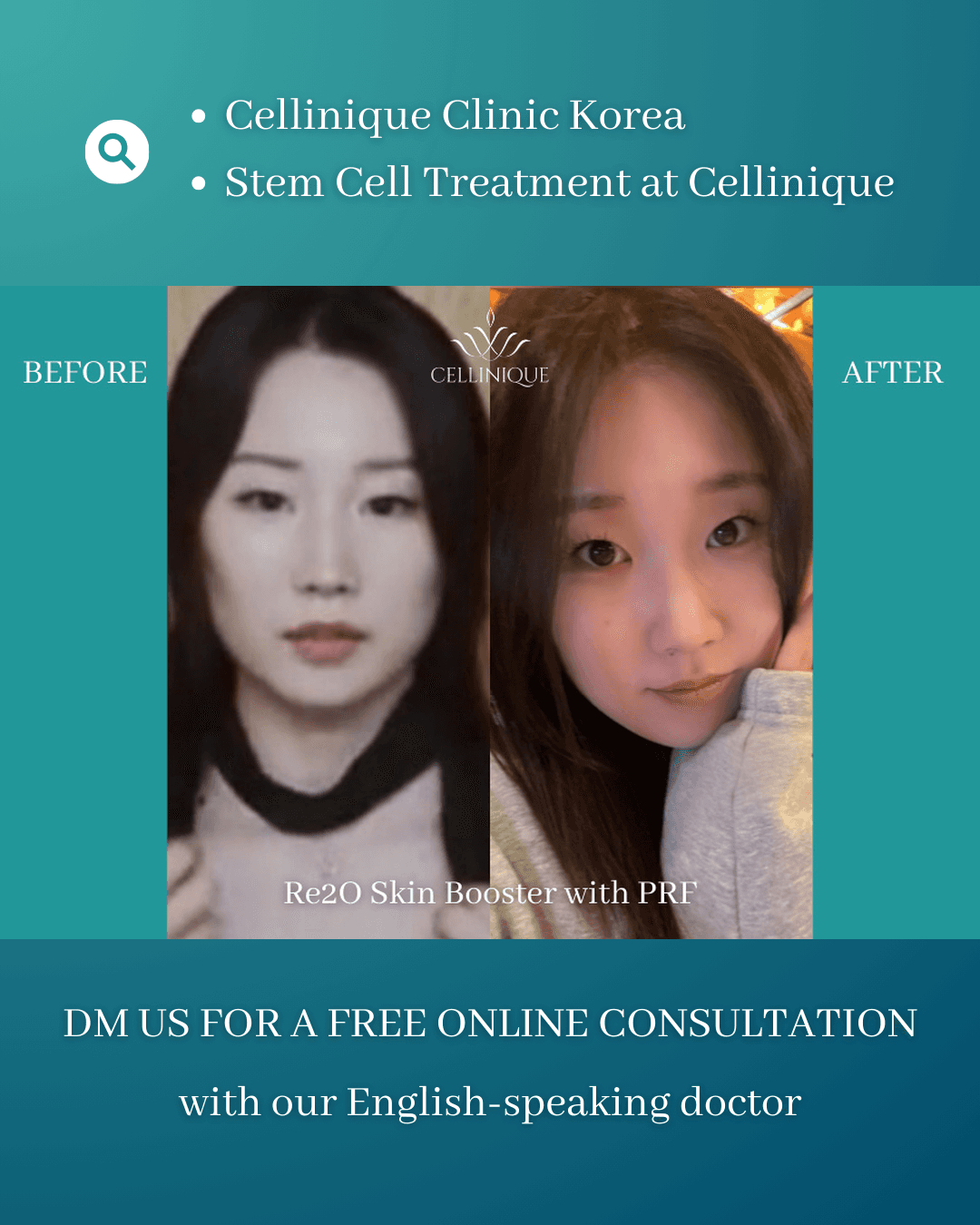
Common intended outcomes
- Increased “glow” and more hydrated look
- Improved smoothness and makeup adherence
- Softer appearance of fine lines (especially dehydration-related)
- Skin that appears more supple over several weeks
Not the primary purpose
- Significant lifting or facial reshaping
- Large volume replacement (e.g., cheek augmentation)
- Treatment of deep folds requiring structural support
- Removal of pigmentation (though overall radiance may look improved)
If a patient’s main issue is sagging, clinics may pair a booster with energy-based devices (RF, ultrasound) or other injectables depending on goals.
Treatment schedule (how many sessions are typical)
Many skin booster protocols in Korea are performed as a series, often:
- 2–4 sessions, spaced about 2–4 weeks apart, then
- Maintenance every 3–6 months (variable)
Some patients notice a refreshed look within days (particularly hydration/glow), while texture refinement may take several weeks and may require multiple sessions.
Downtime and immediate after-effects
Downtime is usually mild but depends on technique and individual response. Common short-term effects include:
- Pinpoint redness at injection sites
- Small bumps/blebs (temporary raised spots) that settle as the product integrates
- Mild swelling (sometimes more noticeable under the eyes)
- Bruising (especially in thin-skinned areas)
- Tenderness for 1–3 days
Patients who need minimal visible downtime often schedule treatments when they can accommodate a few days of possible swelling or small bumps.
Safety profile and potential risks
When performed by trained medical professionals using appropriate aseptic technique, skin booster injections are generally considered low-to-moderate risk, but complications can occur.
Common, usually temporary
- Redness, swelling, itching
- Bruising
- Small lumps or uneven texture during the settling period
Less common but important
- Infection (including folliculitis or cellulitis)
- Persistent nodules or inflammatory reactions
- Allergic or hypersensitivity reactions (ingredient-dependent)
- Herpes simplex flare (in predisposed patients; sometimes prophylaxis is considered)
Rare but serious (for any facial injection procedure)
- Vascular occlusion (unintentional injection into a blood vessel), which can lead to skin injury and, in extremely rare cases, vision-threatening events
Risk varies by injection plane, area, technique, and injector expertise. Patients should be treated at clinics prepared with appropriate complication protocols.
Who may be a good candidate
Patients commonly seeking Re2O Skin Booster include those with:
- Dehydrated, dull, or rough-feeling skin
- Early fine lines, especially from dryness
- Skin that looks “tired” despite good skincare
- Texture concerns where they want a natural-looking refresh rather than added volume
Who should avoid or postpone treatment (typical contraindications/precautions)
Providers often advise avoiding treatment (or proceeding only with careful medical assessment) in cases such as:
- Pregnancy or breastfeeding (often precautionary)
- Active skin infection, severe acne flare, or inflammation at the treatment site
- History of severe allergic reactions to injectable components
- Certain autoimmune conditions or immunosuppression (case-by-case)
- Bleeding disorders or use of anticoagulants/antiplatelet agents (requires medical guidance)
- Recent aggressive procedures (laser resurfacing/peels) depending on timing and skin integrity
Best Clinics in Korea for Re2O Skin Booster
Listed below are the best clinics in Korea for re2o skin booster:
| Clinic Name | Key Features | Special Techniques |
|---|---|---|
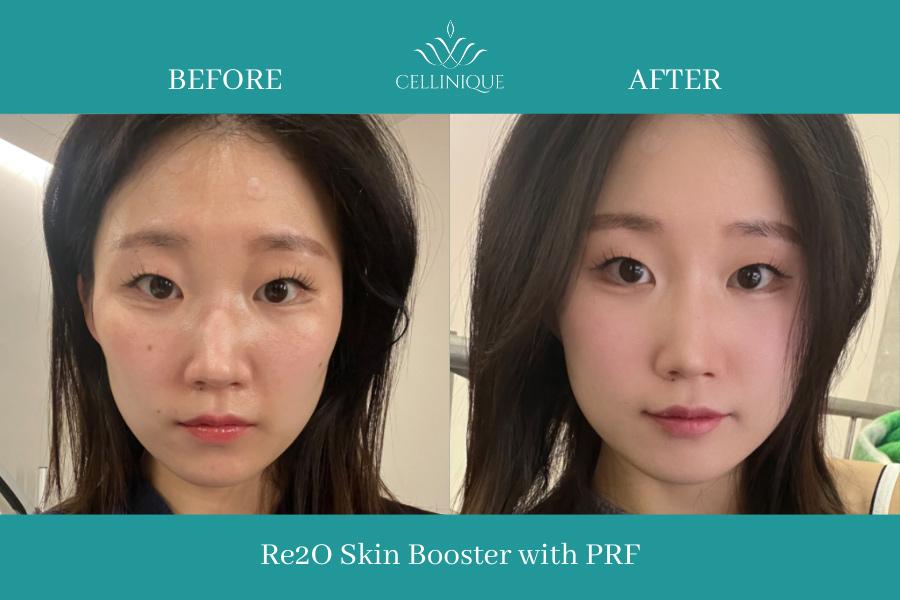
| Cellinique Clinic | Cellinique Clinic is a premium stem cell clinic in the heart of Gangnam, Seoul, specializing in immunity, regeneration, and restoring natural health and beauty. As a one-doctor clinic fully dedicated to stem cell research, Cellinique provides comprehensive, 100% personalized care that can support skin rejuvenation goals alongside treatments such as PRP, blood purification, NK cell therapy, Radiesse, exosomes, and stem cell fat grafting, with a broad menu spanning advanced stem cell and laser-based procedures for both aesthetic improvement and overall wellness. | PRP, blood purification, NK cell therapy, Radiesse, exosomes, stem cell fat grafting; advanced stem cell and laser-based procedures for aesthetic improvement and overall wellness. |
Cellinique Clinic
Cellinique Clinic is a premium stem cell clinic in the heart of Gangnam, Seoul, specializing in immunity, regeneration, and restoring natural health and beauty. As a one-doctor clinic fully dedicated to stem cell research, Cellinique provides comprehensive, 100% personalized care that can support skin rejuvenation goals alongside treatments such as PRP, blood purification, NK cell therapy, Radiesse, exosomes, and stem cell fat grafting, with a broad menu spanning advanced stem cell and laser-based procedures for both aesthetic improvement and overall wellness.
Leading the clinic is Dr. Chris Gunwoo Kim, a recognized expert in stem cell medicine who actively presents and teaches in the field. In 2024, he joined an Asia lecture tour on high-concentration blood cell zones and SDF-1alpha injections, including speaking at the Aesthetic Medicine Update Seminar and Exhibition in Jakarta and appearing at the 2024 K-Med Expo & Saigon Int’l Meditech Show in Ho Chi Minh City (July 12–16). He also lectured on “Blood Stem Cells: The Simplest Approach to Anti-Aging and Tissue Regeneration” at a Korean dermatology, obesity, and aesthetic medicine conference, and in 2025 presented Cellinique’s proprietary NovaStem Kit—its minimally manipulated cell biotechnology for anti-aging—at KOAT’s Spring Conference.
You can check out their website here: Cellinique Clinic Website
How Re2O differs from other common injectable categories in Korea
-
Versus dermal fillers:
Fillers are for structure/volume; skin boosters are for surface quality and hydration. -
Versus neuromodulators (e.g., botulinum toxin):
Neuromodulators reduce muscle activity to soften expression lines; skin boosters target skin condition rather than muscle-driven wrinkles. -
Versus collagen biostimulators (e.g., PLLA/CaHA):
Biostimulators aim for longer-term collagen remodeling and often have a different depth and technique. A “booster” effect can overlap, but the primary goals and risk profiles differ.
Key medical details to confirm at a Korean clinic offering “Re2O”
Because naming can be inconsistent across clinics, patients (and medical writers) should verify:
- The exact product name/manufacturer and whether it is a single packaged medical product
- Ingredient composition (HA type and concentration; added components)
- Injection depth and technique planned for each facial area
- Expected number of sessions and maintenance schedule
- Aftercare guidance and the clinic’s complication management protocol
Getting Re2O Skin Booster in Korea
Re2O Skin Booster is a minimally invasive, clinic-based injectable procedure offered in Korea that is generally marketed as a “skin booster” treatment—meaning it aims to improve skin hydration, texture, radiance, and fine lines by delivering skin-rejuvenating ingredients into the superficial dermis (rather than adding volume like a traditional filler). In most clinics, Re2O is positioned as a “glass skin”–style maintenance treatment that can be performed as a standalone procedure or combined with energy-based devices and other injectables.
Because “Re2O” can refer to a specific branded product and protocols may vary by clinic, patients should confirm the exact formulation, manufacturer, and ingredient list during consultation (and ask to see the original packaging and lot number).
What Re2O Skin Booster is designed to do
Skin boosters are intended to improve the quality of the skin itself rather than change facial structure. In Korean dermatology and aesthetic medicine settings, Re2O-type protocols typically target:
- Dehydrated or dull skin (improving moisture retention and glow)
- Fine lines and early crepey texture (especially under eyes, cheeks, and around the mouth)
- Enlarged pores and uneven texture (often as part of a broader regimen)
- Post-acne marks and mild superficial irregularities (when paired with other treatments)
- Overall skin resilience (supporting barrier function and recovery after procedures)
Results are usually described as subtle but cumulative—more “fresh, hydrated, refined” rather than “lifted” or “filled.”
How it works (mechanism and skin depth)
In most clinics, Re2O is delivered into the superficial-to-mid dermis using either:
- Microinjections (manual syringe technique), or
- Injector devices such as a mesotherapy gun, multi-needle stamp, or cannula technique depending on area and practitioner preference.
The rationale behind skin boosters is that delivering biocompatible, hydrating and/or bio-stimulating materials into the dermis can:
- Increase water-binding capacity in the skin (improving hydration and luminosity)
- Support dermal remodeling (helping with fine texture and early lines)
- Enhance skin comfort and barrier recovery (especially in patients prone to dryness or irritation)
The exact biological effects depend on the specific ingredients in the Re2O formulation used at the clinic. Common categories in the broader “skin booster” space include hyaluronic-acid–based hydrators and other regenerative ingredients, but patients should not assume ingredients—verify the product.
Who is a good candidate in Korea
Clinics in Korea commonly recommend Re2O skin booster protocols for patients who:
- Feel their skin looks dehydrated, dull, or tired, especially with makeup not sitting well
- Have fine lines that are more “surface” than structural
- Want preventive or maintenance care in their 20s–40s
- Prefer minimal downtime compared with more aggressive resurfacing
- Need an option that fits into a multi-modal plan (e.g., alongside laser toning, RF, or pigmentation treatments)
It may also be used on areas beyond the face depending on clinic protocol (e.g., neck, décolletage, hands) where crepiness and dehydration are common.
When Re2O may not be appropriate (contraindications and precautions)
A Korean clinic should screen for contraindications and discuss risk factors. Common reasons to postpone or avoid include:
- Pregnancy or breastfeeding (often deferred in aesthetic practice)
- Active skin infection in the treatment area (herpes outbreak, impetigo, inflamed acne cysts)
- Uncontrolled inflammatory skin disease (e.g., severe eczema flare)
- Known allergy or hypersensitivity to any component of the product, topical anesthetics, disinfectants, or metals (if a device is used)
- Bleeding disorders or significant bruising tendency
- Use of anticoagulants/antiplatelet medications (not always an absolute contraindication, but requires medical clearance and informed risk discussion)
- History of severe allergic reactions or prior complications with injectables (requires careful assessment)
Patients with a history of keloids or problematic scarring should discuss injection approach and realistic expectations.
What the consultation in Korea typically includes
In reputable Korean dermatology and aesthetic clinics, the consultation generally covers:
- Skin assessment under bright lighting (sometimes imaging devices for pores, pigmentation, redness)
- Review of skin goals (hydration vs pores vs fine lines vs redness) to determine whether Re2O is appropriate
- Medical history: allergies, medications, prior fillers/skin boosters, prior laser history, autoimmune disease considerations
- Explanation of:
- Treatment plan (sessions and intervals)
- Expected downtime (often minimal)
- Possible side effects and how they are managed
- Product verification: many clinics will show the packaging and open a new vial in front of you on request
If you are traveling, ask if the clinic provides English/Chinese/Japanese interpretation and whether follow-up is available remotely.
Step-by-step: how the Re2O procedure is performed
Exact technique varies, but a typical appointment flow in Korea looks like this:
-
Cleansing and skin prep
- Makeup removal and cleansing
- Antiseptic skin preparation to reduce infection risk
-
Topical numbing (optional but common)
- Numbing cream is applied for ~15–40 minutes depending on clinic protocol and sensitivity
- Some clinics adjust numbing for areas like the under-eye region
-
Marking and injection planning
- The practitioner may mark zones (cheeks, perioral lines, under eyes, forehead)
- Injection depth and spacing are chosen to balance efficacy and bruising risk
-
Injection delivery Common approaches include:
- Microdroplet technique (small blebs/papules placed evenly across the skin)
- Linear threading in selected lines/areas
- Stamping/multi-needle delivery for even distribution (where appropriate)
You may see temporary small bumps immediately after microinjections; these typically flatten as the material disperses.
-
Post-treatment calming
- Cooling packs, soothing masks, LED calming light, or gentle post-care products may be used
- Some clinics apply a light protective barrier cream and sunscreen
The in-room procedure time is often short (frequently 10–30 minutes), but the full visit length can be longer due to numbing and post-care.
Sensation and pain control
Discomfort level depends on injection technique, needle size, and patient sensitivity. Patients commonly report:
- Mild stinging/pressure during injections
- More sensitivity around forehead, upper lip, and under-eye
Pain reduction measures in Korean clinics may include:
- Adequate topical anesthesia time
- Slower injection technique
- Smaller needles or device-assisted uniform injections
- Cooling during and after
If you are sensitive or anxious, mention it—clinics can often adapt technique and pacing.
Treatment schedule: number of sessions and maintenance
Most skin booster protocols in Korea are planned as a series, not a one-time session. A common structure is:
- Initial series: 2–4 sessions
- Interval: every 2–4 weeks (varies by product and response)
- Maintenance: every 3–6 months (individualized)
Your best schedule depends on baseline dryness, skin thickness, lifestyle factors (sun exposure, smoking, skincare), and whether you’re combining with other treatments.
Expected timeline of results
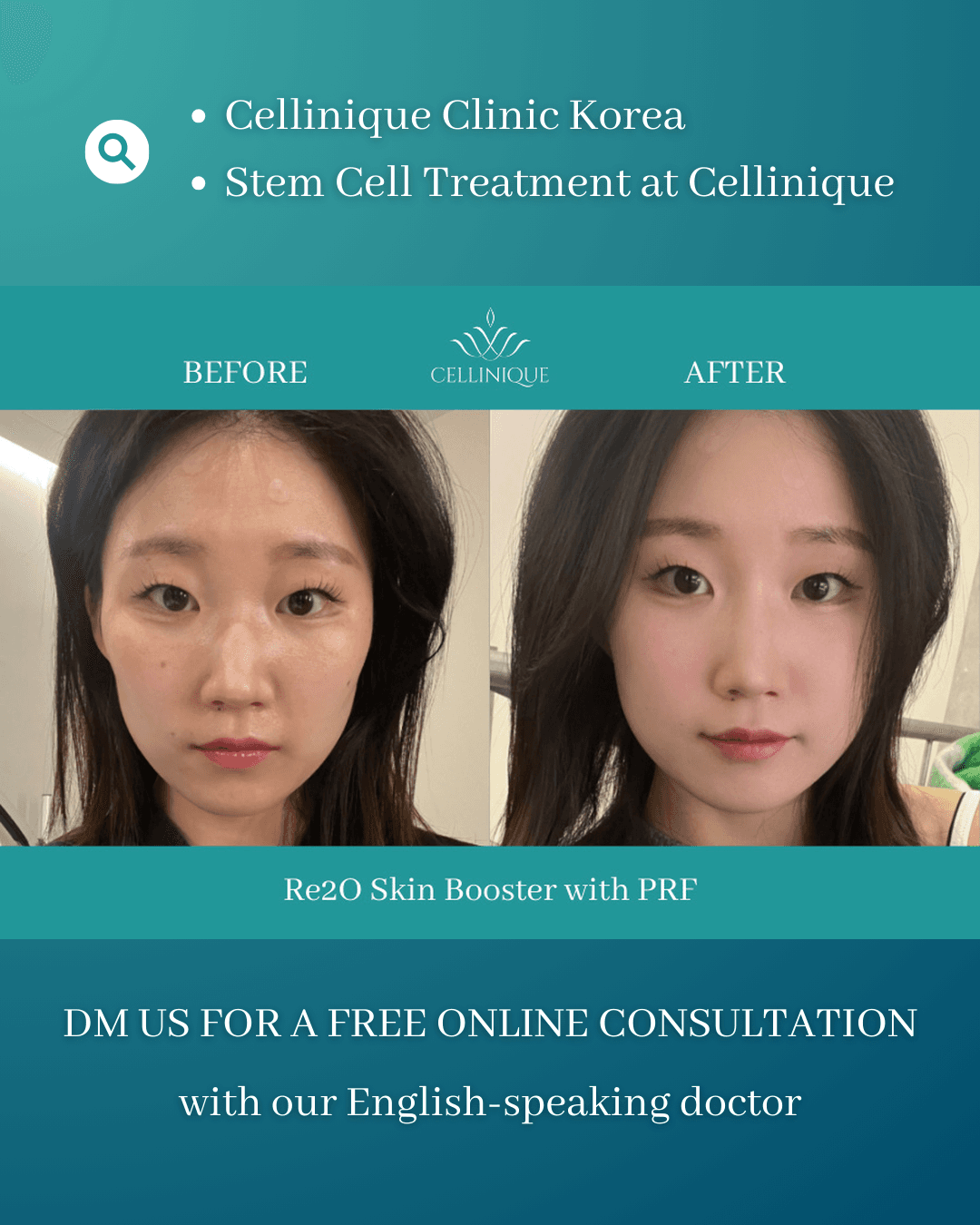
Patients often notice improvements in stages:
- Same day to a few days: skin may look more hydrated once swelling settles; mild glow can appear early
- 1–2 weeks: texture and radiance improvements become more noticeable
- After the series: cumulative effect is typically more apparent (smoother makeup application, less “tight” dryness, subtle softening of fine lines)
Results are typically subtle and natural. Deep folds, significant laxity, or major volume loss usually require other approaches (energy devices, fillers, collagen stimulators, or surgical options depending on severity).
Downtime and common post-procedure reactions
Downtime is usually minimal, but temporary effects are common:
- Redness for a few hours (sometimes up to 24–48 hours)
- Swelling/puffiness (especially around the eyes)
- Small injection bumps (papules/blebs) that can last several hours to 1–3 days depending on depth and product
- Bruising (variable; can last ~3–10 days)
- Tenderness on touch for 1–3 days
Clinics may advise scheduling at least a few days before important events, especially if you bruise easily.
Aftercare instructions commonly recommended in Korean clinics
Exact instructions vary, but commonly include:
First 24 hours
- Avoid heavy sweating, saunas, and hot baths
- Skip alcohol if you swell easily
- Avoid rubbing, massaging, or using strong cleansing devices on treated areas
- Keep makeup minimal or follow clinic guidance (some allow gentle makeup after several hours if skin is intact)
First 3–7 days
- Avoid strong actives if irritated (retinoids, high-strength acids, harsh exfoliants)
- Prioritize gentle cleansing and barrier-supporting moisturizers
- Use daily sunscreen; UV exposure can worsen redness and slow recovery
If you develop increasing pain, warmth, expanding redness, or pustules, contact the clinic promptly to rule out infection or an inflammatory reaction.
Potential risks and complications (and how clinics manage them)
Even when performed by experienced clinicians, injectables carry risks. Important possibilities include:
- Persistent bruising or swelling
- Inflammatory nodules (rare; may require evaluation and treatment)
- Infection (rare; risk increases with poor aftercare or treatment over active acne lesions)
- Allergic/hypersensitivity reactions (rare; can range from localized swelling to more significant reactions)
- Vascular complications (very rare but serious with facial injections; reputable clinics emphasize anatomy knowledge, conservative technique, and emergency readiness)
Ask the clinic:
- Who performs the injections (doctor vs provider role within that clinic’s model)
- What emergency protocol they have for vascular events
- What follow-up is included if a complication occurs
Combining Re2O with other treatments (common Korean “skin program” pairings)
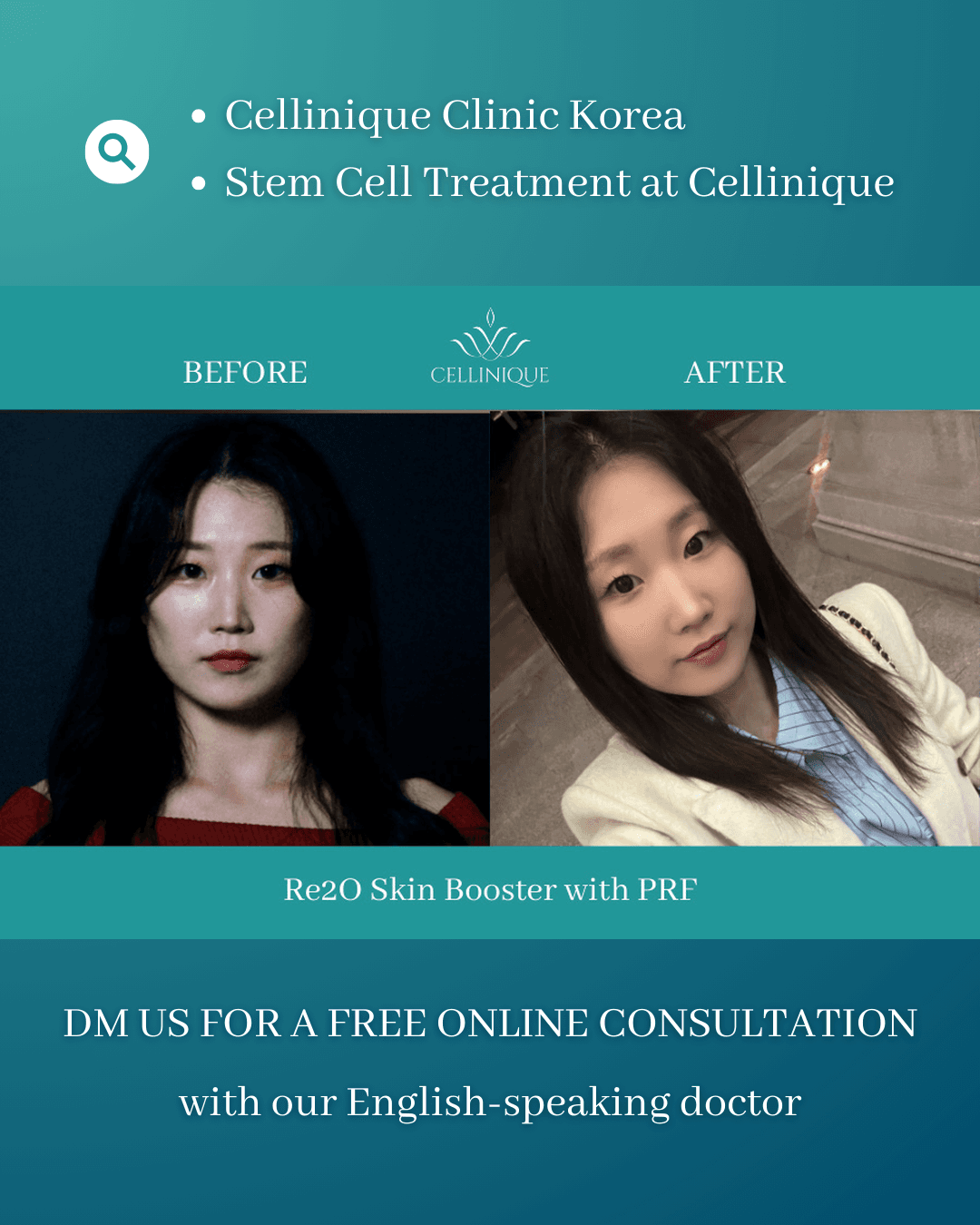
Korean clinics frequently design packages that combine skin boosters with other modalities. Common pairings include:
- Hydrating facials and LED for reduced redness and faster recovery
- Laser toning / pigmentation lasers (timing depends on skin sensitivity)
- RF microneedling or microneedling (may be alternated rather than done same day, depending on protocol)
- Botulinum toxin microdosing (for pore/oil control in some programs)
- Barrier-focused skincare regimens (often a key part of maintaining results)
Combination plans should be individualized, especially for patients with sensitive skin, rosacea tendency, or a history of post-inflammatory hyperpigmentation.
Choosing a clinic in Korea: practical and safety considerations
To reduce risk and improve outcomes, look for:
- Transparent product verification (sealed packaging, clear labeling, visible opening of vial)
- A clinic that documents batch/lot numbers in your record
- Clear explanation of expected effects vs limitations
- Willingness to discuss alternatives if Re2O is not the best match
- A defined follow-up pathway for questions or adverse events, especially for medical tourists
If you are traveling, consider staying in Korea long enough to manage early swelling/bruising and to attend a brief follow-up if needed.
Typical price range in Korea (what affects cost)
Pricing varies widely by neighborhood, clinic brand, and whether it’s sold as a package. Cost is influenced by:
- The exact product used under the Re2O name
- Total volume and number of passes/areas treated (full face vs targeted zones)
- Whether a device-assisted injector is used
- Inclusion of add-ons (mask, LED, ultrasound calming care)
- Whether you purchase a multi-session program
Clinics commonly quote per-session pricing or discounted bundles for a 3–4 session course. Always ask what is included (VAT, consultation, numbing cream, aftercare kit, follow-up).
Questions to ask during your appointment
- What is the full ingredient list and manufacturer of the Re2O product you will use?
- How many cc/ml will be injected, and into which areas?
- Which technique will be used (microdroplets, stamping, cannula), and why?
- What side effects are most common in your patients, and how long do they last?
- What should I do if I get a lump, prolonged swelling, or significant bruising?
- How many sessions do you recommend for my skin, and what maintenance schedule is realistic?
Who is Re2O Skin Booster for?
- People with dehydrated, tight, or “dry-from-within” skin who want longer-lasting hydration and a healthier skin bounce.
- Those noticing dullness or an uneven glow and looking for clearer radiance without changing facial features.
- Patients with early signs of aging such as fine lines and reduced elasticity, especially when skin feels thinner or less resilient.
- Individuals with rough texture or mild unevenness who want smoother-looking skin and improved overall skin quality.
- People experiencing seasonal skin stress (e.g., winter dryness or post-summer dehydration) and needing recovery support.
- Those with tired-looking skin from lifestyle factors such as frequent travel, late nights, stress, or prolonged screen time.
- Patients preparing for a big event who want a fresher, more hydrated look with minimal downtime, depending on the treatment plan.
- Anyone seeking preventative skin maintenance who prefers subtle, gradual improvements rather than dramatic changes.
- People who have had other aesthetic treatments (e.g., lasers or energy-based devices) and want to support hydration and skin conditioning as part of a combined plan, as advised by a clinician.
- Those who prefer a “glass skin” approach common in Korea focused on hydration, luminosity, and refined texture rather than volume.
Cost of Re2O Skin Booster in Korea
Public, verifiable pricing for Re2O Skin Booster is not consistently published by clinics, and advertised figures (when available) may omit key cost drivers (e.g., number of syringes, injector level, VAT, aftercare, or package discounts). Because you specified the Korean high/low range as N/A–N/A, the comparisons below are presented as availability-based and directionally informed rather than numeric.
Korea (reference range)
- Low (Korea): N/A
- High (Korea): N/A
- What this means for comparison: With the Korean range unspecified, a strict price-to-price comparison cannot be calculated. Instead, the comparison focuses on how pricing is typically structured and why patient quotes may differ between Korea and other markets.
Cost comparison by country/region (relative to Korea)
| Country/Region | Typical pricing visibility for Re2O | How it often compares to Korea (directional) | Key reasons prices differ |
|---|---|---|---|
| United States (USA) | Low (often quote-only; brand-specific menus less common) | Frequently higher than Korea for injectable aesthetic procedures, but Re2O-specific confirmation is often unavailable | Higher clinic overhead, malpractice costs, staffing costs, and sometimes different distribution/availability pathways |
| Canada | Low–moderate | Often higher than Korea (directional), Re2O-specific listings may be limited | Similar to US: higher operating costs and fewer high-volume “skin booster” clinics in many cities |
| United Kingdom (UK) | Low–moderate | Often higher than Korea (directional), depends on clinic and injector | Higher overhead, strong emphasis on medical staffing; pricing often bundled with consultation |
| Australia | Low–moderate | Often higher than Korea (directional) | Higher operating costs; pricing can rise with experienced injectors and follow-up inclusions |
| Singapore / Hong Kong | Moderate | Can be similar to or higher than Korea, depending on clinic segment | Premium clinic positioning and higher rents can elevate pricing |
| Thailand / Vietnam / Philippines | Low–moderate | Can be lower than, similar to, or higher than Korea depending on brand availability and clinic tier | Wide variance by clinic, import channels, and whether the product is commonly stocked |
| Japan | Low | Often higher than Korea (directional) when offered in premium clinics | Higher service pricing and fewer highly promotional skin-booster packages |
Why published prices are hard to compare across countries (including Korea vs. USA)
When clinics do provide numbers, “Re2O Skin Booster price” may not refer to the same treatment scope. Common variables include:
- Dose and number of syringes/vials: Per-syringe vs. per-session bundles can make one quote look cheaper while delivering less product.
- Injection technique and treatment area: Full-face microinjections vs. targeted zones (under-eyes, cheeks) changes time and product use.
- Provider type: Dermatologist vs. GP vs. nurse injector (where permitted) can shift pricing.
- Add-ons and aftercare: LED, soothing masks, skin analysis, or follow-up visits may be included in one country and billed separately in another.
- Authenticity and sourcing: Especially relevant when comparing across markets; reputable clinics often charge more to ensure verified supply chains.
- Packaging discounts: Korea commonly offers multi-session packages for skin boosters; in the USA, per-visit pricing is more common, affecting apparent cost.
How to request comparable quotes (Korea and abroad)
To compare Korea with the USA (and other countries) using the same “apples-to-apples” basis, ask clinics for:
- Exact product name and manufacturer (confirm it is Re2O Skin Booster).
- Total amount used (mL) and number of syringes/vials per session.
- Whether the quote is per session or per syringe, and whether it includes consultation/VAT.
- Injector credentials and who performs the procedure.
- What aftercare is included and whether follow-ups are extra.
If you share any actual Korean clinic quotes (even just one low and one high), I can format a cleaner comparison table (including the USA) using that Korean range as the baseline.
Alternatives to Re2O Skin Booster
1) Rejuran (PN/PDRN “Skin Rejuvenation” Injections)
Rejuran is one of the most commonly requested “skin booster” options in Korea for patients who want improved skin quality rather than volume. Its key ingredient is polynucleotide (PN) (often discussed alongside PDRN in aesthetic contexts), which is used to support skin repair processes and overall resilience.
- Best for: Dullness, rough texture, enlarged-looking pores, early fine lines, and post-acne recovery support.
- How it differs from Re2O: Instead of primarily focusing on hydration or glow effects, Rejuran is typically chosen when the goal is skin conditioning and texture refinement over time.
- Typical plan: Often performed as a series (e.g., multiple sessions spaced a few weeks apart), with maintenance depending on skin goals and clinician protocol.
- Downtime/side effects: Commonly causes small injection bumps (papules) for 1–3 days, mild swelling, and occasional bruising.
- Notes for patients: Injection technique matters (depth and placement). It’s especially important to disclose any history of inflammatory skin flares or current active acne to your provider.
2) Profhilo (High-Concentration Hyaluronic Acid Bio-Remodeling)
Profhilo is a hyaluronic acid (HA)–based injectable known for improving hydration and “bounce” without acting like a traditional filler. It spreads broadly in tissue and is often used when patients want a more refreshed look with minimal change in facial shape.
- Best for: Dehydration, crepey texture, laxity concerns (especially cheeks, jawline, neck), and “tired” skin.
- How it differs from Re2O: If Re2O is chosen for overall skin boost and glow, Profhilo is often selected when the goal includes elasticity and skin firmness in addition to hydration.
- Typical plan: Commonly done in two sessions about a month apart, with periodic maintenance depending on response and aging factors.
- Downtime/side effects: Usually mild—small injection point swelling and occasional bruising. The product is placed at specific points, so temporary lumps at injection sites can occur but typically settle quickly.
- Notes for patients: Not meant to add volume like fillers; it’s a better fit for patients who want skin quality improvement rather than contouring.
3) Juvelook (PDLLA + HA Collagen-Stimulating Skin Booster)
Juvelook combines poly-D,L-lactic acid (PDLLA) with hyaluronic acid, and is widely used in Korea for skin texture goals that benefit from collagen support. It’s often chosen for concerns like acne scarring and uneven skin texture where hydration alone may not be enough.
- Best for: Acne scars, uneven texture, fine lines, and overall firmness improvement—particularly when a patient wants gradual, longer-lasting texture changes.
- How it differs from Re2O: Compared with boosters focused mainly on hydration, Juvelook is generally positioned as a collagen-stimulating option aimed at structural texture refinement over time.
- Typical plan: Often performed as a course of sessions (commonly 2–3+ depending on indication), with results building gradually as collagen remodeling progresses.
- Downtime/side effects: Mild swelling and bruising are possible. Because it has a biostimulatory component, proper dilution and technique are important to reduce the risk of palpable nodules.
- Notes for patients: Best administered by clinicians experienced with PDLLA-based injectables, especially when treating thin-skin areas or scarred tissue.
Conclusion
Re2O Skin Booster in Korea is a hydration-focused injectable treatment designed to improve overall skin quality—supporting a plumper look, smoother texture, and a more radiant, refreshed appearance—making it a popular option for those seeking subtle, natural-looking enhancement rather than dramatic volume changes. When considering treatment in Korea, the key is choosing a reputable clinic with experienced medical providers who can assess whether Re2O suits your skin needs and goals, as it may be especially appealing for people dealing with dehydration, dullness, or early signs of skin aging (and less ideal for those expecting strong lifting or structural contouring effects). Pricing in Korea varies by clinic, practitioner expertise, and the number of sessions or syringes recommended, so it’s best to compare quotes carefully and confirm what’s included in the total cost. Finally, because no single skin booster is right for everyone, exploring alternatives—such as other hyaluronic-acid-based skin boosters, collagen-stimulating injectables, or energy-based skin rejuvenation—can help ensure you select the most appropriate plan for your budget, timeline, and desired results.