Medical Tourism Blog
Effective PCOS Belly Fat Solutions with Diet IV Therapy in Korea
Table of contents
- Understanding PCOS Belly Fat
- Medical Consensus on PCOS Management and Weight Loss
- Diet IV Therapy: A Detailed Examination
- Getting Diet IV Therapy in South Korea
- Patient Experiences and Outcomes with Diet IV Therapy for PCOS Belly Fat
- Conclusion
Considering treatment in Korea? Everything you need to know e.g. — how to avoid scams, visas, interpreters, recovery tips — in our Medical Tourism Master Guide. Plan with confidence in minutes, not weeks!
Polycystic Ovary Syndrome (PCOS) is a common hormonal disorder among women of childbearing age, often leading to weight gain in the abdominal area—commonly called "PCOS belly." This type of fat is mainly visceral, surrounding internal organs and increasing health risks due to its metabolic and inflammatory effects. The main causes of PCOS belly fat are insulin resistance and hormonal imbalances, such as high levels of androgens and cortisol.
Medical experts agree that lifestyle changes—like calorie-restricted diets and regular exercise—are the first and most important steps for managing PCOS symptoms and related weight gain. Medications like GLP-1 receptor agonists and metformin can help, but they are usually used alongside lifestyle changes. "Diet IV therapy," which involves intravenous delivery of nutrients or medications, is marketed for weight loss and wellness, but there are no official guidelines, FDA approvals, or strong scientific evidence supporting its use for PCOS belly fat. While some IV therapies include ingredients like B vitamins or investigational drugs (e.g., PYY agonists, bimagrumab) that have shown limited promise in some studies, these are not approved for general weight loss. IV therapy also carries risks such as infection, air embolism, and nutrient overdose, especially when not medically necessary. Most medical professionals recommend IV therapy only for diagnosed deficiencies or conditions that prevent oral nutrient absorption, and always under strict medical supervision.
Understanding PCOS Belly Fat
What is PCOS and its Link to Abdominal Fat?
Polycystic Ovary Syndrome (PCOS) is an endocrine disorder that disrupts normal ovarian function due to hormonal imbalances. It is characterized by irregular menstrual cycles, high androgen levels, and often cysts on the ovaries. PCOS is a significant health issue worldwide, with about 70% of cases going undiagnosed.
A common symptom is weight gain around the abdomen, known as "PCOS belly." This isn't just typical weight gain—it often appears as an "apple-shaped" body, with fat concentrated at the waist, even in women who are otherwise average weight or "skinny." The abdomen may feel firm due to visceral fat, which is deeper and surrounds organs, unlike subcutaneous fat that sits just under the skin. This central weight gain can be stubborn, making weight loss difficult even with diet and exercise.
Common Pseudonyms and Colloquial Terms
"PCOS belly" is a popular term among patients, though not a formal medical term. Other phrases include "apple-shaped body," "centralized weight gain," and "abdominal fat with PCOS." These all describe the typical fat distribution seen in PCOS.
Table 1: Common Pseudonyms and Characteristics of PCOS Belly Fat
| Pseudonym/Colloquial Term | Key Characteristics |
|---|---|
| "PCOS belly" | Enlarged, firm abdomen due to visceral fat; may feel hard to the touch. |
| "Apple-shaped body" | Centralized weight gain, more fat in the midsection than hips/thighs. |
| "Centralized weight gain" | Fat mainly around the waist, even in average or "skinny" women. |
| "Abdominal fat with PCOS" | Hard to lose weight despite diet/exercise; larger waistline (waist-to-hip ratio > 0.87); bloating worsened by certain foods. |
Underlying Causes of Abdominal Fat in PCOS
Role of Insulin Resistance and Hyperinsulinemia
Insulin resistance is a major factor in PCOS belly fat, affecting about 70% of women with PCOS. When cells become less responsive to insulin, the pancreas produces more, leading to high insulin levels (hyperinsulinemia). This not only signals the body to store more fat—especially in the abdomen—but also prompts the ovaries to make more androgens, worsening PCOS symptoms. This creates a cycle: more insulin leads to more fat, which increases insulin resistance, making weight loss even harder.
Impact of Elevated Androgen and Cortisol Levels
High androgen levels in PCOS disrupt metabolism and increase fat storage around the waist. PCOS is also linked to higher cortisol (the stress hormone), and abdominal fat cells have more cortisol receptors than other fat cells. This means stress can directly increase belly fat. Estrogen dominance (high estrogen compared to progesterone) can also boost appetite and cravings, adding to weight gain.
The Problematic Nature of Visceral Fat
Visceral fat, which accumulates in the abdomen, is metabolically active and releases inflammatory proteins called cytokines. These increase oxidative stress and worsen insulin resistance, fueling the cycle of PCOS symptoms. Visceral fat is not just a cosmetic issue—it drives inflammation and increases the risk of heart disease and type 2 diabetes. Reducing visceral fat is crucial for both health and PCOS management.
Medical Consensus on PCOS Management and Weight Loss
First-Line Interventions: Lifestyle Modifications
Doctors consistently recommend lifestyle changes as the main way to manage PCOS, especially for those who are overweight or obese. Even losing 5-10% of body weight can improve metabolic and reproductive health.
Importance of Calorie-Restricted Diets
A calorie deficit—eating fewer calories than you burn—is key for weight loss. Experts often suggest cutting about 500 calories per day. While no single diet is best, calorie restriction is universally recommended.
Some diets are especially helpful for PCOS:
- High-Fiber Diet: Improves insulin sensitivity and reduces body and abdominal fat. Aim for about 25 grams of fiber daily.
- Anti-Inflammatory Foods: Diets like the Mediterranean diet, rich in whole foods, fruits, leafy greens, olive oil, omega-3s, and whole grains, help reduce inflammation.
- Complex Carbohydrates and Low-Glycemic Index (GI) Diet: Since most women with PCOS have insulin resistance, controlling blood sugar is vital. Low-GI diets improve insulin sensitivity and reduce androgen levels, helping with symptoms like acne and irregular cycles.
Benefits of Regular Physical Activity
Exercise is just as important for reducing visceral fat. Moderate cardio (like brisk walking or cycling) burns fat, while resistance training preserves muscle. The best results come from combining both with a healthy diet. Adults should aim for 150–300 minutes of moderate or 75–150 minutes of vigorous exercise weekly. Exercise also improves insulin sensitivity, weight loss, reproductive health, and mental well-being.
The focus on lifestyle changes highlights that lasting success in PCOS management comes from addressing the root metabolic and hormonal issues—not from quick fixes or unproven therapies.
Pharmacological Treatments for PCOS Symptoms and Weight
While lifestyle changes are the foundation, medications can help manage specific symptoms and support weight loss.
FDA-Approved Medications for Weight Loss
GLP-1 receptor agonists like semaglutide are used to aid weight loss by mimicking gut hormones that boost insulin and suppress appetite. Real-world results may vary from clinical trials. Other drugs, like intranasal oxytocin, are being studied for fat reduction.
Metformin
Metformin helps with metabolic and blood sugar issues in PCOS and can improve menstrual cycles. It's recommended for women with type 2 diabetes or impaired glucose tolerance who don't respond to lifestyle changes, or as a second-line therapy for menstrual irregularity.
Hormonal Contraceptives
Hormonal contraceptives are a first-line treatment for menstrual problems, hirsutism, and acne in PCOS.
Supplements (e.g., Inositol)
Inositol, especially myo-inositol, can help regulate cycles and improve ovarian function. It's generally safe short-term, but more research is needed for long-term use and dosing. Supplements like inositol are regulated differently from prescription drugs, so evidence requirements are less strict.
Other Nutrients (Zinc, Magnesium, B Vitamins, Vitamin C)
Some studies suggest zinc, magnesium, and vitamin C may slightly reduce BMI or waist size, but these effects are usually seen alongside calorie restriction. B vitamins are essential for metabolism and energy.
Diet IV Therapy: A Detailed Examination
What is Diet IV Therapy?
IV therapy delivers fluids, vitamins, minerals, or medications directly into the bloodstream, bypassing the digestive system for faster absorption. A trained professional inserts the IV, and the process takes 30 minutes to an hour.
Common Components and Purported Mechanisms
"Diet IV therapy" often includes custom nutrient blends marketed to boost metabolism, burn fat, or increase energy. Common ingredients and their claimed benefits:
- Vitamins:
- B Complex Vitamins: Support energy, brain function, and metabolism.
- Vitamin C: Antioxidant, may help reduce BMI.
- Magnesium: Supports muscle/nerve function, blood sugar, blood pressure, and immune health.
- Zinc: May help reduce weight and waist size.
- Amino Acids:
- Glutathione: Antioxidant and detoxifier.
- General Amino Acids: Aid healing, immunity, and digestion.
- Carnitine and Taurine: Claimed to help burn fat.
- Other Compounds:
- Inositol: Marketed as a fat burner and for regulating cycles and mood.
- Investigational Medications: PYY agonists (appetite regulation), bimagrumab (reduces fat mass), ozone therapy (claimed to boost antioxidants and metabolism).
- Hydration: Essential for health and preventing side effects.
Table 2: Common Components and Purported Mechanisms of Diet IV Therapy
| Component Category | Specific Components | Purported Mechanisms / Benefits Claimed |
|---|---|---|
| Vitamins | B Complex (B12, etc.) | Energy, brain function, metabolism, fatigue reduction. |
| Vitamin C | Antioxidant, immune support, possible BMI reduction. | |
| Magnesium | Muscle/nerve function, blood sugar, blood pressure, immune support. | |
| Zinc | Possible reduction in weight and waist size. | |
| Amino Acids | Glutathione | Antioxidant, detoxification. |
| General Amino Acids | Healing, immunity, digestion. | |
| Carnitine, Taurine | Fat transport and oxidation. | |
| Other Compounds | Inositol (with Methionine, Choline in "MIC" shots) | Fat breakdown, appetite, cycle regulation. |
| PYY agonists (Investigational) | Appetite regulation. | |
| Bimagrumab (Investigational) | Fat mass reduction. | |
| Ozone Therapy (Investigational) | Antioxidant boost, metabolism, immune modulation. | |
| Base | Hydration (Saline, Electrolytes) | Health, prevents headaches/dizziness. |
Scientific Evidence and Medical Consensus on Efficacy for Weight Loss/PCOS
Lack of FDA Approval and Official Guidelines
No IV therapies are FDA-approved for weight loss, and no major medical organizations recommend them for this purpose. This lack of approval signals limited evidence for their safety and effectiveness.
Limited Research and Unsubstantiated Claims
Most claims about IV therapy for weight loss are based on marketing, not science. Some nutrients like zinc or magnesium may have minor effects when taken orally with a calorie-restricted diet, but this doesn't prove IV administration works for weight loss. Direct IV delivery can also risk overdosing, as it bypasses the body's natural filters.
Primary Medical Uses of IV Therapy
IV therapy is mainly used for serious conditions that prevent nutrient absorption, like severe gastrointestinal diseases or malabsorption syndromes. For healthy people, a balanced diet usually provides all needed nutrients, making IV supplements unnecessary.
PCOS Specifics
There is no scientific evidence or clinical trials showing that "Diet IV therapy" helps with PCOS belly fat or weight loss in PCOS. Proven PCOS management focuses on lifestyle changes and well-studied medications.
Risks and Safety Considerations
Potential Side Effects
IV therapy bypasses natural digestive safeguards, increasing the risk of nutrient overdose and toxicity. Possible side effects include:
- Air embolism (air bubble in the vein)
- Infection at the injection site
- Blood clots
- Allergic reactions
- Skin/tissue injury
- Fluid overload
- Electrolyte imbalances
Importance of Professional Administration
IV therapy should only be done by trained professionals in sterile settings. Bloodwork may be needed to check for deficiencies and set safe dosages.
Regulatory Oversight
Supplements, including IV therapies, are less regulated than prescription drugs. This means they aren't tested as rigorously for safety or effectiveness. Patients should be wary of commercial claims and rely on medical advice.
Cost vs. Benefit
For most people, getting nutrients from food or even a sports drink is safer, cheaper, and just as effective as IV therapy.
Getting Diet IV Therapy in South Korea
South Korea is a popular destination for medical tourism, including wellness treatments like "Diet IV therapy." Here’s what to expect:
Process for Medical Tourists
- Initial Steps: Research clinics, schedule a virtual consultation, and share your medical history. The clinic will recommend a program and travel timeline.
- Booking and Travel: Choose a treatment package, confirm appointments, and arrange travel. Many clinics help with hotels, transportation, and translation.
- Visa Requirements: Most visitors need a visa. For longer or complex treatments, a medical visa (C3-3) is recommended. This requires a letter from the clinic, medical records, and proof of funds.
- On-site Experience: Upon arrival, a coordinator may meet you. Expect wellness checks, lab tests, and personalized recommendations. IV sessions last 30–60 minutes.
- Follow-up and Departure: After treatment, you’ll have a final check-up and may receive recovery kits and virtual aftercare.
- Cultural Considerations: Respect local customs, inform staff of dietary restrictions, and use basic Korean greetings if possible.
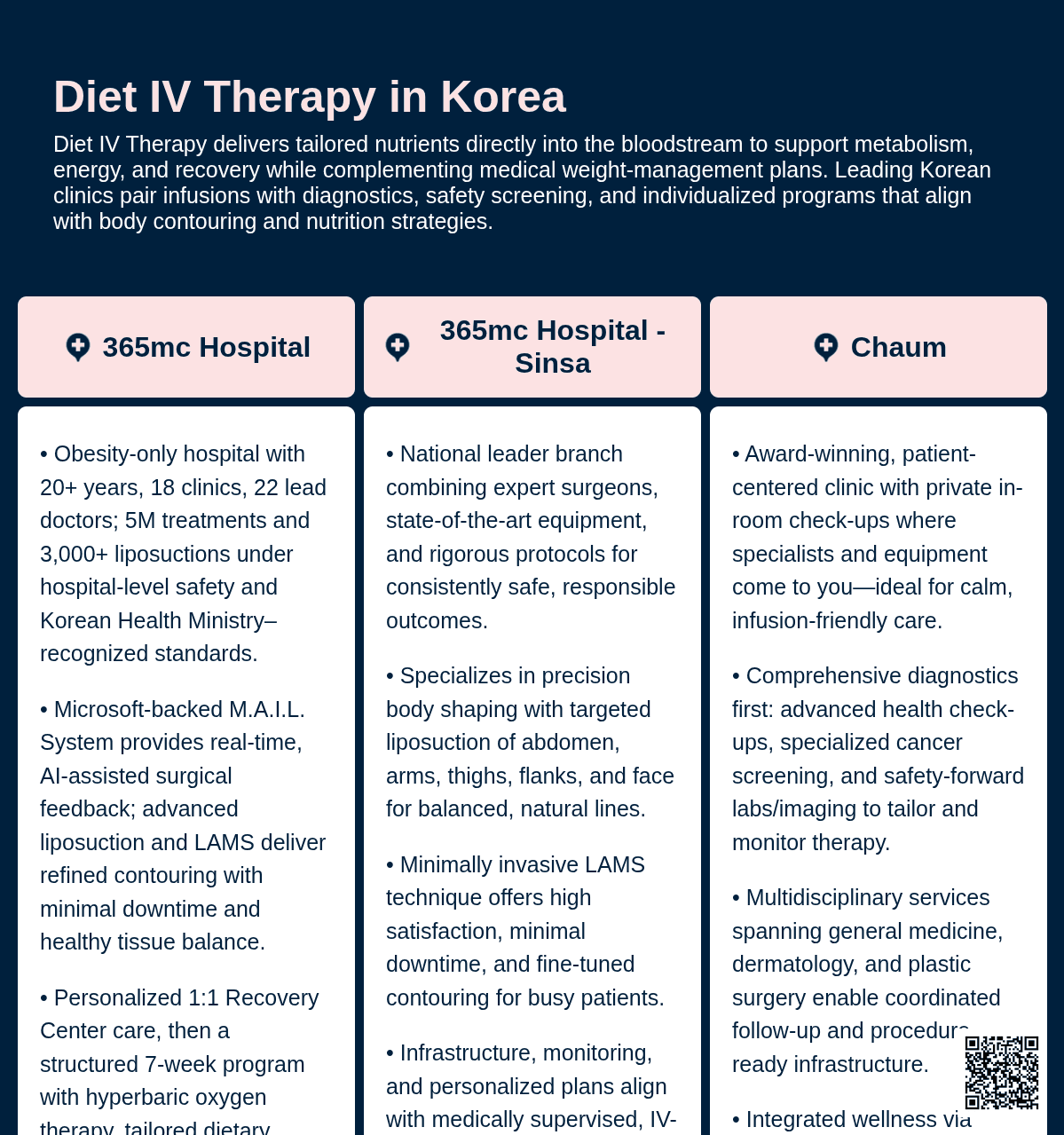
Best Clinics in Korea for Pcos Belly Fat
Listed below are the best clinics in Korea for pcos belly fat:
| Clinic Name | Key Features | Special Techniques |
|---|---|---|
| 365mc Hospital | Leading clinic in Korea for PCOS belly fat, over 20 years of expertise, extensive network (18 clinics, 22 main doctors), over 3,000 successful surgeries and 5 million treatments, personalized nutrition and dietary counseling, continuous post-operative support, proprietary meal diary app | Motion-Capture and Artificial-Intelligence Assisted Liposuction System (developed with Microsoft), Local Anesthetic Minimal Invasive Liposuction (LAMS) for immediate results and minimal downtime |
| 365mc Hospital - Sinsa | Specialized in obesity and body aesthetics, comprehensive liposuction for various body parts, dedicated team, state-of-the-art technology, focus on safety and client satisfaction, established leader in obesity treatment | Minimally invasive liposuction techniques (LAMS), targeted body sculpting for PCOS-related belly fat |
| Chaum | Comprehensive and personalized health care, privacy-focused exclusive check-up rooms, advanced diagnostic technologies, specialized in PCOS care, health and cancer screenings, anti-aging therapies, multidisciplinary management | Stem cell therapy, hormone replacement therapy, individualized programs for PCOS, specialist consultations, integrated fitness and nutrition programs |
365mc Hospital
365mc Hospital distinguishes itself as the leading clinic in Korea for addressing PCOS belly fat through its comprehensive, innovative, and patient-centered approach to body contouring and obesity treatment. With over two decades of expertise, 365mc is a pioneer in both standard and advanced liposuction, holding a record of over 3,000 successful surgical procedures and more than 5 million treatments, reflecting their exceptional safety and expertise. Its extensive network of 18 clinics and 22 main doctors ensures that each patient receives individualized care from highly experienced professionals. Leveraging cutting-edge technology and collaboration with Microsoft, 365mc’s "Motion-Capture and Artificial-Intelligence Assisted Liposuction System" sets new standards in real-time precision and safety. For patients seeking less invasive solutions, their unique Local Anesthetic Minimal Invasive Liposuction (LAMS) delivers immediate results with minimal discomfort and downtime, making it ideal for those struggling with hormone-related belly fat, such as that associated with PCOS. Beyond surgical excellence, 365mc integrates personalized nutrition and dietary counseling, continuous post-operative support, and advanced monitoring tools—including a proprietary meal diary app—to empower clients in maintaining long-term results. This holistic blend of world-class medical care, technological innovation, and dedicated aftercare makes 365mc Hospital the premier choice for women in Korea seeking effective, lasting solutions for PCOS belly fat.
You can check out their website here: 365mc Hospital Website
365mc Hospital - Sinsa
365mc Hospital Sinsa is a leading medical facility in South Korea, renowned for its specialized focus on addressing obesity and enhancing body aesthetics. The clinic offers a comprehensive range of advanced liposuction procedures, including abdomen, arm, thigh, love handles, and face liposuction, each designed to target stubborn fat deposits and help clients achieve a more contoured and proportional physique. With a dedicated team of skilled professionals and state-of-the-art technology, 365mc Hospital Sinsa ensures each procedure is performed safely and effectively, allowing for noticeable improvements in both appearance and self-confidence.
In addition to traditional liposuction, 365mc Hospital Sinsa utilizes innovative minimally invasive techniques such as LAMS (Liposuction Assisted Morphological Surgery) to deliver precise body sculpting with minimal downtime. This approach is ideal for patients seeking targeted results, particularly for challenging conditions such as PCOS-related belly fat, where traditional weight loss methods often fall short. The clinic’s commitment to safety, client satisfaction, and outstanding outcomes has established 365mc Hospital Sinsa as a leader in the field of obesity treatment and body contouring in Korea.
You can check out their website here: 365mc Hospital - Sinsa Website
Chaum
Chaum Clinic, located conveniently at Sinnonhyeon Station in Seoul, is a renowned medical center specializing in comprehensive and personalized health care solutions, including advanced treatment options for PCOS (Polycystic Ovary Syndrome)–related belly fat. At Chaum, patients benefit from the comfort and privacy of exclusive check-up rooms, where both medical professionals and state-of-the-art equipment come directly to you. This unique approach ensures that each individual receives attentive, tailored care throughout their health journey.
The clinic offers a wide variety of services—from comprehensive health and cancer screenings using advanced diagnostic technologies, to innovative anti-aging therapies such as stem cell therapy and hormone replacement therapy. For those struggling with PCOS belly fat, Chaum’s individualized programs integrate specialist consultations, thorough check-ups, and expert follow-up treatments. Their multidisciplinary methods, including outpatient medical management, fitness programs, and nutrition advice, are all aimed at helping women manage PCOS symptoms, improve metabolic health, and achieve lasting wellness.
Find more about this clinic here: Chaum Website
Costs Associated with Diet IV Therapy in South Korea
Estimated Session Costs
A single session typically costs $75–$225 USD (about 109,000–327,000 KRW). Some clinics offer specific drips for 25,000–60,000 KRW. Packages for multiple sessions are often discounted.
Factors Influencing Cost
- Clinic Reputation: Well-known clinics may charge more.
- Location: Clinics in upscale areas like Gangnam may be pricier.
- IV Formulation: Custom blends or rare ingredients cost more.
- Add-ons: Extra vitamin or booster shots increase the price.
Additional Costs for Medical Tourists
- Consultation fees: $200–$500
- Follow-up visits: $100–$300 each
- Hospital stays: $100–$300 per night
- Medications: $50–$150
- Travel/accommodation: $1,000–$2,000+
- Interpreter services: $182–$218 per day
- Upfront deposit: Usually 10% of total cost
Cost Comparison with Other Countries (Medical Tourism Perspective)
- South Korea: $75–$225 per session
- United States: $150–$400 per session (higher for in-home services)
- Mexico: $100–$350 per session; some beauty IVs $440–$470
- Turkey: $75–$250 per session; specific therapies like Vitamin C or NAD+ infusions vary
- Thailand: Basic IV drips around $50; comprehensive packages may cost more
South Korea is generally more affordable than the US and comparable to Mexico and Turkey. Thailand may offer lower prices for basic treatments.
Patient Experiences and Outcomes with Diet IV Therapy for PCOS Belly Fat
Limited Scientific Evidence for Direct Impact on PCOS Belly Fat
There are no clinical trials or scientific studies showing that "Diet IV therapy" reduces PCOS belly fat or helps with weight loss in PCOS. Proven interventions remain lifestyle changes and certain medications.
Anecdotal Reports and General Claims for Weight Loss
Some people and clinics report benefits like more energy, better appetite control, and fat burning after IV therapy. Testimonials mention weight loss and body composition changes, but these are anecdotal and often occur alongside diet and exercise. Without controlled studies, it’s impossible to know if IV therapy alone made a difference.
Medical Professional Opinion and Consensus on IV Therapy for Weight Loss
Most medical professionals are cautious or skeptical about IV therapy for weight loss. There’s no FDA approval, no official guidelines, and little scientific support. IV therapy is reserved for specific medical conditions where oral supplements don’t work. The best strategies for PCOS and weight management are still lifestyle changes and, when needed, approved medications. Patients should rely on evidence-based advice from healthcare professionals, not marketing claims.
Conclusion
PCOS belly fat is driven by insulin resistance and hormonal imbalances, making it a serious metabolic concern rather than just a cosmetic issue. The most effective ways to manage PCOS and related weight gain are lifestyle changes—like a calorie-restricted, high-fiber, anti-inflammatory diet and regular exercise—sometimes supported by medications. "Diet IV therapy" lacks scientific backing, FDA approval, and official guidelines for weight loss or PCOS, and carries potential risks. Patients should prioritize proven, evidence-based treatments and consult qualified healthcare professionals for safe, effective care.
References
1, 2, 3, 4, 5, 6, 7, 8, 9, 10, 11, 12, 13, 14, 15, 16, 17, 18, 19, 20, 21, 22, 23, 24, 25, 26, 27, 28, 29, 30, 31, 32, 33, 34, 35, 36, 37, 38