
Medical Tourism Blog
Diet IV therapy in Korea: Safety, Evidence, Travel Planning, and Alternatives

Table of contents
- Diet IV therapy at a Glance
- What Is Diet IV Therapy?
- Who Is a Good Candidate for Diet IV Therapy?
- How Is Diet IV Therapy Performed?
- Why Visit Korea for Diet IV Therapy?
- Key Information for International Patients
- Which Are the Best Clinics in Korea for Diet Iv Therapy?
- Diet IV therapy From Start to Finish
- Alternatives to Diet IV Therapy
- How Can I Prepare for Diet IV Therapy?
- Aftercare Advice
Considering treatment in Korea? Everything you need to know e.g. — how to avoid scams, visas, interpreters, recovery tips — in our Medical Tourism Master Guide. Plan with confidence in minutes, not weeks!
Last updated: September 2026
Diet IV therapy at a Glance
- What it is — Diet IV therapy is a peripheral IV infusion of fluids, vitamins, minerals, or additives such as L-carnitine or glutathione; it is a marketing label rather than a standardized medical weight-loss treatment.
- Weight-loss evidence — No validated formula, session schedule, or evidence-based timeline supports Diet IV therapy for fat loss, appetite suppression, or durable weight reduction; temporary scale changes after fluids are not body-fat loss.
- Best use — IV nutrients may have a clinical role only for a defined condition, such as a documented deficiency, malabsorption, inability to take oral treatment, or an acute need for targeted replacement.
- Same-day recovery — An uncomplicated infusion is usually a same-day outpatient visit with no anesthesia, incision, or tissue-healing period; mild bruising or soreness at the IV site can last a few days.
- Key safety check — Do not proceed without a written ingredient list, dose, total fluid volume, infusion rate, preparation source, monitoring plan, and clinician review of kidney, heart, electrolyte, allergy, and medication risks.
- Korea travel planning — Travel to Korea is not medically necessary, and no evidence shows better results there; if having an elective infusion, allow at least one night before a long-haul flight so a delayed reaction can be assessed locally.
- Korea-specific documentation — Request an English itemized treatment record listing every ingredient, dose, route, date, reaction, and clinic contact, because a generic “Diet IV” name does not confirm an approved product or weight-loss indication in Korea.
What Is Diet IV Therapy?
Diet IV therapy is an intravenous infusion of fluids, vitamins, minerals, or other additives marketed for weight loss or wellness. It does not produce established fat loss or treat obesity; targeted IV nutrients are reserved for specific medical needs such as a confirmed deficiency. It is a minimally invasive treatment because it uses a small cannula placed into a vein, without surgery or anesthesia.
Who Is a Good Candidate for Diet IV Therapy?
- People with a defined medical indication — IV treatment can have a clinical role when a clinician has identified a specific deficiency, malabsorption problem, inability to take oral treatment, or acute condition that requires a particular fluid or nutrient.
- People seeking weight care assessment — Difficulty losing weight, fatigue, or rapid weight change calls for an obesity or medical-nutrition assessment that considers diet, sleep, activity, mental health, medicines, and metabolic risk rather than a generic weight-loss IV drip.
- People with documented deficiency testing — Blood count, ferritin and iron studies, vitamin B12, folate, electrolytes, kidney function, glucose/HbA1c, and pregnancy testing are considered only when history and symptoms support them; a broad cocktail is not a substitute for diagnosis.
There are no evidence-based eligibility criteria for a commercial Diet IV intended to cause weight loss. The established use of intravenous vitamins is targeted replacement, not fat loss: a review found no high-quality evidence of health benefit from high-dose vitamin infusions in people without a specific deficiency or medical condition. Do not use a wellness IV as treatment for obesity, diabetes, an eating disorder, dehydration, fatigue, or suspected deficiency without medical evaluation. Defer elective treatment during pregnancy, breastfeeding, fever or acute illness, unstable cardiovascular disease, or infection at the intended IV site; people under 18 require a specific medical indication and pediatric oversight. Kidney disease, kidney-stone history, heart failure, edema, electrolyte abnormalities, G6PD deficiency where high-dose vitamin C is proposed, iron overload when iron is offered, prior infusion reactions, and medicines such as diuretics, spironolactone, ACE inhibitors, ARBs, digoxin, or lithium require clinician review before any formula is selected.
How Is Diet IV Therapy Performed?
“Diet IV” is a marketing label, not a standardized drug, formula, or treatment protocol. The clinically important difference is what is infused, why it is being given, and whether the dose and route have a defined medical rationale.
- Targeted medical replacement — One nutrient or a limited combination is selected for a diagnosed deficiency or defined condition, with a stated dose, infusion rate, monitoring plan, and endpoint. This is the only approach with a potentially clear clinical rationale.
- Multivitamin and mineral infusion — Nonstandard blends commonly contain saline, vitamin C, B vitamins, magnesium, calcium, zinc, or trace elements. Some are marketed as a Myers’ cocktail, but their use does not establish treatment for weight gain or obesity.
- Wellness add-on cocktail — L-carnitine, glutathione, amino acids, and other additives are sometimes included. Each additive introduces ingredient-specific questions about efficacy, interactions, product quality, and contraindications.
- High-dose vitamin C formula — Renal impairment increases concern for oxalate-related kidney injury, while G6PD deficiency carries a reported hemolysis risk. Do not accept this component without a clinician’s review of kidney function and relevant history.
- Peripheral IV administration — A nurse or clinician inserts a cannula into a hand or arm vein using aseptic technique, administers the formula over a clinic-defined period, then removes the cannula and dresses the site. There is no anesthesia, incision, or tissue-healing period.
Decline treatment when the provider cannot supply the full ingredient list, concentrations and units, total volume, infusion rate, manufacturer or preparation source, clinician credentials, monitoring process, and adverse-event escalation plan in writing.
Why Visit Korea for Diet IV Therapy?
Korea should not be selected for Diet IV therapy because of an expectation of better weight-loss results. No comparative evidence shows that a Diet IV in Korea is more effective, safer, or more durable than treatment elsewhere. The main practical value of receiving any infusion in Korea is the ability to request clinician assessment and itemized documentation rather than rely on a marketing label.
- Verify the actual product — Korea’s pharmaceutical framework regulates drug manufacturing, dispensing, importation, and sale; manufacturers selling drugs require authorization and product-level approval or reporting. That framework does not mean that a clinic’s generic “Diet IV” label is itself an approved product or approved weight-loss indication. Review the applicable pharmaceutical-affairs provisions) alongside the exact formula.
- Request an English treatment record — Ask for every ingredient, dose, route, date, observed reaction, clinician contact details, and preparation source. Korean law includes requirements for specified medicine information when clinicians directly prepare and deliver medicine, subject to limited practical exceptions; consult the relevant patient-information provisions before relying on clinic assurances.
- Use a medical consultation, not a sales package — A clinician should review kidney, heart, endocrine, gastrointestinal, and eating-disorder history; allergies; prior IV reactions; pregnancy possibility; medicines; supplements; and vital signs before deciding whether an infusion is appropriate.
- Recognize the evidence limit — There is no validated Diet IV formula, dose, session number, maintenance interval, or endpoint for weight management. Temporary fluid-related scale changes do not represent loss of body fat.
Key Information for International Patients
- Minimum stay — International travel is not medically necessary for this treatment. An uncomplicated peripheral infusion is ordinarily a same-day outpatient visit after an in-person assessment.
- Long-haul flight timing — No procedure-specific no-fly interval has been established. Stay in Korea for at least one night before a long-haul flight so a delayed reaction can be assessed locally; this is prudent travel planning, not an evidence-based requirement.
- Repeat visits — No evidence-based course, maintenance schedule, or cumulative safety threshold supports international travel for repeated Diet IV sessions aimed at weight loss.
- Itinerary impact — There is no formal recovery period. Mild bruising or arm tenderness can last several days, so avoid activities that heavily load the cannulated arm on treatment day.
- Remote follow-up — Obtain an English itemized record before leaving Korea and keep a copy for the clinician who manages care at home. Contact the treating clinic promptly for a delayed reaction; seek local urgent or emergency care for serious symptoms rather than waiting for remote advice.
Travel note: Do not fly while dizzy, faint, feverish, short of breath, in significant pain, or experiencing rash, facial swelling, chest pain, or another possible infusion reaction.
Which Are the Best Clinics in Korea for Diet Iv Therapy?
Listed below are some of the best clinics in Korea for diet iv therapy.
1. 365mc Hospital
For diet-focused support, you can expect personalized nutritional and dietary counseling designed around your lifestyle, eating habits, and nutritional needs. The clinic also uses a meal-diary app to help monitor and improve habits; the provided information does not specify Diet IV therapy.
- URL: 365mc Hospital Website
- Location: Gangnam-gu, Seoul
- Nutrition support:
- Receive tailored diet prescriptions rather than a one-size-fits-all plan.
- Use a meal-diary app for ongoing recording, storage, analysis, and adjustment of dietary habits.
- Access dietary consultations that can support weight-management maintenance after liposuction.
- Body-contouring care:
- Services include surgical liposuction and LAMS, a minimally invasive fat-reduction approach combining fat extraction and fat-dissolving injections.
- Post-operative support includes individualized recovery care, hyperbaric oxygen chamber therapy, and dietary consultations.
2. 365mc Hospital - Sinsa
At 365mc Hospital - Sinsa, you can explore body-contouring procedures for areas such as the abdomen, arms, thighs, waist, face, and neck, including minimally invasive LAMS. The supplied information does not list Diet IV therapy or a diet-program service.
- URL: 365mc Hospital - Sinsa Website
- Location: Seoul
- Body-contouring procedures:
- Liposuction options target the abdomen, upper arms, thighs, love handles, and facial areas including the chin and neck.
- LAMS is described as a minimally invasive technique combining liposuction with targeted body contouring and minimal downtime.
3. Chaum
At Chaum, you can receive personalized health management through comprehensive check-ups, specialist consultations, and customized plans developed from your health evaluation. The supplied information does not specify Diet IV therapy.
- URL: Chaum Website
- Location: Seoul
- Personalized health assessment:
- Comprehensive check-ups use diagnostic equipment and specialist consultations to evaluate your physical condition and develop a customized health-management plan.
- Cancer-screening programs include imaging and laboratory testing for early detection.
- Wellness support:
- Private check-up rooms allow medical specialists and equipment to come to you.
- The Benefit Center offers personalized fitness programs based on your health needs and fitness level.
- TheraSpa provides massage, aromatherapy, and hydrotherapy services for relaxation and stress relief.
Diet IV therapy From Start to Finish
- Request information before booking — Ask for an English or virtual consultation where available. Obtain the complete proposed formula, dose of every ingredient, total fluid volume, infusion rate, preparation source, clinician credentials, anticipated benefit, risks, and emergency plan in writing.
- Provide medical history — Send a full list of prescription medicines, over-the-counter products, vitamins, herbals, allergies, prior IV reactions, recent laboratory results, kidney or heart conditions, and relevant medical records. Do not stop anticoagulants, diabetes medicines, blood-pressure medicines, or GLP-1 medicines without instructions from the clinician who prescribed them.
- Attend an in-person assessment — The clinician reviews the reason for treatment, vital signs, medical history, pregnancy possibility, and contraindications. When a deficiency or medical disorder is suspected, testing is directed by that concern rather than used to justify a routine cocktail.
- Confirm the formula and consent — Before cannulation, confirm the ingredients, concentration, units, fluid volume, intended infusion time, and what staff will do if symptoms occur. Do not consent to an unnamed “slimming,” “detox,” or “metabolism” drip.
- Receive the infusion — A clinician or appropriately supervised nurse places a peripheral cannula in a hand or arm vein using aseptic technique. During the clinic-defined infusion period, staff should monitor for pain, swelling, infiltration, dizziness, rash, breathing symptoms, or blood-pressure changes and stop treatment if concerning symptoms develop.
- Brief observation and discharge — The cannula is removed and the site dressed after the infusion. Remain until staff confirm that you feel well. Request an English discharge summary listing all ingredients and doses, date, route, any reaction, and a contact number.
- Travel and overseas follow-up — Keep the IV site clean, avoid strenuous arm activity that worsens soreness on the same day, and retain all documentation. Contact the clinic about delayed symptoms and arrange assessment where you are staying or at home when symptoms are urgent.
Alternatives to Diet IV Therapy
For weight reduction, evidence-based medical assessment is the appropriate alternative to a wellness infusion. Localized contour procedures can change a specific area but do not treat obesity, while medication and bariatric assessment address body weight and metabolic risk under continuing clinical care.
Medical weight management
- Purpose — A structured assessment addresses dietary intake, activity, sleep, mental health, weight-affecting medicines, metabolic risk, and obesity-related complications.
- Tradeoff — It requires ongoing participation and follow-up but targets the causes and health effects of excess weight rather than offering an unproven IV formula.
Anti-obesity medication
- Purpose — A clinician can consider approved medication as an adjunct to nutrition, behavioral, and activity care when indicated.
- Travel consideration — Start or adjust treatment only when a clinician can provide continuity, monitoring, prescriptions, and management of adverse effects after return home. See diet pills in Korea.
Oral treatment for proven deficiency
- Purpose — Oral vitamins or minerals are generally more practical when intake and absorption are adequate and a specific deficiency is confirmed.
- Tradeoff — This avoids cannulation, infection, infiltration, phlebitis, fluid overload, and formulation-related IV risks; it does not cause fat loss unless correcting a medical condition changes an underlying problem.
Body-contouring treatment
- Purpose — Fat-dissolving injections, CoolSculpting, and abdominal liposuction address selected localized contour concerns.
- Tradeoff — These procedures are not obesity treatment and do not replace medical assessment. Liposuction is surgery with anesthesia, wound care, compression, downtime, and greater travel restrictions; non-surgical options often need repeat treatment and have more limited contour change.
How Can I Prepare for Diet IV Therapy?
- Get the formula first — Obtain every ingredient, concentration, dose, unit, total volume, infusion rate, and preparation source before paying or consenting. Do not self-select ingredients based on social-media or “detox” claims.
- Disclose medicines and conditions — Bring or send a complete list of prescriptions, non-prescription medicines, supplements, herbals, allergies, past IV reactions, kidney or heart disease, stone history, edema, and recent laboratory results. Flag diuretics, spironolactone, ACE inhibitors, ARBs, digoxin, lithium, and any drug that affects fluid or electrolyte balance.
- Do not stop prescribed treatment independently — Continue prescribed anticoagulants, diabetes medicines, blood-pressure medicines, and GLP-1 medicines unless the clinician managing those medicines tells you otherwise.
- Eat and hydrate normally — Fasting is not routinely required for a peripheral IV. Have a light meal and usual fluids when appropriate to reduce light-headedness; follow a treating doctor’s individualized instructions if they differ.
- Avoid alcohol and recreational drugs on the day — They can worsen or obscure dizziness, nausea, dehydration, and low blood pressure.
- Plan transport and flights sensibly — A companion is sensible for people with a history of fainting or anyone who feels unwell, but no routine companion or special accommodation requirement is established. Keep the following day flexible before a long-haul flight.
Travel note: Schedule only after an in-person clinician assessment is available, and do not book multiple infusions as a weight-loss package before the first formula and medical rationale have been reviewed.
Confirm clinic-specific requirements with the treating doctor, whose individualized instructions take precedence over this general guidance.
Aftercare Advice
An uncomplicated peripheral infusion needs little recovery, but treat new systemic symptoms or a worsening IV site as a medical issue rather than a normal “detox” response.
- Protect the IV site — Keep the site clean and follow dressing instructions. Mild bruising or tenderness can persist for a few days.
- Resume activity based on symptoms — Ordinary activity is reasonable when you feel well. Avoid strenuous exercise or heavy repetitive use of the cannulated arm on the treatment day if it increases soreness.
- Do not misread the scale — Fluid administration can temporarily change body weight or the feeling of hydration. This is not body-fat reduction, and no evidence-based timeline exists for Diet IV weight-loss results.
- Watch for local complications — Seek prompt medical review for increasing pain, spreading redness, warmth, swelling, drainage, numbness, or a hard, tender vein at the cannulation site.
- Treat severe symptoms as urgent — Seek emergency care for breathing difficulty, wheeze, facial or lip swelling, generalized hives, chest pain, fainting, persistent vomiting, confusion, fever or chills, or severe rapidly worsening site pain or swelling.
- Keep records for follow-up — Retain the English itemized infusion record and share it with the clinician managing care at home, especially after a reaction or if another infusion is being considered.
Follow the treating doctor’s instructions, and contact the clinic or seek local medical care promptly when anything appears wrong.
Frequently Asked Questions
Related Blogs
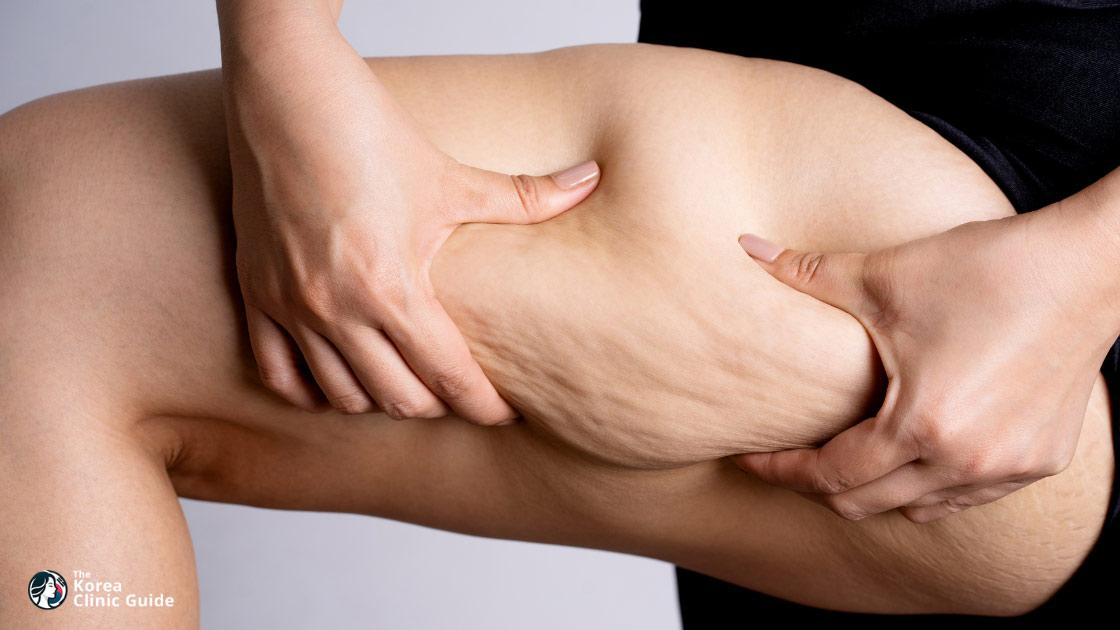
Thigh Liposuction in Korea: Methods, Recovery, Travel Planning, and Risks
Thigh liposuction removes localized fat through small cannula incisions, with candidacy based on stable weight, skin recoil, health, and realistic contour goals. In Korea, costs are ₩4,000,000–₩9,000,000; plan 10–14 days for postoperative reviews and travel clearance.
Updated: Sep 12, 2026
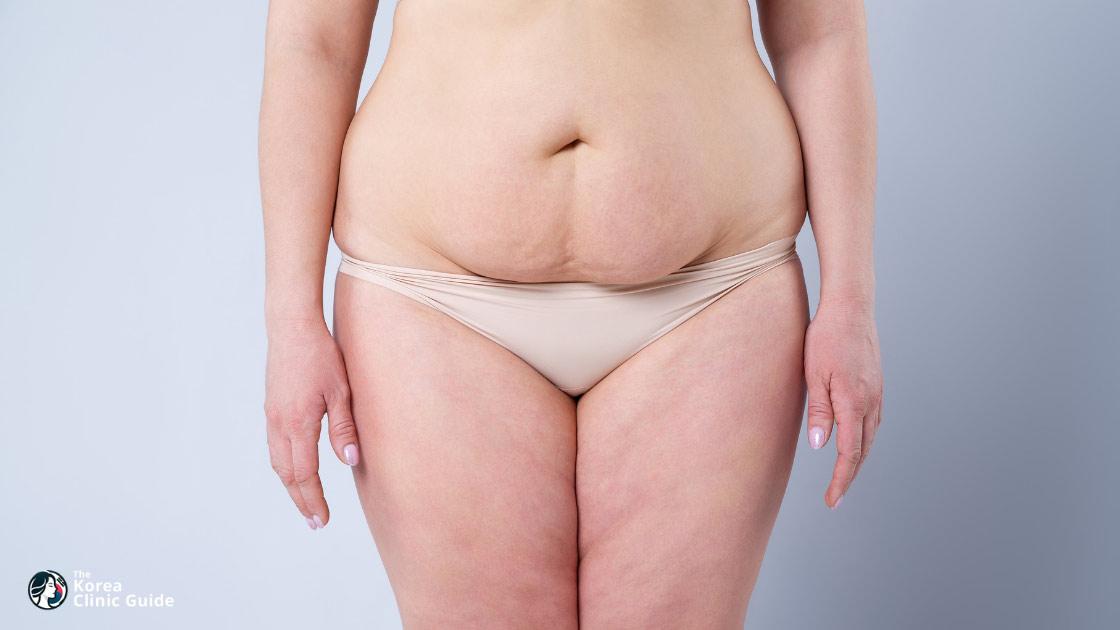
Tummy Tuck in Korea: Types, Recovery, Travel Timing, and Safety Planning
Learn how mini, full, extended, circumferential, fleur-de-lis, and lipoabdominoplasty procedures address loose abdominal skin and muscle laxity. Includes candidate criteria, Korea travel and recovery guidance, aftercare, alternatives, and prices of ₩11,000,000–₩45,000,000.
Updated: Sep 12, 2026

Hip Dip Fat Grafting in Korea: Safety, Recovery, Results and Travel Planning
Hip dip fat grafting uses liposuction to harvest and process a patient’s own fat, then places it in superficial lateral-hip areas to soften indentations while avoiding injection into muscle. The article covers candidate screening, ultrasound-guided subcutaneous injection safety, Korea travel planning, recovery restrictions, follow-up, warning signs, and alternatives.
Updated: Sep 12, 2026

Waist Liposuction in Korea: Techniques, Recovery, Travel Planning, and Alternatives
Waist liposuction removes localized subcutaneous flank fat through small incisions and cannula suction, but does not treat visceral fat, loose skin, diastasis, hernia, or generalized obesity. International patients can review Korea provider and visa resources, plan 10–14 days for postoperative checks, arrange flight clearance and remote follow-up, and follow recovery guidance on compression, walki
Updated: Sep 12, 2026
Clinics offering Diet IV therapy

365mc Hospital: Korea's Leading Liposuction and Body Contouring Clinic with Innovative AI Technologies and Comprehensive Patient Care
Gyodae

Chaum Clinic Korea: Personalized Health Care, Anti-Aging, and Wellness Services in Sinnonhyeon Station
Apgujeong

Personal Beauty GU Clinic Ilsan, Korea - Unveiling Hidden Beauty with Tailored Treatments and Advanced Cosmetic Procedures
Ilsan

Personal Beauty GU Clinic in Korea: Premier Dermatology Clinic for Tailored Beauty Enhancements and Skincare Treatments
Gangnam Station