Medical Tourism Blog
Restore Jawline Definition with SMAS Facelift in Korea: Effective Solution for Loss of Jawline Contour
Table of contents
- The SMAS Facelift: Medical and Surgical Breakdown
- Best Clinics in Korea for Loss Of Jawline Definition
- The Patient’s Journey: Undergoing a SMAS Facelift in South Korea
- A Medical Tourist’s Guide to SMAS Facelift Costs
- Patient Outcomes: Results, Longevity, and Expectations
- Final Insights and Recommendations for Prospective Patients
- References
Considering treatment in Korea? Everything you need to know e.g. — how to avoid scams, visas, interpreters, recovery tips — in our Medical Tourism Master Guide. Plan with confidence in minutes, not weeks!
Pseudonyms and Common Terminology for a “Blurring Jawline”
When people talk about a "blurring jawline," they’re describing the gradual loss of that sharp, well-defined angle along the lower face. It’s a common effect of aging and is often called a "weak jawline"—where the jaw sits farther back toward the neck and appears rounder. Some people naturally have a recessive jawline or retrogenia, and aging can make it more noticeable.
Sagging skin and the development of "jowls" add to the blurring effect. Jowls are those folds below the jawline and chin, sometimes forming alongside a "double chin" due to extra fat in the submental area. As facial support weakens, skin and fat shift downward, further softening the jaw's outline.
Deeper facial creases, like "marionette lines" from the corners of the mouth to the chin and "nasolabial folds" from the nose to mouth, also contribute to an older, less defined appearance. Even though these lines aren’t on the jawline, they reinforce the look of sagging and laxity in the lower face.
Key Contributors to Tissue Laxity and Jawline Undefinition
A softening jawline is usually the result of multiple changes in the face’s support systems. The root cause is aging, which leads to loss of collagen and elastin—two proteins that help skin stay firm and elastic. As these decline, skin sags and loses its snap, exposing or exaggerating a recessed jawline. Aging also brings a reduction in soft tissue and bone, further rounding the face.
Genetics can make a big difference—some people are predisposed to an undefined jawline, especially if their families share this characteristic. Body fat percentage is another factor; extra fat around the neck and under the chin can create a “double chin,” obscuring jawline definition.
Lifestyle plays a role too. Poor posture, especially forward head position, slackens the skin under the chin. Dehydration dulls the skin and makes it prone to wrinkles, while smoking and excess salt and processed food speed up collagen loss and water retention, respectively. Addressing jawline aging means looking at all these factors, not just the skin.
The SMAS Facelift: Medical and Surgical Breakdown
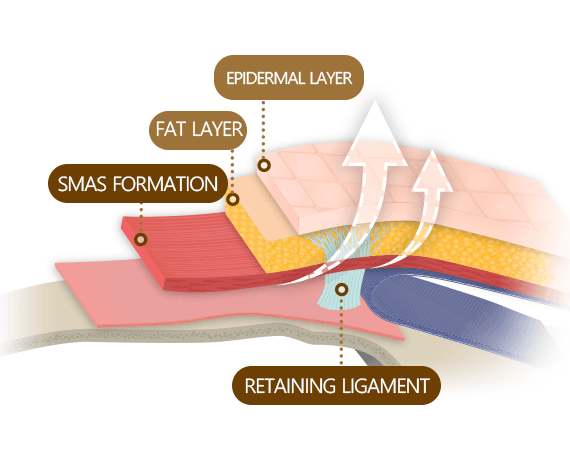
What is the SMAS (Superficial Musculoaponeurotic System)?
The Superficial Musculoaponeurotic System (SMAS) is a key tissue layer deep in your face, connecting facial muscles to fat and skin, enabling them to move together. The SMAS supports facial contours and is connected to the platysma muscle in the neck, which, when slackens, causes “turkey neck.” As this SMAS layer ages and its elasticity wanes, sagging develops—leading to jowls and a blurry jawline. The [SMAS facelift](/blog/smas-facelift-korea) specifically targets this supportive layer for a more youthful facial structure.
The Surgical Procedure: Steps and Incision Placement
A SMAS facelift is more than just tightening skin—it targets the deeper facial tissues. Surgeons start with careful incisions hidden in the hairline and the crease in front of the ear to keep scars out of sight. They lift the skin to access the SMAS, then reposition and tighten it with sutures for a firm and lasting lift. Once the SMAS is adjusted, the skin is laid smoothly over the new contours and excess is trimmed. This deep-tissue approach helps prevent the unnaturally tight look seen with older, skin-only facelifts, resulting in natural, long-lasting improvements.
Nuanced Techniques: A Closer Look at SMAS Manipulation
The term SMAS facelift covers several surgical styles, each manipulating the SMAS differently. Techniques include plication, imbrication, SMASectomy (resection), and more involved high and extended SMAS procedures, chosen based on patient anatomy and the surgeon’s expertise.
SMAS Plication involves folding the SMAS onto itself and suturing it in place—a gentle method suitable for mild to moderate sagging. Patients report high satisfaction, with impressive safety and outcomes.
SMASectomy is more aggressive, creating a flap by lifting and cutting the SMAS. This extra reinforcement provides significant support and longer-lasting changes than plication.
Extended and high SMAS techniques involve a larger dissection area, targeting the jawline, neck, and even midface for broader rejuvenation and support.
The Deep Plane Facelift: An Advanced Alternative
For deeper or more advanced facial aging, the deep plane facelift offers even more dramatic and lasting results. Unlike the SMAS facelift, which adjusts just the SMAS, the deep plane version works under it, freeing facial ligaments and allowing the whole unit (skin, fat, muscle) to lift together—this produces a very natural, tension-free result.
Deep plane facelifts are especially effective for pronounced sagging and deep folds, sometimes maintaining results for a decade or longer (compared to 5-7 years for the SMAS facelift). However, they are more invasive, with longer recovery (three to four weeks) and sometimes higher costs and risks of bruising and hematoma. Ultimately, outcomes and individual risks depend largely on the surgeon’s skill.
| Feature | SMAS Facelift | Deep Plane Facelift |
|---|---|---|
| Target Tissue | SMAS layer lifts and tightens | Under SMAS, releases ligaments |
| Invasiveness | Less invasive | More invasive |
| Longevity | 5–7 years | Up to 10 years or more |
| Recovery Time | 7–10 days return to work | 2–3 weeks return to work |
| Cost | Generally less expensive | Generally more expensive |
| Primary Indications | Lower face, neck, mild-moderate aging | Severe sagging, midface, deep wrinkles/folds |
| Key Advantage | Lower cost, faster recovery, lower risk | More dramatic/long-lasting, tension-free lift |
| Potential Risks | Less risk (nerve damage) | Higher risk (nerve damage, hematoma) |
Best Clinics in Korea for Loss Of Jawline Definition
Listed below are the best clinics in Korea for loss of jawline definition:
| Clinic Name | Key Features | Special Techniques |
|---|---|---|
| THEPLUS Plastic Surgery Website | Garosu-gil, Gangnam, Seoul; four purpose-built floors streamline consultation, surgery, and post-operative skincare; led by Director surgeons Dr. Jeong Jae Yong—President of the Korean Society of Plastic Surgeons—and Dr. Kim Taek Kyun—a board-certified authority in rhinoplasty and facial contouring with international society memberships and award-winning research in 3D implants—the team is known for academic rigor, frequent contributions to journals and books, and active participation in domestic and international symposiums. Alongside Dr. Lee, a board-certified breast augmentation specialist with experience at top national hospitals, the clinic emphasizes safety, personalized communication, and evidence-driven techniques that keep them at the forefront of aesthetic innovation. | Full face contouring; square jaw reduction; V-line surgery; facial implants—benefiting from Dr. Kim’s expertise in 3D implant research; facelift or thread lift for soft-tissue support; targeted liposuction to refine the lower face and neck; nonsurgical contouring with fillers or Botox. |
| Made Young Plastic Surgery Website | For those seeking a sharper, more youthful jawline in Korea, MadeYoung Plastic Surgery in Seoul’s Gangnam district delivers meticulous, SMAS-based solutions designed specifically for lower-face laxity. After thoroughly analyzing the areas and causes of facial sagging, the team precisely dissects beneath the SMAS layer to release stretched supporting tissues, then lifts the skin, fat, and SMAS together for comprehensive tightening. The lifted tissues are secured in a vertical direction opposite to the pull of gravity, helping prevent unnatural cheekbone accentuation and producing long-lasting, natural results that restore jawline definition and a clean neckline. MadeYoung is a premium clinic specializing in facial and anti-aging procedures, staffed by a verified medical team with an average of over 15 years of experience and providing direct consultations by the operating surgeons. Safety is prioritized through full-time board-certified anesthesiologists, 1:1 dedicated monitoring, a cooperative cross-check system for emergencies, and full CCTV coverage, followed by complete, systematic care at a separate aftercare center. Recognized with the 2022 Korea No.1 Award and 2022 Korea Customer Satisfaction 1st Place, and distinguished by memberships and certifications from leading professional societies, MadeYoung offers both surgical and non-invasive options—such as facelift, neck and double-chin lifting, and V-line-focused treatments—tailored to correct loss of jawline definition with precision and transparency. | SMAS-based solutions for lower-face laxity; dissection beneath SMAS; lifts skin, fat, and SMAS together; vertical fixation to counter gravity; natural, long-lasting results; direct surgeon consultations; full safety measures (anesthesiologists, 1:1 monitoring, cross-check system, CCTV); aftercare center; awards 2022 Korea No.1 Award and 2022 Korea Customer Satisfaction 1st Place; surgical and non-invasive options including facelift, neck and double-chin lifting, and V-line-focused treatments. |
| SH Clinic Website | SH Clinic in Sinsa, Seoul is the best clinic in Korea for addressing loss of jawline definition because it uniquely integrates stem-cell science, aesthetic dermatology, and modern plastic surgery to deliver individualized, end-to-end care. The SH Stem Cell Center tailors facial rejuvenation and anti-aging protocols using stem cells to elevate skin quality and collagen support—an ideal foundation for sharper contours—while the dermatology team refines the lower face with laser lifting to contract collagen and tighten laxity, thread lifts to elevate sagging tissue and stimulate new collagen, dermal fillers to restore volume and enhance contour, targeted Botox to relax selected muscles, and physician-guided medical skincare and skin boosters to improve texture and hydration for crisper definition. For patients who need structural changes, the cosmetic surgery unit offers 3-D planned face contouring of the jaw, chin, and cheekbones to restore balanced harmony, along with facelifts that lift and tighten deeper facial and neck layers for durable, natural-looking results. Combined with the clinic’s comprehensive women’s health and gynecology services, SH Clinic provides safe, coordinated, and highly personalized solutions that restore a defined jawline with precision and confidence. | 3-D planned face contouring of jaw, chin, and cheekbones; laser lifting to contract collagen and tighten laxity; thread lifts; dermal fillers; Botox; skin boosters; facelifts; comprehensive women's health and gynecology services. |
THEPLUS Plastic Surgery
THE PLUS Plastic Surgery in Garosu-gil, Gangnam, Seoul, delivers world-class care across four purpose-built floors that streamline consultation, surgery, and post-operative skincare. Led by Director surgeons Dr. Jeong Jae Yong—President of the Korean Society of Plastic Surgeons—and Dr. Kim Taek Kyun—a board-certified authority in rhinoplasty and facial contouring with international society memberships and award-winning research in 3D implants—the team is known for academic rigor, frequent contributions to journals and books, and active participation in domestic and international symposiums. Alongside Dr. Lee, a board-certified breast augmentation specialist with experience at top national hospitals, the clinic emphasizes safety, personalized communication, and evidence-driven techniques that keep them at the forefront of aesthetic innovation.
For patients concerned with loss of jawline definition, THE PLUS offers a comprehensive, tailored pathway grounded in facial harmony and functional aesthetics. Options span full face contouring, square jaw reduction, V-line surgery, and facial implants—benefiting from Dr. Kim’s expertise in 3D implant research—along with facelift or thread lift for soft-tissue support, targeted liposuction to refine the lower face and neck, and nonsurgical contouring with fillers or Botox. Guided by Dr. Kim’s philosophy of balanced features and Dr. Jeong’s integration of function and beauty, treatment plans aim to restore a refined mandibular angle and chin definition while complementing each patient’s existing features, all within a meticulous, safety-focused care system.
You can check out their website here: THEPLUS Plastic Surgery Website
Made Young Plastic Surgery
For those seeking a sharper, more youthful jawline in Korea, MadeYoung Plastic Surgery in Seoul’s Gangnam district delivers meticulous, SMAS-based solutions designed specifically for lower-face laxity. After thoroughly analyzing the areas and causes of facial sagging, the team precisely dissects beneath the SMAS layer to release stretched supporting tissues, then lifts the skin, fat, and SMAS together for comprehensive tightening. The lifted tissues are secured in a vertical direction opposite to the pull of gravity, helping prevent unnatural cheekbone accentuation and producing long-lasting, natural results that restore jawline definition and a clean neckline.
MadeYoung is a premium clinic specializing in facial and anti-aging procedures, staffed by a verified medical team with an average of over 15 years of experience and providing direct consultations by the operating surgeons. Safety is prioritized through full-time board-certified anesthesiologists, 1:1 dedicated monitoring, a cooperative cross-check system for emergencies, and full CCTV coverage, followed by complete, systematic care at a separate aftercare center. Recognized with the 2022 Korea No.1 Award and 2022 Korea Customer Satisfaction 1st Place, and distinguished by memberships and certifications from leading professional societies, MadeYoung offers both surgical and non-invasive options—such as facelift, neck and double-chin lifting, and V-line-focused treatments—tailored to correct loss of jawline definition with precision and transparency.
You can check out their website here: Made Young Plastic Surgery Website
SH Clinic
SH Clinic in Sinsa, Seoul is the best clinic in Korea for addressing loss of jawline definition because it uniquely integrates stem-cell science, aesthetic dermatology, and modern plastic surgery to deliver individualized, end-to-end care. The SH Stem Cell Center tailors facial rejuvenation and anti-aging protocols using stem cells to elevate skin quality and collagen support—an ideal foundation for sharper contours—while the dermatology team refines the lower face with laser lifting to contract collagen and tighten laxity, thread lifts to elevate sagging tissue and stimulate new collagen, dermal fillers to restore volume and enhance contour, targeted Botox to relax selected muscles, and physician-guided medical skincare and skin boosters to improve texture and hydration for crisper definition. For patients who need structural changes, the cosmetic surgery unit offers 3-D planned face contouring of the jaw, chin, and cheekbones to restore balanced harmony, along with facelifts that lift and tighten deeper facial and neck layers for durable, natural-looking results. Combined with the clinic’s comprehensive women’s health and gynecology services, SH Clinic provides safe, coordinated, and highly personalized solutions that restore a defined jawline with precision and confidence.
You can check out their website here: SH Clinic Website
The Patient’s Journey: Undergoing a SMAS Facelift in South Korea
Initial Consultation and Pre-Operative Assessment
A SMAS facelift in South Korea generally begins online. Patients fill out a form and submit photos, allowing clinics to make a preliminary assessment ahead of travel. After confirmation, you’ll meet with your surgeon virtually or in person, discussing concerns and expected outcomes. Pre-surgery assessments include reviewing medical history and basic tests (blood work, urinalysis, chest X-ray). Bringing recent health results from home can streamline your experience.
Preparing for Surgery: Medical and Lifestyle Guidelines
Preparation is key. You’ll likely be told to avoid smoking and blood-thinning medications (like aspirin or ibuprofen) for at least two weeks before your procedure. Fasting for 10 hours before surgery is required. Also, set up a convenient recovery space at home or your accommodation, as limited mobility is expected for a while after your operation.
Day of Surgery and Immediate Recovery
On the procedure day, the surgeon will do a final check and mark your face for precise incisions. The SMAS facelift is performed under general anesthesia, usually lasting three to four hours, overseen by an anesthesiologist. After the procedure, you’ll wear a compression bandage to minimize swelling and support your face. Pain is managed with medication or IV kits, and it’s normal to spend a day in the clinic under observation before discharge.
Rehabilitation and Recovery Timeline
Recovery is a step-by-step process:
- Days 1-2: Swelling and bruising peak; keep your head elevated and wear your bandage.
- Days 3-7: Swelling eases, the compression bandage may come off, and your surgeon checks your progress. Avoid strenuous activities.
- Days 14-21: Stitches usually come out around two weeks. You’ll probably feel ready for social outings, even if some numbness lingers.
- Days 21-30: Light exercise resumes, but avoid heavy workouts. Fluctuating swelling is still possible.
- 3-6 Months: Most swelling is resolved, facial movement feels more natural, and you’re usually cleared for all activity.
- 1 Year: You’ll see your true final results as any residual puffiness disappears.
Recovery isn’t just physical—expect some emotional ups and downs. Many patients find it helpful to avoid mirrors in the first week while healing.
A Medical Tourist’s Guide to SMAS Facelift Costs
The Economics of Medical Tourism: Why Korea Leads
Thanks to advanced surgical skills and competitive prices, South Korea is a popular destination for cosmetic procedures. Facelifts can cost 40–70% less here than in the US or UK, due to lower clinic overhead and intense competition. You get high-quality care at a fraction of the price, making it an appealing choice for medical travelers.
Comparative Cost Analysis of Facelift Procedures
Here’s a snapshot of average facelift prices in several countries:
| Procedure | South Korea (USD) | USA (USD) | UK (USD) | Thailand (USD) | Turkey (USD) |
|---|---|---|---|---|---|
| SMAS Facelift | $5,000–$14,000 | $12,000–$25k+ | $13,300–20k | $2,500–$12,000 | $2,200–$10,500 |
| Deep Plane | $9,000–$18,000 | $15,000–$30k | $17,000–26.5k | $5,500–$11,800 | $6,000–$14,000 |
| Mini Facelift | $2,000–$8,000 | $7,000–$21,000 | $10,500–16k | $3,700–$6,000 | N/A |
What is Included in the Price: Beyond the Surgeon’s Fee
In the US and UK, quoted facelift prices often cover only the surgeon’s fee, anesthesia, and operating room use. By contrast, South Korean clinics tend to offer all-inclusive packages: surgery, hospital stay, aftercare, sometimes even hotel accommodation, airport transfers, and language support. This packaged approach takes much of the stress out of traveling for surgery, saving on both money and hassle.
Patient Outcomes: Results, Longevity, and Expectations
How the SMAS Facelift Improves Jawline Definition
The SMAS facelift tackles the cause of “blurring jawline” by lifting and repositioning deep tissues, eliminating jowls and loose skin for a restored jawline. The procedure can also smooth the neck’s platysma muscle, handling “turkey neck” and deep creases to reset the face’s youthful shape. It’s a true structural refresh that holds off further signs of aging for years.
Patient Experiences: Testimonials and Transformations
Patients usually rave about their SMAS facelift results. Those bothered by a sagging jawline and cheeks often feel 15 years younger and more confident afterward, with visible but natural changes (never a “pulled” or plastic appearance). Stories include smoother cheeks, a sharper jaw, and nearly erased wrinkles—leading many to call it a life-changing procedure.
Potential Complications and Risks
Like any surgery, a SMAS facelift has risks—bruising, swelling, temporary discomfort, scarring, infection, or hematoma are possible. Nerve damage is rare but possible, and most often prevents with a skilled surgeon. The key to minimizing risk is following instructions and choosing an experienced facelift specialist.
Maximizing and Maintaining Long-Term Results
The benefits of a SMAS facelift typically last 5–10 years. Though it resets facial aging, it doesn’t stop the process. To prolong results, invest in quality skincare and consider complementary minimally invasive options like dermal fillers for added volume or neuromodulators (such as BOTOX® Cosmetic) for smoothing dynamic wrinkles. Consistent skin care and professional follow-ups help you enjoy the benefits even longer.
Final Insights and Recommendations for Prospective Patients
Opting for a SMAS facelift—especially as a medical tourist—requires thoughtful planning and research. Thoroughly understand the procedure, recovery, risks, costs, and options like deep plane facelifts for your needs. The journey in South Korea often includes comprehensive care and bundled logistical support, offering a high-value medical tourism experience without sacrificing quality.
In summary, the SMAS facelift is a proven way to restore a youthful jawline and facial profile with lasting results. Patients should consult a skilled, board-certified plastic surgeon to discuss personalized goals, potential benefits, and any possible limitations before making a decision.
References
1, 2, 3, 4, 5, 6, 7, 8, 9, 10, 11, 12, 13, 14, 15, 16, 17, 18, 19, 20, 21, 22, 23, 24, 25, 26, 27, 28, 29, 30, 31