Medical Tourism Blog
Hair transplant precautions
Table of contents
- Hair Transplant Recovery: Normal vs Warning Signs
- Understanding the Healing Process
- What Is Normal in the First Few Days
- Why Transplanted Hair Starts Shedding
- When New Growth Begins
- Temporary Shedding of Existing Hair
- Signs That Require a Clinic Visit
- Pimples, Dead Skin, and Folliculitis Concerns
- A Smoother Recovery Starts With Knowing What to Expect
- More about Seojin Plastic Surgery Clinic
Considering treatment in Korea? Everything you need to know e.g. — how to avoid scams, visas, interpreters, recovery tips — in our Medical Tourism Master Guide. Plan with confidence in minutes, not weeks!
Disclaimer: The following is a guest post. The information and opinions expressed are not of koreaclinicguide.com but of Seojin Plastic Surgery Clinic
Hair Transplant Recovery: Normal vs Warning Signs
Understanding the Healing Process
A hair transplant can be an exciting step toward restoring a fuller hairline or improving thinning areas, but the recovery period often brings questions that can make patients feel uneasy. In the days and weeks after surgery, it is common to wonder whether pain, bleeding, shedding, or scabbing are part of normal healing or signs that something is wrong. Dr. Youngmin Lee of Seojin Plastic Surgery in Seoul explains that many post-operative changes are expected, especially in the early stages, and that understanding the timeline can make recovery feel far less stressful.
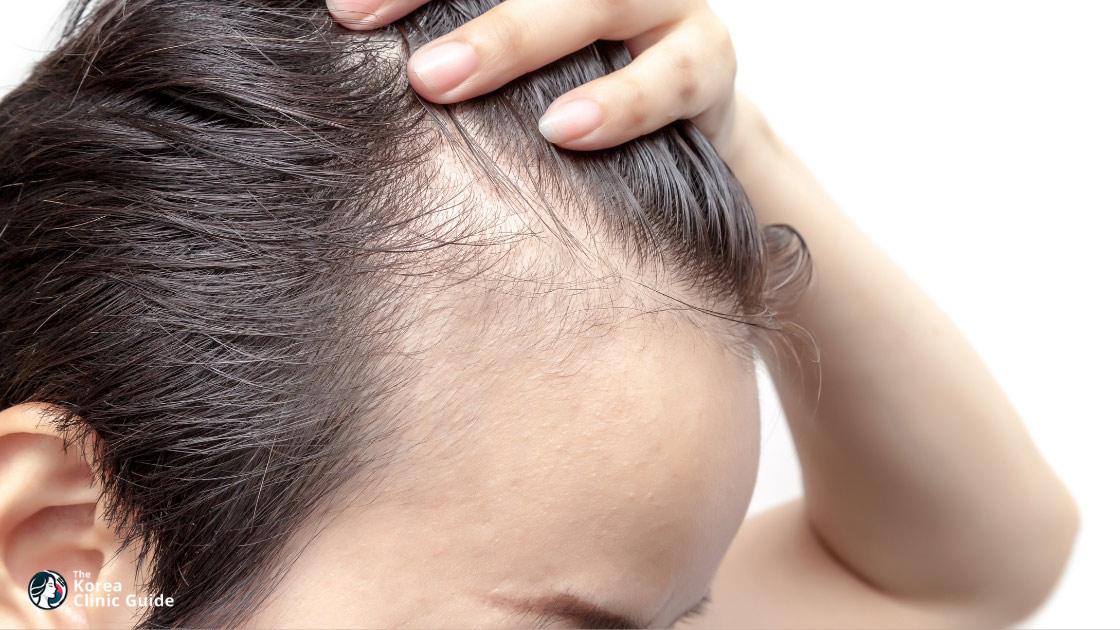
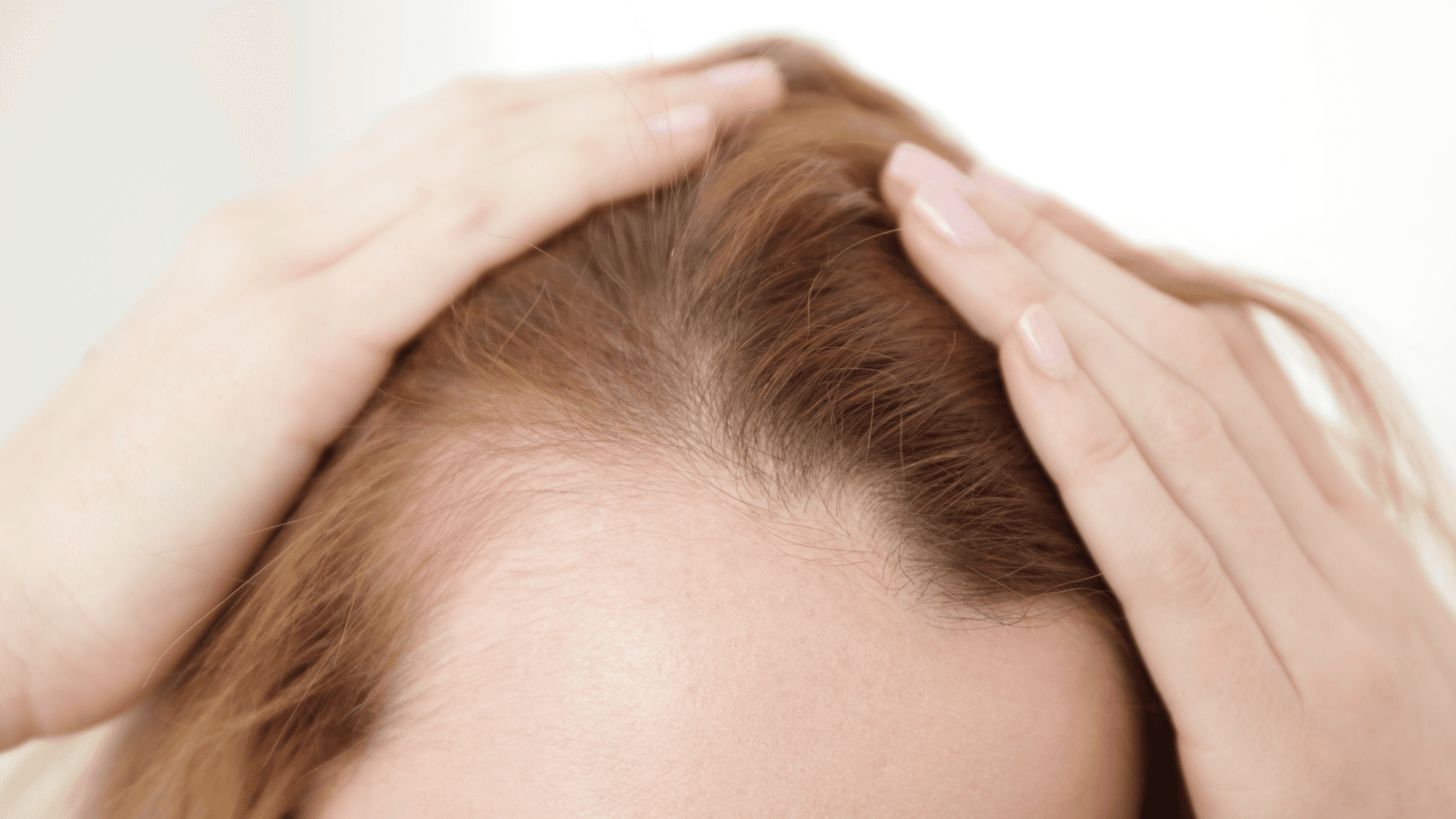
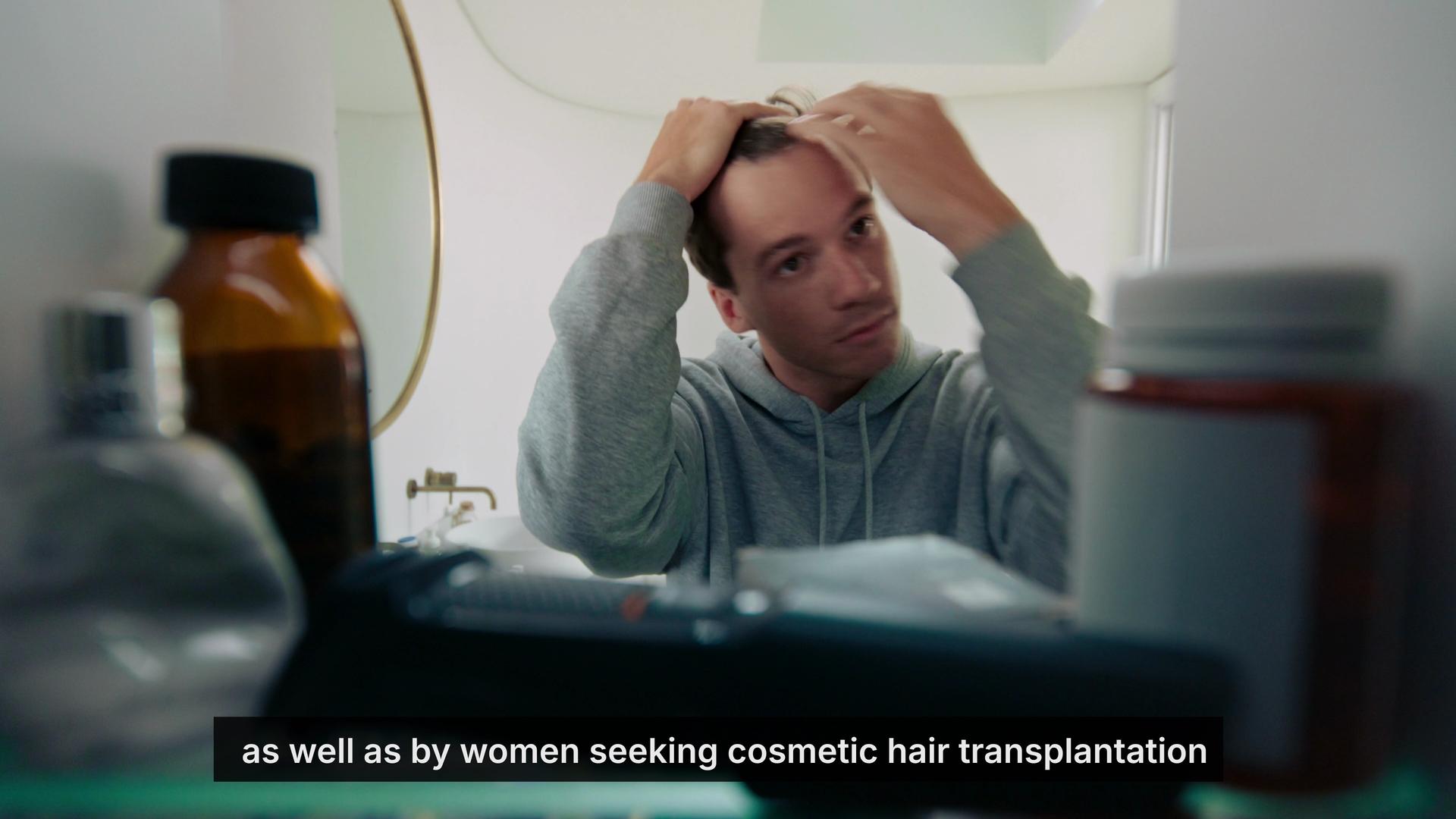
A hair transplant works by moving follicles from the back of the scalp, known as the donor area, to areas that need more hair, such as an M-shaped hairline, a thinning crown, or a high or uneven hairline. Men often choose the procedure for male-pattern hair loss, while women may also seek it for cosmetic refinement of the forehead or hairline shape. Because follicles are being relocated and the scalp is healing in more than one area, recovery can look dramatic at first even when everything is progressing normally.
What Is Normal in the First Few Days
The first one to two days after surgery are usually the most intense part of the healing process. During this early period, noticeable pain or mild bleeding can happen, and these symptoms are generally considered normal. The scalp has just undergone a procedure, so tenderness and a small amount of bleeding do not automatically signal a complication. This is often the stage when patients are most alert to every small change, but brief discomfort and light bleeding are part of the body’s immediate response to treatment.
Scabbing can also begin to develop as the scalp starts to heal. While it may not look appealing, it is part of the natural recovery pattern after follicles are implanted. The important point is that the follicles themselves are settling into place beneath the surface, even if the area looks sensitive or uneven at first. Early healing is often more about patience than appearance.
Why Transplanted Hair Starts Shedding
One of the most surprising parts of hair transplant recovery is that the transplanted hair often starts to fall out not long after surgery. Dr. Lee explains that around one week after the procedure, the follicles usually remain in place, but the visible hair shafts begin to shed. This can be alarming for patients who expect the new hair to stay exactly as it appears right after the transplant, but this phase is expected.
By around the two-week mark, shedding often becomes more noticeable. In many cases, it continues for roughly two to three months. This stage can feel discouraging, especially for anyone hoping for immediate cosmetic improvement, but it does not mean the transplant has failed. The follicles are still there beneath the scalp, preparing for a new growth cycle. The shedding is simply part of the transition.
When New Growth Begins
After the shedding phase slows down, new growth usually starts to appear. This does not happen all at once, and that is an important part of setting realistic expectations. Hair growth after transplantation is gradual and uneven at first because not every follicle enters the same growth phase on the same schedule. Some hairs may emerge earlier, while others take longer.
For that reason, final results are not judged after a few weeks or even a few months. Dr. Lee notes that patients typically need to wait about a year to see the full outcome. That timeline can feel long, but hair restoration is a slow biological process. The best approach is to think in stages rather than expecting instant density.
Temporary Shedding of Existing Hair
Another recovery change that can be unsettling is the temporary shedding of existing, non-transplanted hair. Stress from surgery can reduce blood flow for a period of time in the donor or recipient areas, and this may lead to patchy hair loss that looks similar to alopecia areata. For many patients, this is one of the more unexpected parts of the healing process because the shedding is not limited to the newly transplanted hairs.

Even so, this kind of temporary loss does not usually mean the follicles are gone. Dr. Lee explains that the follicles often remain intact, and in most cases the affected hair grows back within a few months. In other words, some short-term thinning can happen during recovery without affecting the long-term outcome.
Signs That Require a Clinic Visit
Although many symptoms are normal, there are certain warning signs that should not be ignored. Severe swelling or marked redness can signal that the recovery process needs medical review, especially if the changes feel more intense than expected or continue to worsen. Heavy shedding beyond what seems typical may also be a reason to return to the clinic for evaluation.
Persistent bleeding is another important concern. If bleeding continues after going home and soaks through the dressing on the donor area, Dr. Lee advises that the patient should come back to the clinic. Ongoing bleeding is different from the mild, short-term bleeding that can occur in the first day or two, and it deserves prompt attention.
Tissue necrosis is another warning sign, particularly for patients who had the strip method. If stitches have already been removed but black, hardened tissue remains at the donor site, it is important to have the area checked. That kind of tissue change can indicate necrosis rather than routine healing and should be assessed directly.
Pimples, Dead Skin, and Folliculitis Concerns
For up to about six months after surgery, both the donor and recipient areas can produce more dead skin than usual. During this time, small pimples may appear, and occasional bumps are not necessarily unusual. The scalp is still adjusting, and minor skin changes can be part of that process.
However, a larger number of pimples, or the presence of blisters or pus, should not be brushed aside. These symptoms may point to folliculitis, which is inflammation or infection around the hair follicles. When the scalp begins to show that kind of pattern, it is best to return to the clinic so the area can be examined and treated if needed.
A Smoother Recovery Starts With Knowing What to Expect
Hair transplant recovery can feel emotional because the scalp often changes before it improves. Pain, light bleeding, scabbing, and months of shedding can all happen during normal healing, and understanding that timeline helps reduce unnecessary worry. At the same time, severe swelling, persistent bleeding, suspicious tissue changes, or signs of infection should never be ignored.
The recovery journey is not defined by what the hair looks like in the first few days or even the first few months. What matters most is allowing the follicles time to settle, shed, and regrow. With patience and close attention to warning signs, patients can move through the healing process with more confidence and a clearer sense of what is normal.
More about Seojin Plastic Surgery Clinic
For patients researching hair transplant recovery symptoms and warning signs in Korea, Seojin Plastic Surgery Clinic in Gangnam, Seoul stands out for its unusually personal approach: as a one-doctor clinic, Dr. Lee Hyungmin manages each case from consultation and surgical planning to recovery monitoring and follow-up, allowing for close attention to healing progress, expected post-procedure symptoms, and any signs that may require prompt care. With more than 16 years of experience in aesthetic medicine and recognition as one of the 100 Good Doctors in Korea, Dr. Lee combines proven expertise with individualized treatment, using advanced techniques and technology to create natural-looking hair transplant results while prioritizing patient safety, comfort, and clear guidance throughout the recovery period.
Find more about this clinic here: Seojin Plastic Surgery Clinic