Medical Tourism Blog
Hair Transplant in Korea Vlog │ Day 1 - 6 Months Recovery Journey at Maxwell Hair Transplant Clinic
Table of contents
- A proactive decision to protect my hairline
- Why I chose a hair transplant in Korea (and why Maxwell)
- Day 1: discomfort, careful sleeping, and the first wash
- Days 2–3: getting into the routine and protecting the grafts
- Days 6–10: swelling gone and life starting to feel normal again
- Day 30: the shedding phase and staying patient
- Six months later: results that changed how I feel
- Final thoughts on my hair transplant recovery in Korea
- More about Maxwell Hair Clinic
Considering treatment in Korea? Everything you need to know e.g. — how to avoid scams, visas, interpreters, recovery tips — in our Medical Tourism Master Guide. Plan with confidence in minutes, not weeks!
Disclaimer: The following is a guest post. The information and opinions expressed are not of koreaclinicguide.com but of Maxwell Hair Clinic
A proactive decision to protect my hairline
My hair loss started about three or four years ago, and what bothered me most wasn’t just that it was happening—it was how fast it seemed to be getting worse. I work in the entertainment industry, so appearance is part of the job, and I found myself fixating on my hairline every time I looked in the mirror. Other people might not have noticed, but I did, and that became the point: it mattered to me.
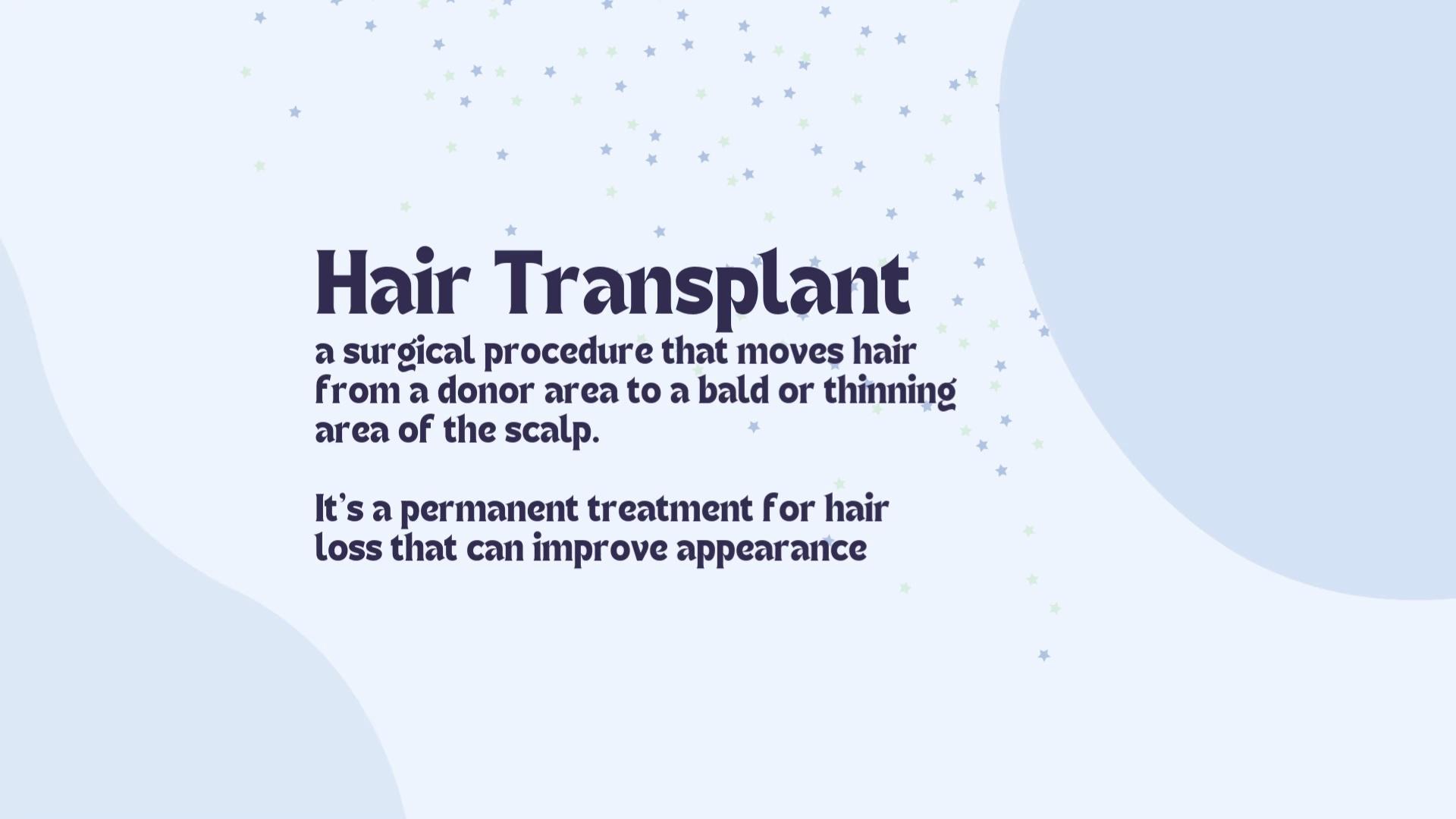
Family history made the decision feel even more urgent. My dad is bald, my grandpa is bald, and I’ve always felt like that put me on a “slippery slope.” Instead of waiting until it felt irreversible, I wanted to do something while I still could. Going into the procedure, I honestly felt excited—like I was finally taking a step that matched how much I cared about the outcome. I kept thinking that if everything went well, it would be a really satisfying experience, not just physically but mentally too.
Why I chose a hair transplant in Korea (and why Maxwell)
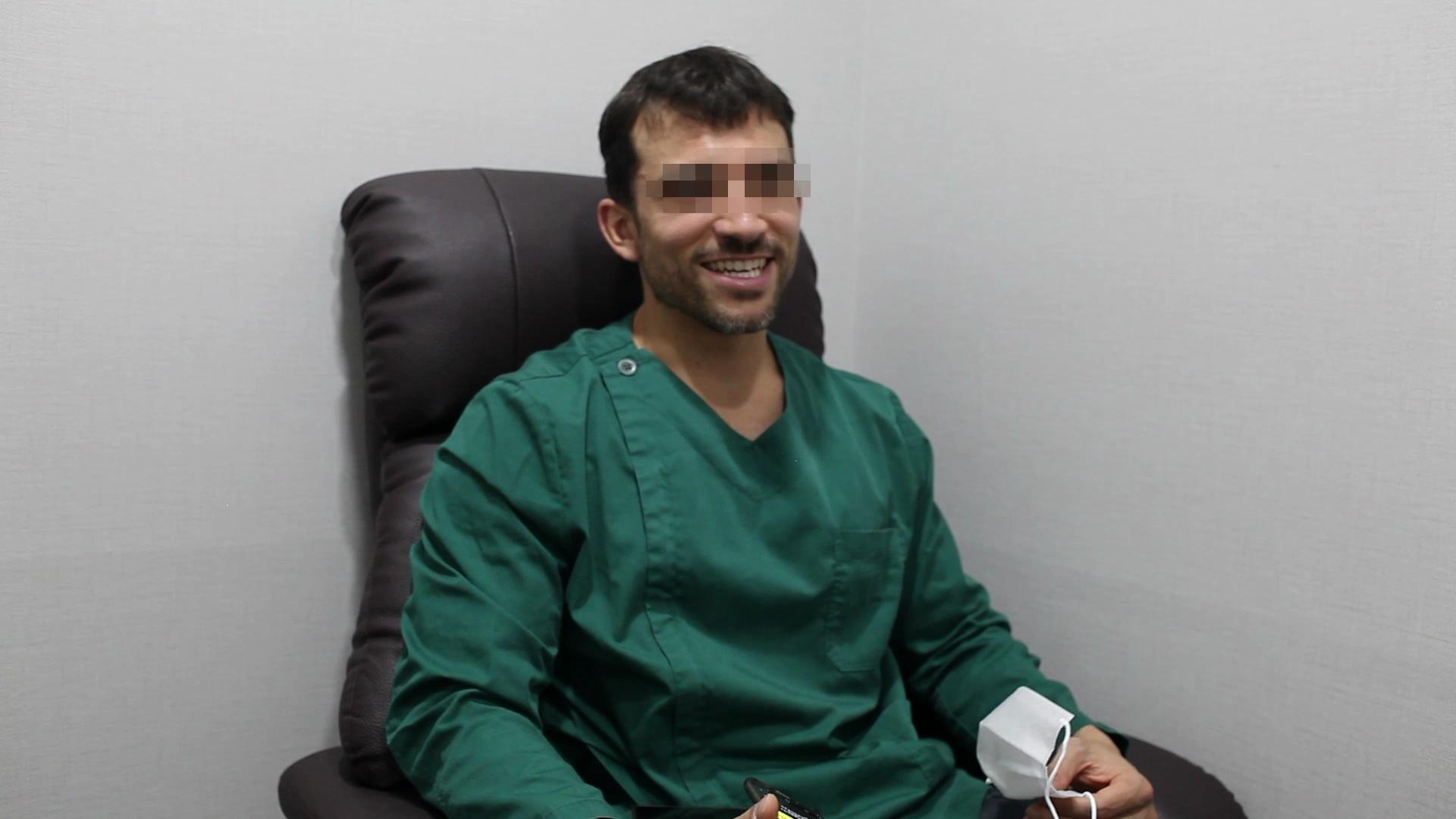
I ultimately went through with a hair transplant in Korea and documented the recovery from day one through six months. What stood out to me throughout the process was how structured the aftercare felt at Maxwell Hair Transplant Clinic. Right away, there was a clear routine and a sense that the clinic expected to stay involved beyond surgery day.
On day one of recovery, I went in for my first checkup and first hair wash. They took the gauze off the back of my head, showed me the donor area, and gave me what I needed to manage the healing at home—shampoo, medicine, and a liquid spray to apply throughout the day. Over the first month, I also went back to the doctor three times to check that everything was healing normally. Having those touchpoints made the recovery feel less like I was guessing and more like I was following a plan.
Day 1: discomfort, careful sleeping, and the first wash
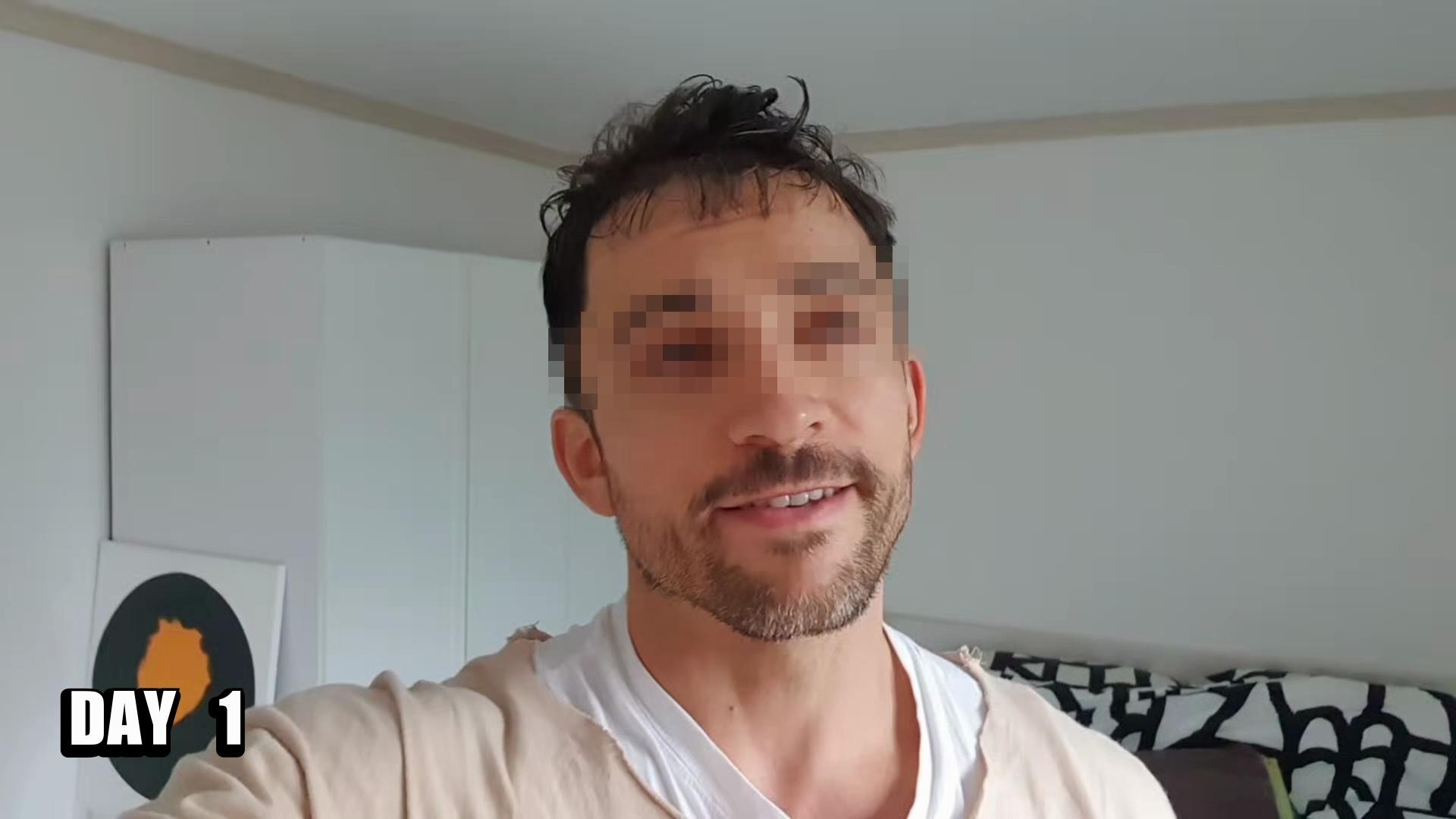
The morning of day one of recovery, I was running on very little sleep. Sleeping on my back wasn’t comfortable, and I spent part of the night figuring out how to turn my head slightly so I wasn’t putting pressure on the graft areas. Once I found a position that worked, it was a relief. I even put towels down just in case, but there was no blood on the pillows or anything like that.
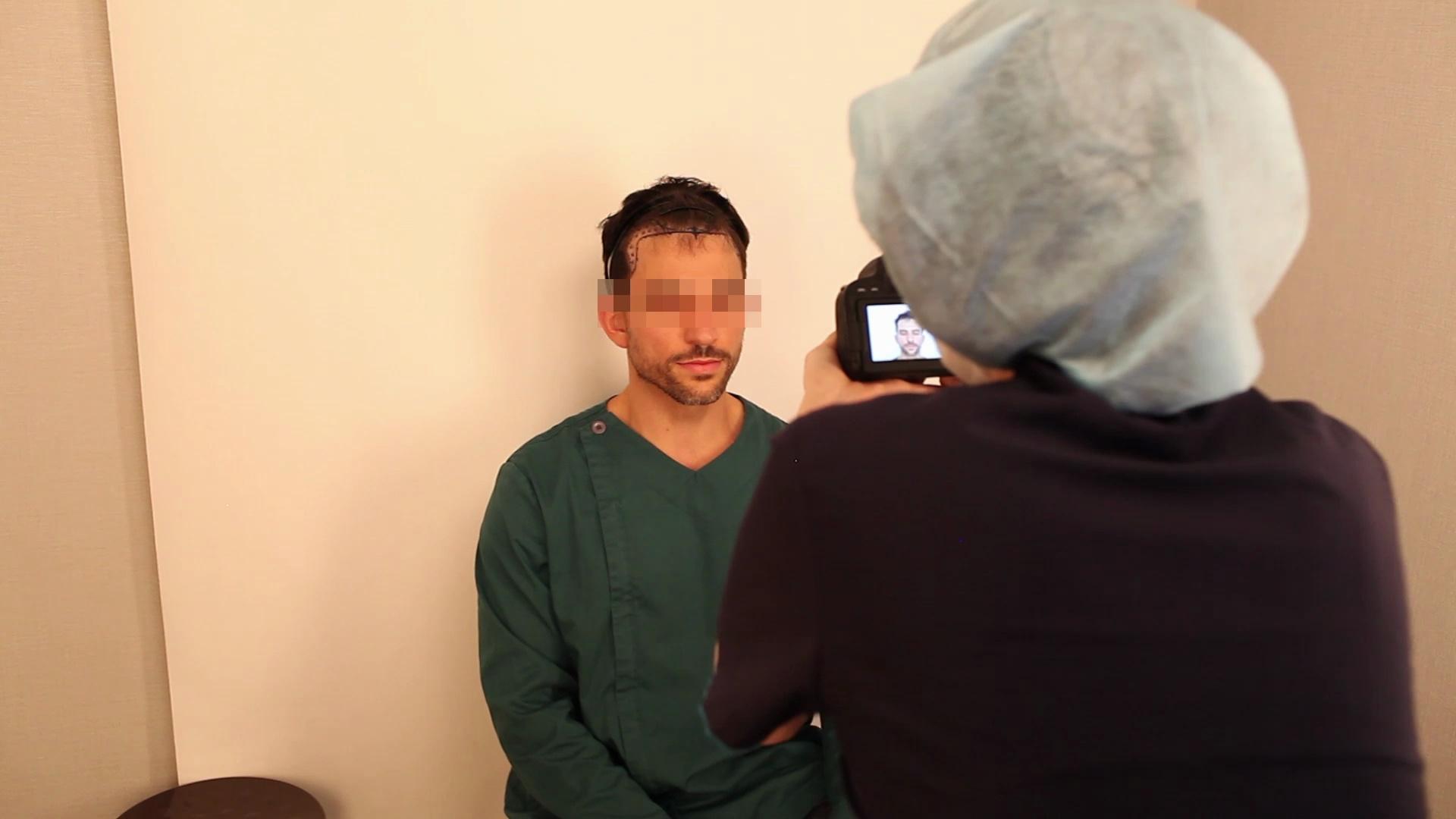
Pain-wise, it was more discomfort than pain—like wearing a tight hat. On a scale from 1 to 10, I’d call it about a 1.5 or 2. The worst moment was during the night when my head was resting on the stitches, which pushed it closer to a 4, but adjusting my head position made a big difference.
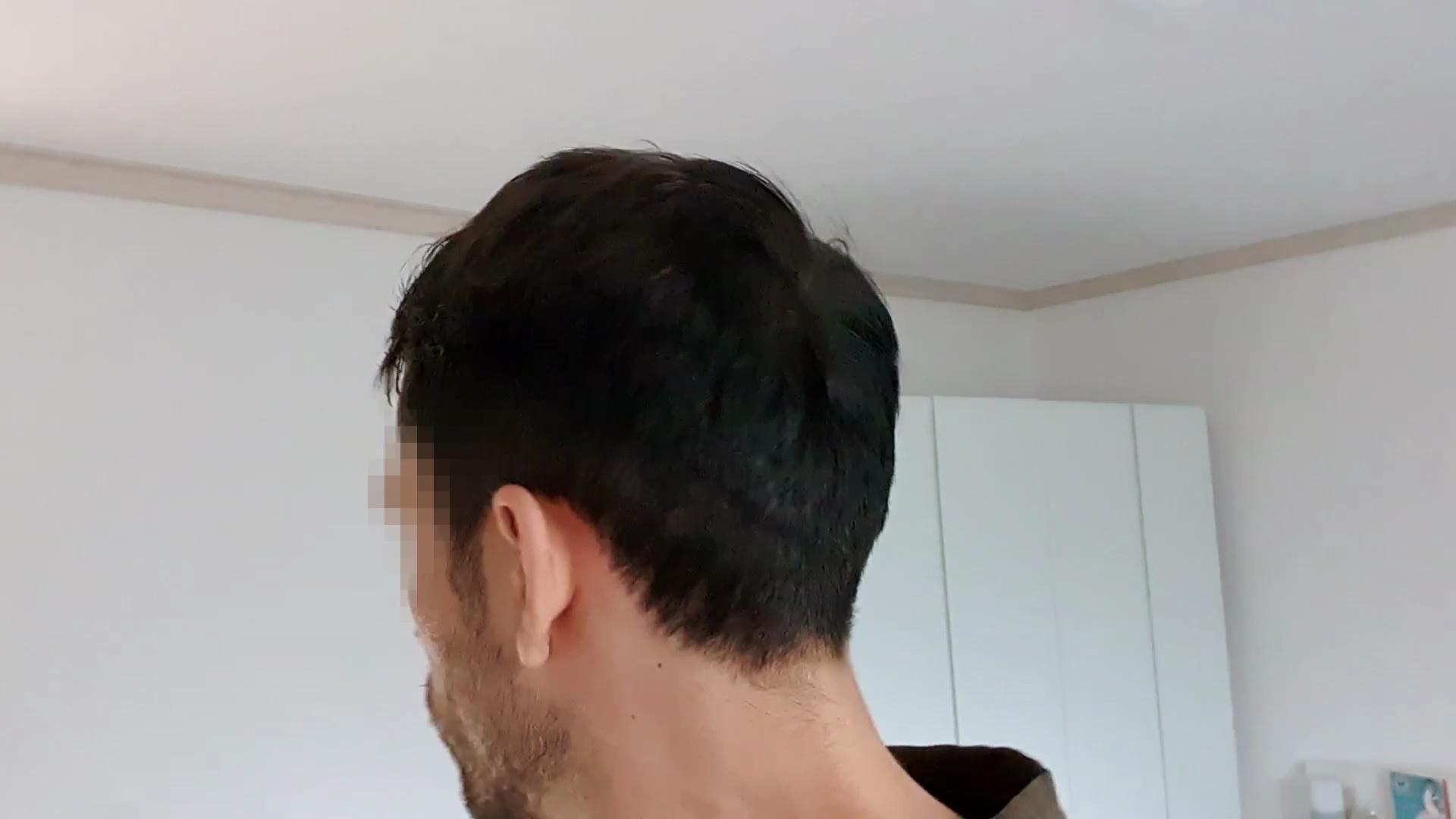
Later that day, after returning from the clinic, they removed the gauze from the back of my head. Seeing the donor area was reassuring because it looked pretty good—like you couldn’t really tell. There was a little swelling where the grafts were implanted, but overall it felt manageable. From that point forward, the focus became being gentle and protecting the grafts so I didn’t damage them and could keep as many as possible.
Days 2–3: getting into the routine and protecting the grafts
Day two was a mix of improvement and new awareness. I slept a little better because I slept on my side, but I woke up in the early morning with throbbing discomfort in the back of my head. It wasn’t pain, exactly—it was just noticeable, especially after the gauze was removed. I also became more conscious of not touching the implanted area at all. I wanted to leave it alone and avoid any accidental contact.
By day three, things felt steadier. I had my best sleep so far, only tossing and turning a couple of times. After waking up, the discomfort was still around a 1.5, and I noticed that medication helped reduce it. Even though I couldn’t see the back of my head, I could feel it constantly, which made me limit my head movements by choice. I also started thinking ahead to the next milestone: going back the following week to get the stitches removed.
Days 6–10: swelling gone and life starting to feel normal again
By day six, sleep was basically normal, and the swelling was completely gone. There was no pain in the front at all. In the back, there was still that sensation—like someone lightly pulling on the skin—but it wasn’t stopping me from functioning. I stayed careful with the transplanted hair, especially after showering. I let my hair air-dry and avoided using a blow dryer.
On day seven, I had finished the other meds, including everything I had to apply to my head. Visually, everything looked pretty normal. There was very little discomfort, but the area still felt sensitive, so I stayed cautious.
By day ten, it looked normal enough that I felt like I’d adjusted mentally. I didn’t have pain, and while I could still feel the stitches a little, I was used to it. I continued shampooing carefully with lukewarm water—not too hot, not too cold—and I also prepared myself for the next stage. The doctor told me the transplanted hair would start falling out and not to worry, and I accepted that as part of the process.
Day 30: the shedding phase and staying patient
At day 30 post-op, I’d been back to the doctor three times to make sure everything was healing well, and everything had been normal. I wasn’t taking any medicine at that point, and day-to-day life was back to normal: sleeping normally, exercising again, and even wearing a hat.
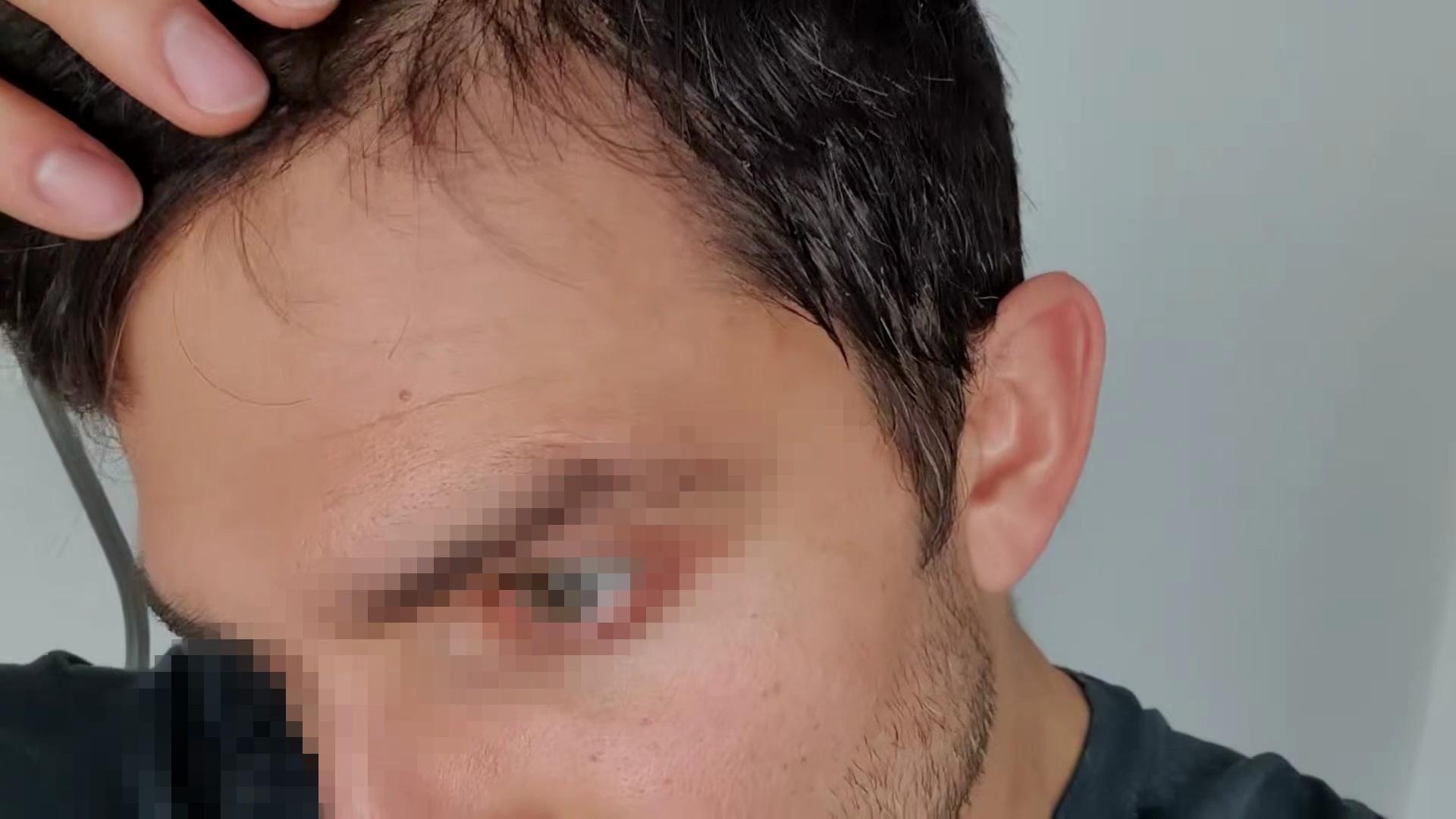
This was also the phase I knew was coming—the transplanted hairs shedding before they grow back months later. Even with preparation, it was a little depressing to watch the hairs fall out and see things resemble how they were before. But because I expected it, I didn’t panic. I treated it like a waiting period rather than a setback.
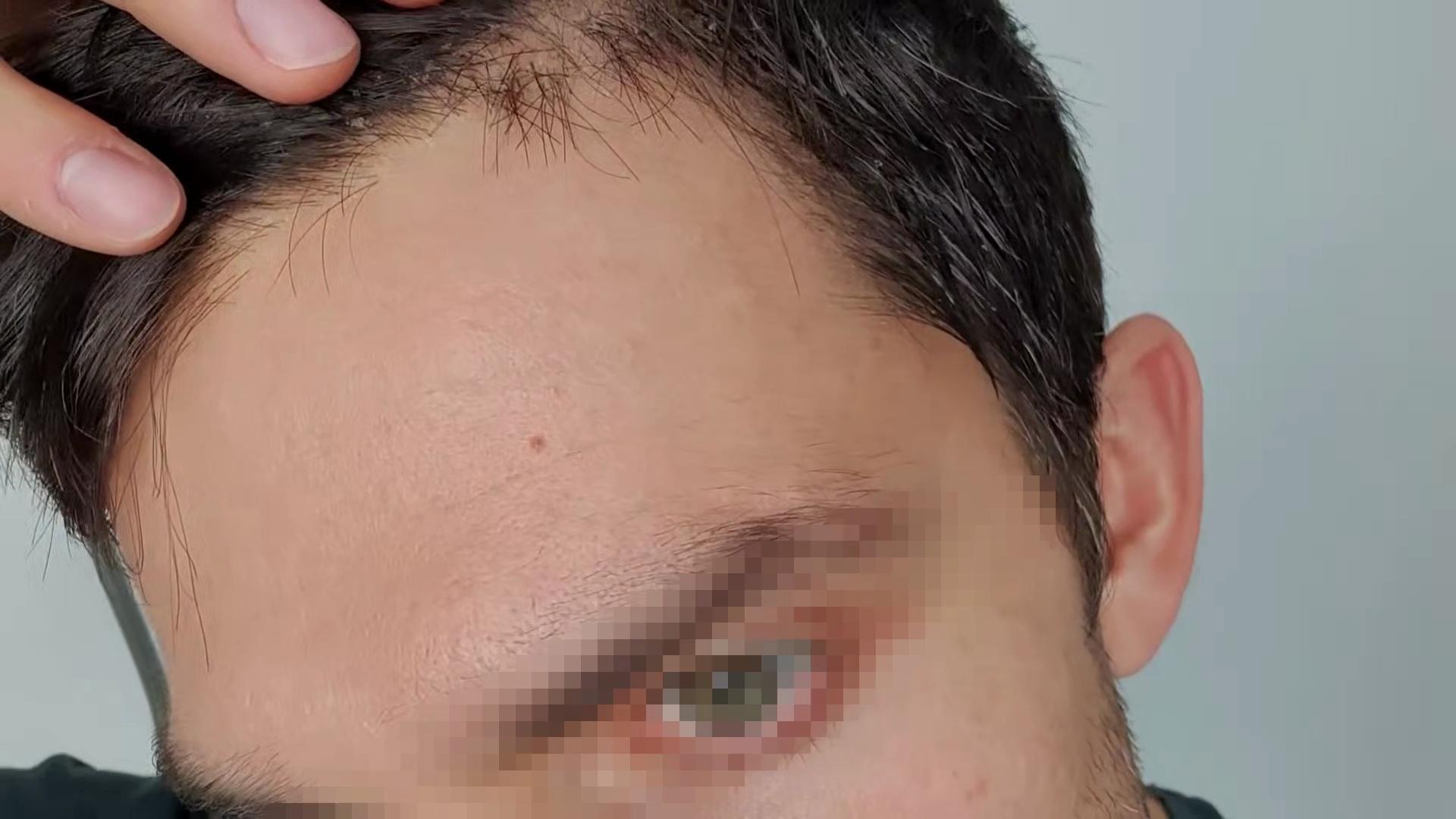
I also noticed some flaking, which I connected to the earlier scabbing. After showering, the scabs came off, and the doctor told me it was normal and nothing to worry about. When shampooing, I went back to doing it like I used to—just with extra sensitivity in certain areas. I rubbed gently and avoided scratching.
Six months later: results that changed how I feel
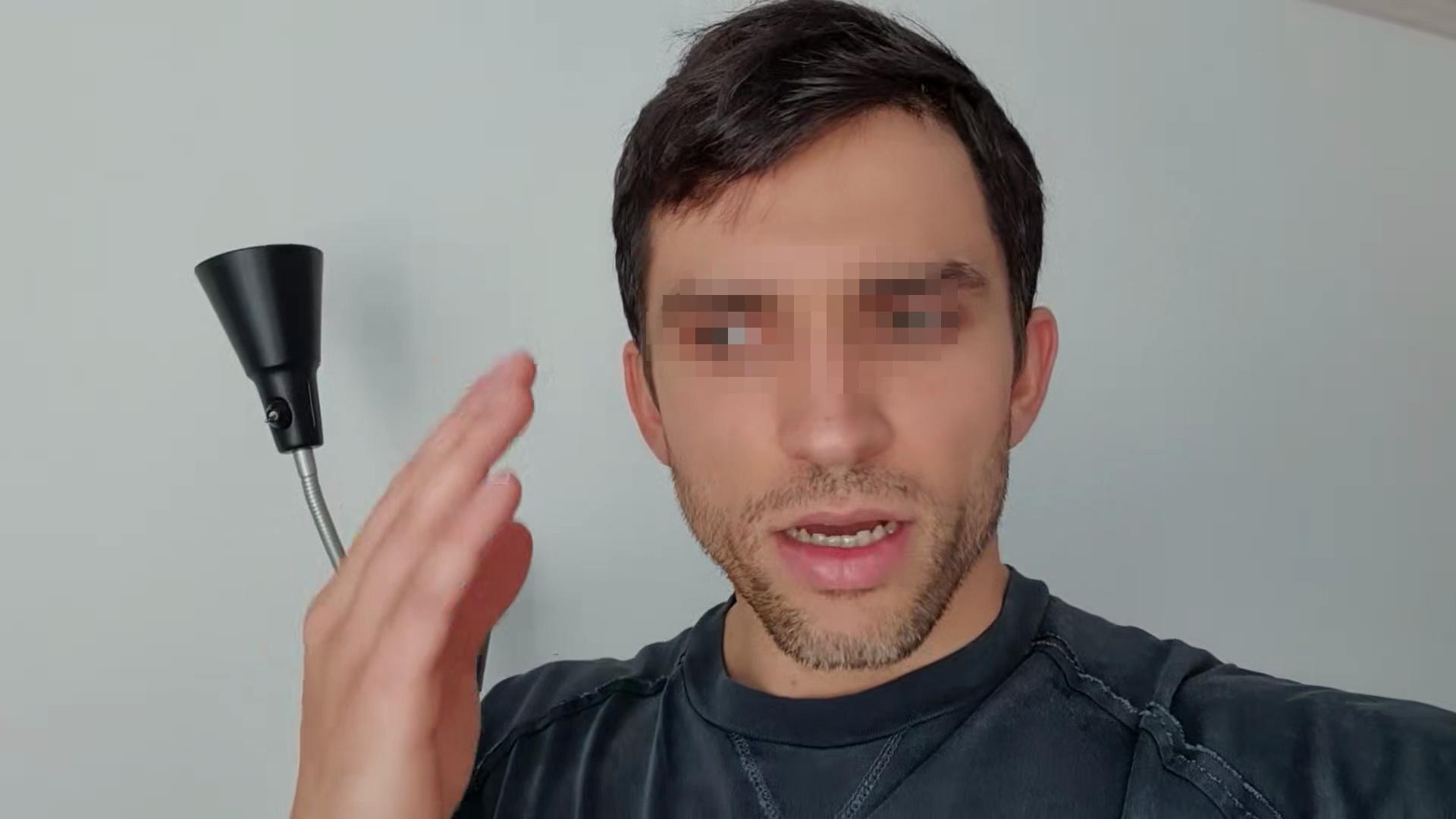
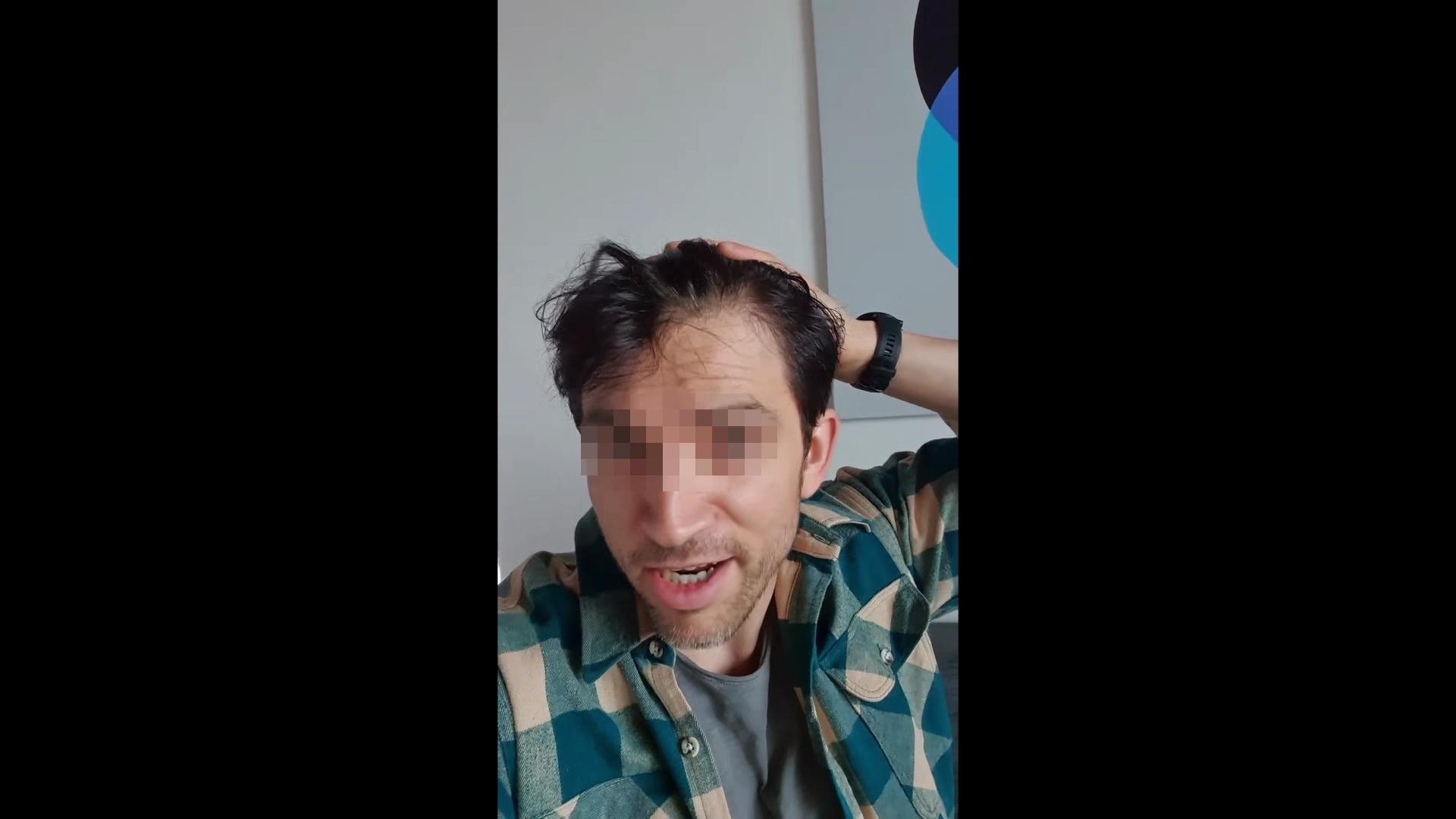
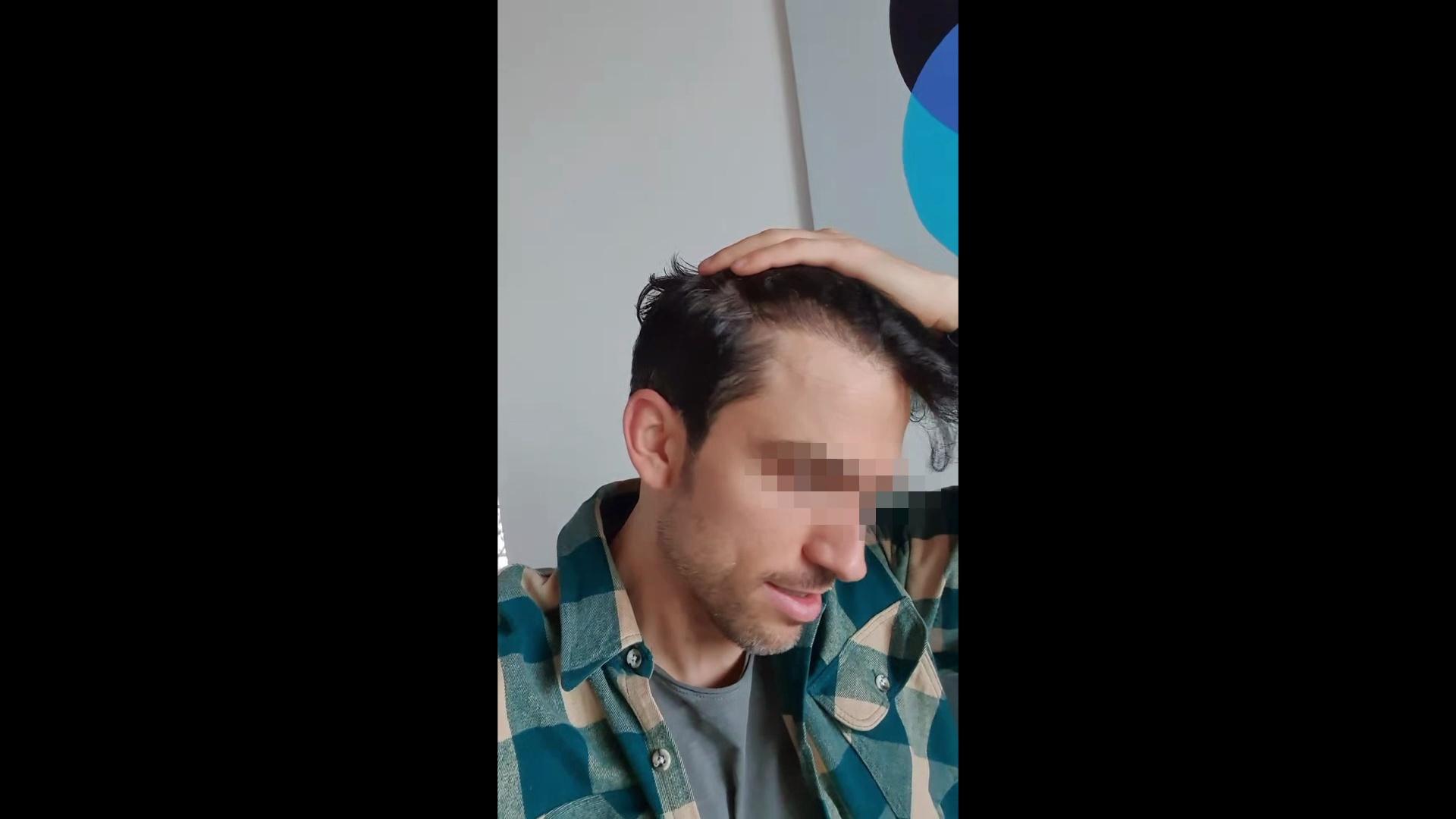
At around six months after surgery, the results felt obvious—enough that people around me started commenting without being prompted. I heard, “Andreas, you look 10 years younger,” and I honestly agreed, because I didn’t even have that hairline 10 years ago. I also dyed my hair, so it looked darker, but what mattered most to me was that I loved the outcome.
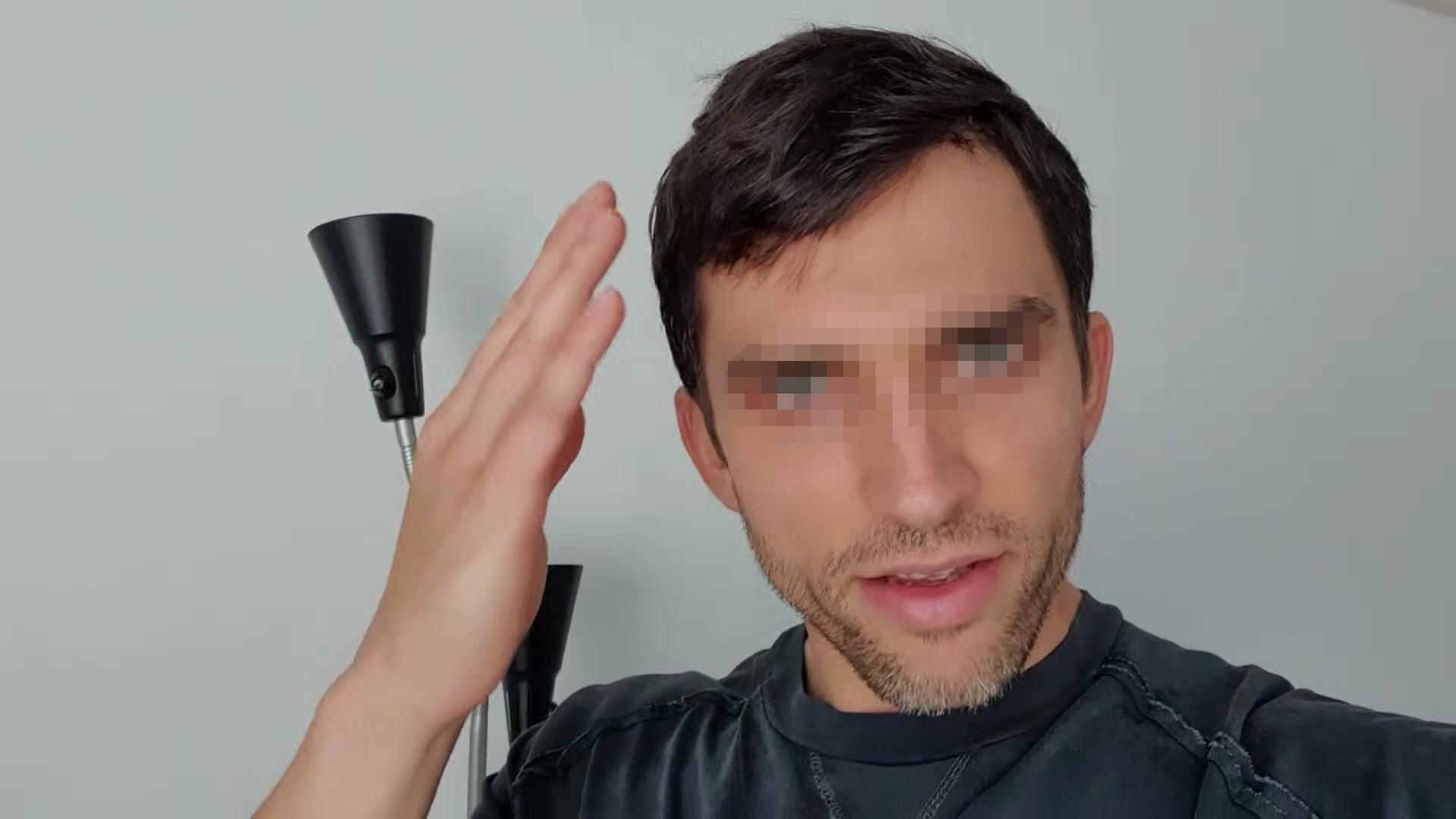
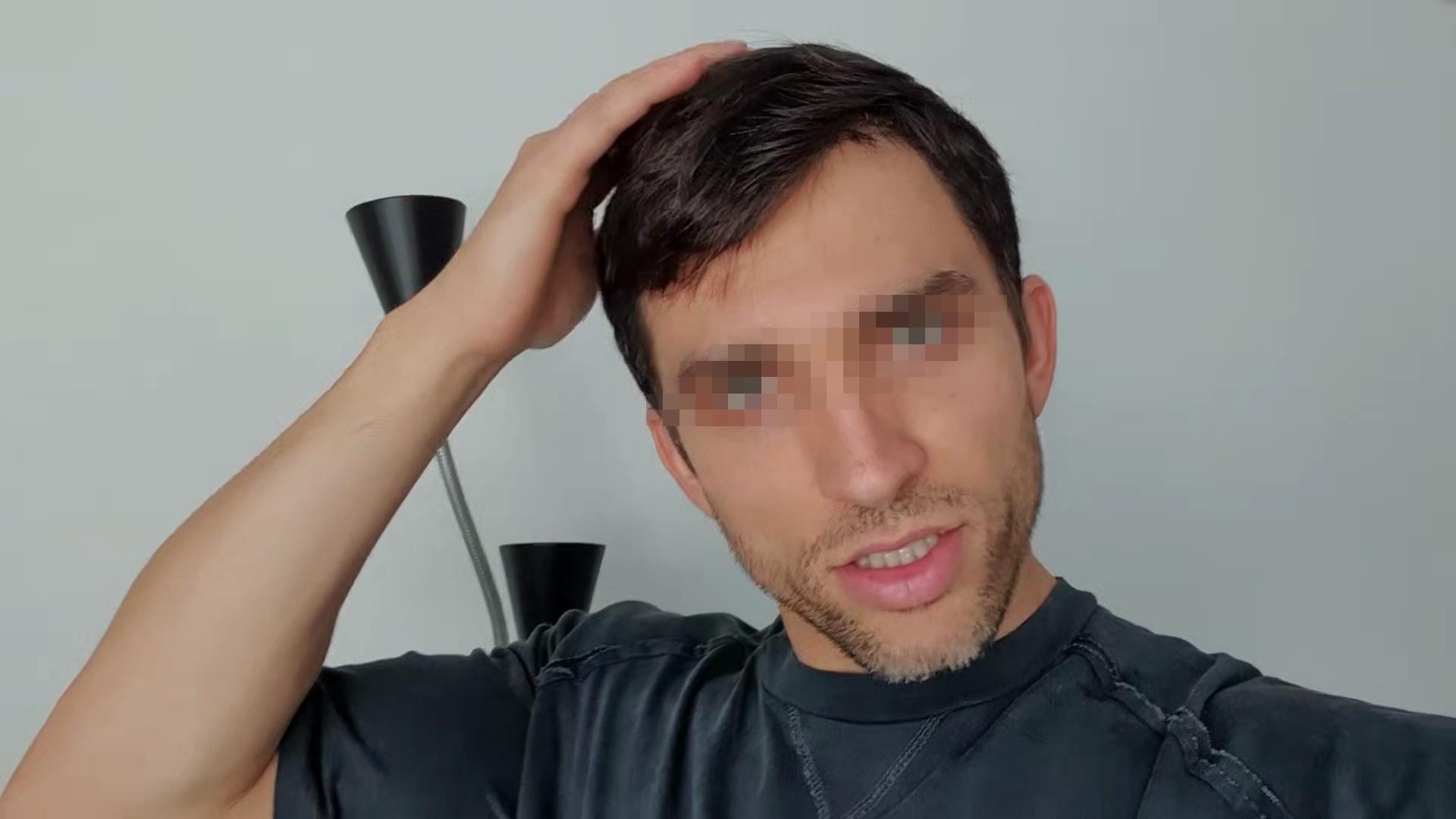
By that point, I’d also been consistent with finasteride and minoxidil to maximize hair growth. Looking back at where I started—staring at the mirror and fixating on my hairline—the biggest change wasn’t only what I saw in photos. It was how much quieter that daily worry became once I could see the transformation taking shape.
Final thoughts on my hair transplant recovery in Korea
This experience taught me that hair restoration isn’t just one day in a clinic—it’s a recovery journey with phases: early discomfort, careful aftercare, stitch healing, shedding, and then the long wait for regrowth. For me, the discomfort was real but manageable, and the biggest mental test was staying patient during shedding.
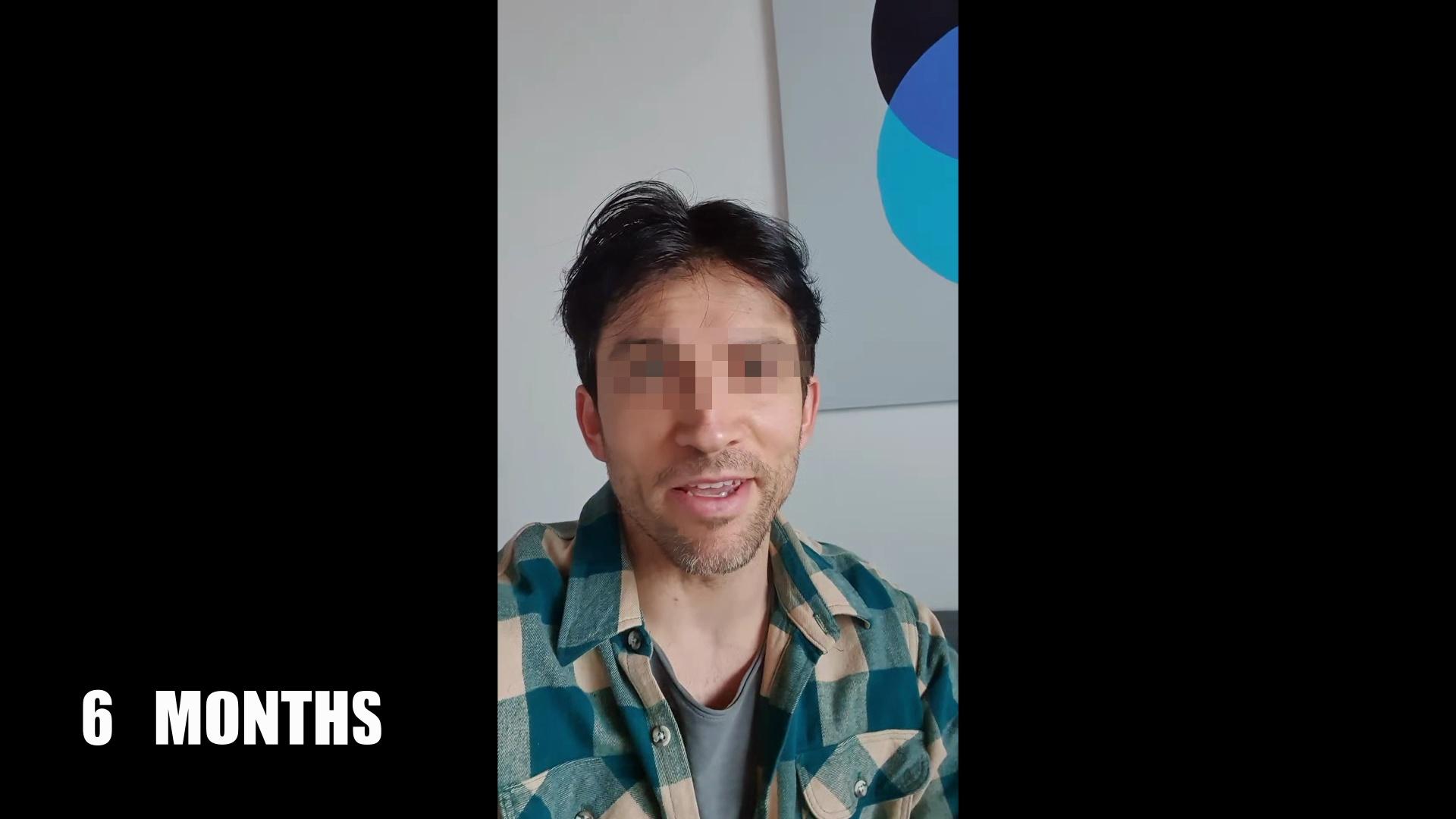
Six months later, I feel like I made the right decision at the right time. I wanted to be proactive before my hairline changed further, and seeing the results has made the whole process feel worth it—not only for how it looks, but for the confidence it gave me back.
More about Maxwell Hair Clinic
Maxwell Hair Clinic Korea is a leading international hair restoration center established in 2007, known for pairing advanced surgical care with recovery-focused, long-term aftercare for both local and international patients. With proven experience drawn from over 500,000 treatment cases and more than 60,000 hair transplants performed, the clinic uses this depth of data to tailor recovery plans and expectations to each patient rather than relying on one-size-fits-all protocols. A key differentiator is Maxwell’s treatment philosophy: it prioritizes protecting and supporting follicle cells—the “engine” of hair production—throughout the post-transplant healing period, not just superficial scalp care, helping patients focus on the factors that most directly influence graft survival and natural-looking growth. Led by founder Dr. Noh Yoon Woo, widely recognized in Korea for his expertise in hair transplantation, the clinic offers FUT, FUE, and combination approaches with individualized design, clear guidance, and seamless support for overseas patients from consultation through recovery.
Find more about this clinic here: Maxwell Hair Clinic