Medical Tourism Blog
Hair Transplant Post-Procedure Precautions with Dr. Lee from Seojin Plastic Surgery
Table of contents
- Welcome: Protecting Your Grafts Starts Right Away
- Understanding What a Hair Transplant Changes
- The Most Important Rule: Don’t Scratch, Rub, or Touch
- Hat Restrictions for the First Month (And What’s Acceptable)
- Showering and Washing: When You Can Start and How to Do It Safely
- Drying Your Hair Without Trauma
- Hair Products: When You Can Use Styling Items Again
- Sunscreen and Sun Exposure: What to Avoid on the Transplanted Area
- Exercise, Swimming, and Sauna: When Activities Become Safe Again
- Smoking and Alcohol: Avoid for Three Months
- Nutrition That Supports Recovery and Growth
- Conclusion: Simple Precautions, Stronger Results
- More about Seojin Plastic Surgery Clinic
Considering treatment in Korea? Everything you need to know e.g. — how to avoid scams, visas, interpreters, recovery tips — in our Medical Tourism Master Guide. Plan with confidence in minutes, not weeks!
Disclaimer: The following is a guest post. The information and opinions expressed are not of koreaclinicguide.com but of Seojin Plastic Surgery Clinic
Welcome: Protecting Your Grafts Starts Right Away
 Hello, I’m Dr. Hyukmin Lee from Seojin Plastic Surgery in Apgujeong, Gangnam, Seoul. After a hair transplant, most people focus on the exciting part—new growth and a better hairline—but the healing period is where results are protected. The first month is especially important because the transplanted follicles are settling into their new location, and small, avoidable habits can disrupt them.
 In this guide, I’ll walk you through the essential hair transplant aftercare steps I emphasize in clinic: what to avoid, what you can do safely, and how to care for both the transplanted area and the donor area so you can heal smoothly and give your grafts the best environment to grow.
Understanding What a Hair Transplant Changes
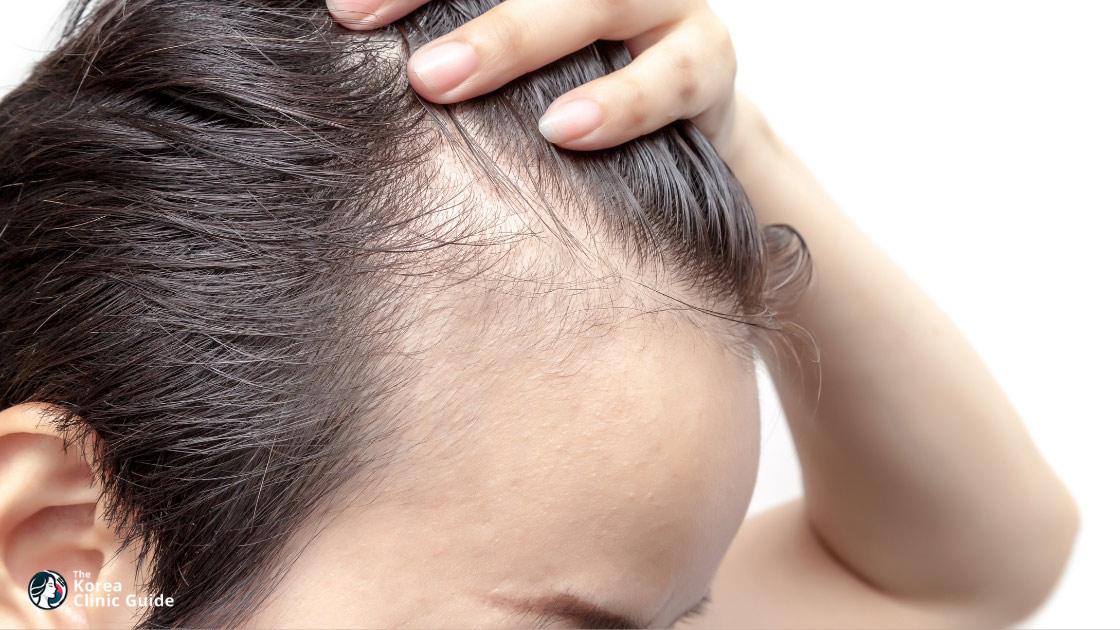
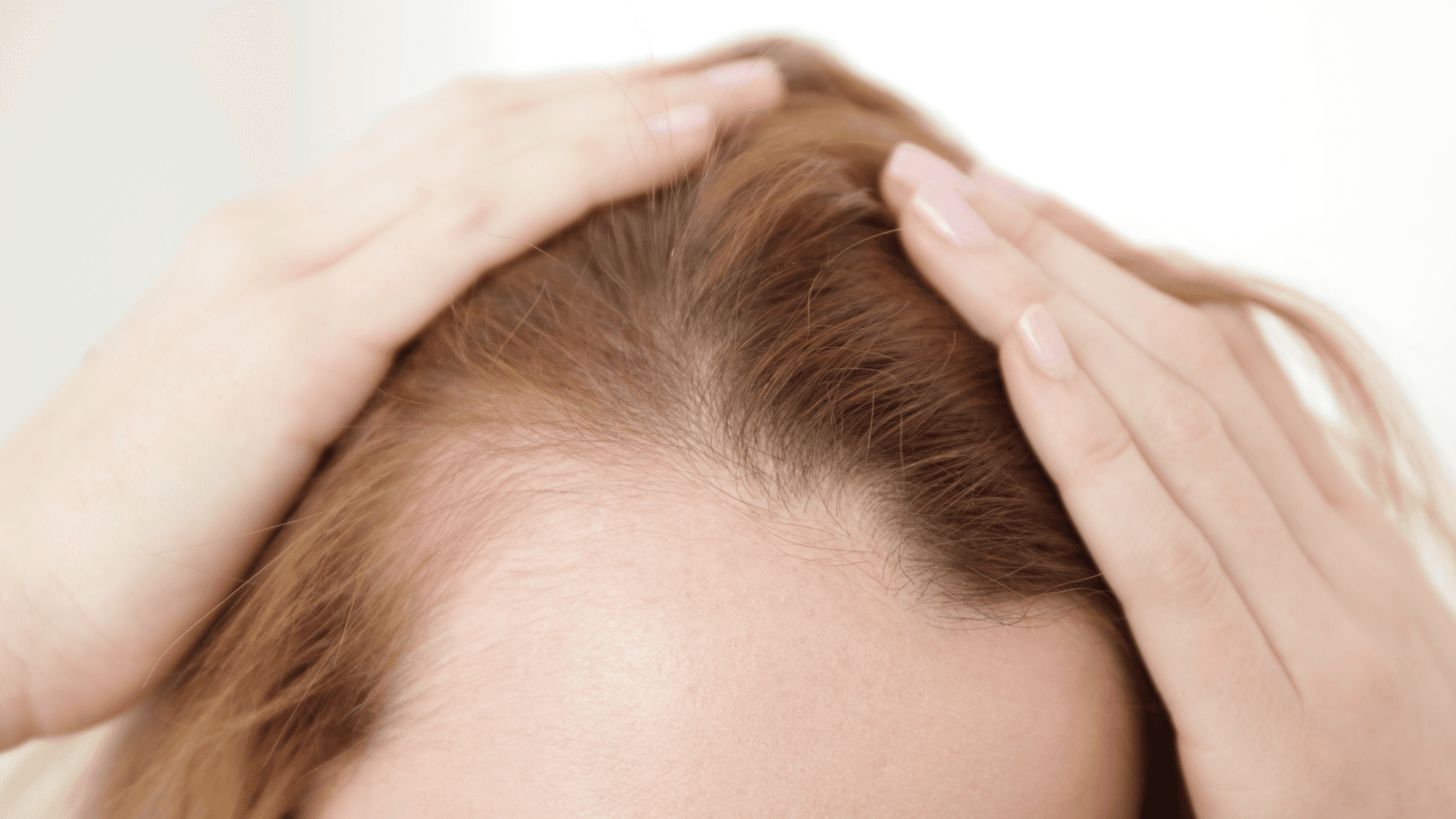
In a hair transplant, follicles are harvested from the back of the scalp (the donor area) and transplanted into areas that need coverage. Many men choose hair transplantation to improve male-pattern hair loss, commonly at an M-shaped hairline or at the crown. Many women also pursue this procedure for cosmetic refinement, such as narrowing the appearance of a wide forehead or correcting an uneven or asymmetrical hairline.
 Because we are relocating living follicles, the early healing stage is less about “toughing it out” and more about reducing friction, pressure, and irritation. Your goal is to let the follicles anchor and the scalp recover with as little disturbance as possible.
The Most Important Rule: Don’t Scratch, Rub, or Touch
After surgery, the transplanted area can feel itchy or sensitive, and it’s very common to want to check it, scratch it, or rub it gently. This is exactly what you should avoid. I recommend patients do not scratch, rub, or touch the transplanted area at all during the early healing period.
 The reason is simple: physical contact is one of the easiest ways to dislodge or irritate grafts. Even “light” rubbing can create unnecessary trauma to the scalp surface, disrupt scabbing, and slow the recovery process. If you notice itching, treat it as a sign that your scalp is healing—and protect the area by leaving it alone.
Hat Restrictions for the First Month (And What’s Acceptable)
For up to one month after surgery, it’s best not to wear hats that touch the transplanted area. Pressure and friction from a cap can irritate the grafts, especially if it fits snugly or is repeatedly taken on and off.
If you truly need a hat, choose something loose and breathable—ideally a wide-brimmed, soft cotton hat like a bucket hat. The key is that it must not touch the transplanted region. A soft bucket hat can be fine as long as it sits comfortably without contacting the grafts. During this period, prioritize airflow, minimal contact, and gentle handling any time you put a hat on or take one off.
Showering and Washing: When You Can Start and How to Do It Safely
You can shower starting the day after surgery, which often reassures patients who worry they must avoid water for a long time. Water itself is not the enemy—technique is what matters.
 For up to one month after surgery, I advise washing the transplanted area using shampoo foam only. Instead of rubbing shampoo directly onto the grafts, create foam first and then apply that foam to the transplanted region. After that, rinse by letting lukewarm water run over the area at low pressure. Gentle flow is important; strong water pressure can be too harsh while the scalp is still healing.
The donor area at the back of the head can be washed more directly, but it still needs care. Wash gently with your fingertips rather than scratching with nails or scrubbing aggressively. Treat both areas as healing skin and focus on cleanliness without friction.
Drying Your Hair Without Trauma
Drying is another moment where patients accidentally create friction. For up to one month after surgery, I recommend using a hair dryer on a low setting and drying gently. High heat and strong airflow can irritate the scalp, and aggressive towel-drying can rub the grafts.
 The safest mindset is “gentle and patient.” Allow most moisture to dissipate naturally when possible, and if you use a dryer, keep it mild and avoid blasting the transplanted area. The goal is to keep the scalp comfortable and clean without mechanical stress.
Hair Products: When You Can Use Styling Items Again
Many patients ask when they can return to normal styling routines. In general, you can start using hair products one month after surgery. Waiting helps reduce the risk of irritation and prevents product residue from interfering with healing skin.
Even after the one-month point, introduce products gradually and monitor how your scalp feels. If something causes stinging, redness, or increased sensitivity, give it more time. Your scalp’s comfort is a good guide.
Sunscreen and Sun Exposure: What to Avoid on the Transplanted Area
Sun protection matters, but the transplanted area needs special caution. Sunscreen is fine as long as it doesn’t get on the transplanted area. In other words, do not apply sunscreen directly to the grafted region during the early recovery period.
 This point is often misunderstood. Patients may assume sunscreen is always helpful, but products can irritate healing skin or interfere with the recovery environment around grafts. If you’re outdoors, focus on strategies that keep the transplanted area protected without applying sunscreen directly on it, and be mindful about anything that could smear or spread product onto the grafts.
Exercise, Swimming, and Sauna: When Activities Become Safe Again
Many people want to get back to their regular routines quickly, but timing matters. Starting one month after surgery, you can work out, swim, and use the sauna.
That one-month window is important because intense exercise increases sweating and blood flow, swimming introduces prolonged moisture and potential irritants, and saunas expose the scalp to heat and humidity. Once you’ve passed the first month, these activities are generally acceptable again, but during the early period your priority should be stable healing and minimal irritation.
Smoking and Alcohol: Avoid for Three Months
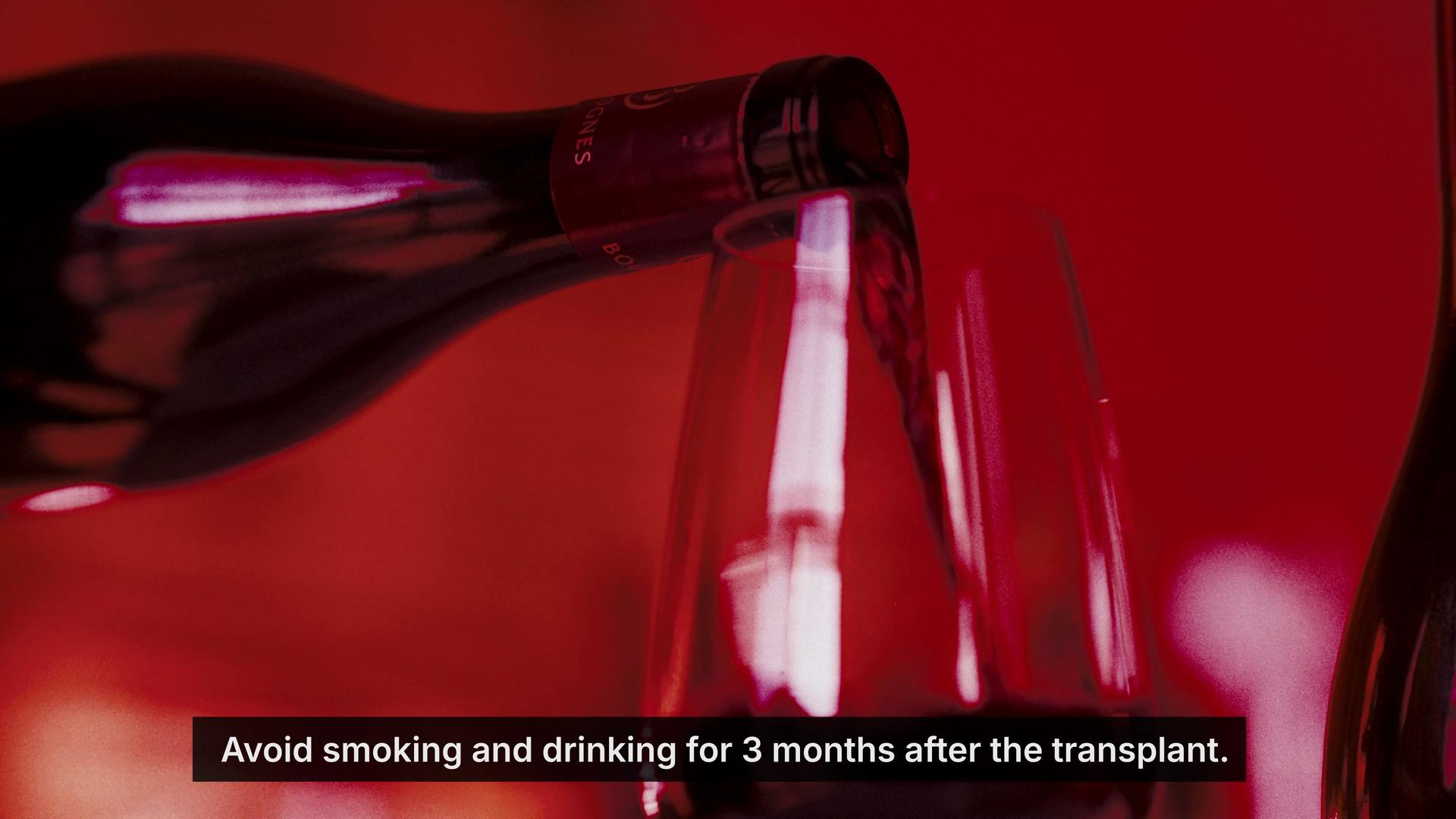
One of the strongest lifestyle recommendations I give after a hair transplant is to avoid smoking and alcohol for three months. These habits can interfere with recovery and the body’s ability to support healing tissues.
 Patients sometimes think a small amount won’t matter, but the post-transplant period is an investment in long-term results. If you want to do everything possible to support graft survival and overall healing, this three-month avoidance is a meaningful step.
Nutrition That Supports Recovery and Growth
Healing and hair growth are supported by consistent nutrition. After a hair transplant, it helps to get enough protein and to eat foods rich in biotin, zinc, and iron. These nutrients are frequently associated with healthy hair structure and growth cycles, and they support the body during recovery.
Think of this as building the foundation for your results. A balanced diet that reliably includes protein and key micronutrients can complement the external aftercare steps you’re already taking.
Conclusion: Simple Precautions, Stronger Results
Hair transplant aftercare doesn’t need to feel complicated, but it does need to be consistent. If you remember the essentials—don’t scratch, rub, or touch the transplanted area; avoid hats that touch the grafts for one month; keep washing gentle with shampoo foam and low-pressure lukewarm water; dry carefully on a low setting; keep sunscreen off the transplanted region; return to exercise, swimming, and sauna after one month; and avoid smoking and alcohol for three months—you’ll be doing the most important things to protect your investment.
I’m Dr. Hyukmin Lee from Seojin Plastic Surgery in Seoul, and I hope these aftercare tips help you feel more confident during healing and set you up for the best possible hair transplant results.
More about Seojin Plastic Surgery Clinic
For patients planning hair transplant aftercare and healing in Korea, Seojin Plastic Surgery Clinic in Gangnam, Seoul stands out for its tightly coordinated, highly personal approach: as a one-doctor clinic, Dr. Lee Hyungmin oversees the entire journey from consultation and procedure through the critical aftercare period, so instructions, wound care guidance, and recovery checkpoints are consistent and tailored to your scalp’s condition and graft survival needs. With more than 16 years of experience and recognition as one of the 100 Good Doctors in Korea, Dr. Lee’s practice emphasizes attentive follow-up and safety-focused planning alongside modern diagnostic and surgical tools used at the clinic, helping patients navigate the early healing stages with clear precautions and individualized support designed to promote natural-looking growth and confident recovery.
Find more about this clinic here: Seojin Plastic Surgery Clinic