Medical Tourism Blog
Chloasma Face Treatment: Pico Toning Procedures in Korea for Effective Skin Rejuvenation
Table of contents
- Pico Toning: An Advanced Solution for Pigmentation
- Best Clinics in Korea for Chloasma Face
- Your Journey to Pico Toning in South Korea
- Cost Analysis: Pico Toning in South Korea vs. Global Options
- Patient Experiences and Realistic Outcomes
- Conclusion
- References
Considering treatment in Korea? Everything you need to know e.g. — how to avoid scams, visas, interpreters, recovery tips — in our Medical Tourism Master Guide. Plan with confidence in minutes, not weeks!
Melasma, also known as chloasma or "the mask of pregnancy," is a common pigmentary disorder that mainly affects the face, often diminishing self-esteem. Its causes are multifactorial, with sun exposure and hormonal changes being primary contributors. Picosecond laser toning, or Pico Toning, is a cutting-edge treatment that targets melasma and other pigment issues using ultra-short laser pulses. This article provides a detailed, readable overview of chloasma, Pico Toning’s technology and mechanism, practical considerations for patients journeying to South Korea for treatment, cost comparisons, real results, and key factors for achieving the best outcome, focusing on patient-centered care and realistic expectations.
What is Chloasma (Melasma)?
Chloasma, formally known as melasma, is an acquired pigmentary skin disorder that usually appears as symmetrical brown patches, most often on the face. These patches are tan to brown, have irregular borders, and can affect everyone but are more common in women and those with darker skin, typically developing in their 30s or 40s. Melasma is often found on the cheekbones, centrofacial region, jawline, and, less commonly, on the chest or arms.
Diagnosis is clinical, with dermatologists often using Wood’s lamp or Reflectance Confocal Microscopy (RCM) for a deeper look. RCM can reveal increased pigment in basal cells, and in the dermis, it may show cells involved in inflammation and changes related to sun exposure. It's important to distinguish melasma from other similar conditions like lichen planus pigmentosus and phototoxic dermatitis.
Common Pseudonyms and Patient Impact
Melasma is also called "chloasma" or "the mask of pregnancy." Its ICD10CM code is L81.1. While it isn’t medically dangerous, visible melasma can greatly affect one’s appearance and confidence. It usually develops gradually, frequently during pregnancy but can affect anyone.
Causes and Contributing Factors
Two main factors drive melasma: UV exposure and hormonal changes. Sunlight is the biggest environmental factor, while pregnancy, oral contraceptives, and hormone therapy further increase risk. Family history and certain medications may also play a role.
Treatment response depends on how deeply the pigment sits in the skin: epidermal melasma is easier to treat than dermal types. Recurrence is common if the underlying causes—like hormones or ongoing sun exposure—aren’t managed. Some patients see improvement simply by addressing hormonal triggers, highlighting the importance of tackling root causes for long-term success. Thus, melasma treatment is best seen as ongoing management combining sun protection and possible hormonal adjustments with dermatological procedures.
Pico Toning: An Advanced Solution for Pigmentation
What is Picosecond Laser Technology?
Picosecond laser technology—Pico Toning—works using ultra-short pulses measured in trillionths of a second. This distinguishes it from older lasers and allows for precise pigment targeting with less heat, meaning less skin damage and downtime. PicoSure and similar devices are FDA-approved, reflecting a high standard of safety and effectiveness.
How Pico Toning Works: The Mechanism of Action
Pico Toning uses photoacoustic (pressure-based) rather than photothermal (heat-based) effects. The fast pulses create a pressure wave that shatters pigment into tiny bits without burning the surrounding skin. This process is called "cold ablation," since less heat is used.
Fractional picosecond lasers can also initiate Laser-Induced Optical Breakdown (LIOB) and Laser-Induced Cavitation (LIC), leading to deeper tissue remodeling and increased collagen. The fragmented pigment is then cleared by the lymphatic system while stimulating new skin proteins like collagen and elastin for rejuvenation.
Key Benefits of Pico Toning for Melasma and Skin Rejuvenation
Precision Targeting and Safety
Pico Toning’s fast pulses enable targeted clearing of pigmentation with minimal risk to healthy skin. The lower risk of burns and post-inflammatory hyperpigmentation (PIH) makes it ideal for darker skin types—a group most prone to PIH and melasma.
Versatile Skin Improvement
Aside from melasma, Pico Toning helps with sun spots, freckles, post-inflammatory hyperpigmentation, and also smooths skin texture, reduces pores and acne scars, and can soften fine lines. Thus, it’s a versatile rejuvenation therapy.
Convenience and Minimal Downtime
Sessions take just 10–30 minutes, with little to no downtime. Most people have mild redness or swelling that resolves within several hours to a few days, returning quickly to routine activities.
Comfort During Procedure
Patients often describe a warm, snapping, or prickly sensation during treatment. Topical numbing is available but usually optional.
Visible Results
Noticeable improvements can appear after the first session, though optimal reduction in pigmentation usually requires 3 to 5 sessions, spaced 2 to 4 weeks apart. Maintenance sessions may be suggested.
Best Clinics in Korea for Chloasma Face
Listed below are the best clinics in Korea for chloasma face:
| Clinic Name | Key Features | Special Techniques |
|---|---|---|
| Hev Clinic | Dermatologist-led clinic focused on precise diagnosis, safety, and long-term skin health; board-certified dermatologists actively participate in domestic and international academic societies; emphasizes accurate skin analysis and expert consultation to identify depth and pattern of pigmentation and design a personalized plan; addresses co-concerns such as inflammation, redness, texture irregularity, and premature laxity; offers a wide range of evidence-based options enabling tailored combination therapy, including Pico Laser, IPL, Pulsed Dye Laser, PRP, Profhilo, Rejuran, and Juvelook; for facial rejuvenation, offers lifting and tightening treatments such as Ultherapy, Thermage, and InMode, plus carefully administered injectables; all procedures performed by the same attending dermatologist from consultation to completion | Pico Laser; IPL; Pulsed Dye Laser; PRP; Profhilo; Rejuran; Juvelook; Ultherapy; Thermage; InMode; Injectables; continuity of care by the same attending dermatologist |
| ID Hospital Korea | Facial-focused clinic with goal of safe and aesthetically refined plastic surgery results; emphasizes thoughtful facial balance and natural-looking outcomes for chloasma; patient-centered philosophy; customized treatment planning; patient safety; systematic post-care to support stable recovery and long-term satisfaction; offers broad range of treatment items including orthognathic surgery, facial contouring, eye and nose plastic surgery, breast surgery, lifting, petit plastic surgery, and dentistry | Orthognathic surgery; facial contouring; eye and nose plastic surgery; breast surgery; lifting; petit plastic surgery; dentistry |
| Modelo Clinic | Standout for individualized, trend-free care that protects and enhances lasting natural beauty; chloasma often persistent and easily aggravated, so a thoughtful, personalized approach matters; Whitening program targets freckles, blemishes, and melasma using carefully selected laser and combination treatments to improve tone and clarity while aiming for a brighter, more even complexion; when chloasma coexists with aging concerns, complementary options like tailored Lifting, Comfort Thermage for gradual tightening, and Thread Lifting can be considered as part of an overall plan; Wrinkle Botox, Contour Botox, Fullface Filler, and Baby Filler to restore youthful volume and under-eye freshness; optimized for Asian skin and facial structures | Whitening program with laser and combination treatments; Lifting (Comfort Thermage); Thread Lifting; Wrinkle Botox; Contour Botox; Fullface Filler; Baby Filler |
Hev Clinic
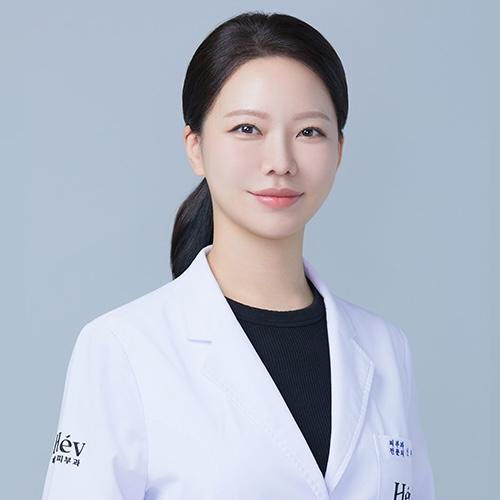
Hev Dermatology Clinic in Sinsa stands out as a top choice in Korea for chloasma (melasma) care because it is dermatologist-led and built around precise diagnosis, safety, and long-term skin health rather than one-size-fits-all brightening. With board-certified dermatologists who actively participate in domestic and international academic societies, Hev prioritizes accurate skin analysis and expert consultation to identify the depth and pattern of pigmentation and to design a personalized plan that also addresses common co-concerns that can worsen the appearance of chloasma, such as inflammation, redness, texture irregularity, and premature laxity. The clinic’s wide range of evidence-based options allows tailored combination therapy, including pigment-focused devices like Pico Laser and IPL, redness-calming options like Pulsed Dye Laser when needed, and supportive regenerative treatments such as PRP, Profhilo, and skin boosters like Rejuran and Juvelook to strengthen skin quality and resilience. For patients who want overall facial rejuvenation while treating discoloration, Hev also offers lifting and tightening treatments such as Ultherapy, Thermage, and InMode, plus carefully administered injectables. Importantly, every procedure is performed responsibly by the same attending dermatologist from consultation to completion, ensuring consistent technique, close monitoring, and a high level of trust—key advantages when managing a chronic, relapse-prone condition like chloasma where continuity of care matters.
You can check out their website here: Hev Clinic Website
id Hospital Korea
ID Hospital in Korea is a clinic recognized for its focus on facial treatments, with a guiding goal of delivering plastic surgery results that are both safe and aesthetically refined. For patients concerned about chloasma (facial melasma), ID Hospital approaches care with an emphasis on thoughtful facial balance and natural-looking outcomes, supported by a patient-centered philosophy.
With a commitment to customized treatment planning, ID Hospital prioritizes patient safety and provides systematic post-care to support stable recovery and long-term satisfaction. In addition to skin clinic services, the hospital offers a broad range of treatment items, including orthognathic surgery, facial contouring, eye and nose plastic surgery, breast surgery, lifting, petit plastic surgery, and dentistry, enabling comprehensive care tailored to individual needs.
Find more about this clinic here: id Hospital Korea Website
Modelo clinic
For Chloasma (melasma) face care in Korea, Modelo Clinic stands out because it does not chase trends, but instead designs treatments to protect and enhance the beauty that will serve you over time—by focusing on your beautiful individuality, not someone else’s ideal. Chloasma is often persistent and easily aggravated, so a thoughtful, personalized approach matters: Modelo’s Whitening program specifically targets freckles, blemishes, and melasma using carefully selected laser and combination treatments to improve tone and clarity while aiming for a brighter, more even complexion. When chloasma coexists with visible aging concerns that can make uneven pigmentation look more pronounced, complementary options like tailored Lifting, comfort-focused Comfort Thermage for gradual tightening, and Thread Lifting for support and collagen stimulation can be considered as part of an overall plan. For balanced, natural-looking facial harmony—especially optimized for Asian skin and facial structures—Modelo also offers Wrinkle Botox and Contour Botox, as well as Fullface Filler and Baby Filler to restore youthful volume and under-eye freshness, helping the face look clearer, calmer, and more refined without losing what makes it uniquely yours.
Find more about this clinic here: Modelo clinic Website
Your Journey to Pico Toning in South Korea
Why South Korea for Aesthetic Treatments?
South Korea is a world leader in advanced skincare and cosmetic treatments. Clinics here use the latest laser technologies and are staffed by highly trained, often internationally recognized dermatologists. Accreditations from bodies like KAHF, JCI, and the Korean Ministry of Health ensure high standards.
International patients benefit from English-speaking support staff, virtual consultations, detailed recovery planning, and transparent pricing. Korea’s approach is unique in combining procedure excellence with holistic patient care, making the treatment journey less stressful and more trustworthy.
A major incentive is cost: procedures in Korea are often 30–60% cheaper than in the United States or Western Europe without sacrificing quality. Many clinics offer bundled medical tourism packages with other services to make planning and recovery convenient.
The Pico Toning Procedure: A Step-by-Step Guide
Consultation and Assessment
The process begins with online photo submissions and virtual consults, moving to a detailed in-person exam upon arrival. Physicians assess skin, review history, and create a plan using advanced diagnostics. The procedure details, risks, and aftercare are explained before informed consent and payment.
Pre-Treatment Preparation
The treatment area is thoroughly cleansed, and numbing cream may be used if needed.
The Treatment Session
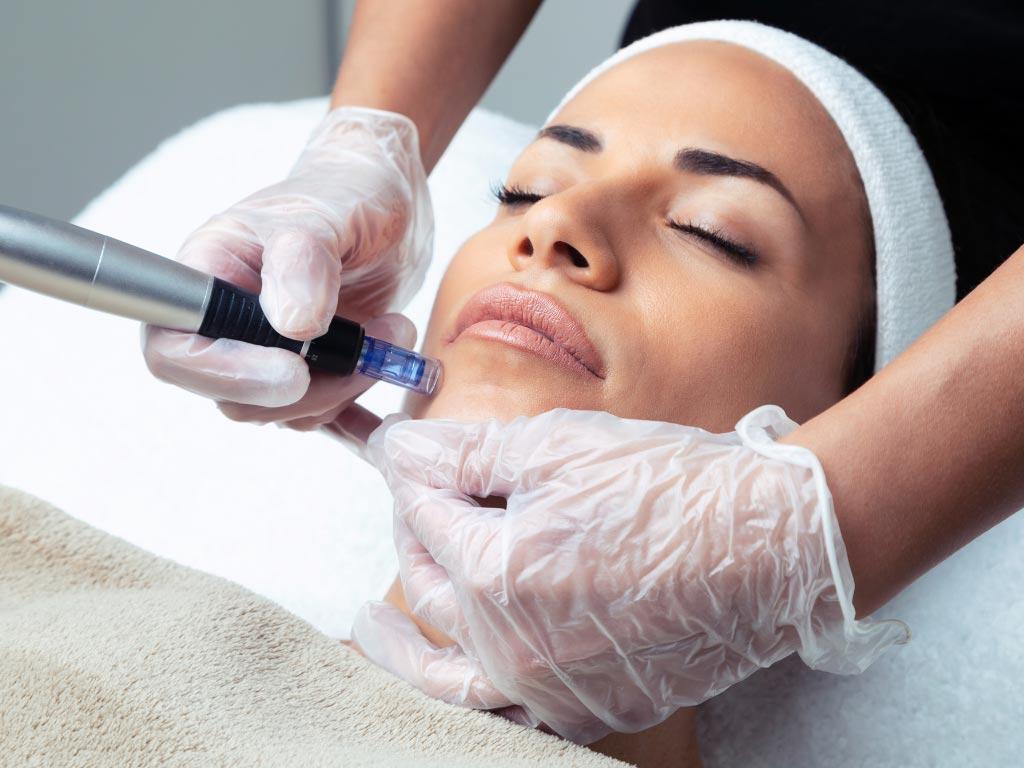
A handheld laser device delivers rapid pulses to the targeted skin. Sessions last 15–30 minutes, with a sensation of warmth or mild snapping. Multiple passes may be performed for best results.
Post-Treatment Care and Recovery
After treatment, cooling creams soothe the skin, and sun exposure must be minimized with diligent sunscreen use. Redness or swelling typically resolve quickly. Clinics often provide comprehensive recovery support and instruct on best practices for aftercare.
Cost Analysis: Pico Toning in South Korea vs. Global Options
Average Costs of Pico Toning in South Korea
A single session in South Korea costs about ₩100,000–₩300,000 ($80–$250 USD), with packages for 3–5 sessions ranging up to ₩1,500,000 ($1,250 USD). Total cost depends on the clinic, device, area treated, and experience of the provider. Package deals can further reduce per-session costs.
Cost Comparison: South Korea vs. Other Medical Tourism Destinations
Korea’s prices are typically 30–60% lower than the US, Western Europe, and much cheaper than many regional competitors. The pricing advantage is due to unique market dynamics and competition rather than lower care quality.
| Country/Region | Average Cost Per Session (USD) | Average Cost for 3-5 Sessions (USD) | Notes/Considerations |
|---|---|---|---|
| South Korea | $80 - $250 | $250 - $1,250 | Packages & lower prices via competitive market |
| USA | $300 - $1,000 | Varies | Higher base and extra costs |
| Thailand | $131 - $481 / ~$433 | ~$1,300 (for 3 sessions) | Additional aftercare costs possible |
| Singapore | $35 - $2,400+ | Varies | Wide range, dependent on treatment specs |
| Australia | $75 - $150 | Varies | Pricing varies, consult clinics |
Overall Value Proposition for Medical Tourists
Medical tourists to Korea should factor in travel and lodging, with flights ranging from $600–$1,500 USD, accommodations from $30 to $200+ per night, and inexpensive local transportation. However, inclusive packages covering parts of these costs, post-op care, and a possible 10% VAT refund multiple the value. The all-in support and cost savings, alongside quality and results, make Korea stand out for Pico Toning.
Patient Experiences and Realistic Outcomes
Effectiveness of Pico Toning for Chloasma/Melasma
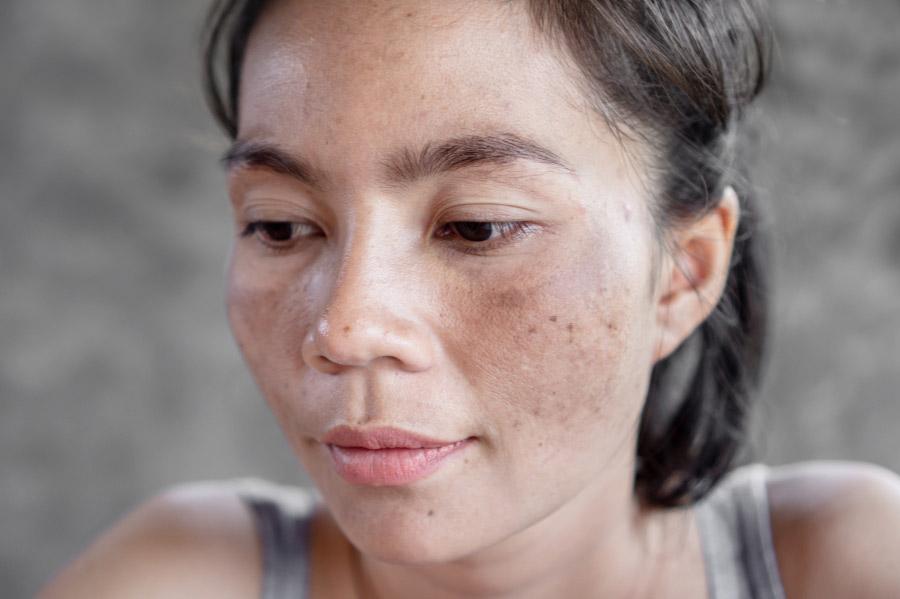
Picosecond lasers are effective for melasma, especially thanks to their precision and safety for all skin types. Many patients see clearer skin, more radiance, and improved tone, some with significant improvement after just one session. The best results often combine Pico Toning with topical therapies for resistant melasma.
Limitations and Potential Side Effects
Pigment recurrence is common, largely due to hormonal or sun-related triggers—so managing those is vital for success. Epidermal melasma responds better than deeper dermal types. While side effects are uncommon, possible risks include PIH and hypopigmentation, particularly in darker skin types if improper settings are used. Pico lasers won’t restore lost pigment or significantly tighten loose skin, and severe scars may need additional treatments.
Contraindications include pregnancy, photosensitizing drugs, active skin infections, and a history of keloids. Some disappointment may occur if expectations aren’t realistically set or if misdiagnosis occurs.
Importance of a Holistic Treatment Approach and Expert Consultation
Effective melasma management rarely relies on Pico laser alone. Combining laser with topical creams and strict sun protection gives longer-lasting results. The success of Pico Toning depends heavily on the expertise of your care provider—meaning it’s key to choose an experienced dermatologist. Comprehensive and ongoing care planning, including consultation about hormonal influences, is crucial.
What to Expect: Number of Sessions, Downtime, Pain Levels, and Results Timeline
Most patients need 3–5 sessions spaced 2–4 weeks apart. Minimal downtime is standard; mild redness fades in hours to a day, flaking may persist briefly, and makeup is typically avoided for a few days. Treatments are well-tolerated, sometimes with a prickly snap sensation, and results commonly appear after one session, with more substantial improvements after several sessions.
Conclusion
Chloasma (melasma) is a challenging yet manageable pigmentary condition influenced by both hormones and sun exposure. Picosecond laser toning delivers fast, safe, and visible improvement—especially when combined with comprehensive, individualized care. South Korea is a top global choice for this advanced treatment thanks to its expertise, technology, supportive care, and affordability. A successful experience hinges on realistic expectations, ongoing sun protection, and expert dermatological guidance.
References
1, 2, 3, 4, 5, 6, 7, 8, 9, 10, 11, 12, 13, 14, 15, 16, 17, 18, 19, 20, 21, 22, 23, 24, 25, 26, 27