Medical Tourism Blog
Benign Prostatic Hyperplasia Treatment with UroLift Procedure in Korea: Effective Solutions for BPH
Table of contents
- Understanding Benign Prostatic Hyperplasia (BPH)
- UroLift: A Minimally Invasive Solution for BPH
- Best Clinics in Korea for Benign Prostatic Hyperplasia
- The UroLift Journey for Medical Tourists in South Korea
- Cost Analysis: UroLift Procedure in South Korea vs. Global Options
- Patient Experiences and Outcomes with UroLift
- Conclusion: Making an Informed Decision
- References
Considering treatment in Korea? Everything you need to know e.g. — how to avoid scams, visas, interpreters, recovery tips — in our Medical Tourism Master Guide. Plan with confidence in minutes, not weeks!
If you’re exploring solutions for benign prostatic hyperplasia (BPH)—often called prostate gland enlargement or simply prostate enlargement—this guide is here to help. We’ll break down what BPH is, introduce you to the minimally invasive UroLift procedure, and walk you through what it’s like to seek this treatment as a medical tourist in South Korea. Our goal is to give you clear, patient-friendly information so you can make confident decisions about your health and treatment options.
Understanding Benign Prostatic Hyperplasia (BPH)
What is BPH? Definition and Common Pseudonyms
Benign Prostatic Hyperplasia, also known as prostate gland enlargement or prostate enlargement, is a common condition that affects men as they age. The word “benign” is key—it means this type of prostate growth isn’t cancerous, which helps ease a lot of worries right away. The prostate sits just below the bladder, and as it grows, it can squeeze the urethra (the tube that carries urine out of the body), making urination difficult. While the exact cause isn’t fully understood, it’s thought to be linked to changes in sex hormones as men get older.
Prevalence, Causes, Symptoms, and Potential Complications
BPH is very common—about 30% of men have symptoms by age 60, and that number jumps to 50% by age 80. Symptoms can start as early as age 55 for one in four men, and by age 75, half of all men are affected.
The symptoms fall into two main categories: obstructive (like trouble starting urination, weak or interrupted flow, and dribbling) and irritative (such as urgency, frequent urination, especially at night, and feeling like the bladder isn’t empty). In severe cases, BPH can lead to incontinence.
If left untreated, BPH can cause complications like bladder thickening, infections, bladder stones, and even kidney damage. Acute urinary retention (sudden inability to urinate) and severe hematuria (blood in urine) are also possible. These risks highlight why timely treatment is important.
Treatment is usually recommended when symptoms start to interfere with daily life. Sometimes, symptoms stay the same or even improve, but a steady decrease in urine flow or ongoing feelings of incomplete emptying are signs that treatment may be needed.
Other conditions can mimic BPH, such as urethral stricture, bladder cancer, stones, or neurological issues. That’s why a thorough medical evaluation is essential before considering treatments like UroLift. This typically includes a review of your medical history, a physical exam (possibly including a digital rectal exam), and lab tests like urinalysis, blood creatinine, BUN, hemoglobin, and PSA levels. Consulting a qualified urologist is crucial for an accurate diagnosis and treatment plan.
UroLift: A Minimally Invasive Solution for BPH
Detailed Mechanism of Action: How UroLift Works to Relieve Obstruction
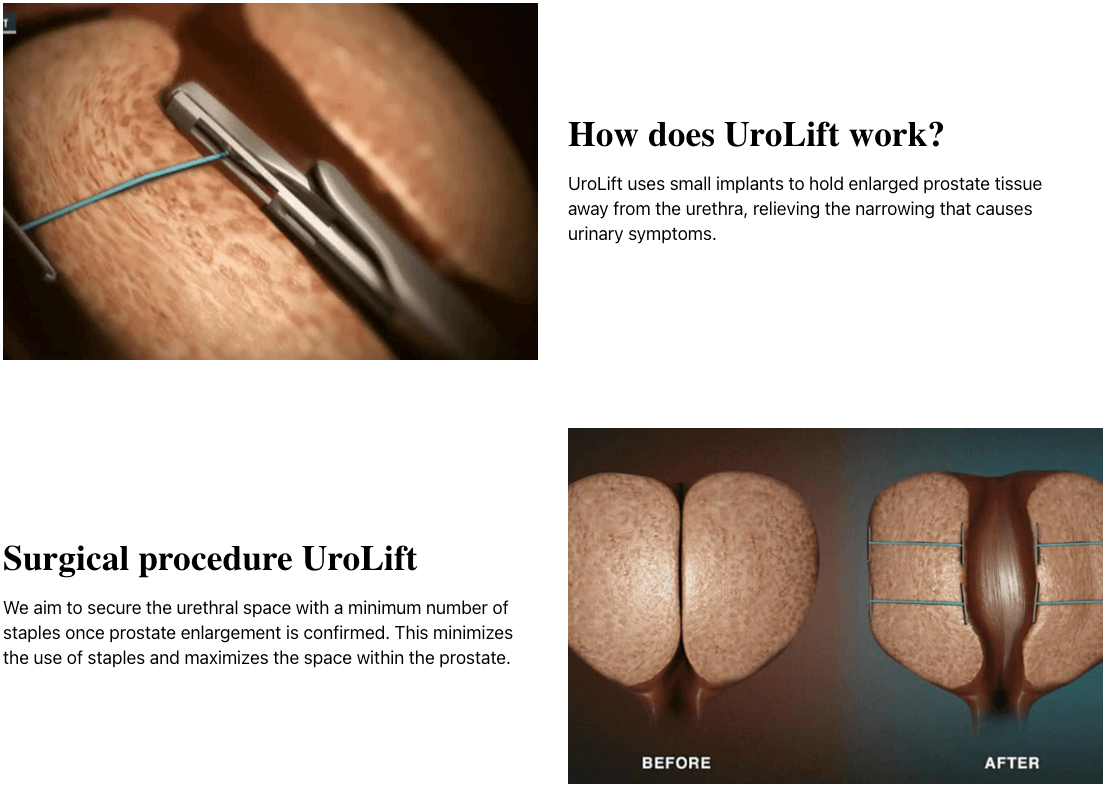
The UroLift System is a breakthrough in treating benign prostatic hyperplasia. Unlike traditional surgeries that cut, heat, or remove tissue, UroLift simply lifts and holds the enlarged prostate tissue away from the urethra, opening up the urinary passage.
Here’s how it works:
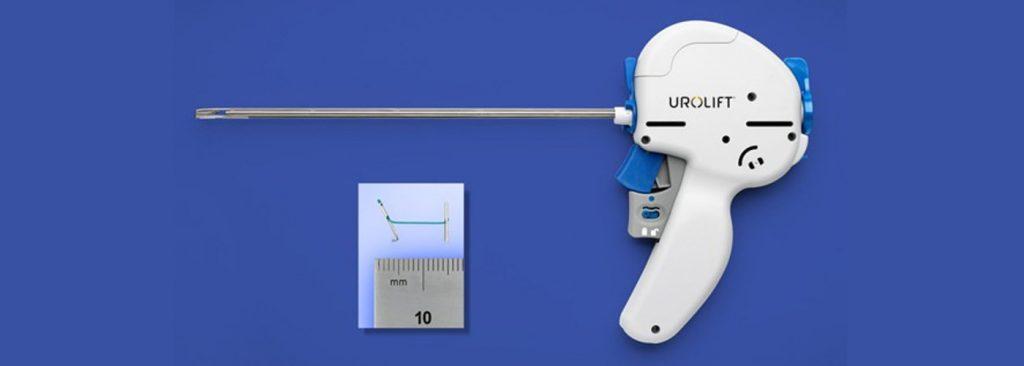
- Device Insertion: The urologist inserts the UroLift Delivery Device through the urethra, using an endoscope for guidance.
- Implant Placement: Small, permanent UroLift Implants are placed to pull the prostate lobes away from the urethra—think of them as “tiebacks for curtains.” Most patients need 6 to 8 implants, which become part of the prostate tissue within about three months.
- Device Removal: The device is withdrawn, leaving the implants in place to keep the urethra open and improve urine flow.
Ideal Candidates and Important Considerations
UroLift is designed for men 45 and older with urinary symptoms from benign prostatic hyperplasia, including those with lateral and median lobe hyperplasia.
Ideal candidates are men who haven’t found relief with medication, want a quick recovery, and wish to avoid the side effects of more invasive surgeries. It’s best for those with a small to moderate-sized prostate.
Contraindications include prostate volume over 100 cubic centimeters, active urinary tract infection, urethral conditions that prevent device insertion, urinary incontinence from an incompetent sphincter, or current gross hematuria.
Key Benefits of UroLift
- Minimally Invasive: No cutting, heating, or tissue removal, which means less trauma and faster healing.
- Preserves Sexual Function: UroLift doesn’t cause new or lasting erectile or ejaculatory dysfunction, a major concern with other treatments.
- Rapid Relief and Recovery: Most patients feel better within two weeks and return to normal activities in 5–7 days, sometimes even sooner.
- Outpatient Procedure: Usually done under local anesthesia, and most patients don’t need a catheter afterward.
- Proven Durability: Studies show symptom and quality-of-life improvements lasting up to five years.
- Does Not Preclude Future Treatments: UroLift doesn’t rule out future procedures like TURP or laser treatments if needed.
Potential Side Effects and Risks
Most side effects are mild and temporary. About 1 in 3 patients experience burning during urination for 5–7 days, 1 in 4 have temporary blood in the urine, and 1 in 5 to 1 in 6 feel pelvic discomfort. Rarely, less than 1 in 100 patients may develop encrustation (stone formation) on the implants, which could require removal.
UroLift in Context: A Brief Comparison with Other BPH Treatments
UroLift is one of several BPH treatments, ranging from lifestyle changes and medications to surgeries like:
- Transurethral Resection of the Prostate (TURP): Removes prostate tissue but carries higher risks of impotence, incontinence, and retrograde ejaculation.
- Holmium Laser Enucleation of the Prostate (HoLEP): Uses a laser to remove tissue, with similar risks to TURP.
- Photo-selective Vaporisation of the Prostate (“Green Light” laser): Burns away tissue with a laser.
- Rezum Steam Ablation: Shrinks the prostate using steam.
UroLift stands out for being minimally invasive and preserving sexual function, making it a strong option for men who value a quick recovery and sexual health.
Best Clinics in Korea for Benign Prostatic Hyperplasia
Listed below are the best clinics in Korea for benign prostatic hyperplasia:
| Clinic Name | Key Features | Special Techniques |
|---|---|---|
| Stantop Urology & Andrology | Specialized prostate care, including dedicated BPH treatment options (medication, minimally invasive procedures, and surgery) tailored to symptom severity and patient needs - One Day Prostate Check-Up for fast, comprehensive assessment of prostate health (including PSA testing and digital rectal examination) - High-trust track record with over 100,000 consultations and 40,000 surgeries performed, reflecting extensive clinical experience - KBS-recognized clinic, reinforcing credibility and public trust - Privacy-first system with separate consultation and treatment rooms for men and women - Ability to address related male health concerns in the same clinic when needed (e.g., erectile dysfunction treatments such as shockwave therapy, stem cell therapy, or implants; STD check-ups; vasectomy), supporting continuity of care - VIP service available with personalized care and dedicated facilities for patients who want an elevated level of privacy and comfort | - One Day Prostate Check-Up for fast, comprehensive assessment of prostate health (including PSA testing and digital rectal examination) - Erectile dysfunction treatments such as shockwave therapy, stem cell therapy, or implants - STD check-ups - Vasectomy |
| GoldMan Urology Clinic - Incheon Website | Specialized BPH treatments designed to alleviate symptoms of benign prostate enlargement - A full spectrum of BPH care, ranging from medication management to advanced surgical procedures based on symptom severity - Advanced urological expertise supported by a broad procedural portfolio, including non-scalpel vasectomy and laser circumcision - Patient-oriented care model with strong emphasis on safety, comfort, and satisfaction - Focus on modern, precision-based techniques, reflecting the clinic’s commitment to up-to-date urological treatment options | - Non-scalpel vasectomy - Laser circumcision |
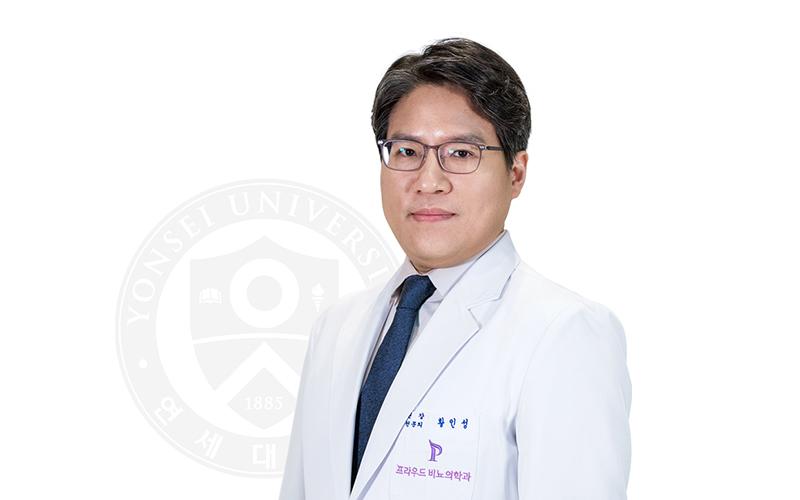
| Proud Urology Clinic | Proud Urology Clinic is a men’s health–focused urology clinic in Korea, established in 2016 and committed to delivering high-quality care supported by JCI accreditation and professionally trained staff. For men seeking evaluation of urinary symptoms that can be associated with benign prostatic hyperplasia (BPH), the clinic provides a specialized environment where patients can discuss concerns discreetly and receive care centered on safety and clinical standards. Alongside urologic consultation, Proud Urology Clinic offers a broad range of specialized men’s procedures spanning men enhancement and sexual health (including penis enlargement surgery, erectile dysfunction surgery with penile implants when indicated, and premature ejaculation treatment), fertility-related procedures (vasectomy and vasectomy reversal), and circumcision. The clinic also provides reconstructive options such as penile curvature correction, vaseline removal, and scrotal reconstruction, as well as body contouring procedures like liposuction and male breast reduction, plus STD/STI testing and treatment and HPV vaccination as part of comprehensive men’s health services. | - Penis enlargement surgery - Erectile dysfunction surgery with penile implants when indicated - Premature ejaculation treatment - Vasectomy and vasectomy reversal - Circumcision - Penile curvature correction - Vaseline removal - Liposuction - Male breast reduction - STD/STI testing and treatment - HPV vaccination |
Stantop Urology & Andrology
StanTop Urology & Andrology Clinic is a specialized urology and andrology medical institution focused on improving quality of life for patients in Korea and from abroad through advanced, experience-based care. With separate consultation and treatment rooms for men and women, the clinic prioritizes comfort and privacy at every step. For patients seeking evaluation and treatment for Benign Prostatic Hyperplasia (BPH), StanTop combines fast, thorough diagnostic pathways with a full range of treatment options—from medication to minimally invasive procedures and surgery—supported by deep clinical experience. Recognized by KBS, and backed by over 100,000 patient consultations and 40,000 surgeries, StanTop is positioned as a trusted choice for men who want accurate diagnosis, discreet care, and effective symptom relief.
- Specialized prostate care, including dedicated BPH treatment options (medication, minimally invasive procedures, and surgery) tailored to symptom severity and patient needs
- One Day Prostate Check-Up for fast, comprehensive assessment of prostate health (including PSA testing and digital rectal examination)
- High-trust track record with over 100,000 consultations and 40,000 surgeries performed, reflecting extensive clinical experience
- KBS-recognized clinic, reinforcing credibility and public trust
- Privacy-first system with separate consultation and treatment rooms for men and women
- Ability to address related male health concerns in the same clinic when needed (e.g., erectile dysfunction treatments such as shockwave therapy, stem cell therapy, or implants; STD check-ups; vasectomy), supporting continuity of care
- VIP service available with personalized care and dedicated facilities for patients who want an elevated level of privacy and comfort
You can check out their website here: Stantop Urology & Andrology Website
GoldMan Urology Clinic - Incheon
GoldMan Urology Clinic - Incheon is a renowned urology clinic known for advanced, state-of-the-art treatments delivered with a patient-oriented approach. For men experiencing Benign Prostatic Hyperplasia (BPH), the clinic provides specialized care focused on relieving urinary symptoms caused by benign prostate enlargement, with treatment options tailored to severity—from medication management to advanced surgical procedures—while prioritizing patient safety, comfort, and overall satisfaction.
- Specialized BPH treatments designed to alleviate symptoms of benign prostate enlargement
- A full spectrum of BPH care, ranging from medication management to advanced surgical procedures based on symptom severity
- Advanced urological expertise supported by a broad procedural portfolio, including non-scalpel vasectomy and laser circumcision
- Patient-oriented care model with strong emphasis on safety, comfort, and satisfaction
- Focus on modern, precision-based techniques, reflecting the clinic’s commitment to up-to-date urological treatment options
Find more about this clinic here: GoldMan Urology Clinic - Incheon Website
Proud Urology Clinic
Proud Urology Clinic is a men’s health–focused urology clinic in Korea, established in 2016 and committed to delivering high-quality care supported by JCI accreditation and professionally trained staff. For men seeking evaluation of urinary symptoms that can be associated with benign prostatic hyperplasia (BPH), the clinic provides a specialized environment where patients can discuss concerns discreetly and receive care centered on safety and clinical standards.
Alongside urologic consultation, Proud Urology Clinic offers a broad range of specialized men’s procedures spanning men enhancement and sexual health (including penis enlargement surgery, erectile dysfunction surgery with penile implants when indicated, and premature ejaculation treatment), fertility-related procedures (vasectomy and vasectomy reversal), and circumcision. The clinic also provides reconstructive options such as penile curvature correction, vaseline removal, and scrotal reconstruction, as well as body contouring procedures like liposuction and male breast reduction, plus STD/STI testing and treatment and HPV vaccination as part of comprehensive men’s health services.
Find more about this clinic here: Proud Urology Clinic Website
The UroLift Journey for Medical Tourists in South Korea
Why South Korea for UroLift?
South Korea is a top destination for medical tourists, thanks to its advanced healthcare system, focus on patient comfort and privacy, and expertise in minimally invasive procedures like UroLift. Clinics offer thorough evaluations, including detailed histories, physical exams, and advanced diagnostics. The quick recovery from UroLift also means less time away from home, making it ideal for international patients.
Step-by-Step Process for International Patients
1. Initial Consultation and Pre-operative Evaluations:
Your journey starts with a urologist consultation, usually included in the overall cost. Pre-op evaluations follow, including medical history, medication review, blood tests, EKG, and imaging. You’ll get clear instructions on how to prepare.
2. The Procedure Day:
UroLift is performed in an outpatient setting, often under local anesthesia with sedation. The procedure takes less than an hour, with implant placement lasting just a few minutes.
3. Post-Procedure Care and Immediate Recovery:
After the procedure, you’ll be monitored for a few hours. Most patients return to daily activities in a few days, with mild symptoms like soreness or burning resolving within a week.
4. Follow-up and Long-term Management:
Follow-up visits are part of the package, ensuring the procedure’s success and addressing any lingering symptoms. All-inclusive pricing and clear planning help reduce stress for international patients.
Cost Analysis: UroLift Procedure in South Korea vs. Global Options
Detailed Breakdown of UroLift Costs in South Korea
In South Korea, UroLift typically costs $3,000 to $6,000 USD (about 4,360,000 to 8,720,000 KRW). This usually covers consultations, pre-op tests, implants, the procedure, and post-op care. A deposit of around 10% ($300–$600) is often required.
Costs can vary by hospital, the number of implants (usually 6–8), and other factors. It’s important to distinguish UroLift from “Prostatectomy” procedures, which are more invasive and much more expensive.
Table: UroLift Cost Comparison for Medical Tourists
| Country | Estimated Cost Range (USD) | Notes/Caveats |
|---|---|---|
| South Korea | $3,000 - $6,000 | Includes consultation, pre-op tests, implants, procedure, and post-op care. |
| USA | $6,749 - $11,257 | Varies by number of implants, facility fees, and anesthesia type. |
| United Kingdom | ~$4,500 | Self-pay price; varies by number of clips and applicators. |
| Australia | ~$2,425 (Surgeon's Fee) | Surgeon’s fee only; does not include other fees or implants. Often covered by private insurance. |
| Canada | Not explicitly stated | Not covered by public/private insurance; out-of-pocket costs discussed during consultation. |
Factors Influencing the Total Cost (Beyond Base Price)
- Number of Implants: Most need 6–8, but more may be required, each costing around $1,000.
- Anesthesia Type: Local anesthesia is usually included; general or spinal may cost extra.
- Facility Fees: Office-based procedures are cheaper than hospital-based ones.
- Pre-op and Post-op Care: Often included in South Korea, but may be billed separately elsewhere.
- Travel and Accommodation: Don’t forget to budget for flights, lodging, and daily expenses.
- Insurance Coverage: Coverage varies widely; in some countries, UroLift isn’t covered, leading to higher out-of-pocket costs.
Patient Experiences and Outcomes with UroLift
Real-World Patient Testimonials and Satisfaction
Patients overwhelmingly report “fantastic results” and a big boost in quality of life after UroLift. Many return to normal activities within days, avoiding the pain, long recovery, and sexual side effects common with other surgeries. Testimonials often mention feeling “like 40 again” and praise the professionalism and care of medical teams.
Clinical Evidence: Improvements in Symptoms (IPSS), Quality of Life, and Urinary Flow
Clinical studies back up these stories, showing rapid and lasting improvements in BPH symptoms, urinary flow, and quality of life for up to five years.
- IPSS Improvement: Significant symptom relief within two weeks, with better results at one year than with medication.
- Quality of Life: IPSS QoL and BPH Impact Index scores improve by about 50% and stay that way for five years.
- Flow Rate (Qmax): Average improvement of 3.5 mL/sec (44%), sustained for five years.
Impact on Sexual Function and Retreatment Rates
UroLift’s big advantage is preserving sexual function—studies show no new or lasting erectile or ejaculatory dysfunction. The retreatment rate is low (about 13.6% over five years, or 2–3% per year), meaning most patients don’t need further procedures. The safety profile is excellent, with no additional surgeries needed for complications like bladder neck contracture or significant bleeding in the first year.
Conclusion: Making an Informed Decision
The UroLift System is a minimally invasive, effective option for men with bothersome benign prostatic hyperplasia symptoms, offering quick recovery and preservation of sexual function. Clinical studies and patient experiences confirm its long-term benefits and safety. South Korea stands out as a cost-effective, high-quality destination for UroLift, with streamlined care for international patients. Always consult a qualified urologist to determine if UroLift is right for your specific needs.