
Medical Tourism Blog
Petit Vaginal Plastic Surgery in Korea: Methods, Recovery, Safety and Travel Planning
Table of contents
- Petit Vaginal Plastic Surgery at a Glance
- What Is Petit Vaginal Plastic Surgery?
- Who Is a Good Candidate for Petit Vaginal Plastic Surgery?
- How Is Petit Vaginal Plastic Surgery Performed?
- Why Visit Korea for Petit Vaginal Plastic Surgery?
- Key Information for International Patients
- Which Are the Best Clinics in Korea for Petit Vaginal Plastic Surgery?
- Petit Vaginal Plastic Surgery From Start to Finish
- Alternatives to Petit Vaginal Plastic Surgery
- How Can I Prepare for Petit Vaginal Plastic Surgery?
- Aftercare Advice
Considering treatment in Korea? Everything you need to know e.g. — how to avoid scams, visas, interpreters, recovery tips — in our Medical Tourism Master Guide. Plan with confidence in minutes, not weeks!
Last updated: September 2026
Petit Vaginal Plastic Surgery at a Glance
- Not one defined procedure — “Petit Vaginal Plastic Surgery” is a marketing umbrella term that can mean surgical perineoplasty or vaginoplasty, radiofrequency or laser treatment, injections, or a combination; obtain the exact clinical plan before consenting or traveling.
- Best for a documented concern — A limited surgical repair may suit adults with a confirmed widened vaginal opening, healed perineal scar, or perineal-body defect, but prolapse, urinary or bowel leakage, infection, pelvic pain, and menopause-related symptoms need diagnosis-specific care instead.
- Surgery requires 6–8 weeks of healing — After perineoplasty or similar surgical repair, activity is commonly limited for at least 4 weeks and vaginal penetration is usually avoided for at least 6 weeks; final scar maturation can take several months.
- Allow 7–10 days in Korea for surgery — International patients having surgical vaginal or perineal repair should generally stay at least 7–10 days for wound and urination review, or 10–14 days when general anesthesia, combined treatment, catheterization, or medical risks are involved.
- Non-surgical options do not repair anatomy — Radiofrequency, laser, PRP, and fillers may have shorter downtime but do not reconstruct a childbirth-related perineal defect; energy-based protocols may also require multiple sessions without an evidence-based maintenance schedule.
- Benefits and durability remain uncertain — “Vaginal laxity” has no uniform diagnostic standard, and studies use highly inconsistent measures; a Korean radiofrequency pilot included 30 participants, followed them for only 12 weeks, and did not show increased vaginal-pressure measurements.
- Verify Korea-specific provider eligibility — Check that the facility is registered in South Korea’s foreign-patient registration system, but recognize that registration supports international patient administration and does not prove a particular Petit treatment is effective or safer.
What Is Petit Vaginal Plastic Surgery?
Petit Vaginal Plastic Surgery is a marketing term for several cosmetic gynecology treatments, rather than one defined procedure. It aims to address concerns about vaginal opening width, perineal scarring, or perceived laxity after childbirth or injury. It can be surgical, minimally invasive, or non-surgical, depending on the exact treatment chosen.
Who Is a Good Candidate for Petit Vaginal Plastic Surgery?
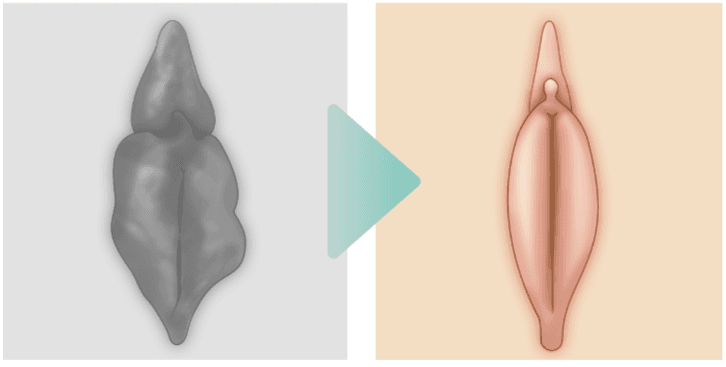
- Adults seeking a defined change — Good candidates have a persistent concern such as a widened vaginal opening, a healed perineal scar, or a suspected perineal-body defect, and want a specific assessment rather than a generic “tightening” package.
- People who have completed an appropriate pelvic assessment — Assessment should distinguish an opening or scar concern from prolapse, urinary or fecal leakage, infection, menopause-related tissue changes, pelvic-floor overactivity, vaginismus, or chronic pelvic pain.
- Patients considering a limited repair after childbirth or injury — A surgical perineoplasty or perineorrhaphy can be relevant when examination identifies a perineal defect or problematic scar; it is not a substitute for prolapse or incontinence treatment.
- People able to accept uncertain cosmetic and sexual outcomes — “Vaginal laxity” has no uniform diagnostic threshold. A review found 113 outcomes and 85 measurement tools across 74 studies, making method comparisons and durability claims difficult to interpret across the evidence base.
Pregnancy, possible pregnancy, or plans for a near-term vaginal birth are reasons to defer elective vaginal or perineal surgery until reproductive plans and postpartum recovery have been discussed. Active vulvovaginal, urinary, pelvic, or sexually transmitted infection; unexplained bleeding; a suspicious lesion; untreated cervical disease; or suspected malignancy require assessment and treatment first. Uncontrolled diabetes, bleeding disorders, significant anesthesia risk, immunosuppression, poor healing risk, and unmanaged anticoagulant or antiplatelet use can make treatment unsafe. Minors are not candidates except in a documented reconstructive or medical context under specialist and safeguarding standards. ACOG advises screening for coercion, unrealistic expectations, and psychological concerns that materially affect informed consent.
How Is Petit Vaginal Plastic Surgery Performed?
“Petit Vaginal Plastic Surgery” is not a defined operation, device indication, or diagnosis. Clinics must identify the precise anatomy, technique, and intended outcome before consent, because the following approaches have different recovery, risks, and evidence.
- Surgical perineoplasty or perineorrhaphy — The surgeon repairs the perineal body and may remove or rearrange posterior vaginal and perineal tissue, usually closing the area with absorbable sutures. This is the relevant approach for a documented widened introitus, scar, or perineal-body defect.
- Posterior vaginoplasty or colpoperineoplasty — This is a more extensive posterior vaginal and perineal reconstruction. It requires a clear anatomical indication and is not interchangeable with a simple office treatment.
- Intravaginal radiofrequency or fractional laser — These energy-based protocols are marketed for vaginal laxity but do not reconstruct perineal anatomy. A small Korean pilot used two radiofrequency sessions three weeks apart in 30 participants, with follow-up only to 12 weeks and no increase in vaginal-pressure measurements; it cannot establish long-term effectiveness or comparative safety from this limited study.
- Injection-based services — PRP, fillers, and G-spot injections are sometimes included on cosmetic-gynecology menus. They do not repair childbirth-related perineal anatomy, and peer-reviewed outcome information for G-spot amplification and similar services is scant according to ACOG.
- Combined treatment — A clinic may combine surgery with an energy-based or injection treatment. Obtain written justification for each component; combination treatment changes cost, restrictions, healing expectations, and attribution if a complication occurs.
Why Visit Korea for Petit Vaginal Plastic Surgery?
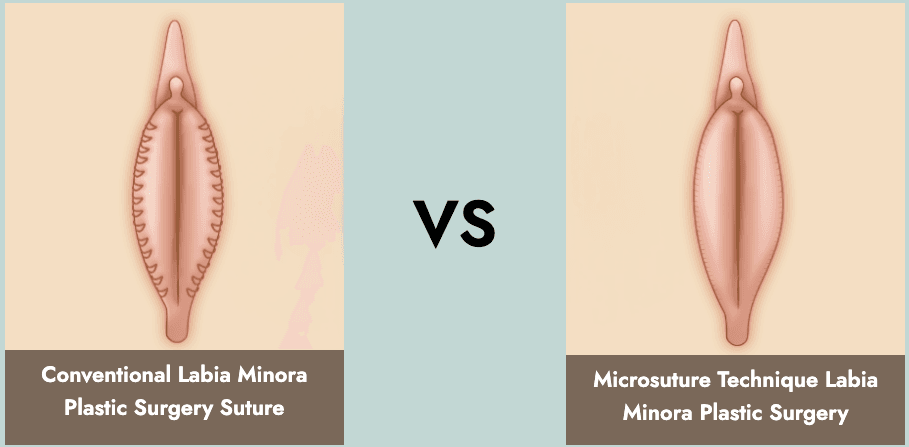
Korea has a formal system for institutions that attract foreign patients, which is useful for checking a provider’s administrative eligibility. It does not validate the vague “Petit” label or prove that a particular treatment is effective. No robust comparative evidence shows superior Korean safety, sexual-function, complication, or durability outcomes for this umbrella category.
- Foreign-patient registration — Verify that the institution participates in South Korea’s foreign-patient registration system rather than relying on marketing claims alone.
- Patient-management standards — Medical Korea describes hospital-serving accreditation that assesses areas including foreign-patient management, interpretation, medication handling, infection control, facilities, and patient-safety systems. These systems support care coordination but do not replace procedure-specific consent.
- Precise treatment verification — Korean marketing can use “female petit plastic surgery,” “vaginal plastic surgery,” and cosmetic-gynecology labels inconsistently. One directory even uses the term differently from other listings, illustrating why the marketing label needs translation into an exact clinical plan before travel.
- Evidence limitation — The identified Korean radiofrequency research was a small, uncontrolled, short-term pilot. It is not evidence that Korea offers a better energy-device outcome than other countries or that the approach is durable.
Key Information for International Patients
- Minimum local stay — For a genuinely non-surgical session, allow 2–3 days only after the clinician confirms uncomplicated recovery. For surgical perineal or vaginal repair, plan at least 7–10 days in Korea for early wound and voiding review; 10–14 days is more prudent after general anesthesia, catheterization, combined surgery, medical comorbidity, or wound concerns.
- Flight timing — Do not take a long-haul flight until mobile, urinating normally, pain is controlled, and the operating clinician has specifically cleared travel. The procedure name alone cannot set a safe flight date.
- Repeat visits — Energy-based protocols often involve multiple sessions, but no universal schedule or maintenance interval is supported by current evidence. Confirm the number of sessions, intervals, and whether a later session can be completed at home.
- Recovery restrictions — After surgical repair, healing commonly takes 6–8 weeks. Activity is commonly restricted for at least four weeks, and vaginal penetration is generally avoided for at least six weeks in standard perineoplasty recovery guidance.
- Remote follow-up — Arrange a clinician at home before travel. Leave Korea with the operative note, anesthesia record, medication list, pathology report if tissue was sent, device and treatment record where relevant, and a written plan for urgent symptoms.
- Itinerary impact — Surgical recovery is incompatible with a busy sightseeing schedule, long walks, cycling, heavy luggage, spas, or activities that increase perineal pressure. A short office procedure is less disruptive, but spotting, discharge, discomfort, and post-treatment restrictions still need room in the itinerary.
Travel note: Book flexible flights and accommodation. A wound concern, difficulty urinating, or anesthesia-related recovery issue can require a longer stay.
Which Are the Best Clinics in Korea for Petit Vaginal Plastic Surgery?
Listed below are some of the best clinics in Korea for petit vaginal plastic surgery.
1. SH Clinic
You may consider SH Clinic for petit vaginal plastic surgery because its gynecology service includes vaginoplasty, vaginal fillers, stem-cell injections, vaginal HIFU, vaginal tightening, and implant surgery, with procedures performed directly by an experienced board-certified gynecologist who has received a Minister of Health and Welfare commendation.
- URL: SH Clinic Website
- Location: Seocho-gu, Seoul
- Vaginal options:
- Vaginoplasty is offered to tighten the vaginal canal by reinforcing muscular and fascial layers.
- Non-surgical or less invasive options listed include vaginal fillers, stem-cell injections, HIFU laser treatment, and vaginal tightening.
- Vaginal HIFU uses focused ultrasound intended to promote collagen remodeling and improve elasticity.
- Gynecologic care:
- The clinic also provides cervical and ovarian cancer screening, urinary-incontinence care, and general gynecologic services.
- As a specialized women’s care clinic, it combines vaginal aesthetic options with broader gynecologic evaluation and treatment.
2. Okay Plastic Surgery Clinic
You can expect individualized aesthetic consultation at Okay Plastic Surgery Clinic, where a team that includes an experienced female plastic surgeon offers petit treatments such as Botox, fillers, medical skin care, and treatment for pigmentation, pores, acne, and scars. The provided information does not specifically list vaginal plastic surgery, so you would need to confirm whether a petit vaginal procedure is available and appropriate for your goals.
- URL: Okay Plastic Surgery Clinic Website
- Location: Gangnam-gu, Seoul
- Petit and skincare services: Listed services include Botox, fillers, medical skin care, and treatments for pigmentation, pores, acne, and scars.
- Related aesthetic services:
- The clinic also lists body contouring, breast procedures, lifting treatments, eye surgery, rhinoplasty, and scar or keloid care.
- Its stated approach emphasizes tailored treatment planning and specialized professional care.
3. Gangnam Esther Women's Clinic
You may consider Gangnam Esther Women’s Clinic for petit vaginal plastic surgery because it offers both surgical vaginoplasty and less invasive vaginal aesthetic treatments, including vaginal laser treatment, G-Shot filler injection, non-surgical labiaplasty, and stem-cell vaginal rejuvenation, alongside general gynecologic care.
- URL: Gangnam Esther Women's Clinic Website
- Location: Seocho-gu, Seoul
- Vaginal rejuvenation options:
- Vaginoplasty is offered to tighten the vaginal canal, including concerns associated with childbirth or aging.
- Vaginal laser treatment is listed for vaginal tissue rejuvenation and may address dryness, atrophy, and mild incontinence.
- The in-office G-Shot uses filler injection in the G-spot area and is described as having minimal downtime.
- Stem-cell vaginal rejuvenation is offered to support vaginal tissue elasticity and function.
- Intimate aesthetic procedures:
- Options include labiaplasty, clitoral hood reduction, hymen reconstruction, non-surgical labiaplasty, and mons pubis filler.
- Labiaplasty with stem cells is also listed as an option intended to support healing and aesthetic results.
- Women’s health support:
- The clinic provides care for vaginitis, sexually transmitted infections, cystitis, pregnancy planning, contraception, HPV, and cervical-cancer screening.
- Women’s health checkups include general, pre-wedding, and menopause-focused assessments.
Petit Vaginal Plastic Surgery From Start to Finish
- Remote consultation and records review — Request an English-language or interpreter-supported video consultation. Send a medication and allergy list, prior obstetric and gynecologic operative reports, relevant cervical-screening results, and details of urinary, bowel, prolapse, pain, or sexual symptoms.
- Written treatment definition — Obtain the exact clinical procedure name, target anatomy, whether treatment is surgical, energy-based, injection-based, or combined, device manufacturer and model where relevant, clinician specialty, anesthesia plan, expected restrictions, and complication plan. Do not book on the basis of “Petit Vaginal Plastic Surgery” alone.
- In-person examination — The clinician confirms the anatomical concern and checks for infection, abnormal bleeding, prolapse, pelvic-floor dysfunction, pain disorders, or incontinence that require different care. Testing depends on findings, medical history, and planned anesthesia.
- Consent and treatment planning — Discuss realistic outcomes, alternatives, risk of scarring or excessive narrowing, possible pain with intercourse, and the limited quality of evidence for many cosmetic vaginal procedures. Surgical treatment may use local anesthesia with sedation, regional anesthesia, or general anesthesia according to its extent.
- Procedure day — Surgical repair involves planned tissue repair and absorbable sutures. Radiofrequency or laser treatment is performed as an office protocol directed at vaginal tissue rather than an anatomical surgical repair. Duration depends entirely on the exact treatment and whether it is combined with another procedure.
- Recovery and discharge — Surgical discharge requires stable observations, controlled pain or nausea, safe mobility, and normal or safely managed urination. Receive written medication, hygiene, activity, contact, and emergency instructions before leaving.
- Local review before departure — Attend the planned wound and voiding review, often around postoperative day 5–7 for surgical travelers when consistent with the surgeon’s protocol. The clinician decides whether healing supports long-haul travel.
- Overseas follow-up — Send requested wound photographs or symptom updates through the clinic’s secure channel and attend arranged home-country care. Report fever, heavy bleeding, foul discharge, wound separation, inability to urinate, worsening pain, chest symptoms, or calf swelling urgently.
Alternatives to Petit Vaginal Plastic Surgery
Conservative care is generally the better first step when symptoms could arise from pelvic-floor dysfunction, urinary problems, menopause-related tissue change, pain, or sexual distress. Surgery can address a documented structural concern, while non-surgical treatments have shorter downtime but do not create the same anatomical repair and have less certain durable benefit.
Pelvic-floor physiotherapy
- Best fit — Pelvic-floor muscle training and specialist physical therapy are particularly relevant for coordination problems, urinary symptoms, pelvic pain, or postpartum functional concerns.
- Evidence tradeoff — A 2026 review concluded that pelvic-floor muscle training should be first-line and reported that it was favored over radiofrequency at six months in the only direct trial reviewed by the authors.
Perineoplasty or perineorrhaphy
- Best fit — Consider perineoplasty when examination documents a perineal scar, defect, or widened opening that conservative care cannot address.
- Tradeoff — This is a defined repair with a 6–8 week healing course, rather than a short office procedure.
Vaginoplasty
- Best fit — Vaginoplasty can be considered for selected patients needing a more extensive posterior vaginal and perineal reconstruction.
- Tradeoff — It has a larger surgical commitment and should not be chosen simply because a clinic uses a broad “tightening” label.
Energy-based vaginal treatment
- Best fit — Laser vaginal rejuvenation is marketed for patients who prefer no incision and accept that treatment does not repair perineal anatomy.
- Evidence tradeoff — Observational studies have reported improvement, but randomized-trial findings have not consistently confirmed benefit; a 2024 review found no improvement in the randomized-trial subset for vaginal laxity outcomes.
Condition-specific gynecologic care
- Best fit — Confirmed incontinence, prolapse, infection, dermatologic disease, menopause-related symptoms, or sexual pain needs diagnosis-led treatment, such as female incontinence treatment, urogynecology care, or sexual-medicine and pain assessment.
- Tradeoff — This approach treats the cause rather than pursuing cosmetic narrowing, but it may not alter the appearance or opening width sought in an aesthetic procedure.
How Can I Prepare for Petit Vaginal Plastic Surgery?

- Confirm the exact treatment — Get the complete written plan before paying for travel: clinical name, target anatomy, surgical versus device versus injection approach, anesthesia, expected local stay, restrictions, and emergency contact pathway.
- Disclose medicines and supplements — List anticoagulants, antiplatelet drugs, NSAIDs, diabetes and weight-management medicines, hormones, psychiatric medicines, herbal products, fish oil, vitamins, allergies, and prior anesthesia reactions. Do not stop prescribed medicines without instructions from the prescribing clinician and surgical or anesthesia team.
- Address nicotine exposure — Tell the surgeon about cigarettes, vaping, nicotine pouches, patches, or gum. Stop all nicotine for the surgeon’s specified perioperative interval; nicotine increases wound-healing risk.
- Screen for active problems — Report vaginal or urinary symptoms, abnormal bleeding, lesions, fever, pregnancy possibility, recent childbirth, pelvic pain, urinary or bowel leakage, and prior pelvic surgery. Do not proceed through an active infection or unexplained bleeding without assessment.
- Follow fasting instructions — For sedation or general anesthesia, follow the facility’s exact fasting and clear-liquid instructions. Do not assume an office treatment has the same requirements.
- Avoid alcohol and perineal irritation — Follow the clinic’s timeframe for avoiding alcohol. Avoid waxing, shaving cuts, harsh intimate products, douching, or unapproved vaginal products immediately before treatment unless the clinician directs otherwise.
- Plan practical support — Arrange transport after sedation or general anesthesia, a nearby private recovery space, loose clothing, pads, and a companion if the surgeon requires one. Do not plan to manage heavy luggage.
- Set up care at home — Identify a gynecologist or primary-care clinician at home for urgent support and provide them with the Korean clinic’s details if appropriate.
Travel note: Keep flights flexible and remain in Korea until the scheduled surgical review is complete and the operating clinician clears departure.
Confirm every clinic-specific requirement with the treating doctor; individualized instructions take precedence over general preparation guidance.
Aftercare Advice
Protect the repair or treated tissue from pressure, friction, infection, and premature vaginal contact until the treating clinician confirms healing.
- Protect the surgical area — Use pads, not tampons, for spotting. Avoid douching, fingers, sex toys, intercourse, cycling, heavy lifting, strenuous exercise, and other perineal strain until cleared; surgical guidance commonly restricts activity for at least four weeks and vaginal penetration for at least six weeks after perineoplasty.
- Prevent straining — Drink fluids, eat fiber, and use a clinician-approved stool-softening plan if prescribed. Constipation and forceful straining place pressure on a perineal repair.
- Manage comfort and hygiene — Take only prescribed or approved pain medicines. Follow the surgeon’s washing and wound-care instructions; do not apply creams, antiseptics, or intravaginal products unless specifically approved.
- Follow device-specific restrictions — After radiofrequency or laser treatment, confirm in writing when to resume sex, swimming, baths, heat exposure, exercise, and vaginal products. Warmth, mild spotting, discharge, or short-lived discomfort can occur, but protocols are not standardized.
- Know urgent warning signs — Seek urgent assessment for heavy bleeding, fever, foul discharge, pus, spreading redness, worsening pain, wound separation, inability to urinate, severe constipation with pain, medication reaction, calf swelling or pain, chest pain, or shortness of breath.
- Assess results at the right time — Swelling and tenderness can obscure surgical results early. Initial healing is usually 6–8 weeks, while scar maturation and final assessment can take several months. Do not judge a surgical result during the first weeks.
Follow the treating doctor’s instructions over this general guidance, attend all planned reviews, and contact the clinic promptly when anything appears wrong.
Frequently Asked Questions
Related Blogs
Discovering the Costs: Premarital Check-Up Prices in Korea vs. Global Alternatives
Discover the costs and benefits of premarital check-ups in Korea, an essential step for couples planning to tie the knot. Understand what tests are typically included and how these screenings can support a healthy start to married life.
Updated: Oct 21, 2026
Adenomyosis in Korea: Diagnosis, Fertility Decisions, and Treatment Options
Adenomyosis care begins with gynecologic assessment, ultrasound or MRI, and treatment selection based on symptoms, anatomy, anemia, and fertility goals. Options include medication, LNG-IUS, HIFU, UAE, adenomyomectomy, or hysterectomy, with travel-stay guidance, recovery planning, warning signs, and follow-up information for international patients.
Updated: Oct 21, 2026
Uterine Fibroids Treatment in Korea: Options, Recovery, Fertility, and Travel Planning
Uterine fibroid treatment includes medication, myomectomy, uterine artery embolization, focused ultrasound or radiofrequency ablation, and hysterectomy based on symptoms, fibroid mapping, and fertility goals. The article outlines candidacy, imaging and travel planning in Korea, recovery timelines, preparation, follow-up, and urgent warning signs.
Updated: Oct 21, 2026
Premarital Check-up in Korea: Tests, Fertility Screening, Travel Planning, and Results
A premarital check-up in Korea is a tailored outpatient consultation with selected preconception, STI, reproductive, and genetic tests based on each partner’s history and plans. Listed at KRW 1,600,000 (about USD 1,200), it typically requires one full day, with translated reports and remote results review to confirm before booking.
Updated: Oct 21, 2026
Clinics offering Petit Vaginal Plastic Surgery

SH Clinic: Comprehensive Women's, Men's & Couples' Health Services in Korea
Sinsa

Okay Plastic Surgery Clinic in Korea: Comprehensive Aesthetic Procedures with Sincerity and Care
Cheongdam

Ladyuro Women's Clinic in Korea: Premier Destination for Vaginal Rejuvenation and Aesthetic Enhancements
Sinsa

Gangnam Esther Women's Clinic in Korea: Comprehensive Women's Health, Aesthetic and Stem Cell Treatments
Sinnonhyeon Station