
Medical Tourism Blog
Asymmetrical Cheekbones Correction with Cheekbone Reduction Surgery in Korea
Table of contents
- Understanding Asymmetrical Cheekbones
- Cheekbone Reduction: A Detailed Medical Overview
- Best Clinics in Korea for Asymmetrical Cheekbones
- Conclusion
- References
Considering treatment in Korea? Everything you need to know e.g. — how to avoid scams, visas, interpreters, recovery tips — in our Medical Tourism Master Guide. Plan with confidence in minutes, not weeks!
Understanding Asymmetrical Cheekbones
Definition and Common Pseudonyms
Facial asymmetry means that the right and left sides of your face don’t match perfectly in size, shape, or feature placement. While everyone has some degree of asymmetry—thanks to genetics, aging, or lifestyle—most of the time, it’s so subtle that no one notices. But when these differences become more obvious, especially in areas like the cheekbones, it can affect how you feel about your appearance and your confidence.
It’s important to recognize the difference between normal, minor asymmetry and more pronounced differences that cause distress. While a little asymmetry is completely natural, the way it’s perceived and the emotional impact it has are what often drive people to seek solutions. So, when talking about asymmetrical cheekbones, it’s essential to validate both the medical definition and the personal experience of those who feel affected.
You might hear asymmetrical cheekbones called “uneven cheeks.” Medically, the cheekbone is known as the zygomatic bone (or zygoma) and also as the malar bone. That’s why you’ll also see terms like “zygoma asymmetry” or “malar asymmetry” used to describe this condition.
Causes and Contributing Factors
Asymmetrical cheekbones can be caused by a variety of factors, which are generally grouped into those present from birth or early development, and those that develop later in life.
Congenital and Developmental Factors: Genetics play a big role in facial symmetry. Some people inherit bone and muscle shapes that make their faces look uneven. Certain genetic conditions, like cleft lip and palate, craniosynostosis (premature fusion of skull bones), hemifacial microsomia (underdevelopment of one side of the face), and Goldenhar syndrome (affecting eyes, ears, and jaw), can cause noticeable asymmetry. Even things like pressure in the womb or slight differences in bone growth can contribute.
Acquired Factors: These develop over time.
- Aging: As we age, our skin loses elasticity and collagen, and the underlying tissues change. This can cause uneven sagging or wrinkling, making asymmetry more noticeable. Bone density and muscle tone can also change unevenly, and cartilage keeps growing, which can alter the shape of the nose and ears.
- Trauma or Injury: Injuries like fractures, deep cuts, or nerve damage from accidents can physically change the shape and position of facial bones and tissues, leading to asymmetry.
- Lifestyle Habits: Sleeping on one side, poor posture (especially from phone use), chewing on one side, smoking, and uneven sun exposure can all subtly affect facial symmetry over time.
- Dental Issues: Misaligned teeth, uneven jaw growth, dentures, veneers, or tooth loss can shift the jaw and facial alignment, making the face look lopsided.
- Medical Conditions: Some health issues can cause sudden or worsening facial asymmetry. Bell’s Palsy causes temporary facial paralysis, often on one side. A stroke can cause sudden drooping. Torticollis (twisted neck) in infants, muscle weakness, multiple sclerosis, or tumors can also lead to facial asymmetry.
When to Seek Medical Advice: Distinguishing Normal from Concerning Asymmetry
Most people have some facial asymmetry, and if it’s always been there and isn’t getting worse, it’s usually nothing to worry about. But if you notice a sudden or new change in your facial symmetry—especially if it comes with other symptoms—it could be a sign of a serious medical issue. For example, sudden drooping on one side of the face can be a sign of a stroke or Bell’s Palsy. Other warning signs include fever or twitching on one side of the face. Any facial injury, even if it seems minor, should be checked by a doctor to prevent complications and ensure proper healing.
It’s important to distinguish between long-standing cosmetic concerns and sudden changes that could signal a medical emergency. Cosmetic procedures can help with appearance, but they’re not a substitute for medical care if there’s an underlying health issue. If you notice new or sudden facial asymmetry, see a healthcare provider right away before considering cosmetic treatments.
Non-Surgical Approaches to Addressing Facial Asymmetry
If your facial asymmetry is mild to moderate and caused by muscle imbalances, volume loss, or minor structural differences, there are several non-surgical and minimally invasive options to consider:
- Injectables:
- Dermal Fillers: Hyaluronic acid-based fillers like Juvéderm or Restylane can add volume to sunken or uneven areas, helping to contour the face and create the illusion of symmetry.
- Anti-Wrinkle Injections (Neuromodulators): Botox can relax overactive muscles that contribute to uneven facial movements, softening asymmetry.
- Facial Exercises and Massage: Techniques like “mewing” (correct tongue posture) and facial massage can help with muscle tone and circulation, potentially improving balance.
- Orthodontics: If misaligned teeth or jaw growth are the main issues, orthodontic treatment can realign the teeth and jaws, improving facial symmetry.
- Other Minimally Invasive Procedures:
- Buccal Fat Removal: This surgery removes fat pads from the lower cheeks, creating a more contoured look and making cheekbones appear less prominent.
- Facial Liposuction: Removing excess fat from the cheeks can highlight natural bone structure and improve facial definition.
- Thread Lifting: Special threads are inserted under the skin to lift and tighten tissues, creating a more symmetrical appearance.
These non-surgical options can help achieve facial harmony by addressing soft tissue concerns, even if they don’t change the underlying bone structure. They’re less invasive than surgery and can be used alone or alongside surgical procedures for the best results.
Cheekbone Reduction: A Detailed Medical Overview
What is Cheekbone Reduction Surgery?
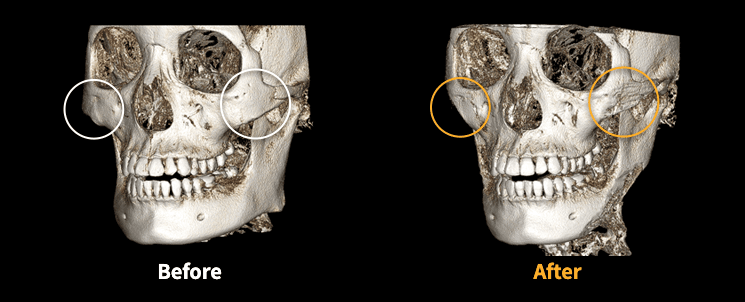
Cheekbone reduction surgery—also known as zygoma reduction plasty, malar reduction, or zygomatic reduction—is a cosmetic procedure designed to reduce the size and projection of prominent cheekbones. The goal is to create a more balanced, harmonious facial contour.
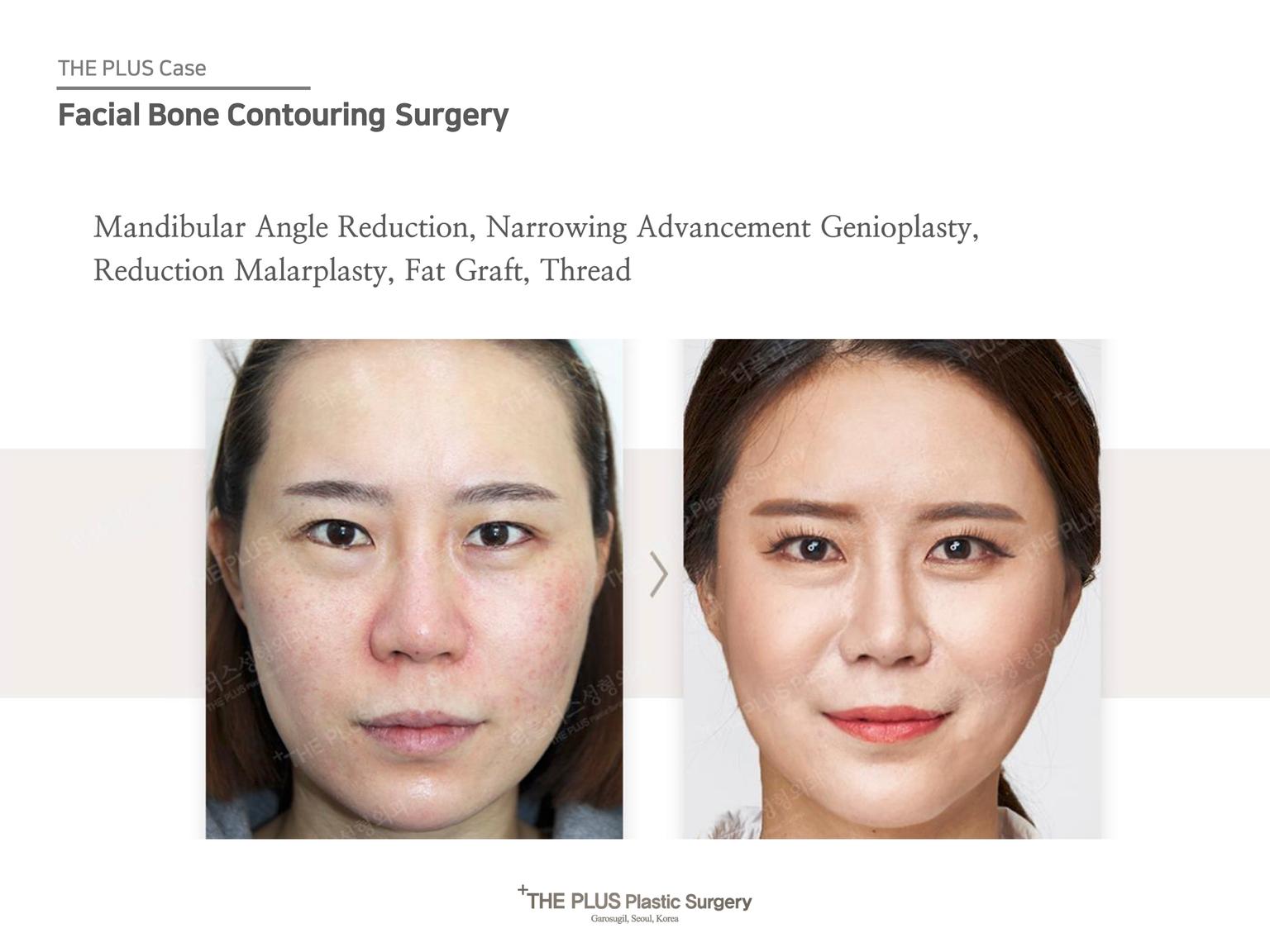
This surgery is popular among people who feel their cheekbones make their face look too wide, angular, or disproportionate. Many seek a softer, more oval, or feminine profile, which is especially valued in East Asian cultures. The procedure reshapes the underlying bone to address asymmetry and can enhance the appearance of other features, like the eyes. It’s often combined with other facial contouring surgeries, such as jaw reduction, for a complete transformation.
The popularity of cheekbone reduction in places like South Korea reflects cultural beauty standards that favor a slimmer, V-shaped face. If you’re considering this surgery, especially in a country with specific aesthetic ideals, it’s important to discuss your goals with your surgeon to ensure your expectations align with what’s possible.
Surgical Techniques Explained
Cheekbone reduction surgery involves removing or reshaping the zygomatic bones and surrounding tissues. Surgeons use precise techniques and place incisions strategically—often inside the mouth or along the hairline—to minimize visible scars.
The two main techniques are:
- Cheekbone Shaving (Corticotomy): This simpler method is used when only a small amount of bone needs to be removed. Incisions are made inside the mouth, and a special tool shaves down the outer layer of the cheekbone to reduce its projection.
- Cheekbone Osteotomy: This more complex procedure involves cutting the cheekbones and repositioning them. Excess bone may be removed, and the remaining bone is moved inward for a narrower profile. The bones are usually secured with plates and screws for stability. Variations include:
- L-shaped Osteotomy: Incisions inside the mouth and near the sideburn allow the bone to be cut in an L-shape and moved closer to the center of the face.
- Arched Osteotomy: A curved cut is made in the bone, which is then repositioned or partially removed.
- Two-Site Osteotomy and Rotation Method: Two incisions (one inside the mouth, one near the ear) allow the bone to be cut, rotated inward, and fixed with mini-titanium plates and screws.
- Other advanced techniques, like the M-shaped osteotomy, may be used depending on your anatomy and goals.
Some surgeons use plates and screws for fixation, while others rely on precise bone positioning and natural healing. Some clinics also use “natural adhesive fixation” and techniques to lift skin and muscle, aiming for a natural look and to prevent sagging.
Choosing the right technique depends on your unique facial structure, desired outcome, and the surgeon’s expertise. Surgeons with craniofacial experience are best equipped for these complex procedures. Advanced 3D imaging, like Vectra H1, helps with planning and simulating results, ensuring the best possible outcome and minimizing the risk of persistent asymmetry.
Best Clinics in Korea for Asymmetrical Cheekbones
Listed below are the best clinics in Korea for asymmetrical cheekbones:
| Clinic Name | Key Features | Special Techniques |
|---|---|---|
| THEPLUS Plastic Surgery | Combines advanced facial contouring expertise, exceptional surgical leadership, and a philosophy centered on natural balance rather than aggressive bone removal; at the heart is Dr. Kim, a board-certified plastic surgeon internationally recognized for facial contouring, rhinoplasty, and award-winning research on 3D implants; offers a safer, more refined alternative to traditional cheekbone reduction using a precise rotation and repositioning technique to move the cheekbone slightly forward and create a slimmer, more symmetrical facial line while preserving bone and supporting the skin’s natural firmness; emphasizes harmony, proportion, and long-term softness; customized procedure for larger bone structures; world-class Gangnam facility and comprehensive care from consultation to aftercare; leadership includes Dr. Jeong, President of the Korean Society of Plastic Surgeons | Precise rotation and repositioning technique to move the cheekbone slightly forward and create a slimmer, more symmetrical facial line while preserving bone and supporting the skin’s natural firmness; a safer, more refined alternative to traditional cheekbone reduction; customized for asymmetrical cheekbones and larger bone structures |
| Made Young Plastic Surgery Website | Premium clinic in Seoul’s Gangnam district known for facial contouring and anti-aging procedures, with particular expertise in cheekbone surgery for asymmetrical cheekbones; for successful cheekbone reduction, accurate osteotomy and stable fixation are essential to help prevent complications such as nonunion, sagging, or bone resorption; Ultra-Close Contact Cheekbone Reduction minimizes gaps between bone sections for more precise and stable fixation; offers screw-fixation and metal-free cheekbone reduction options; uses a 3D-CT precision diagnostic system to evaluate cheekbone prominence, overall facial proportions, and soft tissue structure to create a fully customized surgical plan; verified medical team with average of more than 15 years of experience; direct consultation and diagnosis from the medical team before surgery; safety is a major focus with on-site full-time anesthesiologists, 1:1 monitoring, cross-check emergency response system, and CCTV coverage; separate dedicated aftercare center | Ultra-Close Contact Cheekbone Reduction minimizes gaps between bone sections for more precise and stable fixation; screw-fixation and metal-free cheekbone reduction options; 3D-CT precision diagnostic system to evaluate cheekbone prominence, facial proportions, and soft tissue for a fully customized plan; dedicated aftercare center and strong safety measures |
| Mind Plastic Surgery Website | Mind Plastic Surgery, conveniently located near Sinnonhyeon Station in Seoul, is a full-service cosmetic and reconstructive clinic known for its personalized approach and broad surgical expertise; for patients concerned about asymmetrical cheekbones, it offers cheekbone reduction plus a complete range of facial contouring procedures, including square jaw reduction, chin surgery, weak chin correction, and V-line surgery; emphasizes evaluating overall facial balance rather than treating one area; experienced staff, individualized treatment planning, and a safe and comfortable environment; convenient location near Sinnonhyeon Station | Not only cheekbone reduction but a comprehensive facial contouring approach to assess how the cheekbones relate to the jaw, chin, and overall facial shape; procedures tailored to each patient’s facial structure, aesthetic goals, and reconstructive needs; access to additional refinement procedures such as square jaw reduction, V-line surgery, forehead reduction, and full-face fat grafting; experienced medical team; safe and comfortable clinical environment |
THEPLUS Plastic Surgery
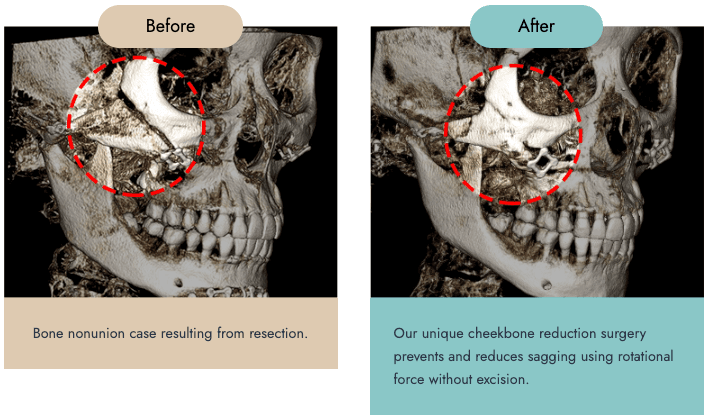
For patients seeking correction of asymmetrical cheekbones in Korea, THEPLUS Plastic Surgery stands out as a premier choice because it combines advanced facial contouring expertise, exceptional surgical leadership, and a philosophy centered on natural balance rather than aggressive bone removal. At the heart of this approach is Dr. Kim, a board-certified plastic surgeon internationally recognized for facial contouring, rhinoplasty, and award-winning research on 3D implants, who offers a safer, more refined alternative to traditional cheekbone reduction: instead of cutting away bone in a way that can lead to unwanted sagging or “cheek drooping,” he uses a precise rotation and repositioning technique to move the cheekbone slightly forward and create a slimmer, more symmetrical facial line while preserving bone and supporting the skin’s natural firmness. This method is especially valuable for asymmetrical cheekbones because it prioritizes harmony, proportion, and long-term softness of the facial contour, and for patients with larger bone structures, Dr. Kim carefully customizes the procedure for the most balanced result. THEPLUS further strengthens its reputation through its world-class Gangnam facility, comprehensive care system from consultation to aftercare, and a leadership team that includes Dr. Jeong, President of the Korean Society of Plastic Surgeons, whose global academic involvement reflects the clinic’s high standards, making THEPLUS an outstanding destination for patients who want expert, natural-looking correction of cheekbone asymmetry in Korea.
You can check out their website here: THEPLUS Plastic Surgery Website
Made Young Plastic Surgery
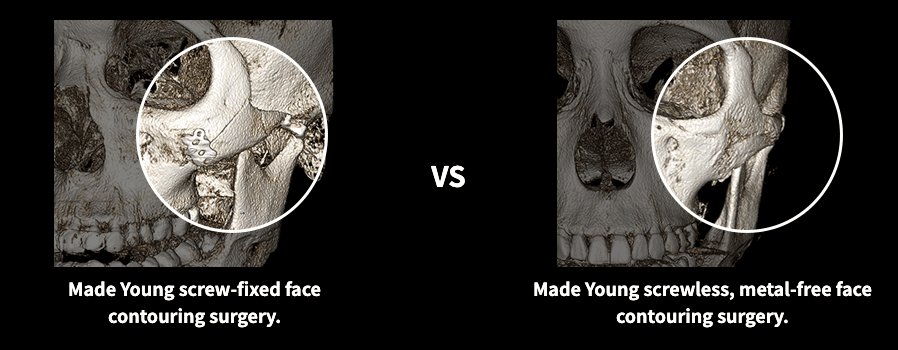
Made Young Plastic Surgery Clinic, located in Seoul’s Gangnam district, is a premium clinic known for facial contouring and anti-aging procedures, with particular expertise in cheekbone surgery for patients concerned about asymmetrical cheekbones. For successful cheekbone reduction, accurate osteotomy and stable fixation are essential to help prevent complications such as nonunion, sagging, or bone resorption. Made Young addresses this with its Ultra-Close Contact Cheekbone Reduction technique, which minimizes gaps between bone sections for more precise and stable fixation. The clinic also offers both screw-fixation and metal-free cheekbone reduction options, allowing treatment to be tailored to each patient’s needs. Using a 3D-CT precision diagnostic system, the medical team carefully evaluates cheekbone prominence, overall facial proportions, and soft tissue structure to create a fully customized surgical plan.
The clinic’s reputation is supported by a verified medical team made up of highly skilled doctors with an average of more than 15 years of experience, and patients receive direct consultation and diagnosis from the medical team before surgery. Safety is a major focus at Made Young, with full-time board-certified anesthesiologists on site, a 1:1 dedicated monitoring system, a cross-check emergency response system, and full CCTV coverage for transparency. Patients also benefit from a separate dedicated aftercare center that provides systematic postoperative care. Reflecting its standards, Made Young has received the 2022 Korea No.1 Award, 2022 Korea Customer Satisfaction 1st Place, recognition as an Outstanding Member of the Korean Society of Plastic and Reconstructive Surgeons, and certification from the Minimally Invasive Aesthetic Surgery Society.
You can check out their website here: Made Young Plastic Surgery Website
Mind Plastic Surgery
Mind Plastic Surgery, conveniently located near Sinnonhyeon Station in Seoul, is a full-service cosmetic and reconstructive clinic known for its personalized approach and broad surgical expertise. For patients concerned about asymmetrical cheekbones, the clinic is especially appealing because it offers not only cheekbone reduction but also a complete range of facial contouring procedures, including square jaw reduction, chin surgery, weak chin correction, and V-line surgery, allowing the medical team to evaluate overall facial balance rather than treating one area in isolation. Combined with its experienced staff, individualized treatment planning, and commitment to a safe and comfortable environment, Mind Plastic Surgery is a strong choice for patients who want refined, harmonious facial proportions.
Reasons Mind Plastic Surgery stands out for asymmetrical cheekbones:
• Specialized facial contouring options, including cheekbone reduction, make the clinic well suited for patients seeking correction of uneven or prominent cheekbones.
• A comprehensive treatment approach allows the team to assess how the cheekbones relate to the jaw, chin, and overall facial shape for more balanced results.
• Personalized care is a key strength, with procedures tailored to each patient’s facial structure, aesthetic goals, and reconstructive needs.
• The clinic offers both cosmetic and reconstructive procedures, which is important for patients whose asymmetry may involve functional or structural concerns as well as appearance.
• Patients benefit from access to additional facial refinement procedures such as square jaw reduction, V-line surgery, forehead reduction, and [full face fat grafting](/blog/full-face-fat-grafting-in-korea) when a more complete contouring plan is needed.
• An experienced medical team supports careful consultation and treatment planning, helping patients pursue natural-looking symmetry.
• The safe and comfortable clinical environment can make the treatment journey more reassuring, from consultation through recovery.
• Its convenient Seoul location near Sinnonhyeon Station makes the clinic accessible for both local and visiting patients seeking advanced facial contouring care.
Find more about this clinic here: Mind Plastic Surgery Website
The Process of Undergoing Cheekbone Reduction in South Korea (for Medical Tourists)
South Korea is a top destination for facial contouring surgeries, including cheekbone reduction, thanks to its advanced technology and skilled surgeons. Here’s what the process typically looks like for international patients:
1. Initial Consultation and Planning:
Start with an online consultation, often through a medical tourism agency. Your case is reviewed, and you’ll get recommendations on procedure types, recovery times, and pricing. You’ll also have a detailed consultation with a plastic surgeon, including 3D CT scans and imaging to assess your facial structure and simulate results.
2. Pre-Operative Preparation:
Once you decide to proceed, you’ll get pre-op instructions, including a medical history review, physical exam, blood tests, and possibly a chest X-ray or ECG (for those over 40). Avoid nicotine, alcohol, and certain medications before surgery. A deposit (about 10% of the total cost) is usually required to book your surgery.
3. Arrival and In-Person Consultation:
When you arrive in Korea, agencies help with airport transfers and accommodation. You’ll meet your surgeon in person to finalize the plan and ask any last questions. Translators are often provided to ensure clear communication.
4. The Surgical Procedure:
Cheekbone reduction is done under general anesthesia and takes 1–3 hours, depending on complexity. Incisions are usually inside the mouth, but sometimes small external incisions are made near the sideburn or ear. The surgeon performs the bone reduction and secures the bones as needed.
5. Post-Operative Care and Recovery:
- Immediate Post-Op: Expect discomfort, swelling, bruising, and tightness when opening your mouth. Pain is managed with medication, and antibiotics are given to prevent infection. A compressive dressing is applied for 3–5 days.
- Hospitalization and Diet: You may stay in the clinic for a day. A soft or liquid diet is recommended for 2–3 weeks, and good oral hygiene is essential if you have mouth incisions.
- Suture Removal and Follow-ups: External sutures (if any) are removed after 7–10 days. Regular follow-ups are important to monitor healing.
- Recovery Timeline: Most swelling and bruising fade in a few weeks, but full healing and final results can take 3–12 months. Light activities can resume in about a week, and you can return to work in 1–2 weeks. Avoid strenuous activity for 3–4 weeks.
- Travel Considerations: Plan for an extended stay in Korea for recovery. Agencies help with post-op care and accommodation.
Costs Associated with Cheekbone Reduction in South Korea and International Comparison
South Korea is known for expert care and competitive pricing for cosmetic surgery, making it a popular choice for medical tourists.
Cost Range in South Korea:
Cheekbone reduction surgery typically costs 5,500,000 KRW to 18,000,000 KRW (about $3,784 to $12,900 USD). The average is around 6,000,000 KRW ($4,600 USD). A 10% deposit is usually required to book your surgery.
Factors Influencing Cost:
- Surgeon’s Experience: More experienced surgeons may charge higher fees.
- Clinic Reputation: Well-known clinics often have higher prices.
- Surgery Complexity: The technique used, amount of reduction, and degree of asymmetry affect the cost.
- Package Inclusions: Many clinics offer packages that include the surgery, surgeon’s fees, anesthesia, hospitalization, consultations, translator services, airport transfers, and follow-ups. Some extras, like medications or caregiver fees, may not be included. Travel and accommodation are usually separate.
Cost Comparison with Other Countries:
| Country | Estimated Cost Range (USD) | Notes |
|---|---|---|
| South Korea | $5,000 - $10,000 | Often includes comprehensive care packages; high volume and efficiency keep costs down. |
Korean clinics often offer all-inclusive pricing, while Western clinics may add fees for anesthesia, staff, and VAT. This transparency and value make Korea especially attractive for medical tourists.
Ways to Lower Costs in Korea:
- Paying in Full: Some clinics offer up to 10% off for full upfront payment.
- Modeling for the Clinic: Agreeing to use your before-and-after photos for promotion can get you up to 50% off.
- Tax Refund: Foreigners can get a VAT refund when leaving Korea—keep your receipts and ask about eligibility.
Patient Experiences and Outcomes: Addressing Asymmetrical Cheekbones
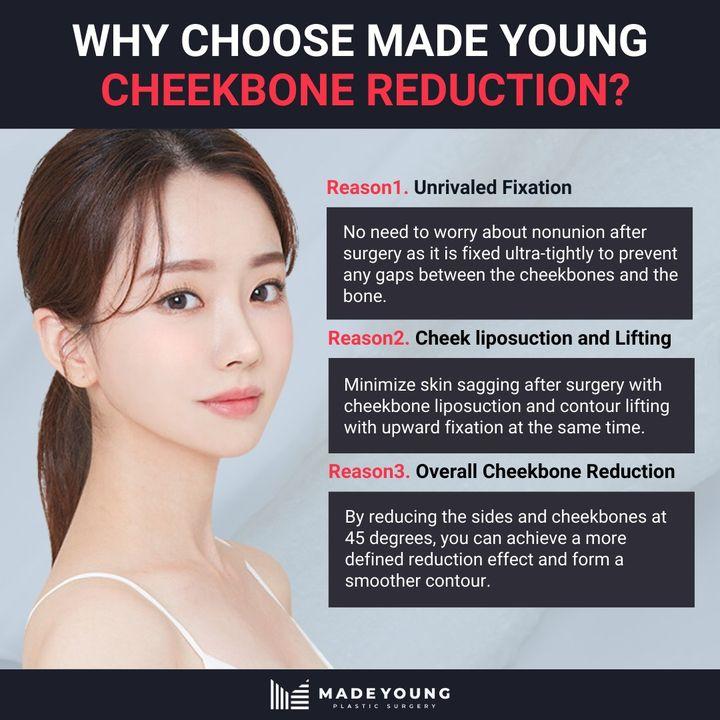
Many people choose cheekbone reduction surgery to correct asymmetrical cheekbones and achieve a more balanced look. The procedure smooths the transition from cheeks to jawline, enhancing overall symmetry.
Reported Outcomes:
- Softer, More Feminine Features: Reducing wide or angular cheekbones creates a more slender, refined appearance.
- Improved Balance and Harmony: The main goal is to correct unevenness, making the face look more symmetrical and enhancing other features.
- Increased Confidence: Many patients report feeling more confident and satisfied with their appearance after surgery.
While detailed testimonials about correcting uneven cheekbones are limited, overall satisfaction with zygoma reduction is high. Patients often praise the care, professionalism, and results, especially when working with experienced surgeons.
Recovery and Potential Risks: Recovery involves swelling, bruising, discomfort, and numbness, which are managed with medication and a soft diet. Most swelling goes down in a few weeks, but final results take several months. Risks include infection, bleeding, temporary or permanent numbness, contour irregularities, or persistent asymmetry that may require revision. Careful planning and skilled surgery are key to minimizing these risks.
Conclusion
Asymmetrical cheekbones are a common concern that can impact self-confidence, but a range of non-surgical and surgical solutions are available. Non-surgical options like fillers and buccal fat removal offer less invasive ways to improve facial balance, while cheekbone reduction surgery provides a permanent solution for more significant changes. South Korea stands out for its expertise, advanced technology, and competitive, all-inclusive pricing, making it a top choice for medical tourists. Ultimately, thorough research and consultation with qualified professionals are essential to achieving safe, satisfying results.
References
1, 2, 3, 4, 5, 6, 7, 8, 9, 10, 11, 12, 13, 14, 15, 16, 17, 18, 19, 20, 21, 22, 23, 24, 25, 26, 27, 28, 29, 30, 31, 32, 33, 34, 35, 36, 37, 38, 39, 40, 41, 42, 43, 44, 45, 46, 47, 48, 49, 50, 51, 52, 53, 54, 55, 56, 57, 58, 59, 60, 61, 62, 63, 64, 65, 66, 67, 68, 69, 70, 71, 72, 73, 74, 75, 76, 77, 78, 79, 80, 81, 82, 83, 84, 85, 86, 87, 88, 89
Frequently Asked Questions
Related Blogs
Global Cost Review: Why Double Jaw Surgery in Korea is Gaining Popularity Over the USA, Mexico, and Europe
Discover the cost of double jaw surgery in Korea, a popular destination for medical tourism due to its advanced healthcare facilities and skilled surgeons. Learn about the factors influencing the price, including hospital fees, surgeon expertise, and post-operative care options.
Updated: Oct 21, 2026
Salivary Gland Removal Surgery in Korea: Types, Risks, Recovery and Travel Planning
Salivary gland removal surgery includes submandibular, parotid, sublingual, and cosmetic partial reduction procedures, with diagnosis, anatomy, nerve risks, and pathology guiding the approach. Learn about candidate criteria, alternatives, preparation, aftercare, Korea stay planning, follow-up, and urgent warning signs.
Updated: Oct 21, 2026
Discover the Global Journey of Chin Surgery: Comparing Korea’s Costs to Top Destinations
Discover the factors influencing the cost of chin surgery in Korea, known for its advanced cosmetic procedures and competitive pricing. Learn what to expect, from consultation fees to post-operative care, to make an informed decision about undergoing chin surgery in this popular medical tourism destination.
Updated: Oct 20, 2026
Comparing Square Jaw Surgery Costs: Korea vs Global Destinations for Cosmetic Excellence
Discover the latest insights on the cost of square jaw surgery in Korea, exploring factors that influence pricing, including clinic reputation and surgical techniques. This comprehensive guide helps potential patients navigate their budgeting decisions for a transformative procedure.
Updated: Oct 19, 2026
Clinics offering Cheekbone Reduction

THEPLUS Plastic Surgery Korea | Eye, Nose, Face & Body Surgery
Sinsa

Made Young Plastic Surgery: Rejuvenating Aesthetic Excellence in Korea for Face Lifts, Contouring and More
Gangnam Station

Mind Plastic Surgery: Excellence in Cosmetic & Reconstructive Procedures in Korea
Sinnonhyeon Station
ID Hospital - Main Branch in Korea: Specializing in Safe & Customized Facial Plastic Surgery and Post-Care Services
Sinsa