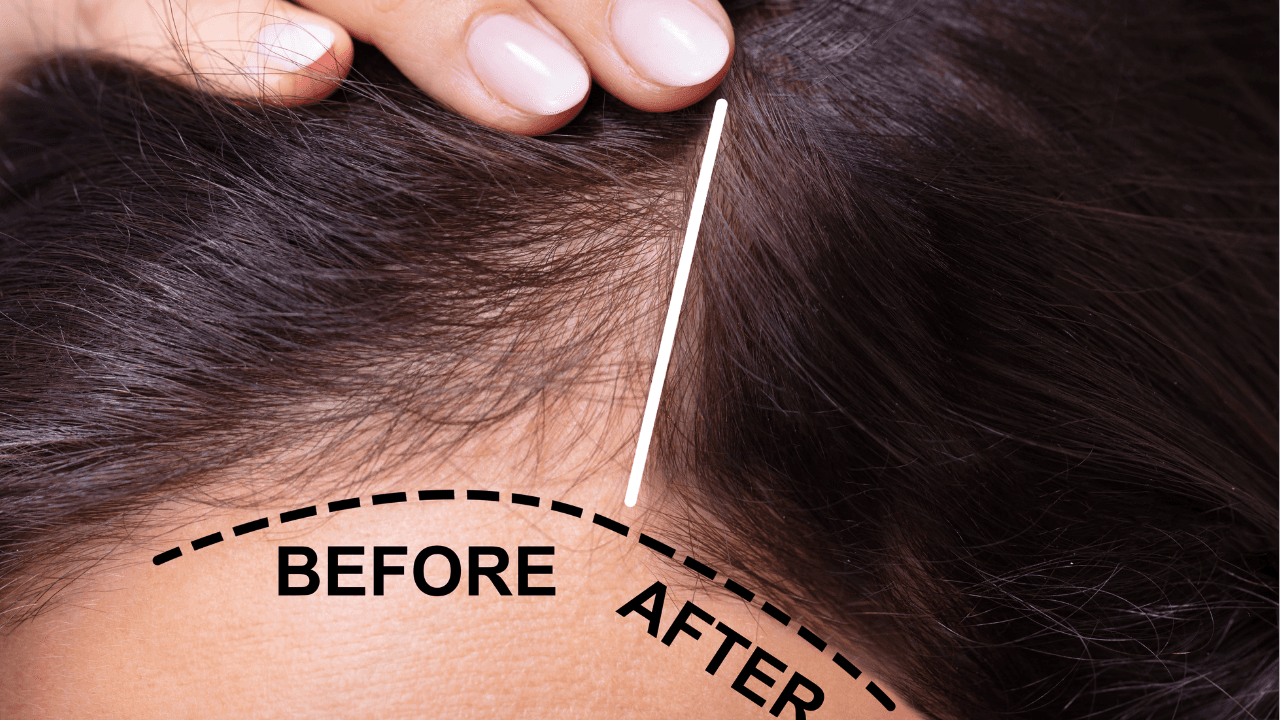
Hair loss treatment in Korea starts with scalp examination and trichoscopy, with medicines, PRP, LLLT, or testing selected according to the diagnosis. Costs are listed at ₩300,000–₩450,000 (about US$200–US$300); plan 1–3 business days and arrange local follow-up for ongoing care.
Updated: Oct 15, 2026
A full guide to getting liposuction in Korea. Including costs, best clinics and much more!
Breast augmentation places saline or silicone-gel implants through a planned incision and pocket to increase volume or improve contour, with selection based on anatomy, tissue coverage, and long-term care needs. International patients visiting Korea can find guidance on consultation, records, recovery, follow-up, travel timing, and warning signs requiring urgent assessment.
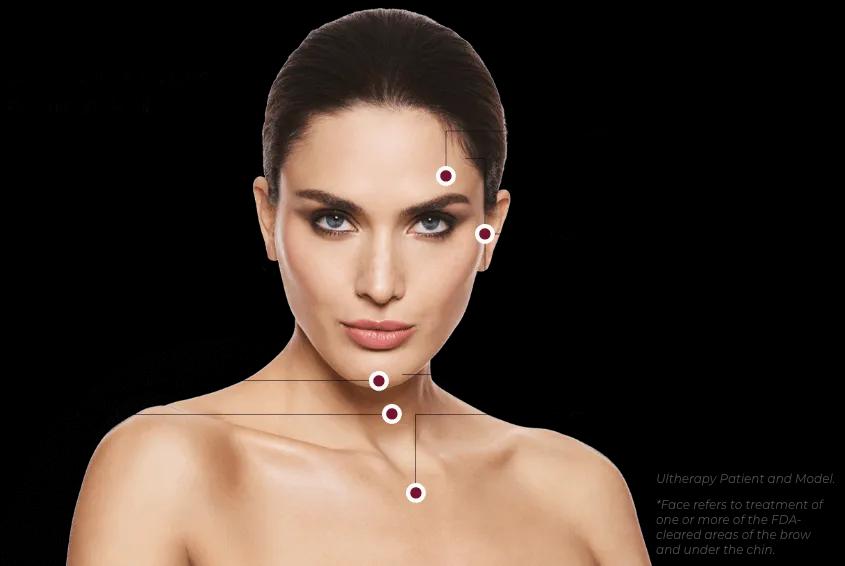
Ultherapy in Korea uses real-time ultrasound imaging to deliver targeted skin-tightening treatment for mild to moderate laxity. Learn candidate criteria, costs of ₩1,100,000–₩5,500,000, recovery, travel planning, aftercare, and follow-up.
Lymphatic drainage massage uses gentle, sequence-based movements and is usually part of complete decongestive therapy with compression, exercise, skin care, and self-management education. International patients should obtain medical screening, coordinate compression and follow-up care, and avoid treatment for new or rapidly worsening swelling until medically assessed.
Laser lifting may involve non-ablative fractional laser, ablative CO2 or Er:YAG resurfacing, or fiber-based Endolift for mild laxity, texture concerns, wrinkles, photoaging, and selected scars. The guide covers candidate screening, recovery and travel planning, procedure questions, preparation, aftercare, warning signs, and alternatives for significant skin laxity.
ADM-assisted breast augmentation or revision uses a decellularized matrix sutured inside the breast to reinforce weak implant pockets, improve thin-tissue coverage, or support selected recurrent capsular-contracture repairs. International patients should plan 10–14 days in Korea, obtain postoperative and flight clearance, avoid lifting and strenuous upper-body activity for roughly 4–6 weeks, and a
Vacuum therapy uses external suction or rollers to temporarily smooth cellulite appearance or reduce puffiness, with no anesthesia or formal downtime for mechanical-only sessions. International patients can usually plan a one-day visit, but should confirm the exact device and added technologies, expect possible redness or bruising, and obtain written aftercare and follow-up details.
XERF lifting uses monopolar radiofrequency delivered with gliding or stamping passes to gradually tighten mild-to-moderate facial and neck laxity without incisions or sedation. The article covers candidate screening, a two-session protocol four weeks apart, Korea travel planning, aftercare, warning signs, and alternatives such as ultrasound, fillers, threads, and surgery.
Join our trusted platform to effortlessly enhance your online visibility among those seeking top-quality medical care in Korea from abroad.