Hand filler uses hyaluronic acid or calcium hydroxylapatite to restore volume on the back of the hands, with assessment, injection, recovery, and follow-up guidance. International patients can find candidate criteria, safety exclusions, Korea travel planning, aftercare, and urgent warning signs.
Updated: Sep 28, 2026
Facial filler uses product-specific injectables to improve localized volume, contours, and static folds, with assessment, planned injection, recovery guidance, and follow-up. International patients can find candidate criteria, travel timing, preparation, aftercare, treatment records, alternatives, and urgent warning signs.
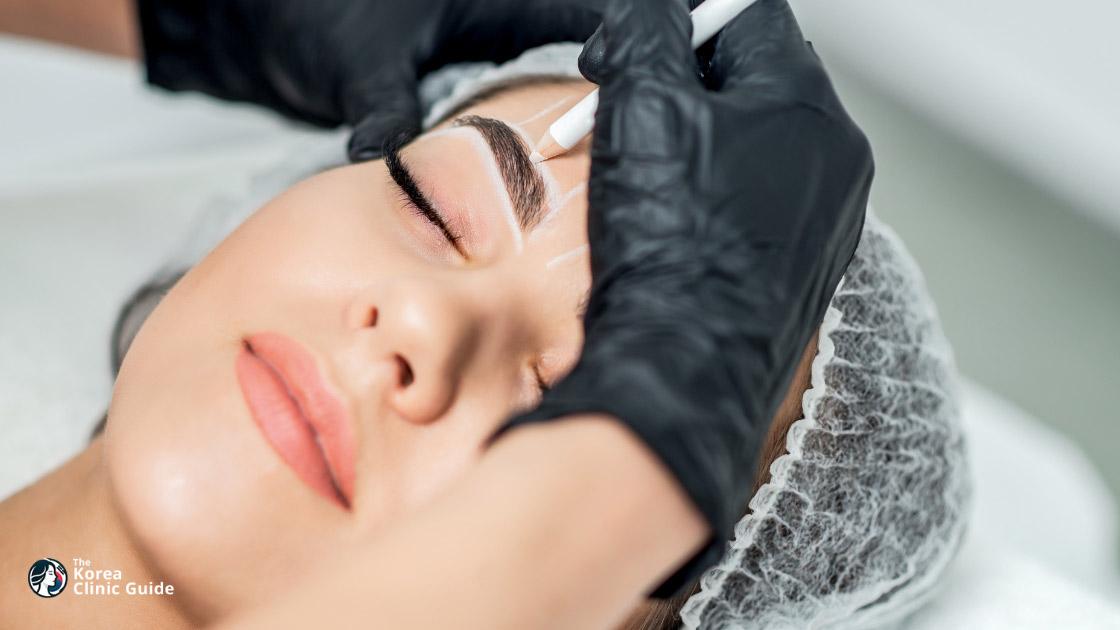
Microblading is cosmetic eyebrow tattooing that uses manual strokes, shading, combination work, or machine techniques to camouflage sparse brows; it does not regrow hair or treat eyebrow loss. In Korea, costs range from ₩600,000–₩2,000,000 (about US$400–$1,500), with guidance on provider verification, healing, travel planning, aftercare, and touch-up timing.
Neck filler uses HA injections for static horizontal creases, while biostimulatory or combination treatments may address crepiness, laxity, or platysmal bands. International patients should plan a three-day stay in Korea, obtain a complete product record, follow aftercare instructions, and seek urgent care for pain, skin-color changes, or rapidly increasing swelling.
Updated: Sep 27, 2026
Marionette line filler uses conservative hyaluronic-acid injections to soften lower-face creases, often by supporting the prejowl, chin, or jawline rather than filling lines alone. The article covers candidate screening, treatment steps, Korea travel planning, aftercare, emergency signs, and alternatives for jowls or significant skin laxity.
Smile line filler uses hyaluronic-acid gel placed conservatively in nasolabial folds, the cheek, or the paranasal area after an in-person assessment. The article covers candidacy, preparation, aftercare, warning signs, and travel planning for treatment in Korea.
Under-eye HA filler uses small, deep injections to soften tear-trough hollows, with midface support or staged correction considered when appropriate. International patients should plan 2–3 days locally, arrange follow-up, follow aftercare guidance, and seek urgent care for severe pain, skin-color changes, or visual symptoms.
Collagen filler treatment involves confirming the exact product, medical screening, possible allergy testing, outpatient injection, and follow-up planning. International patients should stay in Korea for 2–3 days, expect bruising or swelling for up to 1–2 weeks, and obtain emergency contacts and complete product records.
Double chin thread lifts use absorbable threads placed beneath the chin or along the jawline to support mild skin laxity and create subtle to moderate contour improvement. International patients should plan a 5–7 day stay with an in-person review, follow activity and aftercare restrictions, and arrange remote follow-up before travel home.
Join our trusted platform to effortlessly enhance your online visibility among those seeking top-quality medical care in Korea from abroad.