
Medical Tourism Blog
Discover Top Neck Lift Procedures for Under Chin Banding in Korea

Table of contents
Considering treatment in Korea? Everything you need to know e.g. — how to avoid scams, visas, interpreters, recovery tips — in our Medical Tourism Master Guide. Plan with confidence in minutes, not weeks!
Patients often look for ways to address the aesthetic issue known as "under chin banding," which shows up as horizontal or vertical lines beneath the chin. This guide offers a thorough overview for those researching this condition and exploring cosmetic treatments, focusing especially on neck lift procedures and the option of medical tourism in South Korea.
Lines or folds under the chin are a common cosmetic concern that can affect how old someone looks and how defined their jawline appears. Knowing what causes this condition is the first step toward finding effective treatments.
What is "Under Chin Banding"?
"Under chin banding" describes visible cords or folds on the neck, especially noticeable when clenching the jaw or smiling. Medically, these are called platysmal bands or platysma bands. They form due to contractions and looseness of the platysma muscle, the thin muscle layer covering the neck and lower face. While these bands don’t usually cause health problems, they can make the skin look saggy, create neck creases, and reduce jawline definition, leading to dissatisfaction with appearance.
Common Pseudonyms and Their Origins
Informally, "under chin banding" is often called "turkey neck", a term that vividly describes the sagging skin and visible bands resembling a turkey’s wattle. Though not a medical term, it’s widely recognized. Other nicknames include "sagging jawline" or "full-fledged gobbler." Surgical terms like "Feather lift," "short scar," or "J lift" may also appear, but these usually refer to facelift or neck lift variations.
Key Causes of "Under Chin Banding"
Under chin banding results from a mix of biological and external factors, not just aging alone.
The main cause is the aging process. Over time, skin loses elasticity and collagen production decreases, weakening skin structure. Gravity pulls skin downward, causing it to sag under the jawline and neck. The platysma muscle can also weaken or separate, making bands more visible.
Genetics also play a role. Some people inherit bone structures or skin types that make them more prone to excess neck tissue or fat, or thinner skin, leading to earlier or more noticeable bands.
Muscle activity contributes as well. Repeated platysma contractions from facial expressions or physical activities like weightlifting can make bands more prominent. A 2017 study showed that muscle use combined with aging significantly affects platysmal band visibility, meaning even fit individuals can develop them.
Other factors include weight changes, where gain increases neck fat and worsens banding, and lifestyle habits like smoking, sun exposure, and poor diet that reduce skin elasticity. Certain medications, such as some anti-HIV drugs and steroids, may also cause fat buildup in the neck area.
Understanding these combined causes helps patients see that under chin banding is a complex condition. While surgery targets visible signs, lifestyle changes can support results. Since the platysma muscle is central to this issue, treatments must address its condition and function.
The "Neck Lift" Procedure: A Detailed Medical Overview
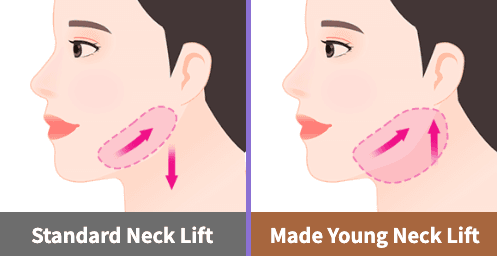
For those wanting a lasting fix for under chin banding and neck aging, a neck lift is a key surgical option. Here’s a detailed look at its purpose, techniques, and the surgical process, plus some non-surgical alternatives.
What is a Neck Lift?
A neck lift, also called platysmaplasty or cervicoplasty, is a cosmetic surgery that rejuvenates and reshapes the neck and jawline. It removes excess skin, tightens the platysma muscle, and eliminates fat deposits. The goal is a smoother, more defined neck contour with a sharper chin-to-neck transition, addressing sagging skin, "double chin," vertical neck bands ("turkey neck"), and wrinkles. The result is a youthful, natural look.
Types of Neck Lift Procedures and Techniques
Neck lifts vary widely and can be customized to each patient’s needs, from minimally invasive to comprehensive approaches.
- Platysmaplasty: Targets the platysma muscles causing vertical neck bands. Small incisions under the chin or behind the ears allow the surgeon to tighten and suture these muscles together (midline platysma plication), smoothing the neck and preventing future bands. It can be done alone or with other procedures.
- Cervicoplasty: Removes loose neck skin via incisions behind the ears or under the chin. The skin is tightened and sutured for a smoother look. This is ideal for significant skin laxity but doesn’t tighten muscles, so it’s often combined with platysmaplasty.
- Liposuction: Removes excess fat under the chin ("double chin") through small incisions. Younger patients with good skin elasticity may use liposuction alone, but it’s often combined with cervicoplasty or platysmaplasty.
- Traditional Neck Lift: The most extensive surgery, addressing skin, fat, and muscle laxity with longer incisions around the ears and under the chin. It offers dramatic, long-lasting results for moderate to severe aging signs.
- Limited Incision Neck Lift (Mini Neck Lift): A less invasive option with shorter incisions around the ears, suitable for mild to moderate sagging, with quicker recovery and less scarring.
Non-Surgical Alternatives
For mild concerns or those not ready for surgery, non-surgical options offer temporary improvements but usually require repeat treatments.
- Botox® Injections: Relax the platysma muscles to soften vertical bands temporarily, needing repeat injections every few months.
- Energy-Based Skin Tightening: Ultrasound or radiofrequency heats skin layers to stimulate collagen and tighten skin mildly over time.
- Injectable Double Chin Treatments: Kybella® dissolves fat cells under the chin to reduce fullness.
- Dermal Fillers: Sometimes used to add volume and improve "turkey neck" appearance, though less common for muscle bands.
- Thread Lifts: Dissolvable sutures lift sagging neck tissue but offer limited, short-term results (1-2 years).
- MyEllevate®: A minimally invasive suture system that supports the jawline and weakens platysmal bands, often combined with liposuction or skin tightening. It has limitations, such as not addressing extensive skin laxity or excess fat fully, and bands may remain or become more visible after fat removal.
The Surgical Process: Step-by-Step
Neck lift surgery usually takes 2 to 4 hours and follows these phases:
- Step 1: Initial Consultation: The surgeon evaluates neck anatomy, discusses goals, reviews medical history, and plans the best procedure(s). Clear communication sets realistic expectations.
- Step 2: Pre-Procedure Assessment: Blood tests and medical reviews ensure safety. Patients must stop smoking at least 6 weeks prior (ideally 7-14 days), avoid blood-thinning meds and supplements, and refrain from alcohol 3 days before surgery. Fillers may need dissolving 3 days ahead. On surgery day, patients wash thoroughly and fast as instructed.
- Step 3: Anesthesia: General anesthesia or IV sedation is administered, monitored by an anesthesiologist.
- Step 4: Incisions: Small, hidden incisions are made behind the ears and/or under the chin.
- Step 5: Tissue Manipulation: The platysma muscle is tightened (often midline plication), fat is removed or sculpted, and the neck contour refined.
- Step 6: Skin Redraping: Excess skin is trimmed and the remaining skin smoothed over the new contours.
- Step 7: Closure: Incisions are stitched and dressed to support healing and reduce swelling.
Choosing between surgical and non-surgical methods involves balancing invasiveness, cost, downtime, and result durability. Surgery offers significant, lasting improvements but requires longer recovery. Non-surgical options are less invasive but provide temporary, modest results. Strict adherence to pre-op instructions is vital for success, especially for medical tourists managing preparations remotely.
Medical Tourism in South Korea: Your Neck Lift Journey
South Korea is a global leader in cosmetic surgery, attracting many international patients. Here’s what medical tourists should know about getting a neck lift there.
Why Consider South Korea for a Neck Lift?
South Korea is renowned for:
- Highly skilled surgeons with decades of experience and international recognition.
- High medical standards, with many clinics accredited by bodies like Joint Commission International (JCI).
- Competitive pricing, often 30% less than Western countries like the USA, UK, and Australia.
- State-of-the-art facilities and advanced technology.
- Comprehensive patient support, including multilingual staff, medical coordinators, and translation services, creating a smooth experience.
The Process for International Patients
South Korea offers a well-structured, concierge-style process:
- Pre-Travel and Online Consultation: Patients submit photos and medical history via platforms like WhatsApp or WeChat. Multilingual consultants assess suitability and help plan travel and surgery dates.
- Arrival and In-Person Assessment: Patients arrange transport to accommodation. Clinics may offer airport shuttles. The in-person consultation includes medical photography, tests, surgeon evaluation, and payment discussions.
- Surgery Day Logistics: Patients change into hospital attire, confirm plans with the surgeon, and undergo surgery with anesthesiologist monitoring. Strict pre-surgery fasting and hygiene rules apply.
- Post-Operative Recovery and Follow-Up: Patients rest at their accommodation, wear compression bands for about 7 days, and attend follow-ups for stitch removal and healing checks. Clinics may offer additional therapies. A stay of 8-10 days is recommended for neck lifts to ensure proper recovery before travel.
Allowing enough recovery time in Korea is crucial to avoid complications and ensure proper follow-up care.
Essential Preparations and Documentation for Medical Tourists
- Documents: Prepare proof of income, insurance for the stay, passport valid for 6+ months, photos, and confirmed flights and hotels. Check visa requirements early.
- Logistics: Book accommodation near the clinic, pack loose button-up clothes, and bring sun protection. Consider bringing a support person.
- Financial Planning: Budget for surgery, flights, accommodation, medications (often billed separately), follow-ups, insurance, and visas. Clinics may coordinate basic care if early return is needed.
Cost Analysis: Neck Lift in South Korea vs. Global Destinations
Understanding costs helps patients make informed choices.
Average Costs of a Neck Lift in South Korea
Prices vary by clinic, surgeon, procedure type, and complexity:
- Neck lifts typically cost ₩4,000,000 to ₩8,000,000 KRW ($3,000 to $6,000 USD).
- Some sources cite $5,600 to $8,400 USD.
- Full face and neck lifts range from ₩12,000,000 to ₩20,000,000 KRW ($9,000–$15,000 USD).
- Neck fat removal (liposuction) alone costs ₩2,000,000 to ₩5,000,000 KRW ($1,500 to $3,800 USD).
Understanding What's Included in Neck Lift Packages
Typical packages cover surgeon fees, anesthesia, operating room, pre-op tests, consultations, post-op meds, initial follow-ups, and sometimes hospitalization. Accommodation and airport transfers are usually extra, though some clinics offer all-inclusive packages with lodging and therapies. Surgical fees and medication costs are often billed separately. Foreign patients can claim a VAT refund at departure.
Comparative Costs: South Korea vs. Key Global Destinations
| Country | Estimated Neck Lift Cost Range (USD) | Typical Inclusions (Medical Tourism Packages) | Potential Savings vs. US/UK (Approx.) | Key Value Proposition |
|---|---|---|---|---|
| USA | $17,500–$48,000 (Facelift, often includes neck lift) | Surgeon fees, anesthesia, operating room | N/A | Local convenience, established regulatory environment |
| UK | $13,300–$18,000 (Facelift, often includes neck lift) | Surgeon fees, anesthesia, operating room | N/A | Local convenience, established regulatory environment |
| Australia | $4,100–$6,300 | Surgeon fees, anesthesia, operating room, basic post-op | N/A | High quality local care |
| South Korea | $3,000–$6,000 | Surgeon fees, anesthesia, OR, pre/post-op meds & tests, compression, follow-ups, language assistance (Accommodation/transfers often extra) | Up to 30% | High quality, experienced surgeons, advanced facilities, comprehensive patient support (concierge model), VAT refund |
| Thailand | $1,500–$12,000 (Facelift, often includes neck lift) | All-inclusive: Consults, post-op care, blood tests, meds, compression, accommodation, transfers | Up to 75% | Significant savings, JCI/ISAPS/ISO accreditation, medical & leisure tourism combined |
| Turkey | $1,500–$10,500 (Facelift, often includes neck lift) | All-inclusive: Consults, post-op care, blood tests, meds, compression, accommodation, transfers | Up to 80% | Highest savings, high success rates, internationally recognized surgeons, modern facilities |
| Mexico | $1,700–$13,000 (Facelift, often includes neck lift) | All-inclusive: Consults, post-op care, blood tests, meds, compression, accommodation, transfers | Up to 70% | Proximity to US, US-trained surgeons, resort-style recovery options |
Note: Cost ranges are approximate and vary by clinic, surgeon, procedure complexity, and inclusions. "Facelift" costs often include neck lift components.
Potential Financial Savings and Value for Medical Tourists
Medical tourism offers major savings without sacrificing quality. Lower overhead, affordable labor, and government support keep prices competitive. Many clinics provide internationally accredited surgeons, modern facilities, and all-inclusive packages that reduce hidden costs. Combining neck lifts with other procedures can save 20-30% and include perks like luxury hotels and private transport. Patients should request detailed cost breakdowns to compare true value and avoid surprises.
Which Are the Best Clinics in Korea for Under Chin Banding?
Listed below are some of the best clinics in Korea for under chin banding.
1. THEPLUS Plastic Surgery
For under-chin concerns, you can discuss facial lifting options at THE PLUS Plastic Surgery, including facelift and thread lift approaches intended to improve facial contour and mild sagging. The clinic’s facial contouring focus may also be relevant if you want your chin and jawline considered as part of your overall facial balance.
- URL: THEPLUS Plastic Surgery Website
- Location: Gangnam-gu, Seoul
- Relevant services:
- Facelift repositions sagging facial tissue to create firmer facial contours while preserving natural expression.
- Thread lift uses dissolvable threads for a less invasive approach to lifting mild facial sagging.
- Chin surgery and facial implants are available for structural chin projection and facial-contour balance.
- Surgical expertise:
- Dr. Kim is a board-certified plastic surgeon with expertise in rhinoplasty and facial contouring, as well as research recognition for 3D implants.
- Dr. Jeong is President of the Korean Society of Plastic Surgeons and has a rhinoplasty practice centered on combining function and appearance.
2. Made Young Plastic Surgery
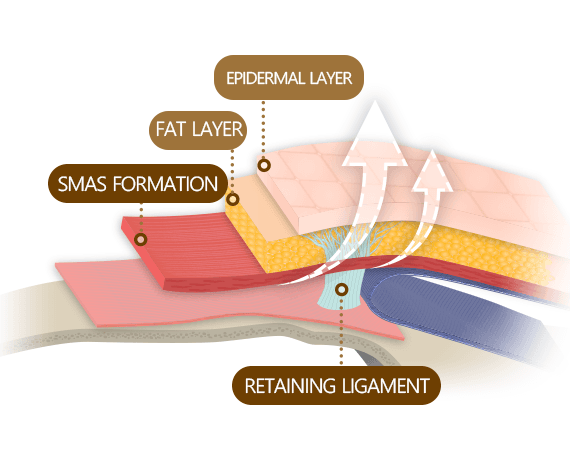
At Made Young Plastic Surgery, you can explore double-chin lift and neck-lift options for a more defined jawline and smoother neckline. For surgical facial lifting, the clinic describes releasing stretched support tissues beneath the SMAS, then lifting the skin, fat, and SMAS together and securing them vertically to address sagging without emphasizing the cheekbones unnaturally.
- URL: Made Young Plastic Surgery Website
- Location: Seocho-gu, Seoul
- Procedure approach:
- Double Chin Lift is offered to address a double chin through liposuction or surgery for jawline definition.
- Neck Lift is offered for loose neck skin and excess fat, with the aim of a smoother neckline.
- The clinic’s facelift approach lifts the skin, fat, and SMAS layer together after sub-SMAS dissection and release of stretched supporting tissues.
- Safety and aftercare:
- Board-certified anesthesiologists are on site full time, with one-to-one anesthesiologist monitoring described during procedures.
- The clinic describes a cross-check emergency-response system and CCTV coverage of procedures.
- A separate aftercare center provides systematic post-procedure care.
- Consultation: The medical team provides direct consultation and diagnosis before a procedure.
3. LABOM Plastic Surgery
You may consider LABOM Plastic Surgery for under-chin banding concerns because its face-and-neck lifting program can include platysma muscle sling (“pelican”) surgery alongside its Triple Face Lift, a deep-plane-based technique that repositions the skin, SMAS, and deep fat layer. This approach is designed to address the jawline, double chin, neck wrinkles, and the transition between your face and neck while avoiding excessive skin tension.
- URL: LABOM Plastic Surgery Website
- Location: Gangnam-gu, Seoul
- Relevant procedure details:
- The Triple Face Lift addresses sagging through simultaneous lifting of the skin, SMAS, and deep malar fat layer.
- A platysma muscle sling procedure may be combined with lifting when appropriate for your anatomy and treatment plan.
- The clinic also offers facial liposuction using micro-cannulas for excess chin fat and undefined jawlines.
- Planning and recovery:
- Your design is customized to your facial structure and degree of aging, with planning based on facial anatomy and retaining ligaments.
- The clinic describes the face-and-neck lift as a 3–4 hour procedure under sedation with local anesthesia, with an estimated 7–14 days of recovery.
- Postoperative support includes progress checks and structured swelling, bruising, and scar-management programs.
- Clinical focus:
- Procedures are directly performed by plastic-surgery specialists dedicated to anti-aging surgery.
- The clinic reports more than 30 years of clinical experience across facial and hand anti-aging procedures.
Patient Perspectives: Addressing "Under Chin Banding" with a Neck Lift
Knowing how neck lifts work and what to expect helps patients make confident decisions.
How Neck Lifts Effectively Resolve "Under Chin Banding"
Neck lifts target the root causes of under chin banding. The key technique, platysmaplasty, tightens and sutures the platysma muscles (midline platysma plication), smoothing the neck and preventing future bands. The procedure also removes excess skin (cervicoplasty) and fat (liposuction), tackling sagging and "double chin." Combined with facelifts, neck lifts ensure a harmonious face-neck transition.
Typical Patient Outcomes and Aesthetic Improvements
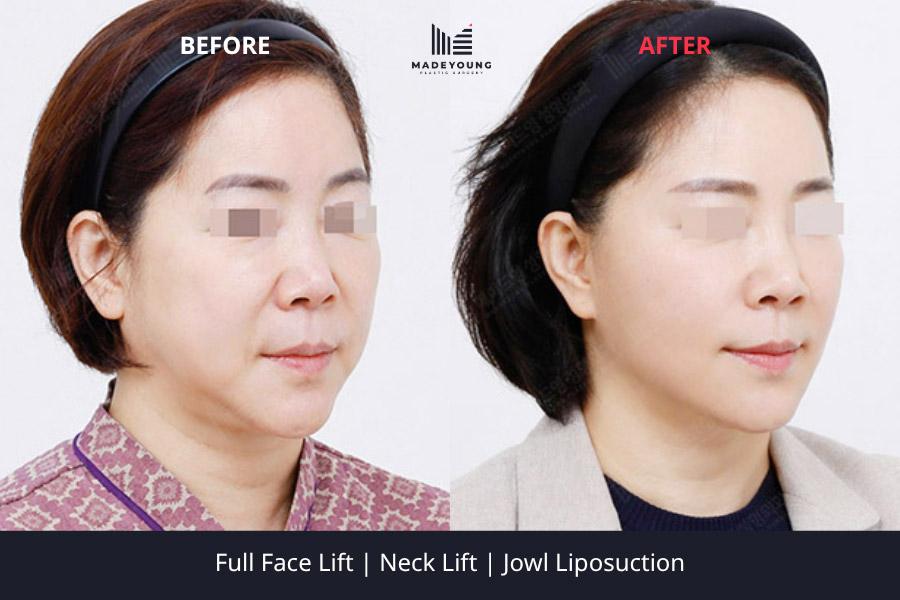
Patients usually see a younger, refreshed look with a defined jawline and smooth neck. Many report looking naturally younger or well-rested without obvious signs of surgery. Results often last 10 to 15 years, though aging continues. Before-and-after photos show dramatic improvements in neck contour and jawline definition.
Understanding the Recovery Experience
- Days 1-7: Patients feel moderate neck tightness, not usually painful, with mild bruising and swelling. Cold compresses and head elevation help. Drains may be removed after one day. Compression bands are worn about 7 days. Light walking is encouraged; strict bed rest is discouraged. Nausea from anesthesia can be managed.
- Weeks 2-6: Most return to light work within 1-2 weeks. Neck movement normalizes, and swelling decreases significantly.
- 6+ Months: Final results appear around 6 months as swelling resolves. Aging continues, so lifestyle affects long-term appearance.
Setting Realistic Expectations and Addressing Potential Limitations
Realistic goals are key. Neck lifts restore a crisp neck and jawline, creating a refreshed look rather than a completely new face. The best results are subtle, with others noticing a positive change without knowing surgery occurred.
Limitations:
- MyEllevate: Minimally invasive but may not address fat or skin laxity fully; bands can remain or become more visible.
- Non-surgical options: Temporary effects needing repeat treatments; thread lifts have limited durability.
- Isolated platysmaplasty: Effective for muscle bands but may require additional skin tightening for full results.
Potential Issues:
Some patients report under-correction or band recurrence (4.6% recurrence rate). Complications like hematoma, seroma, or infection are rare (~1%). Long-term results depend on lifestyle and adherence to post-op care.
Conclusion: Making an Informed Decision for Your Neck Rejuvenation
"Under chin banding" arises from a complex mix of aging, genetics, muscle activity, and lifestyle. Neck lifts offer tailored surgical options—from platysmaplasty to full traditional lifts—that effectively address muscle bands, skin laxity, and fat. Non-surgical treatments provide temporary relief for mild cases. South Korea stands out for skilled surgeons, advanced facilities, competitive pricing, and excellent patient support, making it a top choice for medical tourists. Patients should set realistic expectations, commit to recovery, and carefully evaluate costs and package inclusions. With thorough preparation and a qualified surgeon, neck lifts can deliver natural, long-lasting rejuvenation and improved confidence.
References
1, 2, 3, 4, 5, 6, 7, 8, 9, 10, 11, 12, 13, 14, 15, 16, 17, 18, 19, 20, 21, 22, 23, 24, 25, 26
Frequently Asked Questions
Related Blogs
Renuvion in Korea: Methods, Recovery, Risks, and Travel Planning
Renuvion uses helium-plasma radiofrequency energy beneath the skin, alone or after liposuction, to address mild-to-moderate localized laxity; Dermal resurfacing treats surface wrinkles with an external ablative handpiece. The article covers candidacy, alternatives, preparation, recovery, risks, Korea travel planning, and the need for surgeon clearance before flying.
Updated: Oct 13, 2026
Temporal Lift in Korea: Methods, Recovery, Risks and Travel Planning
A temporal lift elevates the outer brow through temporal scalp incisions, using open, subcutaneous, endoscopic, or combined techniques chosen for brow position, hairline, and eyelid anatomy. The article covers candidate screening, Korea facility and surgeon verification, a 10–14-day stay, recovery restrictions, aftercare, warning signs, and alternatives such as forehead lift, blepharoplasty, and p
Updated: Oct 13, 2026
Premature aging face treatment in Korea: Face Lift options for younger-looking skin
Early onset facial laxity and wrinkles are rising among 30s–40s. Our Korea medical tourism guide explains rhytids and how a rhytidectomy (face lift) can refresh the lower face and neck. Explore options: Deep Plane Facelift, SMAS Facelift, Mini Facelift, Lower Facelift and Neck Lift, plus non-surgical adjuncts. Learn candidacy, recovery timelines, costs, certifications, and tips for planning surger
Updated: Oct 12, 2026
Brow Ptosis in Korea: Forehead Lift and Subbrow Lift Treatment Options
Thinking about Brow Ptosis surgery in Korea? This expert guide explains diagnosis, functional vs cosmetic concerns, and compares a Forehead Lift with a Subbrow Lift—indications, scars, recovery, and costs. It maps the South Korea medical tourism journey (planning, visas, surgery day, follow-ups), highlights surgeon credentials and safety, and shares real outcomes, risks, and patient stories so you
Updated: Oct 12, 2026
Clinics offering Neck Lift
RINE Plastic Surgery Clinic | Facelift and Eye Rejuvenation Surgery
Nonhyeon

THEPLUS Plastic Surgery Korea | Eye, Nose, Face & Body Surgery
Sinsa

Made Young Plastic Surgery: Rejuvenating Aesthetic Excellence in Korea for Face Lifts, Contouring and More
Gangnam Station

LABOM Plastic Surgery: Expertise in Non-Surgical Nose, Facial Lifting & Anti-Aging Surgeries in Korea
Apgujeong