
Medical Tourism Blog
Male Breast Sagging After Weight Loss: Gynecomastia Procedures in Korea for Effective Chest Contouring
Table of contents
- Medical Procedures for Male Breast Sagging: Gynecomastia Surgery
- Which Are the Best Clinics in Korea for Male Breast Sagging After Weight Loss?
- Navigating Gynecomastia Surgery in South Korea: Medical Tourism Insights
- Costs and Value: Comparing Medical Tourism Destinations
- Patient Journeys: What to Expect After Surgery
- Conclusion
- References
Considering treatment in Korea? Everything you need to know e.g. — how to avoid scams, visas, interpreters, recovery tips — in our Medical Tourism Master Guide. Plan with confidence in minutes, not weeks!
Many men notice breast sagging after significant weight loss, often described as "loose male chest skin." This concern typically arises from excess glandular tissue, fatty tissue, or both, and is often made worse by the skin losing its elasticity after losing a substantial amount of weight.
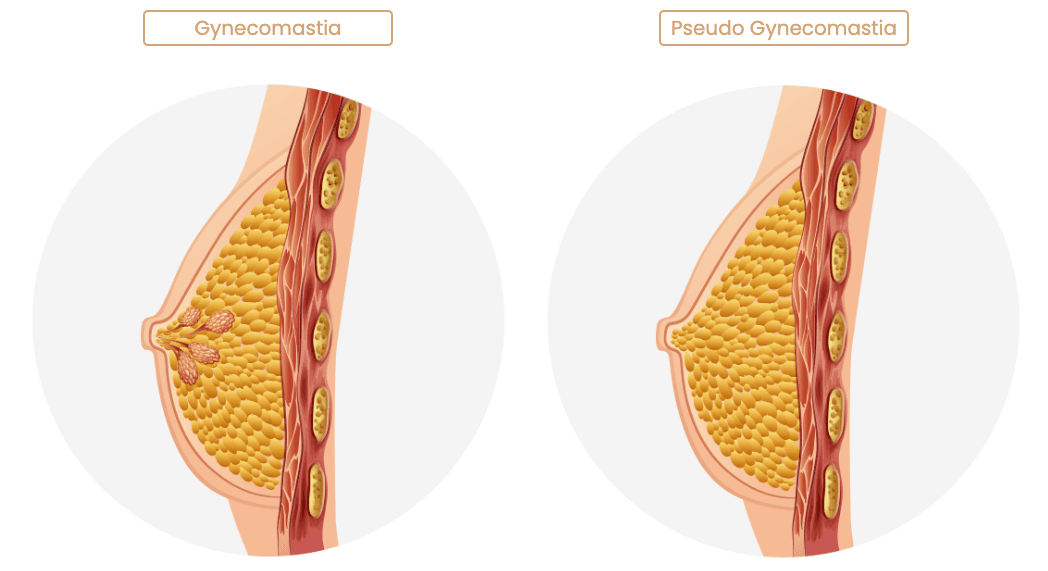
It's important to distinguish between true gynecomastia and pseudogynecomastia when addressing male breast sagging.
True Gynecomastia: Glandular Tissue Enlargement
True gynecomastia involves a benign increase in male breast volume due to growing glandular and stromal tissue, typically resulting from a hormonal imbalance—higher estrogen compared to testosterone. Estrogen encourages glandular tissue to grow, which, coupled with natural life phases or conditions like tumors or medication side effects, can lead to true gynecomastia. Clinically, this appears as a button-sized lump under the nipple.
Pseudogynecomastia: Excess Fatty Tissue
Pseudogynecomastia, by contrast, is due to excess fat accumulation without added glandular tissue. It's especially common in obese individuals and generally causes a more diffuse breast enlargement rather than a localized lump.
Common Terms
People often use informal words like "Man Boobs," "Moobs," or "Loose Male Chest Skin" to refer to these issues, underlining their prevalence and the distress they can cause.
Overlap and Exacerbation After Weight Loss
While shedding fat through weight loss can improve pseudogynecomastia, losing a significant amount (such as 100 pounds or more) often reveals loose, sagging skin and any underlying glandular tissue, sometimes making things look worse. This mix of factors explains why, after dramatic weight loss, some men still deal with an unwanted chest shape and may turn to surgery for a lasting solution.
Causes and Contributing Factors
Multiple factors contribute to male breast sagging.
Hormonal Imbalances and Age
A shift in the body's estrogen and androgen levels is the main cause of true gynecomastia. Aging, increased fat (which can convert androgens to estrogens), or medical issues can all raise estrogen and trigger breast tissue growth.
The Effects of Obesity and Weight Loss
Obesity leads to pseudogynecomastia by increasing fat in the chest. After losing weight, the stretched skin and tissues may not fully tighten, leaving behind excess, sagging skin. Age, speed and amount of weight loss, genetic makeup, and overall skin quality affect how much skin sags.
Medications and Medical Conditions
Some medical conditions and medications can also cause gynecomastia by altering hormone levels or directly affecting breast tissue.
Complex Causes in Post-Weight Loss Sagging
It's common for men post-weight loss to have both remnant pseudogynecomastia and underlying gynecomastia, along with skin laxity. Age and the amount of weight lost play significant roles in skin elasticity and the severity of sagging, emphasizing the need for proper diagnosis to tailor treatment.
Physical and Emotional Impact of Loose Skin
The effects of loose chest skin go beyond looks—they can cause discomfort, rashes, limited movement, and make finding clothes difficult. Emotionally, persistent sagging can undermine self-esteem and prevent people from enjoying their weight loss success.
Seeking Medical Advice
If male breast sagging is distressing or accompanied by pain, tenderness, or discharge, it's time to consult a medical professional to rule out underlying issues and explore treatment options.
Medical Procedures for Male Breast Sagging: Gynecomastia Surgery
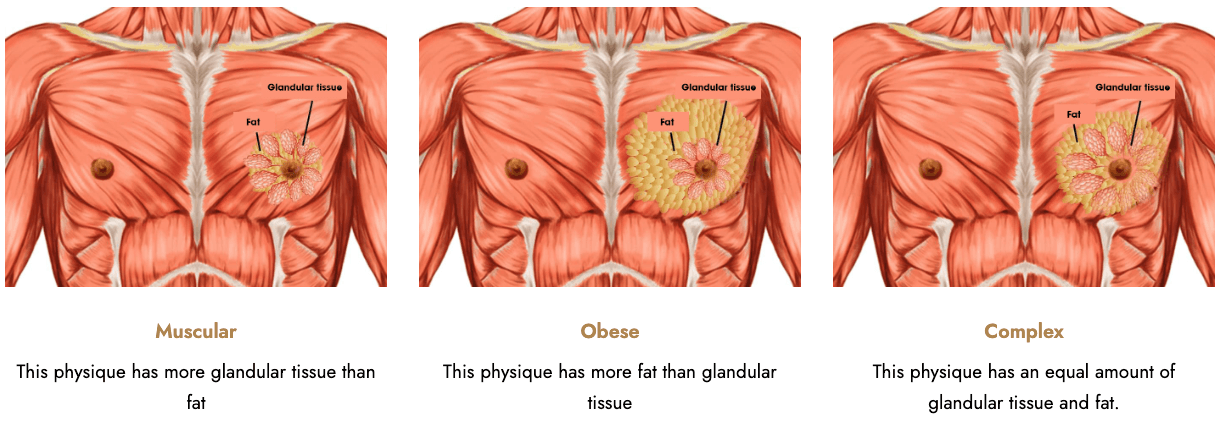
Addressing male breast sagging effectively often means moving from observation to surgical options, depending on what’s causing the problem.
Treatment Approaches
Non-Surgical Options
In infants and teenagers, gynecomastia often resolves on its own. If caused by a medical condition or medication, treating the root issue can help. For some, medications like Tamoxifen (Soltamox), Raloxifene (Evista), and anastrozole (Arimidex) might be used, but these don’t address excess skin. With pseudogynecomastia, weight loss may help—but for loose skin or glandular tissue, exercise has limited effects.
Surgery: The Most Effective Fix
Most adults with persistent gynecomastia or significant loose skin after weight loss will get the best results from surgery—specifically male breast reduction or gynecomastia surgery. This is considered elective but can be truly life-changing.
Surgical Techniques for Chest Contouring
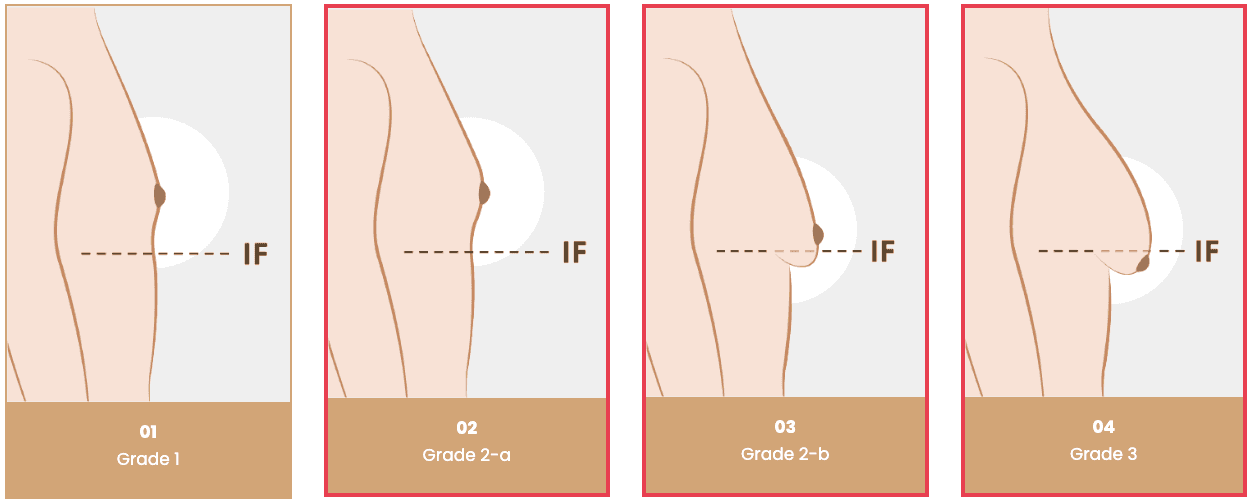
The best surgical approach depends on whether excess fat, glandular tissue, or skin is the main problem.
Liposuction
Liposuction is ideal when excess chest fat is the main issue. Small incisions are made (often around the areola), and a cannula suctions out the fat, resulting in a flatter chest with minimal scarring and faster recovery. However, dense glandular tissue or loose skin may need more.
Excision (Mastectomy)
When glandular tissue is the main problem, excision is preferred. Incisions are made, usually around the areola or chest crease, to cut away glandular tissue and, if needed, tighten skin and reposition the nipple. This is more invasive and leaves bigger scars but is necessary for larger corrections.
Combination Approach
Most men have a combination of issues, making a mix of liposuction and excision the best route. This tackles fat, glandular tissue, and excess skin for a sculpted look.
Skin Tightening and Nipple-Areola Positioning
Significant weight loss often calls for skin removal and possibly moving the nipple-areola complex for a more natural appearance. Techniques like the Velody II lifting procedure or VASER liposuction help tighten skin and reduce scarring.
Minimizing Scars
Surgeons use methods like periareolar or crease incisions and advanced suturing to make scars less visible. Over time (1–2 years), scars fade.
The "Gynecomastia Grey Zone"
Not all cases of "saggy" chests after weight loss require large skin removals. Experienced surgeons may suggest less invasive surgery first, as chest skin often retracts more than expected. Getting multiple opinions is key for finding the least invasive yet most effective surgery.
Pre-Operative Preparation
A thorough pre-surgical assessment—health history, medication review, lab tests, and stopping certain drugs or smoking—is vital for safe and successful surgery. This ensures any contributory medical issues are addressed.
The Surgical Experience
Gynecomastia surgery is usually outpatient and requires general anesthesia (sometimes local with sedation). Procedures last one to two hours, with most patients heading home the same day.
Recovery and Aftercare
Immediately After Surgery
Patients wear compression garments to reduce swelling and support healing. Drains may be used temporarily. Pain is generally mild to moderate and can be managed with medication.
Activity and Healing
Heavy lifting and strenuous activity are restricted for several weeks to months. Most return to light activities in about a week, but incisions should be protected for 6–8 weeks. Swelling diminishes over 6–8 weeks; final results show in several months.
Long-Term Care
Scars will fade over 1–2 years. Chest massages can help tissues heal smoothly. Maintaining stable weight is crucial—future weight gain and loss can stretch skin again and undo improvements.
Patient Commitment
Surgery delivers immediate change, but lasting results depend on the patient’s lifestyle: sticking with weight management, healthy eating, hydration, and regular resistance training.
Which Are the Best Clinics in Korea for Male Breast Sagging After Weight Loss?
Listed below are some of the best clinics in Korea for male breast sagging after weight loss.
1. Lydian Plastic Surgery Clinic
You may consider Lydian Plastic Surgery Clinic if your post-weight-loss chest concern is accompanied by localized fat and reduced skin elasticity: its body-contouring approach combines anatomy-based design, customized liposuction tools, 3D imaging, and skin-sagging-focused aftercare. A consultation can help clarify whether its contouring-focused services fit the amount and type of chest laxity you have.
- URL: Lydian Plastic Surgery Clinic Website
- Location: Gangnam-gu, Seoul
- Body-contouring approach:
- Uses anatomy-based planning that accounts for your proportions, including chest circumference, rather than applying a standard fat-removal pattern.
- Offers liposuction and body-sculpting services, with more than 30 custom-made cannula types intended to adapt fat removal to different body areas and body shapes.
- Provides Quantificare 3D imaging for detailed pre-procedure design and before-and-after visualization.
- Skin-quality and aftercare considerations:
- Has equipment intended to address skin sagging and stretch marks alongside liposuction, which may be relevant when loose skin is a concern after weight loss.
- Describes aftercare focused on swelling reduction, irregularity correction, skin-elasticity recovery, and residual-fat contouring.
- Surgeon experience:
- Dr. An Kyung Chun is described as having more than two decades of body-sculpting experience and as Director of the 5D Liposculpture Academy.
- The clinic identifies Dr. An as involved in physician training for high-definition body sculpting and liposuction devices.
2. Seojin Plastic Surgery Clinic
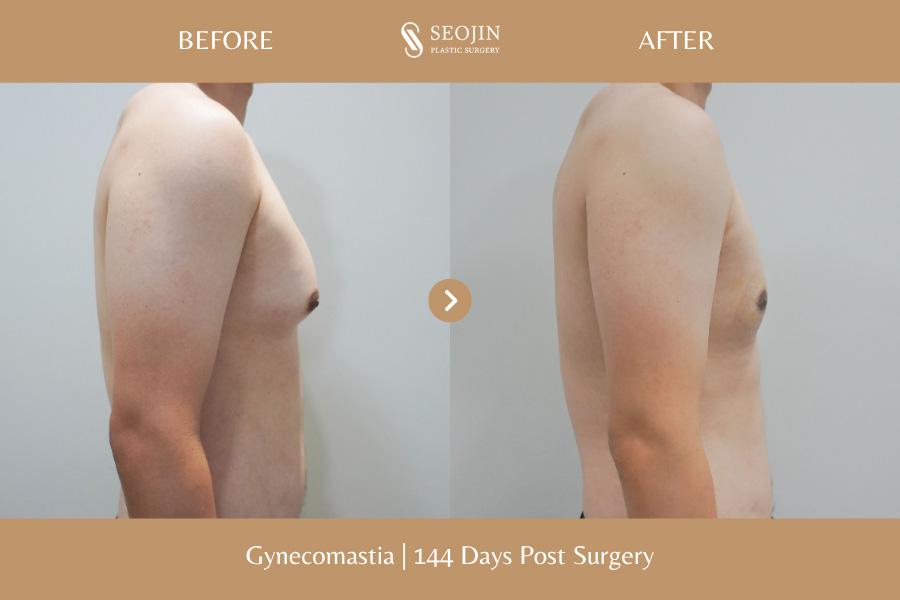
You may consider Seojin Plastic Surgery Clinic for male breast sagging after weight loss because it specifically describes gynecomastia treatment that combines glandular-tissue removal, surrounding liposuction, and Velody II lifting, while aiming to limit visible scarring and additional incisions. Its partial-areola approach and attention to nearby chest contouring may be particularly relevant if both residual fullness and laxity are part of your concern.
- URL: Seojin Plastic Surgery Clinic Website
- Location: Gangnam-gu, Seoul
- Procedure details:
- Describes a combined gynecomastia approach using glandular-tissue removal, nearby liposuction, and Velody II lifting to address chest fullness and help limit sagging.
- Removes glandular tissue through a partial areola incision rather than the full areola, vertical, or anchor-shaped incisions described in its materials.
- States that nearby liposuction and Velody II lifting can be performed without additional incisions.
- Care and scar considerations:
- Provides male staff support intended to support comfort and privacy during consultations and procedures.
- Offers postoperative care and a scar-management center focused on semi-permanent scar concealment.
- Provides bilingual support, personalized treatment planning, and online consultations for international visitors.
- Lead surgeon:
- Dr. Lee Hyungmin is described as providing end-to-end care in a one-doctor clinic model.
- The clinic states that Dr. Lee has more than 16 years of experience and was recognized among the 100 Good Doctors in Korea.
3. THEPLUS Plastic Surgery
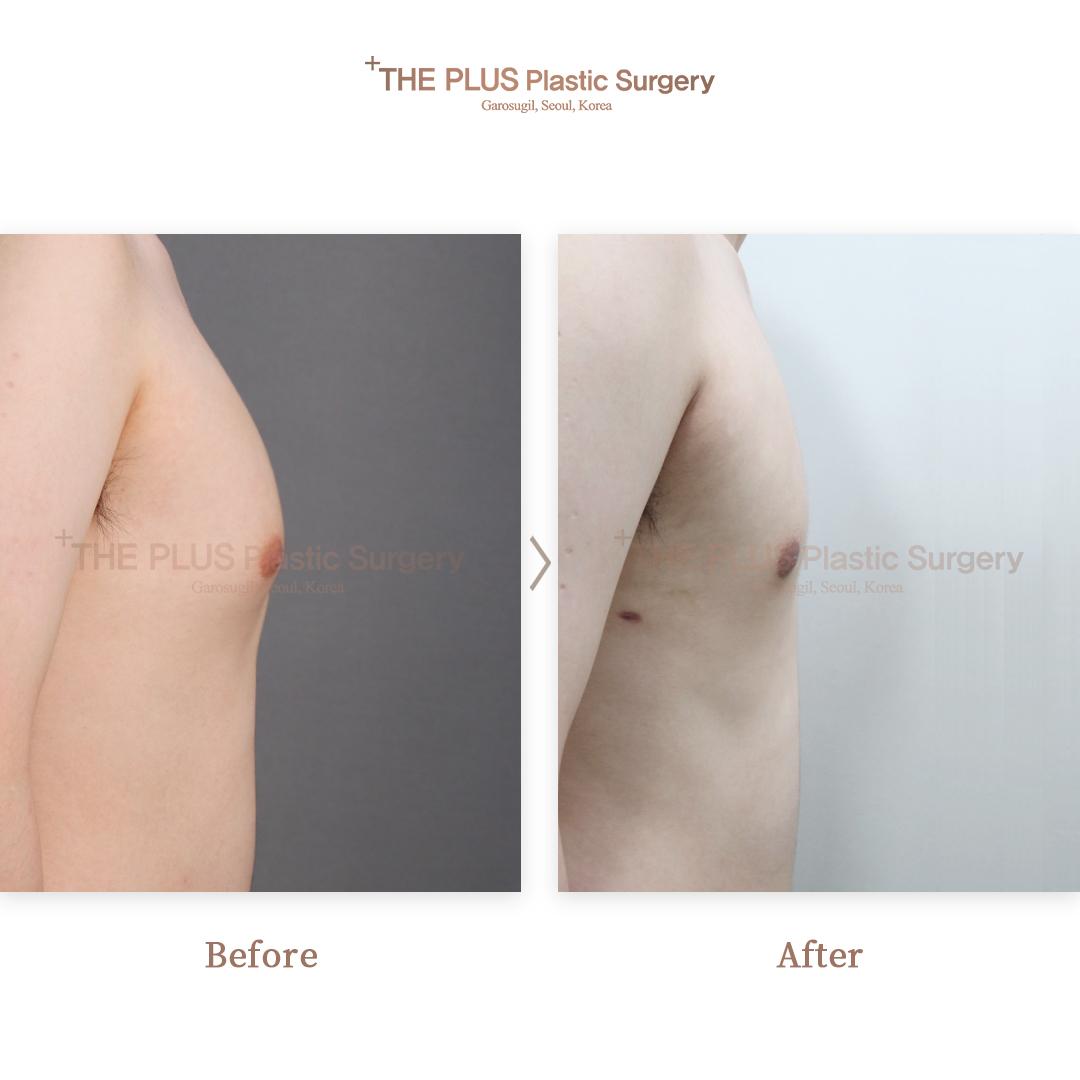
You may consider THEPLUS Plastic Surgery if your post-weight-loss chest concern requires assessment of excess skin, breast shape, and remaining volume: Dr. Lee’s practice includes breast lift and reduction techniques selected through a 3D evaluation of skin elasticity and shape. The clinic also describes structured postoperative monitoring and individualized aftercare, which can be relevant when recovery and skin redraping are important considerations.
- URL: THEPLUS Plastic Surgery Website
- Location: Gangnam-gu, Seoul
- Breast-shape expertise:
- Dr. Lee is a board-certified plastic surgeon specializing in breast augmentation, breast lift, and breast reduction surgery.
- For breast lifts, the clinic describes selecting donut, lollipop, or anchor techniques after a 3D assessment of skin elasticity and breast shape.
- For breast reduction, it describes use of a pedicle technique intended to preserve nipple sensation while removing excess volume and skin.
- Planning and recovery:
- Dr. Lee trained as a Surgery Specialist at Seoul National University Hospital and completed further clinical training at Seoul Metropolitan Boramae Hospital.
- The clinic describes advanced sterilization protocols, systematic postoperative monitoring, and aftercare tailored to your healing pace.
- English-language support and translator assistance are available from consultation through recovery for international visitors.
Navigating Gynecomastia Surgery in South Korea: Medical Tourism Insights
South Korea is a cosmetic surgery destination known for advanced techniques, reputable surgeons, and comprehensive support for international patients.
Why South Korea?
Advanced Care and High Standards
Korean clinics use cutting-edge technology and maintain high surgical standards, leading to excellent results with low complication rates. Surgeons regularly treat international patients and are skilled at delivering natural, culturally appropriate outcomes.
Medical Tourism Ecosystem
A well-developed network of agencies offers patients help with travel, accommodations, translation, and aftercare. This ecosystem reduces anxiety and obstacles that can come with seeking care abroad.
The Medical Tourist Experience
Initial Consultation
The process typically starts online, with virtual consultations and treatment planning.
Travel Logistics
Agencies often arrange flights, accommodation, and clinic transfers, providing peace of mind and seamless coordination.
Pre-Op Preparation
Clear instructions on diet, medication, and smoking cessation are provided, and necessary pre-op tests are completed before surgery.
Day of Surgery
Procedures are performed in fully equipped operating rooms by experienced staff. In many cases, patients are discharged the same day.
Post-Op Support
Comprehensive aftercare includes follow-up visits, guidance on clothing and activity, and continued online support after returning home.
Patient Comfort
Korean clinics prioritize patient comfort, privacy, and support—bilingual staff guide patients through each step, earning high satisfaction ratings.
Leading Clinics in South Korea
Renowned clinics in Seoul’s Gangnam district include Seojin Plastic Surgery, THEPLUS Plastic Surgery, Lydian Plastic Surgery Clinic, Okay Plastic Surgery Clinic, StanTop Urology & Andrology, DM Plastic Surgery, Banobagi Plastic Surgery, ID Hospital, Evita Clinic, Wonjin Plastic Surgery Clinic, SAERO Plastic Surgery, and Onlif Plastic Surgery Korea.
Costs and Value: Comparing Medical Tourism Destinations
A careful look at costs helps patients choose the destination that balances affordability and quality.
Typical Costs in South Korea
- Gynecomastia surgery: $2,800 – $5,383 (average $4,107)
- Liposuction for gynecomastia: starting at $2,000
- At specific clinics like Wonjin: $3,350 – $4,000
Cost-Influencing Factors
Costs can vary based on severity, technique, surgeon experience, and clinic reputation. Medications are often billed separately.
International Price Comparison
While South Korea offers cost savings over the US and UK, it's not always the cheapest destination compared to Turkey, Mexico, or Lithuania—but still provides excellent value.
Table: Average Cost Comparison by Country
| Country | Average Cost Range | Liposuction for Gynecomastia | Potential Savings vs. US/UK |
|---|---|---|---|
| United States | $4,250 - $9,500 | - | - |
| United Kingdom | $5,200 - $8,500 | - | - |
| South Korea | $2,800 - $5,383 | From $2,000 | 40–65% |
| Turkey | $1,950 - $3,500 | From $2,500 | 50–70% |
| Mexico | $2,750 - $4,250 | From $2,000 | 25–70% |
| Poland | $3,100 - $5,100 | - | Significant |
| Czech Republic | $2,800 - $4,500 | - | Significant |
| Lithuania | $1,725 - $3,050 | - | Significant |
Note: Prices vary by clinic, surgeon, and package inclusions.
What’s Included: Medical Tourism Packages
All-inclusive packages usually bundle surgery, anesthesia, pre- and post-op tests, follow-ups, accommodation, transfers, and translation. Medications, flights, meals, and personal expenses are often excluded, so patients need to double-check what’s covered.
Table: Typical Package Inclusion
| Component Category | Typical Inclusions | Common Exclusions |
|---|---|---|
| Surgical | Procedure, anesthesia | Medications, revision surgery |
| Pre-op | Tests, consultations | |
| Post-op | Consultations, compression garment, drains | |
| Travel & Logistics | Transfers, translation | International flights, meals |
| Accommodation | Hotel stay | |
| Other | Online follow-ups, city tours (sometimes) |
Value Proposition
Medical tourism for gynecomastia surgery offers significant savings—often 40-65% less compared to the US or UK—without sacrificing quality. Support services and modern clinic infrastructure further boost the appeal.
Patient Journeys: What to Expect After Surgery
Patients who've had gynecomastia surgery, especially after weight loss, often describe major physical and emotional gains.
Lasting Benefits of Gynecomastia Surgery
- Cosmetic improvement: Achieves a flatter, more sculpted chest by removing excess fat and glandular tissue.
- Psychological uplift: Many report a dramatic increase in self-confidence and even describe feeling transformed after surgery.
- Physical relief: Reduction in discomfort and greater ease in movement; activities like exercise become easier.
- Better fit in clothing: No more frustration over ill-fitting clothes—men can confidently wear tighter, better-fitting styles.
- Improved quality of life: Beyond "just cosmetic," the surgery often delivers emotional closure after a long weight loss journey.
Long-Term Outcomes
Surgical changes are typically permanent—the tissue removed won’t grow back. Maintaining stable weight and healthy habits is crucial for ensuring that the results last.
Real Patient Stories
Men like Simon Hails have talked about regaining confidence after surgery and no longer feeling self-conscious. Concerns over scarring are common but often overshadowed by satisfaction with the end result, especially as scars fade with time.
Realistic Expectations
All surgery leaves scars, but experienced surgeons work hard to minimize their appearance. Recovery times differ depending on the procedure, and sometimes a secondary touch-up may be needed if extra skin remains.
Conclusion
Male breast sagging after weight loss is a multifaceted issue, frequently requiring a combination of fat removal, glandular excision, and skin tightening. Surgery is often the definitive solution, providing both cosmetic and psychological benefits. South Korea stands out for advanced techniques and patient-centered care at competitive prices, although the best choice depends on personal priorities. Long-term results hinge on both surgical expertise and patients' commitment to healthy living. If you're considering gynecomastia surgery, thorough research and multiple expert consultations are key to achieving the most satisfying outcome.
References
1, 2, 3, 4, 5, 6, 7, 8, 9, 10, 11, 12, 13, 14, 15, 16, 17, 18, 19, 20, 21, 22, 23, 24, 25, 26, 27, 28, 29, 30, 31, 32, 33, 34, 35, 36
Frequently Asked Questions
Related Blogs
Nipple Surgery in Korea: Types, Recovery, Risks, and Travel Planning
Nipple surgery may reduce nipple size or projection, correct benign inversion, revise scars, or reconstruct the nipple–areola complex; technique, anesthesia, and recovery depend on the procedure and any combined breast or chest surgery. International patients should plan at least 7–10 days locally for uncomplicated isolated procedures, attend wound review before flying, arrange follow-up at home,
Updated: Sep 21, 2026
Breast Augmentation in Korea: Implants, Recovery, Travel Planning, and Long-Term Safety
Breast augmentation in Korea may use silicone or saline implants, or fat grafting, with planning based on anatomy, goals, incision, and pocket placement. The article covers candidacy, costs of ₩7,000,000–₩18,000,000, 10–14-day travel planning, recovery, follow-up, and implant records.
Updated: Sep 20, 2026
Capsular Contracture Treatment in Korea: Revision Options, Recovery, and Travel Planning
Capsular contracture treatment may include capsulotomy, partial or total capsulectomy, implant exchange or removal, pocket change, ADM support, breast lift, fat grafting, or autologous reconstruction based on symptoms and tissue condition. International patients should plan at least 10–14 days in Korea, complete local follow-ups, obtain surgeon clearance before flying, and arrange home-country car
Updated: Sep 19, 2026
Mastectomy in Korea: Types, Cancer Planning, Recovery, and Travel Considerations
Mastectomy removes breast tissue for cancer treatment or risk reduction, with total, skin-sparing, nipple-sparing, and reconstruction options selected through multidisciplinary review. International patients traveling to Korea need records review, postoperative monitoring, travel clearance, and a documented handoff to their home oncology team.
Updated: Sep 19, 2026
Clinics offering Gynecomastia

THEPLUS Plastic Surgery Korea | Eye, Nose, Face & Body Surgery
Sinsa
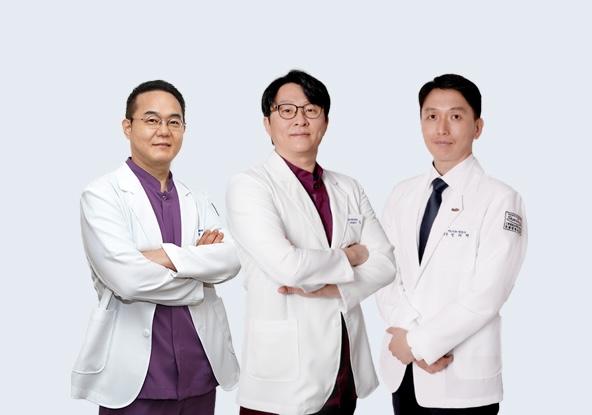
StanTop Urology & Andrology: Korea's Premier Clinic for Advanced Urological and Andrological Treatments
Sinnonhyeon Station

Lydian Plastic Surgery Clinic in Korea: Superior Cosmetic Procedures by World-Renowned Expert Dr. An Kyung Chun
Apgujeong

Seojin Plastic Surgery Clinic Korea: Pioneering Advanced Cosmetic Procedures for Personalized Aesthetic Transformation
Apgujeong