
Medical Tourism Blog
Lateral Brow Hooding Solutions: Fox Eye Thread Lift Procedures in Korea for Eye Rejuvenation
Table of contents
- Understanding Lateral Brow Hooding: A Clinical Perspective
- The Fox Eye Thread Lift: A Detailed Procedural Analysis
- Which Are the Best Clinics in Korea for Lateral Brow Hooding?
- The Patient Journey: Undergoing a Fox Eye Thread Lift in South Korea
- Financial Considerations: Costs and Value of Medical Tourism
- Patient Outcomes, Expectations, and Considerations
- Alternative and Complementary Treatments for Lateral Brow Hooding
- Conclusion
- References
Considering treatment in Korea? Everything you need to know e.g. — how to avoid scams, visas, interpreters, recovery tips — in our Medical Tourism Master Guide. Plan with confidence in minutes, not weeks!
This guide explores lateral brow hooding—often referred to as "outer upper eyelid skin hanging over crease"—detailing its clinical definitions, common causes, and how it impacts both appearance and function. A central focus is placed on the Fox Eye Thread Lift, a sought-after non-surgical solution, covering how the procedure works, the types of threads, key anatomical considerations, and what makes South Korea an attractive destination for this treatment. You'll find step-by-step insights into the patient journey, cost comparisons to other global hubs, patient outcomes, chances of side effects, and alternatives, empowering you to make well-informed decisions about your options for addressing lateral brow hooding.
Understanding Lateral Brow Hooding: A Clinical Perspective
Definition and Clinical Manifestations
Lateral brow hooding is often described by patients as “outer upper eyelid skin hanging over crease,” producing a heavy, shadowed look that seems to age or tire the face. Clinically, it presents as sagging skin at the outer eye, often worsened by eyebrow descent. While mainly a cosmetic concern, significant cases can obstruct vision and create a perpetual impression of fatigue due to overactivation of brow muscles.
Common Pseudonyms and Related Conditions
Although “lateral brow hooding” is the familiar term, it includes several related medical conditions:
- Brow ptosis: This is the formal term for eyebrow descent, leading to more upper eyelid skin.
- Pseudoptosis: Here, the eyelid appears to droop due to brow descent, but the eyelid muscle remains normal.
- Dermatochalasis: This refers to excess, loose eyelid skin due to decreased elasticity.
Distinguishing between these conditions is important. Lifting the brow helps pseudoptosis but not true blepharoptosis, where lid droop persists despite brow elevation. Accurate diagnosis ensures the best treatment approach and helps manage expectations.
Etiology and Contributing Factors
Lateral brow hooding is often caused by a complex mix of factors:
- Aging: As we age, tissue support weakens, leading to eyebrow droop.
- Environment and Lifestyle: Sun exposure, gravity, smoking, and diet all contribute to faster tissue aging.
- Muscular changes: Repetitive facial movements or nerve-related issues reduce muscle support.
- Injury or systemic diseases: Trauma or illnesses like myasthenia gravis and certain viral infections can weaken brow muscles.
- Congenital factors: Some people are born with weak brow muscles.
This interplay means a full evaluation—considering age, habits, and muscle health—is crucial for selecting appropriate treatment.
Functional and Aesthetic Impact
Lateral brow hooding impacts life in practical and cosmetic ways:
- Functional: Severe drooping may limit visual fields, make daily tasks tougher, and even push lashes into the eyes.
- Aesthetic: Patients may feel they look perpetually tired or angry, impacting self-esteem. Often, asymmetry makes the effect more noticeable.
Since the [Fox Eye Thread Lift](/blog/fox-eye-thread-lift-korea) is effective for brow descent and lateral hooding—but not all cases of true ptosis or severe dermatochalasis—precise clinical assessment shapes the best care plan.
The Fox Eye Thread Lift: A Detailed Procedural Analysis
Introduction to the Fox Eye Aesthetic and Thread Lifting Principles
The Fox Eye Thread Lift has surged in popularity for those wanting a lifted, almond-shaped outer brow and eye contour. Unlike surgery, it uses dissolvable threads to reposition skin with minimal downtime, making it a great middle-ground for many.
Mechanism of Action
This procedure delivers an immediate lift using threads with tiny barbs anchored under the skin. Over time, these threads trigger collagen production (neocollagenesis), producing a firmer, more youthful appearance that improves subtly for months even after the threads dissolve.
Types of Threads Used
The results and longevity largely depend on the threads:
- Polydioxanone (PDO) threads: Widely used, safe, and fully dissolvable within 4-9 months.
- Cog threads: Feature barbs for strong lifting (e.g., MINT™ PDO).
- Mono threads: Smooth, used for fine wrinkles and skin prep.
- Jamber or Epticon threads: Designed for extra volume or fixation.
- Poly-L-Lactic Acid (PLLA) threads: Dissolve more slowly, mostly for collagen stimulation.
- Polycaprolactone (PCL) threads: Dissolve over up to 24 months, offering longer-term effects.
The practitioner’s expertise and choice of thread brand/design (like MINT™ PDO with FDA clearance) can significantly shape your results.
Table: Comparison of Common Thread Types
| Thread Type | Material Properties | Dissolution Time | Primary Action/Benefit | Notable Brands |
|---|---|---|---|---|
| PDO | Biodegradable, synthetic | 4-9 months | Lift, collagen, elasticity | MINT™ PDO |
| PLLA | Biodegradable, synthetic | Longer than PDO | Collagen stimulation | — |
| PCL | Biodegradable, synthetic | Up to 24 months | Prolonged support | — |
The Procedure: From Consultation to Thread Placement
After a consultation to establish goals and suitability, your skin is numbed and sterilized. Using careful markings and either fine needles or blunt cannulas, the threads are inserted and adjusted for the best lift—anchored in secure tissue planes. The Fox Eye Thread Lift often takes just 30–60 minutes, appealing to those seeking quick enhancements.
Anatomical Considerations and Safety
Success—and minimizing complications—hinges on in-depth anatomical knowledge. The threads are best anchored in the deep temporal fascia rather than superficial fat. Practitioners avoid important structures like the superficial temporal artery and facial nerve, sometimes using ultrasound guidance to steer clear of risks.
Ideal Candidates and Contraindications
The Fox Eye Thread Lift is best for those with mild-to-moderate brow sagging, healthy skin, and realistic expectations. Not suitable for people with bleeding/clotting disorders, certain autoimmune diseases, poor wound healing, uncontrolled diabetes or hypertension, active skin infections, allergies to thread materials, or those undergoing chemotherapy or with certain infections. Pregnant or breastfeeding individuals are also not candidates.
Being thorough about thread type and practitioner training is essential for safety and long-lasting results.
Which Are the Best Clinics in Korea for Lateral Brow Hooding?
Listed below are some of the best clinics in Korea for lateral brow hooding.
1. id Hospital Korea
For lateral brow hooding, you may consider id Hospital Korea if you want your brow-area concerns assessed within a clinic that offers both lifting and eye-focused plastic surgery, allowing your plan to be tailored to the areas contributing to hooding.
- URL: id Hospital Korea Website
- Location: Gangnam-gu, Seoul
- Relevant services: Offers lifting procedures alongside eye plastic surgery, facial contouring, skin-clinic care, and minimally invasive aesthetic treatments.
- Care approach: Describes customized plastic-surgery planning, a patient-safety-oriented approach, and systematic post-care.
2. Luho Plastic Surgery
For lateral brow hooding, Luho Plastic Surgery offers eye-focused surgical options, including [upper blepharoplasty](/blog/upper-blepharoplasty-korea) and ptosis correction, so you can discuss whether eyelid-focused treatment is appropriate for the excess skin or drooping affecting your outer eye area.
- URL: Luho Plastic Surgery Website
- Location: Gangnam-gu, Seoul
- Eye-area options:
- Provides upper blepharoplasty for excess upper-eyelid skin, muscle, and fat.
- Offers ptosis correction, canthoplasty, incision and non-incision eyelid techniques, and revisional eyelid surgery.
- Consultation and support:
- Uses personalized consultations to understand your goals and concerns and develop an individualized plan.
- Offers multilingual interpreter support and post-surgery care.
3. The Tight Plastic Surgery Clinic
For lateral brow hooding, The Tight Plastic Surgery Clinic is a relevant option because it offers forehead lift surgery, a procedure designed to lift the forehead skin and address the upper-face changes that can contribute to a heavy or hooded brow appearance.
- URL: The Tight Plastic Surgery Clinic Website
- Location: Gangnam-gu, Seoul
- Brow-area lifting option: Offers forehead lift surgery, which is intended to lift forehead skin and reduce forehead lines for a more refreshed appearance.
- Surgeon and related treatments:
- Procedures are conducted by board-certified female surgeon Dr. Jihae Park.
- Also provides facelift, thread lift, mini lift, V-lift, injectable, and laser treatments.
The Patient Journey: Undergoing a Fox Eye Thread Lift in South Korea
South Korea as a Medical Tourism Hotspot
South Korea stands out for its government-backed medical tourism programs, advanced technology (like real-time ultrasound for safety), and extensive patient support services. Clinics often employ multilingual staff, offer coordinated care, and provide a high-tech clinical environment, which gives patients confidence in care quality.
Step-by-Step Experience for International Patients
- Remote Assessment: Patients share photos and receive a preliminary, personalized evaluation.
- In-person Consultation: Upon arrival, you’ll get health screenings and discuss your plan in detail.
- Preparation and Anesthesia: Clinics provide guidelines on what to do before surgery, with local anesthesia or light sedation for comfort.
- Thread Insertion: The lift is performed under careful monitoring, often with ultrasound to boost precision.
- Immediate Aftercare: You can expect minimal downtime—some swelling or bruising is normal, but most daily activities resume quickly.
- Recovery Tips: Instructions include using cold packs, avoiding pressure, sleeping with your head elevated, avoiding strong expressions or facial massages for set periods, and taking prescribed antibiotics if needed.
- Follow-ups: The full benefit is seen after several months, as collagen forms. Maintenance treatments every 12–18 months help sustain the effect.
Advanced Safety Protocols
Korean clinics employ advanced imaging, mandatory pre-op exams, 24/7 monitoring during procedures, and strong hygiene protocols. There are often on-site anesthesiology and emergency teams, with sophisticated surveillance and post-operative support systems, enhancing safety for international patients.
Financial Considerations: Costs and Value of Medical Tourism
Cost Breakdown in South Korea
The Fox Eye Thread Lift ranges from $1,500–$3,000 in Seoul, and from $780–$3,170 (average $1,975) in Daegu, depending on surgeon, clinic reputation, location, type and number of threads, and add-on services (like translators or special aftercare treatments). Comprehensive packages may include pre-op tests, post-op visits, accommodation, and transfers.
International Cost Comparison
| Country | Procedure | Price Range | Average |
|---|---|---|---|
| S. Korea (Daegu) | Fox Eye Lift | $780 – $3,170 | $1,975 |
| S. Korea (Seoul) | Thread Lift | $1,500 – $3,000 | — |
| Turkey | Fox Eye Lift | $2,836 – $4,052 | $3,500 |
| USA | Fox Eye Lift | $2,500 – $11,000 | $6,750 |
| Thailand | Fox Eye Lift | From $6,183 | — |
What Influences the Price?
Expertise, clinic standards, the thread type used, bundled services (like aftercare, translation), and case complexity all play a role in final costs.
Why South Korea?
It isn’t always the least expensive, but South Korea offers an ideal balance of high clinical standards, advanced technology, integrated patient support, and safety—all important for quality results and peace of mind.
Patient Outcomes, Expectations, and Considerations
Expected Results
The Fox Eye Thread Lift provides a subtle, natural eye and brow lift with immediate improvement that continues to refine as new collagen develops. It’s effective for those with hooded eyelids, often making eyes appear larger and more awake with a gentle almond shape.
Longevity of Results
On average, results last about 12 months, with some patients seeing effects persist up to 18–24 months depending on age, skin type, thread design, lifestyle, and maintenance. Collagen stimulation means results continue to improve for several months post-procedure.
Recovery and Aftercare
Most people experience only minor swelling or bruising, gone in days to a week. Strict adherence to aftercare (avoiding heavy exertion, not rubbing the face, following wound care directions) is important to stability and long-term success.
Risks and Management
Fox Eye Thread Lifts carry low risk when performed by trained experts, but minor side effects can include bruising, mild pain, puckering, or visible threads, all usually resolving with time or minor correction. More significant complications (like infection, hematoma, nerve injury, or thread migration) are very rare with good technique and proper patient care. Patient satisfaction is highest when expectations are managed and aftercare is followed meticulously.
Table: Summary of Potential Risks and Management
| Potential Issue | Typical Cause/Resolution |
|---|---|
| Discomfort, bruising | Temporary, relieved with simple measures |
| Skin puckering/dimpling | Often resolves naturally or with massage |
| Infection | Prevented with hygiene and antibiotics |
| Visible threads/snapping | Rare, corrected by practitioner |
| Asymmetry | Addressed through careful planning |
Patient Experiences
Testimonials commonly highlight immediate visible results, quick return to daily life, and a gradual, natural enhancement over 4–6 weeks. With proper selection, expectations, and care, many find it a rewarding and confidence-boosting procedure.
Alternative and Complementary Treatments for Lateral Brow Hooding
Non-Surgical Options
- Botox/Xeomin: Temporarily relax muscles pulling brows downward (lasts 3–6 months).
- Dermal Fillers: Lift brows by adding volume (lasts 6–18 months).
- Microcurrent Therapy: Electric stimulation to tone muscles for a subtle brow lift.
- Ultrasound/HIFU: Non-invasive, stimulates collagen for gradual tightening (lasts up to 24 months).
- Non-surgical blepharoplasty (micro-plasma): Tightens loose eyelid skin instantly.
Surgical Alternatives
- Classic brow lift: Long-lasting lift via surgery, best for severe sagging.
- Lateral/temporal brow lift: Targets outer brow, effective for lateral hooding.
- Eyelid surgery (blepharoplasty): Removes excess eyelid skin, often combined with a brow lift.
- Canthopexy: Surgical “cat eye” lift by reshaping the eye’s outer corner—permanent but with more downtime.
Table: Comparing Treatment Options
| Treatment | Invasiveness | Longevity | Downtime | Main Benefit |
|---|---|---|---|---|
| Fox Eye Thread Lift | Minimally | 6–24 months | 1–2 days | Subtle lift + collagen |
| Botox/Xeomin | Low | 3–6 months | None | Muscle relaxation |
| Fillers | Low | 6–18 months | None | Adds volume |
| HIFU/Ultrasound | Non-invasive | 12–24 months | None | Skin tightening |
| Non-surgical Blepharoplasty | Minimally | Long | Minimal | Tightens eyelid skin |
| Surgical Brow Lift | Invasive | 5–10 yrs | 1–2 wks | Permanent, dramatic change |
| Canthopexy | Invasive | 5–10 yrs | 1–2 wks | Sharpens eye’s lateral tilt |
Most patients benefit from a combination of these solutions, guided by their unique anatomy and goals, with the Fox Eye Thread Lift offering a bridge between non-invasive and surgical options.
Conclusion
The Fox Eye Thread Lift is an effective, minimally invasive answer to lateral brow hooding, producing natural, immediate, and gradually enhancing results through collagen stimulation. South Korea combines competitive pricing with safety, advanced technology, and integrated patient support, positioning it as a top choice for treatment. However, results are temporary, and ongoing maintenance is needed. Careful diagnosis, realistic expectations, skilled provider selection, and diligent aftercare are paramount for the best outcomes.
References
1, 2, 3, 4, 5, 6, 7, 8, 9, 10, 11, 12, 13, 14, 15, 16, 17, 18, 19, 20, 21, 22, 23, 24, 25, 26, 27, 28, 29, 30, 31, 32, 33, 34, 35, 36
Frequently Asked Questions
Related Blogs
Revitalize Your Face: Thread Lift Procedures for Loss of Facial Volume in Korea
Discover how Korea leads in facial rejuvenation with advanced thread lift procedures for facial volume loss. This blog explains the causes of sunken cheeks, sagging, and aging signs, and highlights non-surgical options like PDO, PCL, PLLA, and APTOS thread lifts. Learn about the benefits, costs, and why Korea is the ideal destination for medical tourism seeking natural, lasting results. Find out h
Updated: Oct 1, 2026

Smile Lines Solutions in Korea: Lifestyle Lift & Face Thread Lift Procedures to Rejuvenate Your Face
Discover how Korea leads in treating "smile lines" (nasolabial folds) with advanced procedures like dermal fillers, face thread lifts, and minimally invasive surgeries. This blog explores the causes of laugh lines, treatment options available in Korea, and why medical tourists choose Korea for facial rejuvenation. Learn about cost-effective solutions, cutting-edge techniques, and the patient journ
Updated: Oct 1, 2026
Face Thread Lift in Korea: Methods, Recovery, Risks and Travel Planning
Face thread lifts use absorbable threads to modestly reposition mild facial laxity or improve localized skin texture, with suitability based on tissue quality, health history and realistic expectations. The article covers procedure steps, recovery, risks, aftercare, alternatives, and travel planning for international patients seeking treatment in Korea.
Updated: Sep 28, 2026
Double Chin Thread Lift in Korea: Candidacy, Methods, Recovery, Risks and Travel Planning
Double chin thread lifts use absorbable threads placed beneath the chin or along the jawline to support mild skin laxity and create subtle to moderate contour improvement. International patients should plan a 5–7 day stay with an in-person review, follow activity and aftercare restrictions, and arrange remote follow-up before travel home.
Updated: Sep 27, 2026
Clinics offering Fox Eye Thread Lift
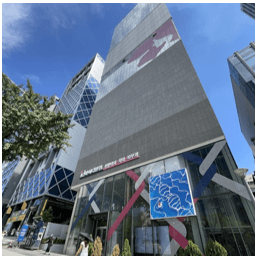
ID Hospital - Main Branch in Korea: Specializing in Safe & Customized Facial Plastic Surgery and Post-Care Services
Sinsa

Secret Clinic: Unveiling Advanced Skin and Body Treatments in Seongnam, Korea
Sinnonhyeon Station

The Tight Plastic Surgery Clinic in Korea: Expert Female-Led Facelifts, Lifting Procedures, and Non-Surgical Rejuvenation Treatments
Sinnonhyeon Station

Luho Plastic Surgery in Korea: Top-Quality Cosmetic Procedures for Eyes, Nose and Facial Rejuvenation in Seoul
Sinsa