
Medical Tourism Blog
Full Facial Filler in Korea: Types, Safety, Recovery and Travel Planning
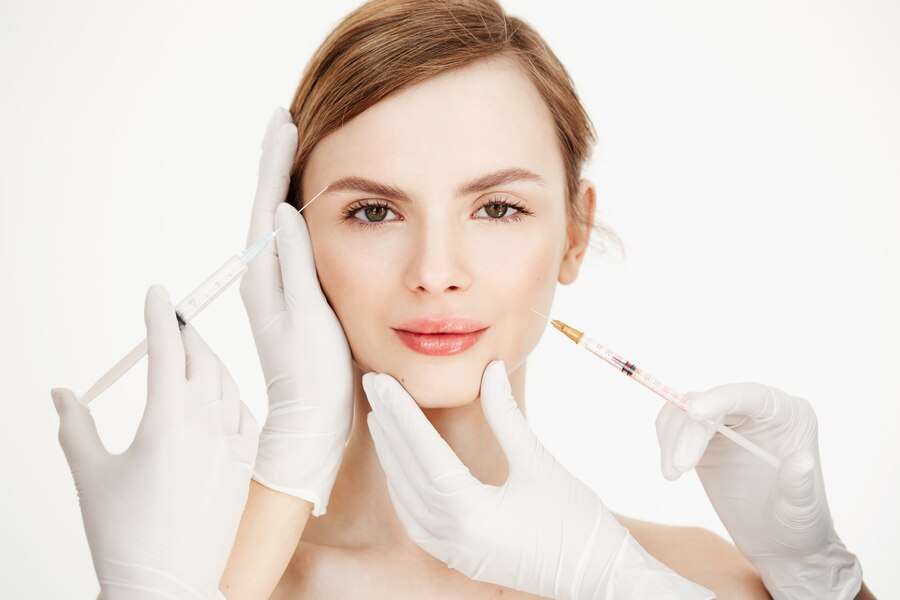
Table of contents
- Facial Filler at a Glance
- What Is Facial Filler?
- Who Is a Good Candidate for Facial Filler?
- What Are the Different Types of Facial Filler?
- Why Visit Korea for Facial Filler?
- Key Information for International Patients
- Which Are the Best Clinics in Korea for Full Face Filler In?
- Facial Filler From Start to Finish
- Alternatives to Facial Filler
- How Can I Prepare for Facial Filler?
- Aftercare Advice
Considering treatment in Korea? Everything you need to know e.g. — how to avoid scams, visas, interpreters, recovery tips — in our Medical Tourism Master Guide. Plan with confidence in minutes, not weeks!
Last updated: September 2026
Facial Filler at a Glance
- What it treats — Facial filler is a minimally invasive injectable treatment that adds localized volume or contour to areas such as the lips, cheeks, chin, jawline, temples, and selected facial folds.
- Results and longevity — HA filler adds visible volume immediately but should be judged after swelling settles at about 2–4 weeks; typical material-level duration is 6–12 months for HA, about 18 months for CaHA, and up to 2 years for PLLA after a treatment series.
- Recovery — Redness, tenderness, swelling, and bruising are common for days to a few weeks, while routine topical- or local-anesthetic filler usually requires no fasting, companion, or hotel recovery.
- Best candidates — Suitable candidates are adults seeking conservative correction of a localized volume or contour concern who can provide prior filler records and obtain prompt in-person care if a problem develops.
- Critical safety risk — Rare vascular compromise can cause skin necrosis, blindness, or stroke; severe or escalating pain, blanching or mottled skin, visual changes, or neurologic symptoms require immediate emergency assessment.
- Korea travel planning — When receiving filler in Korea, remain locally accessible for at least 3 days when feasible because vascular occlusion can present up to 72 hours later, and leave with the exact product, lot number, injected volume, treatment map, after-hours contact, and a cross-border follow-up plan.
What Is Facial Filler?
Facial filler is an injectable treatment that adds volume or refines contour in selected areas of the face. It can soften folds and enhance features such as the lips, cheeks, chin, jawline, or temples for a fuller, more balanced appearance. Facial filler is a minimally invasive procedure, typically performed with topical or local anesthetic.
Who Is a Good Candidate for Facial Filler?
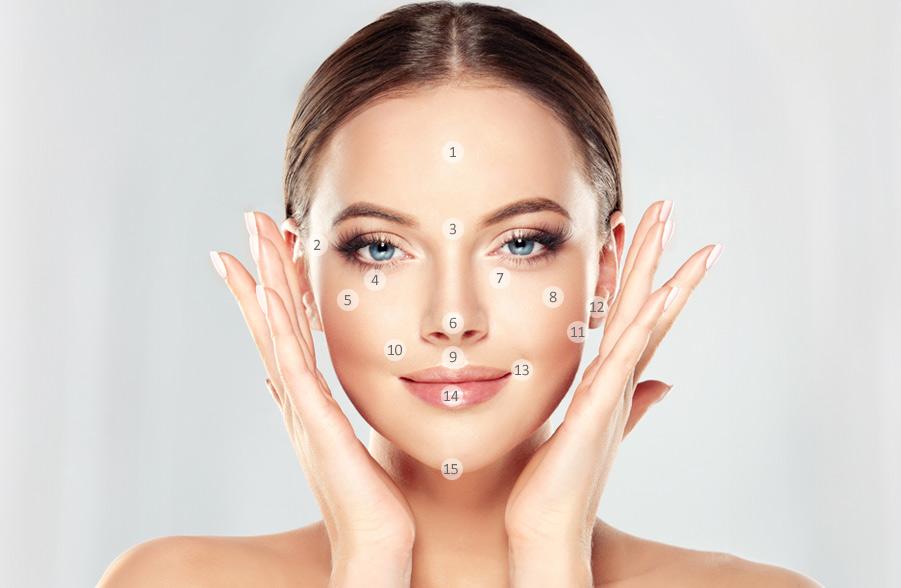
- Localized volume or contour concern — Good candidates want to augment the lips, cheeks, chin, jawline, temples, or selected folds such as nasolabial folds and marionette lines.
- Conservative, staged goals — Facial filler suits adults who accept that correction is often built gradually rather than creating a major structural change in one appointment.
- Clear treatment history — Bring records of previous injections, including product names, dates, volumes, and treatment areas, especially if filler is unknown, non-HA, or permanent.
- Reliable access to urgent care — Candidates can remain reachable, recognize warning signs, and obtain prompt in-person assessment after treatment.
Elective filler should be deferred during pregnancy or breastfeeding because adequate safety data are lacking. Postpone treatment with active acne, dermatitis, skin infection, cold sores, fever, respiratory illness, or inflammation near the injection site. Known sensitivity to the planned filler or components such as lidocaine, collagen, egg-derived ingredients, bacterial-fermentation-related HA components, or animal-derived ingredients can rule out a product; filler materials and contraindications differ by product. Uncontrolled diabetes, significant immunocompromise, poor dental health, recurrent inflammatory skin disease, or previous severe filler complications require individualized medical assessment. Filler cannot reliably correct major tissue descent, substantial jowling, marked skeletal disproportion, muscle-driven expression lines, or every cause of dark under-eyes.
What Are the Different Types of Facial Filler?
Facial filler is a material category, not one uniform treatment. The appropriate product depends on the treatment area, tissue thickness, intended depth, movement, previous filler, and the desired degree of reversibility.
- Hyaluronic acid (HA) gel — A temporary, water-binding gel commonly used for lips, folds, and localized facial volume. HA gives visible volume immediately and has a broad reference duration of about 6–12 months; when clinically indicated, it can be degraded with hyaluronidase, although reversal is not risk-free or guaranteed to fully restore the original appearance. FDA material summaries describe broad duration ranges rather than promises for an individual result.
- Calcium hydroxylapatite (CaHA) — A particle-based filler in a gel carrier, generally selected for deeper structural contour or volume goals. Its reference duration is about 18 months, and it can be visible on X-ray.
- Poly-L-lactic acid (PLLA) — A biodegradable biostimulatory injectable used in a series over several months. Volume improvement develops progressively rather than appearing like an immediate HA-gel result; effects can last up to two years after serial treatment.
- Polymethylmethacrylate (PMMA) — A non-absorbable, permanent filler with a substantially different long-term complication and removal profile. Removal can require surgery, so it is not comparable to an HA filler in reversibility.
- Needle, cannula, and ultrasound planning — A clinician can inject with a sharp needle or blunt microcannula and at different anatomical planes. Cannulas had lower reported vascular-occlusion rates per syringe in one observational cohort, but neither cannulas, aspiration, nor ultrasound eliminates risk; the wider evidence remains heterogeneous and largely non-comparative. Ask about high-frequency Doppler ultrasound for high-risk areas, revision work, or unknown prior filler.
Why Visit Korea for Facial Filler?
Korea has a large international aesthetic-care market, but national treatment volume does not prove that a particular clinic or injector is safer or produces better results. Select a clinician based on licensure, anatomy knowledge, experience in the planned facial area, transparent product records, and a credible complication-response pathway. Exact Korean authorization and labeling must be verified for the specific filler at the time of care.
- Product authorization checks — Korea’s Ministry of Food and Drug Safety (MFDS) provides English-language medical-device approval information. Ask the clinic to confirm the exact product’s current authorization, intended use, and labeling rather than relying on brand familiarity.
- Traceable treatment record — Request the filler name, manufacturer, batch or lot number, expiry date, total injected volume, treatment sites, and a written injection map before leaving Korea. This record is particularly important if later care is needed overseas.
- Complication readiness — For HA filler, confirm that hyaluronidase is immediately available and ask how the practice arranges urgent ophthalmology, neurology, or hospital transfer. This matters most for the nose, forehead, and glabella, where vascular connections to the eye make an error especially consequential.
- Communication and continuity — Obtain English-language consent, discharge instructions, after-hours contact details, and a written cross-border follow-up plan before treatment. These practical safeguards matter more than broad claims about Korea’s aesthetic market.
Key Information for International Patients
- Minimum local stay — Plan to remain in Korea for at least 3 days after filler when feasible, especially before long-haul travel. This is a conservative access-to-care buffer, not a legal or universal rule: vascular occlusion can present up to 72 hours after injection.
- Flight timing — No validated rule shows that cabin pressure damages filler or establishes one mandatory no-fly interval. Do not take a flight that would delay qualified assessment if severe pain, blanching, mottled discoloration, visual symptoms, or neurologic symptoms develop.
- Review appointment — Schedule a 2–4-week aesthetic review by video or with a local qualified clinician. HA volume is immediate, but early swelling can distort the result; this is the more useful window for judging whether a staged adjustment is appropriate.
- Itinerary impact — Routine filler using topical or local anesthetic usually does not require a companion, hotel recovery, or fasting. Expect visible redness, tenderness, swelling, or bruising for days to a few weeks, and avoid placing an important event immediately after treatment.
- Remote follow-up — Leave with clear photographs, product documentation, an after-hours contact, and instructions on where to seek emergency care at home. Remote messaging does not replace urgent in-person assessment for a suspected vascular complication.
Travel note: Do not schedule filler on the final day of a Korea trip. Remain within rapid reach of the injector and hyaluronidase-capable care during the first 72 hours when possible.
Which Are the Best Clinics in Korea for Full Face Filler In?
Listed below are some of the best clinics in Korea for full face filler in.
1. Haru Clinic
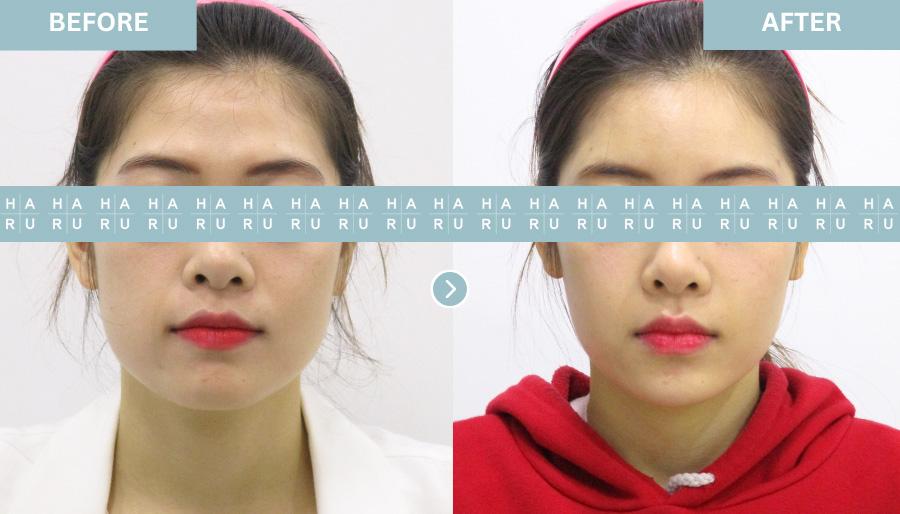
At Haru Clinic, you can pursue a full-face filler plan designed around facial harmony and balance rather than a one-size-fits-all volume approach. Dr. Jeong’s work as a Merz research physician and educator in current filler techniques supports treatment planning for areas such as the cheeks, lips, chin, jawline, tear troughs, smile lines, and selected eyelid or under-eye concerns.
- URL: Haru Clinic Website
- Location: Gangnam-gu, Seoul
- Filler approach:
- Customized facial design aims for a natural, refreshed look using non-invasive techniques.
- Hyaluronic acid or biostimulatory fillers may be used to restore volume and definition; results are described as immediate and adjustable.
- Treatment can address lips, cheeks, chin, jawline, tear troughs, smile lines, and selected eyelid or under-eye areas.
- Clinical background:
- Dr. Jeong is an official research physician at Merz, the company behind Belotero Filler.
- He teaches other doctors about current filler techniques.
- Related options:
- Botox is available for dynamic lines and square-jaw concerns.
- Thread lifting, collagen-tightening treatments, and customized dark-circle care are also offered when lifting, skin firmness, or under-eye concerns are part of your plan.
2. PangPang Clinic
At PangPang Clinic, you can combine customized filler and Botox planning with a practice centered on thread lifting, which may be relevant when full-face volume concerns occur alongside sagging or reduced skin elasticity. The clinic’s consultation process is described as personalized, and its thread-focused approach uses pre-operative design and ultrasonic visual checks for lifting treatments.
- URL: PangPang Clinic Website
- Location: Gangnam-gu, Seoul
- Full-face contouring considerations:
- Customized filler and Botox treatments are offered for facial-structure enhancement and wrinkle concerns.
- PIM Injection is a non-invasive volume and wrinkle-focused option combining Ultra Cell, thread lifting, and Botox; it is described as taking about 30 minutes under local anesthesia.
- PIM Injection uses absorbable thread components intended to support collagen production, facial volume, and firmness.
- Thread lifting expertise:
- The clinic focuses exclusively on thread lifting and has established a Thread Lifting Research Institute.
- Its medical team participates in international beauty conferences through invited lectures and presentations.
- Thirty-one specialized functional threads are available for personalized lifting plans, including volume threads for the under-eye, cheek, and eye-bag areas.
- Treatment planning and aftercare:
- Thread-lifting planning includes a personalized doctor consultation, pre-operative design, and ultrasonic visual checks.
- A thread aftercare package is offered to support and prolong treatment effects.
- A revision center addresses unsatisfactory prior thread-lifting results and may incorporate fillers, Botox, or lasers.
3. Three Wishes Clinic - Myeongdong
You may consider Three Wishes Clinic - Myeongdong for full-face filler treatment if you want fillers tailored to your facial shape and desired outcome, with immediate volume enhancement, contour refinement, and fine-line smoothing in areas such as the lips, cheeks, and chin. The clinic also offers Botox, thread lifting, and skin-focused treatments that may complement a broader facial rejuvenation plan.
- URL: Three Wishes Clinic - Myeongdong Website
- Location: Jung-gu, Seoul
- Filler treatment:
- Dermal fillers are used to add volume, smooth fine lines, and enhance facial contours.
- Treatment can be tailored to your facial shape and intended result, with immediate results described in the clinic information.
- Common treatment areas include the lips, cheeks, and chin.
- Complementary options:
- Botox is available for dynamic wrinkles, including crow’s feet and forehead lines.
- Thread lifting uses dissolvable threads to lift sagging tissue and stimulate collagen production.
- Shurink ultrasound lifting and Rejuran Healer injections are available for skin elasticity, texture, and fine-line concerns.
Facial Filler From Start to Finish
- Remote inquiry and screening — Send clear, unfiltered facial photographs and disclose goals, allergies, prescriptions, supplements, cold-sore history, dental or skin issues, immune conditions, prior filler, and previous adverse reactions. Ask whether an English or virtual consultation is available; photographs support planning but do not replace examination.
- Travel and safety planning — Confirm the intended appointment date, conservative local-stay buffer, emergency contact route, and remote review process. Ask for the exact proposed material and whether the practice has hyaluronidase for HA filler and an escalation protocol.
- In-person assessment — The clinician examines facial proportions, skin quality, fat distribution, muscle activity, asymmetry, scars, and prior filler. They determine whether filler addresses the concern or whether a different treatment is more appropriate.
- Consent and treatment plan — Review the exact product, volume range, injection sites, expected longevity, limits of reversibility, alternatives, common effects, and rare serious complications. Baseline photographs and a treatment map help document the plan.
- Preparation and anesthesia — The skin is cleansed and disinfected. Topical anesthetic, cooling, vibration analgesia, or lidocaine-containing filler can reduce discomfort; straightforward filler generally uses no sedation.
- Injection — The clinician places small amounts of filler with a needle or microcannula at the planned depth. Technique and duration depend on the number of areas, product, revision complexity, and whether ultrasound assessment is used.
- Immediate assessment and discharge — The injector checks symmetry and skin circulation, then provides aftercare and emergency instructions. Obtain the product name, manufacturer, lot or batch number, expiry date, injected volume, sites, photographs, and after-hours contact details.
- Recovery and overseas follow-up — Monitor for expected swelling, tenderness, redness, and bruising, but treat severe or escalating pain and color change as urgent. Send agreed photographs for the 2–4-week review, and seek local emergency care immediately rather than waiting for remote advice if concerning symptoms occur.
Alternatives to Facial Filler
Filler is best for localized volume and contour deficits. Choose an alternative when the main issue is muscle movement, skin laxity, tissue descent, substantial skeletal deficiency, or when a more durable surgical result justifies greater downtime and risk.
Facial Botox
- Best for — Dynamic expression lines and selected muscle-driven contour concerns rather than lost volume.
- Tradeoff — Facial Botox relaxes targeted muscles but does not replace cheek, lip, temple, or chin volume.
Fat Grafting
- Best for — Patients seeking broader facial volume restoration using their own tissue.
- Tradeoff — Face fat grafting involves harvesting and transferring fat, surgical recovery, and variable fat retention; it is more invasive than filler.
Thread Lift or Facelift
- Best for — Laxity and tissue descent that cannot be corrected by adding volume alone.
- Tradeoff — A face thread lift is less invasive but has a different longevity and complication profile from surgery, while a face lift addresses more substantial laxity with incisions and longer recovery.
Facial Implant or Structural Surgery
- Best for — Significant chin, cheek, or jaw skeletal deficiency where repeated filler would be an inadequate substitute.
- Tradeoff — A facial implant can create structural change but requires surgery and carries implant-specific risks.
Filler Dissolver
- Best for — Selected problems involving HA filler, including an urgent HA vascular complication or unwanted HA result.
- Tradeoff — Filler dissolver uses hyaluronidase for HA only; it does not reliably reverse CaHA, PLLA, PMMA, or other permanent fillers.
How Can I Prepare for Facial Filler?
- Disclose medicines and supplements — Provide a complete list of prescription medicines, aspirin, antiplatelets, anticoagulants, NSAIDs, vitamins, and herbal supplements before booking. Do not independently stop prescribed blood-thinning medicine; the prescriber and treating clinician must decide whether any change is medically appropriate.
- Report prior injectables — Send records of all previous filler, especially unknown, permanent, or non-HA products. State the product, date, volume, and location when known.
- Delay active illness or inflammation — Reschedule for fever, influenza, respiratory infection, cold sores, acne flare, dermatitis, skin infection, or dental infection near the planned treatment area.
- Coordinate facial and dental procedures — Tell the clinic about recent or planned dental work, laser treatment, chemical peels, surgery, threads, or other facial injections so they can set an appropriate sequence.
- Arrive with clean skin — Attend without makeup when possible and do not apply irritating topical products to inflamed skin.
- Clarify fasting and transport — Routine topical or local-anesthetic filler does not inherently require fasting, a companion, or special transport. Follow fasting, companion, and transport restrictions when sedation or another procedure is combined.
- Keep travel flexible — Avoid a final-day appointment and allow at least a 72-hour local-access buffer when feasible. Build flexibility into flights and social plans because bruising and swelling are visible and unpredictable.
Travel note: Save the clinic’s after-hours number and identify an emergency facility near your accommodation before the appointment.
Confirm the treating doctor’s clinic-specific medicine, fasting, skin-preparation, and travel requirements; individualized instructions take precedence over general guidance.
Aftercare Advice
Protect the treated area, monitor circulation closely, and treat unusual pain or skin-color change as urgent rather than cosmetic.
- Expected early effects — Swelling, tenderness, redness, mild pain, and bruising are common and usually settle over days to a few weeks. Assess the settled HA cosmetic result at roughly 2–4 weeks, not on the day of injection.
- Contact and activity — Do not rub, press, massage, or manipulate treated areas unless the injector specifically directs it. Avoid strenuous exercise for the first 24 hours when instructed, and avoid activities likely to put pressure on the treated area.
- Heat and skincare — Avoid high heat and use gentle skincare while skin is tender or bruised. Apply broad-spectrum SPF 50 to exposed facial skin, particularly where bruising or irritation is present, unless the clinician gives different instructions.
- Urgent warning signs — Immediately contact the injector and seek emergency assessment for severe, unusual, or escalating pain; blanching; white, gray, blue, or dusky skin; net-like discoloration; cool skin; blisters; visual changes; eye pain; severe headache; facial weakness; speech difficulty; dizziness; or new weakness. Intravascular filler injection can cause skin necrosis, blindness, or stroke.
- Delayed concerns and follow-up — Contact the clinic promptly for fever, pustules, progressive swelling, increasing pain after the first day, delayed lumps, or inflammation. Keep the 2–4-week review and share treatment records with any clinician treating a later problem.
Follow the treating doctor’s product- and site-specific instructions, and contact the clinic promptly whenever something appears wrong.
Frequently Asked Questions
Related Blogs

Erase Horizontal Forehead Lines with Forehead Filler: Advanced Treatments in Korea
Discover how Korea leads in treating horizontal forehead lines with advanced dermal fillers and Botox. This article explores the causes of static wrinkles, treatment options like hyaluronic acid, CaHA, and PLLA fillers, and the importance of expert practitioners in Korea’s top clinics. Learn about the procedure steps, safety considerations, and how Korea’s affordable, high-quality medical tourism
Updated: Oct 11, 2026
Bony Hands Solutions: Hand Filler Procedures in Korea for Fuller, Youthful-Looking Hands
Discover effective solutions for "bony hands" and veiny hand aging with Korea’s leading hand filler procedures. From hyaluronic acid fillers like Restylane to biostimulatory options such as Radiesse and Sculptra, Korea offers expert treatments to restore youthful volume. Enjoy short, minimally invasive treatments with immediate results, performed by certified Korean surgeons in a patient-focused m
Updated: Oct 10, 2026
Neck Wrinkles Solutions: Neck Filler Procedures in Korea for Smoother, Youthful Skin
Discover how Korea leads in neck wrinkle treatments with advanced Neck Filler procedures like hyaluronic acid, calcium hydroxylapatite, and poly-L-lactic acid. This comprehensive guide explores causes of neck aging, treatment techniques, costs, and patient experiences in Korea—a preferred medical tourism destination. Learn about Korea’s expert injectors, affordable pricing, and all-inclusive packa
Updated: Oct 8, 2026

Veiny Hands Solutions: Hand Filler Procedures in Korea for Smooth, Youthful-Looking Hands
Discover how Korea leads in hand rejuvenation treatments to reduce prominent veins and restore youthful hands. This blog covers the causes of veiny hands like aging and genetics, explains popular procedures such as hand fillers—including hyaluronic acid, Radiesse, and fat grafting—and highlights Korea’s affordable, high-quality care for medical tourists. Learn about the step-by-step process of get
Updated: Oct 8, 2026
Clinics offering Facial Filler

BongBong Plastic Surgery Dermatology Korea | Body, Breast & Aesthetic Treatments
Nonhyeon

THEPLUS Plastic Surgery Korea | Eye, Nose, Face & Body Surgery
Sinsa

Haru Clinic Korea | Fully-Customized Full-Face Non-Surgical Rejuvenation With Threads, Botox & Fillers
Sinsa

Hev Clinic Korea | Premium Sinsa Clinic for Skin, Laser & Injectables
Sinsa