
Medical Tourism Blog
Rejuvenate Thigh Skin Crepe with BodyTite Procedures in Korea
Table of contents
- Understanding Thigh Skin Crepe
- BodyTite – A Comprehensive Medical Procedure Overview
- Best Clinics in Korea for Thigh Skin Crepe
- The BodyTite Journey in South Korea for Medical Tourists
- Cost Analysis: BodyTite in South Korea vs. Global Destinations
- Patient Experiences and Outcomes with BodyTite for Thigh Skin Crepe
- Conclusions
- References
Considering treatment in Korea? Everything you need to know e.g. — how to avoid scams, visas, interpreters, recovery tips — in our Medical Tourism Master Guide. Plan with confidence in minutes, not weeks!
Many patients looking for ways to treat "thigh skin crepe," often described as "fine wrinkles on thigh skin," want effective and lasting solutions. This report offers a detailed overview of the condition and highlights BodyTite, a minimally invasive procedure, as a promising treatment. It also explores why South Korea is an attractive destination for this procedure, covering its medical tourism environment, costs, and patient outcomes. The goal is to provide patients and their advisors with clear, evidence-based information to help make informed decisions about managing thigh skin crepe.
Understanding Thigh Skin Crepe
Definition and Characteristics of Crepey Skin on Thighs
Crepey skin is known for its thin, delicate, and finely wrinkled texture, often compared to crinkled paper. Unlike typical wrinkles, it can appear loose or saggy, indicating a breakdown in the skin’s structural integrity. On the thighs, this shows as fragile, thin skin with fine wrinkles that reflect a loss of elasticity.
Common Pseudonyms and Related Terms
The condition is most often called "crepey skin." Related terms like "loose skin," "saggy skin," or "skin laxity" are sometimes used interchangeably or to describe specific features. It’s important to distinguish crepey skin from regular wrinkles, as it stems from different issues related to skin elasticity.
Primary Causes and Contributing Factors
Crepey skin develops from a mix of environmental, lifestyle, and genetic factors.
- Sun damage is the leading and most preventable cause. Ultraviolet (UV) radiation from the sun or tanning beds accelerates the breakdown of collagen and elastin, proteins essential for skin firmness and suppleness. This damage reduces skin elasticity, making it slow to bounce back after stretching.
- Natural aging also plays a major role, as collagen and elastin production naturally declines over time, worsening skin laxity.
Other contributors include:
- Significant and rapid weight fluctuations that stretch the skin.
- Lifestyle factors such as smoking, pollution exposure, alcohol consumption, and chronic sleep deprivation, all of which harm collagen levels.
- Dry skin that lacks moisture, leading to a wrinkled appearance.
- Certain medications like prednisone that affect skin elasticity.
- Elevated stress-related cortisol levels that interfere with skin repair.
- A poor diet lacking water, proteins, vitamins A, C, D, E, antioxidants, and omega-3 fatty acids, which are vital for skin health.
- Genetic conditions such as Ehlers-Danlos syndrome, Werner syndrome, and Hutchinson-Gilford progeria syndrome, which predispose individuals to premature aging or skin integrity issues.
This variety of causes shows that crepey skin is not just about aging but a complex interaction of factors. Understanding this helps patients realize that while treatments can improve skin laxity, long-term success depends on addressing these underlying causes through prevention and lifestyle changes. A holistic approach combining external treatments and internal wellness is essential.
General Approaches to Managing Skin Laxity (Setting Context)
Though this report focuses on BodyTite, it’s important to recognize other options for managing crepey skin. Preventative steps include seeking shade, wearing sun-protective clothing, and applying broad-spectrum sunscreen with SPF 30 or higher. A balanced diet rich in water, proteins, vitamins, and antioxidants supports skin health. Home remedies like regular skin massage, exercise, stress reduction, and adequate sleep may slow crepey skin’s onset.
For existing concerns, over-the-counter products with retinol or alpha hydroxy acids can improve elasticity. Dermatologists offer in-office treatments such as dermal fillers (e.g., Restylane), biostimulators (e.g., Sculptra), microneedling (e.g., SkinPen), skin quality injectables (e.g., Skinvive), and chemical peels (e.g., VI Peel). BodyTite stands out as a more advanced, minimally invasive option that targets both fat reduction and significant skin tightening.
It’s crucial to differentiate crepey skin from typical wrinkles. Crepey skin involves a loss of elasticity over larger areas, making skin fragile and thin, unlike wrinkles often caused by muscle movement or volume loss. Treatments focusing only on fine lines may not address crepey skin effectively. Procedures like BodyTite, which stimulate collagen and elastin production, are better suited to tackle this core issue and offer more effective solutions.
BodyTite – A Comprehensive Medical Procedure Overview
What is BodyTite? (Mechanism of Radiofrequency-Assisted Lipolysis - RFAL)
BodyTite is a cutting-edge, minimally invasive cosmetic treatment that uses radiofrequency (RF) technology to tighten and sculpt the body. It targets both stubborn fat and loose skin without the need for traditional surgical incisions. The procedure is also known as Radiofrequency-Assisted Lipolysis (RFAL) because of its core mechanism.
How BodyTite Works: Dual Action for Fat Reduction and Skin Tightening
BodyTite uses a unique dual-action approach, delivering controlled RF energy both inside and outside the skin.
A thin probe (cannula) is inserted through tiny incisions beneath the skin. This internal probe emits RF waves that heat and liquefy fat cells, which are then gently suctioned out. At the same time, an external electrode on the skin’s surface works with the internal probe to heat collagen fibers. This heat causes immediate collagen contraction, tightening the skin, and stimulates the body to produce new collagen and elastin over time. This leads to progressive skin tightening and improved texture.
Unlike traditional liposuction, which removes fat but can leave sagging skin, BodyTite addresses both fat and skin laxity simultaneously. This results in a natural, toned, and smoother appearance, effectively improving conditions like "thigh skin crepe" by restoring elasticity and firmness.
Benefits and Advantages of BodyTite
BodyTite offers many advantages:
- Minimally Invasive: Tiny incisions mean minimal scarring and less tissue trauma compared to traditional surgeries like tummy tucks.
- Dual Benefits: It removes fat and tightens skin in one procedure, unlike conventional liposuction.
- Targeted Treatment: RF technology precisely treats areas like inner and outer thighs, abdomen, arms, face, neck, knees, and buttocks.
- Collagen Stimulation: Controlled heating boosts natural collagen and elastin production, improving skin quality over months.
- Quicker Recovery: Less downtime and faster return to daily activities than traditional liposuction.
- Natural-Looking Results: Smooth, toned contours without artificial or uneven effects.
Ideal Candidates for Thigh Treatment
BodyTite suits individuals who:
- Want sculpted, defined thighs and improved leg contour.
- Have stubborn fat on inner or outer thighs resistant to diet and exercise.
- Experience mild to moderate skin laxity or "crepey skin" on thighs.
- Are in good health and non-smokers (smoking impairs healing).
- Have realistic expectations, understanding the procedure improves contour but isn’t perfection.
- Prefer less invasive options with shorter recovery than traditional surgery.
- Are near their ideal weight and seek refinement rather than major weight loss.
Potential Risks, Side Effects, and Safety Profile
BodyTite is generally safe and FDA-approved for areas including the stomach, arms, bust, knees, and thighs. Clinical studies show low complication rates and high patient satisfaction. Reputable clinics, such as those in South Korea, follow strict safety protocols.
Common side effects include swelling and minor bruising, peaking within 48 hours and subsiding over 1-2 weeks, sometimes longer. Patients may also experience redness, sensitivity, soreness, and tenderness, manageable with over-the-counter pain relief.
Less common effects include temporary numbness, altered sensations, rare infections, and uneven skin for 2-3 weeks. These usually resolve as healing progresses.
Expected Recovery Process and Timeline
Recovery after BodyTite is quicker and easier than traditional surgery.
- Immediately After: Mild soreness and tenderness are common. Patients usually leave the clinic within hours but should arrange assistance home.
- Compression Garments: Wearing compression garments for several days to up to 6 weeks is essential to reduce swelling, support tissues, and aid healing.
- Activity: Most resume normal activities within days but should avoid strenuous exercise, heavy lifting, or prolonged squatting for at least two weeks. Full recovery may take a few weeks.
- Results Timeline:
- Early: Smoother skin and reduced swelling appear within 4-6 weeks.
- Significant: Noticeable improvements by 3 months.
- Final: Optimal results around 6 months, with collagen remodeling continuing up to 9-12 months.
- Patience is Key: Collagen production and skin remodeling take time. Patients should expect gradual improvements rather than immediate perfection, helping manage expectations and encouraging adherence to aftercare.
Best Clinics in Korea for Thigh Skin Crepe
Listed below are the best clinics in Korea for thigh skin crepe:
| Clinic Name | Key Features | Special Techniques |
|---|---|---|
| 4seasons Clinic | Broad, advanced treatment portfolio addressing laxity, reduced collagen, uneven texture, and volume loss; anti-aging options such as thread-lift procedures to lift and tighten sagging skin with minimal downtime; LDM uses ultrasound-based micro-massage technology to stimulate collagen production and improve firmness and elasticity; PRP to support healing and improve fine lines and overall skin quality; precise laser treatments that target texture irregularities and rejuvenate the skin with minimal recovery time; body contouring and fat transfer options that refine the thigh area by combining skin tightening with contour enhancement; comprehensive approach to thinning, lax, crepey skin from multiple angles | Thread lift; LDM ultrasound-based micro-massage; PRP; Laser treatments; Body contouring; Fat transfer |
| Maylin Clinic - Cheonho | Prime and convenient location inside Hyundai Department Store, Cheonho, making visits easy and comfortable; Maylin Dermal Collagen Rejuvenation uses micro-needles and high-frequency energy to stimulate collagen production, which is highly relevant for improving crepey texture, fine lines, enlarged pores, scars, and sagging skin; Maylin Neck Wrinkle Eraser targets wrinkles, deep scars, and stretch marks while promoting skin healing and rejuvenation, making it especially attractive for patients with thigh crepiness related to stretch marks and weakened skin quality; Maylin Thread Lifting reflects the clinic’s strength in non-surgical anti-aging care and skin tightening, showing expertise in treating laxity and restoring a firmer appearance; Strong focus on skin renewal and rejuvenation rather than only temporary cosmetic correction; Suitable for patients looking for advanced, minimally invasive treatments that support smoother and more youthful-looking skin; Address: 3F, Hyundai Department Store, 1005 Cheonho-daero, Gangdong-gu, Seoul; Phone: 02.470.9990 | Maylin Dermal Collagen Rejuvenation; Maylin Neck Wrinkle Eraser; Maylin Thread Lifting |
| Maylin Clinic - Apgujeong | When it comes to treating thigh skin crepe in Korea, Maylin Clinic - Apgujeong stands out as the best clinic because its aesthetic philosophy is built on exactly the factors that matter most for crepey skin: lifting, tightening, collagen stimulation, and natural-looking contour improvement. Although Maylin Clinic - Apgujeong is widely known for a broad range of aesthetic treatments, its signature Maylin Titanium Lifting is especially compelling for skin that appears thin, lax, and wrinkled, as this triple-wavelength laser was developed to improve sagging, enhance elasticity, and brighten the skin with minimal pain and downtime. In addition, Maylin Easy Lifting reflects the clinic’s strength in non-surgical tissue support, using specialized thread techniques to create an immediate lifting effect while continuously stimulating collagen production, which is essential for improving the texture and firmness of crepey thigh skin over time. Even the clinic’s Maylin Sculpture Injection highlights its expertise in personalized contouring and circulation-focused treatment design, showing a refined understanding of how to reduce heaviness, support smoother body lines, and promote a more balanced appearance. Altogether, Maylin Clinic - Apgujeong offers the kind of advanced technology, customized planning, and minimally invasive rejuvenation approach that makes it a top destination for patients seeking effective improvement of thigh skin crepe in Korea. | Maylin Titanium Lifting; Maylin Easy Lifting; Maylin Sculpture Injection |
4seasons Clinic
For patients seeking the best clinic for thigh skin crepe in Korea, 4seasons Clinic in Apgujeong stands out because it offers a broad, advanced treatment portfolio that directly addresses the main causes of crepey thigh skin, including laxity, reduced collagen, uneven texture, and volume loss. Its anti-aging options such as thread-lift procedures help lift and tighten sagging skin with minimal downtime, while LDM uses ultrasound-based micro-massage technology to stimulate collagen production and improve firmness and elasticity, which are essential for smoother-looking thighs. The clinic also strengthens skin rejuvenation results with PRP, a regenerative treatment that supports healing and improves fine lines and overall skin quality, as well as precise laser treatments that target texture irregularities and rejuvenate the skin with minimal recovery time. For patients who also want improved shape and definition, 4seasons Clinic provides body contouring and fat transfer options that can further refine the thigh area by combining skin tightening with contour enhancement. This comprehensive ability to treat thinning, lax, crepey skin from multiple angles makes 4seasons Clinic an exceptional choice for thigh skin crepe treatment in Korea.
Find more about this clinic here: 4seasons Clinic Website
Maylin Clinic - Cheonho
Maylin Clinic - Cheonho is a standout destination for thigh skin crepe treatment in Korea, especially for patients seeking advanced rejuvenation care in a convenient and reputable setting. Located on the 3rd floor of Hyundai Department Store in Cheonho, this clinic combines accessibility with modern anti-aging and skin-repair procedures that address common causes of crepey thigh skin, including collagen loss, fine lines, stretch marks, and skin laxity. Its treatment lineup is particularly appealing for patients who want non-surgical options that support smoother, firmer, and healthier-looking skin through collagen stimulation and tissue renewal, making Maylin Clinic - Cheonho an excellent choice for thigh skin crepe concerns.
• Prime and convenient location inside Hyundai Department Store, Cheonho, making visits easy and comfortable.
• Maylin Dermal Collagen Rejuvenation uses micro-needles and high-frequency energy to stimulate collagen production, which is highly relevant for improving crepey texture, fine lines, enlarged pores, scars, and sagging skin.
• Maylin Neck Wrinkle Eraser targets wrinkles, deep scars, and stretch marks while promoting skin healing and rejuvenation, making it especially attractive for patients with thigh crepiness related to stretch marks and weakened skin quality.
• Maylin Thread Lifting reflects the clinic’s strength in non-surgical anti-aging care and skin tightening, showing expertise in treating laxity and restoring a firmer appearance.
• Strong focus on skin renewal and rejuvenation rather than only temporary cosmetic correction.
• Suitable for patients looking for advanced, minimally invasive treatments that support smoother and more youthful-looking skin.
• Address: 3F, Hyundai Department Store, 1005 Cheonho-daero, Gangdong-gu, Seoul
• Phone: 02.470.9990
Find more about this clinic here: Maylin Clinic - Cheonho Website
Maylin Clinic - Apgujeong
When it comes to treating thigh skin crepe in Korea, Maylin Clinic - Apgujeong stands out as the best clinic because its aesthetic philosophy is built on exactly the factors that matter most for crepey skin: lifting, tightening, collagen stimulation, and natural-looking contour improvement. Although Maylin Clinic - Apgujeong is widely known for a broad range of aesthetic treatments, its signature Maylin Titanium Lifting is especially compelling for skin that appears thin, lax, and wrinkled, as this triple-wavelength laser was developed to improve sagging, enhance elasticity, and brighten the skin with minimal pain and downtime. In addition, Maylin Easy Lifting reflects the clinic’s strength in non-surgical tissue support, using specialized thread techniques to create an immediate lifting effect while continuously stimulating collagen production, which is essential for improving the texture and firmness of crepey thigh skin over time. Even the clinic’s Maylin Sculpture Injection highlights its expertise in personalized contouring and circulation-focused treatment design, showing a refined understanding of how to reduce heaviness, support smoother body lines, and promote a more balanced appearance. Altogether, Maylin Clinic - Apgujeong offers the kind of advanced technology, customized planning, and minimally invasive rejuvenation approach that makes it a top destination for patients seeking effective improvement of thigh skin crepe in Korea.
Find more about this clinic here: Maylin Clinic - Apgujeong Website
The BodyTite Journey in South Korea for Medical Tourists
Why South Korea for Aesthetic Procedures?
South Korea has become a top global destination for plastic surgery and aesthetic treatments due to:
- Advanced Medical Technology: Clinics use cutting-edge equipment and facilities.
- High Standards of Care: Strict safety protocols ensure excellent patient outcomes.
- Expert Surgeons: Korean surgeons are highly trained and known for natural-looking results.
- Competitive Pricing: Procedures cost significantly less than in many Western countries without sacrificing quality, thanks to high procedure volumes and efficient healthcare.
The Process of Getting BodyTite in South Korea
Medical tourists can expect a well-structured process:
- Initial Consultation and Treatment Planning:
- Discuss goals, medical history, and target areas with a surgeon.
- Receive detailed explanations of the procedure, outcomes, and risks.
- Pre-Procedure Preparations:
- Most clinics require a 10% deposit to book.
- Prepare documents and follow pre-surgery instructions.
- Procedure Session:
- Local anesthesia (and possibly sedation) is administered.
- Small incisions allow insertion of the BodyTite cannula.
- RF energy melts fat, which is suctioned out, while stimulating collagen and elastin production.
- Sessions last 1 to several hours depending on treated areas.
- Post-Procedure Care and Downtime:
- Mild discomfort, swelling, and bruising are common.
- Compression garments worn for days to weeks aid healing.
- Normal activities resume within days; avoid strenuous tasks for two weeks.
- Keep incision sites clean to prevent infection.
- Follow-up and Long-Term Care:
- Regular check-ups monitor healing and results.
- Maintain a healthy lifestyle to preserve improvements.
- Avoid smoking for optimal skin health.
This step-by-step approach ensures safety and satisfaction, especially important for international patients unfamiliar with the country. Planning for all stages, including extra costs, helps manage expectations and ensures a smooth experience.
Key Considerations for International Patients
- Travel and Accommodation: Costs vary by origin and length of stay. South Korea offers options from budget to luxury. Plan for extended stays to cover procedure and recovery.
- Communication: Many clinics have multilingual staff, but language barriers may exist. Translation services or patient coordinators can help.
- Logistics: Medical tourism agencies assist with airport transfers, appointments, and accommodations. Patients should confirm appointments and pre-surgery instructions upon arrival.
Cost Analysis: BodyTite in South Korea vs. Global Destinations
Average Costs for BodyTite in South Korea
BodyTite in South Korea typically costs between 3,500,000 KRW and 7,000,000 KRW, roughly $2,425 to $5,200 USD, depending on exchange rates.
Factors Influencing Procedure Cost
Costs vary based on:
- Clinic reputation and location (urban centers and top clinics often charge more).
- Surgeon expertise and specialization.
- Size and number of treated areas (e.g., inner and outer thighs together cost more).
- Anesthesia fees, which may be separate.
Additional Costs for Medical Tourists
Beyond the procedure fee, patients should budget for:
- Travel and accommodation.
- Consultation fees if not included.
- Post-procedure items like compression garments.
- Possible extra follow-up visits.
- Upfront deposits (usually 10%).
Considering all these ensures accurate financial planning.
Comparative BodyTite Costs: South Korea vs. Other Countries
| Country | Approximate BodyTite/Liposuction Cost Range (USD) | Key Considerations for Medical Tourists |
|---|---|---|
| South Korea | $2,425 - $5,200 | High quality, advanced technology, skilled surgeons, competitive pricing. |
| USA | $5,000 - $15,000 | Wide range; generally highest costs. |
| Mexico | $3,000 - $5,000 | Cost-effective; requires careful clinic and surgeon selection. |
| Turkey | $2,500 - $3,500 | Competitive pricing; experienced professionals; possible language barriers. |
| Thailand | $600 - $1,900 | Very affordable; may need longer stays; communication challenges possible. |
| Australia | $3,300 - $5,500 | High standards and professional care; comprehensive treatment plans. |
Value Proposition: Quality and Affordability for Medical Tourists
South Korea offers significantly lower prices than the US and Europe while maintaining high standards and advanced technology. This balance of quality and affordability makes it a top choice for medical tourists seeking excellent results without excessive costs. The efficient healthcare system and high procedure volume contribute to this favorable value.
Patient Experiences and Outcomes with BodyTite for Thigh Skin Crepe
General Patient Satisfaction and Efficacy of BodyTite
Patients report high satisfaction with BodyTite for body contouring, including thighs. In a study of 55 participants averaging 51 years old, 20% were thrilled, 42% found results good, and 23% were satisfied. Independent plastic surgeons agree that BodyTite is very effective for suitable candidates. Research shows low complication rates and over 90% patient happiness six months after treatment. Patients often experience minimal scarring and downtime, with fat reduction of 25-45% in treated areas.
Specific Results for Thigh Skin Crepe (Skin Tightening, Contour Improvement, Cellulite Reduction)
For "thigh skin crepe," BodyTite effectively treats inner and outer thighs by removing stubborn fat and tightening loose skin. Patients notice smoother skin, reduced cellulite, and improved leg contour. For example, a 39-year-old woman treated with BodyTite on inner thighs and liposuction on outer thighs showed great thigh contour six months post-op. Another 36-year-old woman combining BodyTite and liposuction on lateral thighs saw cellulite reduction and slimmer legs five months after.
The skin tightening effect is a major advantage, as RF energy stimulates collagen production, firming the skin. Traditional liposuction lacks this benefit. Combining BodyTite with liposuction often yields superior results for those with both fat deposits and skin laxity, creating a harmonious, improved contour.
Realistic Expectations and Long-Term Results
While BodyTite offers significant improvements, patients should have realistic expectations. Results develop gradually over months. Initial swelling fades, and skin tightening continues as collagen rebuilds. Final results usually appear around six months, with full tissue remodeling up to 9-12 months.
Patience is essential, as collagen production is a slow biological process. Understanding this helps manage expectations and prevents disappointment.
Long-term success depends on lifestyle. Fat removal and collagen stimulation are permanent, but BodyTite does not prevent future weight gain. Maintaining a healthy lifestyle is key to preserving results and skin firmness, potentially reducing the need for more invasive skin removal surgeries later.
Importance of Lifestyle Maintenance Post-Procedure
To keep BodyTite results lasting, patients must maintain a healthy lifestyle. Proper diet and regular exercise help sustain body contour and prevent weight gain that could compromise results. Staying hydrated and avoiding smoking also support skin health and healing. BodyTite is a powerful tool but works best as part of a broader commitment to self-care and long-term wellness.
Conclusions
Thigh skin crepe arises from multiple factors beyond aging, including sun damage, lifestyle, and genetics. While cosmetic procedures like BodyTite offer meaningful improvements, lasting results require a holistic approach and lifestyle maintenance. BodyTite stands out by combining fat reduction and skin tightening in one minimally invasive procedure, stimulating collagen and elastin to restore skin elasticity. Patient feedback highlights smoother skin, better contour, and reduced cellulite. South Korea offers an excellent destination for BodyTite, blending advanced technology, expert surgeons, and competitive pricing. The procedure demands patience for full results, which unfold over months, emphasizing the importance of realistic expectations and long-term healthy habits for optimal outcomes.
References
Frequently Asked Questions
Related Blogs
BodyTite in Korea: Candidacy, Recovery, Travel Planning, and Alternatives
BodyTite uses internal and external bipolar radiofrequency electrodes, often followed by liposuction, to treat localized fat and modest skin laxity in areas such as the abdomen, arms, thighs, flanks, back, knees, and male chest. The article covers candidacy, anesthesia, recovery, Korea travel planning, aftercare, warning signs, and alternatives including liposuction, Renuvion, tummy tuck, and arm
Updated: Sep 21, 2026
Inmode Body Laser Lifting in Korea: Devices, Results, Recovery and Travel Planning
InMode Body Laser Lifting refers to external RF treatments such as BodyFX, MiniFX, Plus, or Forma Plus that heat targeted areas without surgical fat removal, typically requiring weekly sessions over 6–8 weeks for gradual contour refinement. International patients can fit one external session into a 1–2-day Korea stay, but should confirm the exact handpiece, external-only treatment plan, contraindi
Updated: Sep 20, 2026

Arm Lift in Korea: Types, Recovery, Risks, and Travel Planning
Arm lift surgery removes excess upper-arm skin through limited, full, or extended incisions, with liposuction added selectively; candidates generally have stable weight, adequate nutrition, controlled health conditions, and acceptance of permanent scars. Practical guidance covers Korea provider and visa checks, a 10–14-day postoperative stay, travel planning, preparation, recovery restrictions, wo
Updated: Sep 20, 2026
Thigh Lift in Korea: Types, Recovery, Scars, Risks, and Travel Planning
Thigh lift surgery removes excess thigh skin through an incision pattern matched to localized or extensive laxity, with permanent scars and wound-care needs as key trade-offs. The article covers candidacy, procedure steps, recovery, complication warning signs, alternatives, and international travel planning including at least 14 days in Korea and surgeon clearance before long-haul flights.
Updated: Sep 20, 2026
Clinics offering BodyTite

Maylin Clinic - Apgujeong: Leading Aesthetic Treatments & Facial Sculpting in Korea
Apgujeong

Maylin Clinic - Cheonho: Premier Anti-Aging and Skin Rejuvenation Services in Korea, Located in Hyundai Department Store
Cheonho

4seasons Clinic Korea: Advanced Dermatological Treatments for Skin Rejuvenation, Anti-aging, Body Contouring, and Acne Management
Apgujeong
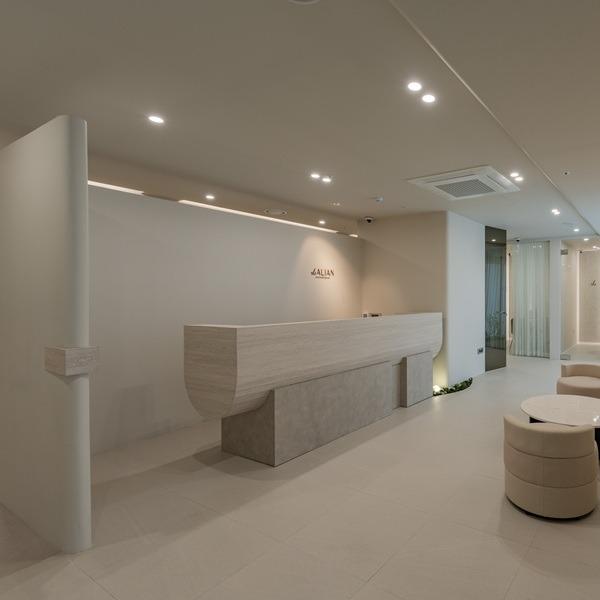
Lalian Cheongdam Clinic Korea | Premium Dermatology & Aesthetic Treatments
Cheongdam