Stem Cell Disease Therapy
Description
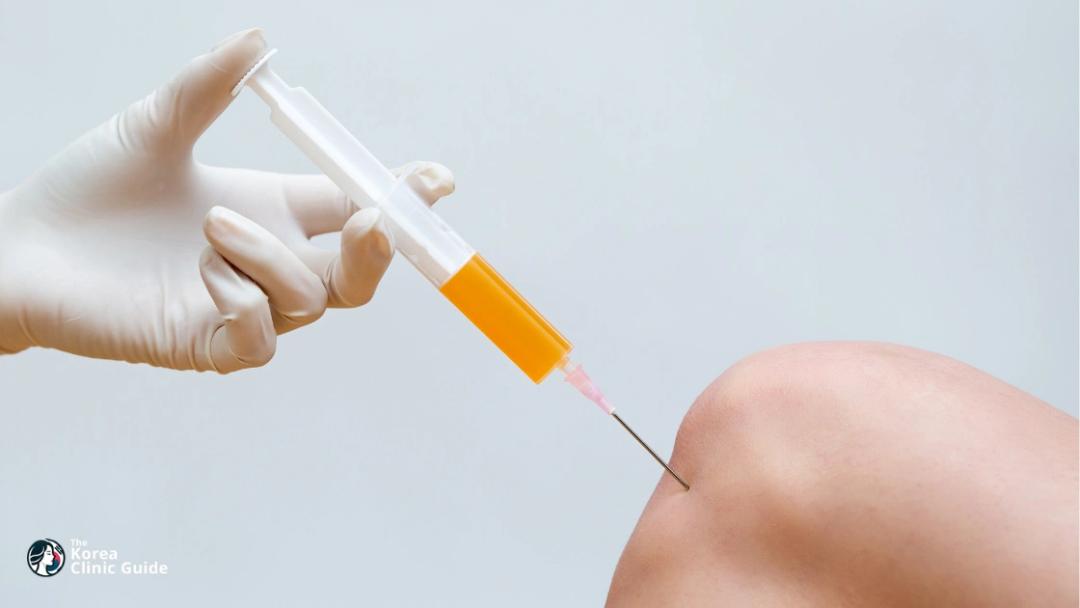
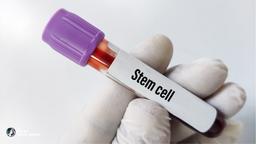
Stem cell disease therapy involves the use of stem cells to treat or prevent diseases and conditions by replacing damaged or dysfunctional cells with healthy ones. The process typically begins with the identification and extraction of the appropriate stem cells, which can be derived from various sources including bone marrow, adipose tissue, umbilical cord blood, or induced pluripotent stem cells (iPSCs). Once harvested, these cells are subjected to rigorous screening and processing to ensure they meet the required safety and efficacy standards. The cells are then cultured and potentially differentiated in vitro into the desired cell types that are needed for the specific treatment, such as neurons for neurological conditions, myocytes for heart diseases, or insulin-producing cells for diabetes. The next phase involves the transplantation or injection of these cultured stem cells into the patient's affected area or system. This can be done through various delivery methods depending on the condition being treated, including intravenous infusion, direct surgical implantation, or localized injection. Post-transplantation, patients are closely monitored for signs of cell integration, efficacy, and potential adverse reactions. Proper post-procedural care includes the administration of immunosuppressive drugs if necessary to prevent rejection, regular follow-ups, and possibly additional supportive therapies to enhance the therapeutic outcomes. The ultimate goal is for the transplanted stem cells to regenerate and repair damaged tissues, thereby restoring normal function and improving the patient’s overall health.
Ailments treated by this procedure: Autoimmune Disease Flare and Chronic Inflammation
Search
Categories
Related Posts
Top Stem Cell Disease Therapy Clinics

DATENA CLINIC
Jamsilnae, Jamsil Station
Free consultation from the clinic
Datena Clinic in Jamsil, Songpa-gu, Seoul, provides personalized dermatology and aesthetic treatments focused on skin quality, facial contouring, pigmentation, pores, acne scars, and anti-aging care. Lifting and Contouring Ultherapy uses focused ultrasound energy for non-surgical lifting and facial-contour treatment. Datena Clinic includes it in individualized V-line and lifting plans. InMode FX + Forma combines radiofrequency-based treatments for skin elasticity, fine lines, facial contouring, and unwanted-fat reduction. The clinic offers this two-step treatment for the face and body. Fillers add or restore volume in selected facial areas to refine contours and address volume loss. Datena Clinic plans filler treatment according to each patient’s facial proportions and treatment goals. Botox relaxes targeted facial muscles to soften expression lines and refine facial contours. The clinic offers design Botox, jaw Botox, and skin Botox within customized treatment plans. Contouring injections are used as part of facial-contour and V-line treatment planning. Datena Clinic combines them with lifting devices, fillers, or Botox when appropriate to the treatment plan. Skin Rejuvenation and Laser Treatments Skin booster injections support skin hydration, texture, and overall radiance. Datena Clinic offers skin-booster programs that include Rejuran, Water Glow, and Juvelook. Pigmentation laser treatment addresses concerns such as uneven skin tone and visible pigmentation. The clinic incorporates it into personalized skin-rejuvenation programs. Laser toning is used to improve overall skin tone and support pigmentation management. Datena Clinic includes toning in its slow-aging and skin-balance programs. Genesis laser treatment is offered for skin-rejuvenation care and texture-focused treatment planning. The clinic includes Genesis in customized programs for overall skin condition. Acne Scar and Skin Texture Care Acne scar treatment addresses acne-scar concerns through personalized evaluation and treatment planning. Datena Clinic lists acne scars, pores, and skin texture among its main treatment concerns. Customized skincare combines professional skin assessment with treatment selected for the patient’s current skin condition. The clinic uses this care within its slow-aging and skin-rejuvenation programs. Medical skincare provides clinic-directed skincare treatment as part of an aesthetic or dermatologic care plan. Datena Clinic combines medical skincare with personalized aesthetic care in its REBORN VIP Skin Aesthetic program.
learn more

Geurim Plastic Surgery
Sinsa Station
Free consultation from the clinic
The procedures offered at Geurim Clinic in Gangnam are diverse, addressing various aesthetic and reconstructive concerns. Below are the procedures categorized for easier understanding: Specialized Procedures Cleft Lip Surgery and Cleft Palate Surgery: Repairs congenital anomalies of the lip and palate. Foreign Body Removal: Extracts foreign objects embedded within the body. Hair Transplant on Scar: Masks scar tissue by transplanting hair to the scarred area. Stem Cell Acne Scar and Stem Cell Disease Therapy: Utilizes stem cells for the treatment of acne scars and potential disease therapy. Lip and Smile Adjustments Gummy Smile Surgery: Adjusts the gum line to minimize gum visibility when smiling. Bullhorn-Lip-Lift: Elevates the upper lip to enhance the smile and reduce the philtrum length. Philtrum Reduction Surgery: Shortens the philtrum for improved facial proportions. Facial Contouring and Enhancement Forehead Reduction: Reduces the size of the forehead for aesthetic enhancement. Nasolabial Angle Adjustment: Modifies the angle between the nose and the upper lip to improve facial harmony. Cheiloplasty: Reshapes the lips for improved appearance and functionality. Masseter Reduction: Slims the jawline by reducing the size of the masseter muscle. Buccal Fat Removal: Contours the face by removing buccal fat pads. Double Jaw Surgery: Corrects and aligns the upper and lower jaws for improved function and aesthetics. Facial Asymmetry Correction: Achieves a more balanced facial appearance by correcting asymmetrical features. Paranasal Implant: Enhances the area around the nose for a more pleasing aesthetic look. Hair Treatments Hairline Correction: Adjusts the hairline's position, often lowering it for aesthetic purposes. Hair Transplant: Transfers hair to the scalp to address baldness or thinning areas. Eye and Eyebrow Enhancements Ptosis Correction: Corrects drooping of the upper eyelids. Canthoplasty: Modifies the outer corner of the eye for an aesthetic enhancement. Double Eyelid Surgery: Creates or enhances the fold in the upper eyelids. Eyebrow Lift: Raises the eyebrows for a youthful and alert appearance. Nasal Corrections and Enhancements Revision Rhinoplasty: Corrective nasal surgery following an initial rhinoplasty. Septoplasty: Straightens a deviated septum to improve breathing. Nose Osteotomy: Reshapes the nose through surgical modification of the nasal bones. Tip Plasty: Refines and defines the nasal tip. Scar and Skin Treatments Atrophic Scar Treatment: Aims to level depressed scars with the surrounding skin. Acne Scar Treatment: Targets scars left by acne with various treatment options. Burn Scar Treatment: Reduces the visibility of scars caused by burns. Keloid Removal: Excises keloid scars, which are thick, puckered, itchy clusters of scar tissue. Scar Revision Surgery: Enhances the appearance or reduces the visibility of scars. These procedures represent a broad spectrum of cosmetic and reconstructive options available to patients, focusing on both aesthetic improvement and functional restoration.
learn more