
Mole Removal
Description
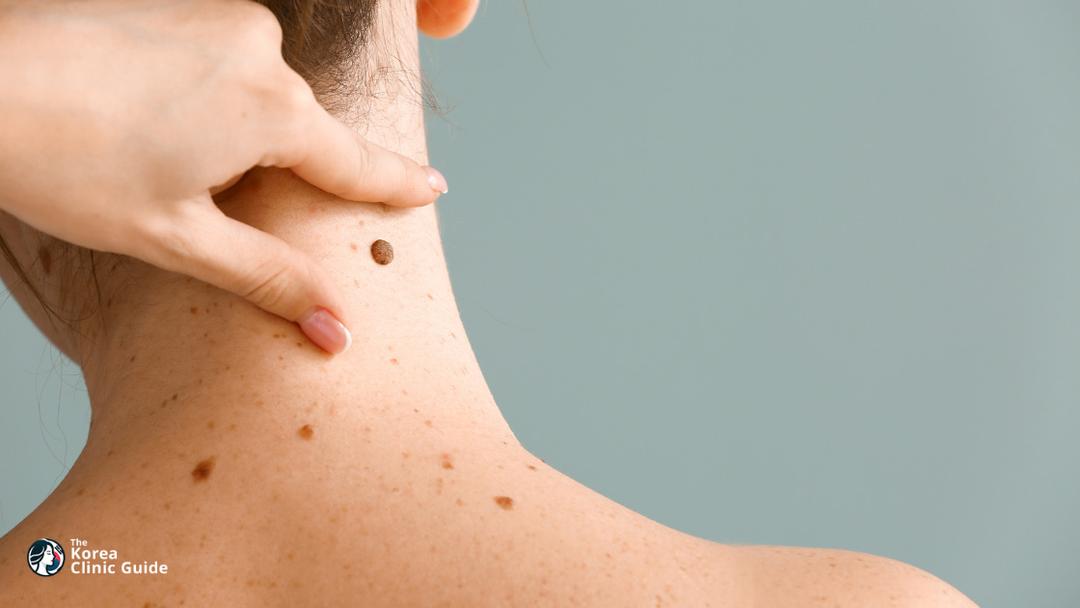
Mole removal is a medical procedure commonly performed by dermatologists to eliminate moles from the skin, often driven by cosmetic concerns, discomfort, or suspicion of malignancy. Initially, the dermatologist will examine the mole thoroughly to decide the most appropriate removal method. This examination may include dermatoscopic analysis or a biopsy if malignancy is suspected. Once the decision to remove the mole is confirmed, the area around the mole is cleansed with antiseptic solution to prevent infection. Local anesthesia is administered to numb the area, ensuring that the patient does not experience pain during the procedure. There are several techniques for mole removal, each chosen based on the mole's size, type, and location. For superficial moles, a shave removal technique might be employed wherein the mole is carefully shaved off using a surgical blade. For moles that are deeper, excisional surgery may be necessary, which involves cutting out the mole and some surrounding tissue, followed by sutures to close the wound. In some cases, laser removal might be used, especially for smaller, non-cancerous moles. After the removal, the area is typically dressed with a bandage or sterile dressing to protect it as it heals. Post-procedure care may involve applying antibiotic ointment, keeping the area clean and dry, and avoiding sun exposure. The removed tissue is often sent to a lab for pathological examination to ensure that there are no signs of skin cancer.
Ailments treated by this procedure: Mole Removal Search
Search
Categories
Related Posts

Top Mole Removal Clinics

TT Plastic Surgery Clinic
Sinnonhyeon, Nonhyeon, Gangnam Station
Free consultation from the clinic
TT Plastic Surgery Clinic is located near Sinnonhyeon Station and offers a range of plastic surgery and aesthetic procedures. Below are the procedures categorized and briefly explained: Facial Contouring Face Liposuction: Removes excess fat from the face to create a slimmer, more contoured look. Fat Grafting: Transfers fat from one part of the body to the face to add volume and improve contours. Cheek Fat Removal: Targets and removes fat from the cheeks to enhance facial definition. Face Fillers: Injectable treatments that add volume to specific areas of the face for a more youthful appearance. Eye Surgery Upper Eyelid Surgery (Upper Blepharoplasty): Removes excessive skin and fat from the upper eyelids to improve appearance and sometimes vision. Lower Eyelid Surgery (Lower Blepharoplasty): Reduces puffiness and bags under the eyes by removing or repositioning fat and excess skin. Eyelid Reoperation: Corrects or improves unsatisfactory results from previous eyelid surgeries. Double Eyelid Surgery: Creates a double eyelid crease to enhance the appearance of the eyes. Nose Surgery Rhinoplasty: Reshapes the nose for aesthetic or functional improvement. Nose Reoperation: Addresses issues from previous rhinoplasty procedures to correct or improve results. Nostril Reduction: Reduces the size of the nostrils for a more balanced nose appearance. Nose Tip Surgery: Refines the shape and projection of the nose tip for a more pleasing nasal contour. Anti-Aging Facelift: Tightens and lifts the facial skin to reduce sagging and wrinkles, providing a more youthful appearance. Mini Facelift: A less invasive version of a full facelift, targeting specific areas for a more subtle lift. Thread Lift: Uses threads to lift and tighten the skin, providing a non-surgical facelift option. Botox: Injects botulinum toxin to relax muscles and reduce the appearance of wrinkles and fine lines. Fillers: Adds volume to areas that have lost fullness due to aging, such as cheeks and lips. Skin Treatments Shringk Procedure: Utilizes ultrasound technology to tighten and lift skin, enhancing firmness. Skin Booster: Provides deep hydration and improves skin texture and tone through micro-droplet injections of hyaluronic acid. Body Procedures Body Fat Removal: Focuses on removing excess fat from different body parts through liposuction. Lifting Procedures: Various techniques to lift and firm different body areas such as arms, thighs, and abdomen. The clinic provides consultations and customized care to ensure optimal results for each patient. Appointments can be made by phone or online for convenience.
learn more

DM Dermatology Clinic
Apgujeong Station
Free consultation from the clinic
DM Dermatology Clinic in Apgujeong offers a range of specialized dermatological procedures to address various skin conditions with advanced treatments and state-of-the-art technology. Pigmentation Skin Lightening Treatments: These procedures aim to reduce dark spots and promote an even skin tone. They typically involve topical applications or laser treatments tailored to the patient's specific skin needs. Chemical Peels: This involves applying a chemical solution to the skin, causing it to exfoliate and eventually peel off. The new, regenerated skin is usually smoother and less wrinkled or pigmented. Laser Therapy for Pigmentation: Laser treatment targets pigmented areas by using focused light energy to break down the melanin, which is then naturally removed by the body. This results in a more even skin tone and reduced pigmentation. Pores Microneedling: This technique uses fine needles to create micro-injuries in the skin, stimulating collagen production and helping to reduce the appearance of large pores. The treatment also enhances the skin's texture and firmness. Laser Resurfacing: This procedure uses laser technology to remove damaged layers of skin, promoting new skin growth and significantly reducing pore size. It also helps in improving the overall texture and tone of the skin. Chemical Peels for Pores: Chemical peels exfoliate the top layer of skin, unclogging pores and reducing their appearance. They also stimulate new, healthy skin growth, improving overall skin texture. Spot Removal Laser Spot Removal: This method uses targeted laser beams to break down dark spots and pigmentation on the skin, which the body then removes naturally. It is effective for age spots, sun spots, and other types of hyperpigmentation. Cryotherapy: This involves the application of extreme cold to remove spots, warts, and other skin lesions. The cold temperature destroys the abnormal tissue, allowing healthy skin to grow in its place. Topical Treatments: These are medicated creams applied to the skin to lighten spots over time. They are often used in combination with other treatments for enhanced effectiveness. For more precise information on each procedure, consulting with a dermatologist at the clinic would be beneficial.
learn more