
Hair Transplant
Description
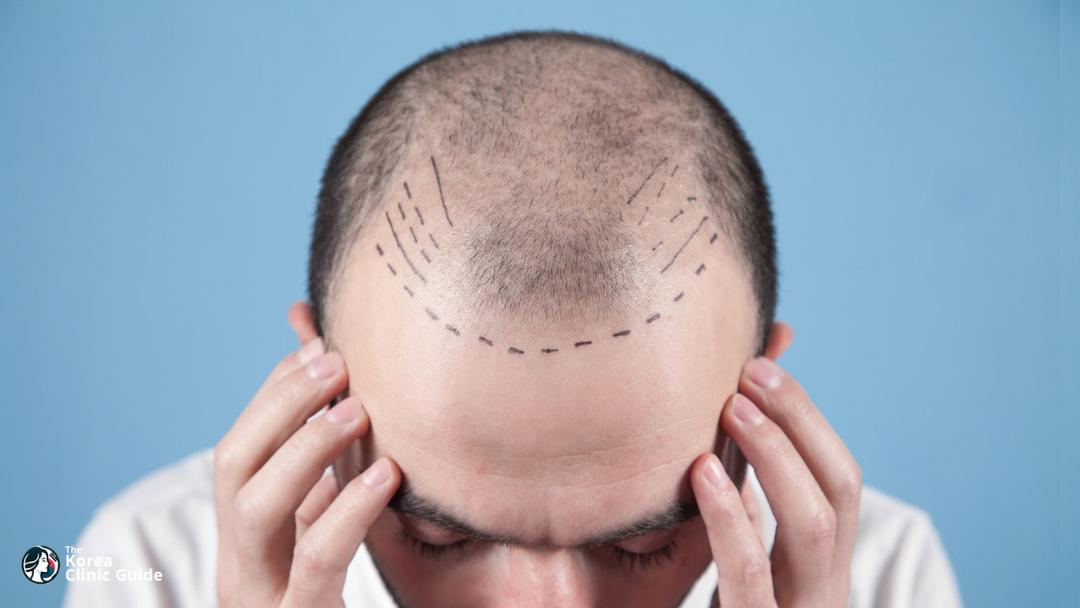
A hair transplant is a surgical procedure utilized to treat hair loss and promote hair growth in areas affected by baldness or thinning hair. The process typically begins with a thorough consultation where a qualified surgeon examines the patient's scalp, discusses their medical history, and determines the most appropriate technique to use. There are two primary methods for hair transplantation: Follicular Unit Transplantation (FUT) and Follicular Unit Extraction (FUE). In the FUT method, a strip of scalp tissue, usually from the back or sides of the head, is excised and then dissected into individual hair follicle units under a microscope. In FUE, individual follicular units are extracted directly from the donor area using a specialized punch tool. Both methods involve creating tiny incisions in the recipient area where the hair follicles are meticulously implanted. The procedure is performed under local anesthesia to minimize discomfort. Once the follicles are transplanted, patients are provided with post-operative care instructions which may include medications to manage pain, reduce swelling, and prevent infection. Initial recovery from the surgery typically takes a few days, although minor swelling and redness around the treated areas may persist for a week or more. Transplanted hair usually falls out within two to three weeks after the procedure, but new growth begins within a few months. Full results, showcasing a natural-looking hairline and improved hair density, are generally observed between six to twelve months post-surgery. Regular follow-up appointments are important to monitor progress and address any concerns.
Ailments treated by this procedure: Temporal Point Recession, Vertex Thinning, Male Pattern Baldness, Crown Balding, and Temple Hair Loss
Search
Categories
Related Posts
Top Hair Transplant Clinics

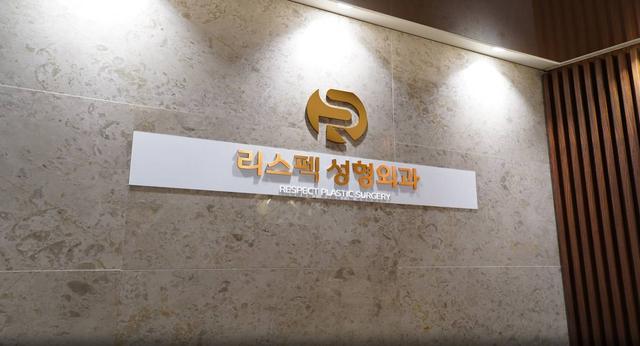
Respect Plastic Surgery
Gangnam, Sinnonhyeon Station
Free consultation from the clinic
Respect Plastic Surgery Clinic in Gangnam provides a range of aesthetic procedures tailored to enhance and rejuvenate facial features, focusing on facial contouring, rhinoplasty, anti-aging treatments, and more. Here's a detailed look at the procedures offered: Facial Contouring: Front Chin Surgery: Procedures aimed at reshaping and enhancing the chin for a balanced facial profile. Cheekbone Reduction Surgery: Surgical reduction of the cheekbones to achieve a more refined facial contour. Rhinoplasty: Rhinoplasty: Surgical reshaping of the nose to improve appearance and proportion. 3D Molding: Advanced technique utilizing 3D technology for precise nasal sculpting. Cartilage Rhinoplasty: Utilizing cartilage, often from the patient's own body, to reshape or repair the nose for natural results. Other Surgical Procedures: Philtrum Surgery: Reducing the length of the philtrum to achieve a more aesthetically pleasing balance between the nose and upper lip. Forehead Reduction: Surgical procedure to reduce the height of the forehead for improved facial proportions. Implant Forehead Reduction: Using implants to adjust forehead contour and reduce apparent size. Forehead Lift: Lifting and tightening the forehead skin to reduce wrinkles and elevate drooping eyebrows. Antiaging Treatments: Fat Grafting: Transferring fat from one part of the body to the face to restore lost volume and youthful contours. Face Lift: Surgical procedure to lift and tighten facial tissues for a more youthful appearance. Mini Facelift: Less invasive version of traditional facelift for targeted improvement of sagging skin and wrinkles. Thread Lifting: Minimally invasive treatment using medical threads to lift and firm the skin for an instant rejuvenation effect. Respect Plastic Surgery Clinic emphasizes customized treatment plans to meet the unique aesthetic goals of each patient, employing both surgical and non-surgical techniques to achieve natural-looking, harmonious results.
learn more
IVY Plastic Surgery Clinic
Sinnonhyeon, Gangnam, Sinsa, Eonju Station
Free consultation from the clinic
IVY Plastic Surgery Clinic, located near Sinnonhyeon Station, offers a comprehensive range of advanced plastic surgery and cosmetic procedures to help you achieve your desired aesthetic goals. Lifting Surgery All-In-One Lifting: This comprehensive procedure combines various lifting techniques tailored to individual needs, offering a complete facial rejuvenation. It targets multiple areas of the face to restore youthful contours and elasticity. Forehead Lifting: This procedure lifts sagging skin on the forehead to reduce lines and wrinkles. It helps create a smoother, more youthful forehead appearance. Endoscopic Forehead Lifting: A less invasive procedure using an endoscope to lift the forehead area. It minimizes scarring and reduces recovery time compared to traditional methods. Mouth Corner Lifting: This procedure lifts drooping mouth corners to create a more cheerful and youthful smile. It effectively combats a perpetually sad or angry appearance. Forehead Reduction Surgery: This surgery reduces the height of the forehead by lowering the hairline. It creates a balanced and harmonious facial proportion. Eye Surgery Double Eyelid Surgery: This surgery creates a natural-looking double eyelid crease, enhancing the eyes' appearance. It is suitable for individuals with monolids or asymmetrical eyelids. Epicanthoplasty (Inner Corner Fold Surgery): This procedure enlarges the inner corner of the eyes for a brighter and more open look. It complements other eye surgeries like double eyelid surgery for optimal results. Canthoplasty (Eye Shape Correction): This surgery adjusts the shape and size of the eyes, often opening them up and changing their overall appearance. It is tailored to achieve a more balanced and attractive look. Upper/Lower Blepharoplasty: This procedure corrects sagging eyelids and puffy lower eyelids by removing excess skin and fat. It enhances the eyes' youthful appearance and improves vision impeded by drooping skin. Male Eyelid Surgery: Customized eyelid surgery for male patients to achieve a natural, masculine look. Focuses on subtle enhancements to create a more alert and youthful appearance. Eye Revision Surgery: This procedure addresses unsatisfactory results from previous eye surgeries. It aims to correct and improve the aesthetic and functional outcomes of earlier procedures. Lower Eye Fat Repositioning: This technique redistributes fat in the lower eyelid to reduce puffiness and smooth out under-eye hollows. It provides a rejuvenated and less tired appearance. Nose Surgery Rhinoplasty for Low Nasal Bridge: This surgery enhances the height and shape of a low nasal bridge, creating a more defined profile. It often involves implants or cartilage grafts. Short Nose/Upturned Nose Correction: This procedure lengthens and reshapes a short or upturned nose. It creates a more harmonious and aesthetically pleasing nasal contour. Long/Arrow Nose Correction: Aimed at correcting a long or downward-pointing nose, this procedure refines the nasal shape. It balances facial features and enhances overall appearance. Crooked Nose Surgery: This procedure corrects nasal asymmetry and straightens a crooked nose. It improves both the nose’s appearance and nasal function. Hump Nose Surgery: This surgery removes the hump on the bridge of the nose, resulting in a smoother, straighter profile. It enhances the nose's aesthetic appeal. Bulbous Nose Surgery: This procedure refines and narrows a broad or bulbous nasal tip. It creates a more defined and proportionate nasal appearance. Nostril Reduction: Also known as alar base reduction, this surgery decreases the width of the nostrils. It creates balanced nasal proportions and complements other rhinoplasty procedures. Nose Revision Surgery: This procedure addresses and corrects unsatisfactory results from previous rhinoplasty. It aims to improve both aesthetic and functional aspects of the nose. Male Rhinoplasty: Tailored for male patients, this surgery enhances the nose's appearance while maintaining a natural, masculine look. Rhinoplasty without Implants: This technique reshapes the nose using the patient's own tissue, avoiding synthetic implants. It provides a natural look and is ideal for those concerned about foreign materials. Facial Contouring Surgery Cheekbone Reduction Surgery: This procedure reduces prominent cheekbones for a softer facial contour. It enhances facial harmony and balance. Jaw Reduction Surgery: This surgery reshapes a square or broad jawline to create a more feminine or streamlined appearance. It provides a smoother, more elegant jawline. Chin Surgery: Also known as genioplasty, this procedure enhances the chin's shape and projection. It improves facial balance and profile aesthetics. Augmentation Rhinoplasty (Nobility Surgery): This surgery enhances the nose and the area around it to create a more refined and noble facial appearance. Breast Surgery Motiva Breast Augmentation: This breast augmentation uses Motiva implants known for their natural feel and durability. It enhances breast size and shape with minimal scarring. Sebbin Breast Augmentation: This procedure uses Sebbin implants, offering a variety of shapes and sizes for customized breast enhancement. It ensures a natural look and feel. Mentor Breast Augmentation: This breast augmentation uses Mentor implants, known for their high quality and safety. It provides a natural and aesthetically pleasing breast shape. Breast Reduction/Lifting: This surgery reduces breast size and lifts sagging breasts for improved shape and comfort. It relieves physical discomfort and enhances breast aesthetics. Nipple/Areola Surgery: This procedure corrects and enhances the appearance of the nipples and areolas. It includes reduction, reshaping, and correction of inverted nipples. Accessory Breast/ Gynecomastia Surgery: This procedure removes excess breast tissue in men (gynecomastia) or in areas outside the main breast region (accessory breast tissue). It results in a flatter and more masculine chest contour. Breast Revision Surgery: This surgery addresses complications or unsatisfactory results from previous breast surgeries. It aims to improve both aesthetics and patient satisfaction. Breast Fat Grafting: This procedure uses the patient's own fat to enhance breast volume and shape. It provides a natural look and feel without implants. Fat Grafting/Liposuction Facial Fat Grafting: This procedure transplants fat from other body parts to the face, restoring volume and contour. It addresses areas like cheeks, lips, and under-eye hollows for a youthful appearance. Breast Fat Grafting: Using fat from your own body, this procedure enhances breast size and shape. It offers a natural alternative to traditional breast implants. Liposuction: This procedure removes excess fat from targeted areas like the abdomen, thighs, and arms. It sculpts and reshapes the body for a more defined silhouette. Hair Transplantation Scalp Hair Transplantation: This procedure relocates hair follicles from dense areas to balding or thinning regions on the scalp. It promotes natural hair growth and fuller hair appearance. Eyebrow Hair Transplantation: This technique implants hair follicles into the eyebrow area to create fuller, well-defined brows. It enhances facial symmetry and expression. Foreign Substance Removal Foreign Substance Removal: This procedure safely removes foreign substances implanted in the body that may cause health or aesthetic issues. It ensures improved health and appearance by eliminating problematic materials. Skin/Petit Procedures Exosome Therapy: This cutting-edge treatment uses exosomes to promote skin regeneration and healing. It results in rejuvenated, radiant skin. Rejuran Healer: This injection therapy improves skin texture, elasticity, and hydration. It uses polynucleotides to promote skin repair and regeneration. Water Glow Injection: This hydrating treatment uses hyaluronic acid to deliver deep moisture to the skin. It results in a glowing, dewy complexion. Fillers: This procedure uses injectable substances to restore volume, smooth wrinkles, and enhance facial contours. It offers immediate results with minimal downtime. Contour Injection: This non-surgical procedure reduces fat and enhances contour in targeted areas like the chin and jawline. It offers a subtle and natural enhancement. Skin Botox: This treatment smooths fine lines and reduces pore size for a more even skin texture. It involves microinjections of Botox into the skin's surface. Shurink: This non-invasive procedure uses ultrasound technology to lift and tighten the skin. It targets sagging skin on the face and body for a younger appearance. Baby Laser: A gentle laser treatment designed to improve skin texture and tone without downtime. It is suitable for sensitive skin and offers a fresh, revitalized appearance. Dual Toning: This procedure combines two laser treatments to address pigmentation and brightness. It results in clearer, more radiant skin. Consultation & Community Online Consultation: Convenient online platform for initial consultations and inquiries. It allows patients to discuss their needs and concerns with medical professionals. KakaoTalk Consultation: Use the popular messaging app KakaoTalk for personalized consultation. It provides an easy and quick way to communicate with the clinic. Online Reservation: Simple online booking system for scheduling appointments. It offers convenience for patients looking to plan their visits. IVY Media: Access to various media resources, including patient stories, testimonials, and procedural information. It helps patients make informed decisions about their treatments. Visit IVY Plastic Surgery Clinic for a personalized consultation and discover the best procedures to enhance your natural beauty.
learn more
Mozelim Hair Transplant Center
Apgujeong Station
Free consultation from the clinic
Introduction Mozelim Hair Transplant Center in Apgujeong boasts over 27 years of experience, handling more than 100,000 surgical cases. Male Hair Transplant FUT Incision Hair Transplant This procedure involves removing a strip of scalp from the donor area, from which follicular units are dissected under a microscope. The individual follicular units are then transplanted into balding or thinning areas. FUE Non-Incision Hair Transplant Follicular units are individually extracted directly from the donor area without requiring a linear incision. This method leaves minimal scarring and allows for quicker recovery. Eyebrow Transplant This involves transplanting individual hair follicles to the eyebrow area to create fuller, natural-looking eyebrows. The procedure can help those with thin or patchy eyebrows achieve their desired look. Beard Transplant Hair follicles are transplanted to the beard area to enhance beard density and shape. This procedure is suited for men looking to achieve a fuller or more defined beard. Hair Transplant on Scars Follicular units are transplanted to scarred areas to restore hair growth and improve the appearance of scars. This can be effective for scars caused by injury or surgery. Revision Hair Transplant This involves correcting or improving the results of a previous hair transplant. It's tailored to address any issues or unsatisfactory results from the initial procedure. Female Hairline Correction FUT Incision Hairline Correction Similar to the FUT hair transplant, this method involves removing a strip of scalp and transplanting follicular units to correct the female hairline. It's often used to lower the hairline or correct symmetrical issues. FUE Non-Incision Hairline Correction Follicular units are individually extracted and transplanted to refine the hairline. This method avoids the need for a linear incision and allows for quicker recovery. Hair Transplant on Scars This procedure involves transplanting hair follicles to scars on the scalp or other areas to restore hair growth. It’s a viable option for women with scarring that affects hair growth. Revision Hairline Correction Aimed at improving the results of previous hairline correction procedures. This can involve additional follicle transplantation or refining the existing transplant for a more natural look.
learn more
Ktox Clinic - Bupyeong
Bupyeong Station
Free consultation from the clinic
Ktox Clinic - Bupyeong offers a wide range of procedures to help patients achieve their aesthetic and dermatological goals. Here are the procedure categories and their details: Petite Special Contour Injection: Enhances facial contours by targeting specific areas to achieve a more defined look. It helps to reduce fat and refine features such as the jawline or cheeks. Botox: Minimizes fine lines and wrinkles by temporarily paralyzing underlying muscles. It's commonly used for facial wrinkles, including forehead lines and crow's feet. Filler: Adds volume to various facial areas such as lips and cheeks. It also smooths out deep wrinkles and folds. Collagen Booster Elansse: Stimulates collagen production, providing long-lasting results for facial rejuvenation. It enhances skin elasticity and reduces signs of aging. Filler Dissolving Injection: Breaks down and dissolves unwanted or unevenly placed fillers. Helps to correct issues quickly and effectively. Lifting & Tightening Skin Booster: Improves skin hydration and elasticity through micro-injections of hyaluronic acid. It results in a more youthful and radiant appearance. Laser Lifting: Uses laser technology to tighten the skin and improve its texture. This non-invasive treatment promotes collagen production and enhances skin firmness. Thread Lifting: Involves the insertion of dissolvable threads under the skin to lift sagging areas. It provides immediate, subtle results which improve over time as collagen forms around the threads. Anti-Aging Injection: Targets signs of aging by injecting substances that promote cell renewal and collagen production. Helps to reduce wrinkles, firm the skin, and enhance overall facial aesthetics. Rejuran Healer: Utilizes polynucleotide DNA to regenerate skin cells and improve the skin's barrier. It increases skin elasticity, hydration, and texture. Skin Care Acne Care: Treats acne-prone skin with targeted therapies to reduce breakouts and inflammation. Includes various methods such as topical treatments, chemical peels, and laser therapy. Pore & Blackhead Treatment: Minimizes enlarged pores and removes blackheads through specialized facials and treatments. Promotes smoother and clearer skin. Pigmentation Treatment: Reduces the appearance of dark spots and pigmentation issues using laser or topical treatments. Helps to even out skin tone. Skin Conditions: Addresses various skin conditions like eczema, psoriasis, and rosacea. Includes personalized treatment plans tailored to each condition. Soothing & Moisturizing Management: Provides deep hydration and soothing care for sensitive or irritated skin. Helps to restore the skin's natural barrier and moisture levels. Body Care Body Slim Injection: Targets localized fat deposits to contour and slim the body. Often used on areas like the abdomen, thighs, and arms. High-Frequency Body Shaping: Uses radiofrequency technology to tighten the skin and improve body contours. Promotes fat reduction and improves overall body shape. K-Pops (Fat Extraction): Combines various techniques like injection lipolysis and manual extraction to remove stubborn fat deposits. Aims to provide noticeable body shaping results. Particular Care Premium Special Hair Removal: Provides effective and long-lasting hair removal using advanced laser technology. Suitable for various body areas and skin types. Ingrown Toenail/Fungal Infection Clinic: Treats toenail conditions such as fungal infections and ingrown nails. Includes both medical and minor surgical interventions. Hair Loss/Scalp Clinic: Offers treatments to manage and prevent hair loss. Includes PRP therapy, hair transplants, and medical treatments. Facial Asymmetry Care: Corrects facial imbalances using a combination of injectables and physical therapy. Aims to achieve a more symmetrical and harmonious appearance. Side Effects Clinic: Manages and treats complications from previous cosmetic procedures. Ensures safe and effective resolution of issues. Burn Treatment: Provides specialized care for burn injuries to promote healing and minimize scarring. Includes modern therapeutic techniques. Scar Care: Targets various types of scars, including surgical and acne scars. Uses methods like laser therapy and injectable treatments to reduce scar visibility.
learn more