
Corneal Cross-linking (CXL)
Description
Corneal Cross-linking (CXL) is a minimally invasive procedure designed to strengthen and stabilize the cornea—most commonly to halt the progression of keratoconus or other forms of corneal thinning and irregularity. In leading South Korean eye clinics, CXL is performed using a clinically proven combination of riboflavin (vitamin B2) eye drops and controlled ultraviolet (UV-A) light, which work together to create additional “cross-links” within the cornea’s collagen fibers. After a comprehensive eye evaluation (including corneal topography and thickness measurements), your ophthalmologist will determine whether an epithelium-off (epi-off) approach—where the thin surface layer is gently removed to enhance riboflavin absorption—or a selective transepithelial (epi-on) option is most appropriate for your case. On procedure day, the eye is numbed with anesthetic drops, riboflavin is applied at set intervals, and UV light is delivered for a precisely calculated time based on your corneal measurements and treatment protocol. Patients typically go home the same day with protective instructions and medicated drops to support healing and reduce discomfort. In the days following CXL, it’s normal to experience light sensitivity, tearing, or a gritty sensation as the surface heals; vision may fluctuate before gradually stabilizing over the following weeks to months. Many patients choose Korea for CXL due to advanced diagnostics, experienced cornea specialists, and streamlined care for international visitors—often with translation support and coordinated follow-up planning before returning home.
Search
Categories
Related Posts



Top Corneal Cross-linking (CXL) Clinics
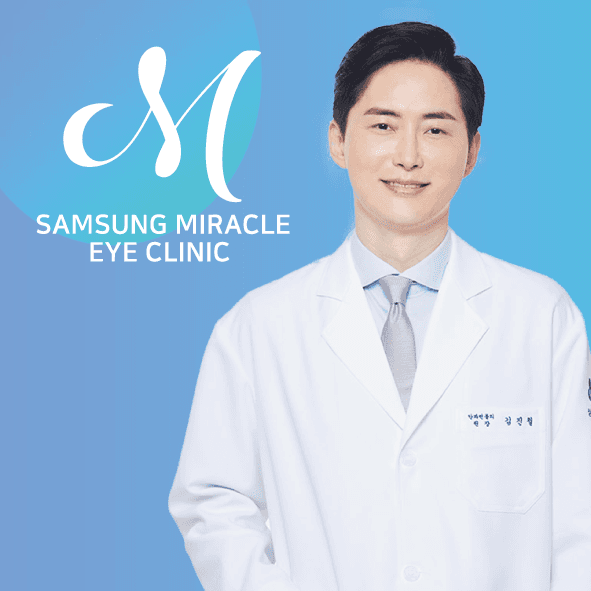
Samsung Miracle Eye Clinic
Gangnam Station
Free consultation from the clinic
Samsung Miracle Eye Clinic, located at Gangnam Station, provides a comprehensive range of eye care services through a team of highly professional medical experts and advanced technology. Here's a list of the procedures offered: Vision Correction SMILE LASIK: A minimally invasive procedure that reshapes the cornea for vision correction. It offers quicker recovery times and less discomfort compared to traditional LASIK. LASIK/LASEK: Both procedures use lasers to reshape the cornea, effectively treating nearsightedness, farsightedness, and astigmatism. LASIK involves creating a flap in the cornea, while LASEK preserves the corneal surface. Presbyopia and Cataract Treatment Presbyopia Cataract Treatment: This procedure treats both age-related presbyopia and cataracts. It often involves replacing the eye's natural lens with an artificial intraocular lens to restore clear vision. Intraocular Lens Insertion: Recommended for severe vision problems or cataracts, this procedure involves inserting a synthetic lens into the eye. It enhances vision and reduces dependence on glasses or contact lenses. Other Treatments Dream Lens: Also known as orthokeratology, this involves wearing special contact lenses overnight to reshape the cornea and improve vision temporarily. It is an option for those who prefer not to wear glasses or contacts during the day. Re-calibration Surgery: This surgery is for patients who have had prior vision correction surgeries but require further adjustment. It fine-tunes visual acuity to meet the desired outcome.
learn more