Medical Tourism Blog
Effective Tooth Sensitivity Relief with Resin Filling Procedures in Korea
Table of contents
- Resin Fillings: A Modern Solution for Dental Health
- Best Clinics in Korea for Tooth Sensitivity
- Considering Dental Treatment in South Korea: A Medical Tourist's Guide
- Patient Experiences and Outcomes with Resin Fillings for Tooth Sensitivity
- Conclusion
- References
Considering treatment in Korea? Everything you need to know e.g. — how to avoid scams, visas, interpreters, recovery tips — in our Medical Tourism Master Guide. Plan with confidence in minutes, not weeks!
Tooth sensitivity, marked by sharp pain when teeth encounter hot, cold, or sweet stimuli, is a common dental issue that drives many to seek relief. This guide offers a clear overview of tooth sensitivity, explains how resin fillings work, outlines the treatment process and costs for medical tourists in South Korea, and shares insights into patient experiences and outcomes.
What is Tooth Sensitivity?
Tooth sensitivity is a frequent dental problem where one or more teeth experience sharp, brief pain triggered by hot, cold, sweet, or acidic substances, or even routine brushing and flossing. This sudden, shooting pain often feels like it reaches deep into the tooth’s nerve endings.
The root cause is the exposure of dentin, the layer beneath the enamel. Dentin contains millions of tiny channels called dentinal tubules that lead directly to the tooth’s nerve. When dentin is exposed, these tubules allow external stimuli—like temperature changes or sugar—to reach the nerve, causing pain. Treatments such as resin fillings work by covering these exposed areas, blocking the pathway to the nerve and reducing sensitivity.
Other Names for Sensitive Teeth
This condition is also medically known as "dentin hypersensitivity."
Why Your Teeth May Be Sensitive: Common Causes
Tooth sensitivity often results from enamel erosion, gum recession, or damage exposing dentin. Common causes include:
- Aggressive Brushing: Using hard bristles or brushing too forcefully can wear down enamel and cause gums to recede, exposing dentin.
- Gum Health Issues: Gum recession, whether from genetics or periodontal disease, exposes tooth roots. Inflamed gums can also expose roots, increasing sensitivity.
- Tooth Damage: Chipped, cracked, or broken teeth let bacteria enter, causing inflammation and sensitivity. Worn enamel also makes teeth more vulnerable.
- Teeth Grinding (Bruxism): Grinding or clenching wears enamel, exposing dentin.
- Dietary Habits: Frequent acidic foods and drinks like citrus, tomatoes, pickles, and some teas erode enamel.
- Dental Products: Some whitening products and acidic mouthwashes can worsen sensitivity by damaging dentin.
- Age and Plaque Buildup: Sensitivity is common between ages 25 and 30; plaque on root surfaces can also cause discomfort.
- Recent Dental Procedures: Temporary sensitivity after fillings, cleanings, or restorations is normal and usually resolves within 4-6 weeks.
Many causes link directly to daily habits like brushing technique, diet, and grinding. While resin fillings effectively treat current sensitivity, long-term success depends on adopting better oral hygiene and lifestyle changes. Also, sensitivity can signal more serious issues like cavities or infections, so professional diagnosis is essential to choose the right treatment and protect overall oral health.
Resin Fillings: A Modern Solution for Dental Health
What is a Resin Filling (Composite Filling/Dental Bonding)?
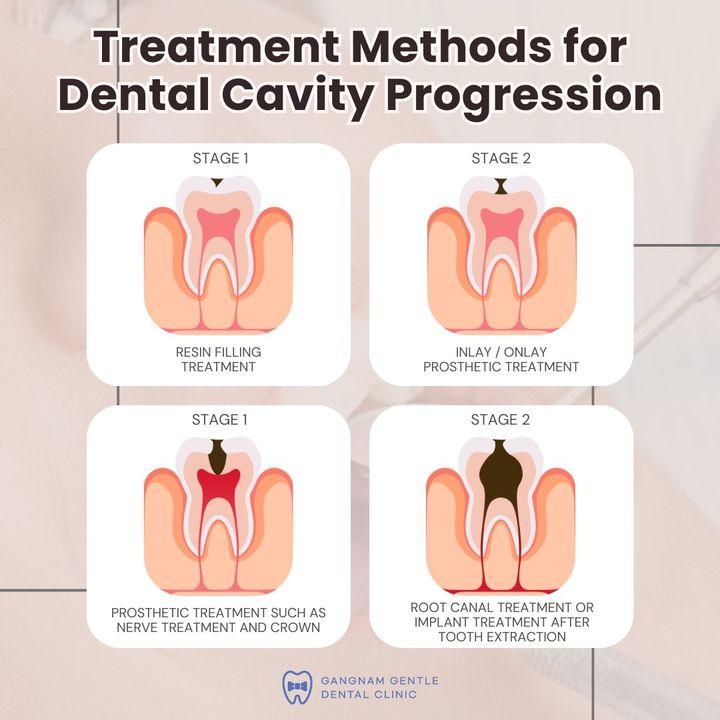
Resin fillings, also called composite fillings or dental bonding, are a modern advancement in restorative dentistry. Unlike traditional silver (amalgam) fillings, composite resin is tooth-colored and blends naturally with your teeth. Made from a mix of plastic and fine glass particles like quartz or silica, resin fillings can be precisely matched to your tooth shade, making them ideal for visible teeth. This aesthetic benefit, combined with functional restoration, has made resin fillings very popular.
How Resin Fillings Help with Tooth Sensitivity
Resin fillings target the root cause of sensitivity—exposed dentin or damaged tooth structure—by:
- Creating a Protective Barrier: The resin covers exposed dentin, shielding sensitive tubules from hot, cold, sweet, or acidic stimuli, reducing sharp pain.
- Bonding and Supporting Tooth Structure: Unlike amalgam fillings that rely on mechanical retention, resin bonds directly to the tooth, strengthening weakened areas and preventing further enamel loss or dentin exposure. This is especially helpful for chipped, cracked, or worn teeth.
- Versatile Use: Resin bonding treats sensitivity from various causes, including worn enamel, exposed roots from gum recession, and decay-related sensitivity.
Resin fillings not only relieve pain immediately but also protect and strengthen teeth long-term, offering a durable and aesthetic solution.
The Resin Filling Procedure: A Step-by-Step Overview
Knowing what to expect can ease any anxiety. Here’s how the procedure typically unfolds:
- Diagnosis and Treatment Planning: The dentist examines your teeth, often using X-rays to detect hidden decay or damage. This helps identify the sensitivity cause and plan treatment.
- Preparing for the Procedure: A numbing gel and local anesthetic are applied to ensure comfort. It’s best to eat beforehand since your mouth may stay numb for hours. Inform your dentist about medications and avoid alcohol before the appointment.
- Filling Process:
- Tooth Isolation: The tooth is kept dry using a rubber dam or cotton rolls.
- Decay Removal: The dentist removes decayed or damaged tooth parts with drills, air abrasion, or lasers.
- Cleaning and Preparation: The cavity is cleaned, then etched with a mild acid gel to create a rough surface for bonding.
- Resin Application and Curing: Composite resin is applied in thin layers, each hardened with a special blue curing light.
- Shaping and Polishing: The filling is shaped to match your tooth’s natural contours and polished for a smooth finish.
- Bite Check and Adjustment: The dentist ensures your bite feels comfortable and makes any needed adjustments.
These detailed steps highlight the precision and care involved, encouraging patients to seek dentists who follow such thorough protocols for better outcomes.
- After Your Filling: Initial Expectations
Some sensitivity or discomfort after anesthesia wears off is normal. You might notice sensitivity to temperature or sweet foods, pain when biting, or gum discomfort. This usually lasts 2-4 weeks but can persist longer with composite fillings. To ease discomfort, chew on the opposite side and use over-the-counter painkillers like ibuprofen as directed. Understanding this helps prevent worry and supports a smooth recovery.
Best Clinics in Korea for Tooth Sensitivity
Listed below are the best clinics in Korea for tooth sensitivity:
| Clinic Name | Key Features | Special Techniques |
|---|---|---|
| Gangnam Gentle Dental Clinic | Precise diagnosis, patient-centered planning, and an accessible care environment; English-speaking leadership; emergency treatment availability; weekday and weekend hours; comprehensive services including cavity and filling, root canal, gum treatment, and TMJ care | Advanced digital equipment for systematic, accurate examinations; thorough consultations; infection-prevention and sterilization system; aims to reduce overall treatment period and number of visits; only necessary treatments are recommended |
| Minish Dental Hospital | Premier hospital for tooth sensitivity care; international patient-friendly; 14-floor facility; highly awarded in Asia; trusted by expats and celebrities; extensive clinical experience (113,118 cases) and 84,504 hours of R&D; in-house laboratory and dedicated dental technology company; 102 top dentists and technicians; 19 advanced devices | Minish Veneers; Minish Bridges; Molar Minish; Pink Minish; Dual Minish; Minish Implants; restorative care and advanced aesthetic restorations (Minish Veneers, Minish Bridges, etc.); Minish Dental Spa option; 19 advanced devices with in-house lab and tech company |
| Yonsei Good Day Dental Clinic - Suseo | Comprehensive, cause-based care for sensitivity; broad diagnostic capabilities; treatments from microscopic root canal to orthodontic bite correction; TMJ management; minimally invasive procedures designed to lower postoperative pain and support healthier chewing | Microscopic endodontics (root canal treatment); Apicoectomy option; Splint therapy and Botox for TMJ disorders; Invisalign; Damon system; navigation minimal incision techniques; implant- and denture-based solutions (implant-supported dentures, All-on-4/All-on-6); non-prep veneers and professional whitening |
Gangnam Gentle Dental Clinic
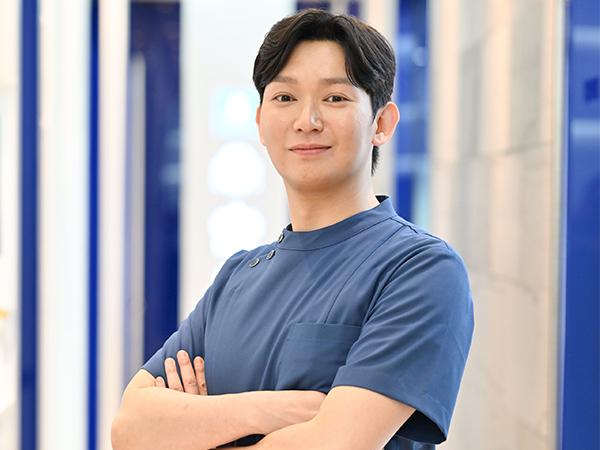
For patients dealing with tooth sensitivity in Korea, Gangnam Gentle Dental Clinic in Seocho-gu, Seoul stands out because it combines precise diagnosis, patient-centered planning, and a genuinely accessible care environment—key factors when sensitivity may stem from cavities, gum recession, bite issues, or tooth damage and can worsen quickly without the right approach. The clinic is led by Dr. Travis Kim, who studied at Ohio State University and St. Johnsbury Academy and speaks fluent English, making treatment especially comfortable for international patients who worry about language barriers during detailed symptom discussions and consent. Each patient receives customized care tailored to their unique needs, supported by thorough consultations and advanced digital equipment for systematic, accurate examinations, so only necessary treatments are recommended while aiming to reduce the overall treatment period and number of visits. With weekday and weekend hours and emergency treatment availability, patients can address sudden sensitivity flare-ups promptly, and the clinic’s comprehensive services—from cavity and filling, root canal, and gum treatment to TMJ care—allow underlying causes to be managed in one place. An established infection-prevention and stringent sterilization system, along with a focus on minimal pain and maximum comfort, reinforces the clinic’s commitment to honest, safe treatment and makes it a trusted choice for sensitive teeth care in Seoul.
You can check out their website here: Gangnam Gentle Dental Clinic Website
Minish Dental Hospital
Minish Dental Hospital in Gangnam, Seoul is Korea’s premier dental hospital for patients seeking expert care for tooth sensitivity, combining world-class clinical standards with a truly international patient experience. Housed in a 14-floor facility, Minish is trusted by expats and international patients for family dentistry, cosmetic treatments, and one-day smile makeovers, with no language barriers throughout the visit. It is also the most highly awarded dental clinic in Asia, known for its innovative treatments (including Minish Veneers) and supported by an exceptional track record of 113,118 cases, 84,504 hours of research and development, and a dedicated team of 102 top dentists and technicians. With an in-house laboratory and its own technology company driving the latest advancements, plus 19 advanced pieces of dental equipment, Minish delivers accurate diagnosis and personalized treatment that address the root causes of sensitivity—whether related to enamel wear, exposed roots, gum concerns, bite issues, restorations, or whitening-related discomfort—earning the trust of many celebrities, including top K-pop groups like BLACKPINK and NewJeans.
- Premier choice in Korea for tooth sensitivity care: comprehensive diagnosis and tailored treatment plans rather than one-size-fits-all solutions
- Highly awarded and widely trusted: the most highly awarded dental clinic in Asia, with extensive clinical experience (113,118 cases)
- Advanced expertise and innovation: backed by 84,504 hours of R&D, an in-house laboratory, and a dedicated dental technology company
- Large, elite clinical team: 102 top dentists and technicians, including specialists in veneers, orthodontics, and general dentistry
- World-class facility and equipment: 14-floor hospital with 19 advanced dental devices to support precision care and patient comfort
- International patient-friendly: no language barriers, with strong trust among expats and international visitors
- Sensitivity-relevant treatment options under one roof: restorative care, periodontal therapy, orthodontics, bruxism/TMJ solutions, teeth whitening, and advanced aesthetic restorations such as Minish Veneers, Minish Bridges, Molar Minish, Pink Minish, Dual Minish, and Minish Implants
- Celebrity-trusted standards: visited by leading celebrities, including BLACKPINK and NewJeans, reflecting high expectations for quality and discretion
- Patient-first philosophy: clinicians led by CEOs Dr. Jung Ho Kang and a specialist team focused on honest, ethical, highly personalized care that treats patients like family
- Comfort-focused experience available: Minish Dental Spa option for patients who want a more relaxing, supportive approach during dental care
You can check out their website here: Minish Dental Hospital Website
Yonsei Good Day Dental Clinic - Suseo
Yonsei Good Day Dental Clinic – Suseo is a comprehensive dental center in Korea that combines advanced technology with treatment planning focused on preserving natural teeth, reducing discomfort, and improving long-term oral stability—key priorities for patients struggling with tooth sensitivity. Because sensitivity can stem from multiple causes (worn enamel, gum recession, bite imbalance, cracked teeth, post-treatment irritation, or underlying infection), the clinic’s strength is its ability to diagnose broadly and treat precisely: from microscopic root canal care to orthodontic bite correction, TMJ management, and minimally invasive procedures designed to lower postoperative pain and support healthier, more comfortable chewing.
- Comprehensive, cause-based care for sensitivity: addresses not only symptoms but also contributing factors such as bite problems, grinding, and underlying tooth or nerve issues.
- Microscopic endodontics (root canal treatment): high-precision treatment that helps save natural teeth and thoroughly manage infected or inflamed canals that can present as severe sensitivity.
- Apicoectomy option when needed: a tooth-saving surgical solution for cases where standard root canal therapy is not sufficient, helping resolve persistent sensitivity linked to root-end problems.
- TMJ-focused treatments to reduce overload: splint therapy and Botox for TMJ disorders can lessen clenching-related stress that often worsens sensitivity and discomfort.
- Orthodontic correction without surgery: options for underbite/overbite correction, Invisalign, and the Damon system can improve bite balance and reduce excessive force on sensitive teeth.
- Minimally invasive, technology-driven procedures: navigation minimal incision techniques support precision and reduced postoperative discomfort—important for patients who are already pain-sensitive.
- Whole-mouth stability solutions: implant and denture services (including implant-supported dentures and All-on-4/All-on-6) help restore function and distribute chewing forces more evenly, which can reduce ongoing sensitivity from unstable or overworked teeth.
- Aesthetic treatments with tooth-preserving approaches: non-prep veneers and professional whitening are available for patients who want cosmetic improvements while prioritizing enamel conservation and comfort.
Find more about this clinic here: Yonsei Good Day Dental Clinic - Suseo Website
Considering Dental Treatment in South Korea: A Medical Tourist's Guide
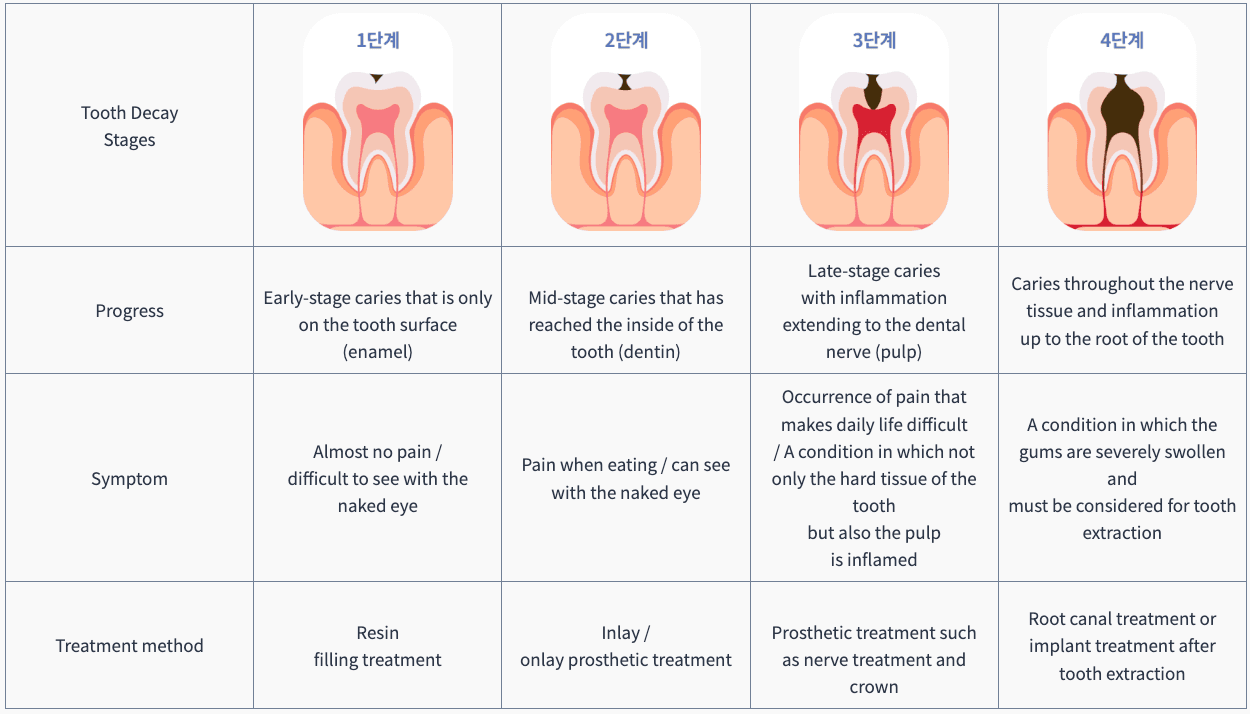
Why South Korea for Your Dental Needs?
South Korea has become a top choice for dental tourism thanks to:
- Cutting-Edge Technology: Clinics use the latest digital tools and advanced materials, often exceeding U.S. standards, ensuring precise, comfortable treatments.
- Highly Skilled Professionals: Many dentists have international training and experience, with English-speaking staff to assist foreign patients.
- Significant Affordability: Dental care, including resin fillings, is much more affordable than in many Western countries.
- Efficiency and Speed: Procedures like resin fillings can often be completed in one visit with minimal waiting.
- Patient-Centric Approach: Clinics prioritize patient comfort and education, focusing on preserving natural teeth and long-term oral health.
This combination of quality, cost-effectiveness, and patient care makes South Korea an attractive destination for dental treatment.
The Process of Getting a Resin Filling in South Korea
Medical tourists can expect a smooth, supportive experience:
- Initial Consultation and Treatment Plan: Often arranged online or through facilitators like Bookimed, patients can get free assessments and personalized offers.
- Travel Planning and Documentation: Patients prepare necessary documents such as ID, insurance, visa receipts, and travel bookings.
- Arrival and Clinic Visit: Upon arrival, patients check in and complete paperwork.
- Pre-Operation Consultation and Examination: Dentists review the treatment plan and perform exams, including panoramic X-rays.
- The Resin Filling Procedure: Lasting 1-2 hours, the tooth is numbed, decay removed, cleaned, etched, filled with resin layers cured by light, then shaped and polished.
- Post-Operation and Rehabilitation: Patients receive care instructions and typically stay about one day for recovery, maintaining good oral hygiene and avoiding hard foods.
This streamlined process, supported by medical tourism platforms, ensures convenience and clear communication for international patients.
Cost of Resin Fillings in South Korea: A Comparative Perspective for Medical Tourists
Costs vary by clinic, cavity size, and materials, but South Korea offers competitive pricing:
| Country | Average Cost Range (USD) | Source |
|---|---|---|
| Republic of Korea | $100 - $200 | Bookimed |
| $80 - $400 | Seoul Dental Clinic Directory | |
| Turkey | $68 - $75 | Bookimed |
| USA | Not specified, but higher | Bookimed |
| Colombia | Not specified | Bookimed |
| Mexico | Not specified | Bookimed |
| Romania | Not specified | Bookimed |
| Thailand | Not specified | Bookimed |
| Ukraine | Not specified | Bookimed |
While prices are lower than in many Western countries, South Korea’s value lies in combining affordability with advanced technology and expert care. Medical tourism platforms provide transparent pricing and 24/7 support, helping patients feel confident about treatment abroad.
Patient Experiences and Outcomes with Resin Fillings for Tooth Sensitivity
Immediate Post-Procedure Sensitivity
It’s common to feel some sensitivity or discomfort after fillings once anesthesia fades. This may include sensitivity to temperature or sweets, biting pain, or gum soreness, usually lasting 2-4 weeks but sometimes longer with composite fillings. This is due to reversible inflammation as the tooth heals.
Addressing Lingering Sensitivity
Dentists use several methods to reduce post-operative sensitivity:
- Stress-Free Bonding: Careful control of resin shrinkage during placement.
- Desensitizers: Agents like glutaraldehyde, chlorhexidine, fluoride, and potassium oxalate reduce fluid movement in dentinal tubules.
- Thorough Curing: Proper light curing minimizes sensitivity.
- Bite Adjustments: Correcting high spots on the filling to ensure comfortable occlusion.
- Further Investigation: If sensitivity persists, tools like 'Tooth Slooth®' help detect issues, and fillings may be replaced if needed.
Successful Outcomes and Patient Satisfaction
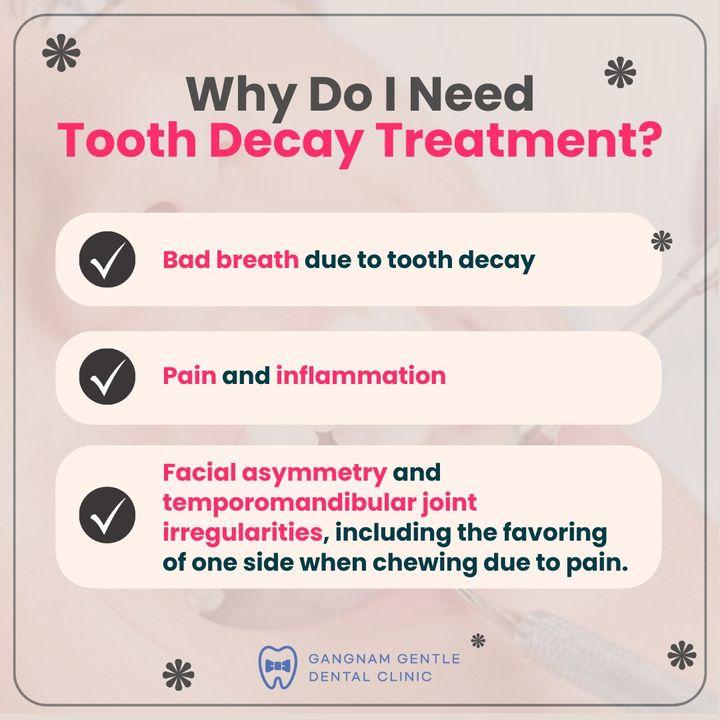
Many patients find resin fillings highly effective for sensitivity caused by exposed dentin. The protective barrier reduces pain from hot, cold, or sweet triggers. Additionally, the tooth-colored resin improves smile aesthetics and supports tooth structure, often in just one visit.
Outcomes can vary depending on cavity size, material, and technique. Some may experience initial discomfort or need bite adjustments, but ongoing improvements in dental methods aim to minimize these issues. Dentists also play a key role in managing expectations and guiding patients on oral hygiene and lifestyle to maintain results.
Conclusion
Tooth sensitivity, caused mainly by exposed dentin, leads to sharp pain from temperature or sweet stimuli. Resin fillings provide a modern, effective treatment by covering exposed areas and bonding to tooth structure, improving both comfort and appearance. South Korea offers an attractive option for medical tourists seeking high-quality, affordable resin fillings with efficient, patient-focused care. Ultimately, successful management depends on professional diagnosis, precise treatment, and the patient’s commitment to good oral hygiene and lifestyle habits.