Medical Tourism Blog
Effective Swollen Gums Relief in Korea: Periodontal Disease Treatment Solutions
Table of contents
- Periodontal Disease Treatment: A Detailed Overview
- Best Clinics in Korea for Swollen Gums
- Navigating Periodontal Treatment as a Medical Tourist in South Korea
- Cost Analysis: Periodontal Treatment in South Korea vs. Global Benchmarks
- Patient Experiences and Outcomes in Periodontal Disease Treatment
- Conclusion
- References
Considering treatment in Korea? Everything you need to know e.g. — how to avoid scams, visas, interpreters, recovery tips — in our Medical Tourism Master Guide. Plan with confidence in minutes, not weeks!
This report offers a thorough look at swollen gums, their causes, and the full range of medical treatments available for periodontal disease. It also highlights key factors and benefits for patients seeking periodontal care as medical tourists in South Korea, including a cost comparison and insights into patient outcomes.
Swollen gums are a common oral health issue characterized by abnormal enlargement, bulging, or inflammation of the gingival tissue around the teeth. Healthy gums are usually firm, pink, and fit snugly around teeth, but swollen gums often appear reddish or purplish due to increased blood flow and inflammation. The affected tissue may look smooth or shiny, and bleeding during brushing or flossing is a frequent and concerning symptom, signaling gum irritation. Swelling can be localized, often affecting the small triangular areas between teeth called papillae, or in severe cases, it may cover part or all of the teeth.
When researching this condition, you might encounter various terms used interchangeably or to describe specific stages of gum inflammation. Knowing these alternative terms helps in finding accurate information and communicating clearly with dental professionals. Common pseudonyms include:
| Term | Brief Description/Context |
|---|---|
| Gingival swelling | A direct medical term for swollen gums |
Swollen gums often indicate underlying oral health problems, with gum disease being the most common cause. The condition usually starts as gingivitis, the earliest stage of gum disease, marked by gum inflammation mainly due to bacterial plaque buildup on teeth. Plaque is a sticky film of bacteria, mucus, and food debris that can harden into tartar (calculus) if not removed regularly. Both plaque and tartar irritate the gums, causing swelling, tenderness, and easy bleeding. If untreated, gingivitis can progress to periodontitis, a more severe form of gum disease that destroys the tissues and bone supporting teeth. This leads to gum recession, significant bone loss around roots, and eventually loose teeth, which may result in tooth loss. Periodontitis is the leading cause of adult tooth loss.
Besides gum disease, other factors can cause swollen gums. These include infections (bacterial, viral like herpes simplex, or fungal such as thrush), nutritional deficiencies (notably vitamin C deficiency or scurvy), hormonal changes during pregnancy, menstruation, or menopause, and certain medications (phenytoin, bismuth, some birth control pills, steroids, anti-epilepsy drugs, cancer therapies) that either cause swelling or reduce saliva flow. Poorly fitting dentures or dental appliances can irritate gums, as can allergies to toothpaste or mouthwash ingredients. Systemic diseases like uncontrolled diabetes increase the risk and severity of gum problems. Additionally, small food particles trapped under gums can cause localized swelling, and genetics may predispose some individuals to gum disease.
If gum changes, including swelling, last more than two weeks, it’s important to see a dentist promptly. Immediate attention is also advised if red, swollen gums appear, especially without a recent dental cleaning (within six months). Other warning signs include persistent bad breath, gums pulling away from teeth, loose or separating teeth, or changes in bite. During a dental exam, the dentist will check for soft, swollen, reddish-purple gums, plaque, and tartar. A probe measures gum pockets to distinguish gingivitis from periodontitis, and X-rays may assess bone loss.
A key challenge with gum disease is its often painless progression, especially early on. Many people don’t realize they have it because discomfort is minimal or absent. This lack of pain means many delay treatment until symptoms like swelling, bleeding, or loose teeth become obvious—by which time irreversible damage may have occurred. This highlights the importance of regular dental check-ups to catch gingivitis early when it’s still reversible.
Gum health is closely linked to overall systemic health. Research shows connections between swollen gums, periodontal disease, and conditions such as diabetes, heart disease, stroke, pregnancy complications (preterm birth, low birthweight, preeclampsia), and rheumatoid arthritis. This two-way relationship means systemic diseases can worsen gum disease, and severe gum disease can negatively affect overall health. Treating swollen gums is therefore vital not just for oral comfort or appearance but for managing broader health risks.
It’s important to understand that early gum disease (gingivitis) is reversible with professional cleaning and good home care, but advanced disease (periodontitis) causes permanent damage to bone and tissues. While periodontitis can be managed and its progression stopped, lost bone and tissue often cannot be fully restored, requiring lifelong maintenance. This distinction underscores the critical window for early intervention to completely reverse gingivitis with simple, non-invasive treatments, while delayed care leads to permanent changes.
Periodontal Disease Treatment: A Detailed Overview
Gum disease starts as gingivitis, with symptoms like red, swollen, tender gums that bleed easily. Gingivitis is reversible with professional cleaning and improved oral hygiene. If untreated, it can progress to periodontitis, which destroys the supporting tissues and bone, causing gum recession, bone loss, and loose teeth, often leading to extraction. A periodontist specializes in diagnosing, treating, and preventing gum disease. The main goals of treatment are to clean infected pockets, eliminate harmful bacteria, and prevent further damage.
Nonsurgical Treatment Approaches
Nonsurgical treatments are the first step, especially for gingivitis and mild to moderate periodontitis. They focus on removing the cause of inflammation without surgery.
Dental Prophylaxis (Routine Cleaning): This standard cleaning by a dentist or hygienist is usually recommended twice a year. It removes plaque and tartar mainly above the gum line. For gingivitis, routine cleanings plus good home care often fully reverse the condition. Some patients may need more frequent cleanings depending on their risk.
Scaling and Root Planing (Deep Cleaning): This deeper cleaning targets plaque, tartar, and toxins below the gum line on tooth roots. Scaling removes deposits using hand instruments, ultrasonic devices, or lasers. Root planing smooths the root surfaces to prevent bacteria buildup and help gums reattach. Usually done over two visits with local anesthesia, it effectively halts disease progression, reduces inflammation and bleeding, and eliminates bad breath. Some temporary tooth sensitivity may occur but usually fades as gums heal.
Antibiotic Therapies: Antibiotics can be topical (gels, rinses) or oral, used alongside scaling and root planing for moderate to severe periodontitis. For example, chlorhexidine implants placed in deep pockets release medication gradually. Oral doxycycline at low doses may be prescribed for months after cleaning to control bacteria.
Surgical Treatment Options for Advanced Periodontitis
Surgery is needed when nonsurgical methods can’t fully remove deep deposits or when significant tissue and bone loss has occurred.
Pocket Reduction Surgery (Flap Surgery): The periodontist makes small incisions to fold back gum tissue, exposing roots and bone for thorough cleaning. Bone may be reshaped to reduce pocket depth. The gums are then stitched back. This stops disease progression, improves gum health, reduces inflammation, and prevents tooth loss. Recovery usually takes 1-4 weeks. A less invasive alternative is LANAP (Laser-assisted new attachment procedure), which uses lasers to remove diseased tissue while preserving healthy gums.
Soft Tissue Grafts (Gum Grafting): Used to treat gum recession exposing tooth roots, tissue is taken from the patient’s palate, donor, or synthetic sources and attached to the affected area. This reduces sensitivity, covers roots, and improves gum thickness and appearance. Patients often report relief from sensitivity and better aesthetics. Palate donor sites may feel sore for a few days.
Bone Grafting: When bone supporting teeth is lost, graft material (patient’s own, donor, or synthetic) is placed to encourage new bone growth, stabilizing teeth and preventing loss.
Guided Tissue Regeneration (GTR): Often combined with bone grafting, a membrane is placed between gum and bone to block fast-growing soft tissue, allowing slower-growing bone and ligaments to regenerate.
Tissue-Stimulating Proteins: A gel with enamel-like proteins is applied to roots to stimulate natural bone and ligament growth.
| Treatment Type | Description | Purpose/Indication | Key Benefits | Typical Recovery/Downtime |
|---|---|---|---|---|
| Dental Prophylaxis (Routine Cleaning) | Removes plaque and tartar above gum line | Reverses gingivitis; general maintenance | Prevents early gum disease, freshens breath | No downtime |
| Scaling & Root Planing (Deep Cleaning) | Removes plaque, tartar, toxins below gum line; smooths roots | Treats mild to moderate periodontitis | Halts progression, reduces inflammation/bleeding, prevents tooth loss | No significant downtime |
| Antibiotics (Topical/Oral) | Medication to control bacterial infection | Adjunct for moderate-to-severe periodontitis | Targets persistent bacteria, aids healing | Varies |
| Pocket Reduction Surgery (Flap Surgery) | Gums lifted to clean deep roots and reshape bone | Moderate to advanced periodontitis | Halts progression, improves gum health, prevents tooth loss | 1-4 weeks |
| Soft Tissue Grafts (Gum Grafting) | Tissue attached to areas of gum recession | Treats gum recession, covers exposed roots | Reduces sensitivity, improves aesthetics | 1-4 weeks |
| Bone Grafting | Bone material placed to rebuild lost bone | Rebuilds bone around tooth roots | Stabilizes teeth, prevents tooth loss | 1-4 weeks |
| Guided Tissue Regeneration (GTR) | Membrane placed to allow bone regeneration | Facilitates regrowth of bone and ligaments | Promotes natural bone regeneration | 1-4 weeks |
| Tissue-Stimulating Proteins | Gel applied to stimulate bone and tissue growth | Stimulates regeneration of bone and ligament tissue | Promotes natural tissue regrowth | Varies |
Post-Treatment Care and Long-Term Maintenance
Success depends on consistent daily oral care and regular professional visits to prevent recurrence. Patients should brush 2-3 times daily with a soft brush angled at the gum line, floss daily (or use alternatives like interdental brushes or water flossers), and may use an antibacterial, alcohol-free mouthwash as recommended. A balanced diet rich in fruits and vegetables and avoiding sugary, irritating substances like alcohol and tobacco supports gum health.
Patients treated for periodontitis remain susceptible and require lifelong maintenance visits every 3-6 months, more frequent than routine cleanings. These visits include hygiene reviews, risk assessments, and professional plaque removal. Nonsurgical treatments usually have no downtime, while surgical procedures require 1-4 weeks recovery with specific post-op care.
While nonsurgical periodontal therapy (NSPT) like scaling and root planing is the foundational treatment, many moderate to advanced cases need adjunctive antibiotics or surgery. Treatment is progressive and individualized, balancing less invasive approaches with necessary surgical interventions. This helps set realistic patient expectations about treatment scope and duration.
Treatment success goes beyond clinical measures like pocket depth or bleeding. Patient-centered outcomes—such as reduced bleeding, fresher breath, less food trapping, better chewing, and improved gum appearance—are crucial. Effective care improves daily comfort, function, aesthetics, and confidence, highlighting the importance of addressing all patient concerns.
Periodontitis is a chronic condition requiring ongoing management. Even after successful treatment, patients remain "periodontitis patients" needing lifelong care. This demands commitment to home care and regular professional visits. Maintenance costs add to initial treatment expenses, so patients should plan accordingly.
Best Clinics in Korea for Swollen Gums
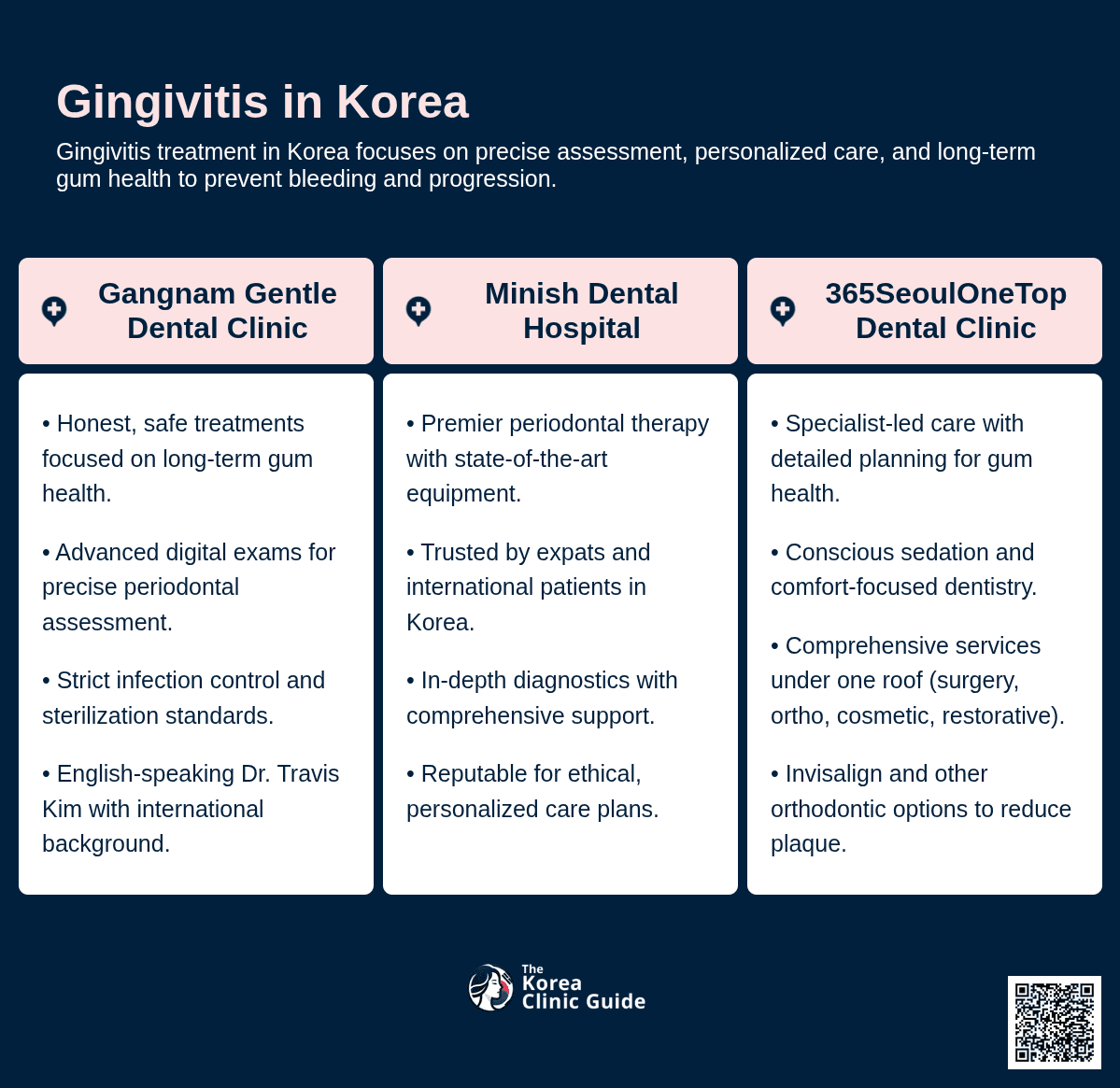
Listed below are the best clinics in Korea for swollen gums:
| Clinic Name | Key Features | Special Techniques |
|---|---|---|
| Gangnam Gentle Dental Clinic | - Personalized, customized treatment plans for swollen gums based on careful consultation and systematic examination, rather than one-size-fits-all care - Fluent English-speaking care (Dr. Travis Kim), ideal for international patients who need clear explanations of gum swelling causes, options, and aftercare - Comprehensive gum-focused services, including gum treatment for gum disease and infections that commonly trigger swelling and bleeding - Strong infection prevention and stringent sterilization systems to maintain a clean, safe environment—especially important when gums are inflamed or infected - Advanced digital equipment for precise examinations, helping identify contributing factors to swollen gums such as hidden decay, infected roots, or plaque-related gum disease - Efficient care designed to reduce treatment time and the number of visits through ongoing research and development, while still prioritizing necessary, evidence-based treatment - Convenient weekday and weekend hours, plus emergency treatment availability for urgent gum swelling, severe pain, abscess concerns, or sudden flare-ups - Broad clinical capabilities under one roof (cavity and filling, root canal, wisdom tooth extraction, TMJ-related care), useful when swollen gums are connected to underlying dental issues that also need treatment | - Advanced digital equipment for precise examinations, helping identify contributing factors to swollen gums such as hidden decay, infected roots, or plaque-related gum disease - Precise diagnostics and a well-organized care process to support faster recovery - Emergency treatment availability for urgent gum swelling, severe pain, abscess concerns, or sudden flare-ups - Broad clinical capabilities under one roof (cavity and filling, root canal, wisdom tooth extraction, TMJ-related care) |
| Minish Dental Hospital | - Periodontal-focused treatment with the scale, technology, and expertise of Korea’s premier dental hospital - 14-floor facility designed for expats and international patients with no language barriers - Comprehensive periodontal therapy for gum inflammation and gum disease - Gum- and tissue-conscious restorative solutions such as Molar Minish (built to minimize tooth reduction and help preserve gum health) and Pink Minish for cases involving gum recession and periodontal damage affecting both function and appearance - In-house laboratory plus its own technology company—allowing precise diagnostics, high-quality fabrication, and up-to-date treatment protocols under one roof - 113,118 cases, 84,504 hours of research and development, 102 top dentists and technicians, 19 advanced pieces of dental equipment - Personalized, ethical, family-style care and trusted by celebrities (including top K-pop groups such as BLACKPINK and NewJeans) as well as global patients - Address swollen gums not only with targeted gum therapy but also with coordinated, long-term treatment planning that protects the gums while restoring overall oral health and smile aesthetics | - In-house laboratory plus its own technology company enabling precise diagnostics, high-quality fabrication, and up-to-date treatment protocols under one roof - Gum- and tissue-conscious restorative solutions such as Molar Minish and Pink Minish for preserving gum health and addressing recession/periodontal damage - Coordinated, long-term treatment planning to protect gums while restoring overall oral health - Targeted gum therapy leveraging comprehensive periodontal care |
| 365SeoulOneTop Dental Clinic | - Specialist-led care with detailed planning: Care is guided by experienced clinicians who emphasize careful evaluation and step-by-step treatment design, supporting accurate identification and management of factors that can drive swollen gums - Computer-based precision for surgical and restorative treatments: For implant dentistry, the clinic highlights precise computer-based planning and restoration design, which helps achieve stable function and a natural look—important when gum health and fit around restorations affect swelling and irritation - Capability for complex cases: Complex implant surgery is supported by experience-based surgical know-how and detailed pre-planning, helping improve predictability for patients whose gum swelling is associated with advanced dental conditions or extensive treatment needs - Full-mouth planning for bite balance: Full-mouth implant treatment focuses on bite balance and long-term comfort for everyday chewing and speaking, which can reduce ongoing stress that may contribute to gum irritation - Anxiety- and comfort-focused sedation options: Conscious sedation and sleep dentistry help patients undergo longer or more sensitive procedures more calmly and comfortably, supporting smoother care for those who avoid treatment due to fear—often allowing gum issues to worsen - Gum-aware cosmetic design: Porcelain veneers and minimal-prep veneers are planned with consideration of surrounding teeth, gums, and overall facial harmony, an important detail because gum contours and tissue response can affect swelling and appearance - Comprehensive orthodontic analysis: Orthodontic treatment includes comprehensive analysis of occlusion and facial balance, helping correct bite problems that can aggravate gum tissues and complicate oral hygiene - Strong restorative and prosthodontic support: Crowns and dentures are designed for fit and function to improve chewing stability and comfort, reducing areas where food trapping or poor fit can contribute to gum inflammation | - Computer-based planning and restoration design for implants - Conscious sedation and sleep dentistry - Gum-aware cosmetic design including veneers - Orthodontic analysis for occlusion and facial balance - Strong restorative and prosthodontic support |
Gangnam Gentle Dental Clinic
Gangnam Gentle Dental Clinic in Seocho-gu, Seoul is a trusted destination for patients dealing with swollen gums, combining honest, safe care with a strong focus on comfort and efficient treatment planning. The clinic is led by Dr. Travis Kim, who studied at Ohio State University and St. Johnsbury Academy and speaks fluent English, making communication smooth for international patients who worry about language barriers. With thorough consultations and a commitment to providing only necessary treatments, the team delivers personalized care tailored to each patient’s unique gum condition—whether swelling is linked to inflammation, infection, bite issues, or related dental problems—while supporting faster recovery through precise diagnostics and a well-organized care process.
- Personalized, customized treatment plans for swollen gums based on careful consultation and systematic examination, rather than one-size-fits-all care
- Fluent English-speaking care (Dr. Travis Kim), ideal for international patients who need clear explanations of gum swelling causes, options, and aftercare
- Comprehensive gum-focused services, including gum treatment for gum disease and infections that commonly trigger swelling and bleeding
- Strong infection prevention and stringent sterilization systems to maintain a clean, safe environment—especially important when gums are inflamed or infected
- Advanced digital equipment for precise examinations, helping identify contributing factors to swollen gums such as hidden decay, infected roots, or plaque-related gum disease
- Efficient care designed to reduce treatment time and the number of visits through ongoing research and development, while still prioritizing necessary, evidence-based treatment
- Convenient weekday and weekend hours, plus emergency treatment availability for urgent gum swelling, severe pain, abscess concerns, or sudden flare-ups
- Broad clinical capabilities under one roof (cavity and filling, root canal, wisdom tooth extraction, TMJ-related care), useful when swollen gums are connected to underlying dental issues that also need treatment
You can check out their website here: Gangnam Gentle Dental Clinic Website
Minish Dental Hospital
For patients seeking care for swollen gums in Korea, Minish Dental Hospital in Gangnam stands out as the best choice because it combines true periodontal-focused treatment with the scale, technology, and expertise of Korea’s premier dental hospital. In its 14-floor, world-class facility designed for expats and international patients with no language barriers, Minish provides comprehensive periodontal therapy for gum inflammation and gum disease while also offering gum- and tissue-conscious restorative solutions such as Molar Minish (built to minimize tooth reduction and help preserve gum health) and Pink Minish for cases involving gum recession and periodontal damage affecting both function and appearance. Its clinical depth is reinforced by 113,118 cases, 84,504 hours of research and development, 102 top dentists and technicians, 19 advanced pieces of dental equipment, and the advantage of an in-house laboratory plus its own technology company—allowing precise diagnostics, high-quality fabrication, and up-to-date treatment protocols under one roof. Known for personalized, ethical, family-style care and trusted by celebrities (including top K-pop groups such as BLACKPINK and NewJeans) as well as global patients, Minish is equipped to address swollen gums not only with targeted gum therapy but also with coordinated, long-term treatment planning that protects the gums while restoring overall oral health and smile aesthetics.
You can check out their website here: Minish Dental Hospital Website
365SeoulOneTop Dental Clinic
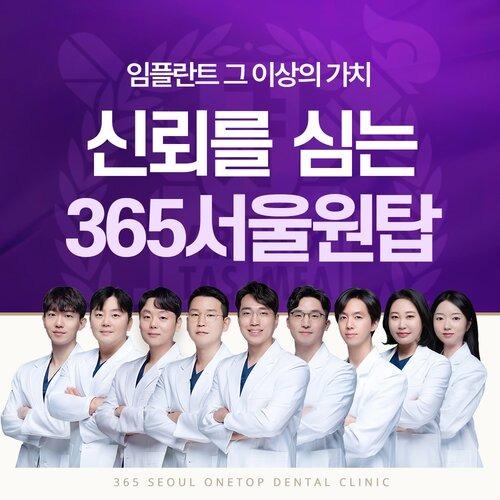
365SeoulOneTop Dental Clinic in Hwagok provides specialist-led dental surgery, cosmetic dentistry, and orthodontics with detailed planning and careful, patient-centered care—an approach that matters when swollen gums may be linked to inflammation, bite stress, failing restorations, or more complex underlying dental problems. By prioritizing precise diagnosis, thorough pre-planning, and predictable treatment execution, the clinic is well positioned to address the causes of gum swelling while supporting comfort during care and aiming for long-term stability of both gums and teeth.
- Specialist-led care with detailed planning: Care is guided by experienced clinicians who emphasize careful evaluation and step-by-step treatment design, supporting accurate identification and management of factors that can drive swollen gums.
- Computer-based precision for surgical and restorative treatments: For implant dentistry, the clinic highlights precise computer-based planning and restoration design, which helps achieve stable function and a natural look—important when gum health and fit around restorations affect swelling and irritation.
- Capability for complex cases: Complex implant surgery is supported by experience-based surgical know-how and detailed pre-planning, helping improve predictability for patients whose gum swelling is associated with advanced dental conditions or extensive treatment needs.
- Full-mouth planning for bite balance: Full-mouth implant treatment focuses on bite balance and long-term comfort for everyday chewing and speaking, which can reduce ongoing stress that may contribute to gum irritation.
- Anxiety- and comfort-focused sedation options: Conscious sedation and sleep dentistry help patients undergo longer or more sensitive procedures more calmly and comfortably, supporting smoother care for those who avoid treatment due to fear—often allowing gum issues to worsen.
- Gum-aware cosmetic design: Porcelain veneers and minimal-prep veneers are planned with consideration of surrounding teeth, gums, and overall facial harmony, an important detail because gum contours and tissue response can affect swelling and appearance.
- Comprehensive orthodontic analysis: Orthodontic treatment includes comprehensive analysis of occlusion and facial balance, helping correct bite problems that can aggravate gum tissues and complicate oral hygiene.
- Strong restorative and prosthodontic support: Crowns and dentures are designed for fit and function to improve chewing stability and comfort, reducing areas where food trapping or poor fit can contribute to gum inflammation.
Find more about this clinic here: 365SeoulOneTop Dental Clinic Website
Navigating Periodontal Treatment as a Medical Tourist in South Korea
South Korea has become a top destination for dental tourism, attracting international patients with world-class care, cutting-edge technology, and highly competitive prices.
Korean clinics invest heavily in advanced technology often unavailable or optional in Western practices. This includes FDA-approved 3D CT scanners and Cone Beam Computed Tomography (CBCT) for precise bone and nerve mapping, digital intraoral scanners replacing uncomfortable molds, in-house CAD/CAM systems for same-day crowns, robotic implant placement to reduce errors, and AI-powered diagnostics for early detection. Many flagship hospitals have technology that may take 3-5 years to reach Western markets. This tech edge means faster results, fewer visits, better outcomes, and more comfortable experiences. Korea’s value isn’t just lower cost but also advanced, efficient care often unavailable elsewhere.
The dental workforce is highly trained internationally, focusing on patient comfort and convenience. Clinics like Minish Dental Hospital have large expert teams, while Gangnam Gentle Dental Clinic emphasizes personalized care and strict infection control. Korean dental care often involves whole-mouth assessments, preventive protocols, and multidisciplinary collaboration. Despite high quality and technology, costs are 50-75% lower than in Western countries for many procedures.
The Process of Getting Periodontal Treatment in South Korea
For international patients, careful planning is essential for a smooth experience:
-
Step 1: Initial Virtual Consultation and Treatment Planning
This allows Korean specialists to assess your dental condition, provide personalized treatment plans, detailed pricing, and timelines. Using online consultations or SNS messengers before travel helps confirm candidacy and avoid unexpected issues. Complex procedures like implants often require multiple visits over months. Facilitators like Jivaka offer free virtual consultations and transparent pricing. This step prevents costly surprises and ensures realistic expectations. -
Step 2: Travel and Clinic Experience
Travel logistics can be coordinated by specialized services. Clinics usually have English-speaking staff for clear communication. Typical treatments include:- Cleaning: Ultrasonic and scaling tools remove tartar around gums and teeth.
- Root Planing: Removes inflammation and tartar from root surfaces, smoothing roots to promote gum reattachment.
- Gum Curettage: Deeper cleaning scraping inflammatory tissue and plaque from roots.
- Gum Surgery: For severe cases where other treatments aren’t enough.
Post-procedure care includes expecting minor bleeding, avoiding hot, cold, spicy foods for 2-3 days, and possible temporary sensitivity or slight tooth looseness. Patients are advised to avoid blood thinners to reduce bleeding risk.
-
Step 3: Post-Treatment Support and Follow-up
Many clinics offer telemedicine for ongoing consultations after returning home. Patients receive detailed aftercare instructions and may coordinate follow-up with local dentists. Since periodontitis requires lifelong maintenance every 3-6 months, this continuity is vital. Clinics often require a 10% deposit upfront to secure appointments. Medical tourists must consider the practicality and cost of ongoing care, as frequent travel for maintenance is often impractical. Telemedicine provides advice but not hands-on care, and local dentist cooperation varies and may incur costs. Thus, the overall value of treatment includes long-term maintenance feasibility.
Cost Analysis: Periodontal Treatment in South Korea vs. Global Benchmarks
South Korea offers highly competitive periodontal treatment costs, attracting medical tourists. Prices range broadly from $200 to $3,000 USD, covering everything from exams and cleanings to deep scaling and surgeries.
Typical procedure costs include:
- Scaling (Basic Cleaning): Around $30 USD; standard cleaning $69–$103 USD
- Root Canal Treatment: $50–$150 USD
- Tooth Extraction: About $20 USD
- Bone Graft: Approximately $227 USD
- Radiography (X-rays): Around $7.5 USD; consultation plus X-rays $25–$50 USD
Clinics usually require a 10% deposit upfront.
| Procedure | South Korea (USD) | USA (USD) | UK (USD) | Australia (USD) | India (USD) | Canada (USD) | Turkey (USD) | Thailand (USD) |
|---|---|---|---|---|---|---|---|---|
| Overall Periodontal Treatment | $200 - $3,000 | $500 - $5,000+ | N/A | N/A | N/A | N/A | N/A | N/A |
| Standard Teeth Cleaning | $69 - $103 | $75 - $200 | $65 - $130 | $70 - $140 (AUD $100-200) | $6 - $20 | $75 - $150 | N/A | N/A |
| Deep Dental Cleaning | Included in range | $150 - $350 | N/A | $240 - $1,105 (AUD $350-1600) | N/A | N/A | N/A | N/A |
| Root Canal Treatment | $50 - $150 | $620 - $1,500 | $547 | $143 - $2,319 (AUD $613-2319) | N/A | $590 | $105 - $150 | $268 - $447 |
| Tooth Extraction | $20 | $325 | $134 | $131 | N/A | $146 | N/A | N/A |
| Bone Graft | $227 | N/A | N/A | N/A | N/A | N/A | N/A | N/A |
| Radiography (X-rays) | $7.5 - $20 | $6 | $15 | $29 | N/A | $75 | Included with RCT | N/A |
Note: N/A indicates data not available.
This data shows South Korea offers substantial savings—often 50% or more compared to the USA. For example, routine cleaning costs $69–$103 in Korea versus $75–$200 in the US. Root canals are $50–$150 in Korea compared to $620–$1,500 in the US. Combined with advanced technology and high standards, Korea is an attractive option for quality, affordable care.
Patient Experiences and Outcomes in Periodontal Disease Treatment
Patients treated for swollen gums often see major improvements in oral health and quality of life. The goal of periodontal therapy is to remove bacterial biofilm and create a healthy environment.
Non-surgical therapy like scaling and root planing effectively removes plaque and tartar beneath gums, reducing inflammation and bleeding. Gums often return to a firm, pink state, and bad breath linked to gum disease improves or disappears. Studies show high patient satisfaction with minimal pain or sensitivity after cleaning. Early treatment can restore damage and prevent progression.
For advanced periodontitis, surgical options like flap surgery provide deep cleaning of roots and bone, halting disease progression. This improves gum health, reduces swelling, and enhances blood flow. Patients often enjoy a rejuvenated smile, boosting confidence and comfort in speaking and eating. Recovery is usually quick with minimal discomfort.
Soft tissue grafts effectively treat gum recession and sensitivity. For example, a 27-year-old male with severe cold sensitivity due to gingivitis and recession reported complete relief and full root coverage after grafting, allowing him to enjoy cold foods again. Others experienced pain relief and improved comfort after treatment. These procedures restore function and aesthetics.
Beyond physical benefits, successful treatment greatly improves patients’ confidence and satisfaction with their smiles. Being able to smile freely and eat without discomfort enhances overall quality of life. Patient-centered outcomes like reduced bleeding, fresher breath, and better gum appearance are key to assessing success.
Long-term success depends on patient adherence to home care and regular maintenance visits every 3-6 months. While initial treatment stabilizes disease, ongoing care is essential to prevent recurrence and maintain oral health and quality of life.
Conclusion
Swollen gums often signal gingivitis or advanced periodontal disease, conditions that can progress silently but have serious implications for overall health. Early detection and treatment are vital since gingivitis is reversible, but periodontitis causes permanent damage requiring lifelong management. Periodontal treatment ranges from non-surgical cleanings to advanced surgeries, all aimed at halting disease and restoring function and aesthetics. Patient-centered outcomes like comfort and confidence are as important as clinical measures. South Korea offers a compelling option for periodontal care, combining advanced technology, expert care, and competitive pricing. However, medical tourists must carefully plan treatment and long-term maintenance to ensure sustained oral health.
References
1, 2, 3, 4, 5, 6, 7, 8, 9, 10, 11, 12, 13, 14, 15, 16, 17, 18, 19, 20, 21, 22, 23, 24, 25, 26, 27, 28, 29, 30, 31, 32