Medical Tourism Blog
Night Vision Problems Solutions: LASIK Eye Surgery in Korea for Improved Nighttime Vision
Table of contents
- LASIK: A Detailed Medical Procedure Overview
- Best Clinics in Korea for Night Vision Problems
- The LASIK Journey for Medical Tourists in South Korea
- Cost Analysis: LASIK in South Korea vs. Global Medical Tourism Destinations
- Patient Experiences: LASIK and Night Vision Improvement
- Conclusions
- References
Considering treatment in Korea? Everything you need to know e.g. — how to avoid scams, visas, interpreters, recovery tips — in our Medical Tourism Master Guide. Plan with confidence in minutes, not weeks!
This guide is here to help patients navigate "night vision problems," specifically those that come from refractive errors. You'll find clear explanations of what causes these issues, how the LASIK procedure works, what to expect as a medical tourist in South Korea, and realistic insights into patient outcomes—especially about night vision improvement. The aim is to provide you with the straightforward knowledge you need to make confident decisions about your eye health and vision correction journey.
What is "Night Vision Problem" (Nyctalopia)?
"Night vision problems," or Nyctalopia, make it tough for people to see in dim light or at night, even if their daytime vision seems fine. These issues go beyond simple blurriness in low light. Symptoms often include extra sensitivity to light (photophobia), annoying glare or visible halos around lights, and distinct trouble recognizing objects or faces in poorly lit places. Problems are especially obvious when you move from bright to darker areas—like stepping into a shadowy restaurant from sunlit streets—or when facing oncoming headlights while driving at night.
Common Pseudonyms
Nyctalopia is also called "Night Blindness." This doesn't usually mean total blindness at night—it's more about increased difficulty seeing in dimly lit conditions.
Primary Causes of Night Vision Difficulties
A number of conditions can cause night vision challenges, but we’ll focus here on those resulting from "refractive error."
Refractive Errors
Refractive errors happen when the structure of the eye prevents light from properly focusing on the retina, leading to blurry vision and more. In low-light situations, these issues don’t just cause general blurriness—they heighten problems like glare and halos, especially when driving or moving around at night.
- Nearsightedness (Myopia): Far-off objects look blurry, most noticeably in the dark—making it tough to read signs or recognize faces. The eye's elongated shape means light focuses in front of the retina. Glasses and contact lenses are the standard fix.
- Astigmatism: The cornea or lens isn’t perfectly round, so light focuses unevenly, causing distorted vision. This is more problematic at night when focusing is more difficult, and visual disturbances like glare become more intense.
- Farsightedness (Hyperopia): Though less likely than myopia or astigmatism to cause night vision problems, hyperopia means near objects are blurry.
Other Causes
Not all night vision problems come from refractive error. Be aware that issues like cataracts, vitamin A deficiency, retinitis pigmentosa, glaucoma, diabetic retinopathy, or AMD can also cause night vision trouble—and LASIK may not help with these.
- Cataracts: Clouding of the eye’s lens, especially disruptive at night.
- Vitamin A Deficiency: Impacts low-light vision, though rare in developed countries.
- Retinitis Pigmentosa: A genetic retinal disorder that often starts with night blindness.
- Glaucoma: Increased eye pressure can damage nerves and affect night vision early on.
- Diabetic Retinopathy: Damages blood vessels in the retina, impacting vision in all light.
- Age-Related Macular Degeneration (AMD): Hits central vision first, but can also make low-light adaptation difficult.
Recognizing Symptoms and Diagnostic Approaches
Beyond simple blurriness, night vision problems often look like light sensitivity, glare/halos around lights, and trouble seeing details or faces in dim settings. These usually get worse when transitioning from bright to dark, or when driving at night.
Diagnosis typically includes a medical history and eye exam, with tests like:
- Visual acuity (using a Snellen chart)
- Refraction testing for nyctalopia and prescription accuracy
- Slit-lamp exam for eye structures
- Corneal mapping/topography
- Pupil size measurement
- Wavefront analysis for unique eye imperfections
- OCT (Optical Coherence Tomography)
- Blood tests for vitamin A or diabetes
- Visual field assessment
- Fundoscopic exam
LASIK: A Detailed Medical Procedure Overview
What is LASIK?
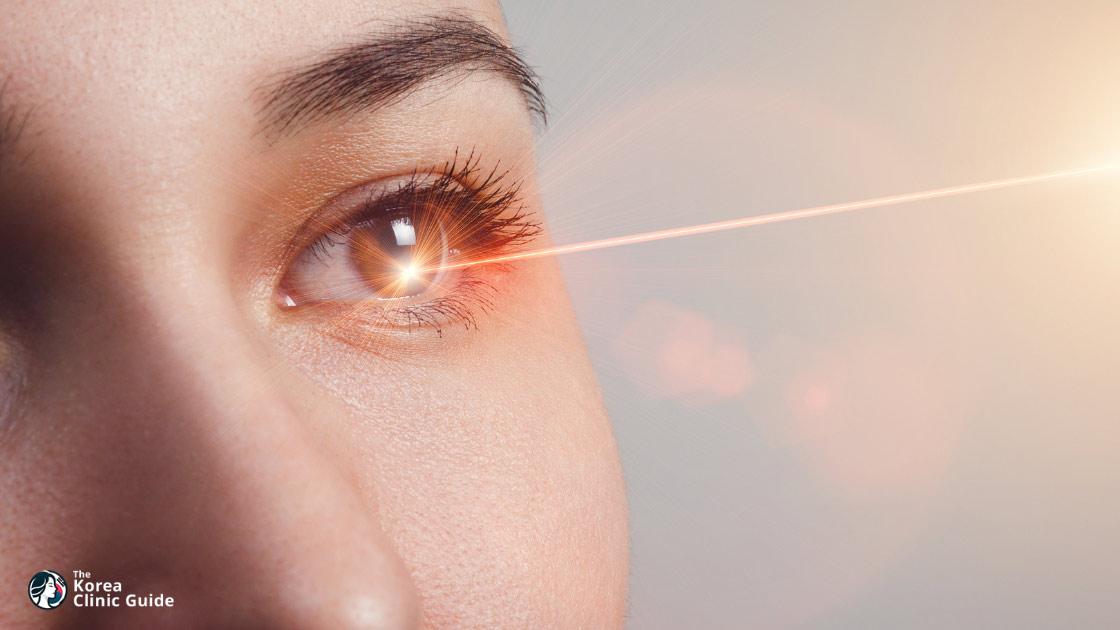
LASIK (Laser-Assisted In Situ Keratomileusis) is the world’s most common laser eye surgery for fixing vision. It reshapes your cornea—the dome at the front of your eye—so light focuses better on the retina, correcting refractive errors like myopia, hyperopia, and astigmatism. While LASIK is permanent, it doesn’t stop all age-related vision changes, like presbyopia after 40.
LASIK’s goal is sharp, clear vision—sometimes eliminating the need for glasses or contacts. Results typically last 10–20 years.
The Science Behind LASIK
LASIK uses a laser to remove tiny amounts of corneal tissue and change its shape. The process includes:
- Flap Creation: A thin flap is made on the eye’s surface with a microkeratome or femtosecond laser, then folded back.
- Corneal Reshaping: An excimer laser removes precise tissue, tailored exactly to your refractive error.
- Flap Repositioning: The flap is set back down, healing naturally without stitches.
Advanced LASIK Technologies
Modern LASIK uses tailored approaches for better results and fewer side effects:
- Femtosecond Laser: For precise, bladeless flap creation.
- Excimer Laser: The main reshaping tool, can deliver “spot scanning” or “slit scanning” treatment, with spot scanning being best for custom corrections.
- Wavefront-Guided Technology: Customizes treatment based on a topographic “fingerprint” of your eye, reducing side effects like night vision disturbances.
Who is an Ideal Candidate for LASIK?
LASIK isn’t for everyone. Rigorous screening and preparation are crucial:
Key Criteria:
- Over 18 (ideally 21+ with stable vision)
- Refractive error type fixable by LASIK
- Healthy, thick enough corneas; no severe dry eye, infection, or diseases affecting healing (like advanced glaucoma, cataracts, or autoimmune issues)
- Contact lens use stopped before testing (1–2 weeks for soft, up to 4 for hard)
- Realistic expectations
Contraindications:
- Unstable prescription
- Extreme refractive errors
- Severe dry eye or thin/scarred corneas
- Keratoconus
- Advanced glaucoma/cataracts
- Systemic diseases affecting healing
- Pregnancy/nursing
Best Clinics in Korea for Night Vision Problems
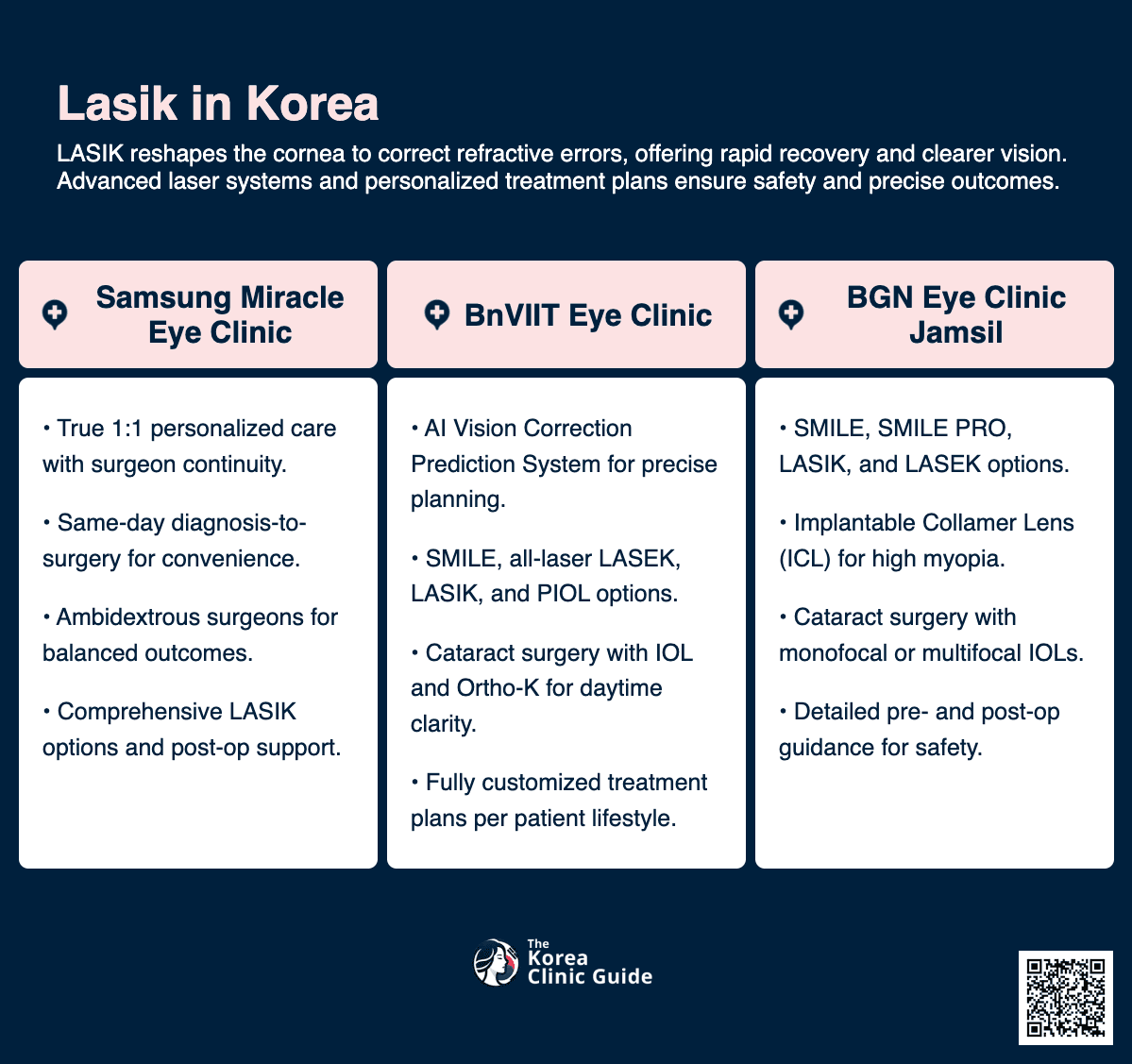
Listed below are the best clinics in Korea for night vision problems:
| Clinic Name | Key Features | Special Techniques |
|---|---|---|
| Samsung Miracle Eye Clinic | Samsung Miracle Eye Clinic in Gangnam Station offers comprehensive, 1:1 personalized care for patients experiencing night vision problems. Every patient receives a tailored consultation and customized surgical plan, with the same doctor performing the examination, surgery, and follow-up to ensure consistency, accountability, and optimal results. With an in-house diagnostic system and a patented Miracle Formula for precise lens power calculation, the clinic’s One-Day System enables both diagnosis and surgery on the same day. All surgeons are ambidextrous, operating with equal precision in both eyes to support symmetry and accuracy while minimizing contact with the nasal bridge for added safety and comfort. An International Patient Team ensures the same level of quality, convenience, and support for patients from abroad. | SMILE LASIK and LASIK/LASEK for refractive issues; presbyopia cataract treatment and intraocular lens insertion; re-calibration surgery; Dry Eye Syndrome treatment; Dream Lens (orthokeratology). |
| BGN Eye Clinic Jamsil | BGN Eye Clinic Jamsil is a premier eye care center in Korea offering cutting-edge solutions for vision correction—SMILE, SMILE PRO, LASIK, LASEK, ICL, and advanced cataract procedures—making it an ideal destination for patients struggling with night vision problems caused by refractive errors, cataracts, or presbyopia. With a comprehensive suite of corneal- and lens-based options and clear pre- and post-surgery guidance, the clinic tailors care to each patient’s needs to support safer healing and dependable results. | SMILE and SMILE PRO: minimally invasive approaches for myopia and astigmatism that use small incisions and high precision to restore clear, stable vision. LASIK and LASEK: laser reshaping options for a wide range of prescriptions, including LASEK for patients with thinner corneas. ICL (Implantable Collamer Lens): an excellent choice for high myopia or thin corneas, providing high-quality vision without removing corneal tissue. Cataract surgery with monofocal intraocular lenses: removes cataracts and typically restores crisp distance vision, a key benefit for driving and low-light tasks. Presbyopia surgery with multifocal intraocular lenses: corrects cataracts while providing multiple focal points for both near and distance vision. Tailored care and clear guidance: detailed pre- and post-surgery instructions and a full range of technologies allow the clinic to match the right procedure to each patient’s specific night vision concerns. |
| BnVIIT Eye Clinic | BnVIIT Eye Clinic (B&VIIT Eye Center) is a premier ophthalmology clinic in Gangnam, Korea, with over 30 years of experience and 550,000 successful eye surgeries. Renowned for its cutting-edge A.I. Vision Correction Prediction System and a comprehensive range of treatment options, the clinic offers precise, personalized care that addresses common causes of night vision problems—such as refractive errors and cataracts—helping patients achieve clearer, more comfortable vision in low-light conditions. | SMILE; All-laser LASIK; All-laser LASEK (PRK); PIOL (Phakic Intraocular Lenses); Cataracts: removal with IOL; Ortho-K Lens (Dream Lens); Customizing Options. |
Samsung Miracle Eye Clinic
Samsung Miracle Eye Clinic in Gangnam Station offers comprehensive, 1:1 personalized care for patients experiencing night vision problems. Every patient receives a tailored consultation and customized surgical plan, with the same doctor performing the examination, surgery, and follow-up to ensure consistency, accountability, and optimal results. With an in-house diagnostic system and a patented Miracle Formula for precise lens power calculation, the clinic’s One-Day System enables both diagnosis and surgery on the same day. All surgeons are ambidextrous, operating with equal precision in both eyes to support symmetry and accuracy while minimizing contact with the nasal bridge for added safety and comfort. An International Patient Team ensures the same level of quality, convenience, and support for patients from abroad.
The clinic’s range of treatments addresses many common causes of night vision challenges. Options include SMILE LASIK and LASIK/LASEK for refractive issues, presbyopia cataract treatment and intraocular lens insertion for aging-related vision changes, and re-calibration surgery for fine-tuning after prior correction procedures. Dry Eye Syndrome treatment supports clearer, more comfortable vision in low-light conditions, and Dream Lens (orthokeratology) offers a non-surgical alternative for daytime clarity. Backed by experienced medical experts and advanced technology, Samsung Miracle Eye Clinic provides a streamlined path from evaluation to treatment for patients seeking safer, more precise solutions to night vision problems.
You can check out their website here: Samsung Miracle Eye Clinic Website
BGN Eye Clinic Jamsil
BGN Eye Clinic Jamsil is a premier eye care center in Korea offering cutting-edge solutions for vision correction—SMILE, SMILE PRO, LASIK, LASEK, ICL, and advanced cataract procedures—making it an ideal destination for patients struggling with night vision problems caused by refractive errors, cataracts, or presbyopia. With a comprehensive suite of corneal- and lens-based options and clear pre- and post-surgery guidance, the clinic tailors care to each patient’s needs to support safer healing and dependable results.
- Comprehensive solutions for night vision issues: correct myopia and astigmatism with SMILE, SMILE PRO, LASIK, or LASEK; address high myopia or thin corneas with ICL; and treat cataract-related glare and haze with cataract surgery.
- SMILE and SMILE PRO: minimally invasive approaches for myopia and astigmatism that use small incisions and high precision to restore clear, stable vision.
- LASIK and LASEK: laser reshaping options for a wide range of prescriptions, including LASEK for patients with thinner corneas.
- ICL (Implantable Collamer Lens): an excellent choice for high myopia or thin corneas, providing high-quality vision without removing corneal tissue.
- Cataract surgery with monofocal intraocular lenses: removes cataracts and typically restores crisp distance vision, a key benefit for driving and low-light tasks.
- Presbyopia surgery with multifocal intraocular lenses: corrects cataracts while providing multiple focal points for both near and distance vision.
- Tailored care and clear guidance: detailed pre- and post-surgery instructions and a full range of technologies allow the clinic to match the right procedure to each patient’s specific night vision concerns.
Find more about this clinic here: BGN Eye Clinic Jamsil Website
BnVIIT Eye Clinic
BnVIIT Eye Clinic (B&VIIT Eye Center) is a premier ophthalmology clinic in Gangnam, Korea, with over 30 years of experience and 550,000 successful eye surgeries. Renowned for its cutting-edge A.I. Vision Correction Prediction System and a comprehensive range of treatment options, the clinic offers precise, personalized care that addresses common causes of night vision problems—such as refractive errors and cataracts—helping patients achieve clearer, more comfortable vision in low-light conditions.
-
Why it excels for night vision problems:
- Deep experience: 30+ years and 550,000 surgeries provide a strong foundation for complex visual needs.
- A.I.-driven planning: The A.I. Vision Correction Prediction System supports precise, individualized treatment strategies.
- Full treatment spectrum: Multiple procedural options mean care can be tailored to the specific cause of night vision difficulties.
- Patient-centered customization: Treatment plans are aligned with each patient’s visual demands and lifestyle, including night driving.
-
Comprehensive vision correction options:
- Refractive Surgery
- SMILE: A minimally invasive laser procedure that creates and removes a small, lens-shaped piece of corneal tissue through a tiny incision to correct vision.
- All-laser LASIK: Laser reshaping of the cornea to correct myopia, hyperopia, and astigmatism.
- All-laser LASEK (PRK): Laser reshaping of the corneal surface after gently removing the outer layer, ideal for thinner corneas.
- Implantable Lenses
- PIOL (Phakic Intraocular Lenses): Lenses implanted in front of the natural lens, suitable for high refractive errors not ideal for laser procedures.
- Cataract Surgery
- Cataracts: Removal of the cloudy natural lens and replacement with an artificial intraocular lens to restore clear vision.
- Orthokeratology
- Ortho-K Lens (Dream Lens): Overnight corneal reshaping lenses that provide clear daytime vision without glasses or contacts.
- Customization Options
- Customizing Options: Tailored treatments designed to meet each patient’s specific visual needs and lifestyle for optimal results and satisfaction.
- Refractive Surgery
Find more about this clinic here: BnVIIT Eye Clinic Website
The LASIK Journey for Medical Tourists in South Korea
South Korea is a leader in medical tourism and eye care, offering extensive patient support, rigorous pre-op assessments, and advanced technology for LASIK.
Pre-Procedure Evaluation and Preparation
Initial Consultation and Agency Support
A certified LASIK specialist will assess your candidacy. Agencies like Shin Medical or Bookimed help with booking, travel, accommodation, and translation.
Eye Exams and Health Review
Expect thorough tests—corneal mapping and thickness, pupil and wavefront measurements, visual acuity, OCT scans, plus full medical history and medication review. All medications or supplements should be discussed before surgery.
Preparations Before Surgery
- Stop contact lenses (1–4 weeks prior)
- Avoid eye makeup, creams, perfumes, and lotions for 24 hours ahead
- Arrange a ride on surgery day
- Stock up on prescribed drops and prepare a dim, comfortable recovery area
The LASIK Procedure Day
Arrival and Final Steps
On surgery day, eat lightly and wear comfortable clothes, but avoid strong scents. Anesthetic drops numb the eyes, and special instruments keep eyelids open.
Step-by-Step Surgery
- Corneal flap is made and folded back
- Excimer laser reshapes the cornea
- Flap is returned to its position and naturally adheres
Post-Operative Care and Recovery
Immediate Expectations
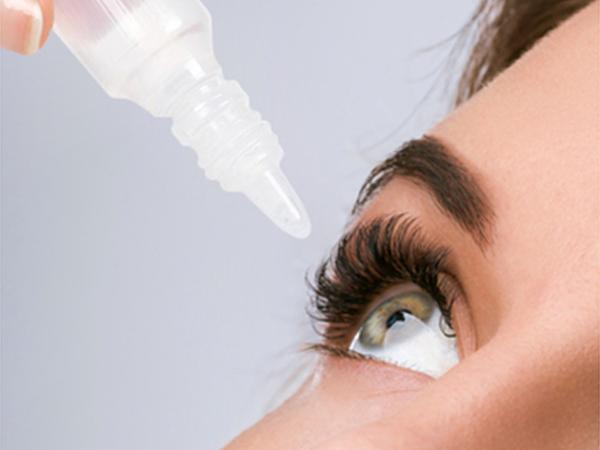
Some discomfort, dryness, and blur are common for a few days. Most notice vision improvement within 24 hours. Use antibiotic, anti-inflammatory, and lubricating drops as prescribed.
Follow-Up and Long-Term Care
Attend follow-up appointments in Korea to monitor healing. Avoid strenuous activity and rubbing eyes. Expect temporary night vision disturbances (glare, halos, starbursts), usually subsiding within a month, but sometimes taking several months to a year. Don't drive at night until cleared by your doctor.
Many enjoy stable LASIK results for 10–20 years, but age-related changes like presbyopia can still develop.
The LASIK Journey in South Korea: Step-by-Step Guide
| Phase | Key Actions/Steps | Patient Considerations |
|---|---|---|
| Pre-Procedure | Consultation, exams, health review | Use agencies for logistics and translation; plan travel and accommodation early |
| Stop contact lenses | Follow timeline for lens type | |
| Hygiene, transport, recovery prep | No makeup/creams; arrange transport; prep medication and recovery space | |
| Procedure Day | Comfort and safety | Light meal, comfortable clothes, avoid scents |
| Surgery steps | Flap creation, laser reshaping, flap reset | |
| Post-Op | Recovery, medications, follow-ups | Blurry vision resolves quickly; adhere to drops and doctor’s guidance; plan extra stay for follow-ups |
| Managing effects | Glare/halos common early; avoid eye rubbing and strenuous activity |
Cost Analysis: LASIK in South Korea vs. Global Medical Tourism Destinations
South Korea is not only renowned for high-quality ophthalmology and up-to-date LASIK technology, but also for competitive pricing and stringent quality standards.
Average LASIK Costs in South Korea
- Per eye: Average in Seoul is ~$978 (range: $805–$1,150)
- By technology:
- Standard LASIK: $1,150–$1,900
- Custom LASIK: $1,500–$2,650
- Femto-LASIK: $1,900–$3,050
- SMILE LASIK: $2,300–$3,450
Actual prices depend on eye condition, technology, and clinic.
Cost Comparison: South Korea vs. Other Destinations
| Country | Estimated LASIK Cost (USD, per eye) | Notes |
|---|---|---|
| South Korea | $805 - $1,150 | Average $978, top tech, high standards |
| Turkey | $1,900 | Higher than South Korea |
| Austria | $1,550 | Higher than South Korea |
| Thailand | $1,710 | Higher than South Korea |
| USA | ~$4,000 | Much higher than South Korea |
Typical Inclusions for South Korea LASIK Costs
- Preoperative exams and consultations (some are free)
- LASIK surgery itself (with advanced technology)
- Immediate post-op check-ups
- Prescribed drops (antibiotic and anti-inflammatory; lubricants may be separate)
- Some packages may include logistical extras like hotel or translation
Other Financial Considerations
Don’t forget to budget for:
- Flights and travel
- Accommodation and meals
- Caregiver support, if needed
- Additional follow-up visits not included in package
- Over-the-counter medication like artificial tears
Insurance rarely covers LASIK, so expect to pay out-of-pocket, though payment plans may be available.
Patient Experiences: LASIK and Night Vision Improvement
How LASIK Helps with Night Vision
Correcting refractive errors with LASIK often leads to clearer vision at night by resolving glare, halos, ghosting, and trouble seeing details in dim settings. The FDA and other studies show most patients have fewer night vision complaints post-LASIK than before. Newer custom laser techniques, especially those using wavefront mapping, deliver the best night vision results and the fewest new visual side effects. However, if night problems are due to cataracts or retinal disease, LASIK may not help.
Temporary Visual Effects After LASIK
Temporary symptoms such as glare, halos, or starbursts are common immediately after surgery. Early healing fluid, light sensitivity changes, large pupils, dry eyes, or brain “retraining” all contribute. Most people see these issues fade within a few weeks to a month. For some, resolution may take three months or longer. Always let your doctor know if symptoms persist.
During recovery, follow eye care instructions carefully and avoid night driving until you get the green light from your eye doctor.
Conclusions
Night vision problems from refractive errors like myopia and astigmatism can severely impact comfort and safety during low-light activities. LASIK is a reliable and lasting solution for these conditions, particularly when modern technologies like wavefront-guided lasers are used. South Korea offers excellent medical tourism support and advanced eye care at globally competitive prices. Most patients report dramatic night vision improvements, though some temporary side effects are expected as part of healing. A realistic outlook and proactive follow-up ensure the smoothest path to clearer vision.
References
1, 2, 3, 4, 5, 6, 7, 8, 9, 10, 11, 12, 13, 14, 15, 16, 17, 18, 19, 20